
When selecting CNC Machining Services, understanding your specific needs is crucial. Expert Tom Johnson, a veteran in the CNC industry, states, "Choosing the right machining partner can make or break your project." This highlights the importance of making informed decisions.
CNC Machining Services encompass various techniques and materials. Each project demands a tailored approach. Not all service providers offer the same capabilities or expertise. Companies may excel in high-volume production but lack finesse in complex parts. There is also a risk of underestimating the importance of communication. Clear dialogue with your provider can prevent misunderstandings.
Take time to evaluate potential partners carefully. Look for their experience and specialization in your field. Trustworthiness and reliability are key factors as well. Each choice should reflect both your project goals and operational standards. It's essential to reflect on previous experiences, whether positive or negative, to guide your decision-making process effectively.
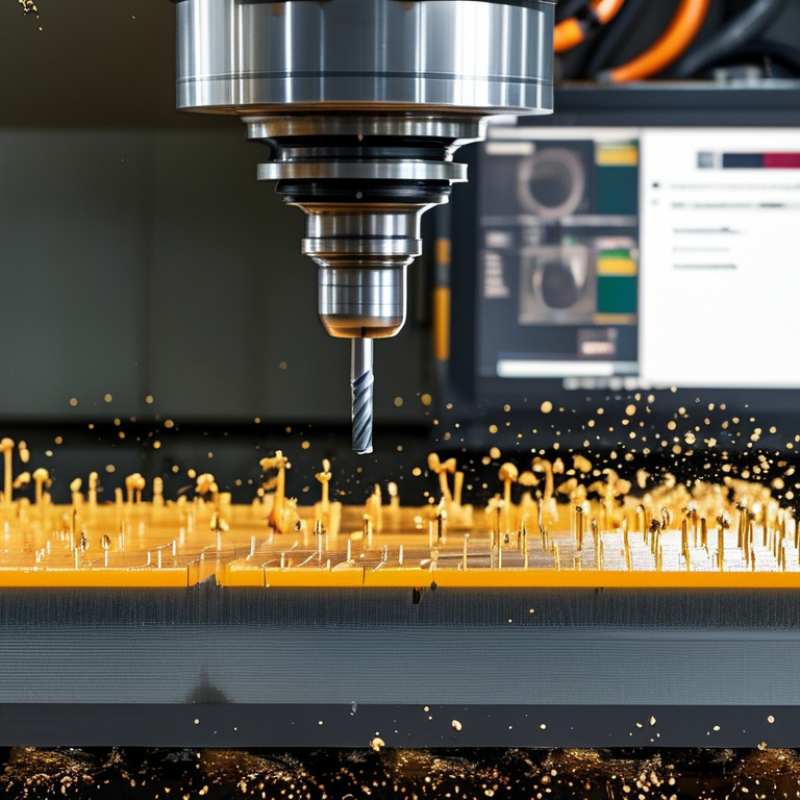
CNC machining is a vital process in modern manufacturing. CNC stands for Computer Numerical Control. This technology allows for precision cutting, drilling, and milling of materials. It transforms digital designs into physical products with remarkable accuracy. Having a grasp of CNC machining's significance can help businesses streamline production.
When choosing CNC machining services, consider the complexity of your project. Some shops excel in intricate designs, while others focus on bulk production. Evaluate their past work to determine their expertise in your specific requirements. Communication is also crucial. Make sure the service provider understands your needs and is open to feedback.
Tips: Ask for samples of previous work. This will give you insights into their capabilities. Don't hesitate to discuss your design ideas. Openness can lead to valuable suggestions that enhance your project. Additionally, inquiring about their quality control processes can reveal how they maintain high standards. Always reflect on your choices to ensure the service aligns with your expectations. Balancing cost with quality is essential; cheaper options may compromise precision.
Choosing the right CNC machining service requires careful evaluation of several key factors. First, consider the expertise of the provider. Look for a team with significant experience in your industry. A firm with a strong track record can navigate challenges effectively. Industry knowledge hints at their ability to meet your specific needs.
Next, assess the technology and equipment available. Updated machines often yield better precision and efficiency. Older models might lead to errors, requiring costly rework. Ask about their processes and how they ensure quality. This insight reveals their commitment to excellence.
Finally, communication matters. Evaluate how responsive the service is to your inquiries. Are they straightforward about lead times and potential delays? A transparent process builds trust. Reflect on your interactions. Do they listen to your concerns? This responsiveness often indicates their dedication to customer satisfaction.
CNC machining technologies offer various benefits and limitations that can impact your project’s success. Understanding these can help you choose the right service provider. For instance, subtractive machining, which is popular, provides excellent precision. According to a report from the International Journal of Advanced Manufacturing Technology, it achieves tolerances of ±0.01 mm. This level of accuracy is crucial for industries like aerospace and automotive.
On the other hand, additive manufacturing, while versatile, has its own constraints. It typically involves longer production times. The industry average indicates that additive processes could take up to five times longer than traditional methods for similar tasks. This trade-off can be costly for urgent projects. Additionally, some materials used in additive techniques do not match the performance characteristics of those produced by CNC processes.
Automation plays a vital role in modern CNC machining. Implementing advanced robotics can enhance efficiency significantly. However, reliance on automation can also lead to issues, such as high initial setup costs and potential maintenance challenges. These factors can impact your decision. Understanding these nuances enables you to make informed decisions that align with your specific needs.
| CNC Technology | Benefits | Limitations | Best Applications |
|---|---|---|---|
| CNC Milling | Versatile, suitable for complex parts, high precision | Higher setup time, limited material thickness | Aerospace, automotive, and medical industries |
| CNC Turning | Great for cylindrical parts, high-speed machining | Limited to round shapes, lower flexibility | Oil and gas, automotive components |
| CNC Laser Cutting | High speed, high precision, non-contact cutting | Material thickness limitations, potential for burn marks | Sheet metal fabrication, signage, and decorative elements |
| CNC Waterjet Cutting | Cut materials without heat, minimal material waste | Slow processing speed, not suitable for fine details | Stone, glass, and thick metals cutting |
| CNC Plasma Cutting | Fast cutting speed, effective for thick metals | Limited to conductive materials, less precision than laser | Metal fabrication, repair shops, and industrial applications |
When selecting CNC machining services, assessing vendor credentials is critical. Certifications play a vital role in determining a vendor's reliability. For instance, an ISO 9001 certification indicates adherence to quality management standards. Reports suggest that companies with such certifications experience up to 20% fewer quality issues. This underlines the importance of understanding the implications of these certifications.
Industry experience also matters. A vendor with over five years in the sector is likely to have faced diverse challenges. This exposure builds their problem-solving capability. A survey indicated that 70% of professionals consider industry experience as a top criterion when choosing a CNC services provider. It reflects trust and enhances your project’s success rate.
However, not all experienced vendors maintain the same standards. Some may become complacent over time. Regular updates in technology mean that continuous learning is essential. Selecting a vendor that prioritizes ongoing training and development can mitigate risks associated with outdated practices. Always ask about their latest capabilities and recent projects. Understanding both credentials and potential gaps is necessary for informed decisions.
In the realm of CNC machining, cost considerations play a vital role. When selecting services, understanding pricing strategies can help avoid potential pitfalls. Many providers use competitive pricing models, but beware of costs that seem too low. Low prices may indicate compromised quality, which could lead to expensive rework.
Typically, costs in CNC machining stem from several factors. Material choice significantly impacts pricing, with some metals being more expensive than others. Labor rates also vary, reflecting the complexity of the work. Moreover, setup fees are common in projects requiring specialized tooling. Pay attention to additional charges, as they can inflate your budget unexpectedly.
It's essential to have open discussions with potential service providers. Ask about their pricing structure clearly. A transparent approach can reveal hidden costs and help you understand the value of the services offered. It's also helpful to request quotes from multiple vendors to compare both price and quality. An informed decision relies not only on cost but also on the expected outcomes and reliability of the service.
This chart displays the breakdown of various cost considerations when selecting CNC machining services. Understanding these costs will help you make an informed decision based on your budget and requirements.
: CNC machining is a manufacturing process that uses computer control for precise cutting and shaping materials.
CNC machining enhances production efficiency by accurately transforming digital designs into physical products, supporting various industries.
Evaluate project complexity and assess the shop's past work. Communication about your needs is essential.
Ask for previous work samples and discuss their quality control processes. Openness can lead to valuable insights.
Subtractive machining provides high precision, achieving tolerances of ±0.01 mm, vital for aerospace and automotive sectors.
Additive manufacturing often has longer production times, which can hinder urgent projects and lead to higher costs.
Automation can improve efficiency but may require high initial investments and pose maintenance challenges.
Certifications like ISO 9001 indicate quality adherence, significantly reducing quality issues and ensuring reliable service.
Vendors with over five years in CNC machining likely have encountered diverse challenges, enhancing their problem-solving skills.
Continuous learning ensures vendors stay updated with technology, reducing risks of outdated practices affecting your project.
Choosing the right CNC machining services is crucial for manufacturers looking to optimize their production processes. Understanding CNC machining's definition and its significance in the industry lays the foundation for making informed decisions. Key factors to consider when evaluating these services include technological capabilities, turnaround time, and customization options. A comparative analysis of various CNC machining technologies reveals their respective benefits and limitations, helping businesses align their needs with the appropriate service provider.
Additionally, assessing vendor credentials, such as relevant certifications and industry experience, ensures reliable partnerships. Finally, cost considerations play a vital role, as different pricing strategies can greatly impact overall project budgets. By concentrating on these aspects, businesses can effectively select CNC machining services that cater specifically to their operational requirements and objectives.
