Explore our elite collection of high-precision photo-electrical, inductive, and capacitive sensor switches engineered for robust industrial performance.
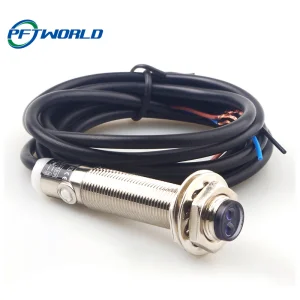
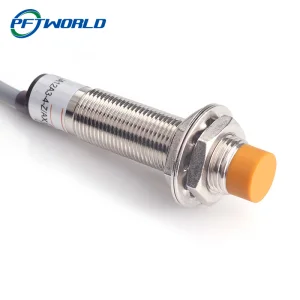
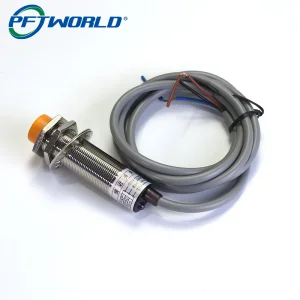
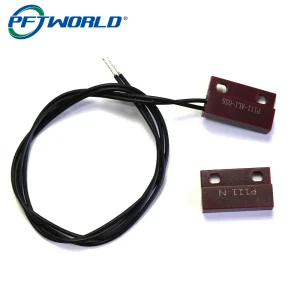
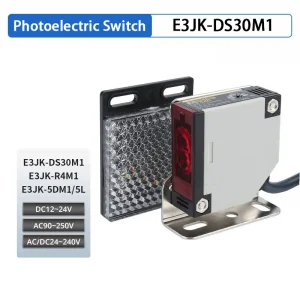
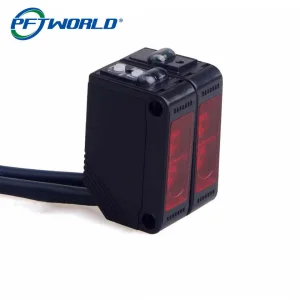
The industrial landscape is undergoing a monumental paradigm shift, driven by the rise of Industry 4.0, the Internet of Things (IoT), and smart factory initiatives. At the heart of this transformation is the sensor switch—a fundamental component that bridges the physical world of mechanical movement and the digital realm of computerized control systems. Sensor switches are no longer just basic on/off components. Today, they are intelligent nodes capable of real-time diagnostics, environmental adaptation, and ultra-high-speed communication.
From simple limit switches to advanced diffuse-reflective photoelectric sensors and inductive proximity controls, modern devices must operate with extreme consistency under demanding conditions. As manufacturers deploy these components across critical lines, selecting the correct electrical parameters, detection methodologies, and mechanical housings becomes a paramount engineering challenge. The reliability of an entire packaging, automotive assembly, or logistics sorting line can depend on a single photoelectric or inductive sensor maintaining calibrated accuracy through millions of operation cycles.
Understanding the physics and specific applications of major sensor switch categories allows system engineers to optimize MTBF (Mean Time Between Failures) and minimize commissioning time.
Operating on the Faraday Law of Induction, these switches generate a high-frequency electromagnetic field from their sensing face. When a metallic object approaches, eddy currents are induced in the target, dampening the oscillation amplitude. A trigger circuit detects this change and changes the output state. They are incredibly reliable for non-contact metallic detection on assembly lines.
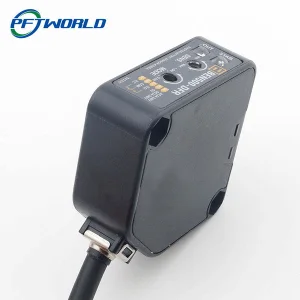
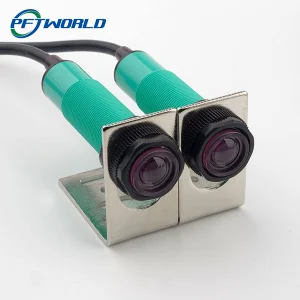
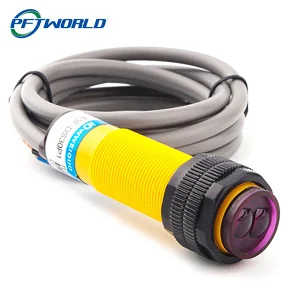
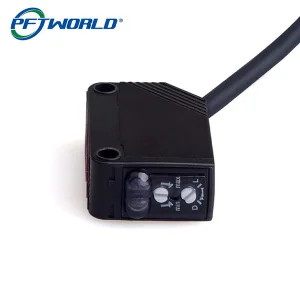
Utilizing infrared, red, or laser light beams, these devices operate under three primary modes: Through-beam (highest range and reliability), Retro-reflective (uses a reflector, medium-high range), and Diffuse-reflective (detects light bouncing off the target itself). Modern versions like the E3F or E3Z series offer adjustable sensitivity and selectable PNP/NPN outputs.
These sensors measure the change in capacitance between the active face and the target object. Because they can detect any material with a dielectric constant greater than air, they are widely used for level sensing of bulk solids, liquids, plastics, and glass. High-precision capacitive versions are indispensable for non-metal detection and packaging integrity checks.
| Technology Type | Primary Target Materials | Standard Sensing Range | Typical Switching Frequency | Key Advantage | Limiting Factor |
|---|---|---|---|---|---|
| Inductive Proximity (e.g., LJ12A3 / LJ18A3) | Ferrous & Non-Ferrous Metals | 1 mm to 15 mm | Up to 2 kHz | Immune to dust, moisture, and non-metal contaminants | Limited to metal detection only |
| Photoelectric (e.g., E3Z-T81, E3F-5D) | All opaque and semi-reflective targets | 10 mm to 20 m | Up to 1 kHz | Long detection distances, optical precision | Can be affected by heavy dust and mist |
| Capacitive Proximity (e.g., OEM/ODM Custom) | Liquids, plastics, grains, glass, metals | 2 mm to 25 mm | 100 Hz to 500 Hz | Detects targets through non-metallic walls | Highly sensitive to environmental humidity |
| Magnetic Proximity (e.g., SP111) | Permanent magnets | 10 mm to 50 mm | Up to 1.5 kHz | Hermetically sealed, cost-effective | Requires magnetic target mounting |
| LVDT Displacement (Linear Position) | Ferromagnetic cores (for structural position) | Up to 500 mm | Continuous Analog / Digital | Sub-micron resolution, absolute positioning | High initial setup cost and mechanical link |
Adapting sensor switch technology to different geographical and regulatory contexts ensures high availability and compliance across international jurisdictions.
In highly automated automotive plants, inductive sensors like the LJ18A3-8-Z/BX track chassis location with sub-millimeter tolerances on body-in-white (BIW) lines. Because they are immune to weld splatter and magnetic interference, they ensure smooth conveyor transitions. Concurrently, high-precision LVDT displacement sensors perform final dimensional clearances for hoods and door panels to pass safety and aerodynamic tests.
Hygiene standards in Europe and Japan require aggressive high-pressure washdowns with hot water and alkaline detergents. Sensors deployed in these regions must meet IP69K ingress protection. Custom capacitive sensors monitor liquid and solid food levels inside plastic containment vessels without direct contact. Specular reflection photoelectric sensors track glass bottles on high-speed filling lines, ensuring zero-spill operations.
Operating under abrasive coal dust, mineral slurry, and intense ambient sunlight, sensors require heavy-duty aluminum or brass housings. Through-beam infrared models like the E3F-20C20L with a 20-meter range are used to align conveyors and monitor belt drift. The optical elements are equipped with air-purge collars to prevent dust build-up, and the internal circuits are ruggedized to withstand mechanical shocks and vibration.
Precision electronics assembly requires micro-positioning and rapid component detection. Subminiature photoelectric sensors and fiber-optic amplifiers detect PCB edge alignments in SMT pick-and-place systems. In these environments, electrostatic discharge (ESD) safety is paramount. Sensor housings must be made of anti-static polymers or grounded metal parts to prevent delicate circuit damage.
One-Stop High-Precision Sensor Hardware & CNC Machining Factory in China
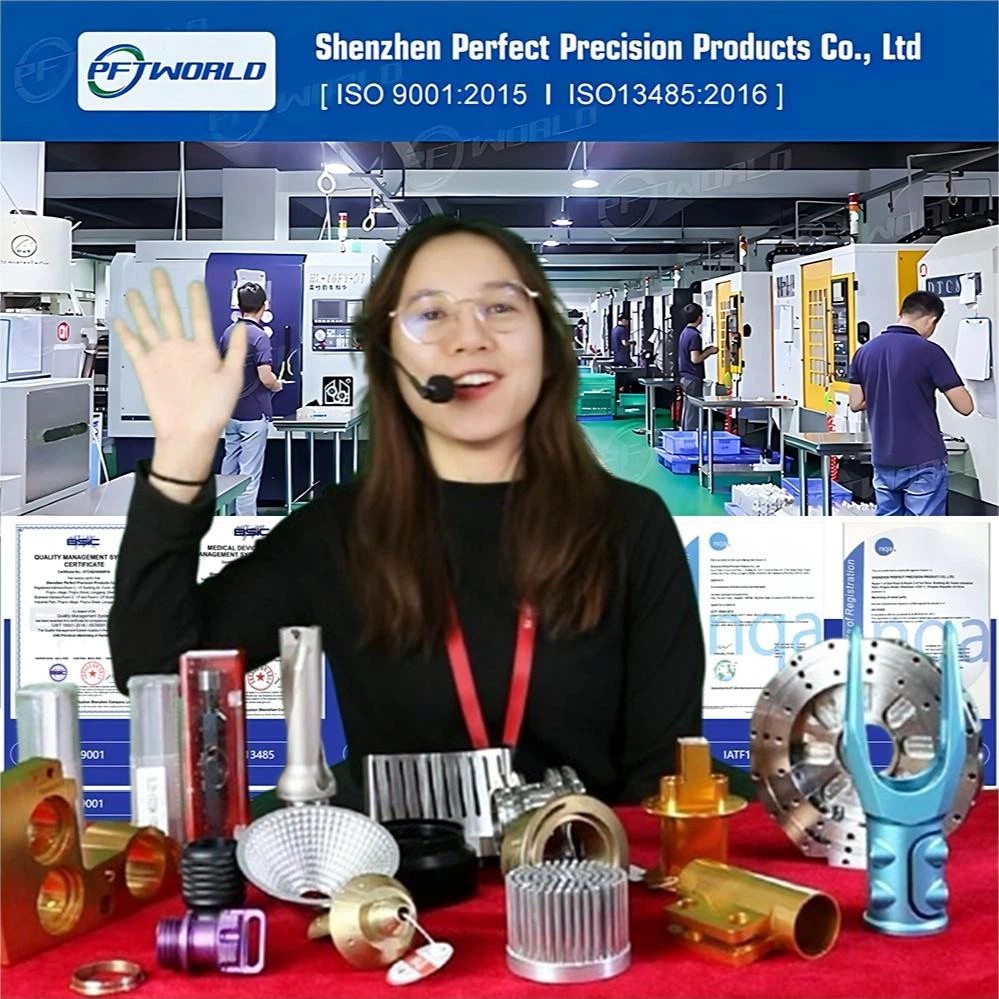
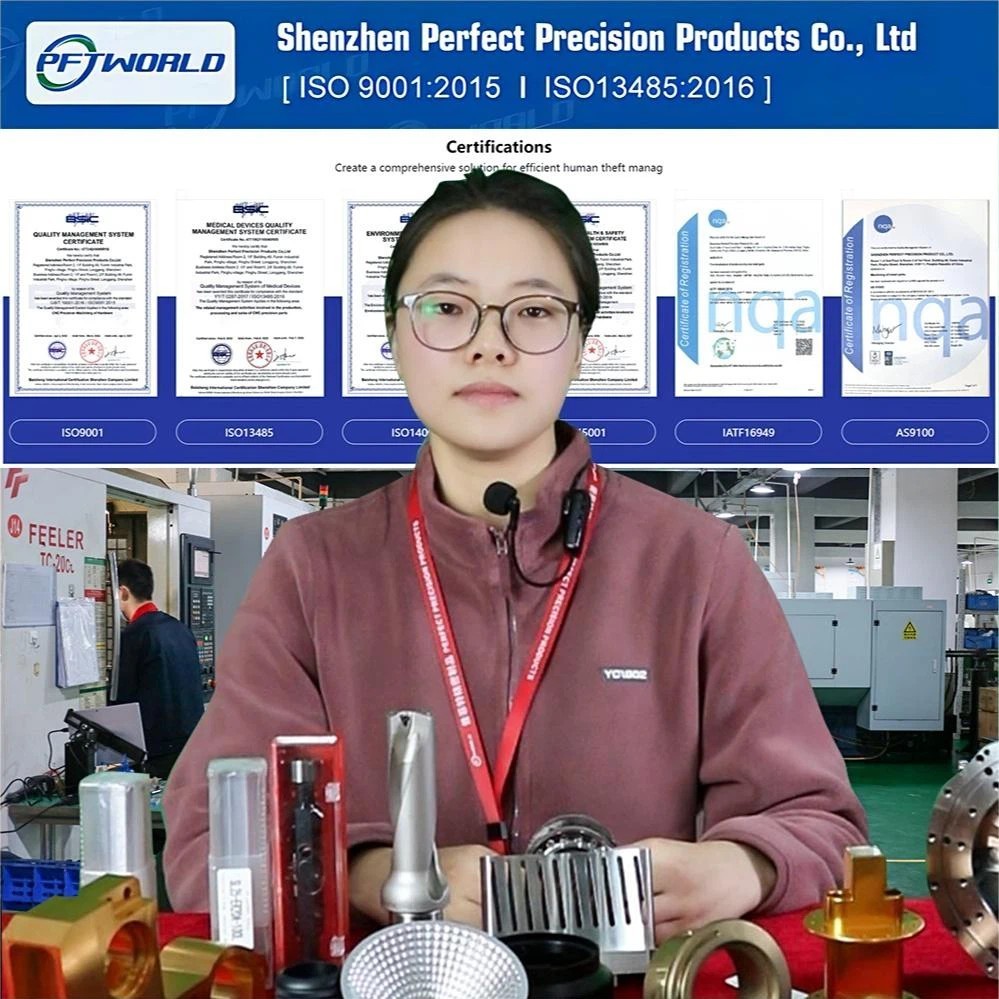
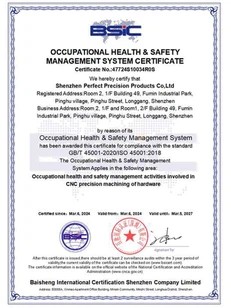
Established with a dedicated foreign trade team in 2014, Shenzhen Perfect Precision Products Co., Ltd (PFT) has developed into a leading high-tech manufacturer specializing in precision machining, custom sensor housings, structural metal parts, and complete assembly solutions. Passing the rigorous ISO9001 quality system certification, we were honored with the "Guangdong Contract and Trustworthy Enterprise" title in 2018, followed by official High-Tech Enterprise and Intellectual Property Management System certification in 2019.
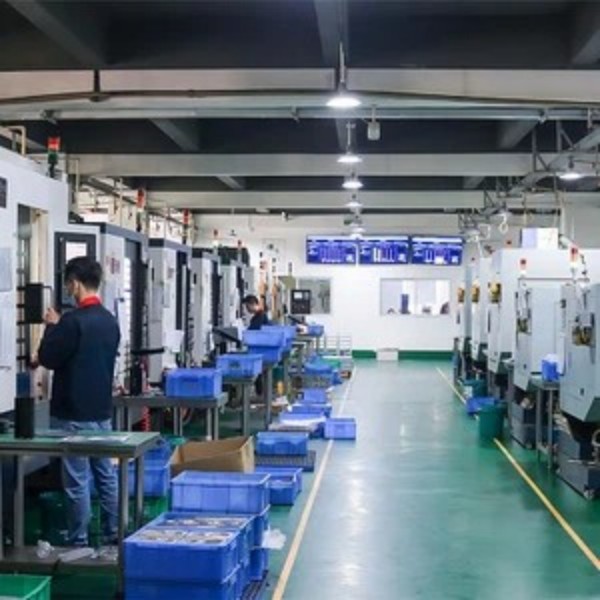
By 2020, our state-of-the-art office and manufacturing footprint expanded to 10,000 square meters, staffed by a dedicated and highly specialized engineering and production team of 70 personnel. In 2021, the company achieved full digital chemical plant status, leveraging advanced ERP control systems, real-time machine tracking, and integrated CNC manufacturing pathways to deliver unprecedented production predictability and efficiency.
| Engineering Attribute | Standard Capability | Specialized Capability |
|---|---|---|
| Dimensional Tolerance | +/- 0.01 mm | +/- 0.002 mm |
| Surface Roughness | Ra 0.8~3.2 | Ra 0.1~0.4 (Super-Finish) |
| Sample Delivery | 1 - 3 Days | Express overnight dispatch available |
| Production Lead Time | 7 - 14 Days | Scaled to volume and custom complexity |
| Machinery Architecture | 3-Axis, 4-Axis, 5-Axis, and 6-Axis CNC Machining Centers | |
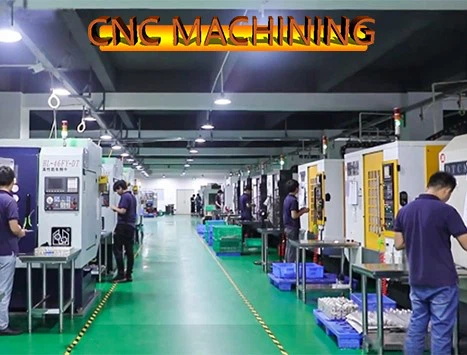
We supply global sensor switch OEMs and industrial clients with custom metal housings, precision structural parts, and full-process machining services.
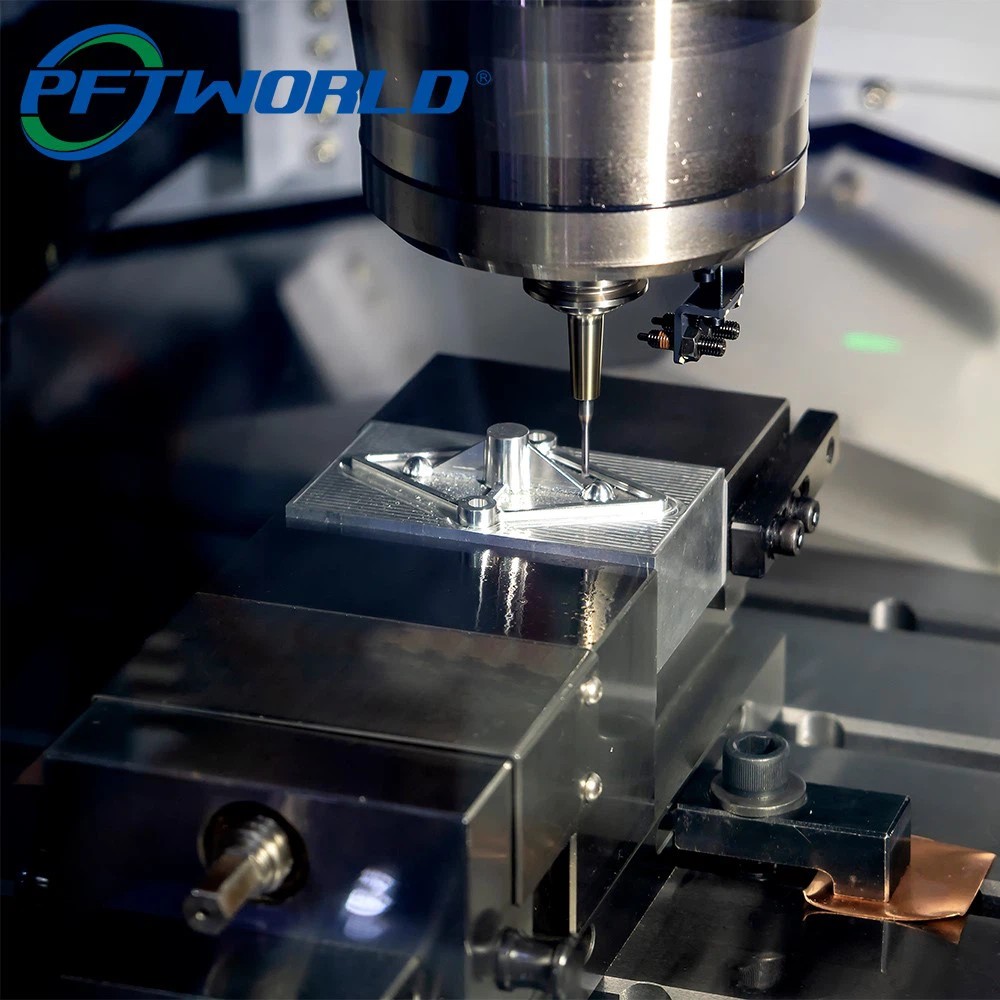
CNC Milling Machining
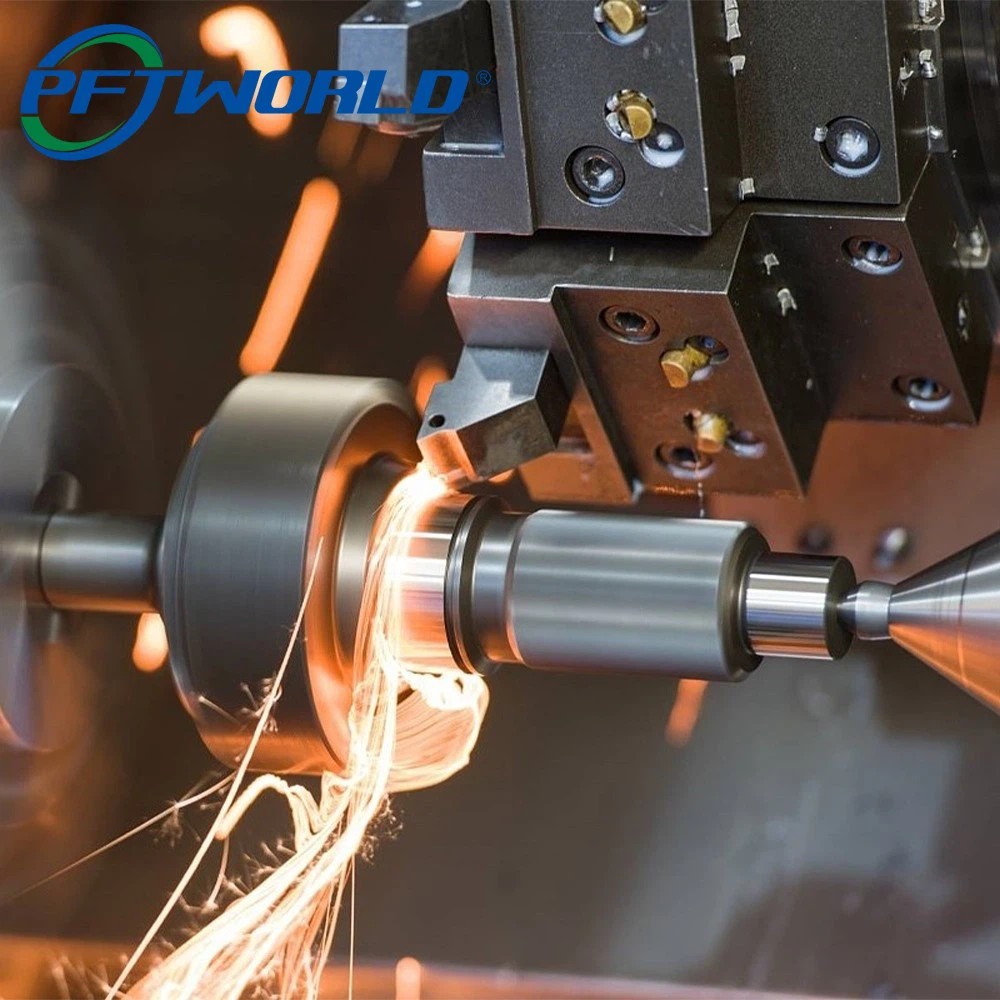
CNC Turning Machining
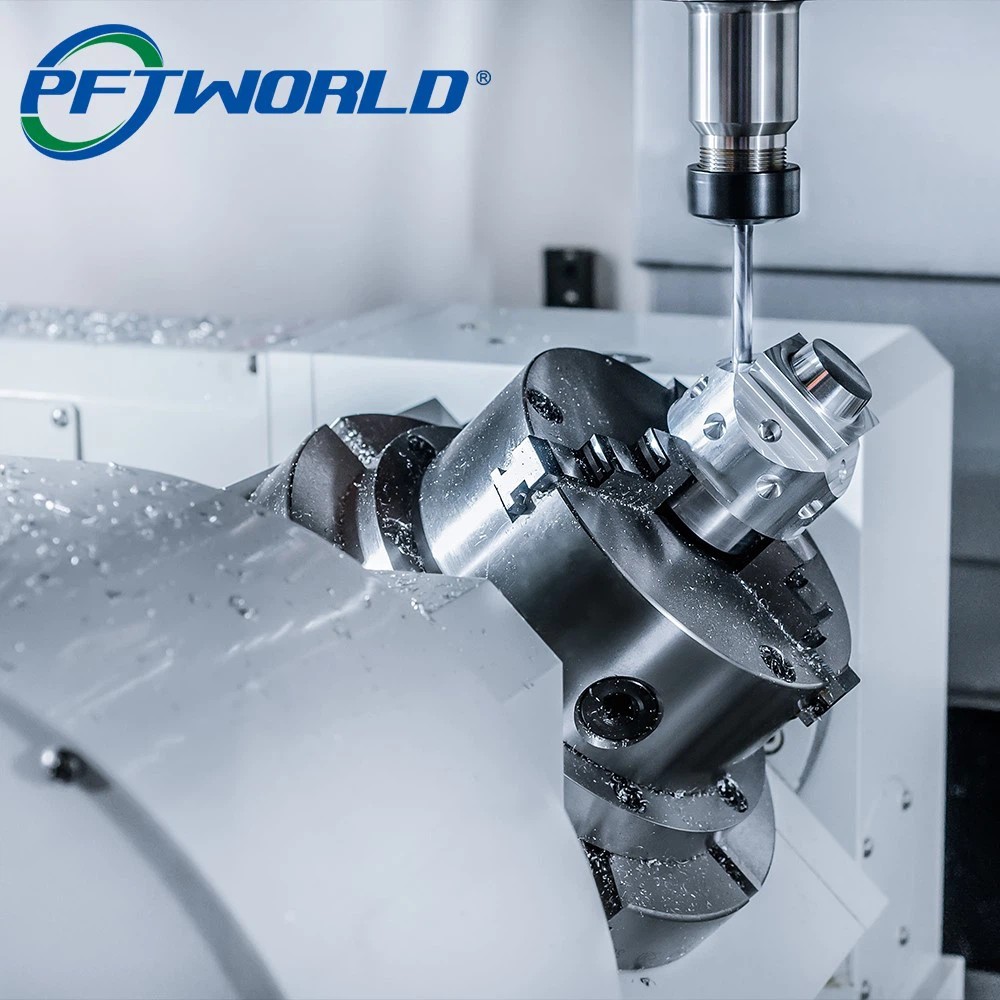
CNC Mill-Turn Machining
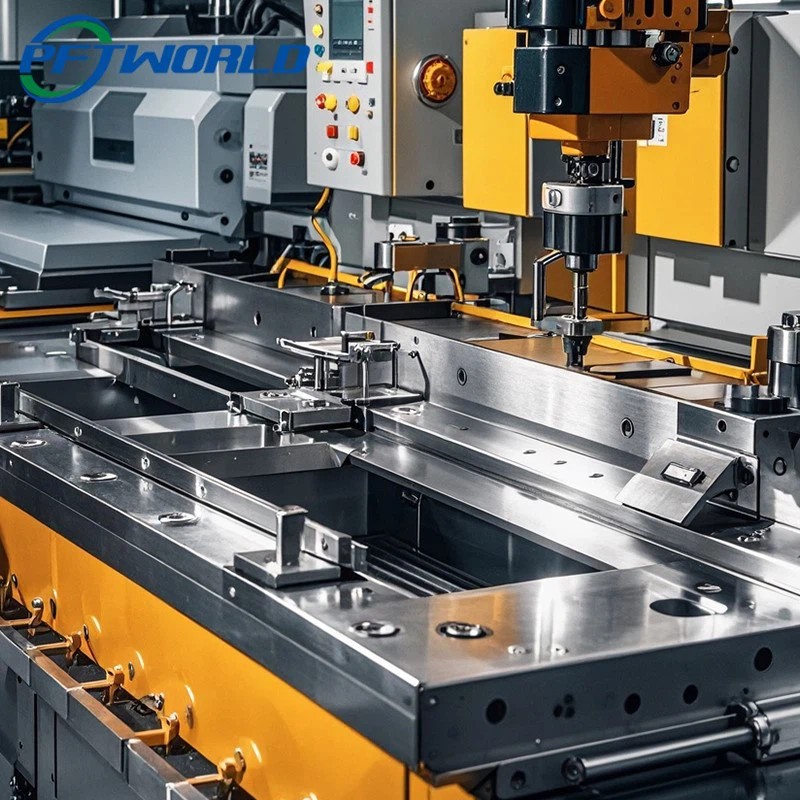
Sheet Metal Fabrication
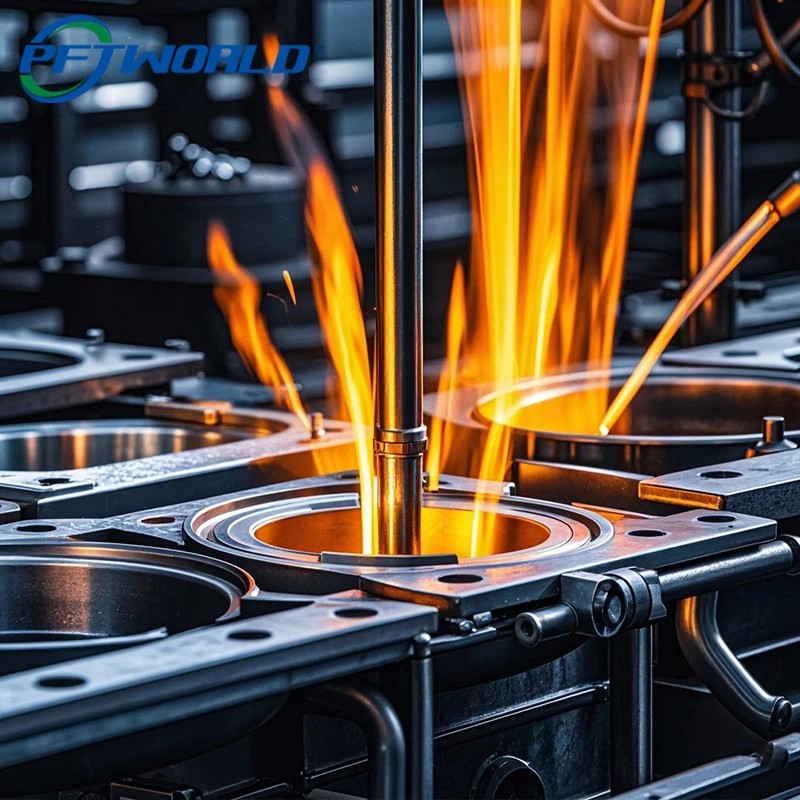
Casting Solutions

Forging Services
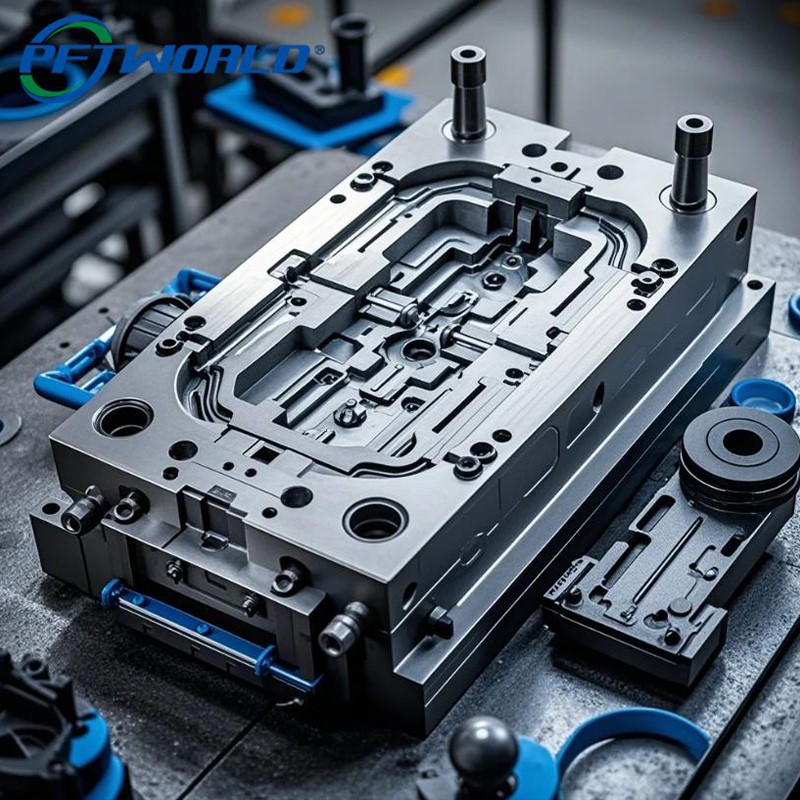
Precision Moulds
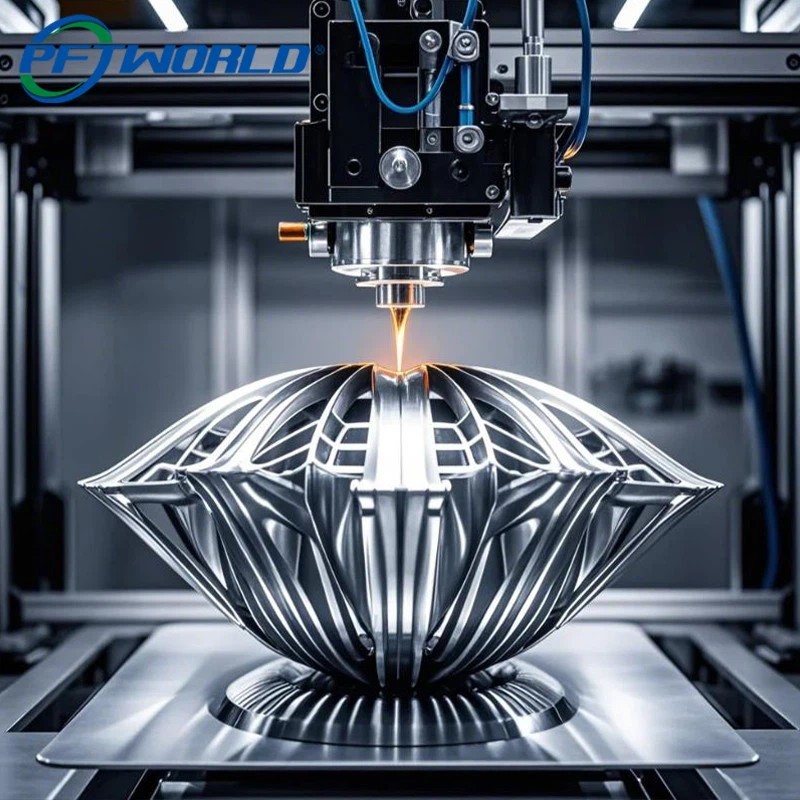
Industrial 3D Printing
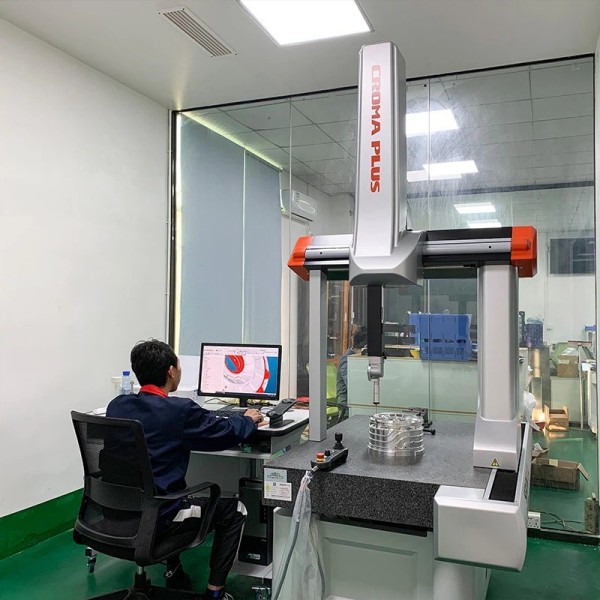
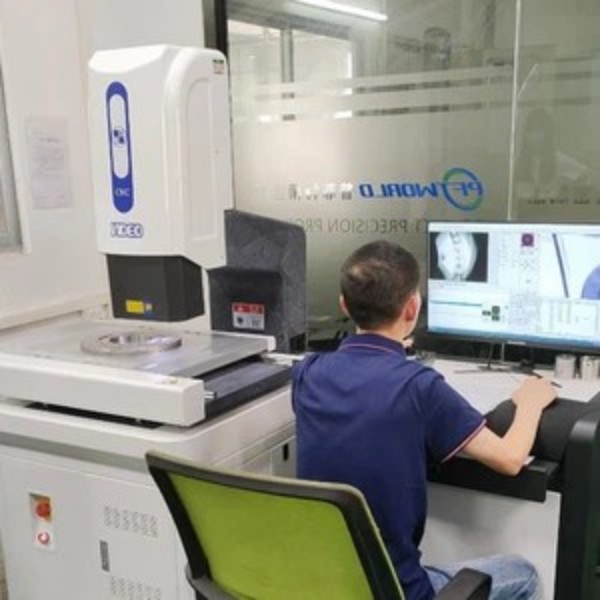
We deploy advanced metrology systems to guarantee that every component matches your 3D models and technical drawings down to the micro-level.
ISO-Certified factory providing globally recognized components.
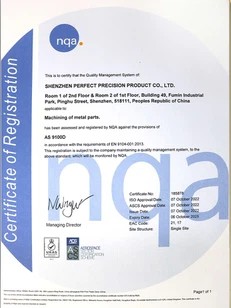
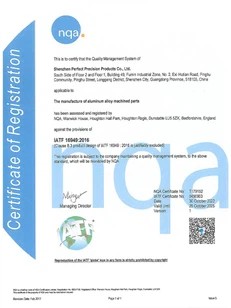
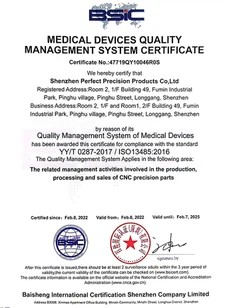
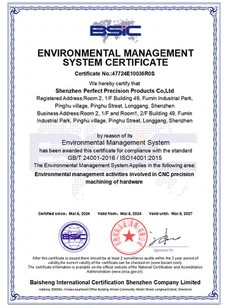
How our digital ecosystem ensures competitive cost, localized raw material sourcing, and quick lead times during global component constraints.
Global supply networks face constant disruptions, including component shortages, rising logistics costs, and shifting tariffs. Operating within the manufacturing hub of Shenzhen, China, allows PFT to tap into an integrated ecosystem of raw materials (from stainless steel and aircraft-grade aluminum to high-durability engineering plastics like PEEK and PTFE) and microelectronics.
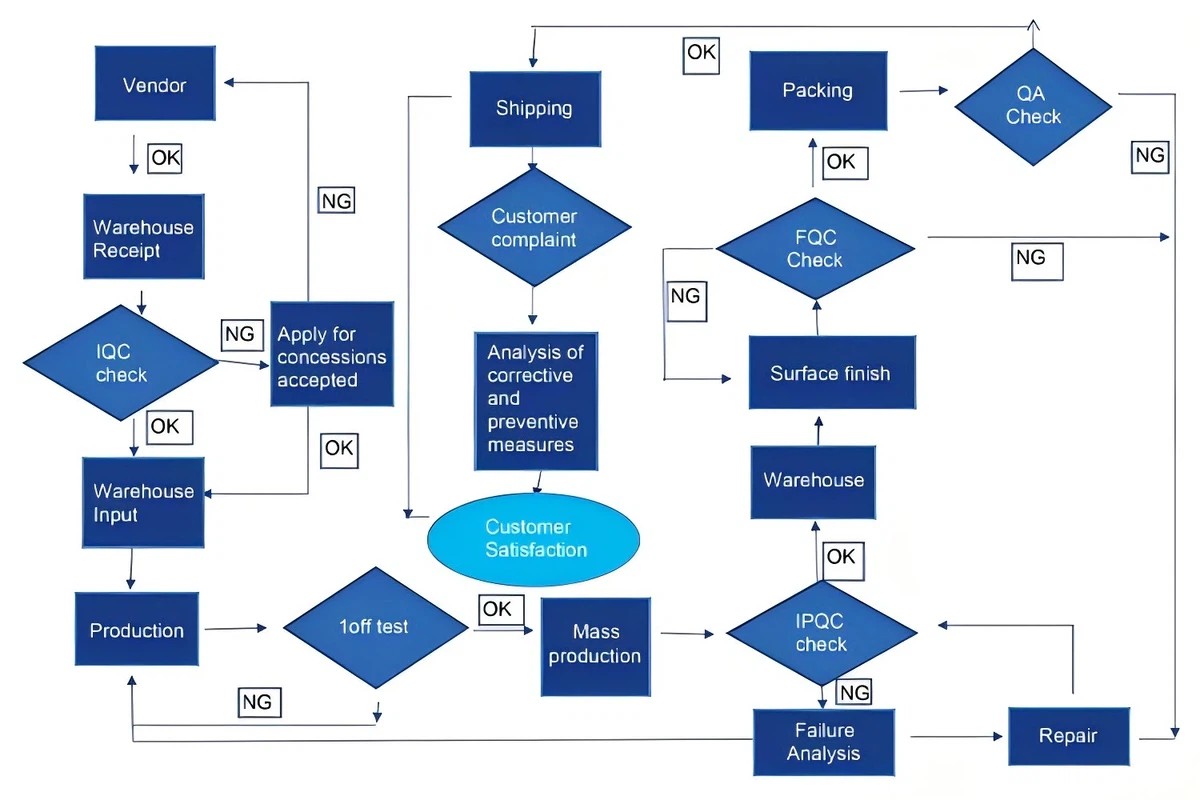
Through our Visualized Production protocols, customers gain real-time transparency over their orders. Every raw metal batch undergoes ultrasonic flaw testing and chemical spectrum analysis before entering the CNC line. Combined with our ERP systems, this approach reduces manufacturing waste by up to 25% and ensures our 7-14 day lead times are met, even for complex custom designs.
Technical answers from our expert team regarding sensor switch manufacturing, tolerances, custom integrations, and OEM/ODM collaborations.
Leading brands and OEMs trust our components for high-stress automation and manufacturing systems.
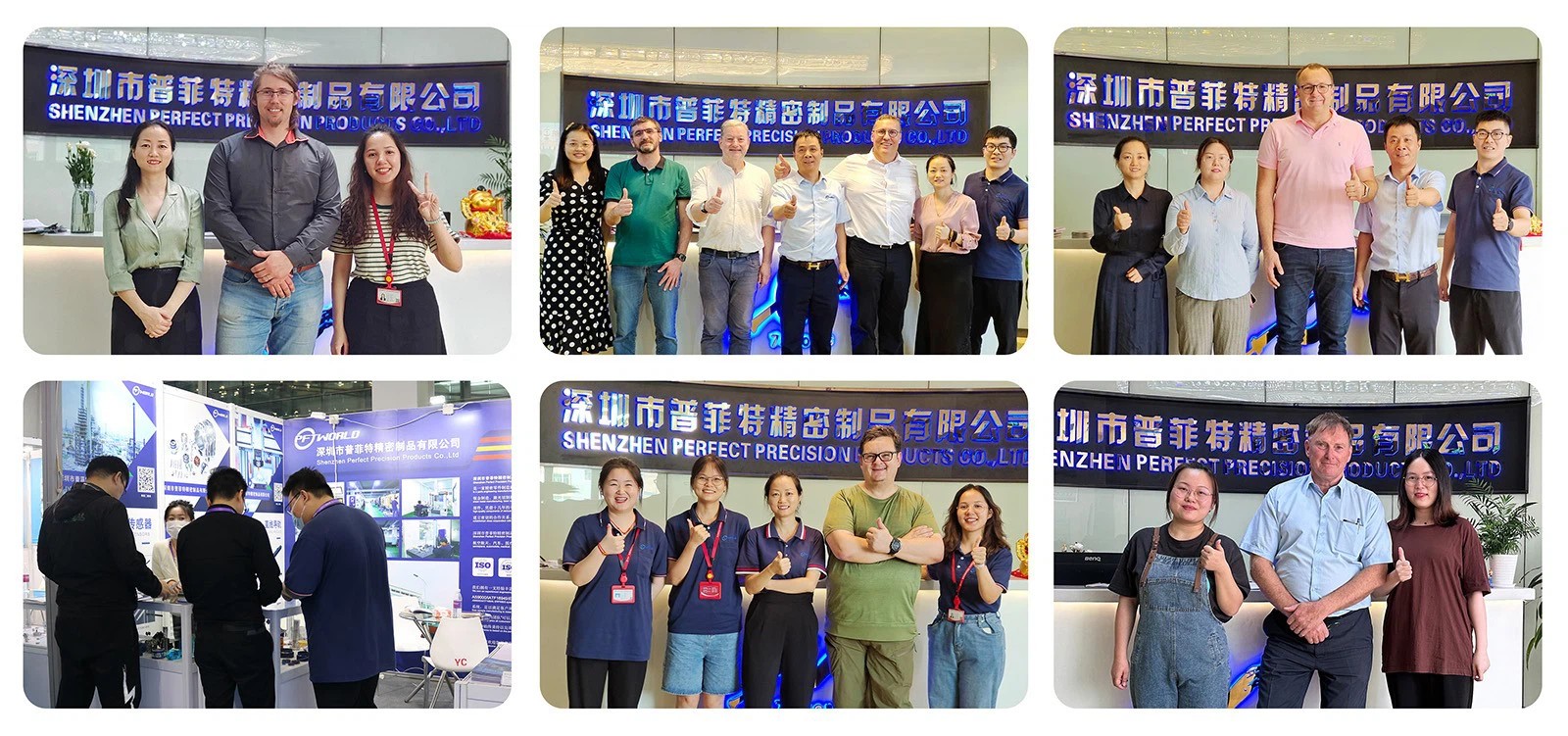
"PFT's ability to maintain a +/- 0.002mm tolerance on our custom sensor switch housings resolved the water ingress issues we were facing on our food washdown lines."
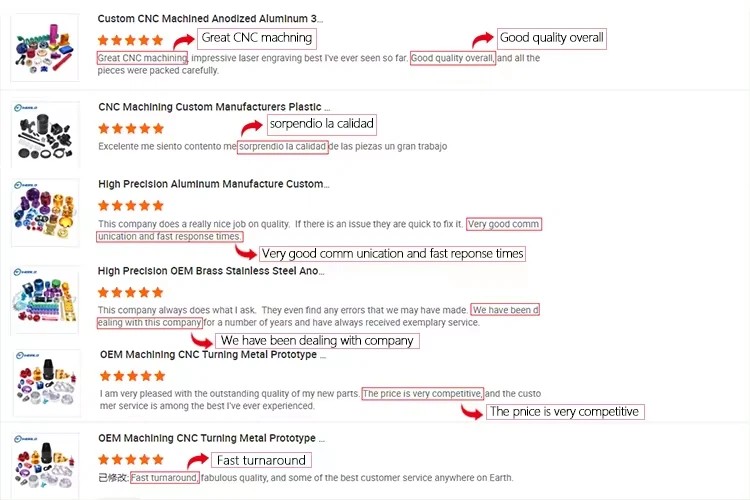
"The team delivered prototype inductive switch housings in 48 hours. Excellent service, responsive engineers, and reliable thread dimensional accuracy."
Reach out to our customer service and technical team for immediate quotes and engineering assistance.
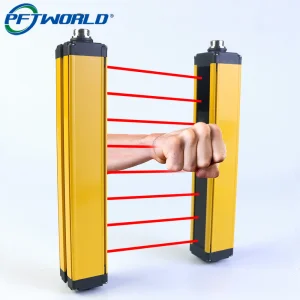
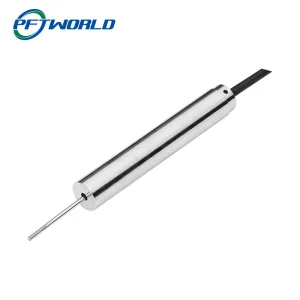
Browse our advanced sensing and feedback solutions, including capacitive sensors, safety light curtains, and waterproof displacement devices.
Get in touch with our engineering team to request a fast quote, submit your design files, or inquire about our CNC machining and customization services.
Send Inquiry Now