
Are you searching for a reliable capacitive sensor supplier for your industrial automation or automotive projects? Choosing the right supplier can make a huge difference in performance, durability, and cost. In this article, we’ll guide you step by step, based on real-world experience, to help you make the best decision.
Why Choosing the Right Capacitive Sensor Supplier Matters
Not all capacitive sensors are created equal. Working with a trusted supplier ensures:
- High Precision: Accurate measurements in harsh environments.
- Fast Response: Sensors that react instantly to touch or proximity.
- Customization Options: Tailored solutions for specific applications.
- Long-Term Reliability: Minimal maintenance and long service life.
💡 Example
Our factory recently supplied capacitive sensors for a robotics project, where standard sensors failed to detect subtle movements. Custom high-precision sensors solved the issue, improving efficiency by 18%.
Types of Capacitive Sensors
1. Touch Sensors
Ideal for human-machine interfaces, touch panels, and consumer electronics.
2. Proximity Sensors
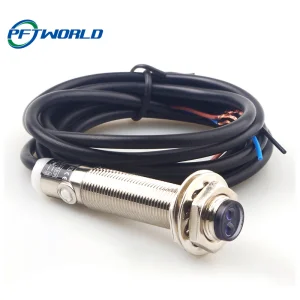
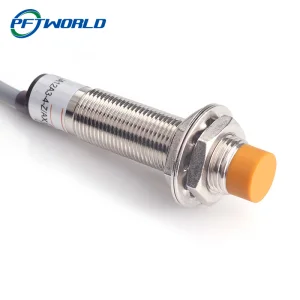
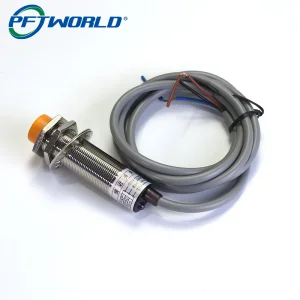
Detect objects without physical contact, widely used in industrial automation.
3. Custom Sensors
Tailored designs for robotics, automotive, and medical devices.
📌 Tip
Ask suppliers for datasheets and sample testing. Real-world testing ensures reliability under specific conditions.
How to Evaluate a Capacitive Sensor Supplier
Here’s a practical checklist based on our experience:
| Criteria |
What to Look For |
| Product Quality |
ISO-certified, consistent accuracy |
| Customization Capability |
Ability to modify size, material, or sensitivity |
| Delivery & Support |
Lead time, technical support, after-sales service |
| Industry Experience |
Case studies or references from similar projects |
| Documentation |
Datasheets, installation guides, compliance certificates |
⭐ Pro Tip
Pro Tip: A supplier providing detailed datasheets and application notes usually indicates strong technical expertise.
Applications of Capacitive Sensors
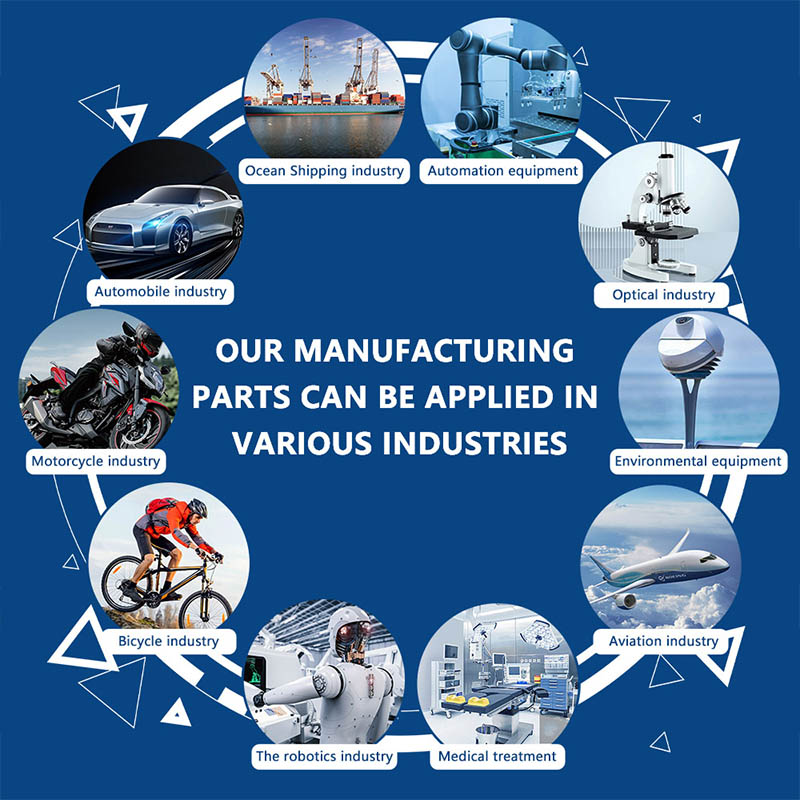
- Industrial Automation: Detecting objects on conveyor belts or robotic arms.
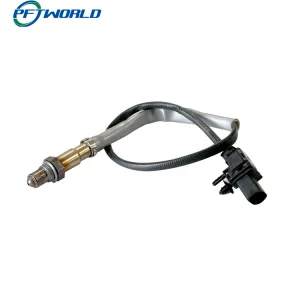
- Automotive: Proximity detection, touch buttons, and parking sensors.
- Medical Devices: Non-contact sensing for sterile environments.
- Consumer Electronics: Touchscreens, buttons, and gesture recognition.
📋 Case Study
In one automotive project, our capacitive sensors replaced mechanical switches, reducing failure rate by 25% and improving user interface response.
Tips for Sourcing the Best Supplier
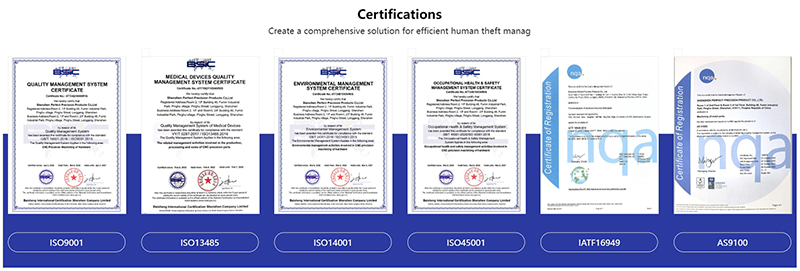
- Verify certifications: ISO9001, CE, or relevant industry standards.
- Request samples for testing under real conditions.
- Evaluate the supplier’s ability to scale production.
- Compare multiple suppliers using long-tail keywords in your search, e.g.,
high-precision capacitive sensor supplier, custom capacitive sensors for robotics.
Conclusion
Finding the right capacitive sensor supplier is more than just price comparison. Focus on precision, reliability, customization, and real-world performance. By following this guide and leveraging real case examples, you can select a supplier that ensures your project succeeds.
Application
FAQ
Q: What’s your business scope?
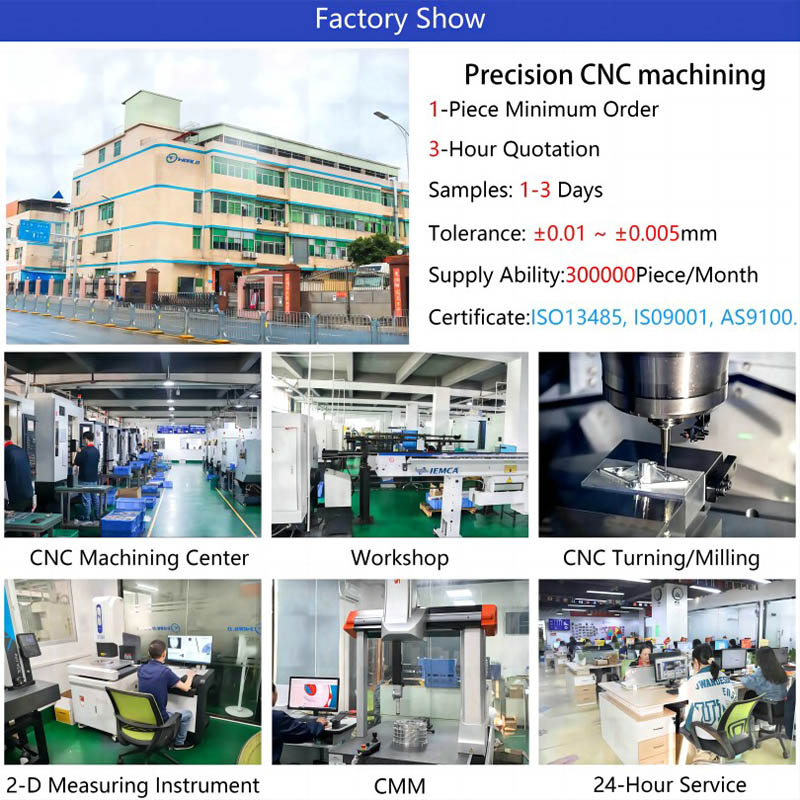
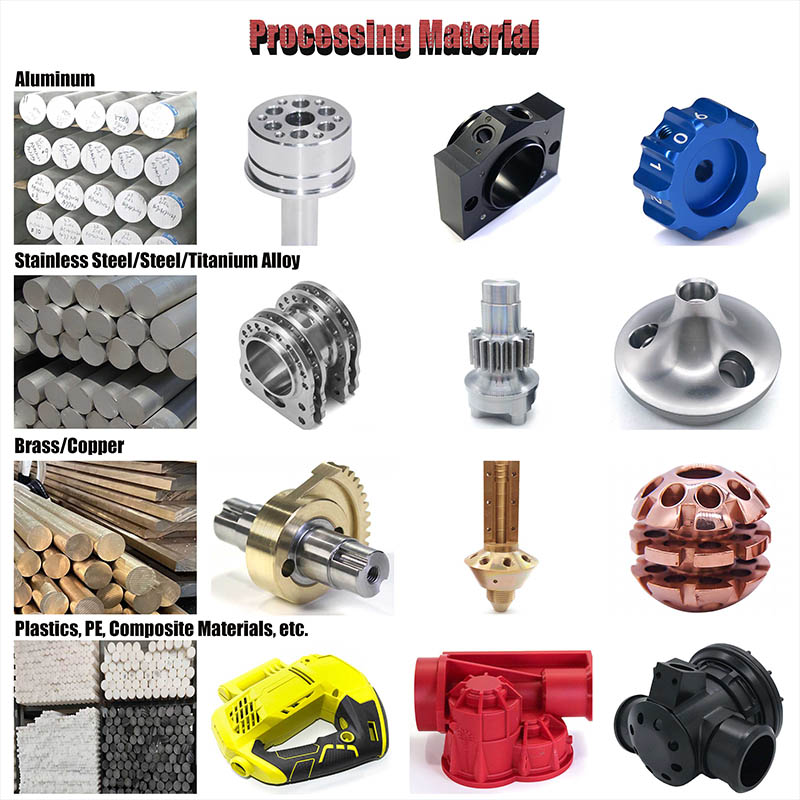
A: OEM Service. Our business scope covers CNC lathe processed parts, turning, stamping, and related manufacturing solutions.
Q: How can I send an inquiry?
A: You can send an inquiry detailing your project needs directly through our website, and we will get back to you within 6 hours.
Q: What information should I provide for an inquiry?
A: If you have drawings or samples, please feel free to send them to us, along with details regarding materials, tolerances, surface treatments, and the quantity required.
Q: What is the standard delivery timeframe?
A: The delivery date is approximately 10-15 days after the receipt of payment, depending on the specifications of the order.
Q: What are the payment terms?
A: Generally, we work with EXW or FOB terms with 100% T/T in advance. We can also consult and negotiate based on your specific requirements.
Q: Do you offer custom capacitive sensor manufacturing?
A: Yes, we provide custom modifications for sensitivity, dimensions, and materials to fit specialized applications in robotics, automotive, and medical fields.