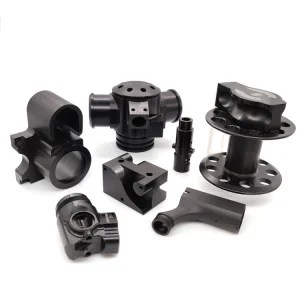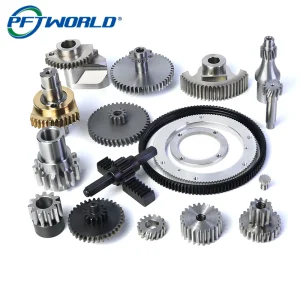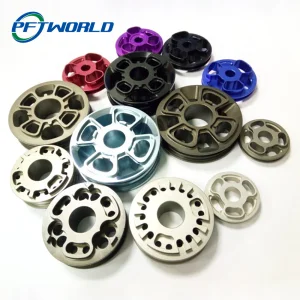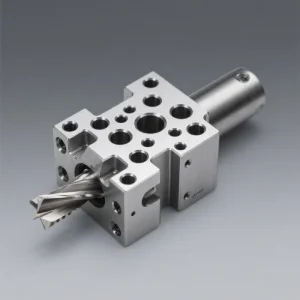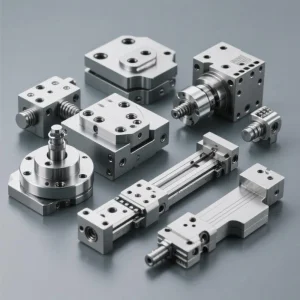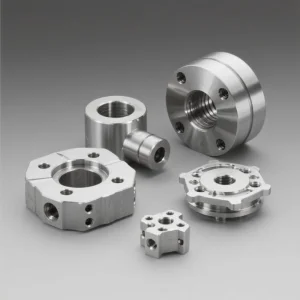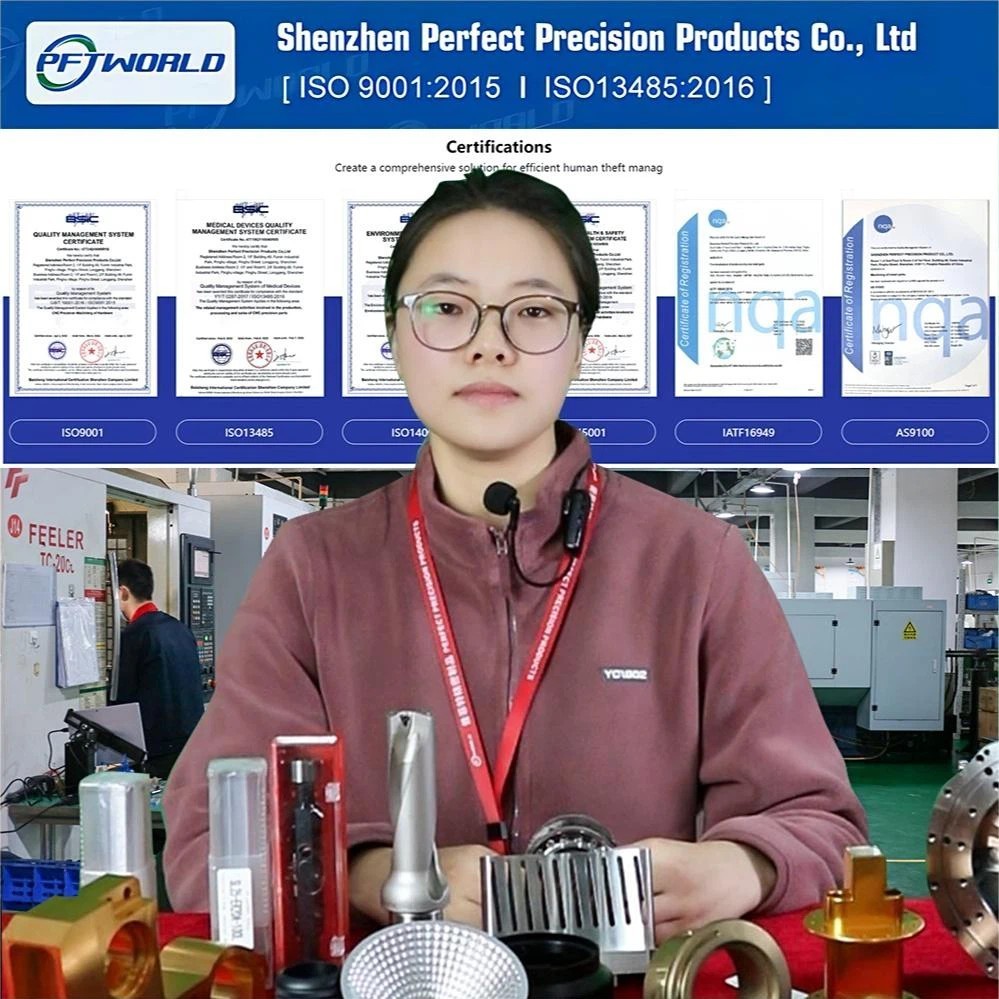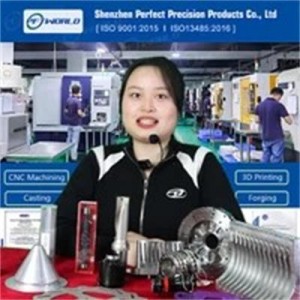
Explore our premium grade custom manufactured parts engineered for reliable performance in high-speed, automated production environments.
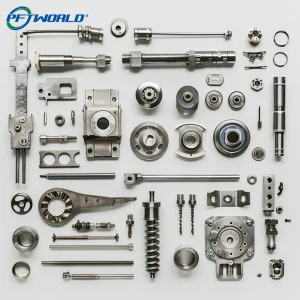
Years Experience
Advanced Machines
Global Customers
Monthly Capacity
As the manufacturing domain transitions deeper into Industry 4.0, the architectural demand for high-reliability automation equipment parts has risen exponentially. System integrators, production managers, and global procurement departments face complex bottlenecks when trying to source parts that satisfy tight dimensional tolerances, physical durability, and regulatory standards. Sourcing components is no longer just about transactional procurement; it is about establishing robust, resilient partnerships with companies capable of delivering custom technical solutions with high precision.
Traditional mass production is giving way to dynamic, agile manufacturing structures. This paradigm shift demands that mechanical transmission parts, robotic linkages, pneumatic actuators, and multi-axis alignment blocks be customized to exact proprietary specifications. Standard catalogue parts frequently fail to meet specialized mechanical load profiles, environment-specific thermal tolerances, or geometric layout constraints.
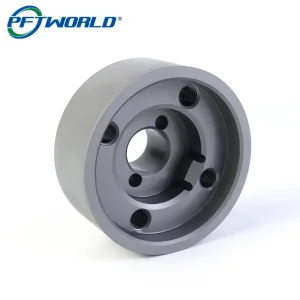
Consequently, OEMs require direct access to manufacturing plants that bridge design and physical execution. From CNC milling for robotic systems to micro-tolerance alloy steel hubs, customized, small-to-medium volume production has become the default structural need for modern industrial networks.
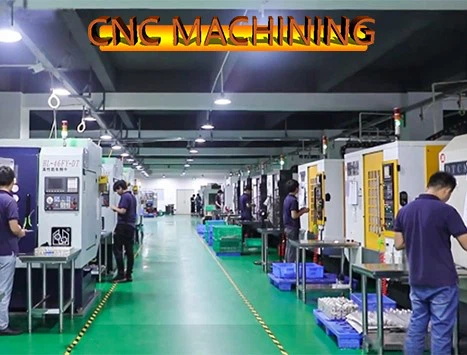
When selecting supplier companies and getting quotes for custom automation equipment parts, several critical metrics must be scrutinized:
Leveraging state-of-the-art subtractive and additive technologies, Shenzhen Perfect Precision Products Co., Ltd offers end-to-end custom metal and polymer fabrication services.
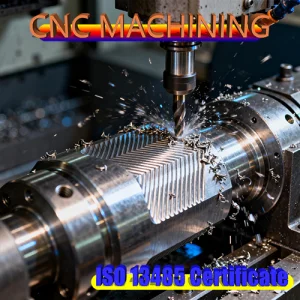
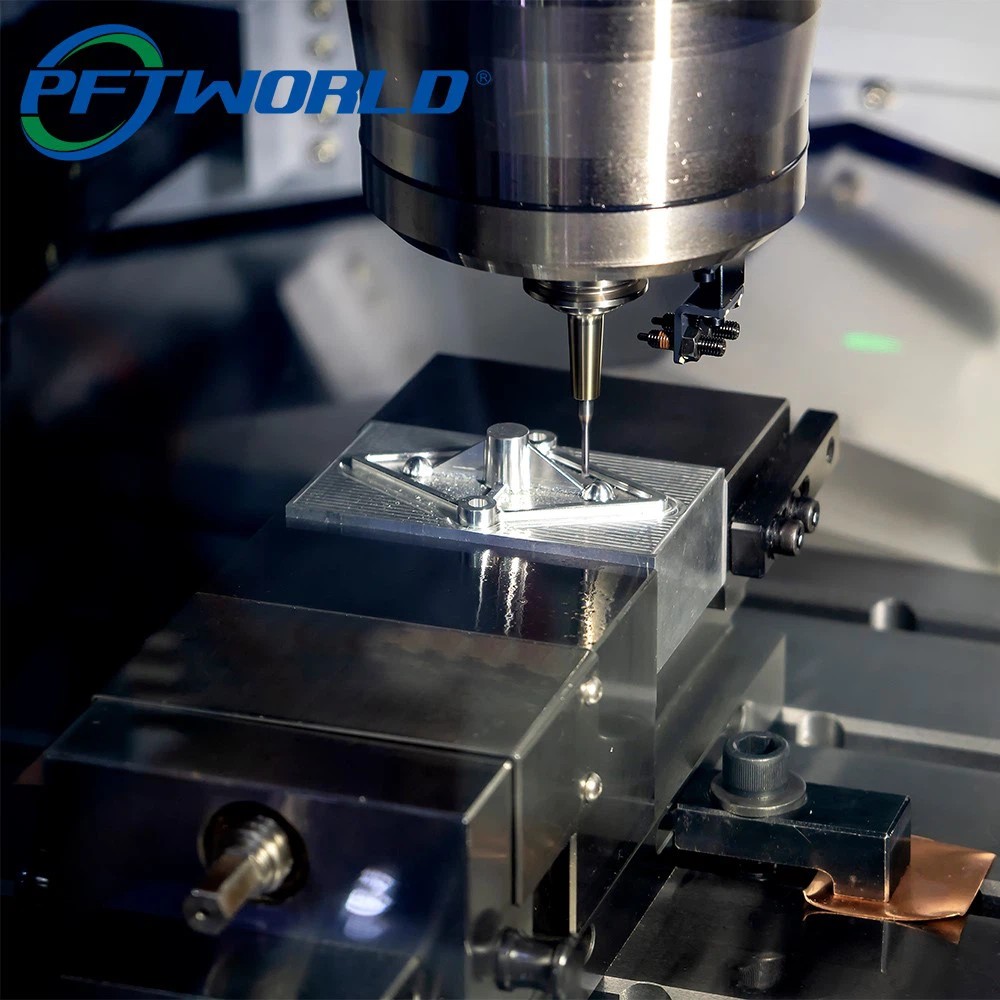
Advanced multi-axis milling for complex prismatic features. Features a maximum work area for intricate robotics assemblies.
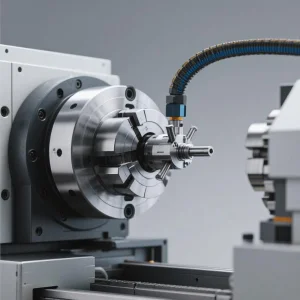
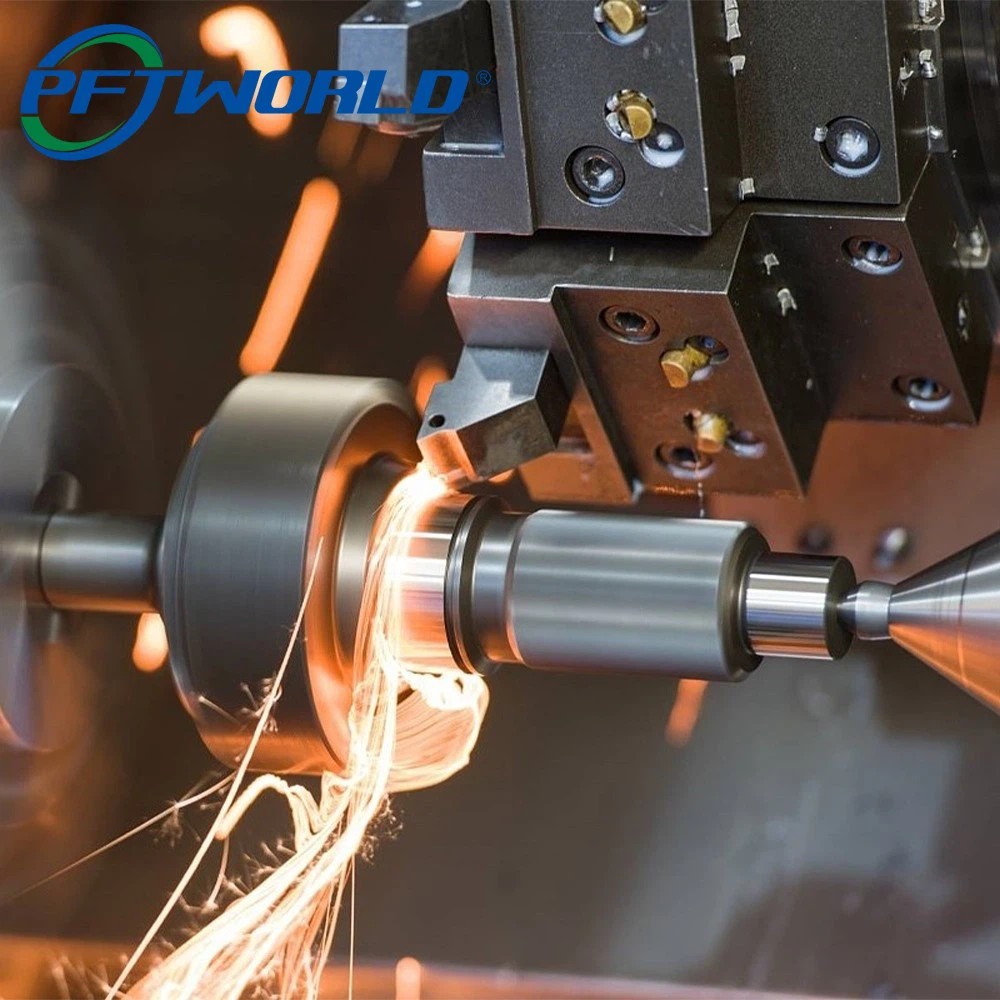
High-speed rotating lathes designed for complex round shafts, pins, connectors, and precise symmetrical automation bodies.
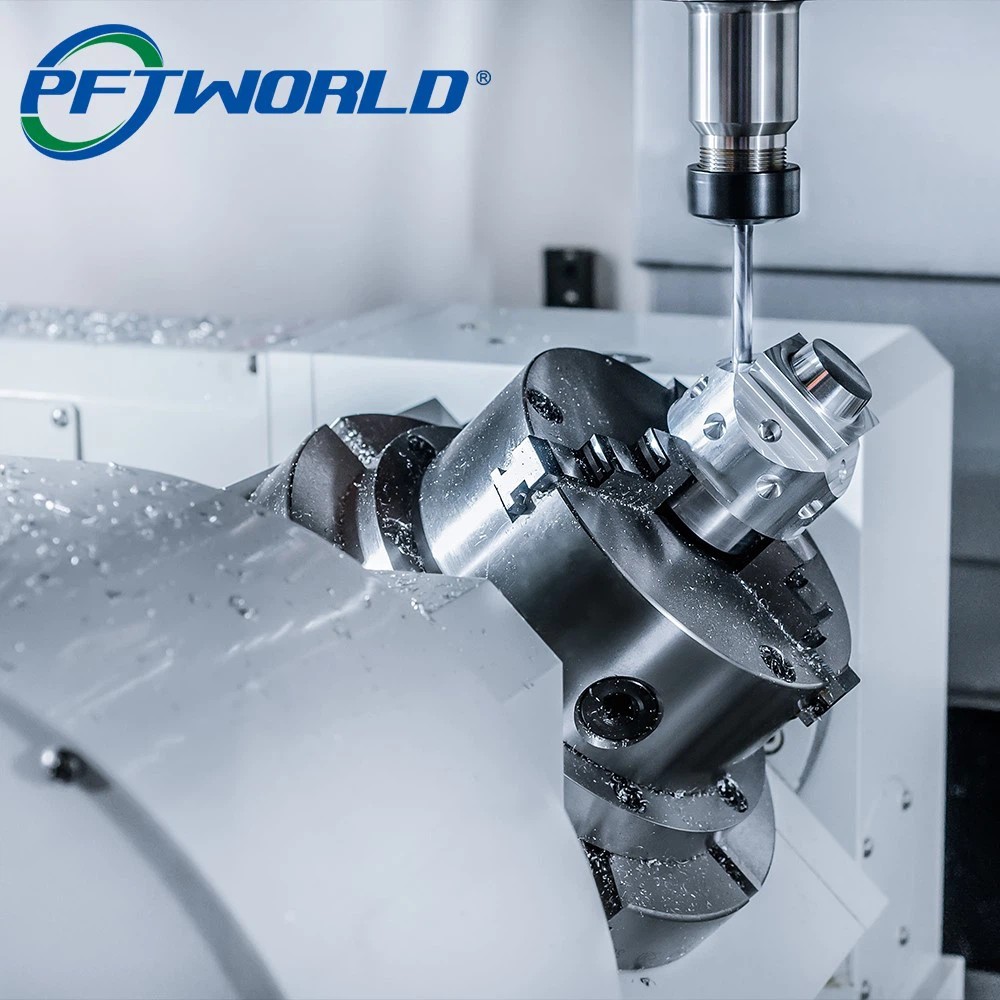
Combines turning and milling in one machine. Drastically cuts handling errors and cycle times for multi-feature components.
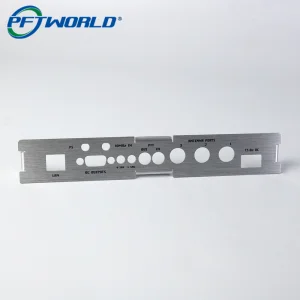
Custom laser-cutting, bending, structural bracket design, and enclosures, optimized for robotic cells and server rack integration.
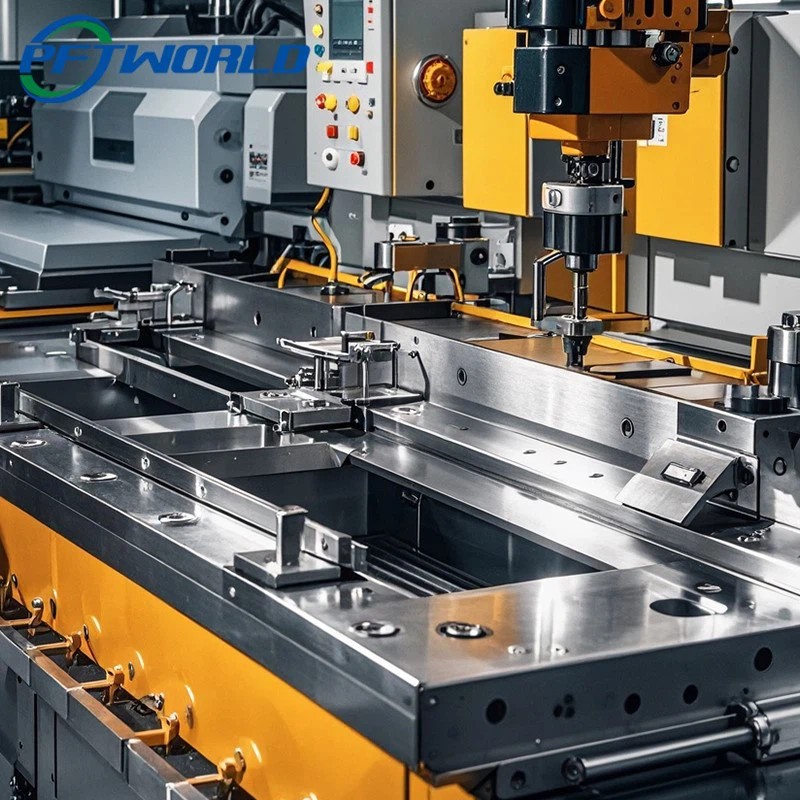
Designed for net-shape configuration setups, optimizing raw material yield for complex structural brackets and frames.
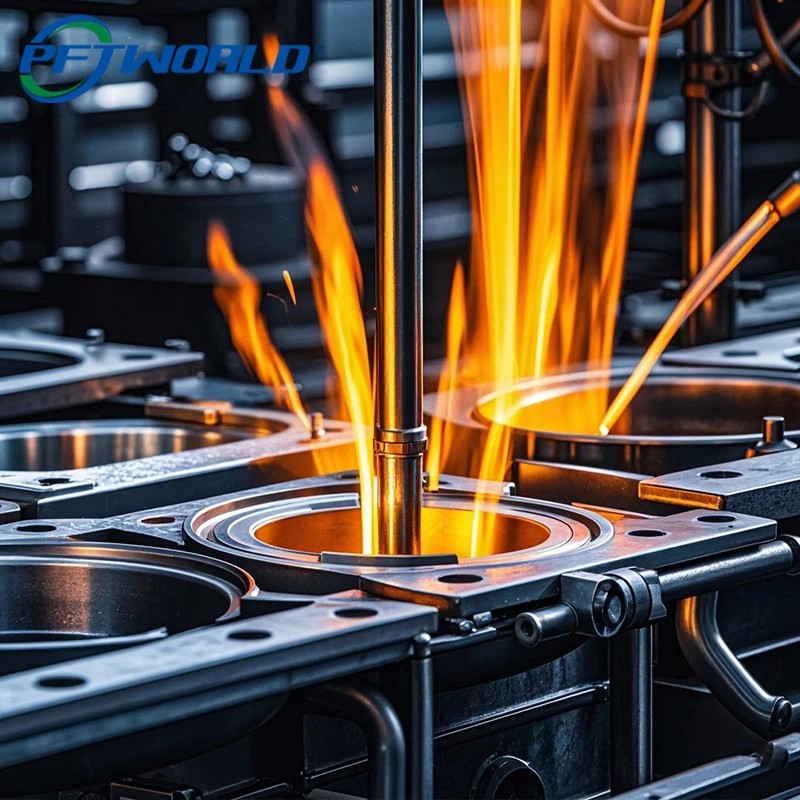
Delivers high structural density and grain refinement, vital for heavy-duty load components and high-stress gears.
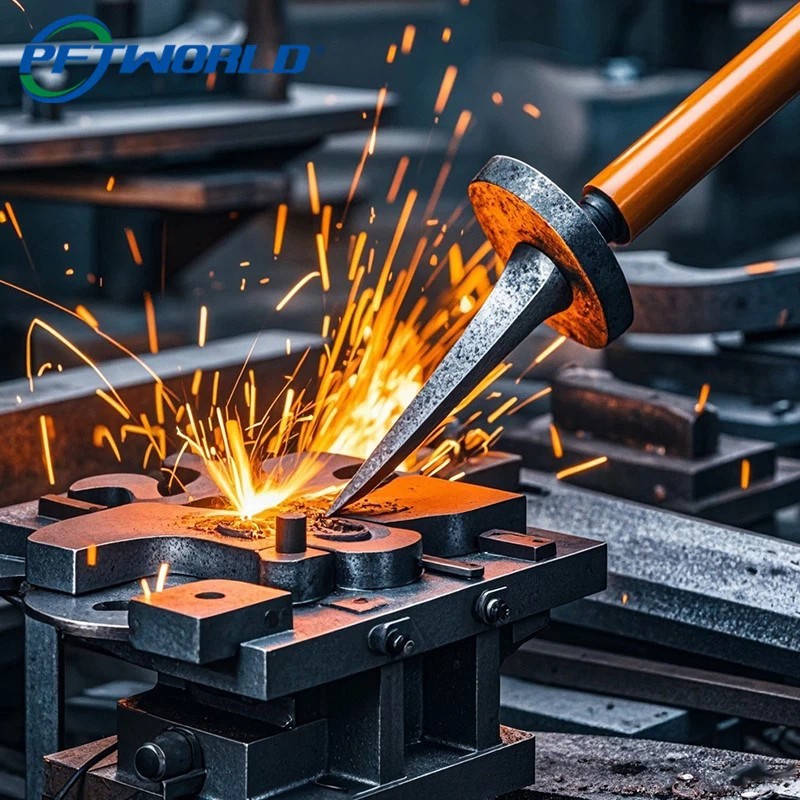
Rapid injection mold tooling, engineering support, and setup validation for custom thermoplastic housing components.
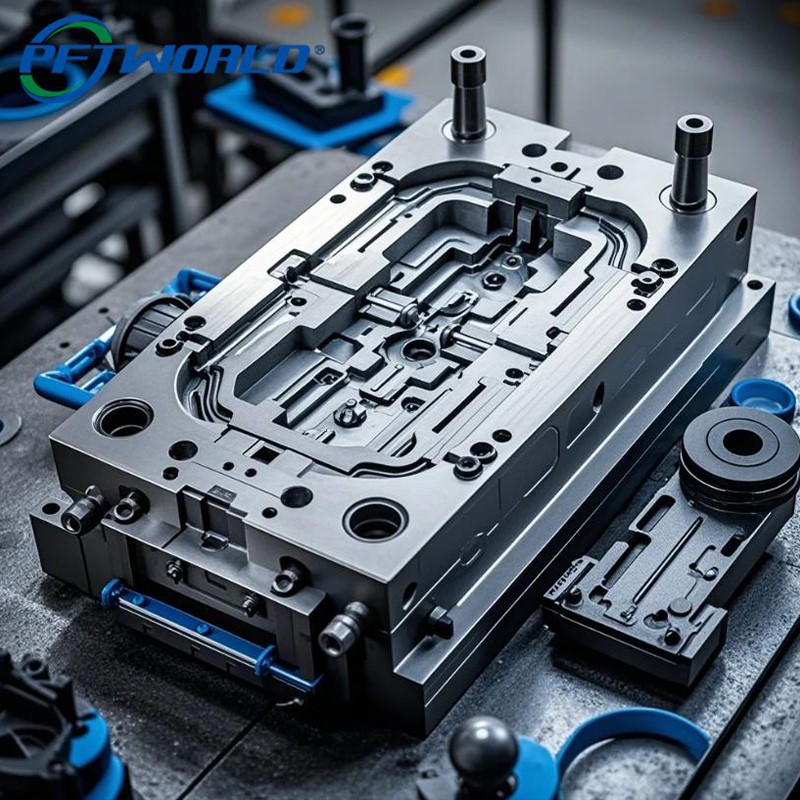
Fast polymer and metal rapid prototyping, designed to validate mechanical fits prior to tooling-intensive mass production.
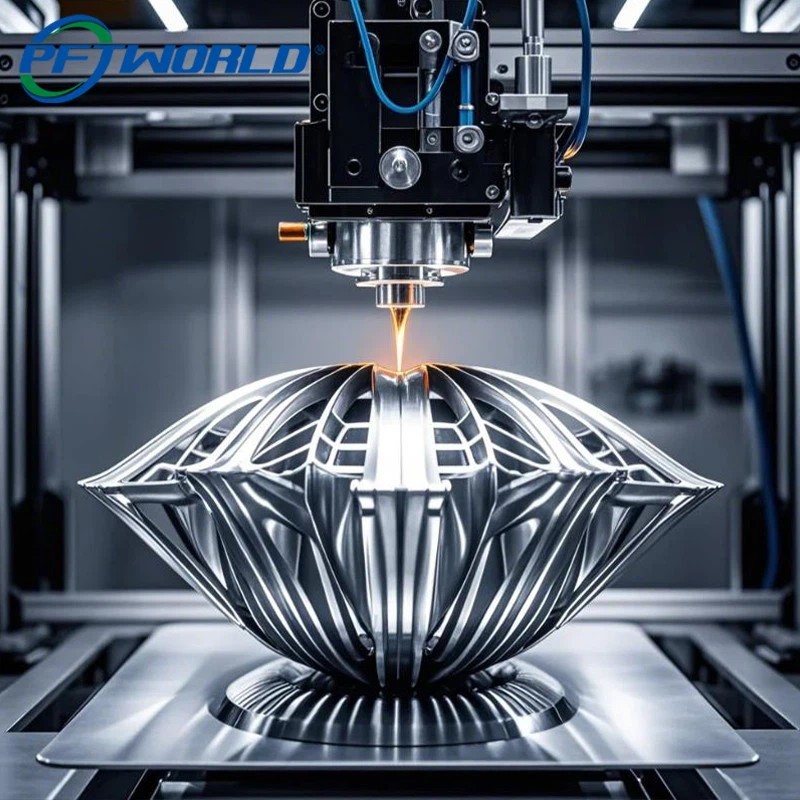
Sourcing automation parts from China has evolved beyond mere labor arbitrage. Modern Chinese factories, particularly in tech capitals like Shenzhen, represent integrated ecosystems offering significant technical value. For global organizations sourcing custom hardware, these advantages include rapid engineering prototyping, dense local supply chains, and advanced raw material access.
The manufacturing cluster of Shenzhen allows raw material suppliers, secondary post-processing houses (anodizing, electroplating, heat treatment), and logistics hubs to operate within a tight geographic radius. This minimizes transit bottlenecks, enabling companies to turn custom drawings into high-precision prototypes within 1 to 3 days, followed by mass production runs in 7 to 14 days.
| Performance Driver | Standard Global Sourcing Model | PFT Integrated China Factory Model |
|---|---|---|
| Prototyping Lead Time | 10 - 21 Business Days | 1 - 3 Days (Dynamic Shift Scheduling) |
| Supply Chain Latency | Segmented (Trans-regional transit) | Local, single-day material and finishing loops |
| Equipment Deployment | Isolated, single-process systems | Over 100 3-to-6 axis CNC machine tools on-site |
| Quality Controls | Periodic, sample testing logs | Real-time metrology, automated CMM, 100% inspection options |
With immediate access to bulk certified materials—ranging from common structural metals (such as 6061-T6 and 7075 aluminum alloys) to heavy-duty engineering thermoplastics (like PEEK, Delrin, and POM)—we ensure stable manufacturing costs. This raw-material stability translates into competitive unit costs for global partners while maintaining the structural durability required for high-stress industrial applications.
Delivering high-reliability components is backed by rigorous testing. We maintain high dimensional consistency through precise inspection protocols.
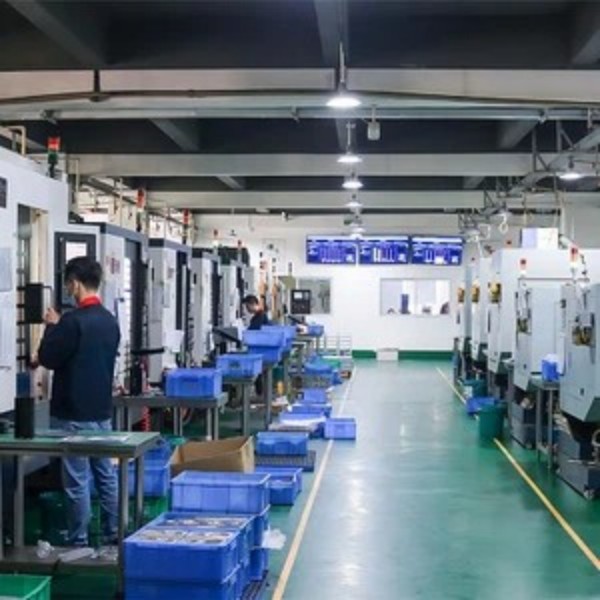
High-rigidity machinery configurations minimize vibration, allowing for stable micro-dimensional geometries.
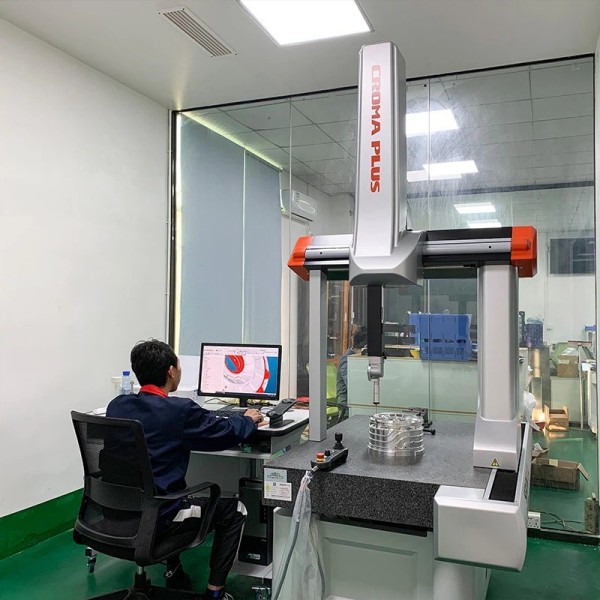
3D CMM inspection validates geometric dimensioning and tolerancing (GD&T) profiles against CAD files.
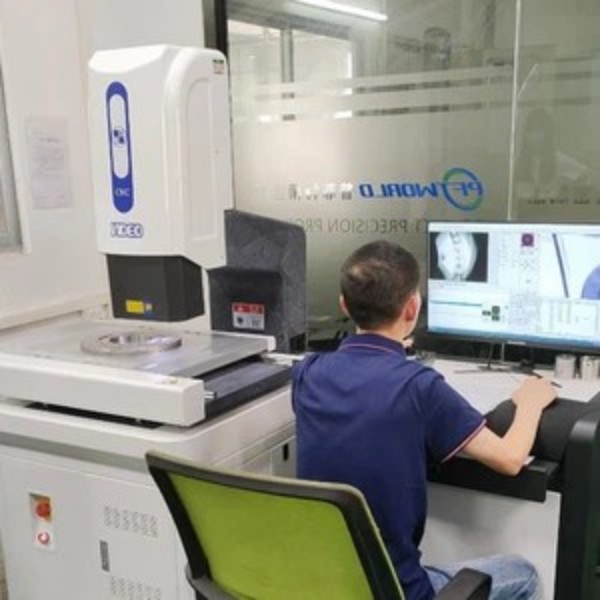
High-accuracy optical inspection systems for rapid, non-contact coordinate profiling of flat features.

Incoming raw materials undergo ultrasonic and spectrographic verification before feed stock loading.
For multinational corporations, compliance is a non-negotiable sourcing factor. Sourcing parts that fail to meet domestic standards can trigger customs holds, product liability exposure, or downstream assembly failures. To support global procurement, we align our operations with recognized engineering standards and environmental regulations, including RoHS, REACH, and custom compliance frameworks.
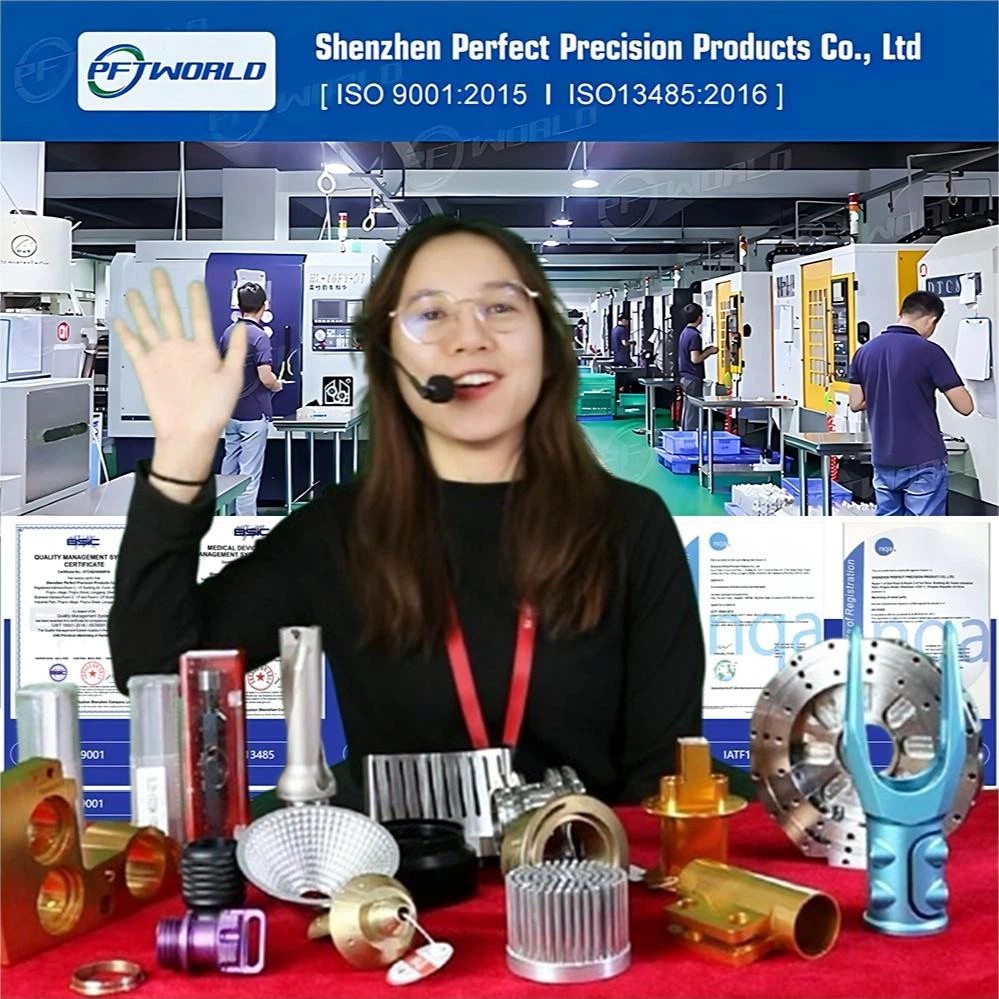
Our facilities adhere to strict standard operating procedures. By maintaining key manufacturing credentials, we provide verified production reliability across medical, aerospace, automotive, and industrial markets:
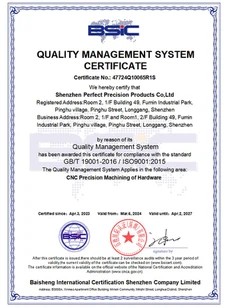 ISO9001:2015
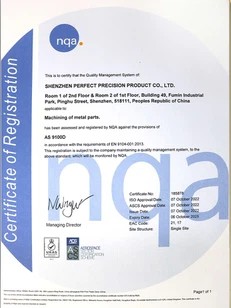 AS9100D
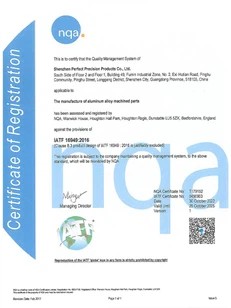 IATF16949:2016
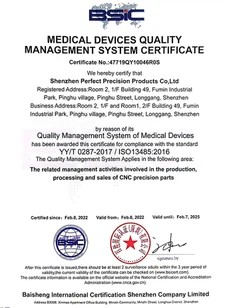 ISO13485:2016
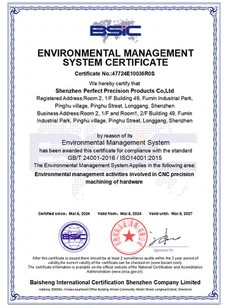 ISO14001:2015
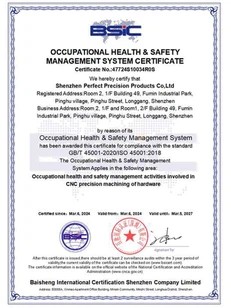 ISO45001:2018
We provide comprehensive engineering support designed to assist overseas design teams. Whether you operate in the European Union, the Americas, or the Asia-Pacific region, we address localization challenges through key services:
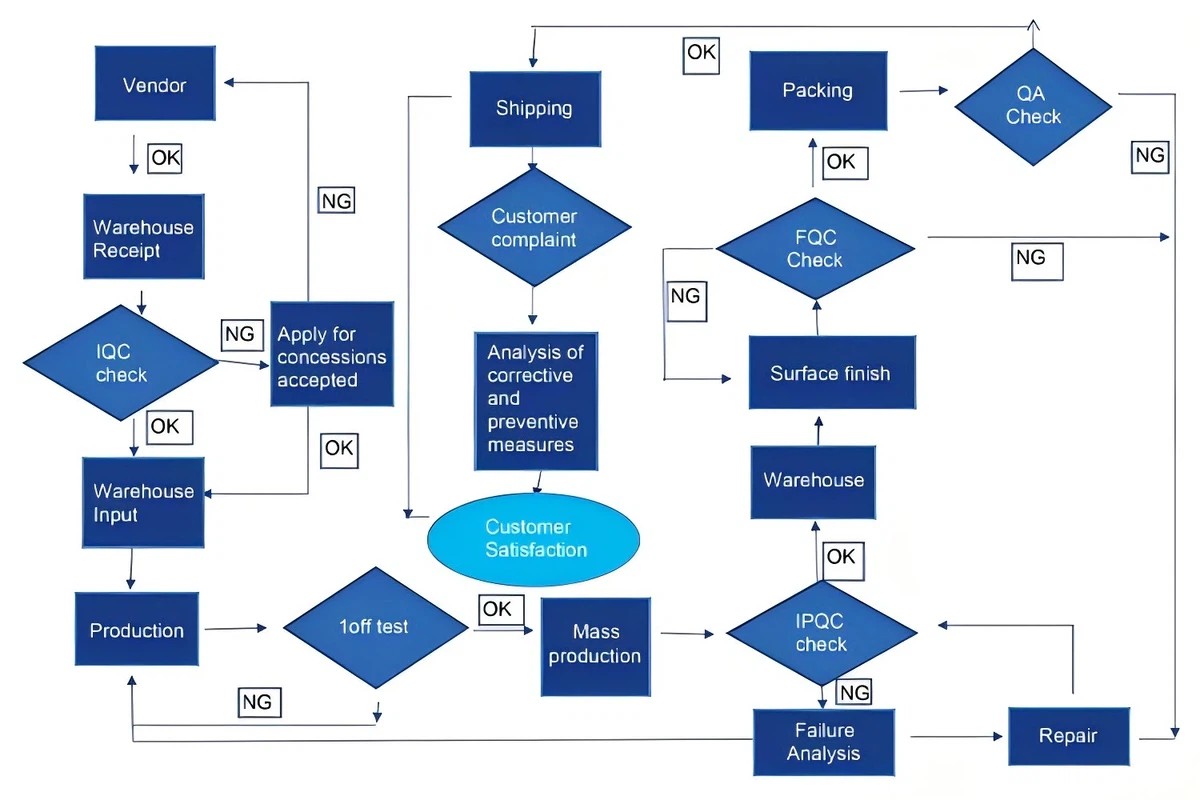
We maintain transparent manufacturing processes. Our digital factory integrates ERP production planning with active video monitoring, allowing clients to remotely verify progress and review setup procedures.
From dynamic spindle load monitoring to clean final packaging, every step is optimized to meet the quality standards expected of a top-tier global supplier.
The manufacturing methods used to produce automation components are adapting to keep pace with new technological trends. Companies that adopt these manufacturing strategies are better positioned to design durable, high-efficiency equipment:
Traditional 3-axis setups often require multiple fixtures, which can introduce compound errors across setups. By leveraging 5-axis and 6-axis CNC machining, complex geometries can be cut in a single setup. This capability is critical for parts with complex angular paths, internal channels, and compound curves, such as robot arm articulators and high-speed sorting cams.
Extended uptime is a key requirement for modern automation lines. Standard anodization is often supplemented by advanced surface treatments, such as hard-coat anodizing (MIL-A-8625 Type III), physical vapor deposition (PVD) coating, and electroless nickel plating. These processes enhance surface hardness and wear resistance, allowing components to withstand continuous abrasive wear and corrosive cleaning agents.
Modern production parts are increasingly designed with integrated cavities to house sensors, such as vibration, heat, and position sensors. We assist clients by machining precise internal chambers and wiring routing paths directly into structural aluminum and steel components, preparing them for industrial Internet of Things (IIoT) applications.
Get answers to common technical, logistics, and quality questions when sourcing custom automation equipment parts.
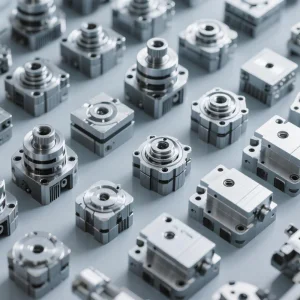
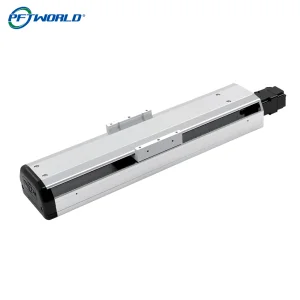
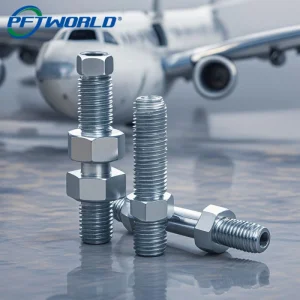
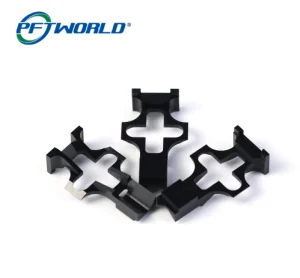
Browse our selection of specialized industrial automation components, engineered to meet strict quality and performance standards.
Get technical support and request quotes directly from our sales engineers. Available 24/7 to assist with your engineering projects.