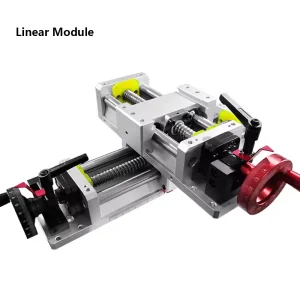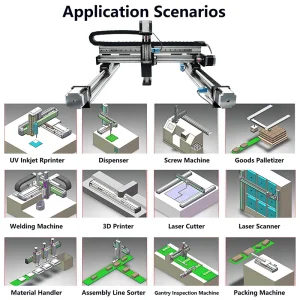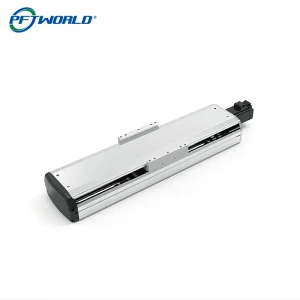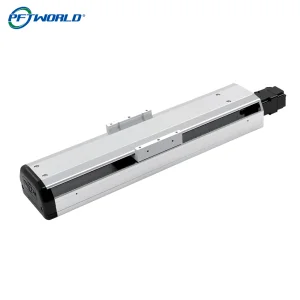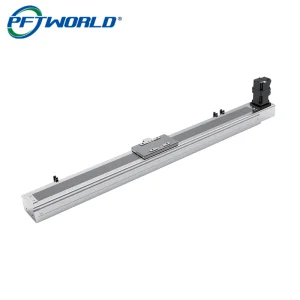
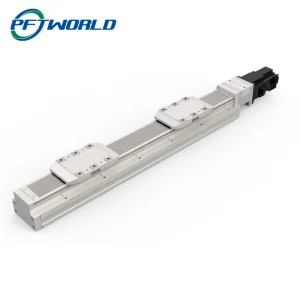
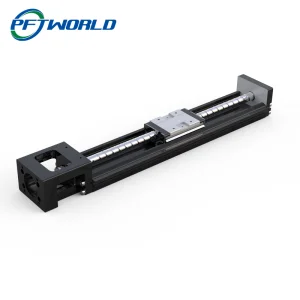
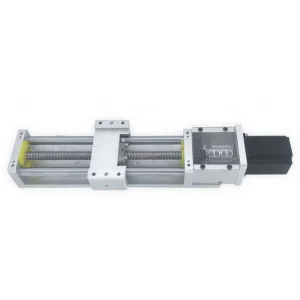
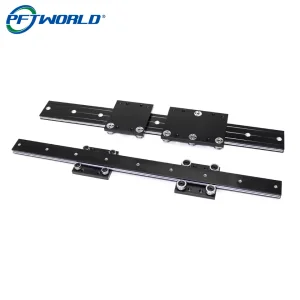
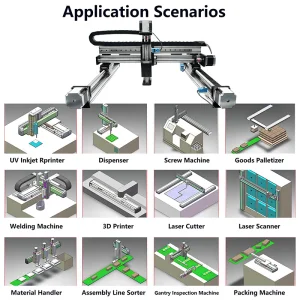
In modern precision engineering, the linear actuator serves as the foundational bridge converting energy into precise, controlled linear displacement. Across global industries, the shift from hydraulic and pneumatic architectures to electromechanical actuation systems is accelerating. High-fidelity motion modules, notably ball-screw and belt-driven linear guides, have become central to manufacturing productivity. Industries such as semiconductor manufacturing, lithium-battery assembly, biomedical dispensing, and aerospace sub-assembly demand positioning systems that maintain repeatable tolerances down to the sub-micron scale.
Currently, Western industrial centers in North America and Western Europe are prioritizing high-duty-cycle operations, low maintenance overhead, and rapid system integration. This has driven structural shift towards modular linear guides that combine structural aluminum frames, dual-shaft linear guides, and integrated stepper or servo motors. By sourcing robust components, global OEMs can eliminate custom fabrication times, shifting their engineering resources to system-level optimizations and software deployments.
Integrating positional encoders, temperature sensors, and vibration analytics directly onto the actuator frame enables predictive maintenance. Real-time diagnostic data decreases unplanned operational downtime in automated factories.
Advancements in metallurgy allow compact CNC-machined modules to bear structural forces once reserved for large gantries. Precision ball-screws maintain low backlash and minimal noise profiles within compact footprints.
Fully enclosed linear modules equipped with stainless-steel dust seals shield critical components from abrasive dust, water spray, and aggressive cleaning chemicals, yielding reliable operations in cleanroom and heavy industrial settings.
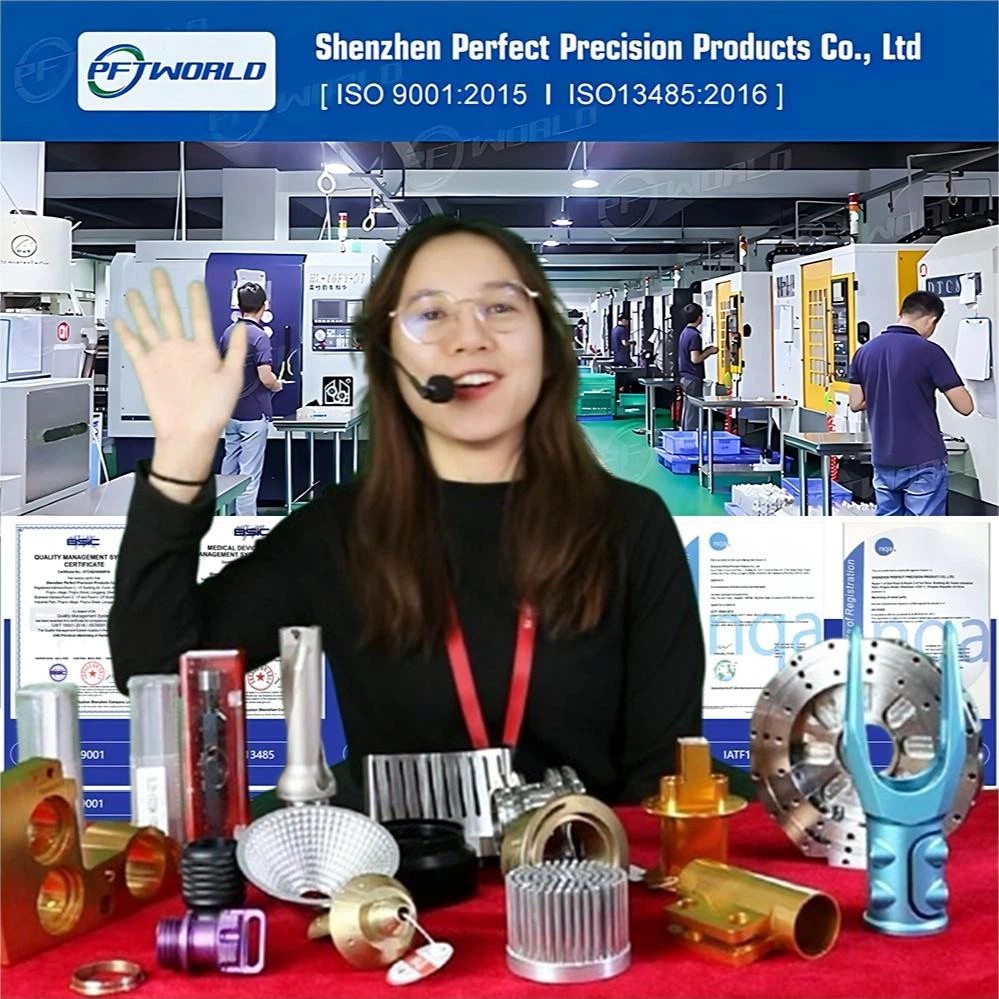
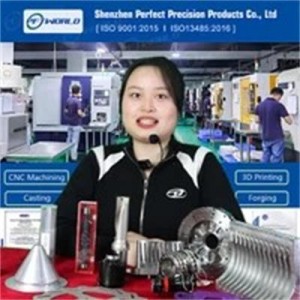
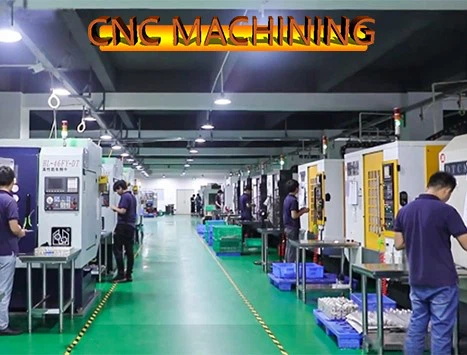
The global sourcing environment requires suppliers to deliver high precision without sacrificing scale, speed, or cost-effectiveness. In Shenzhen, China's core manufacturing ecosystem, Shenzhen Perfect Precision Products Co., Ltd leverages Factory 4.0 principles to address these demands. Equipped with advanced multi-axis CNC machines and automated inspection infrastructure, China's manufacturing sector has shifted from basic components to advanced, fully integrated motion systems.
We optimize raw material supply chains and internal machining workflows to mitigate supply chain volatility. With multi-axis machining facilities (supporting 3-axis, 4-axis, 5-axis, and 6-axis configurations), we produce slide rails, linear guides, and ball screws under strict thermal and mechanical controls. Real-time production visibility via integrated ERP systems allows us to maintain a monthly supply capacity of 500,000+ units. Consequently, international procurement teams benefit from stable lead times (typically 7-14 days), lower overall costs, and strict compliance with international mechanical tolerances.
Established as a focused manufacturing partner, we built our dedicated foreign trade division in 2014. We have consistently earned certification and industry recognition: passing the ISO9001 quality management certification, being recognized as a Guangdong Contract and Trustworthy Enterprise in 2018, and achieving status as a certified high-tech enterprise with a registered intellectual property management system in 2019.
In 2020, we expanded our office and manufacturing area to 10,000 square meters, scaling our professional staff to coordinate complex client requests. By 2021, we successfully deployed a fully digital chemical and structural fabrication facility, integrating machining workflows with quality control protocols.
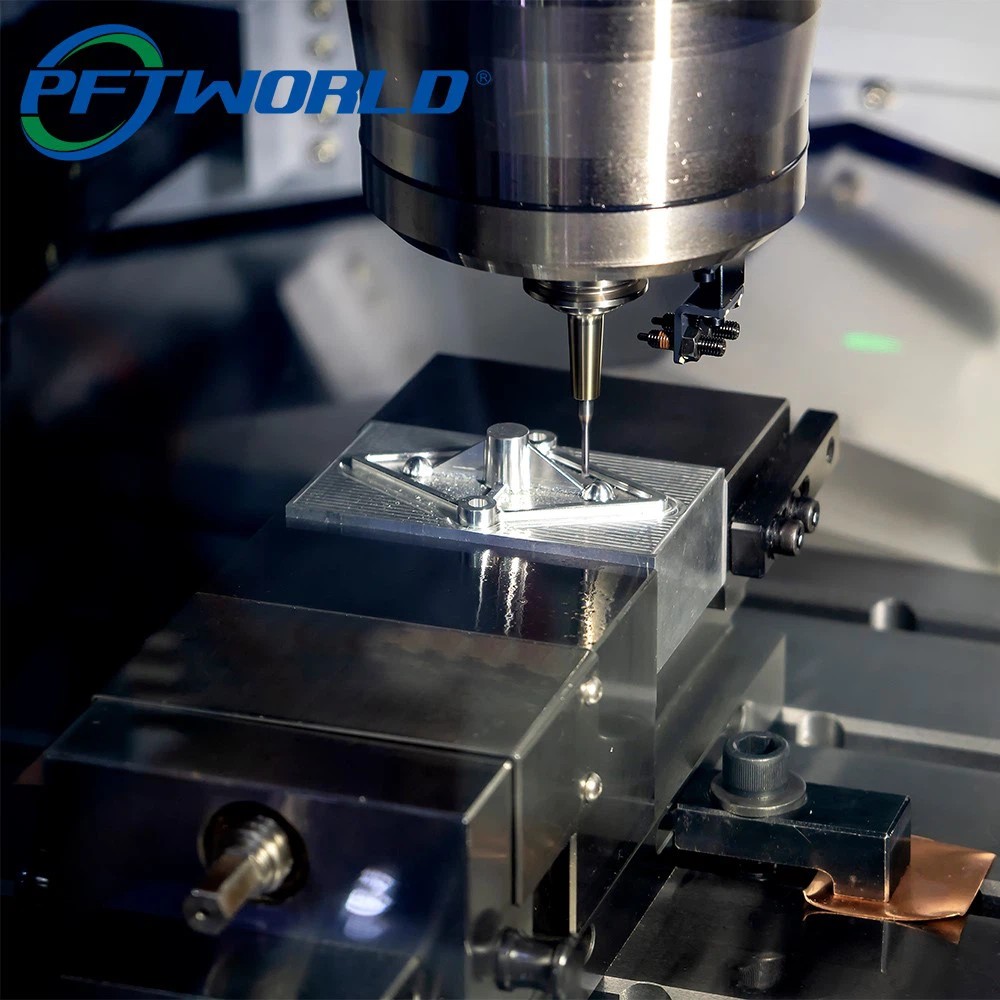
Multi-axis high-speed milling for structural actuator components and carriage plates.
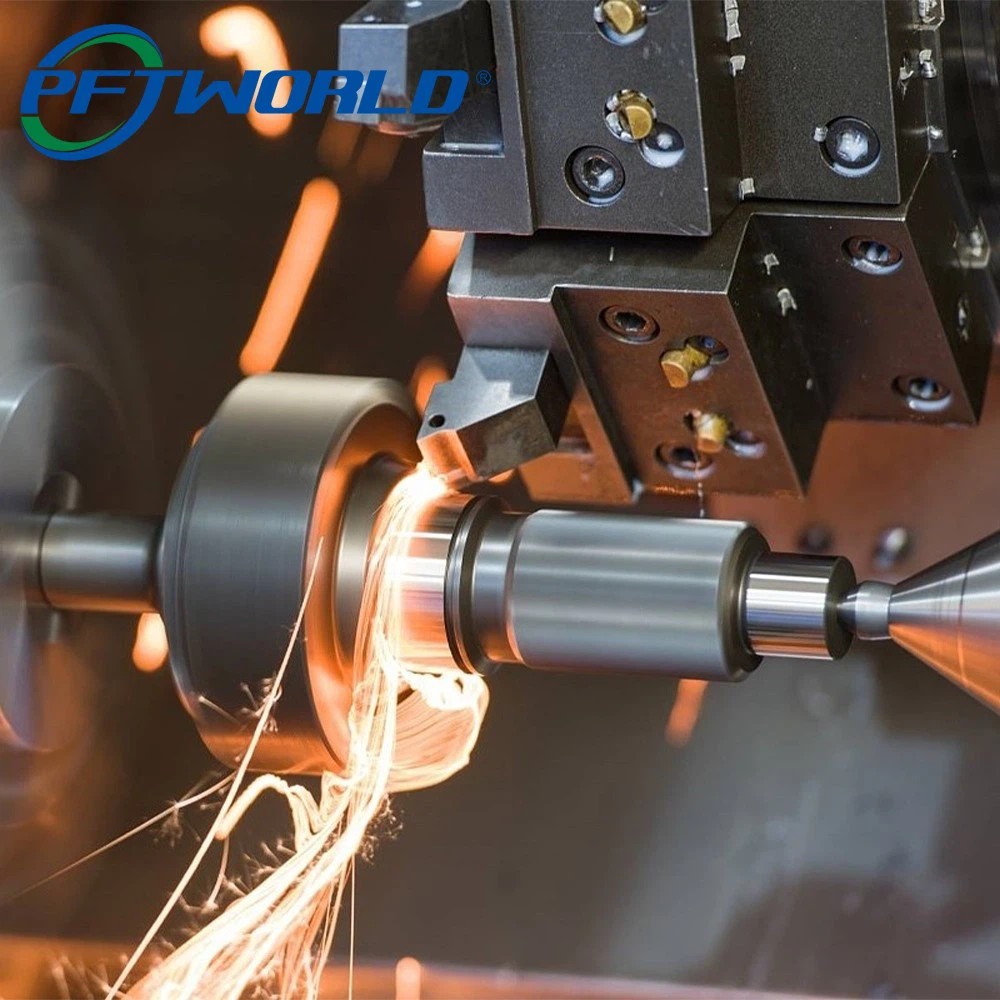
Precision turning of shafts, end bearings, and ball screw components.
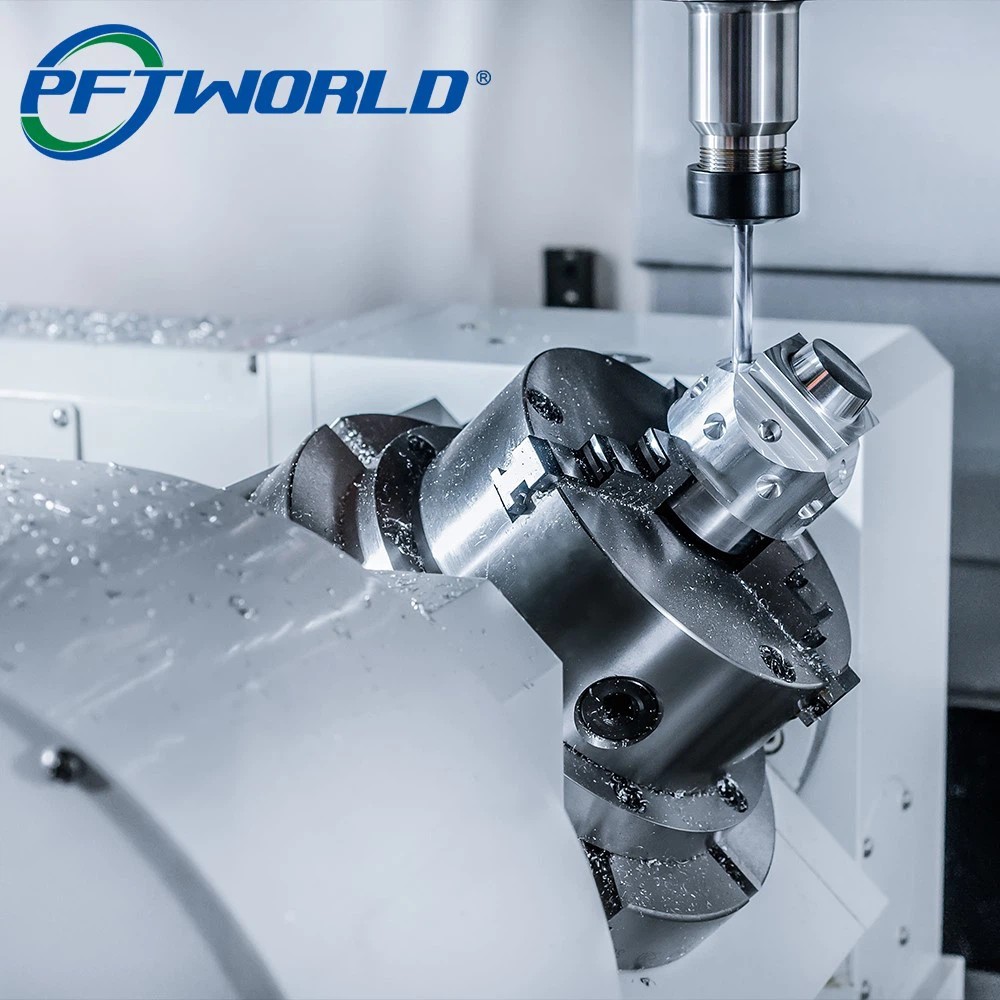
Complex combined geometries completed in a single operations cycle.
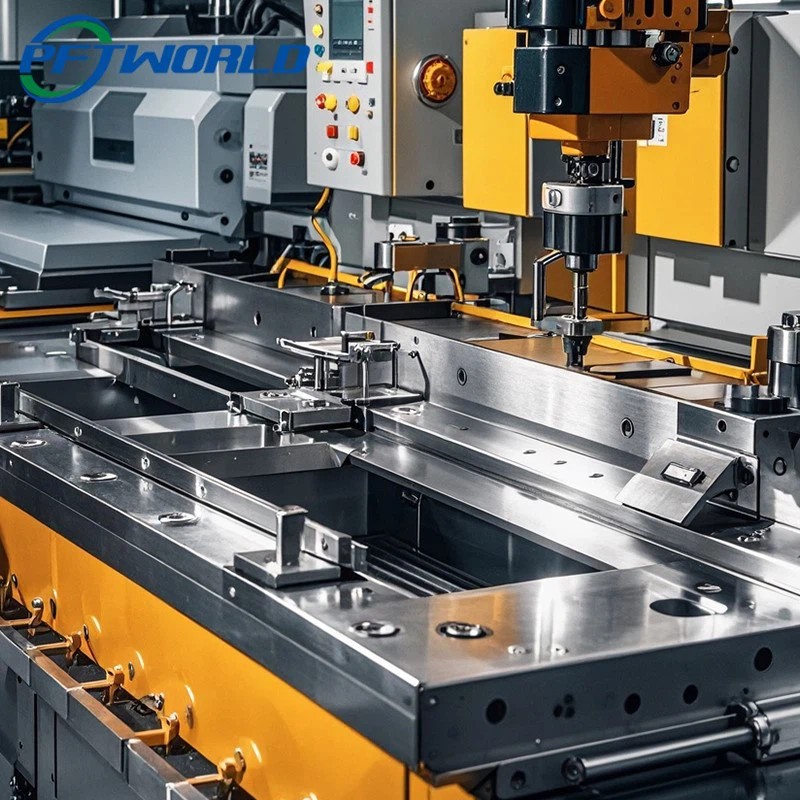
Custom system enclosures, brackets, mounts, and protective shield units.
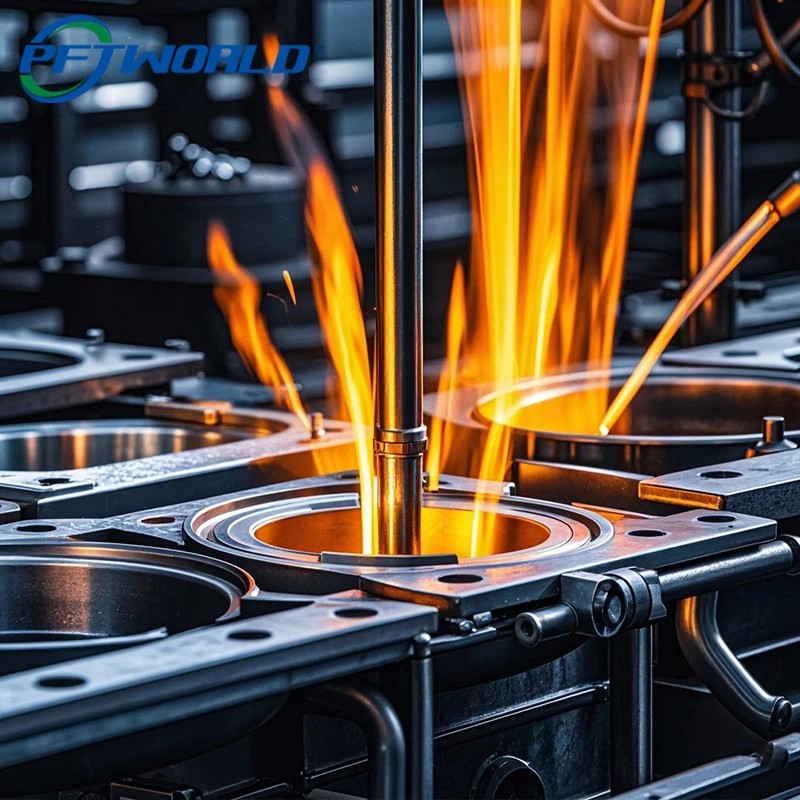
Industrial scale mold casting for heavy-duty structural frames and base brackets.
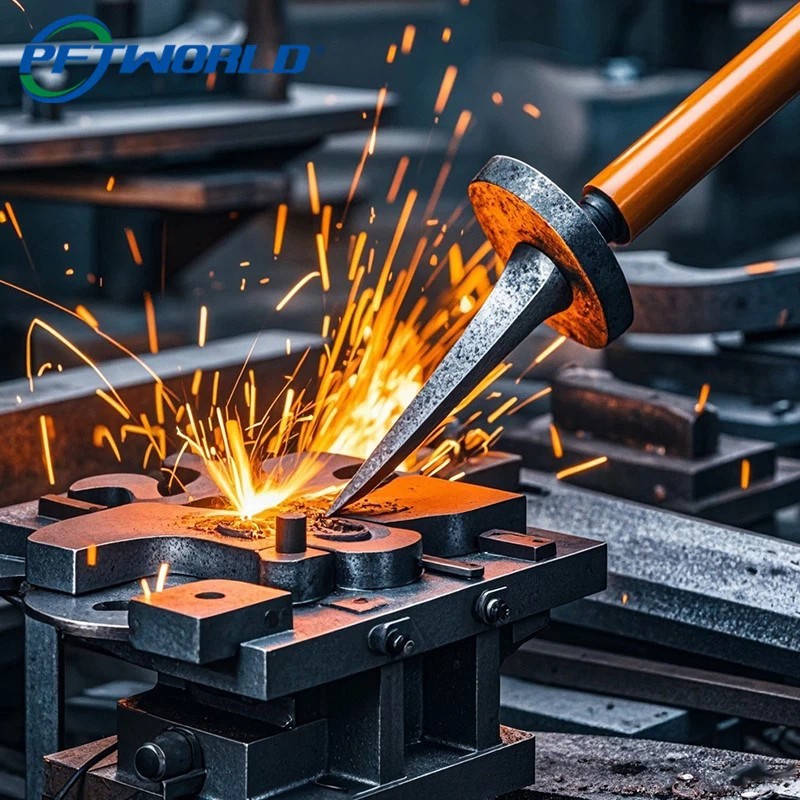
High mechanical integrity forged parts for high-stress aerospace and automotive mounts.
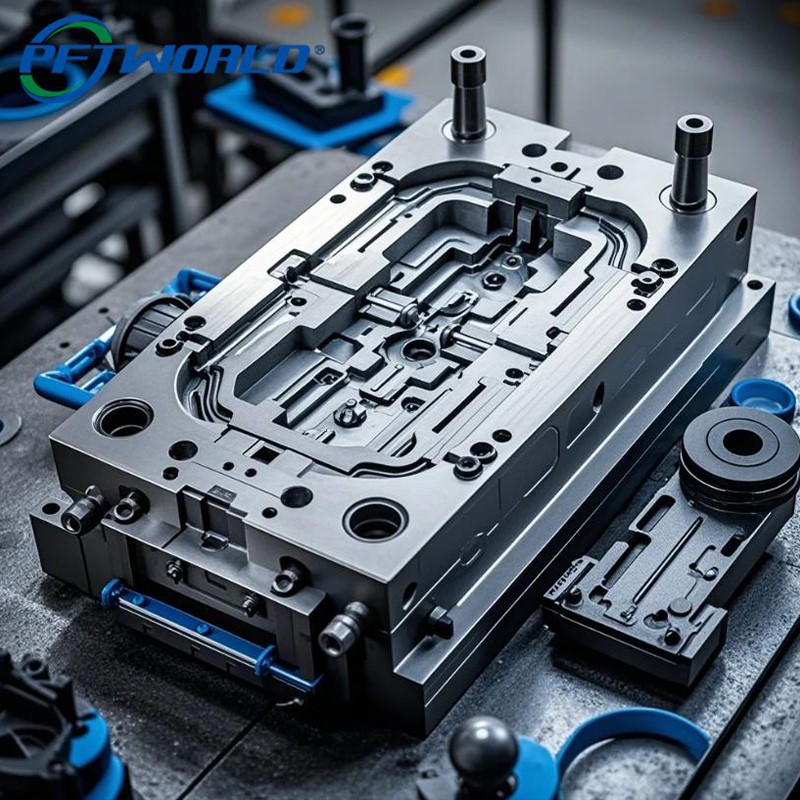
High-precision injection tooling and casting die design and manufacturing.
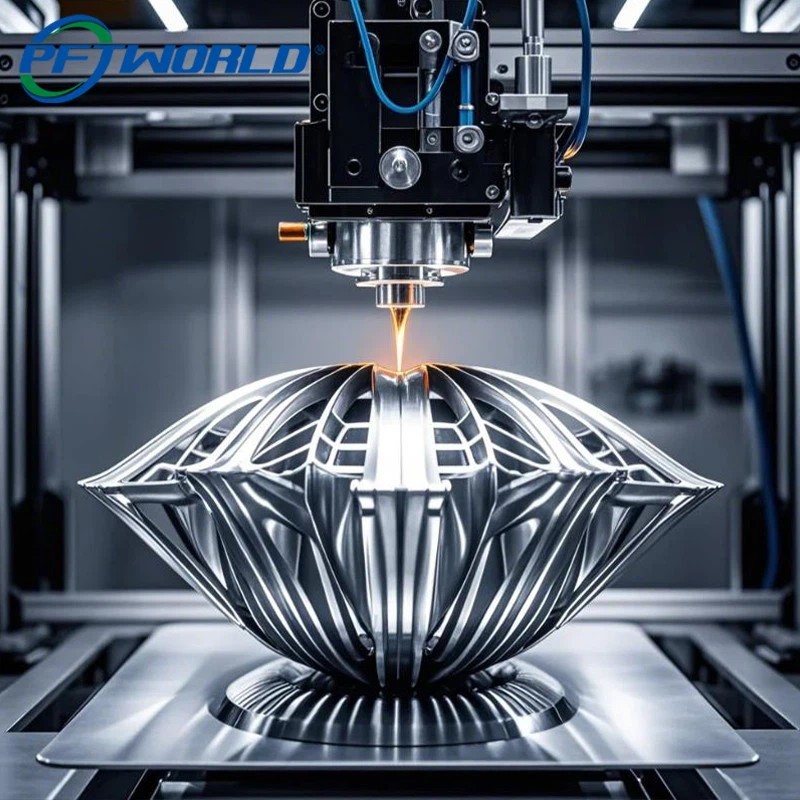
Rapid prototyping of complex polymer and metal parts before tooling tooling.
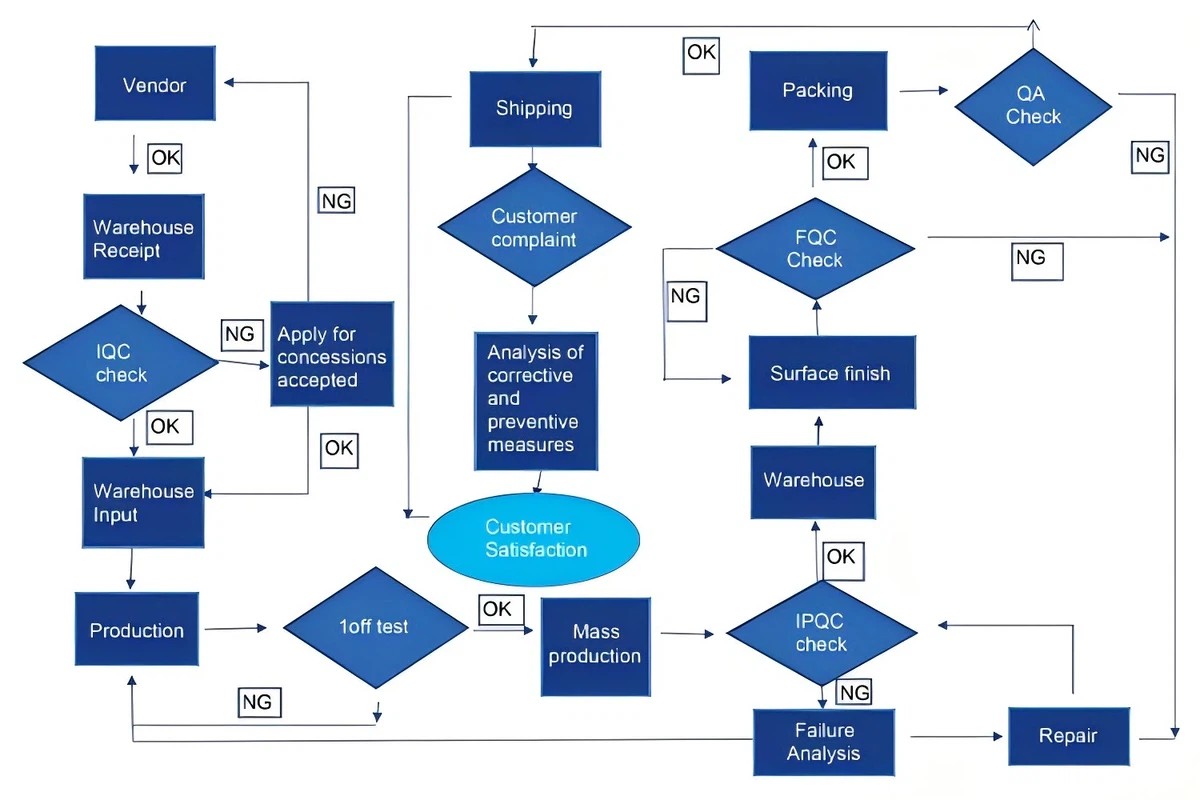
To ensure mechanical reliability in dynamic applications, our components undergo inspection processes using advanced metrology equipment. From checking raw material certification to 100% pre-shipment dimensional inspections, we maintain traceabiltiy throughout production.
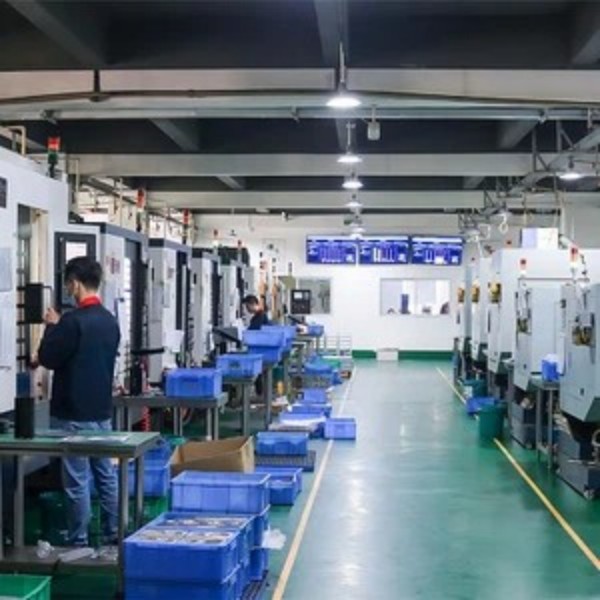
High-speed machining centers designed for reliable, repeatable tolerances.
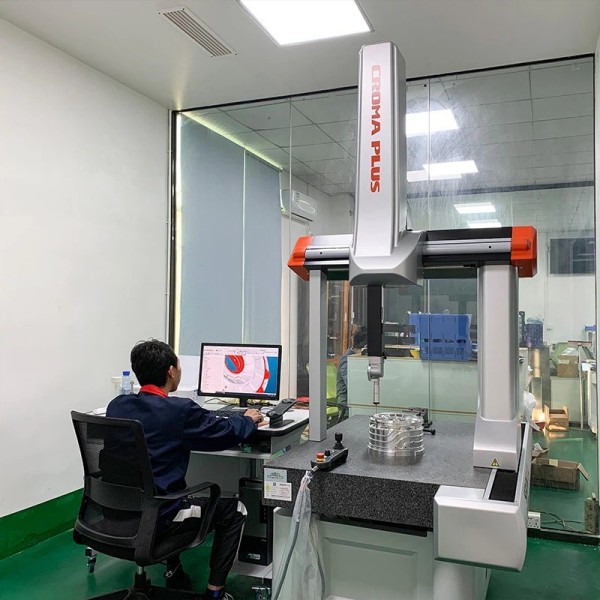
Coordinate Measuring Machines verify complex tolerances down to 2 microns.
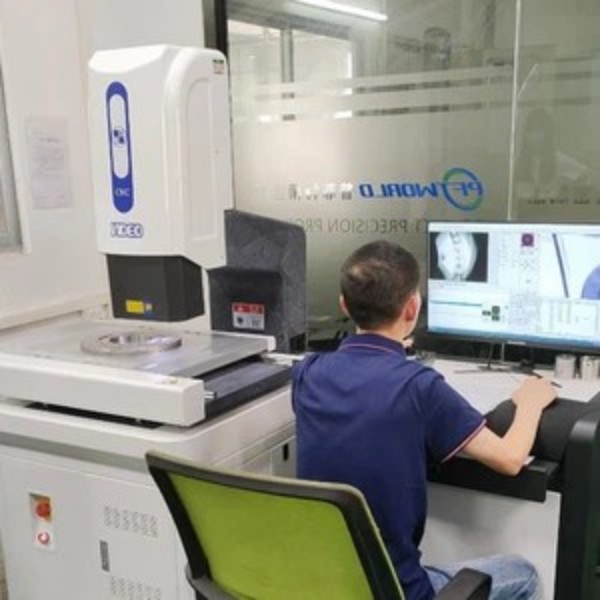
Optical profile inspection for linear track geometry verification.

Continuous engineering support and complete quality tracing.
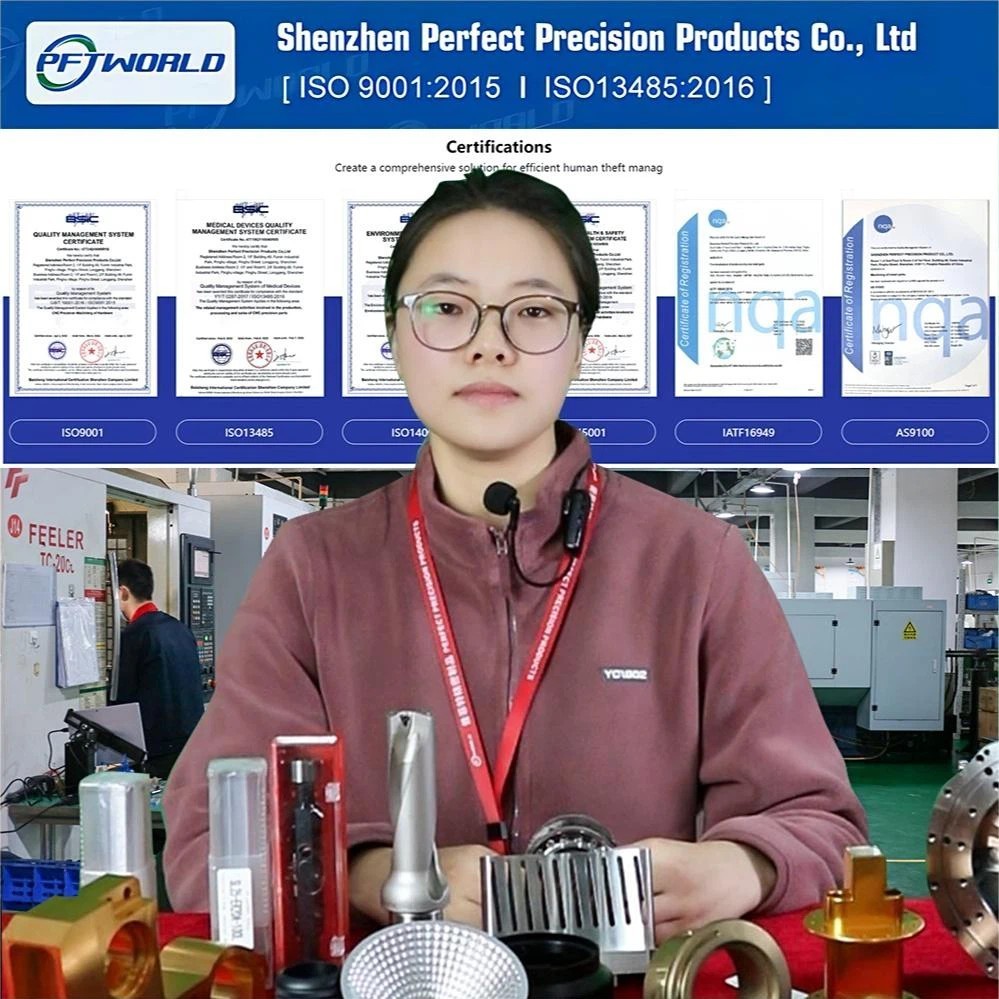
Our facility complies with global quality, environmental, and occupational safety frameworks to ensure consistent performance for critical industrial sectors.
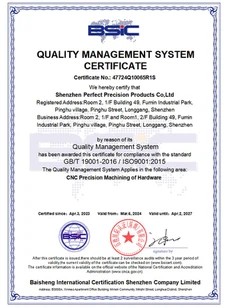 ISO9001:2015
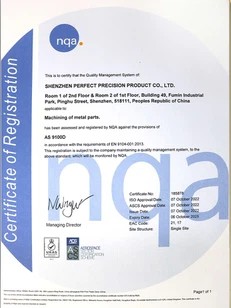 AS9100D
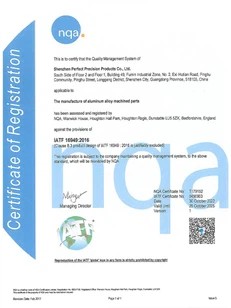 IATF16949:2016
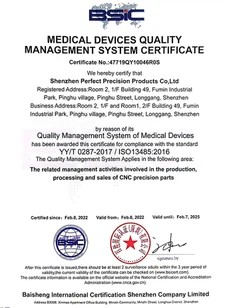 ISO13485:2016
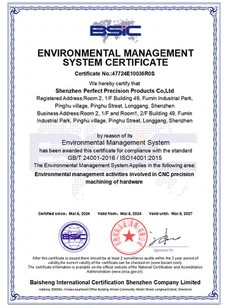 ISO14001:2015
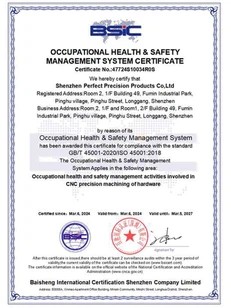 ISO45001:2018
We implement visual production workflows so you can track operations without visiting the facility in person. Our project engineers send regular photo and video updates showing raw material preparation, multi-axis machining stages, final surface finishing, and quality control verification.
This visibility helps global procurement teams keep their assembly planning on track, saving time and keeping internal stakeholders updated.
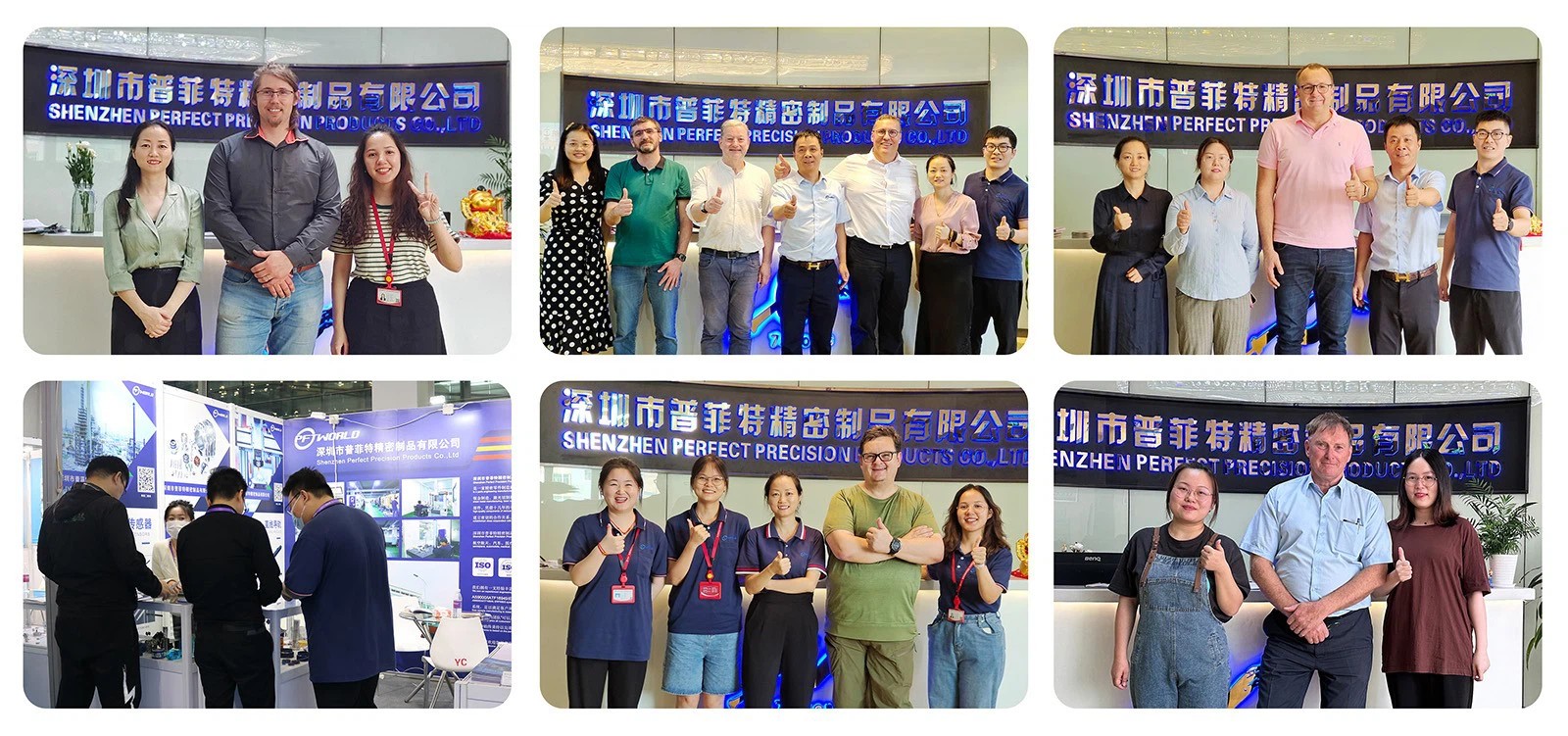
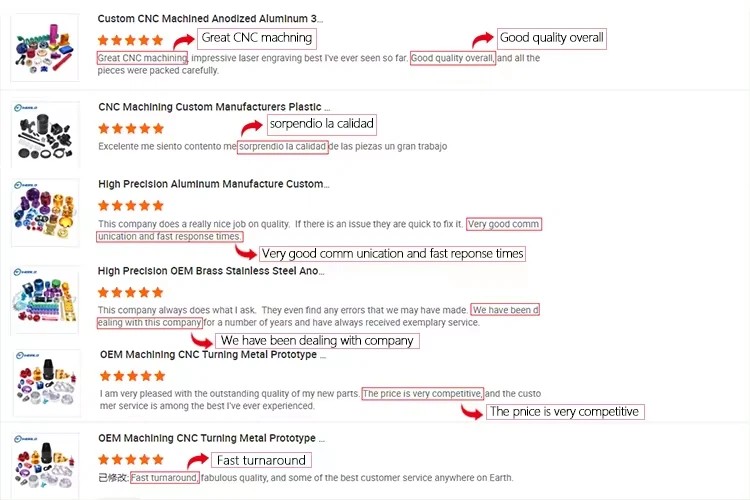
Over the years, we have collaborated with aerospace, medical device, and packaging companies worldwide. Clients value our detailed inspection documentation, responsive communication, and reliable component quality.
Here are answers to common questions about our technical capabilities, material sourcing, design assistance, and quality validation processes.
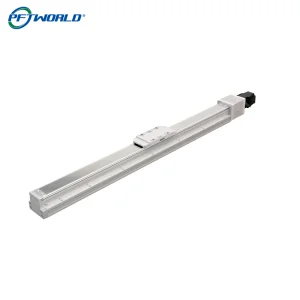
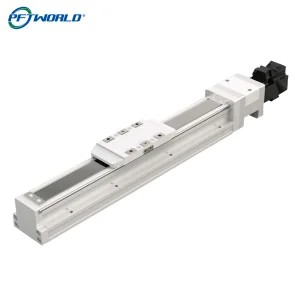
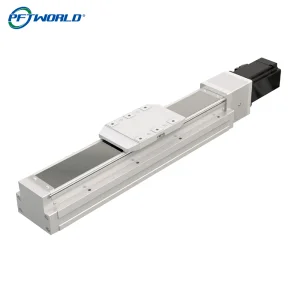
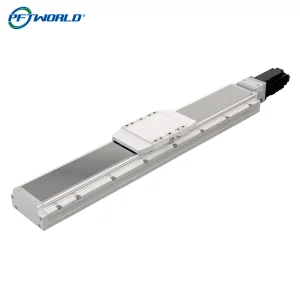
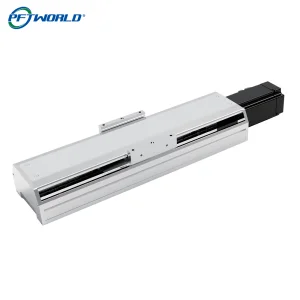
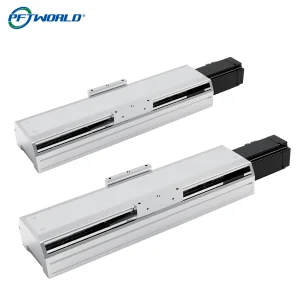
Contact our engineering team to review 2D/3D files, request custom stroke lengths, or verify material options for your application.
Send Inquiry Now