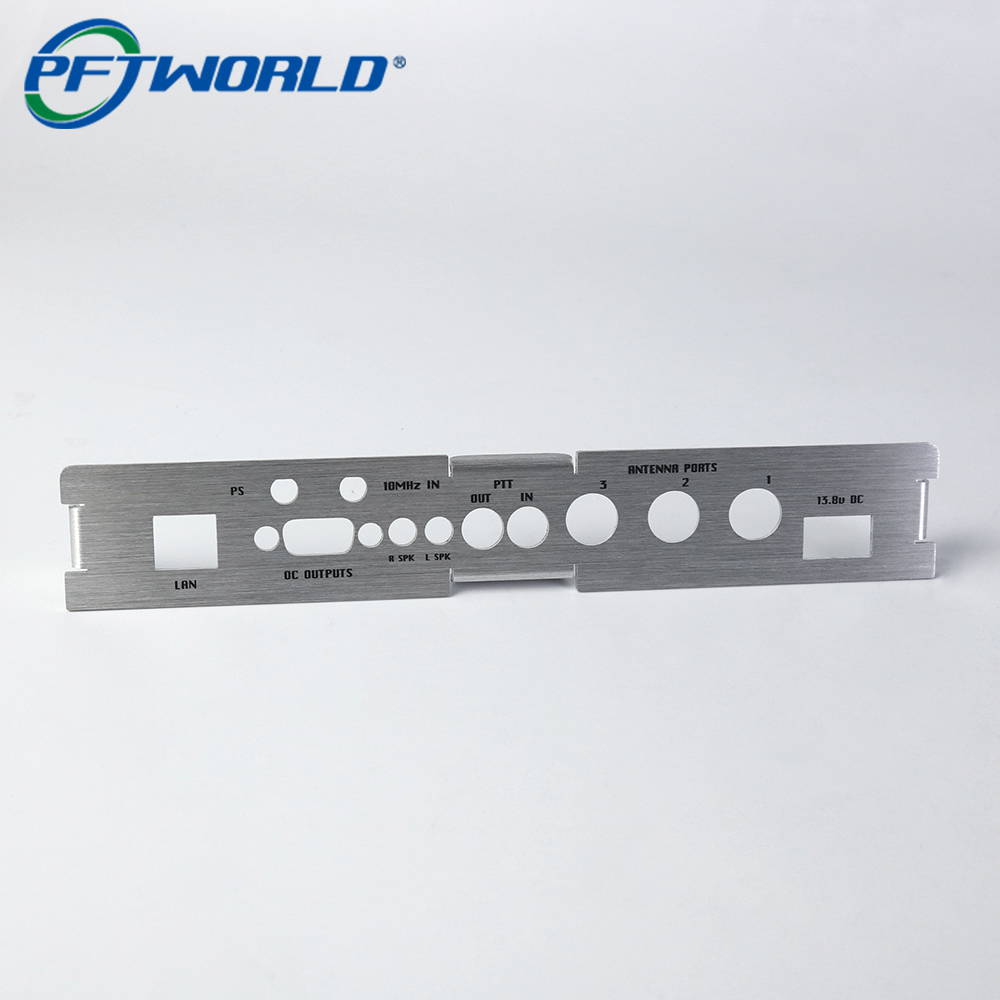
1. Brushed 5052 Aluminum Rivets
Purpose: Brushed rivets enhance aesthetic appeal while maintaining mechanical integrity. They are commonly used in architectural panels, electronics casings, and automotive trim.
Real-World Tip
In a recent project for a custom marine dashboard, using 5052 aluminum brushed rivets reduced corrosion issues by 40% compared to stainless steel alternatives in a high-salt environment.
Step-by-Step Process:
- Material Preparation: Cut 5052 aluminum sheets to required dimensions.
- Surface Brushing: Use a 240-400 grit abrasive pad on a rotary machine. Brush in a uniform direction to achieve a satin finish.
- Rivet Formation: Cold-form the brushed aluminum into rivet shapes using a mechanical press.
- Quality Check: Ensure rivet diameters are within ±0.05 mm tolerance and finish is uniform.
SEO Optimization Tip
Include long-tail keywords like “durable 5052 aluminum rivets for marine use” or “custom brushed aluminum fasteners.”
2. Screen-Printed Aluminum Parts
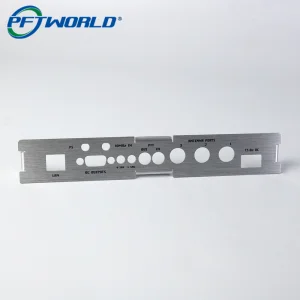
Screen printing adds functional or decorative graphics directly onto aluminum surfaces.
Case Study
For an industrial control panel, we applied UV-cured inks via screen printing on 5052 aluminum sheets. The process ensured high adhesion, scratch resistance, and color accuracy over 1,000+ operational cycles.
Key Steps:
- Surface Cleaning: Degrease aluminum parts using isopropyl alcohol to remove oil residues.
- Stencil Preparation: Design artwork and transfer to mesh screens.
- Ink Application: Apply UV-curable ink evenly, then cure under UV light for 60 seconds.
- Inspection: Check for ink consistency and alignment.
Table 1: Screen Printing Ink Options for 5052 Aluminum
| Ink Type |
Durability |
Recommended Use |
| UV-curable |
High |
Outdoor signage, control panels |
| Solvent-based |
Medium |
Indoor decorative panels |
| Epoxy-based |
Very High |
Industrial machinery, heavy-use |
3. Laser-Cut Aluminum Parts
Advantages: Laser cutting provides high precision, minimal burr, and complex geometries.
Practical Insight
During a prototype for aerospace brackets, laser-cut 5052 aluminum reduced post-machining finishing time by 30%, while tolerances remained within ±0.1 mm.
Process Workflow:
- CAD Preparation: Import design into a vector format.
- Machine Setup: Adjust laser power and speed according to 5052 aluminum thickness (1–6 mm).
- Cutting: Perform laser operation, maintaining protective gas flow (usually nitrogen).
- Deburring: Optional light brushing or sanding for cosmetic finish.
SEO Tip
Long-tail variations: “precision laser-cut 5052 aluminum brackets”, “custom aluminum components laser machining.”
4. Bent Aluminum Components
Bending allows 5052 aluminum to form custom angles and shapes while maintaining structural strength.
Real-World Example
In a lighting fixture project, bending 2 mm thick 5052 aluminum sheets into U-shaped channels reduced welding requirements by 50%, enhancing production efficiency.
Bending Best Practices:
- Material Selection: Ensure the temper of aluminum (H32 recommended) matches required bend radius.
- Die Selection: Use a V-die punch press; maintain bend radius ≥ material thickness to prevent cracking.
- Bend Test: Always perform a small sample bend before full production.
Quick Reference Table: Minimum Bend Radius for 5052 Aluminum
| Thickness (mm) |
Minimum Bend Radius (mm) |
| 1.0 |
1.5 |
| 2.0 |
3.0 |
| 3.0 |
4.5 |
| 4.0 |
6.0 |
Conclusion
Combining brushing, screen printing, laser cutting, and bending techniques allows manufacturers to fully leverage 5052 aluminum’s strength and corrosion resistance while delivering high-quality, visually appealing, and durable parts.
Pro Tip
Integrating multiple processes in-house can reduce lead times by 20–30% and improve overall quality control.
Application
FAQ
Can 5052 aluminum withstand outdoor environments?
Yes, its excellent corrosion resistance makes it suitable for marine, architectural, and automotive applications.
Is laser-cutting better than mechanical cutting for complex shapes?
Absolutely. Laser-cutting provides higher precision, less mechanical stress, and finer edges.
What is the recommended temper for bending 5052 aluminum?
H32 temper is ideal for most bending operations, balancing ductility and strength.
What’s your business scope?
OEM Service. Our business scope covers CNC lathe processing, turning, stamping, and related fabrication services.
What information should I give to you for an inquiry?
If you have drawings or samples, please feel free to send them over, along with your specific requirements such as material, tolerance, surface treatments, and the quantity you need.
What about the delivery timeline and terms?
The delivery date is generally about 10-15 days after receipt of payment. Payment terms are typically EXW or FOB Shenzhen with 100% T/T in advance, and custom arrangements can be negotiated based on requirements.