CNC Machining has transformed the manufacturing landscape, enabling precision and efficiency at an unprecedented scale. According to market research from Allied Market Research, the global CNC machining market is expected to reach $117.7 billion by 2027, growing at a compound annual growth rate (CAGR) of 6.9%. This growth reflects a rising demand for customized solutions across various industries, such as aerospace, automotive, and medical devices.
The benefits of CNC Machining extend beyond just economic metrics. Enhanced accuracy and repeatability are critical factors for manufacturers aiming to maintain competitive advantages. Reports indicate that CNC machines can achieve tolerances of ±0.001 inches, underscoring their significant impact on quality. However, while CNC Machining offers reliability and speed, it is not without challenges. High setup costs and the need for skilled operators can pose barriers for some enterprises.
In summary, CNC Machining presents numerous advantages that can optimize production processes, but companies must navigate potential downsides to fully realize its benefits.
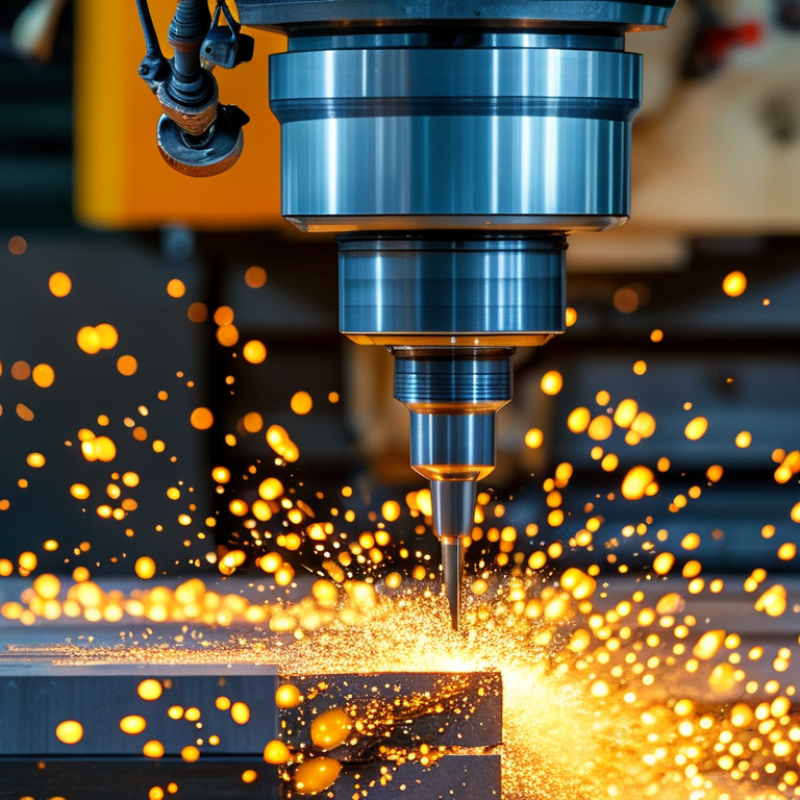
Understanding CNC Machining: A Brief Overview of the Process
CNC machining is a precision manufacturing process that uses computer numerical control to produce parts and components. It automates the tool movements based on programmed designs. This technique enhances accuracy and repeatability, making it vital for various industries.
Machining typically involves several steps: designing a 3D model, selecting materials, and programming machines. Computer-aided design (CAD) software plays a crucial role here. It helps create detailed models that guide the CNC machines. Importantly, operators must understand the machine's capabilities and limitations. This knowledge ensures effective planning and execution.
Tips for buyers include thoroughly researching material options based on project requirements. Different materials behave variably under machining conditions. Ensure to communicate your specifications clearly to avoid mishaps.
Regular maintenance of CNC machines is essential too. Well-maintained equipment offers improved performance and longevity, reducing unforeseen costs.
Be aware that CNC machining can require a significant initial investment in both time and money. Consider the long-term benefits instead of just the upfront costs. Often, a lack of proper planning can lead to wasted materials and time delays, negating the advantages of CNC efficiencies. Understanding these aspects can help global buyers make informed decisions tailored to their needs.
Enhanced Precision and Accuracy in Manufacturing with CNC Technology
CNC machining has revolutionized manufacturing by offering enhanced precision and accuracy. This technology allows for the production of complex parts with tolerances as tight as ±0.001 inches. According to a recent report from the National Institute of Standards and Technology, industries that implement CNC machining improve operational efficiency by up to 30%. The consistency achieved through CNC processes minimizes human error, a significant factor in manufacturing defects.
Data from the International Organization for Standardization highlights that 97% of companies adopting CNC technology report improved product quality. The ability to replicate designs exactly makes CNC machining invaluable. However, the initial learning curve can be daunting. Many manufacturers face challenges in training staff to operate CNC systems effectively.
Moreover, while CNC machines excel in repetitive tasks, there can be limitations when it comes to one-off custom jobs. Some users find that high setup times for unique productions may offset the benefits. Yet, the long-term investment in CNC technology usually pays off. Despite challenges, the growing demand for precision manufacturing makes CNC an attractive choice for global buyers.
Top 10 Benefits of CNC Machining for Global Buyers
| Benefit |
Description |
Impact Level |
| Enhanced Precision |
CNC machining offers unparalleled precision in producing complex parts, minimizing human error. |
High |
| Cost Efficiency |
Lower operational costs due to reduced waste and optimized material usage. |
Medium |
| Speed |
Rapid production capabilities enable quicker turnaround times for projects. |
High |
| Flexibility |
Easily adaptable for various materials and custom designs without extensive retooling. |
Medium |
| Automation |
Automated processes reduce labor costs and enhance production consistency. |
High |
| Quality Control |
Tight tolerances and better surface finishes lead to products that meet high-quality standards. |
High |
| Scalability |
Easily scalable to meet increasing production demands without compromising quality. |
Medium |
| Sustainability |
CNC machines can help reduce waste and resource consumption, supporting eco-friendly practices. |
Medium |
| Global Reach |
Ability to partner with manufacturers across the globe for diverse sourcing options. |
Medium |
| Innovative Design |
Facilitates complex and innovative product designs that traditional methods cannot achieve. |
High |
Cost-Effectiveness: How CNC Machining Reduces Production Expenses
CNC machining has become a preferred manufacturing method for many global buyers. One of the standout advantages is its cost-effectiveness. Traditional machining often incurs high labor costs and time inefficiencies. CNC machining automates processes, significantly reducing production expenses. This leads to savings on both material and manpower.
Efficient project planning minimizes waste. By using advanced software, manufacturers can optimize tool paths. This saves materials and reduces machine time. Such efficiency not only cuts costs but also limits the environmental impact, which is increasingly important to buyers today.
Buyers should consider the importance of selecting the right vendor. Researching suppliers can lead to better pricing and improved quality. Some manufacturers may offer lower initial costs but could lack reliability. Be aware that overly cheap options might compromise quality in the long run. It’s essential to balance cost with the expected performance of the parts.
Versatility of CNC Machining Across Various Industries and Applications
CNC machining has become a pivotal technology across various industries. Its versatility allows for the production of intricate parts in sectors such as aerospace, automotive, and medical devices. Each of these industries demands precision and efficient manufacturing processes, making CNC machining an ideal choice. For example, an aerospace component made with CNC machining can vary significantly in complexity, from lightweight structures to dense, durable parts.
The adaptability of CNC machining also shines through its ability to work with a diverse range of materials. Metals, plastics, and composites can all be processed, catering to specific project requirements. This flexibility can lead to challenges; for instance, each material behaves differently under machining conditions. Understanding these nuances is crucial for achieving desired results. Not every project runs smoothly, and sometimes adjustments are needed mid-process. This reality highlights the importance of skilled operators who can navigate machining intricacies and ensure quality outcomes.
Furthermore, CNC machining supports rapid prototyping. This capability allows businesses to bring innovative designs to life quickly. Feedback from prototypes can inform necessary changes before full-scale production begins. However, the reliance on technology can overlook essential human input, leading to potential oversights in design considerations. Emphasizing collaboration between engineers and machinists can strengthen outcomes, showcasing the ongoing evolution of CNC machining within the manufacturing landscape.
Top 10 Benefits of CNC Machining for Global Buyers
This bar chart illustrates the top 10 benefits of CNC machining appreciated by global buyers across various industries. Each bar represents a specific benefit and its corresponding importance rating on a scale of 1 to 10.
Improved Production Efficiency and Speed Through Automation in CNC Machining
CNC machining has revolutionized production efficiency. Automation plays a key role in this transformation. According to a recent industry report, businesses have reported a 30% increase in efficiency when utilizing CNC technologies. This improvement stems from the ability of CNC machines to operate continuously. They perform complicated tasks with minimal human intervention.
The speed of production also benefits from automation. CNC machines can produce components much faster than traditional methods. Data indicates that cycle times can be reduced by up to 50%. This cuts lead times significantly, enabling companies to fulfill orders more quickly. However, integrating automated systems can pose challenges. Not all staff may be trained to operate advanced machinery, leading to potential skill gaps.
Moreover, while CNC machining improves speed, it also raises quality consistency. Automated processes minimize human errors. Still, it’s crucial for companies to implement regular maintenance checks. Equipment can wear down, potentially leading to defects. Continuous evaluation of machines ensures that the high standards are met consistently. Adopting modern CNC technology is thus beneficial but requires careful planning and ongoing training.
Conclusion
CNC Machining, or Computer Numerical Control Machining, is a highly advanced manufacturing process that utilizes computer systems to control machinery and tools with remarkable precision. This technology enhances the accuracy of production, allowing for intricate designs and uniformity in various industries, from aerospace to healthcare. Additionally, the cost-effectiveness of CNC Machining significantly lowers production expenses, making it an attractive choice for global buyers seeking high-quality output without the exorbitant costs.
The versatility of CNC Machining enables its application across multiple industries, contributing to improved production efficiency and speed through automation. By streamlining workflows and minimizing human error, CNC Machining not only boosts productivity but also meets the demanding needs of modern manufacturing. Overall, the benefits of CNC Machining position it as an essential technology for businesses aiming to stay competitive in the global market.