
In 2026, the global landscape for CNC Machining Parts continues to evolve rapidly. As production technologies advance, so does the complexity of buyer needs. According to a recent report by the International Manufacturing Institute, the CNC machining market is projected to grow by 5% annually, reaching $90 billion by 2026. This growth underscores the increasing importance of precision and efficiency in manufacturing.
Expert Tom Harrison, a recognized authority in CNC Machining, emphasizes the necessity for global buyers to stay informed. He states, “Navigating this market requires an understanding of technological advancements and supplier capabilities.” Many buyers struggle with choosing the right suppliers. Inadequate information can lead to costly mistakes.
Furthermore, market trends indicate a push for sustainable practices in CNC Machining. Buyers should seek suppliers committed to eco-friendly manufacturing processes. Balancing quality, efficiency, and sustainability is challenging but essential. Making informed choices in CNC Machining Parts will define success in this competitive arena.
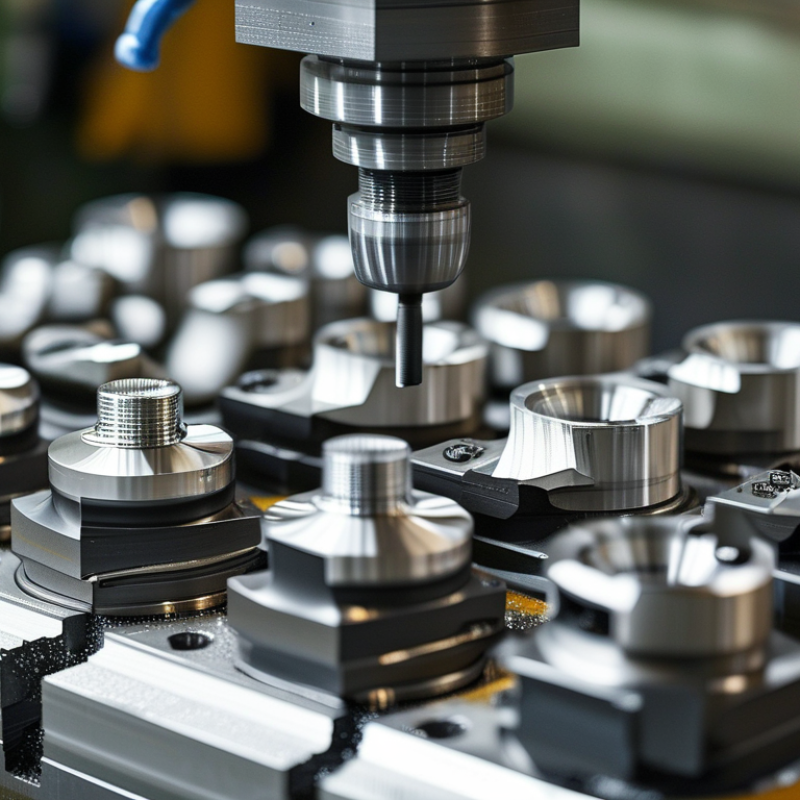
Understanding CNC machining is vital for global buyers in 2026. The process involves removing material from a solid block to create precise parts. Knowledge of key concepts can greatly help in making informed purchasing decisions. Familiarize yourself with materials commonly used in CNC machining, such as aluminum and steel. Each material has different properties, affecting how parts function in their intended applications.
Connecting with manufacturers is crucial. Make sure to communicate your specifications clearly. Understanding tolerances and surface finishes ensures that your components meet quality standards. Always request samples whenever possible. This allows for firsthand evaluation of the manufacturer's capabilities.
A significant factor to consider is cost management. CNC machining can be more expensive than traditional methods. However, investing in quality parts may save money in the long run. Reflect on your requirements and avoid rushing the decision. Focus on suppliers who provide transparent pricing and reliable service. Building relationships with trusted manufacturers can yield advantages beyond mere transactions.
In 2026, identifying high-quality CNC machining parts requires a critical eye. A well-structured procurement process can help mitigate risks. According to a report from the International Federation of Robotics, the demand for CNC machining has surged, with an annual growth rate of 7% expected until 2028. This trend underscores the importance of sourcing from reliable manufacturers.
Buyers should prioritize parts made from high-grade materials. Steel and aluminum are common, but advanced composites are emerging. These materials offer durability and performance. A study by MarketsandMarkets highlights that 70% of manufacturers prioritize raw material quality. Verifying material certifications from suppliers is crucial in this regard.
Quality assurance practices are essential. Look for suppliers with ISO 9001 certification. However, not all certifications guarantee quality. It's a common misconception that ISO certifies products, when it actually standardizes processes. Additionally, it's wise to request samples before purchasing in bulk. This step allows for real-time quality checks. Frequent audits of suppliers’ facilities can also reveal inconsistencies in production standards. Such diligence helps in ensuring you receive high-quality machining parts consistently.
When evaluating CNC machining suppliers, buyers must ensure they prioritize specific criteria to select the most suitable partner. The global CNC machining market was valued at approximately $80 billion in 2022 and is expected to grow significantly by 2026, indicating the increasing importance of reliable suppliers. One key aspect to consider is the supplier's technical expertise. It is essential to assess their experience in producing parts that meet your specifications. A supplier's portfolio should reflect their capability to handle complex projects and diverse materials.
Communication is crucial in the CNC machining process. A reliable supplier will offer clear and timely updates throughout production. Additionally, look for suppliers with certifications, as these demonstrate adherence to industry standards. Studies show that over 70% of companies experience delays due to poor supplier communication. This can erode trust and result in increased costs, underscoring the need for transparent dialogue.
Buyers should also reflect on the location of the supplier. Proximity can enhance logistics efficiency, reducing shipping times and costs. However, sourcing from overseas suppliers might offer cost advantages, presenting a challenging trade-off. Consider the true long-term costs, including potential delays and quality inspection needs. Each choice carries its own risks and benefits; weighing these carefully is essential for successful partnerships in the CNC machining landscape.
When considering CNC machining, global buyers must navigate various cost factors. The complexity of parts significantly influences pricing. More intricate designs often lead to increased expenses. For example, a part with complex geometries may require advanced tooling and longer machine times. Understanding these aspects helps buyers budget effectively.
Material choice plays a crucial role in overall costs. Different materials come with varying price points and machining challenges. Aluminum, for instance, is often more affordable and easier to machine than titanium. However, titanium provides superior strength and durability. Buyers must weigh these factors carefully against their project needs.
Additionally, shipping and logistics can add considerable costs. Global sourcing may result in higher transportation fees. It is essential to consider delivery timelines as delays can impact project schedules. International tariffs and taxes should also be factored into total expenses. Buyers need to account for these variables to avoid unexpected budget overruns.
CNC machining technology is rapidly evolving, shaping global sourcing practices. According to a report from Allied Market Research, the global CNC machining market is projected to reach $100 billion by 2025. Such growth influences sourcing strategies, making it vital for buyers to stay updated on trends.
Precision and speed are critical. Manufacturers are adopting advanced tools like high-speed machining and multi-axis machines. These tools not only boost efficiency but also enhance dimensional accuracy. Global buyers should consider these factors when evaluating suppliers. It's essential to engage with manufacturers who invest in technology upgrades, as this often indicates product quality and reliability.
Collaboration is key in this changing landscape. Foster strong partnerships with CNC suppliers. Open communication about expectations and capabilities can lead to better product development. Be prepared for fluctuations in material costs and availability. These challenges require flexibility in sourcing strategies to maintain cost-effectiveness. The market demands adaptability, and those who cannot adjust may find themselves at a disadvantage.
: CNC machining removes material from a solid block to create precise parts. It's important for global buyers.
Different materials, like aluminum and steel, affect the part's functionality. Choose materials based on specific needs.
Clearly outline your specifications and understanding tolerances. This ensures the quality of the final products.
Samples allow you to evaluate a manufacturer's capabilities firsthand. They provide a clear picture of what to expect.
CNC machining can be costly compared to traditional methods. Consider investing in quality to avoid long-term expenses.
Steel and aluminum are common, but advanced composites are gaining traction for their durability and performance.
ISO 9001 certification indicates quality processes, not product guarantees. Always verify material certifications with suppliers.
Advances like high-speed machining improve efficiency and accuracy. Buyers should look for manufacturers investing in technology.
Strong partnerships with suppliers foster better communication. This can enhance product development and adaptability.
Be ready for fluctuations in costs and availability. Adaptability in sourcing strategies is essential for success.
The article "CNC Machining Parts Tips for Global Buyers in 2026" provides essential information for those looking to source CNC machining parts effectively. It begins by explaining key concepts in CNC machining, aimed at equipping global buyers with foundational knowledge. As quality remains a priority, the article underscores the importance of identifying high-quality CNC machining parts, outlining criteria and methods for evaluation.
Furthermore, potential buyers are guided on how to assess CNC machining suppliers through essential criteria and practical tips, ensuring that they make informed decisions. Cost factors are also discussed, helping buyers to budget appropriately for their CNC machining needs. Finally, the article highlights emerging trends in CNC machining technology that are likely to influence global sourcing strategies in the near future, preparing buyers for the evolving landscape of manufacturing.
