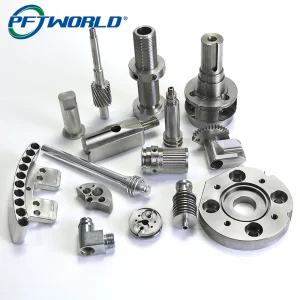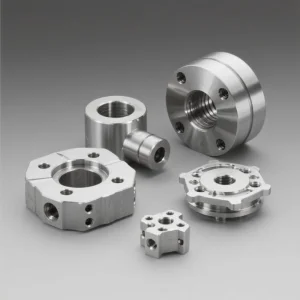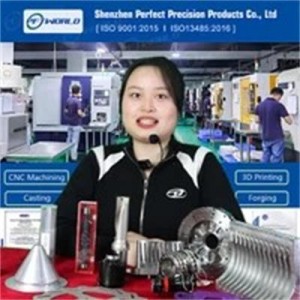
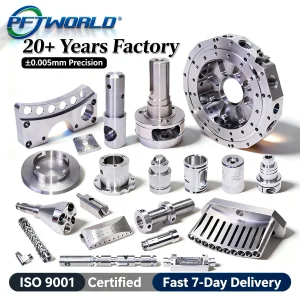
High-grade engineering components manufactured under strict tolerances for global aerospace, medical, and industrial automation equipment.
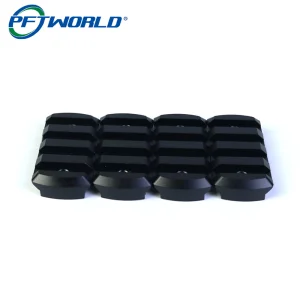
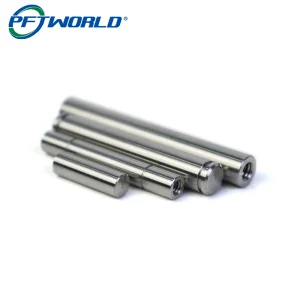
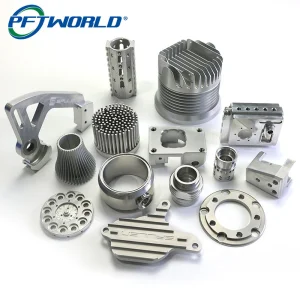
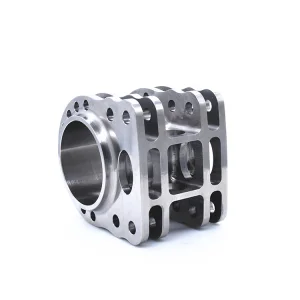
Technical specifications, guidance mechanics, and material selection criteria for high-precision motion control systems.
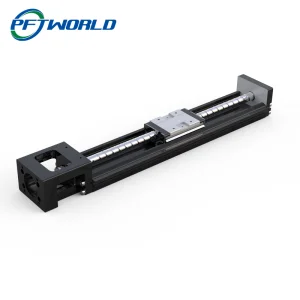
Manual linear stages are the cornerstone of micro-positioning technology, providing controlled, single-axis translation for optics, lasers, fiber coupling, and semiconductor metrology. Unlike motorized counterparts, manual stages rely on physical micro-screw actuators or micrometer heads, translating human rotary input into linear movement of high precision. The structural integrity and precision of a manual linear stage are dictated by its guiding mechanism:
Crossed Roller Guides: Designed for extreme stability and high load capacity. The rollers are arranged alternately at 90-degree angles, creating line-contact pathways. This minimizes elastic deformation, lowers friction coefficients, and guarantees straightness errors under 0.002 mm over the travel range. This is the optimal selection for sub-micron alignment and cleanroom applications.
Dovetail Slide Guides: Rely on direct surface-to-surface contact. Although they exhibit higher friction, they offer exceptional damping characteristics and resistance to shock loads. Dovetail stages are best suited for coarse adjustments and setups prone to structural vibrations.
Precise travel is driven by fine hex threads (typically 0.25mm to 0.5mm pitch) or certified micrometers offering division markings of 10 µm or 100 µm. To combat structural backlash, premium stages utilize heavy-duty internal spring tension systems that maintain constant force against the micrometer tip, translating to repeatable, bidirectional positioning accuracy without mechanical play.
The operational environment dictates the choice of stage substrate material. In precision optics and semiconductor processing, thermal changes can ruin alignment. We construct structural bodies to manage these issues:
Anodized aluminum serves as the industry standard, offering a high strength-to-weight ratio and natural resistance to corrosion. The surface is typically treated with a black hard-anodized layer, reducing unwanted optical reflections and increasing surface hardness to prevent scratching. Aluminum's thermal expansion coefficient is mitigated through thermal symmetry structures engineered using finite element analysis (FEA).
For applications where thermal drift must be held close to zero (such as long-exposure laser interferometry), stainless steel (SUS303/SUS304) or specialized low-expansion alloys (like Invar) are utilized. Stainless steel exhibits a lower thermal expansion coefficient than aluminum and features higher stiffness, making it ideal for high-mass payloads.
The guiding tracks of our manual linear stages are ground to a surface roughness of Ra 0.1 to 0.4 µm. Achieving this level of flatness guarantees smooth sliding friction. Combined with CNC machining tolerances down to +/- 0.002 mm, our manufacturing processes prevent angular deviations like pitch, roll, and yaw during operation.
Industrial applications frequently require motion beyond a single linear direction. Manual linear stages are designed to be stacked modularly into XY, XZ, or XYZ configurations without degrading angular stability:
Direct stacking of two linear stages can lead to orthogonal errors. To prevent this, our XY stages utilize precision orthogonal alignment dowel pins and reference surfaces, keeping orthogonality deviations under 10 µrad (arcseconds). This level of calibration ensures that travel along the X-axis induces negligible displacement on the Y-axis.
Adding vertical (Z-axis) translation requires a vertical bracket. These brackets must exhibit high mechanical stiffness to prevent bending under cantilever loads. Our vertical brackets are machined from solid billets of aluminum to prevent deflection. By minimizing structural weight while maximizing stiffness, the integrated stage maintains sub-micron sensitivity even when supporting asymmetric, multi-axis payloads.
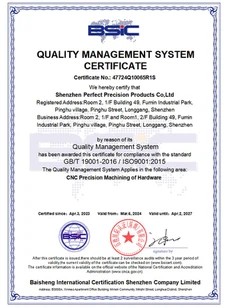
Established in 2014, Shenzhen Perfect Precision Products Co., Ltd has evolved from a specialized engineering team into a globally recognized manufacturing force. Having passed the strict ISO9001 quality system certification, we have dedicated ourselves to high-precision engineering. In 2018, our commitment to business integrity earned us the title of Guangdong Contract and Trustworthy Enterprise.
In 2019, our deep R&D investments were certified under the national high-tech enterprise and intellectual property management systems. Expanding rapidly to meet international demands, our corporate office footprint reached 10,000 square meters in 2020. By 2021, we successfully realized a fully digitalized chemical manufacturing facility, tracking every tolerance and raw material lot via an integrated ERP ecosystem.
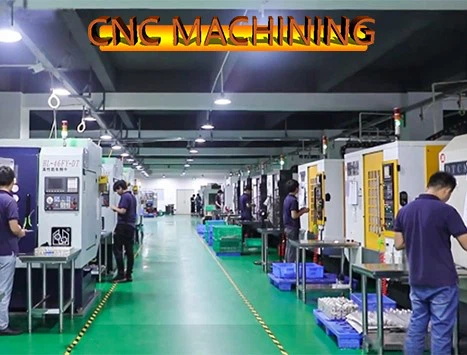
From prototyping to production, we deliver multi-axis machining solutions using advanced manufacturing technologies.
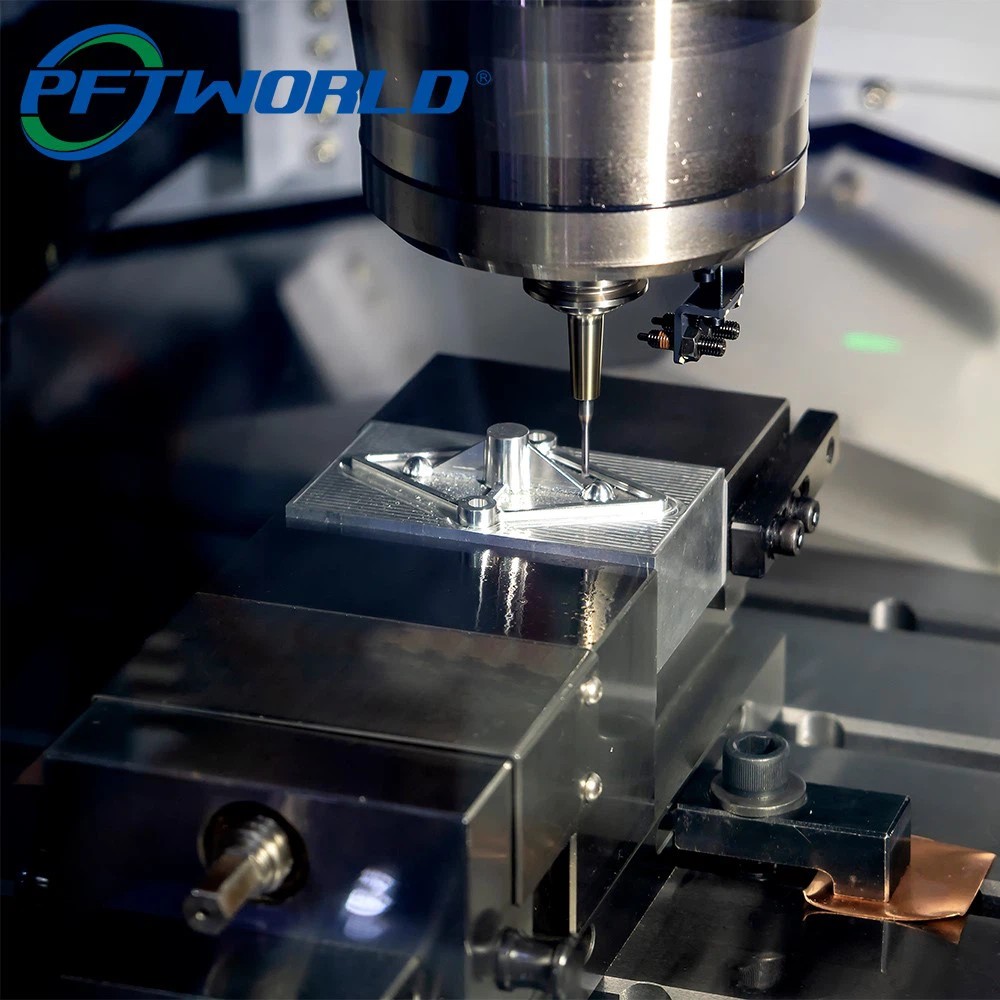
CNC Milling Machining
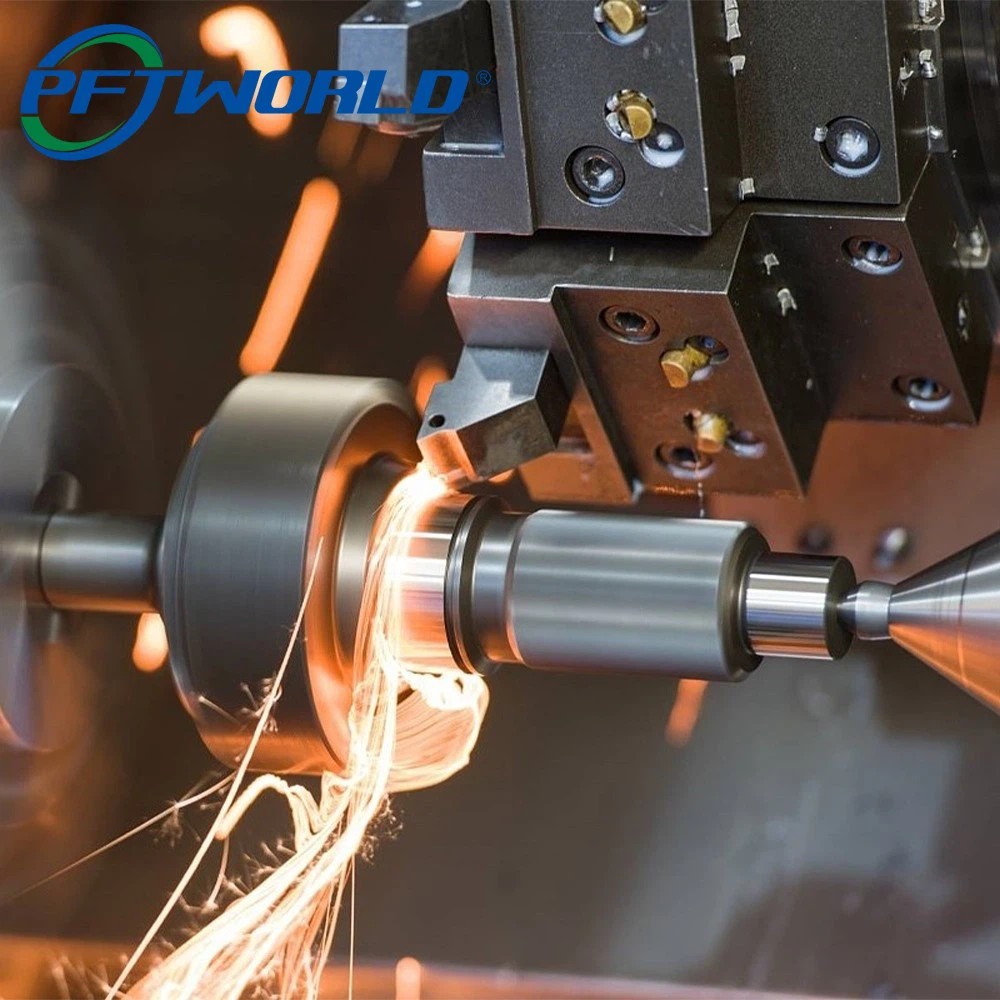
CNC Turning Machining
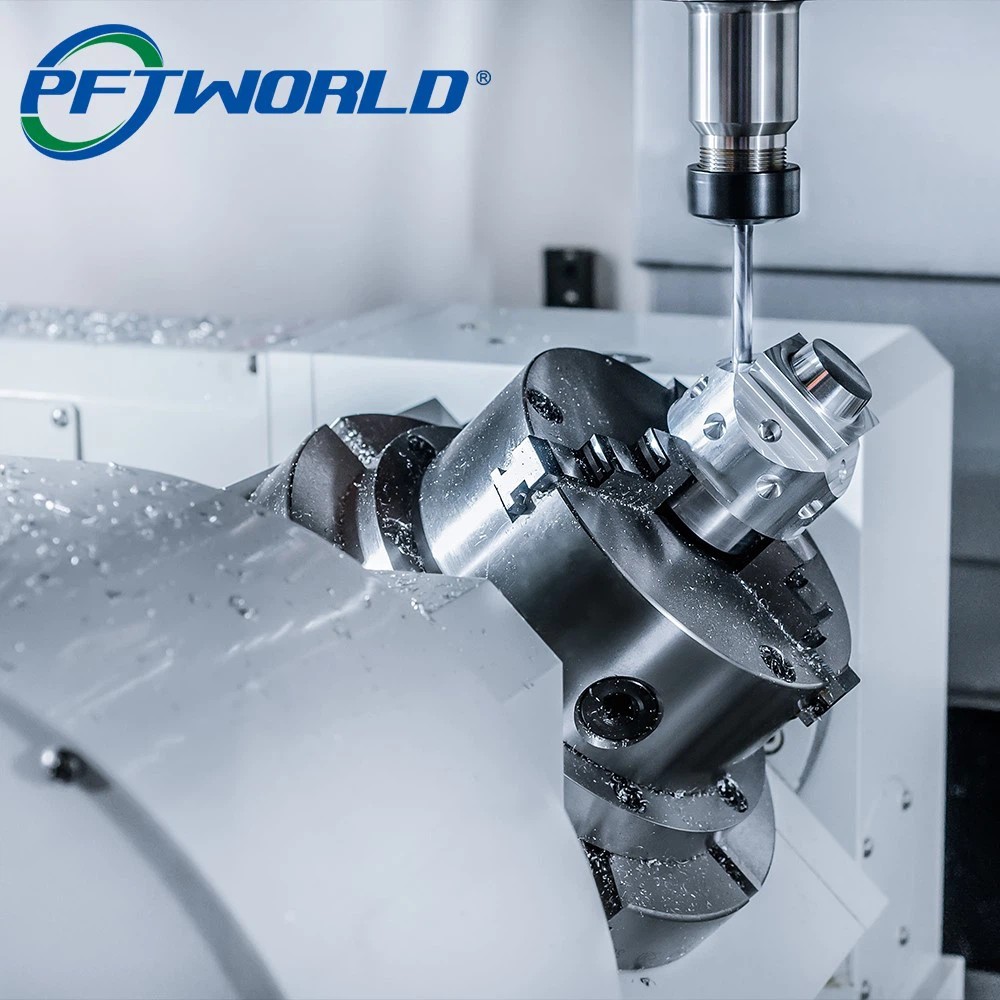
CNC Mill-Turn Machining
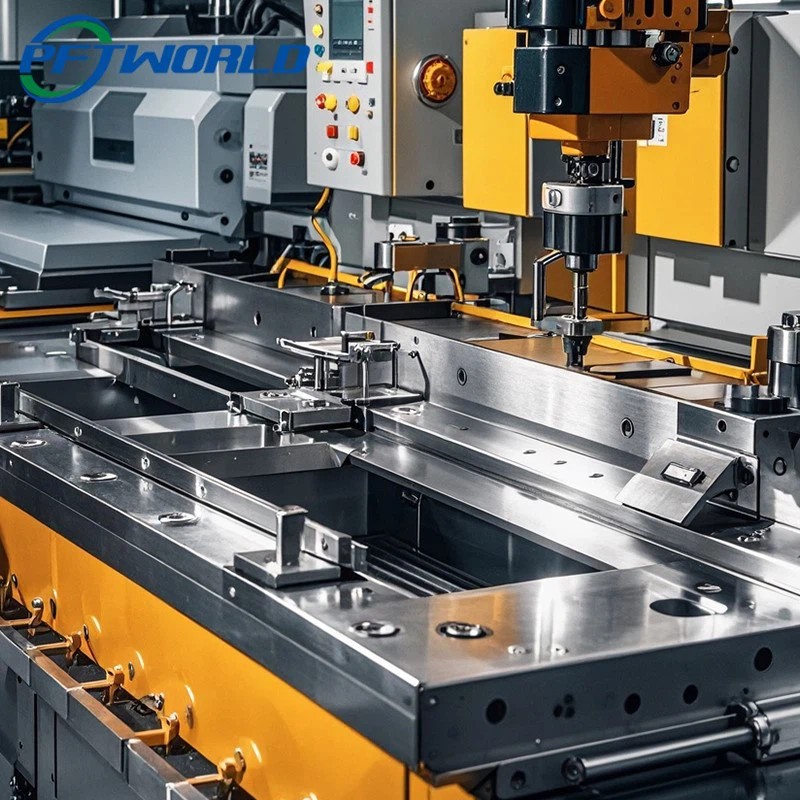
Sheet Metal Fabrication
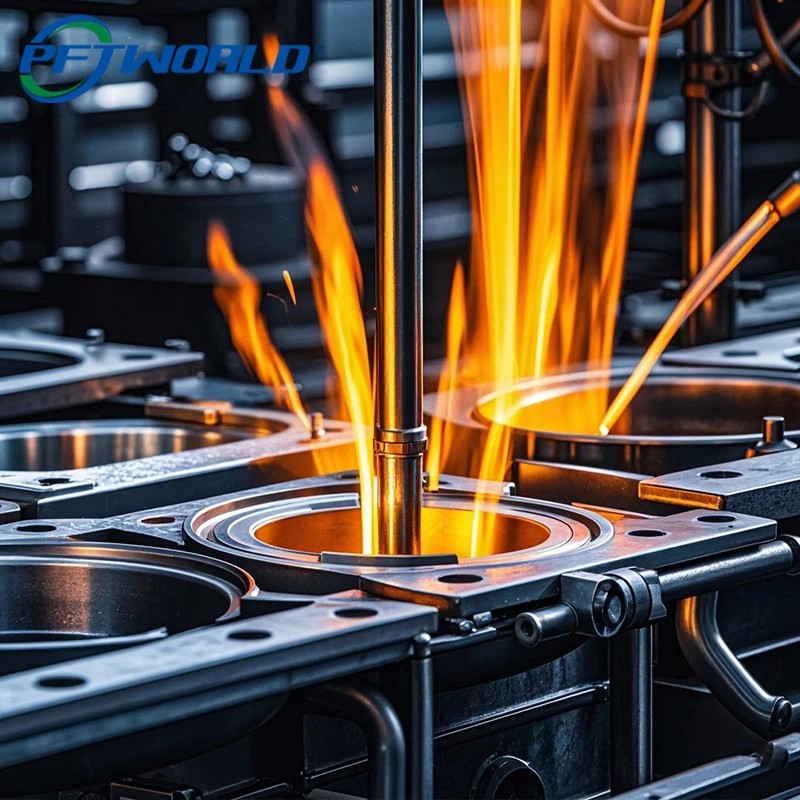
Casting Services
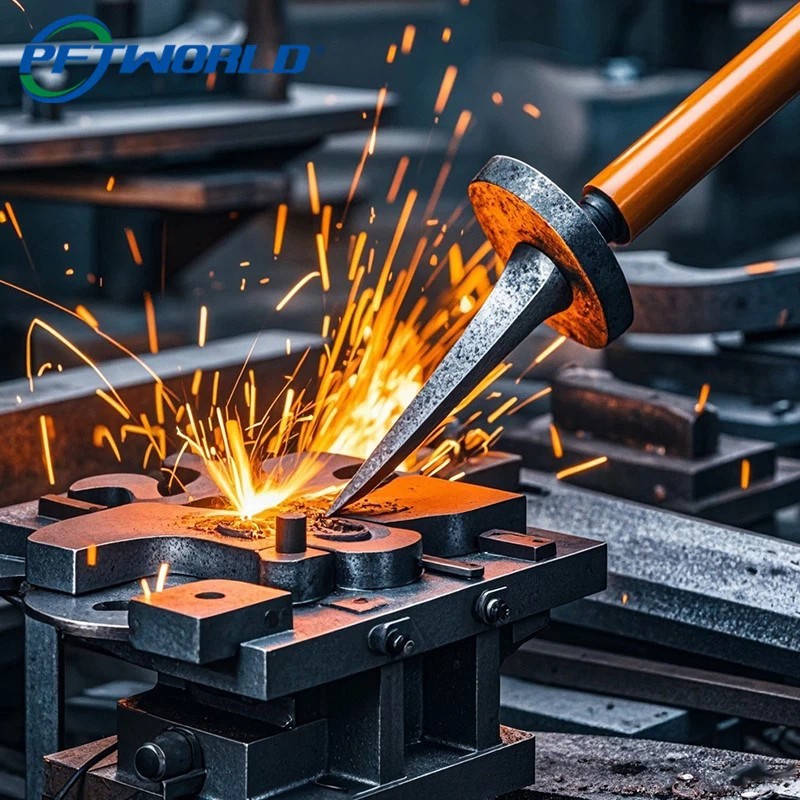
Forging Services
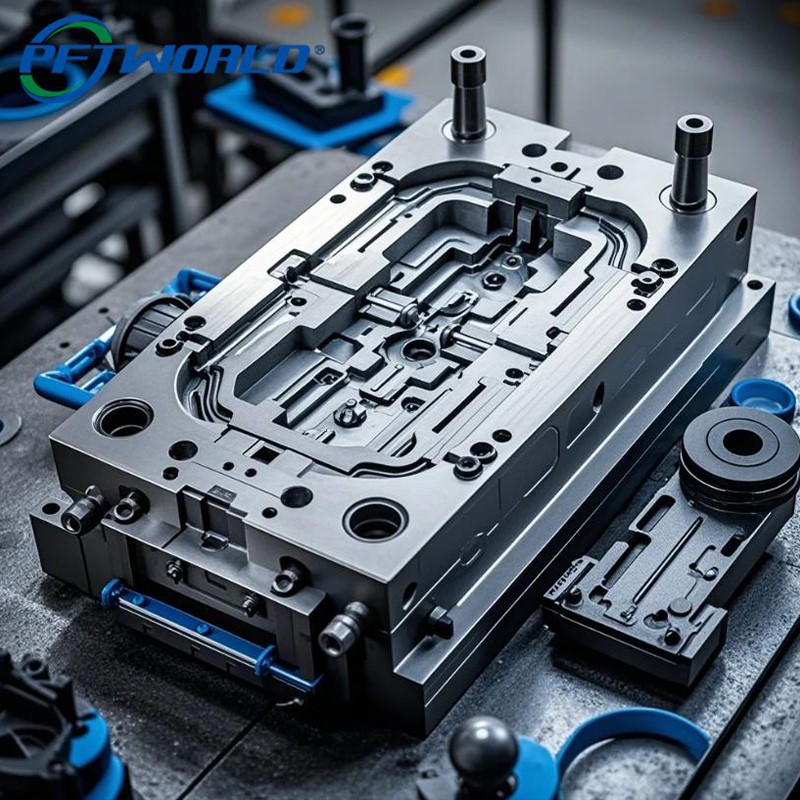
Precision Moulds
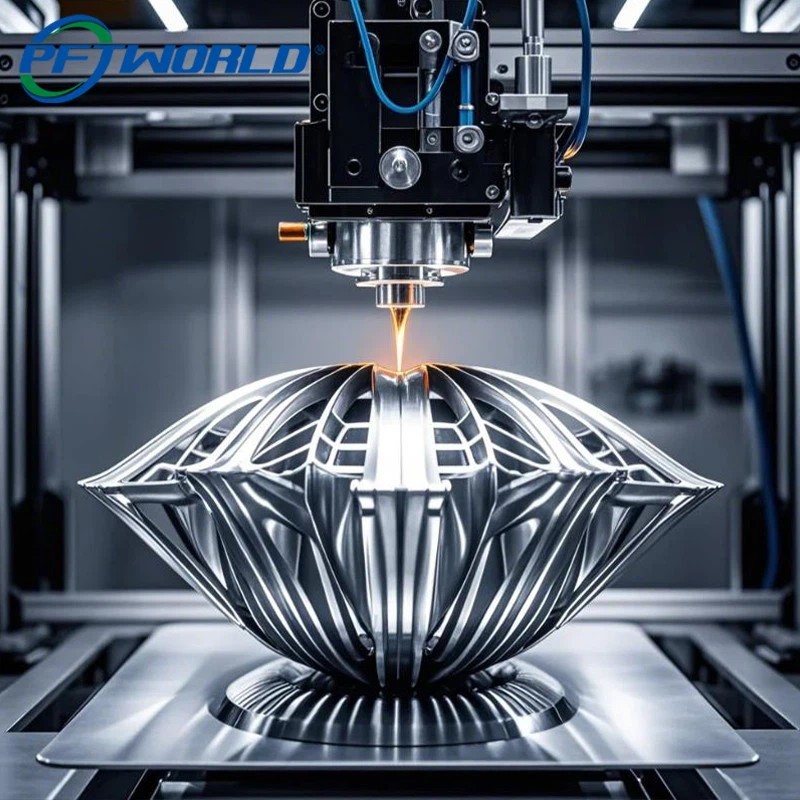
Additive 3D Printing
How our manual linear stage structures and custom precision components power next-generation global technologies.
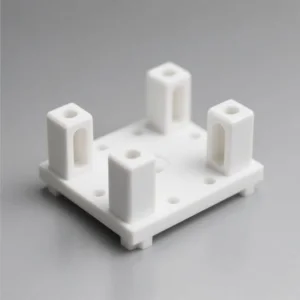
For semiconductor processing, we supply non-outgassing manual linear stages that operate in high-vacuum environments. By integrating 5-axis milled ceramic insulators and using vacuum-compatible fluorocarbon lubricants, our stages prevent wafer contamination and maintain high positioning reliability.
Laser research demands precision down to the sub-micron scale. Our linear stages feature fine micrometer adjustments that support stable multi-axis (XYZ) alignment. This enables optical lab technicians to manage laser focal distances and fiber coupling setups with minimal positional drift.
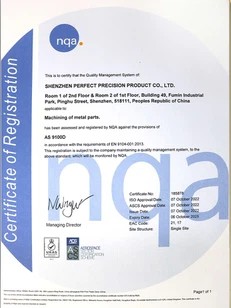
We manufacture weight-optimized components, from titanium alloy drone frames to custom engine parts. Our facilities comply with the AS9100D aerospace standard, ensuring structural integrity and material traceability for safety-critical defense systems.
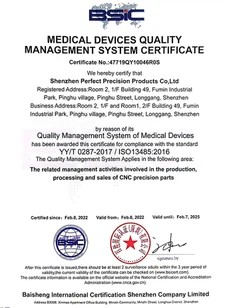
Our ISO 13485 medical-certified facility manufactures microfluidic positioning devices and medical diagnostic components. Clean surface treatments and biocompatible material handling processes ensure suitability for laboratory and clinical environments.
Procurement managers at tier-1 corporations look for key criteria to mitigate risks when selecting positioning stage suppliers:
In 2021, Shenzhen Perfect Precision Products Co., Ltd updated its facility to a digital chemical plant. By connecting all 100+ CNC machines to a central digital dashboard, we track real-time tool wear, machining cycle times, and operational performance. This digitized setup provides several clear benefits:
This system helps us balance high-precision tolerances with competitive costs. This efficiency supports global engineering teams in reducing both prototyping turnaround times and total production expenditures.
We verify precision using automated testing, Coordinate Measuring Machines (CMM), and optical verification tools.
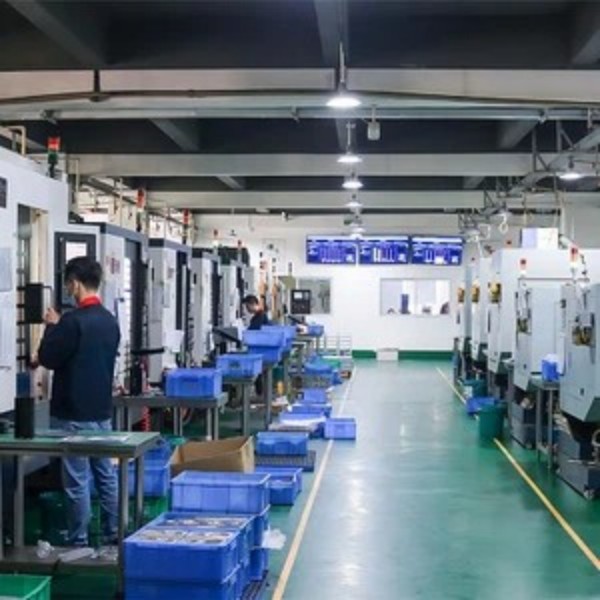
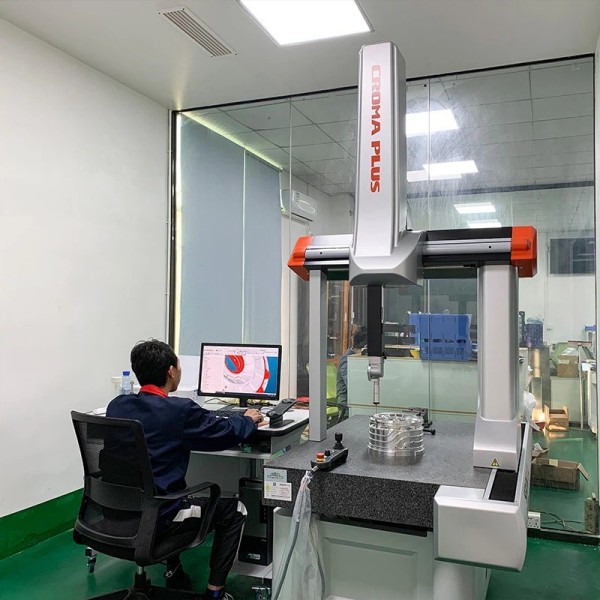
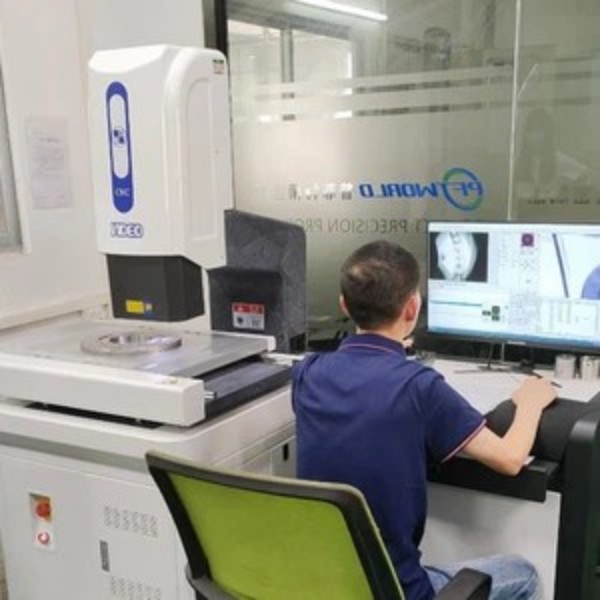
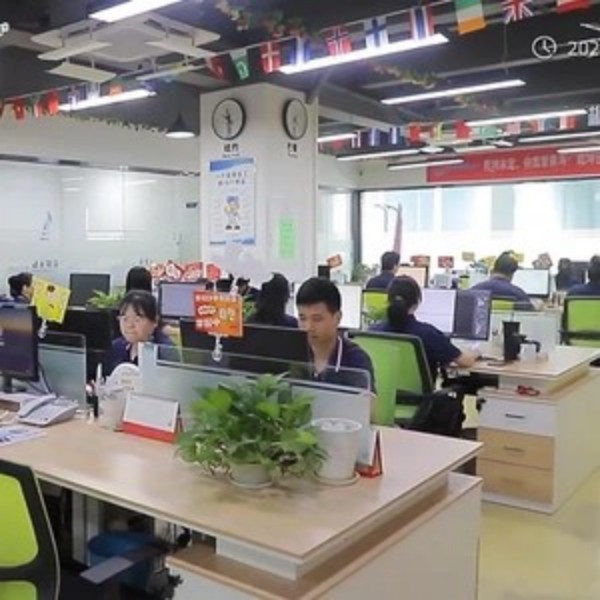
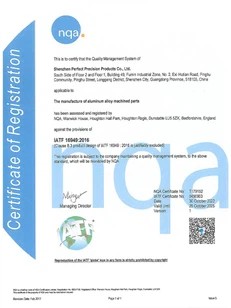
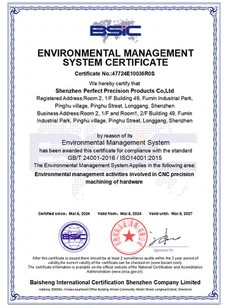
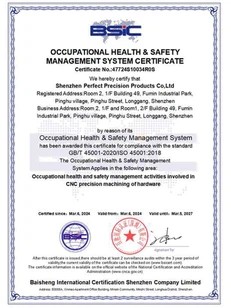
Our facilities comply with global quality management systems, guaranteeing process control from design to delivery.
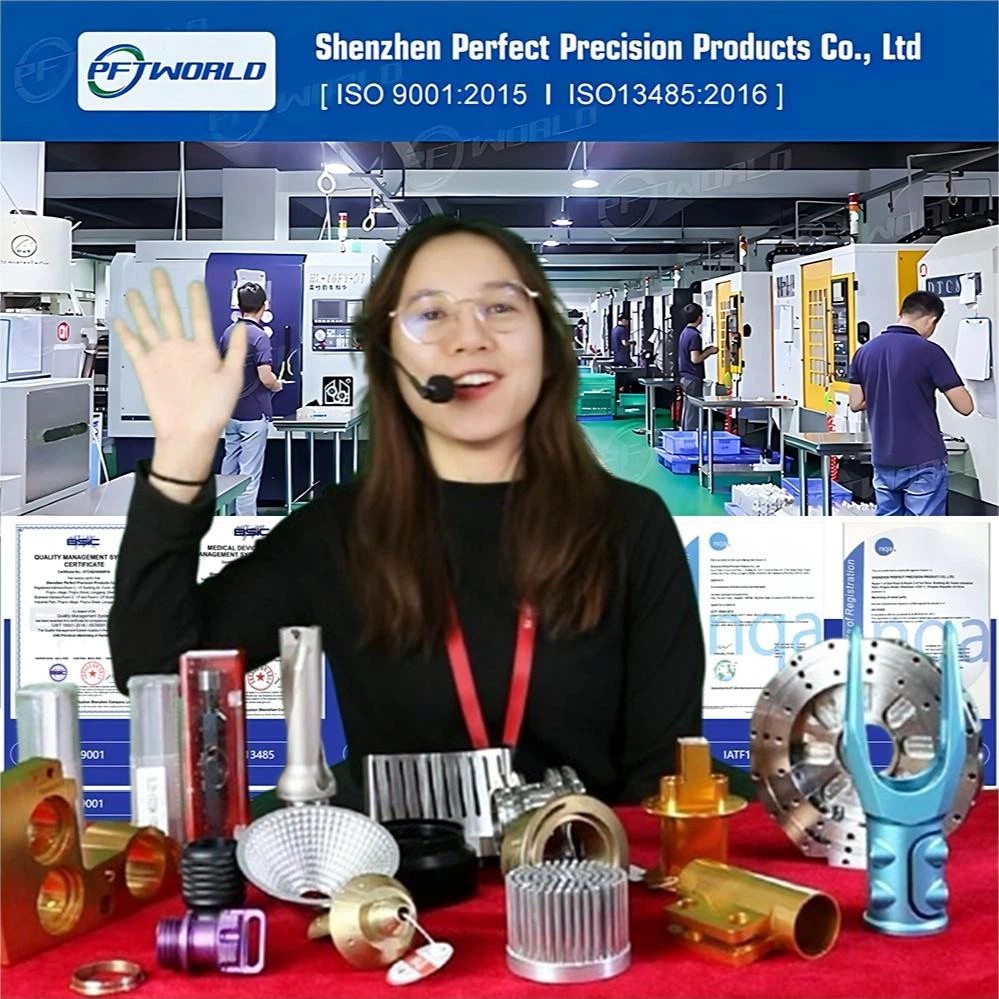
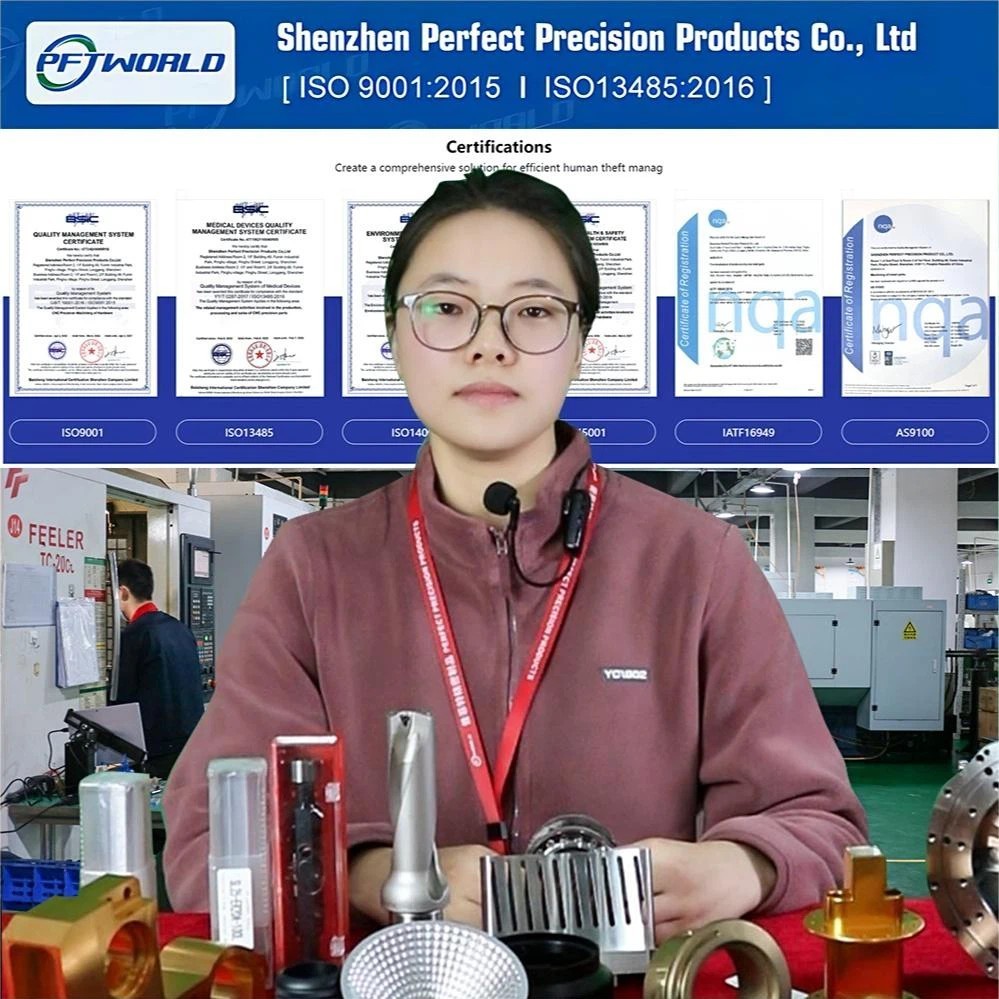
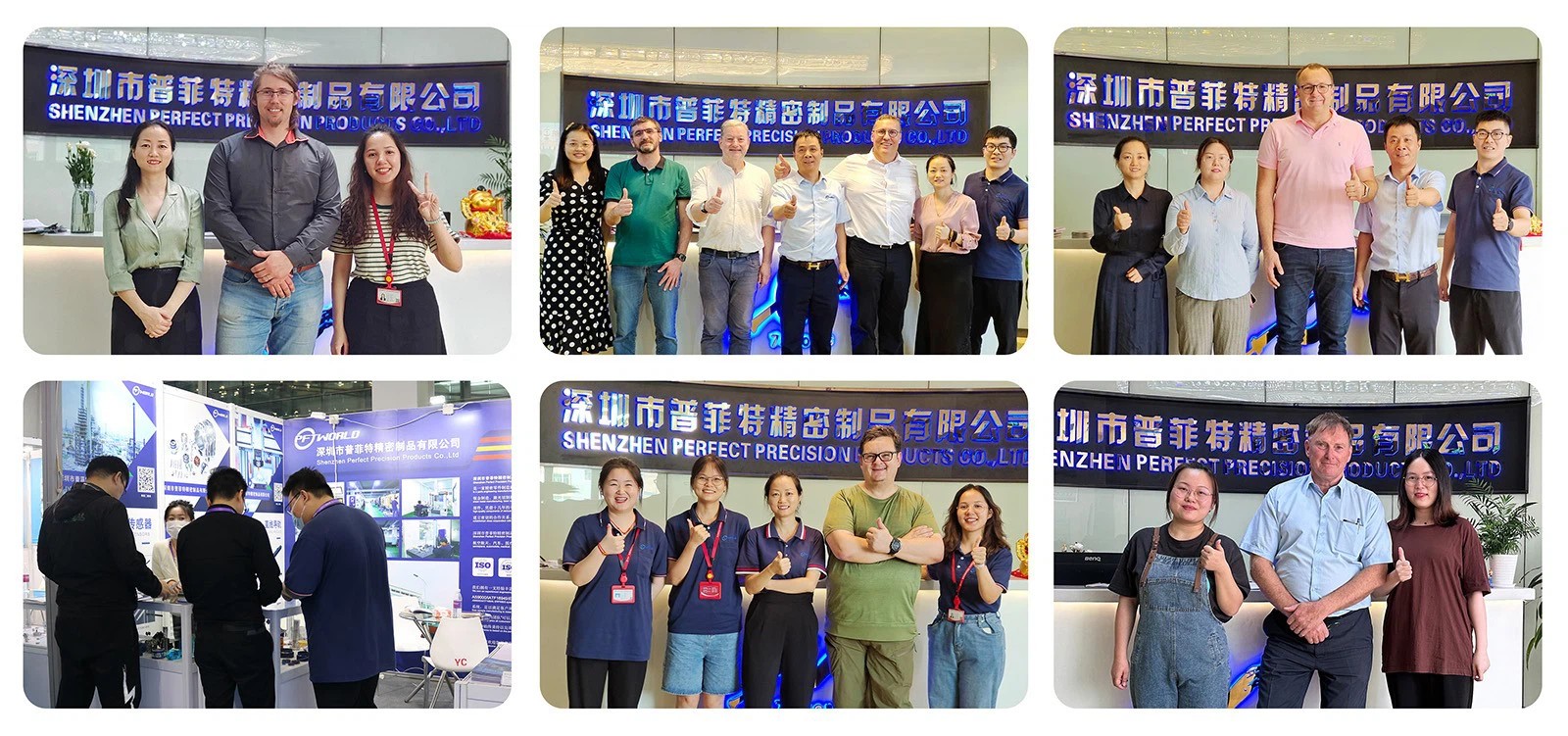
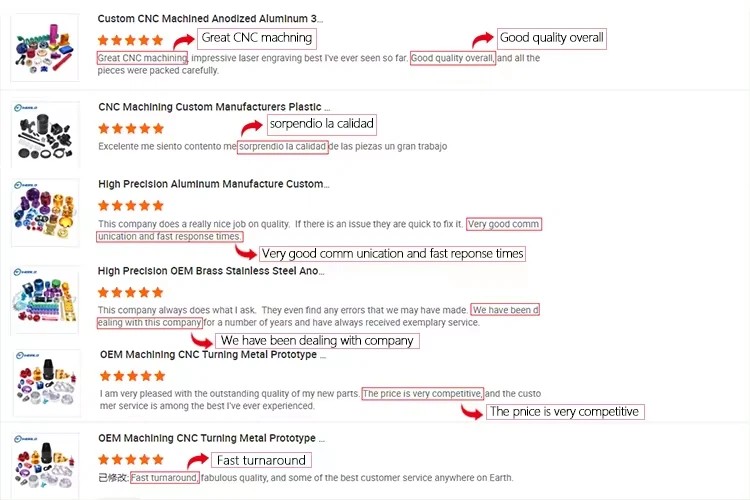
Take a visual tour of our production facility and view feedback from global procurement partners.
Detailed technical and commercial answers regarding our custom manual linear stage systems and OEM services.
We are a direct, ISO-certified manufacturer located in Shenzhen, China, with 20 years of custom engineering experience. Our facilities cover 6,000 square meters and house over 100 high-precision CNC machines, optical comparator tools, and coordinate measuring machines (CMMs). We utilize a digital ERP tracking system to manage raw materials and provide quality inspection reports for every order.
Please submit your engineering drawings (acceptable formats include PDF, STEP, IGS, DWG, and DXF) along with details on raw materials, surface treatment specs, volume requirements, and tolerances. Our engineering team reviews all documents and provides a cost breakdown within 24 hours.
Yes. If you don't have engineering drawings, you can send us physical samples, dimensional sketches, or a written description of your application. Our engineers will draft a CAD model for your verification and approval prior to manufacturing.
Yes. We offer rapid prototype samples for functional testing. Standard sample lead times are 1 to 3 days. The cost of sample fabrication is typically refunded or credited once you transition the project to volume production.
Standard lead times are 1 to 2 weeks for prototype components and 3 to 4 weeks for volume production orders. We also offer expedited delivery options to help you meet tight project deadlines.
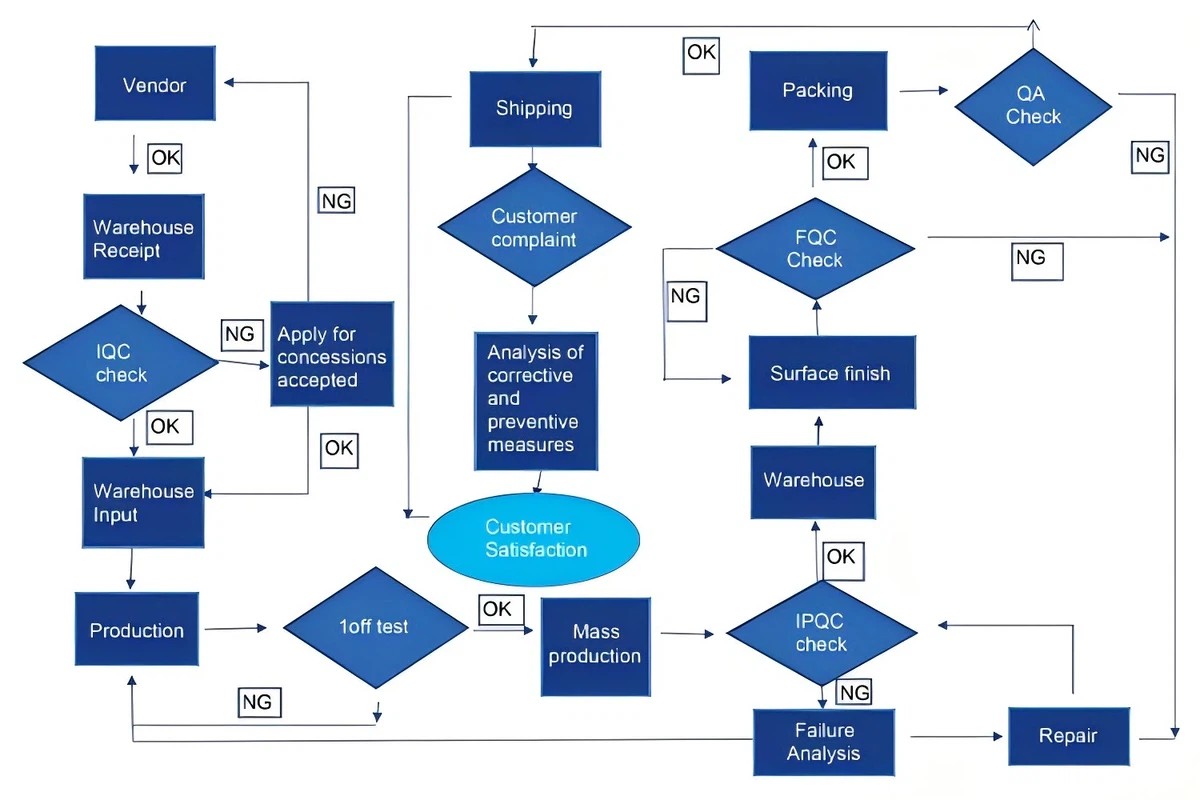
Our quality control process follows four key stages:
We provide a one-month window for dimensional inspection and verification upon receipt of your order. If any component is found to deviate from your approved drawings, our team will review the issue via video call or email and provide replacement parts or a credit within one week.
Angular deviations are caused by surface irregularities in the internal guide tracks. By grinding the steel or aluminum tracks to a surface roughness under 0.2 µm and holding flatness tolerances within 2 µm, we prevent structural wobble. When stacking stages, we align each plane using reference datums to keep angular errors below 15 arcseconds.
Connect directly with our engineering sales specialists for rapid design reviews and pricing feedback.
We deliver high-precision CNC machining solutions tailored to your exact specifications. From prototyping to mass production, we handle everything with strict quality control, fast turnaround, and competitive pricing. Equipped with advanced CNC machines and a skilled engineering team, we serve industries like automotive, aerospace, medical, and electronics with unmatched accuracy and reliability.
Send Inquiry NowExplore our line of automated background suppression sensors, proximity switches, and custom automotive engine assemblies.