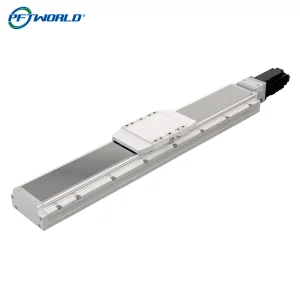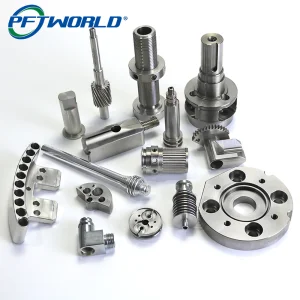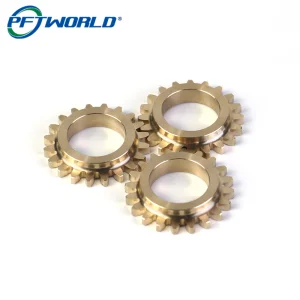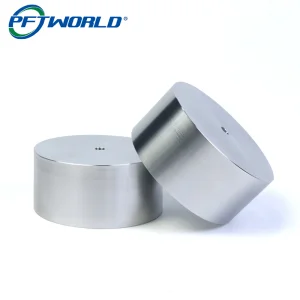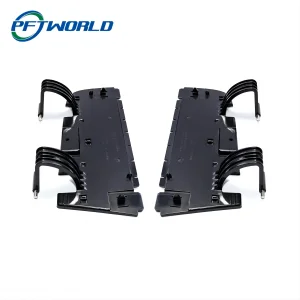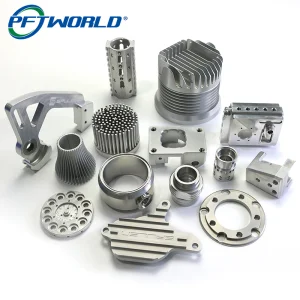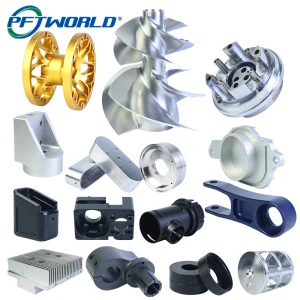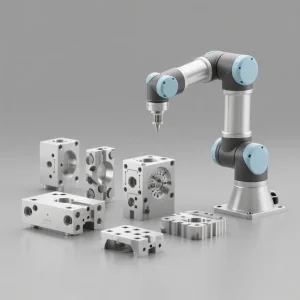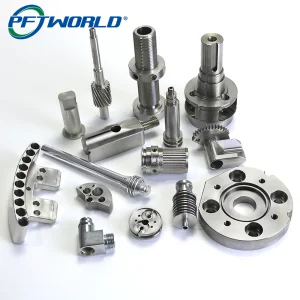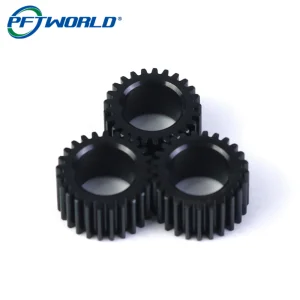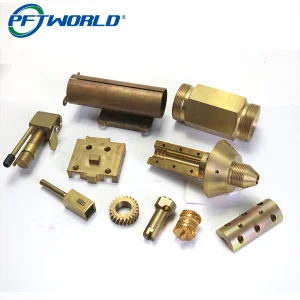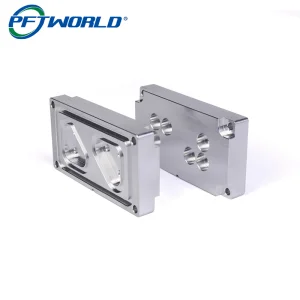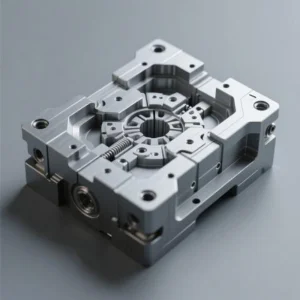
Explore our high-performance components manufactured with extreme tolerances and global standards.
Copper is the cornerstone of modern electrical infrastructure, high-efficiency thermal management, and advanced automotive designs. As industries globally pivot towards renewable energy grid systems, advanced electric vehicles (EVs), and ultra-fast telecommunications, the demand for precision-engineered ODM copper components has surged exponentially. The global copper parts market is no longer dominated by simple castings; it requires tight tolerance profiles, complex geometries, and highly specialized surface finish treatments designed to prevent corrosion and oxidation under heavy loads.
“Sourcing from experienced ODM copper parts suppliers requires assessing more than machining capability; it demands deep material science knowledge, high-level quality management systems, and a predictable, transparent supply chain capable of scaling from rapid prototyping to high-volume manufacturing.”
Engineers must balance performance requirements against cost when choosing copper alloys. Highly pure coppers such as C10100 (Oxygen-Free Electronic) and C11000 (Electrolytic Tough Pitch) provide unmatched electrical conductivity, measuring at 101% and 100% IACS respectively. These are commonly used for high-voltage busbars, semiconductor heat sinks, and vacuum electronics. However, pure copper presents high ductility and low machinability ratings. In contrast, copper alloys like C17200 (Beryllium Copper) or brass variants like C36000 (Free-Cutting Brass) offer elevated yield strength and resistance to fatigue, making them ideal for precision gear customization, connectors, and aerospace tooling.
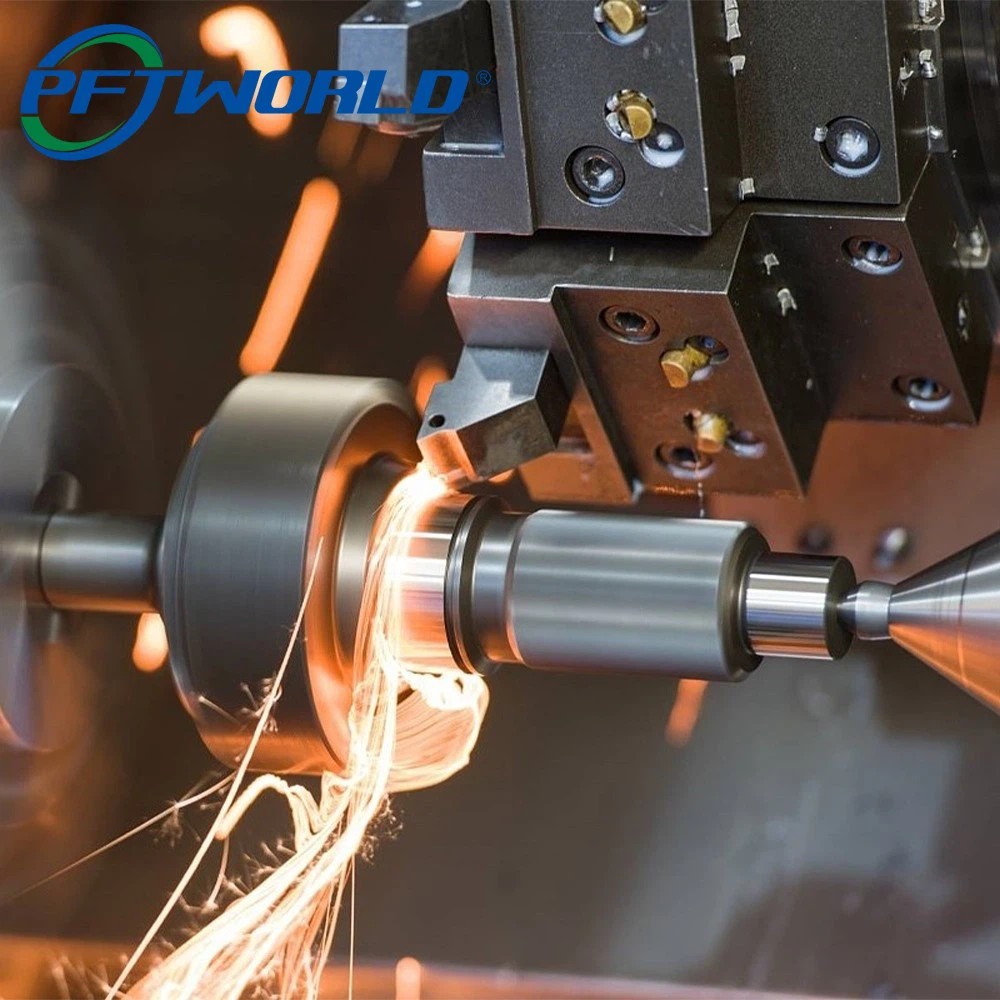
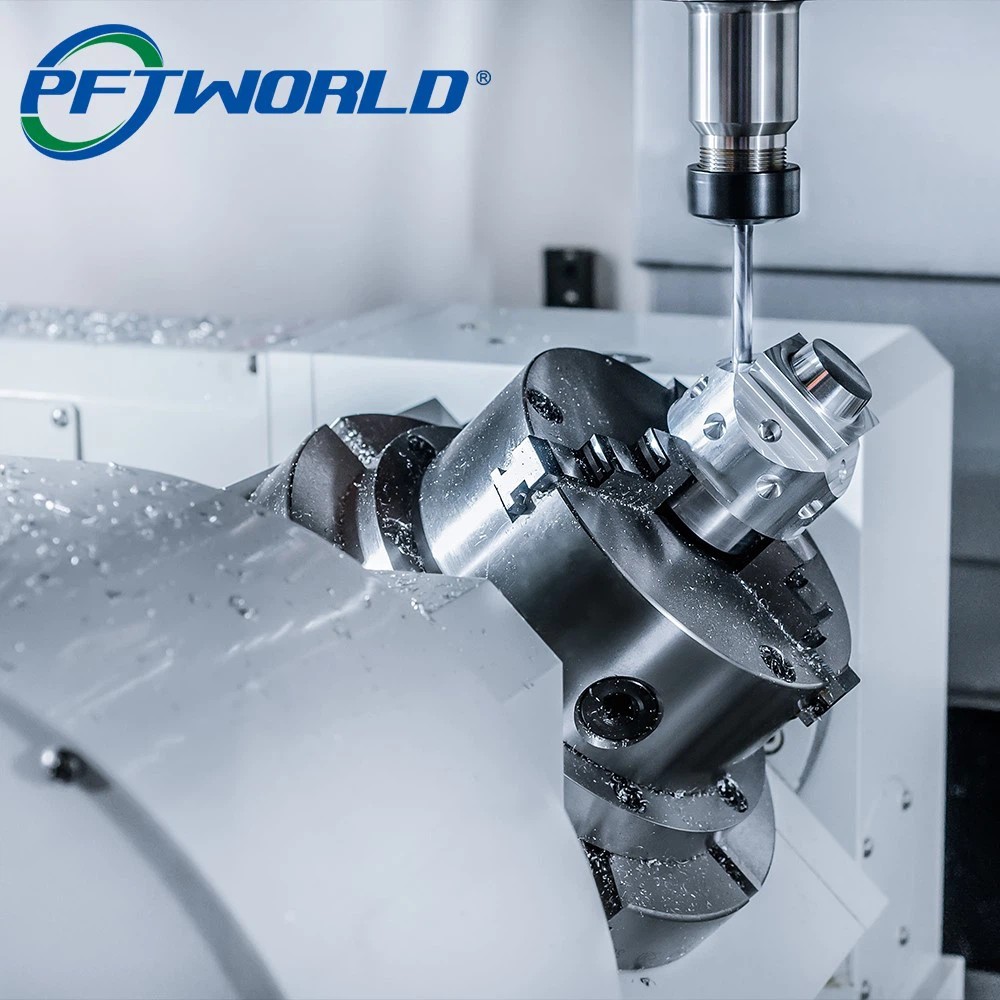
Due to copper’s high thermal conductivity, heat is rapidly pulled away from the cutting zone and into the tool, leading to accelerated tool wear and material deformation. To counteract these inherent challenges, state-of-the-art ODM factories employ specialized tool geometries, diamond-like carbon (DLC) coatings, and optimized coolant strategies. The transition from traditional 3-axis systems to multi-axis CNC machines has dramatically reduced setups, ensuring geometric alignment and eliminating positioning errors.
Modern telecommunication structures utilize components operating at high frequencies (5G and millimeter wave bands), where surface roughness directly impacts signal attenuation via the "skin effect." Achieving a surface finish as low as Ra 0.1 μm is critical. Post-processing steps including electroplating (silver, gold, tin, or nickel plating) provide structural passivating layers that inhibit oxidation while preserving long-term electrical contact resistance. Choosing a supplier that integrates these surface treatment protocols under a unified quality system prevents part-to-part performance variations.
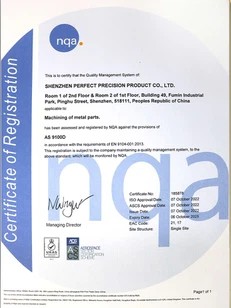
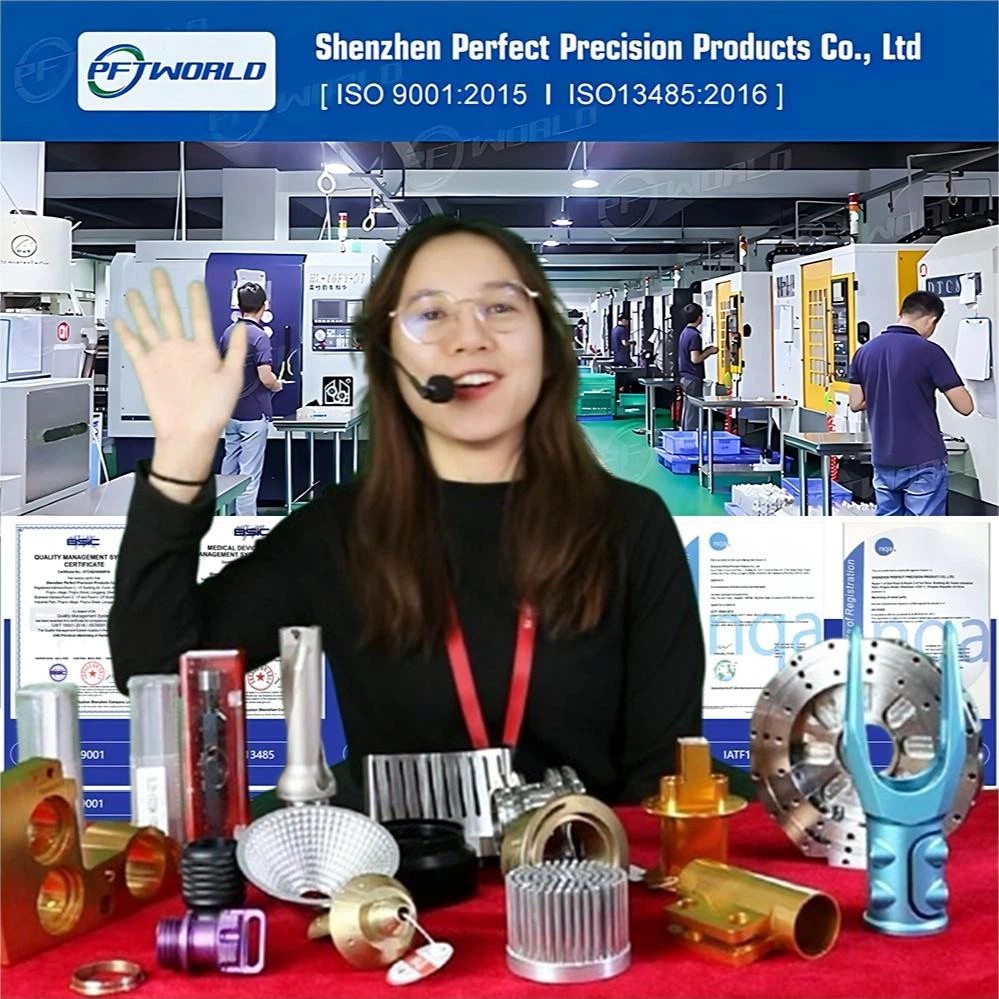
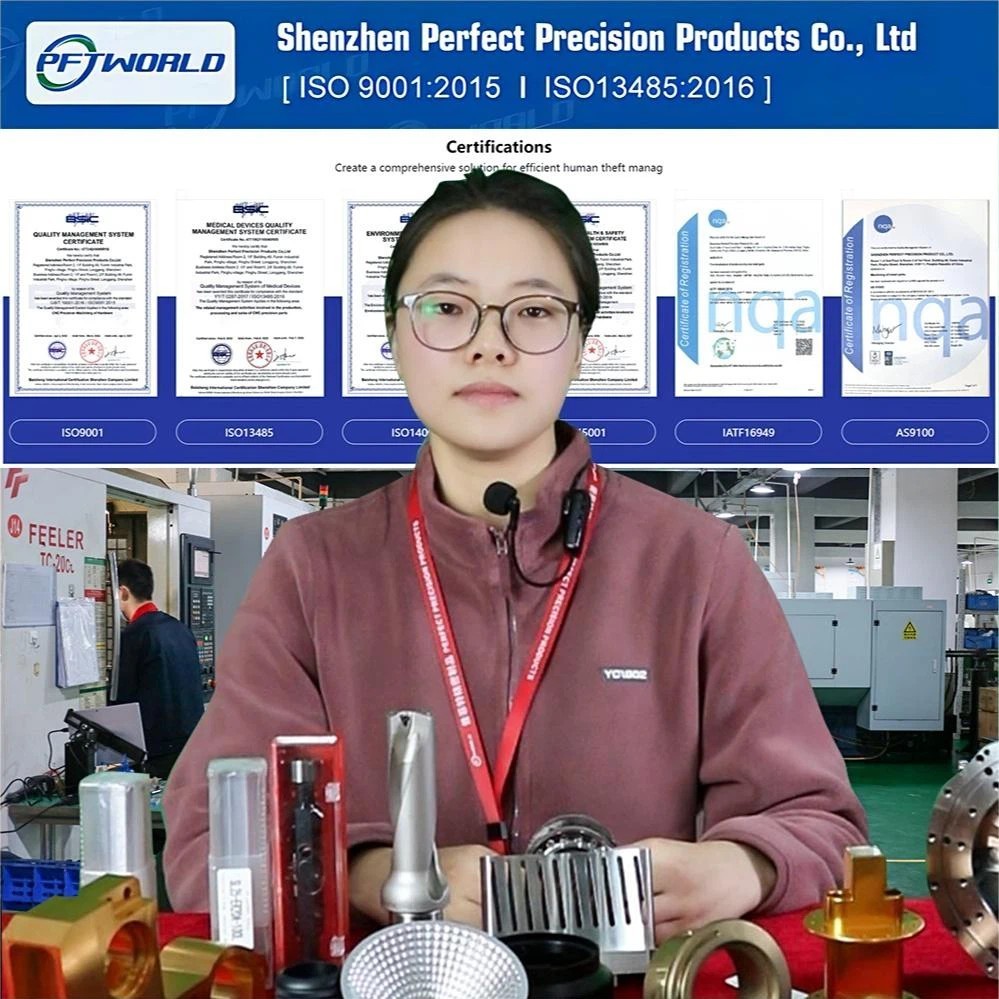
Established in 2014, Shenzhen Perfect Precision Products Co., Ltd has built a world-class reputation in precision CNC machining. Driven by a dedicated foreign trade team, we achieved ISO9001 quality system certification early on, focusing heavily on operational excellence. Our unwavering commitment to client satisfaction earned us the title of Guangdong Contract and Trustworthy Enterprise in 2018. Continuous innovation led to our recognition as a National High-Tech Enterprise and the acquisition of our Intellectual Property Management System certification in 2019.
By 2020, our office and manufacturing workspace expanded to 10,000 square meters, supporting 70 highly specialized staff members. In 2021, we completed our transformation into a fully digitalized chemical and mechanical plant, utilizing real-time ERP systems to control precision scheduling and trace raw materials from source to final delivery.
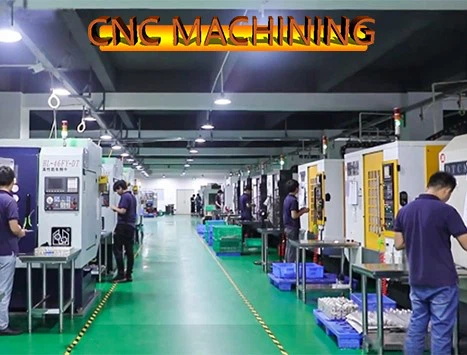
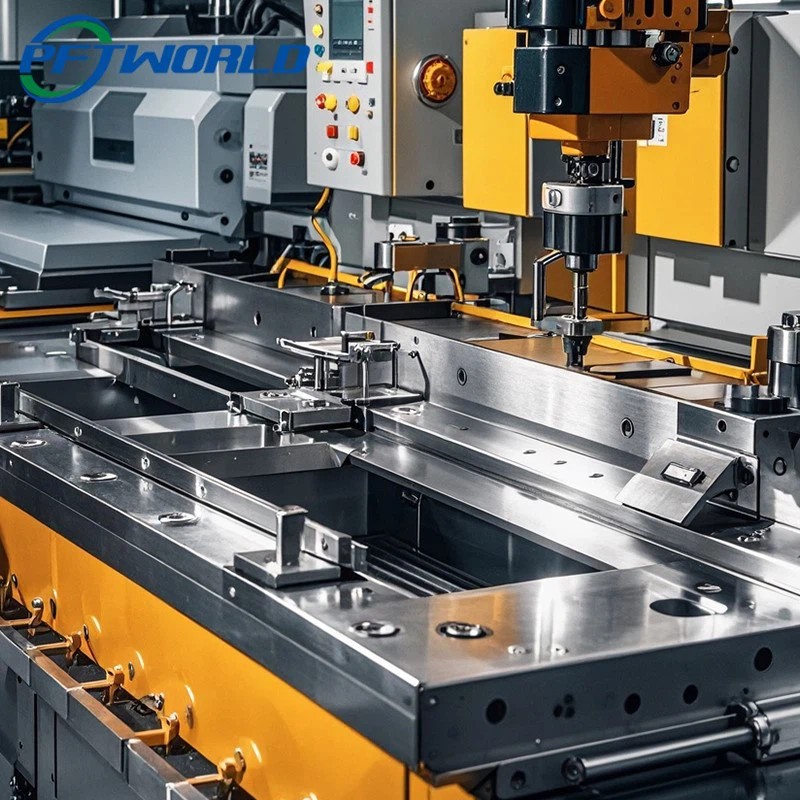
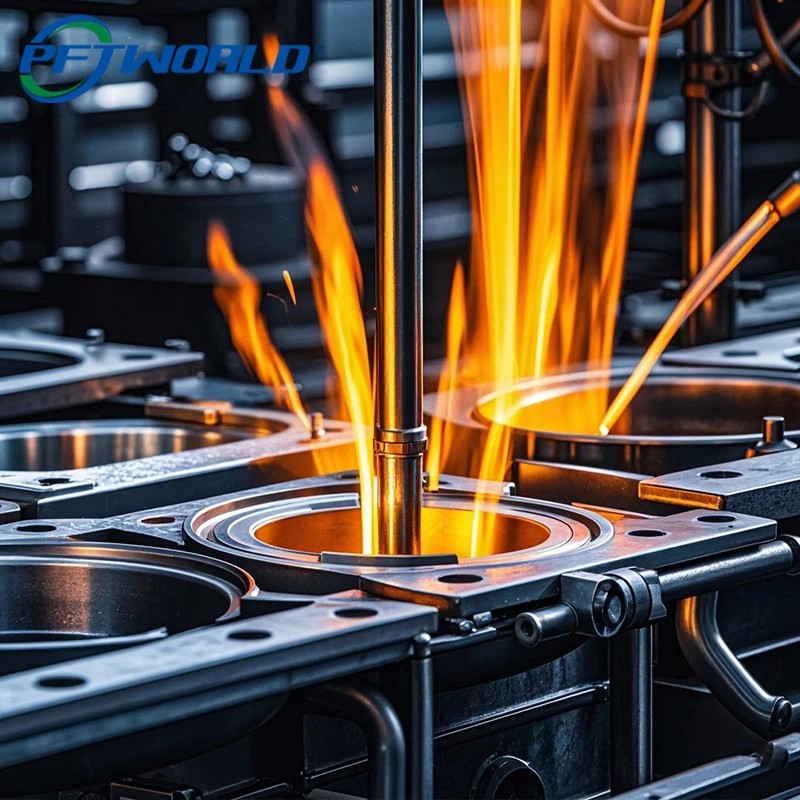
Leveraging advanced equipment and process diversity to fulfill complex design specifications.
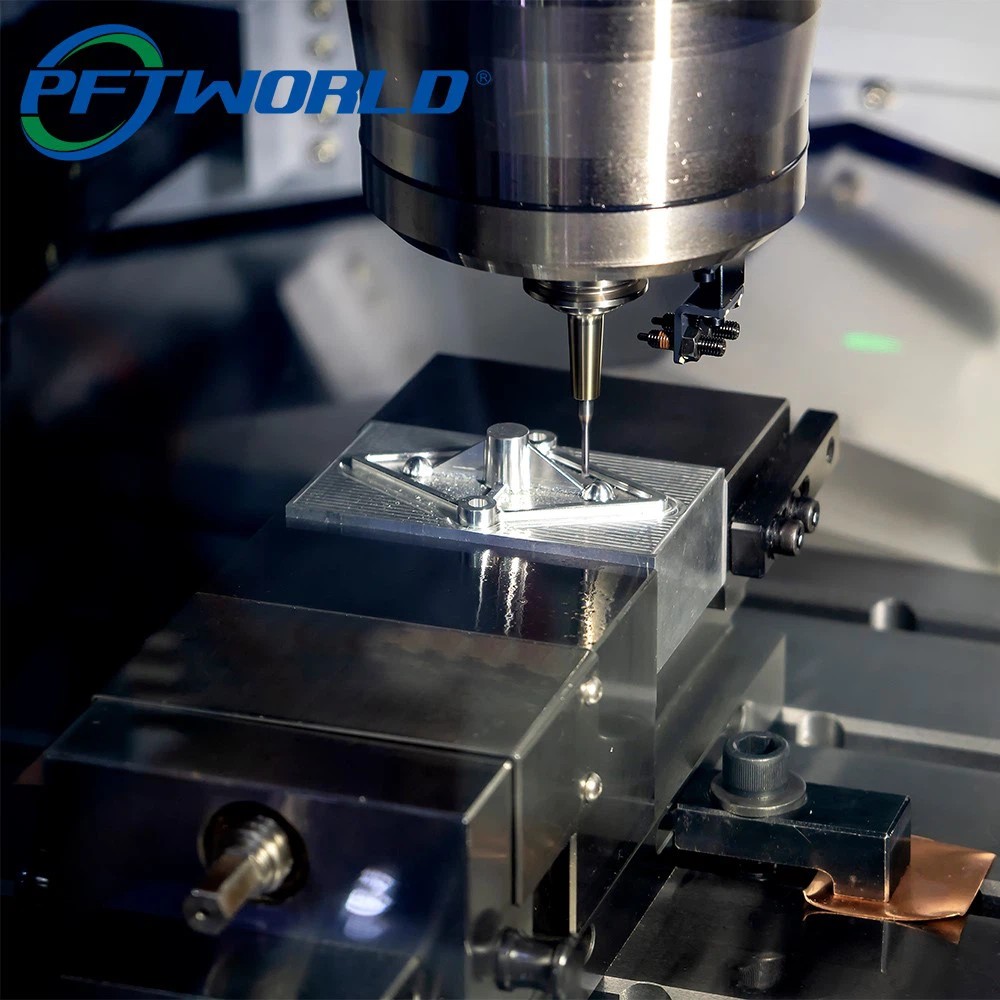
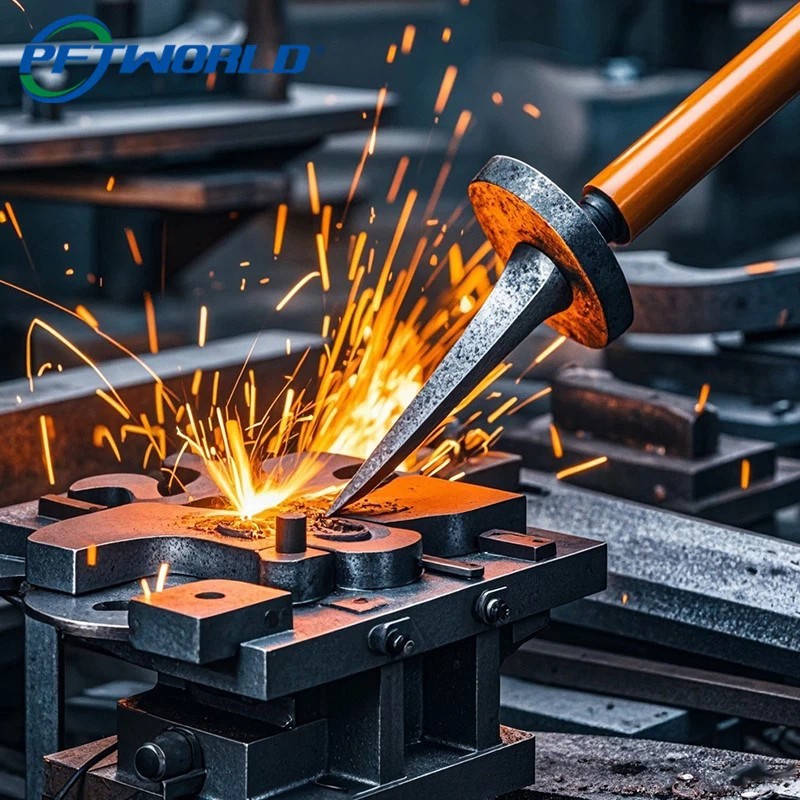
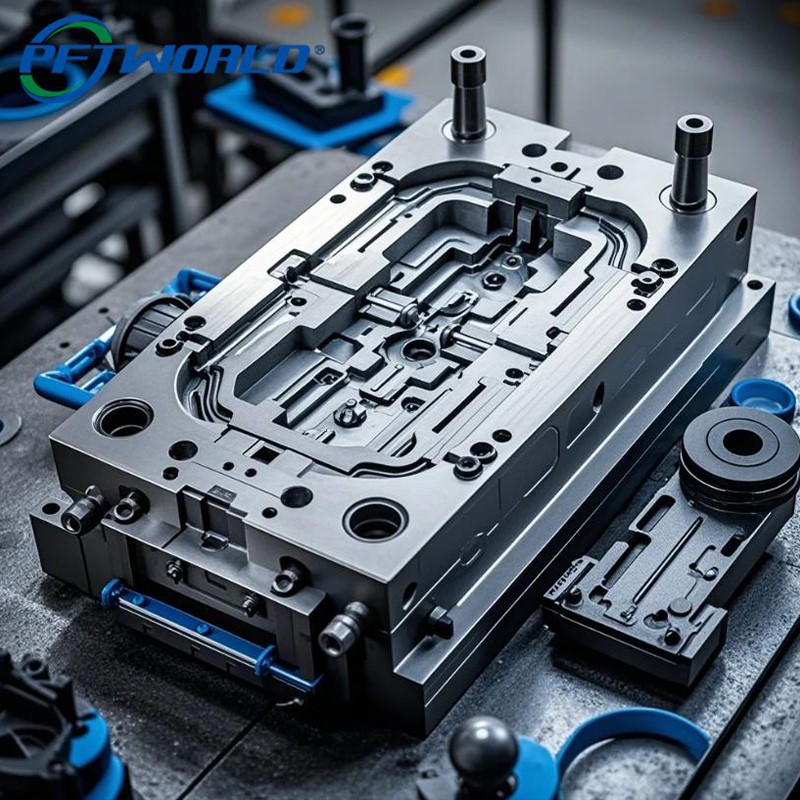
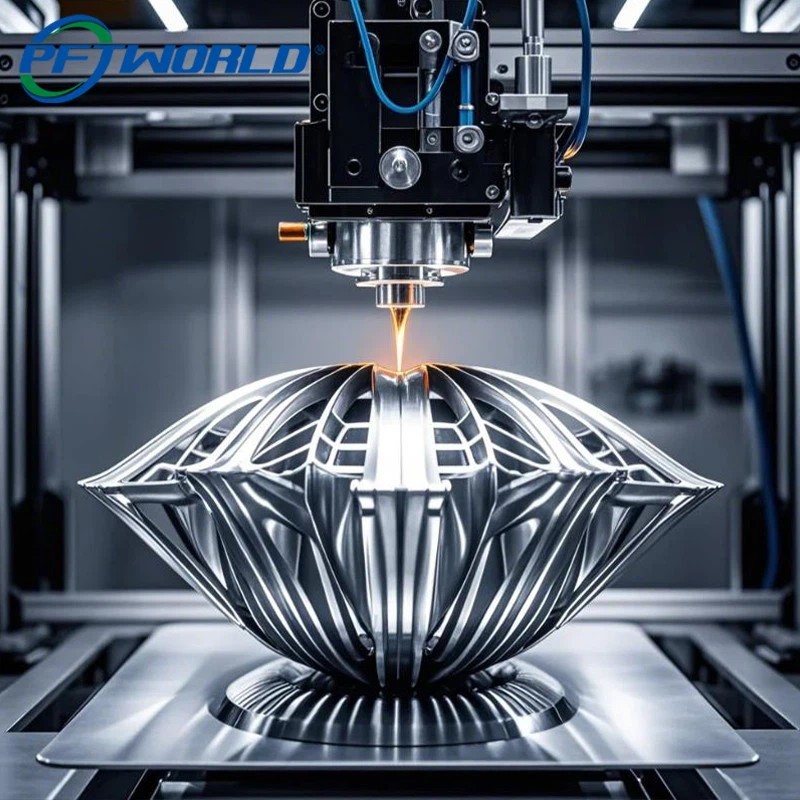
Zero-defect production guaranteed through a continuous multi-stage inspection loop.
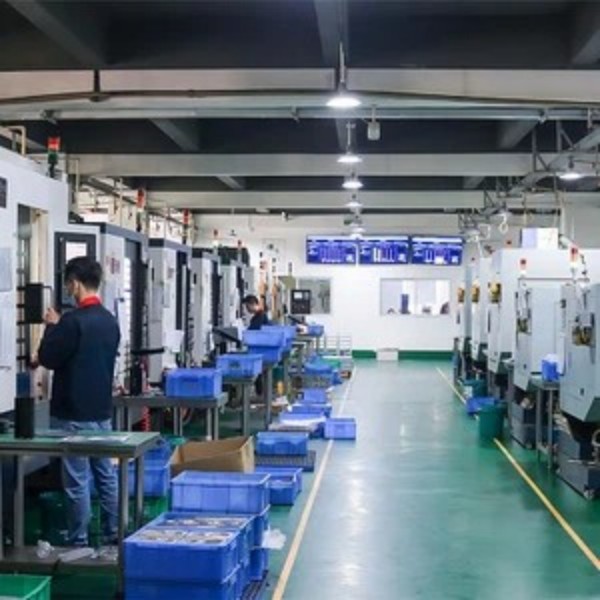
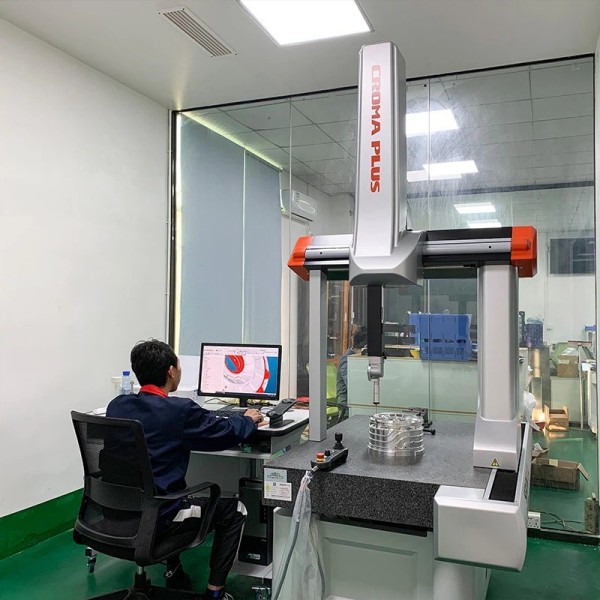
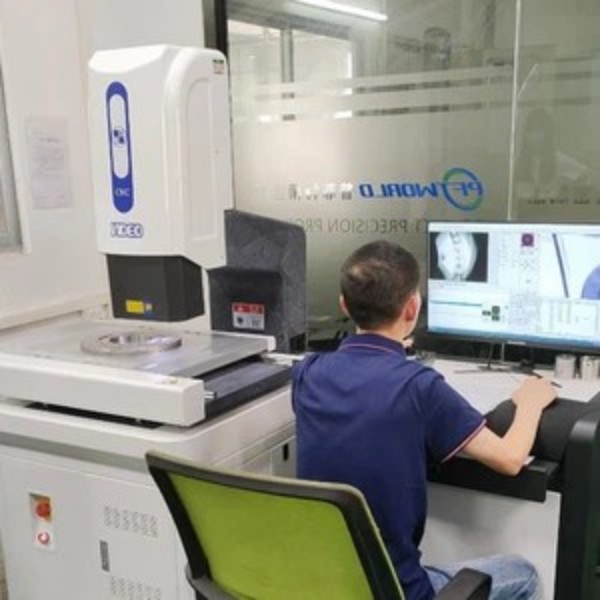

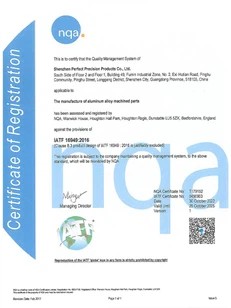
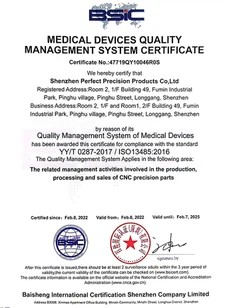
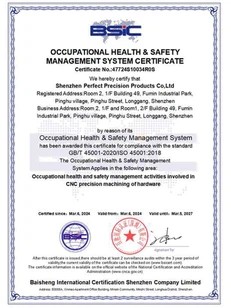
Our systems comply with global compliance standards for aerospace, medical, automotive, and industrial electronics.
Real-time manufacturing tracking and verification workflows that build confidence and long-term partnerships.
We leverage custom ERP dashboards to update production status in real time. We record tooling wear parameters, fixture setups, and machine metrics, ensuring complete visual manufacturing traceability for critical parts.
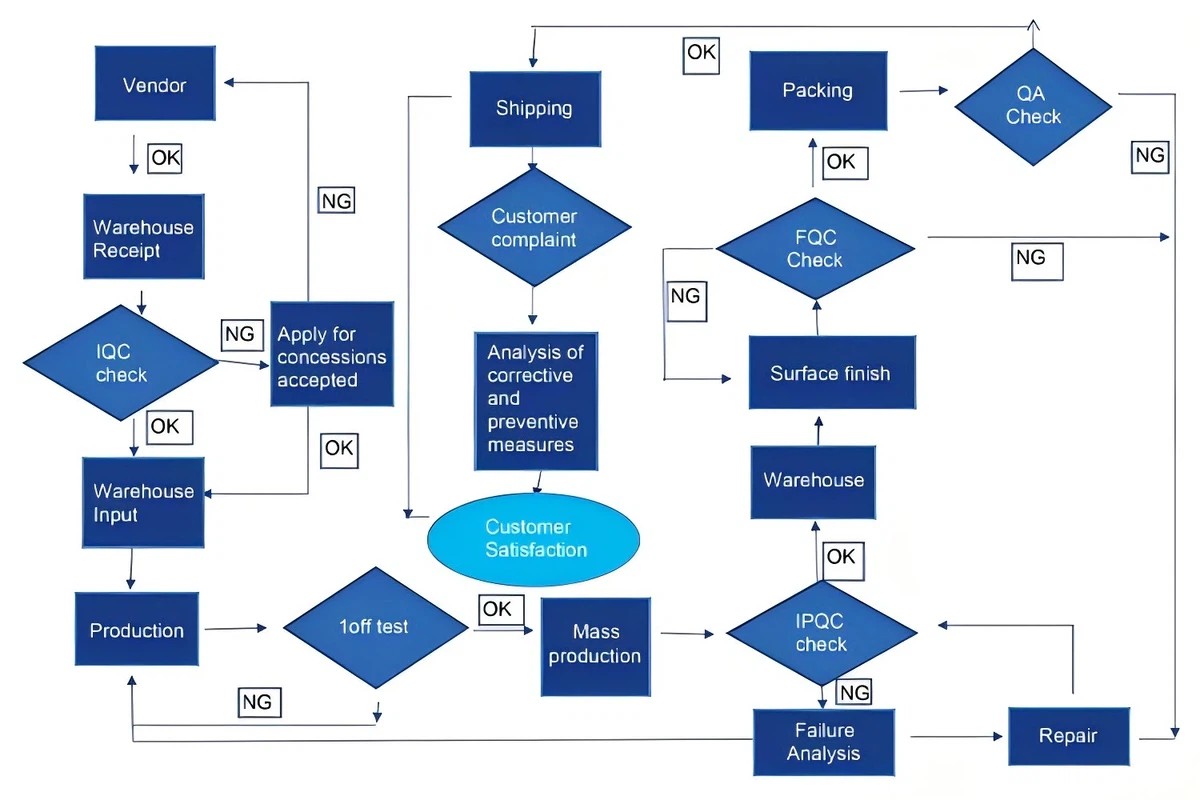
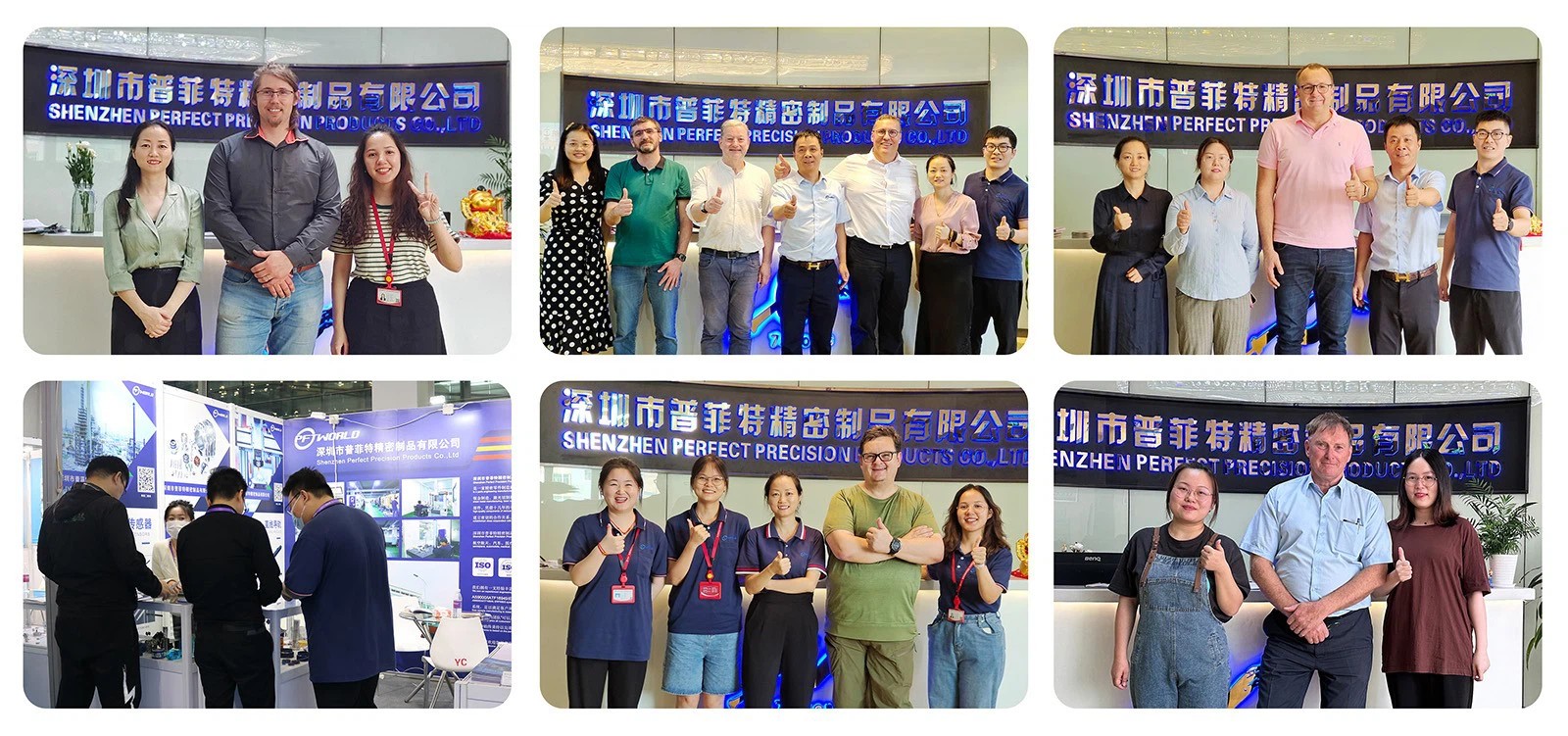
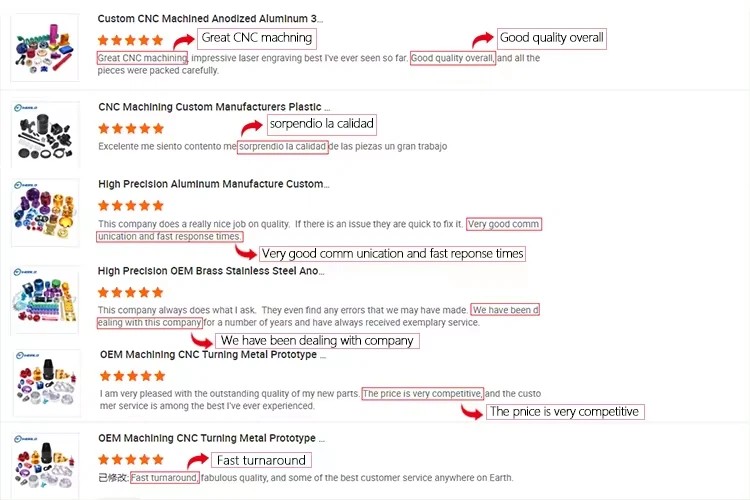
With over 6,000 corporate clients worldwide, our quality execution stands up to rigorous third-party audits. Check out our physical inspection process and verified customer review files below.
In-depth responses from our senior technical consulting team regarding precision copper machining manufacturing workflows.
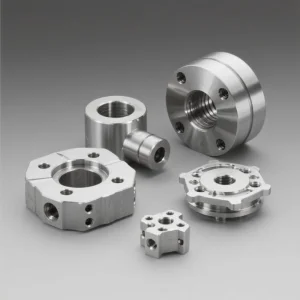
Discover our range of transmission parts, engine components, and automation solutions.