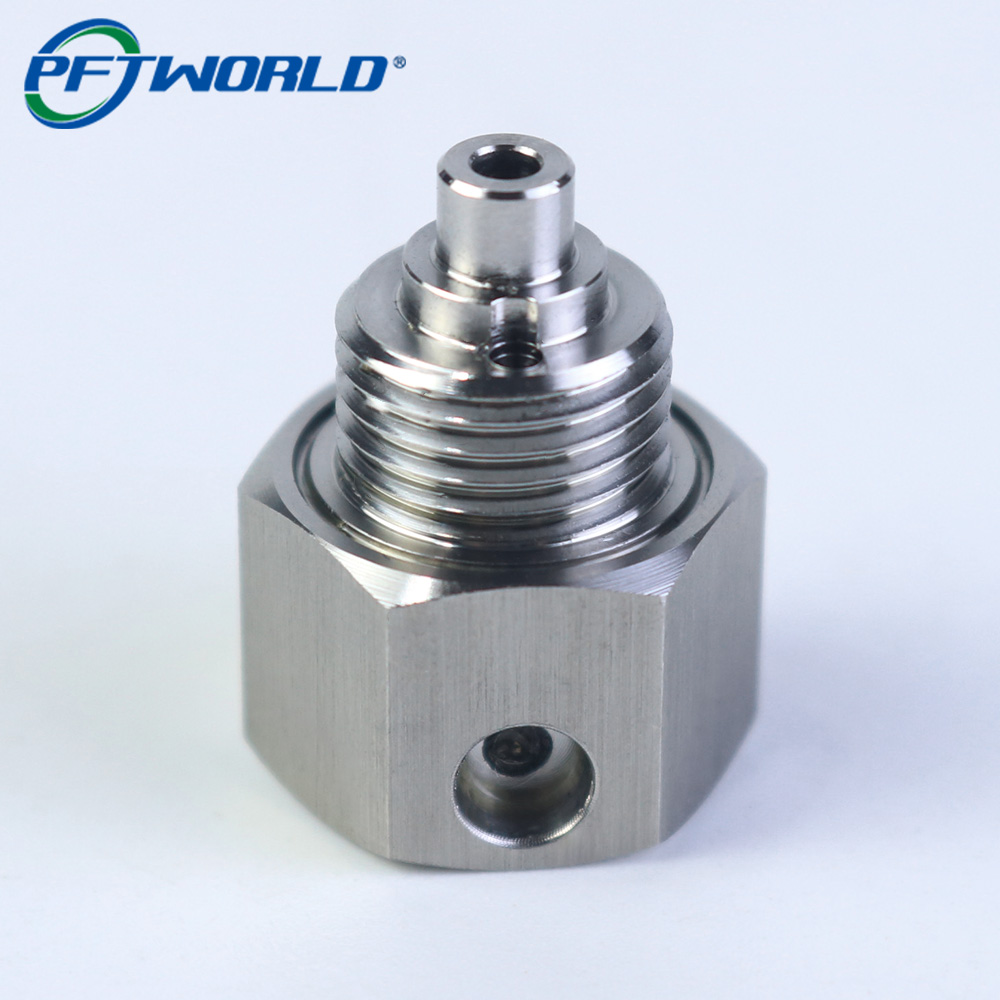

China precision mechanical components- machining services Quotes, Product

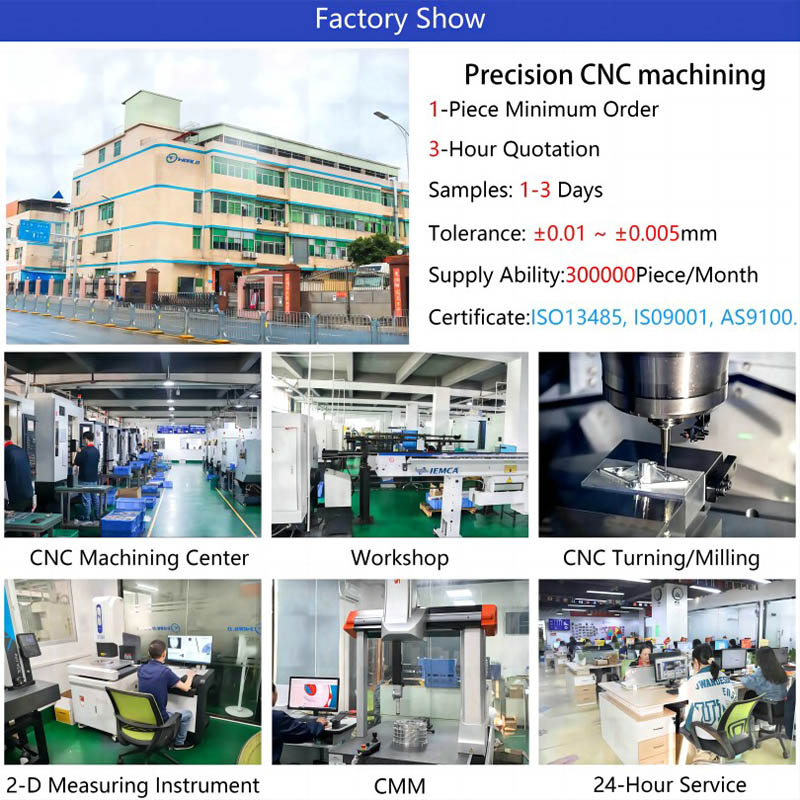
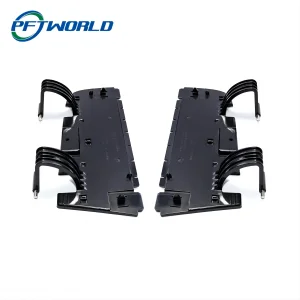
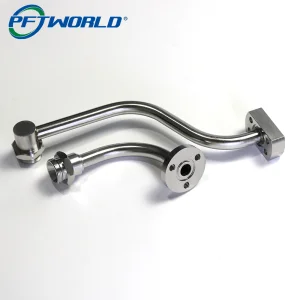
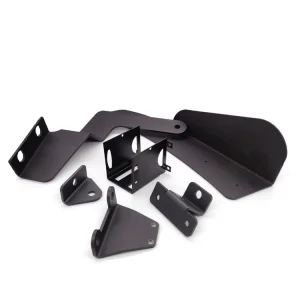
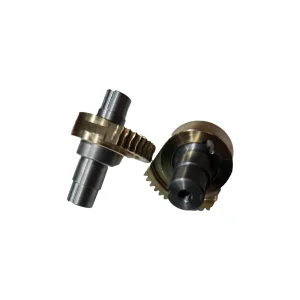
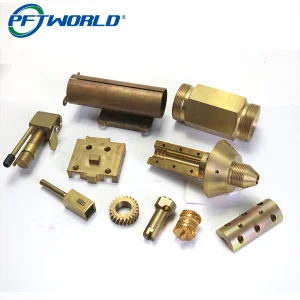
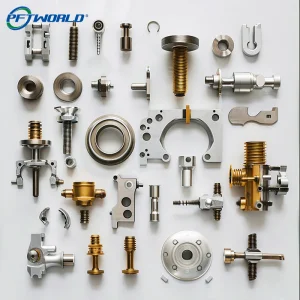
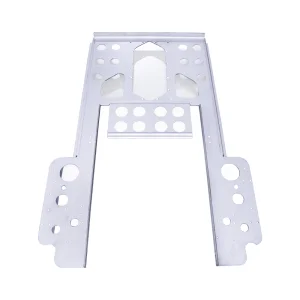
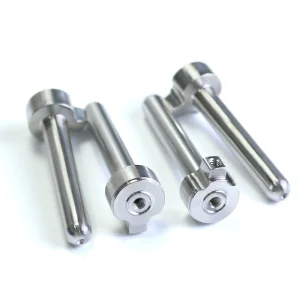
Precision Machining Parts

Machinery Axis: 3,4,5,6
Tolerance:+/- 0.01mm
Special Areas : +/-0.005mm
Surface Roughness: Ra 0.1~3.2
Supply Ability:300,000Piece/Month
MOQ:1Piece
3-H Quotation
Samples: 1-3 Days
Lead time: 7-14 Days
Certificate:Medical,Aviation,Automobile,
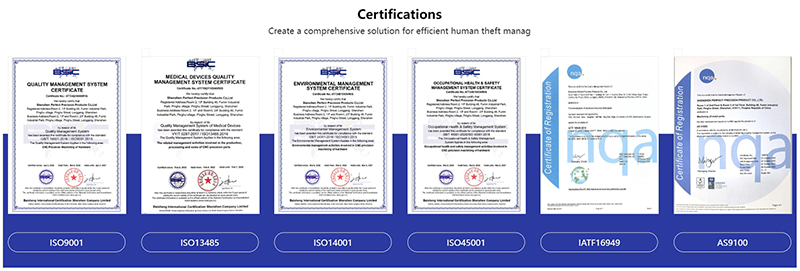
ISO9001,AS9100D,ISO13485,ISO45001,IATF16949,ISO14001,RoHS,CE etc.
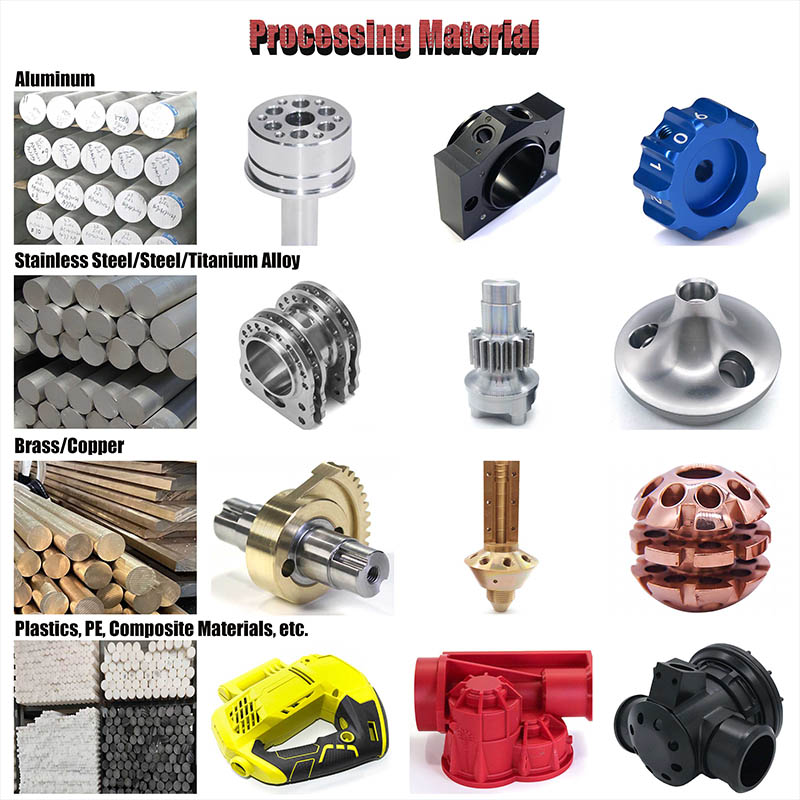
Processing Materials: aluminum, brass, copper, steel, stainless steel, titanium,iron, rare metals,plastic, and composite materials etc.

Product Description

When you’re dealing with high-performance machines—whether it’s aerospace turbines, medical devices, or industrial robots—tiny details make the biggest difference. One of those details is the precision mechanical components that form the backbone of these systems.

From my own shop-floor experience, I’ve seen how even a 0.01 mm tolerance mismatch can cause premature wear, vibration, or even full system failure. That’s why procurement teams and engineers pay so much attention when selecting these parts.

What Exactly Are Precision Mechanical Components?

In short, these are custom-engineered parts designed and manufactured to extremely tight tolerances, usually within ±0.005–0.02 mm, depending on material and application. They are not off-the-shelf fasteners or brackets—you’ll typically find them in:

  • Aerospace: turbine blades, control actuators
  • Medical devices: surgical tools, orthopedic implants
  • Automotive: transmission gears, engine shafts
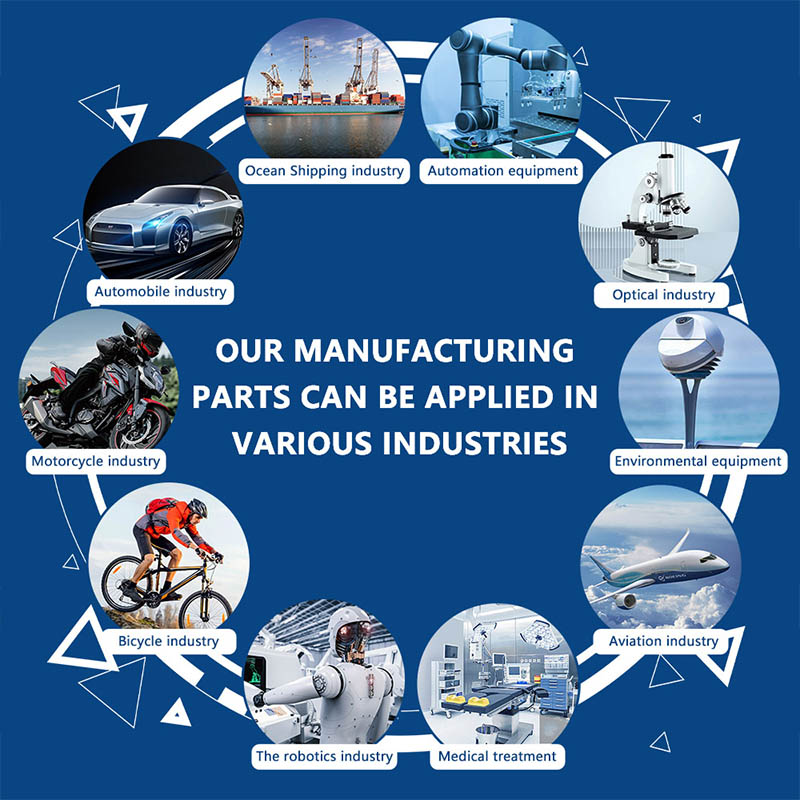
  • Industrial machinery: bearings, couplings, housings

Compared to standard machined parts, precision mechanical components go through more advanced processes (multi-axis CNC milling, wire EDM, surface grinding, or coordinate measuring inspections).

Why Do Precision Mechanical Components Matter?

Here’s what I’ve noticed across projects we delivered for European and U.S. clients:

  • Extended Service Life – A gearbox fitted with precision-milled gears lasted 30% longer before needing maintenance.
  • Reduced Assembly Time – Tight tolerances mean less manual adjustment during final assembly, cutting man-hours significantly.
  • Improved System Efficiency – For example, in a hydraulic actuator project, accurate piston machining reduced internal leakage by 18%.
  • Regulatory Compliance – Especially in medical or aerospace, precision is not optional—it’s audited and certified.

How Are Precision Mechanical Components Manufactured?

Here’s a simplified step-by-step process (How-to) based on real workshop practice:

  1. 1
    Design & Technical Drawing – Engineers specify tolerances, finishes, and materials.
  2. 2
    Material Selection – Stainless steel (316L, 304), titanium, aluminum alloys, or engineering plastics.
  3. 3
    CNC Machining – 3-, 5-, or even 9-axis milling/turning centers shape the part.
  4. 4
    Heat Treatment / Surface Finishing – To increase wear resistance or reduce friction (e.g., nitriding, anodizing, plating).
  5. 5
    Quality Inspection – CMM (coordinate measuring machine) and optical measurement verify tolerances.

Pro Tip: When outsourcing, always ask your supplier for a CMM inspection report. It’s the fastest way to verify if they can truly meet your spec.

How Much Do Precision Mechanical Components Cost?

Costs vary widely depending on complexity and material:

Component Type Material Tolerance Unit Price (Sample Batch 100 pcs)
Custom Gear 4140 Alloy Steel ±0.01 mm $22 – $45
Medical Implant Screw Ti-6Al-4V ±0.005 mm $12 – $28
Hydraulic Valve Housing 316L Stainless ±0.02 mm $35 – $70

Prices are based on mid-volume production runs we supplied in 2024, not one-off prototypes.

How to Choose the Right Supplier?

When researching precision mechanical component manufacturers, consider these factors:
  • Certification: ISO 9001, ISO 13485 (medical), AS9100 (aerospace)
  • Machining Capabilities: Can they handle multi-axis CNC, grinding, and EDM?
  • Inspection Equipment: Do they provide CMM and surface roughness reports?
  • Batch Flexibility: Small runs vs. mass production capability
  • Global Logistics: Lead times, customs clearance, and shipping reliability
Parts Processing Material
Application
CNC processing service field CNC machining manufacturer Certifications CNC processing partners
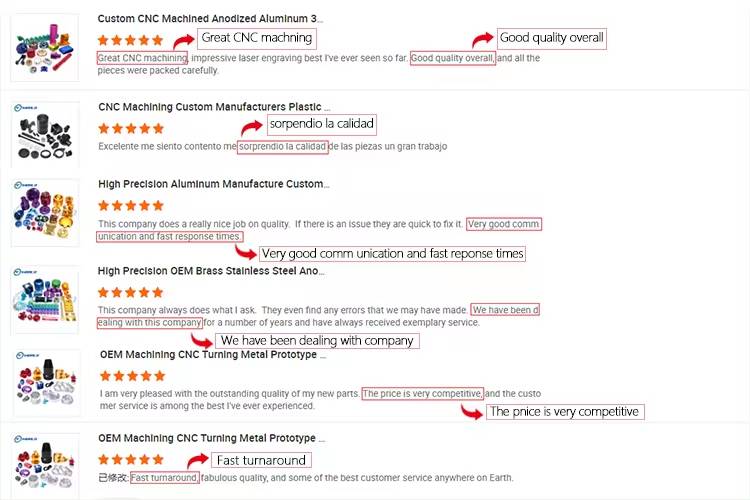
Positive feedback from buyers
FAQ
Q:What's your business scope?

OEM Service. Our business scope includes CNC lathe processing, turning, stamping, etc.

Q:What information should I provide for an inquiry?

If you have drawings or samples, please feel free to send them to us, and let us know your special requirements such as material, tolerance, surface treatments, and the quantity you need.

Q:What about the delivery day?

The delivery date is about 10-15 days after receipt of payment.

Q:What are the payment terms?

Generally EXW or FOB 100% T/T in advance, and we can also consult according to your requirement.

Q:What materials are typically used for precision mechanical components?

Common materials include stainless steel (316L, 304), titanium, aluminum alloys, or engineering plastics depending on the application requirements.

Q:What standard tolerances can you achieve for these components?

Parts are designed and manufactured to extremely tight tolerances, usually within the range of ±0.005–0.02 mm.
Related Products