Explore our dynamic range of micro-positioning elements, custom-molded interfaces, and robust motion transmission parts.
The technological backbone of automated diagnostics, semiconductor tooling, and optoelectronics alignment.
In modern industrial manufacturing, the demand for positioning mechanisms has transitioned from basic mechanical guidance to sub-micron, multi-axis automated movement. Linear stages represent the pinnacle of this movement control, acting as the fundamental architecture in environments that require precise displacement. Whether it is the positioning of silicon wafers in semiconductor lithography, laser path alignment in fiber optics production, or precise micro-specimen movement in clinical diagnostics, high-performance motion components are indispensable.
Globally, the market for linear stages is experiencing a major technological shift. Traditional ball-screw driven mechanisms, while still dominant in heavy industrial manufacturing, are increasingly paired with or replaced by direct-drive linear motors, piezo-actuators, and magnetic levitation technologies. This transition is motivated by the collective need for faster throughput, zero-maintenance operational life, and superior repeatability under cleanroom standards. As industrial automation advances towards Industry 4.0, smart feedback systems and real-time positioning sensors are integrated directly into the stage frame, allowing operators to monitor accuracy metrics continuously.
Modern precision linear stages rely on critical structural manufacturing to achieve structural integrity. PFT's advanced fabrication capabilities directly address these tight design requirements:
Understanding the engineering elements that govern resolution, precision, and longevity.
Selecting the optimal linear stage requires balancing drive systems, bearing technologies, and base structural materials. A manufacturer's ability to supply custom CNC-machined structural mounts and guides directly dictates the final mechanical repeatability of the positioning assembly.
| Drive Mechanism Type | Precision / Repeatability | Load Capacity | Primary Application Scenario | Key Machining Requirements |
|---|---|---|---|---|
| Ball-Screw Driven | ±1.0 μm to ±5.0 μm | High to Very High (up to 500 kg) | Industrial CNC machinery, automated laser cutting | Precision-ground shaft seats, +/-0.01mm concentricity |
| Direct-Drive Linear Motor | ±0.1 μm to ±0.5 μm | Medium to High | Semiconductor packaging, optical inspection | Ultra-flat base guides, Ra 0.2 surface finish |
| Lead Screw & Belt Drive | ±10.0 μm to ±50.0 μm | Low to Medium | 3D printers, medical liquid handling systems | Anodized lightweight aluminum profiles, cost efficiency |
| Piezoelectric Actuators | Sub-nanometer (nm resolution) | Low (focused on micro-forces) | Atomic force microscopy, active optical focusing | Ultra-precision micro-milled titanium or invar mounts |
At Shenzhen Perfect Precision Products Co., Ltd (PFT), we specialize in the high-tolerance milling and grinding of base assemblies for all these drive variants. Without an exceptionally flat, rigid, and geometrically stable foundation, even the most expensive direct-drive linear motor will suffer from pitch, yaw, and roll errors, degrading the overall accuracy of the system.
Decades of dedicated contract manufacturing for high-precision industries.
Established in Shenzhen, China, our manufacturing infrastructure has continually expanded to match global quality expectations. From building our foreign trade team in 2014, securing ISO9001 certification, earning the Guangdong Contract and Trustworthy Enterprise title in 2018, to scaling our state-of-the-art office and manufacturing facilities to over 10,000 square meters in 2020, we operate as a fully digital chemical plant to secure consistent batch quality.
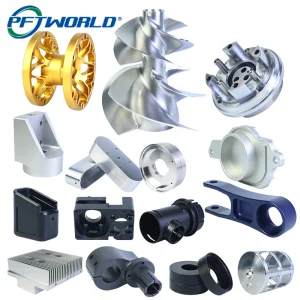
Fully integrated mechanical manufacturing to support custom linear stage components and structural assemblies.
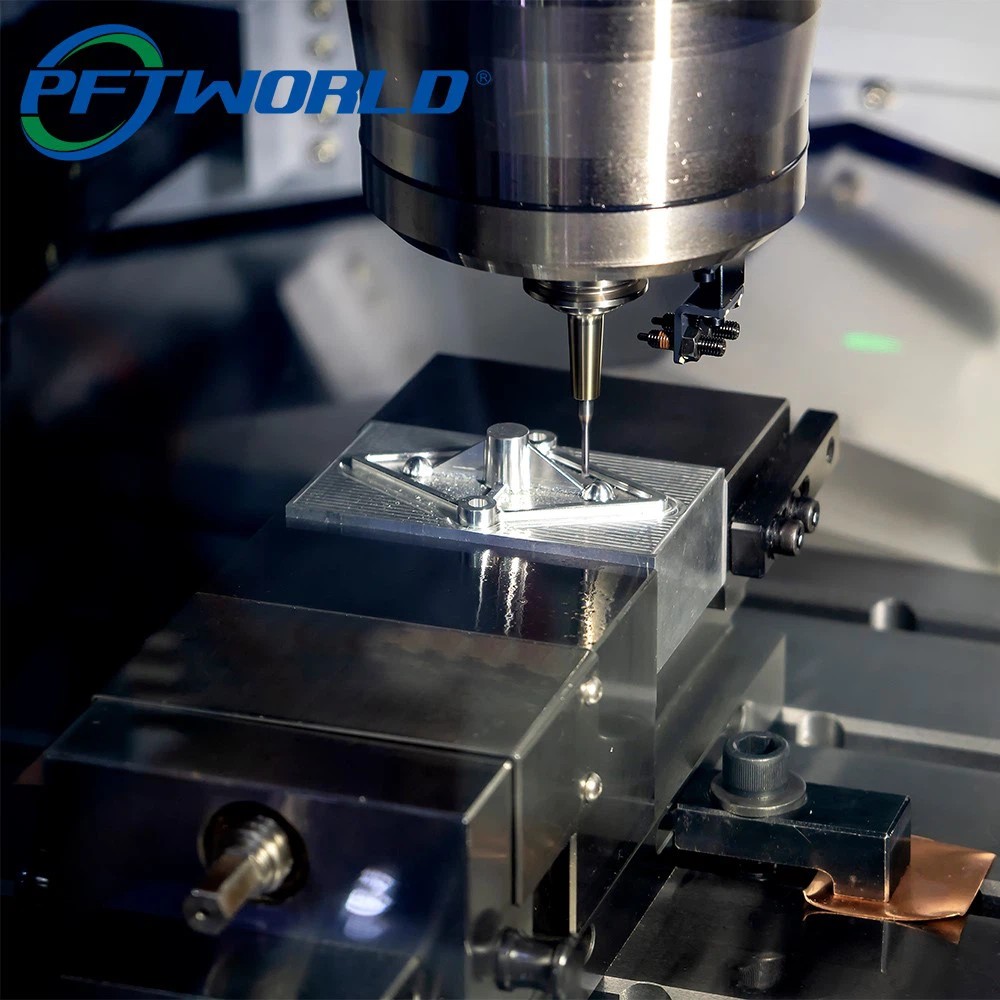
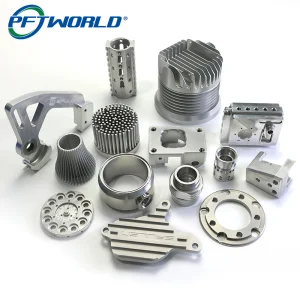
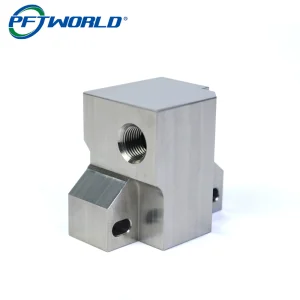
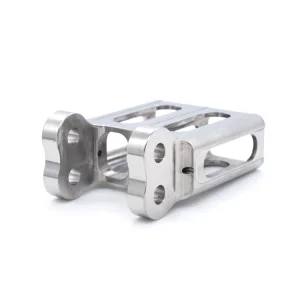
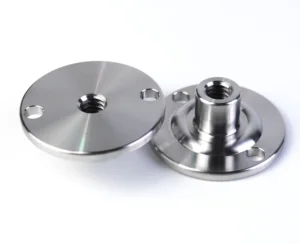
Multi-axis high-speed milling for structural stage bodies, top plates, and custom mounting brackets.
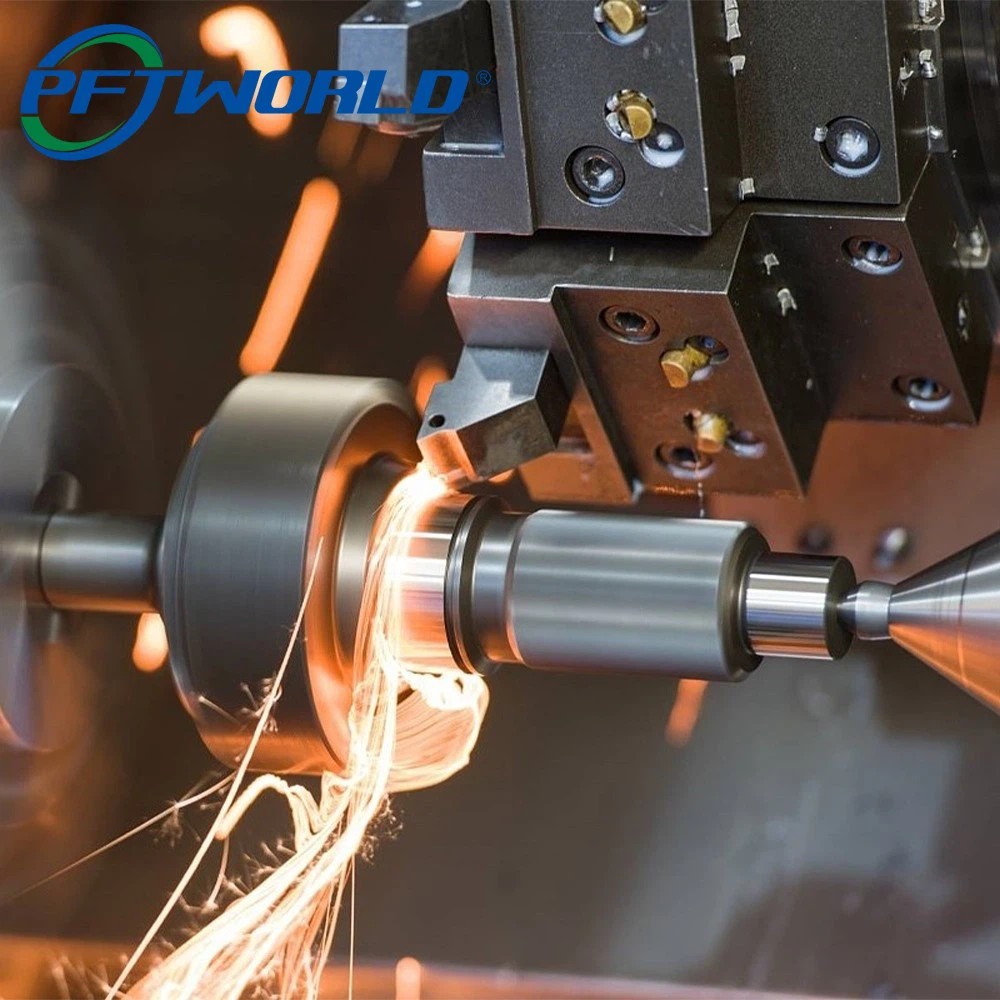
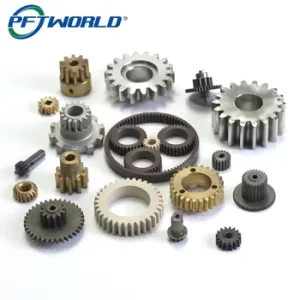
Precision lathe operations for cylindrical components, guide shafts, connectors, and precision lead screws.
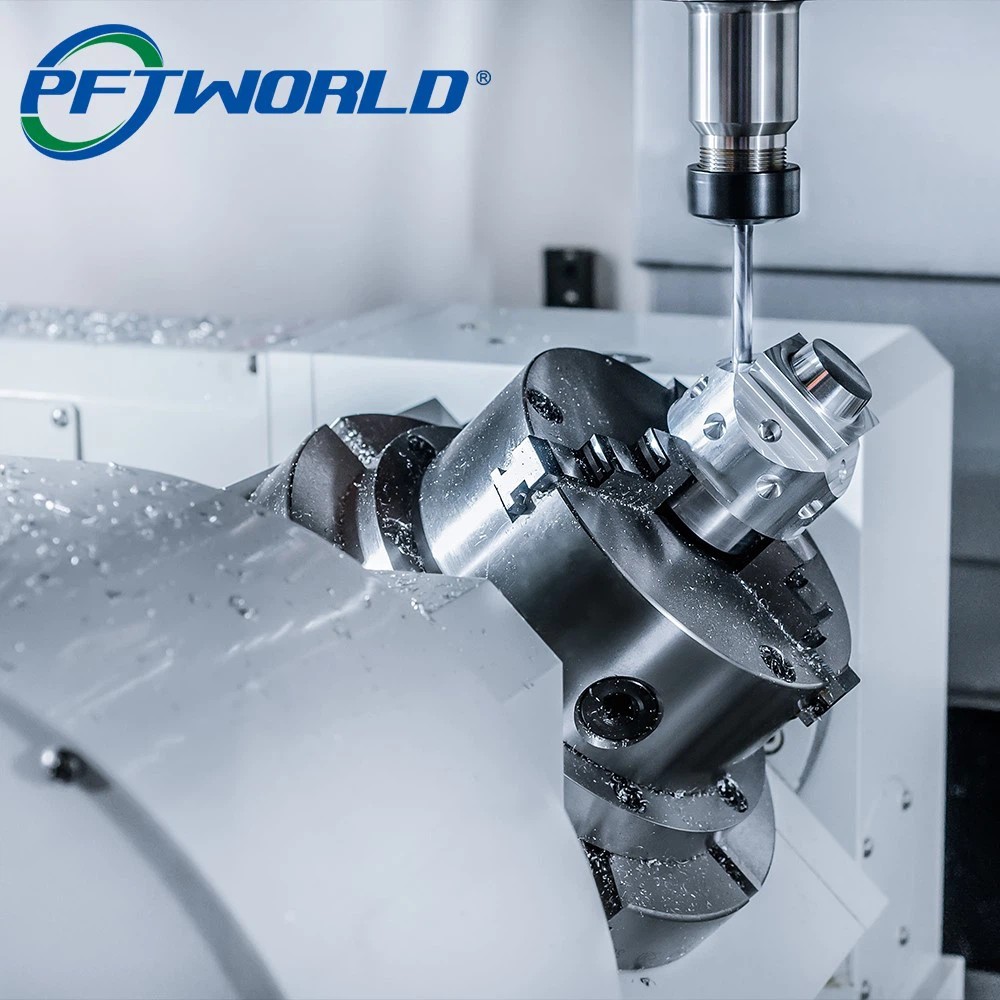
Simultaneous turning and milling for highly complex geometric parts, reducing setup errors.
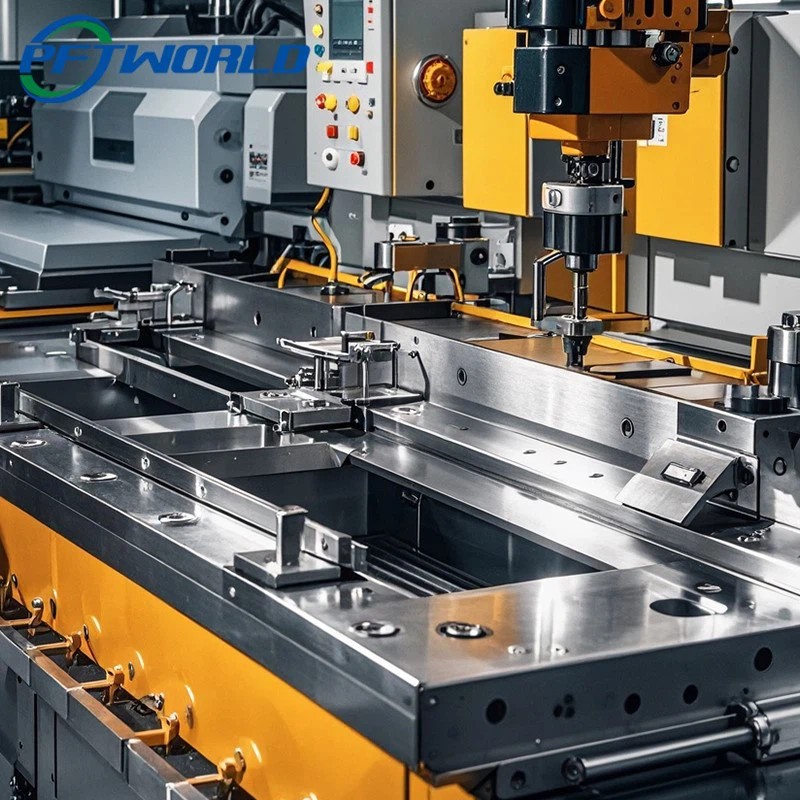
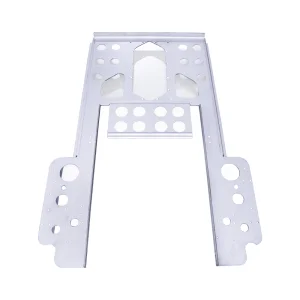
Protective bellows covers, structural enclosures, and bracket systems for motion controllers.
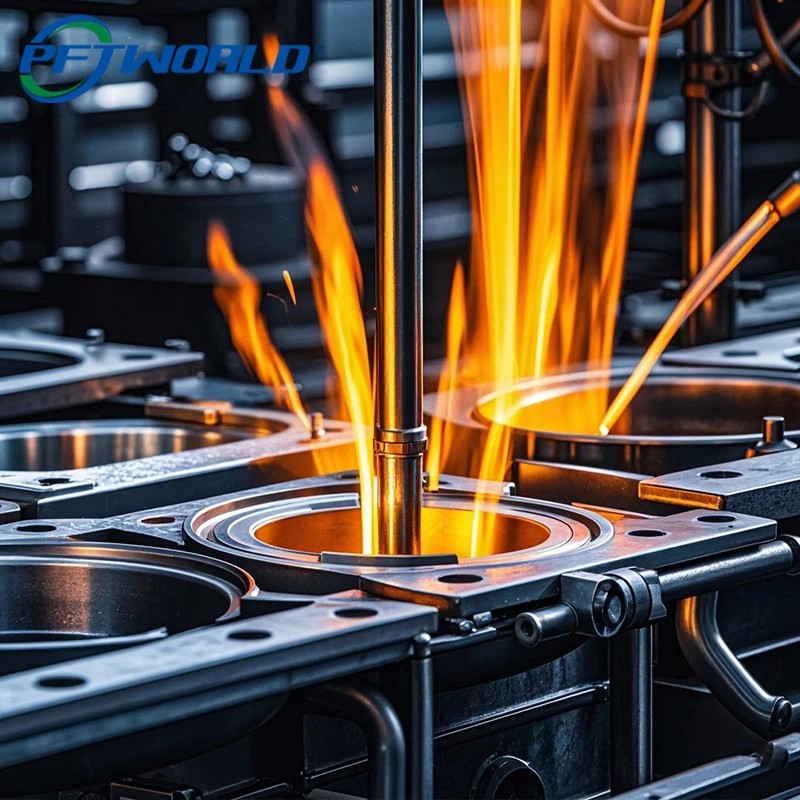
Heavy-duty cast bases to guarantee optimal dampening effects in highly dynamic applications.
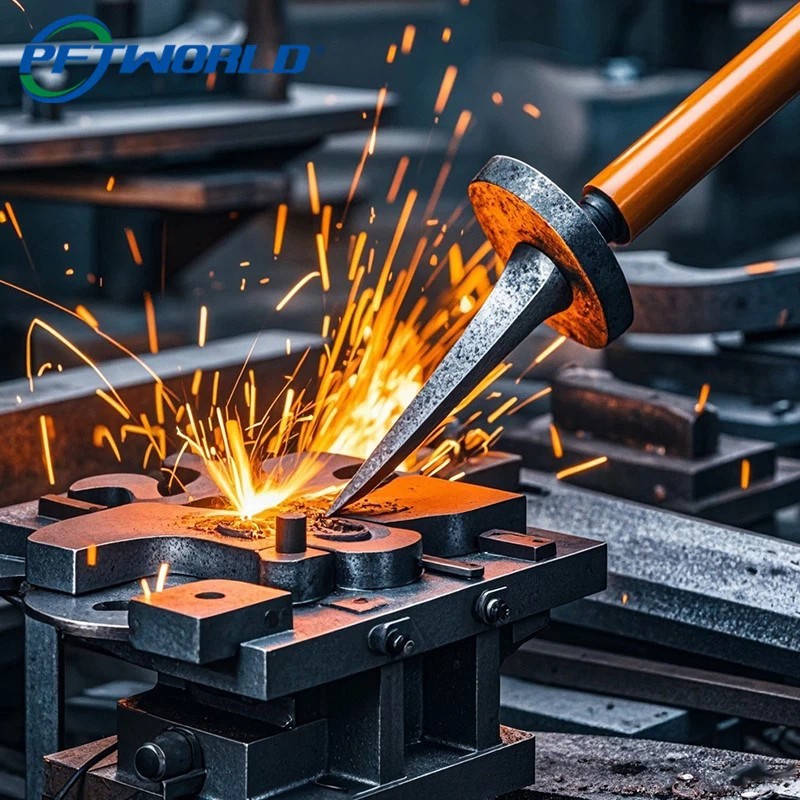
High-strength forged structural components designed to withstand severe fatigue in linear setups.
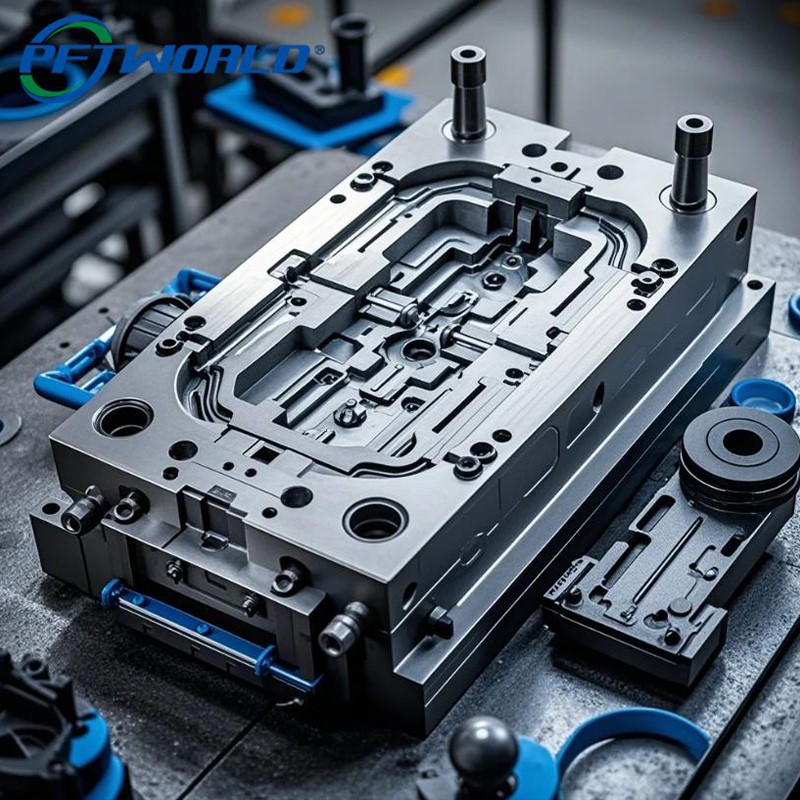
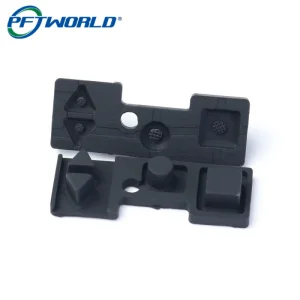
Tooling design and custom injection molding for long-lasting mechanical interfaces and bumpers.
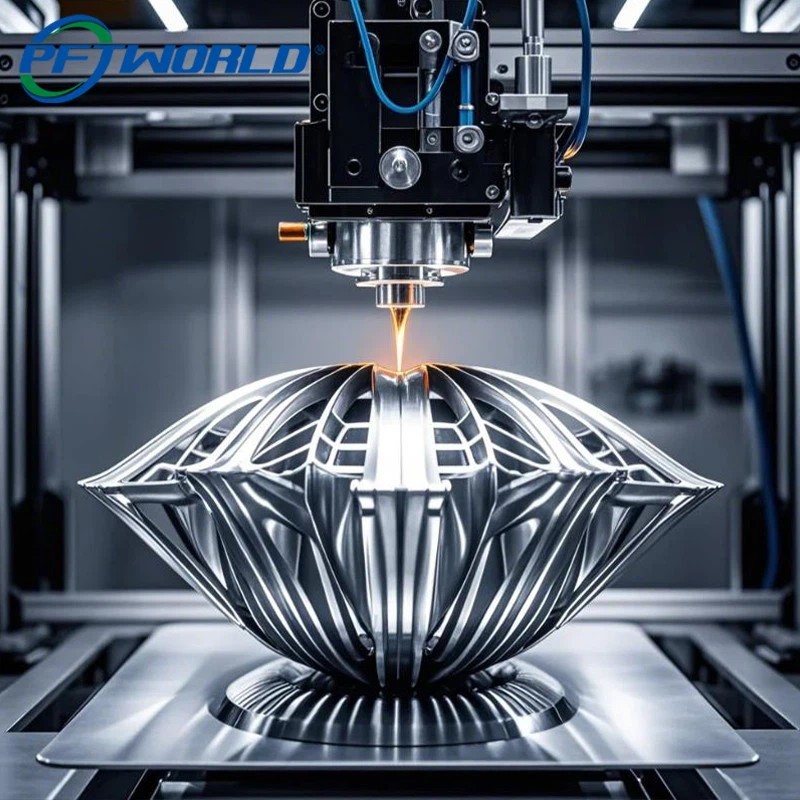
Rapid prototyping of complex bracketry and custom sensor mounts for pre-production validation.
Charting the evolutionary trajectory of precision positioning systems.
Future positioning systems are transitioning from passive mechanical assemblies to active, self-correcting units. By embedding micro-sensors directly within the guideway structures, linear stages can monitor ambient temperature, vibration levels, and structural deflection in real-time. Using compensation algorithms, controllers can dynamically adjust positioning vectors, ensuring accuracy even as temperature changes cause thermal expansion.
To meet high acceleration demands in pick-and-place packaging and semiconductor testing, lightweight components are replacing traditional steel and aluminum. Carbon-fiber reinforced polymers (CFRP) and ceramic matrices are increasingly integrated into stage slides due to their excellent stiffness-to-weight ratio and low thermal expansion coefficients. This reduces inertia, allowing for high throughput without sacrificing positioning stability.
Traditional multi-axis stages (such as XY or XYZ gantries) are assembled by stacking individual linear stages. The industry is moving toward monolithic multi-axis platforms, where the structural paths for both axes are machined out of a single piece of raw stock. This manufacturing method minimizes perpendicularity errors and stacked tolerance deviations, securing long-term geometric stability.
With biotechnology and wafer lithography requiring cleanroom compatibility down to ISO Class 1, outgassing reduction is critical. The integration of advanced dry lubrication coatings (like diamond-like carbon or specialized tungsten disulfide) eliminates the need for liquid greases. Modern linear stages must incorporate built-in vacuum purge channels to actively capture particulate debris generated during mechanical contact.
Every stage element is verified using advanced measuring instruments to meet strict design metrics.
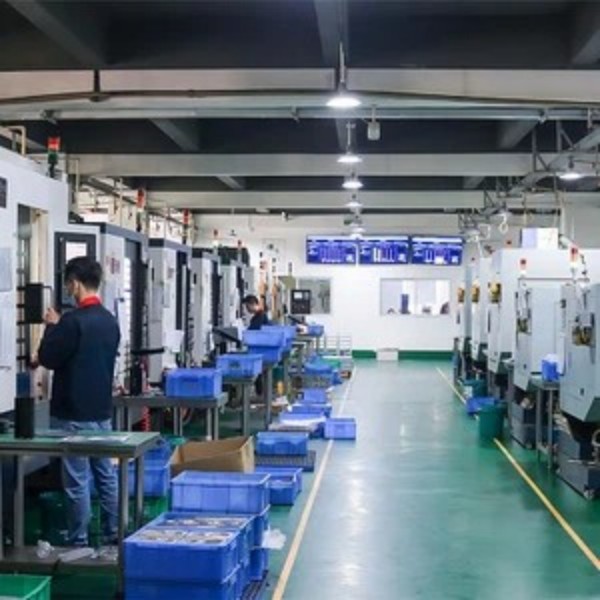
Equipped with high-speed multi-axis tooling to produce linear stage bases with high geometric accuracy.
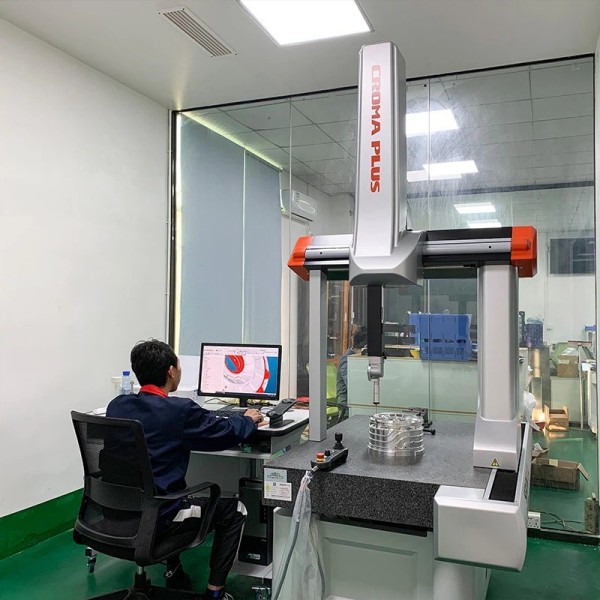
Coordinate Measuring Machines verify spatial positioning tolerances down to micron-level accuracy.
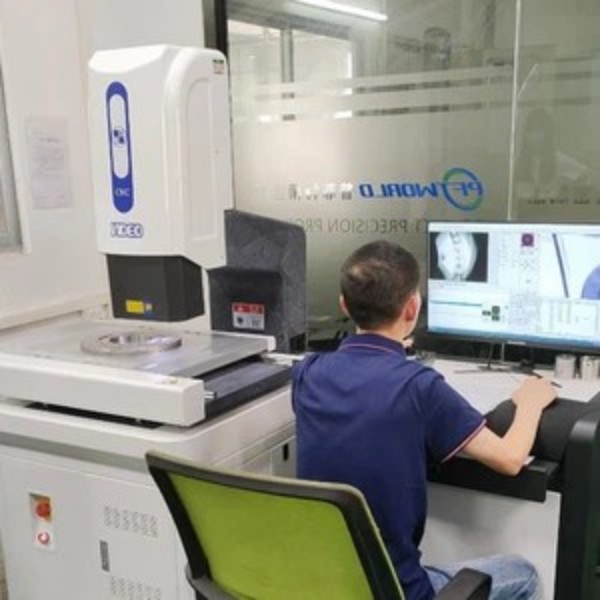
Advanced optical profiles measure precise cross-sectional dimensions for critical components.
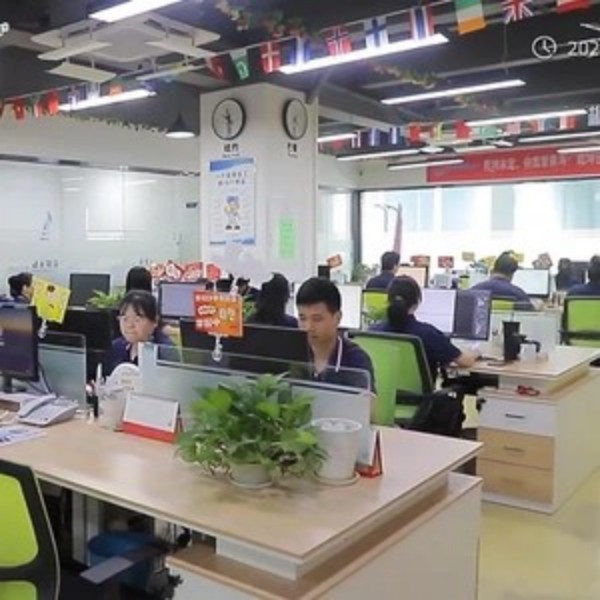
Direct engineering communications and rapid design feedback to ensure design intent matches factory outputs.
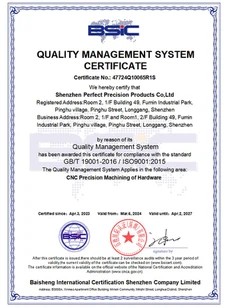
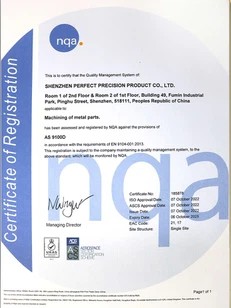
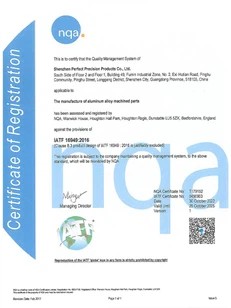
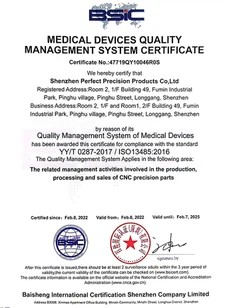
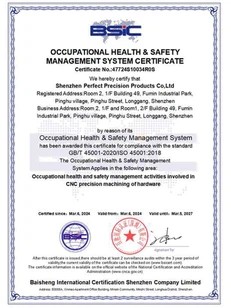
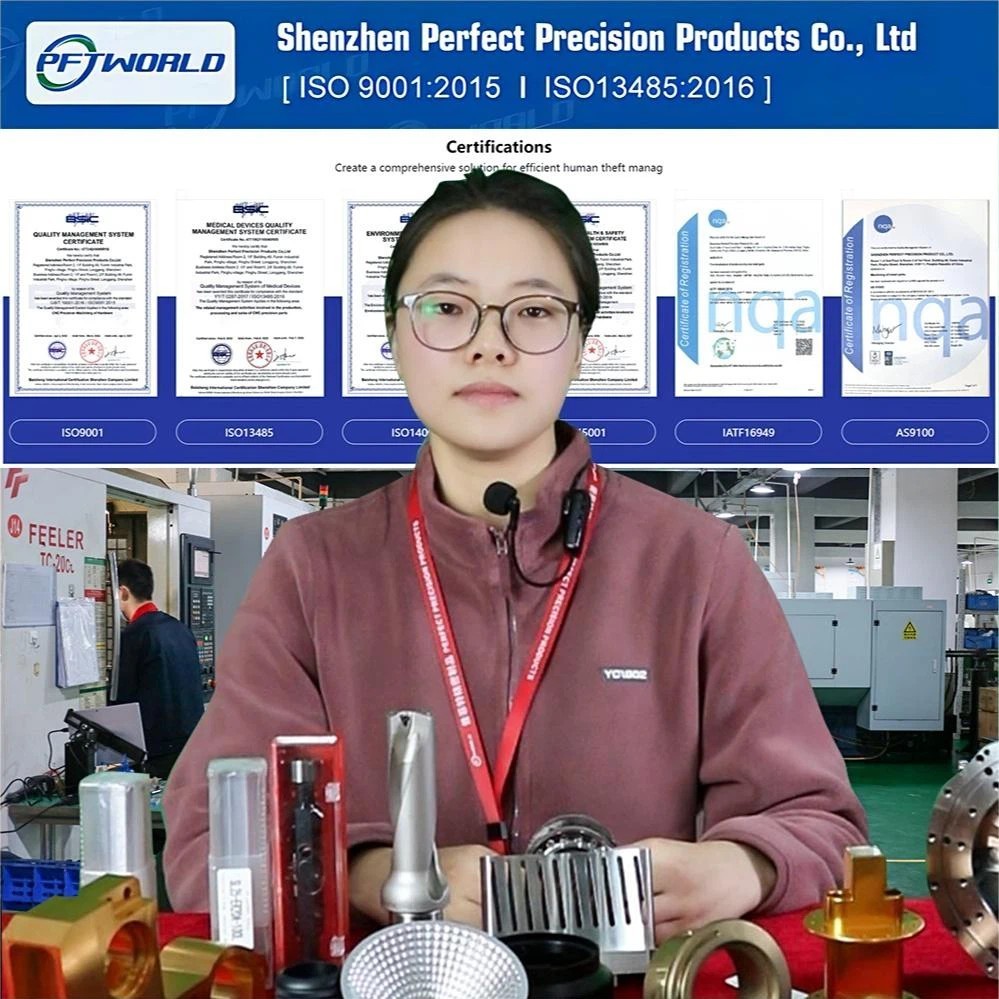
Adhering to strict international standards to ensure reliable contract manufacturing processes.
Transparent production workflows tracked using modern ERP systems.
A detailed breakdown of design and manufacturing cost factors.
Pricing for custom precision linear stages varies depending on configuration. While basic belt-driven modules can range from $200 to $600 USD, multi-axis, direct-drive, sub-micron air bearing stages can exceed $5,000 to $20,000 USD. Below are the primary cost factors:
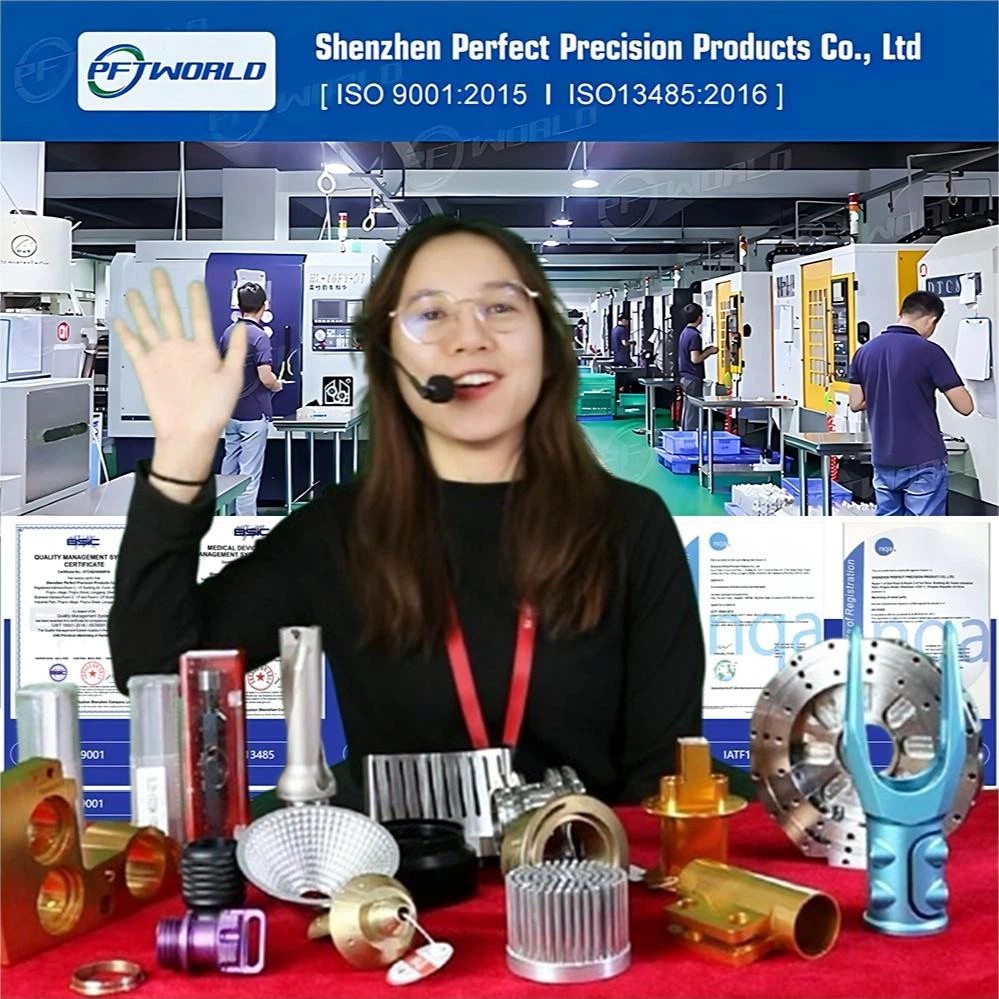
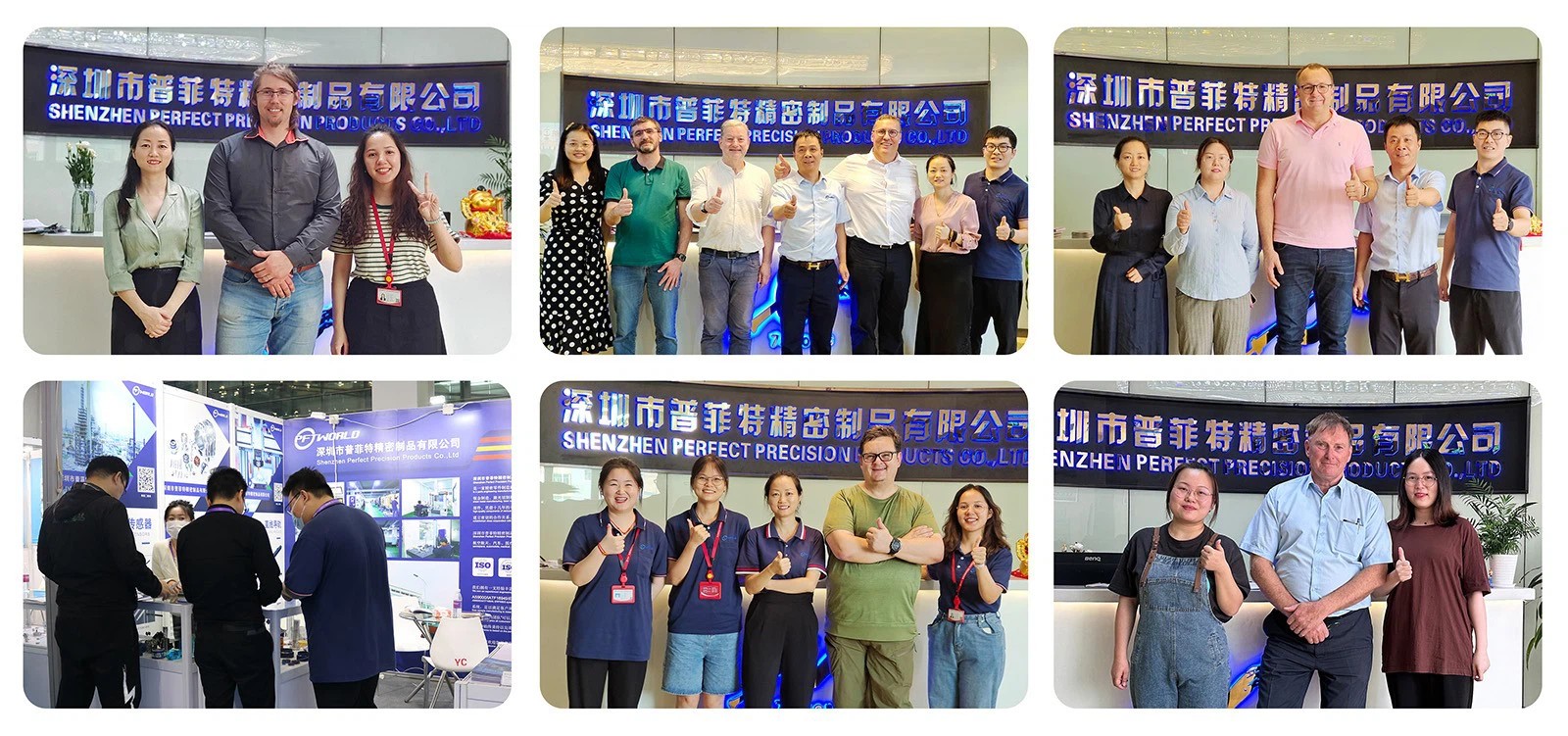
We are a factory located in Shenzhen, China, with 20 years of rich experience, covering 6000 square meters. Complete facilities, including 3D quality inspection equipment, ERP system and 100+ machines. If necessary, we can provide you with material certificates, sample quality inspection and other reports.
Detailed drawings (PDF/STEP/IGS/DWG...), including quality, delivery date, materials, quality, quantity, surface treatment and other information.
Of course, we are also glad to receive your samples, pictures or detailed size drafts for accurate quotation.
Of course, the sample fee is necessary. If possible, it will be returned during mass production.
Generally, the sample lasts for 1-2 weeks and the batch production lasts for 3-4 weeks.
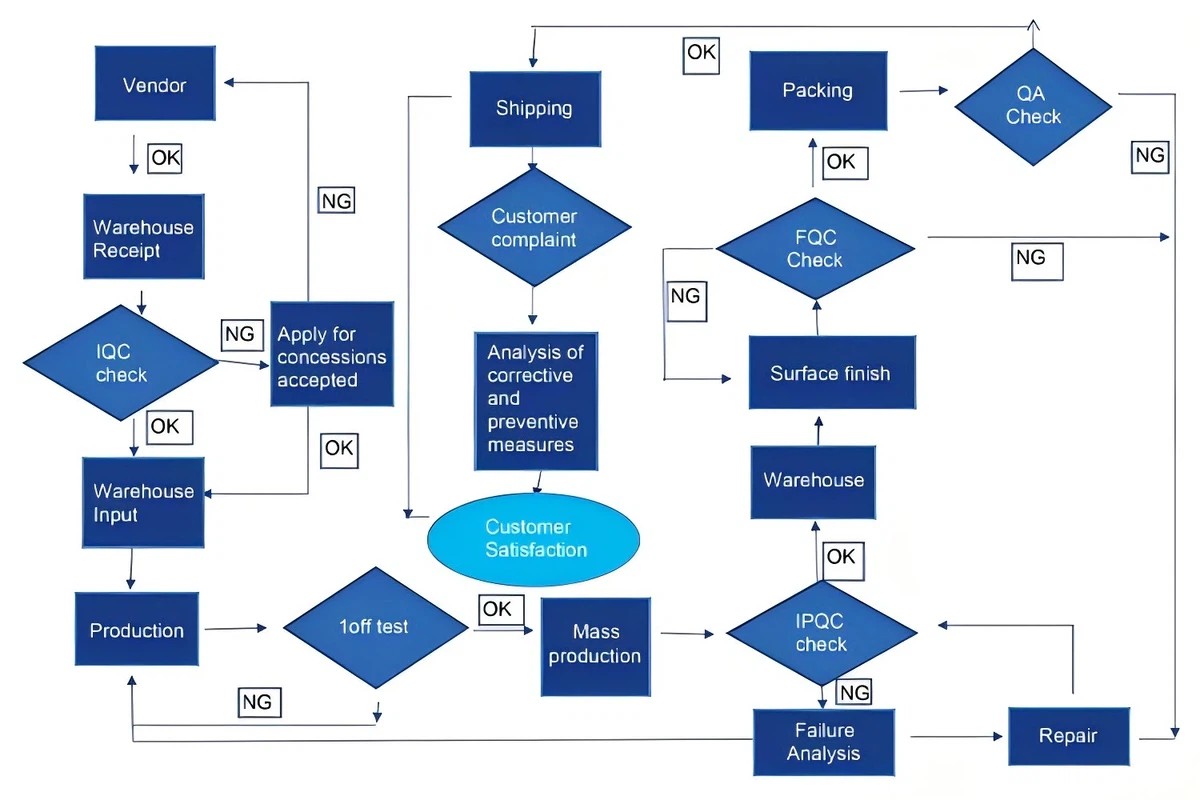
(1) Material Inspection - Check material surfaces and approximate dimensions.
(2) First inspection of production - ensure critical dimensions in mass production.
(3) Sampling inspection - check the quality before delivery to the warehouse.
(4) Preshipment inspection - 100% inspection by QC assistant before shipment.
If you have any problems after receiving the product, you can provide feedback through voice call, video conference, email, etc. within one month. Our team will provide you with solutions within a week.
Accuracy degradation is commonly caused by mechanical wear on structural rails, particulate build-up inside the assembly, degradation of lubricants, or thermal expansion. We mitigate this by selecting appropriate base materials and applying heat treatment processes to reduce mechanical shifts.
If the assembly of two axes deviates from 90 degrees, it introduces orthogonal tracking errors that degrade tool paths. We machine critical mating locations on a single 5-axis setup to ensure axes alignment under dynamic loads.
Explore our industrial monitoring sensors, photoelectric detection barriers, and custom CNC actuator components.
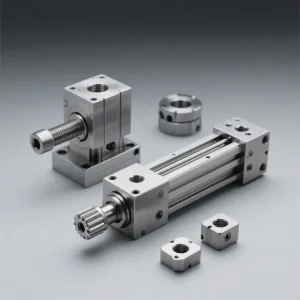
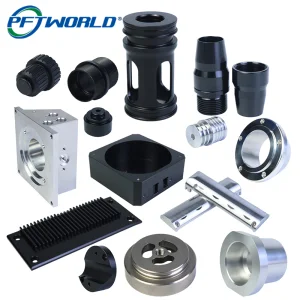
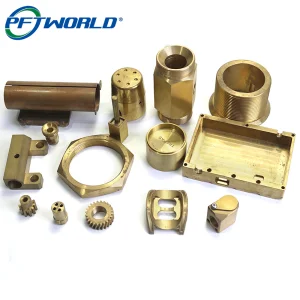
Equipped with 3-axis, 4-axis, 5-axis, and 6-axis machines to handle custom components for industrial equipment.
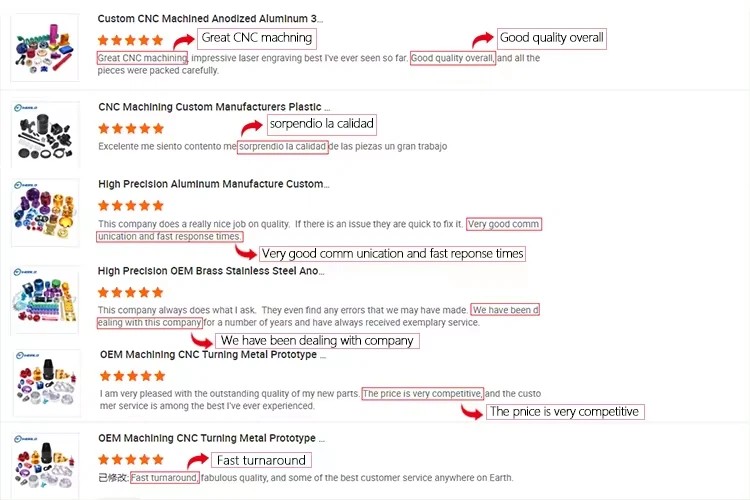
We deliver high-precision CNC machining solutions tailored to your exact specifications. From prototyping to mass production, we handle everything with strict quality control, fast turnaround, and competitive pricing. Equipped with advanced CNC machines and a skilled engineering team, we serve industries like automotive, aerospace, medical, and electronics with unmatched accuracy and reliability.