Discover our initial selection of precision-manufactured metals, high-strength aviation components, and advanced sensors engineered to meet the highest industrial limits.

Analyzing market demand, regulatory shifts, and metallurgical requirements in high-temperature, high-velocity gas transport systems.
In modern high-performance engineering, the exhaust system has evolved from a simple venting conduit to a highly engineered fluid-dynamics component. The global industrial exhaust systems market is experiencing rapid shifts driven by stringent environmental policies (such as Euro VI, Euro VII, and EPA Tier 4 standards), demanding higher efficiency, weight reduction, and superior thermal management. Whether deployed in heavy-duty commercial transport, aerospace turbines, motorsport applications, or stationary industrial generators, exhaust components must operate reliably under extreme pressure differentials, aggressive chemical corrosion, and intense thermal fatigue cycles exceeding 950°C.
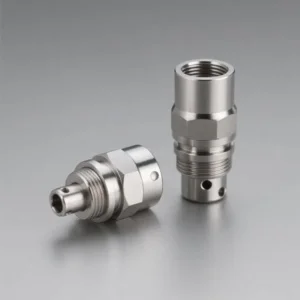
As regulatory frameworks force the minimization of vehicle emissions and carbon output, manufacturers are shifting towards advanced alloys like Grade 5 Titanium, 304/316/321 Stainless Steels, and aerospace-grade superalloys like Inconel 625 or 718. Precision CNC machining plays a foundational role in producing these parts. Flanges, oxygen sensor bungs, catalytic converter housings, and complex manifold ports require absolute geometric accuracy. Achieving tight seals at connection interfaces is paramount to eliminate leaks, optimize backpressure, and guarantee the maximum thermodynamic efficiency of internal combustion engines and turbine assemblies.
Exhaust systems are core to balancing emissions control and engine volumetric efficiency. Engineered manifolds must balance flow resistance while managing the rapid expansion of hot gases to prevent heat soak back to adjacent electronics.
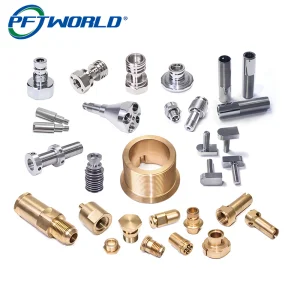
Utilizing high-nickel alloys and titanium, our CNC milling and turning processes are calibrated for hard metals, controlling cutting temperatures to maintain metallurgical properties without micro-cracking.
Mating surfaces demand absolute planarity (within ±0.01mm) to prevent exhaust gas leakage under cyclic thermal expansion. Our state-of-the-art digital plant implements rigid inline CMM inspection to ensure absolute compliance.
From hybrid thermal cycling to marine and defense propulsion systems: mapping the requirements of precision-designed components.
The transition toward vehicle electrification does not eliminate the need for premium exhaust systems; rather, it introduces new complexities. Hybrid vehicles, which alternate between electric motors and high-load combustion cycles, place unique thermal-cycling stresses on exhaust systems. Components fluctuate rapidly between ambient and peak temperatures, demanding flexible couplers and flanges that accommodate extreme thermal expansion coefficients. Simultaneously, high-efficiency diesel applications depend heavily on SCR (Selective Catalytic Reduction) and DPF (Diesel Particulate Filter) assemblies. These systems require complex, multi-port sensor housings and dosing blocks machined to high tolerances to ensure the precise injection of urea (AdBlue) and exact pressure monitoring.
In aerospace propulsion and marine applications, localized operating environments require distinct design methodologies. Marine wet exhaust systems require corrosion-resistant superalloys that can survive exposure to hot, acidic sulfur-bearing gases combined with highly corrosive saltwater. In comparison, aviation gas turbine exhausts require lightweight, high-temperature manifolds designed to withstand severe vibrations. By combining advanced CNC turning, precision casting, and state-of-the-art 3D printing technologies, Shenzhen Perfect Precision Products Co., Ltd provides customized solutions optimized for these distinct environments.
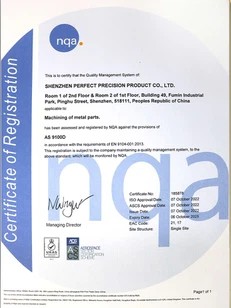
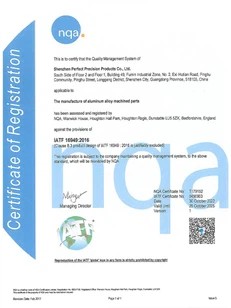
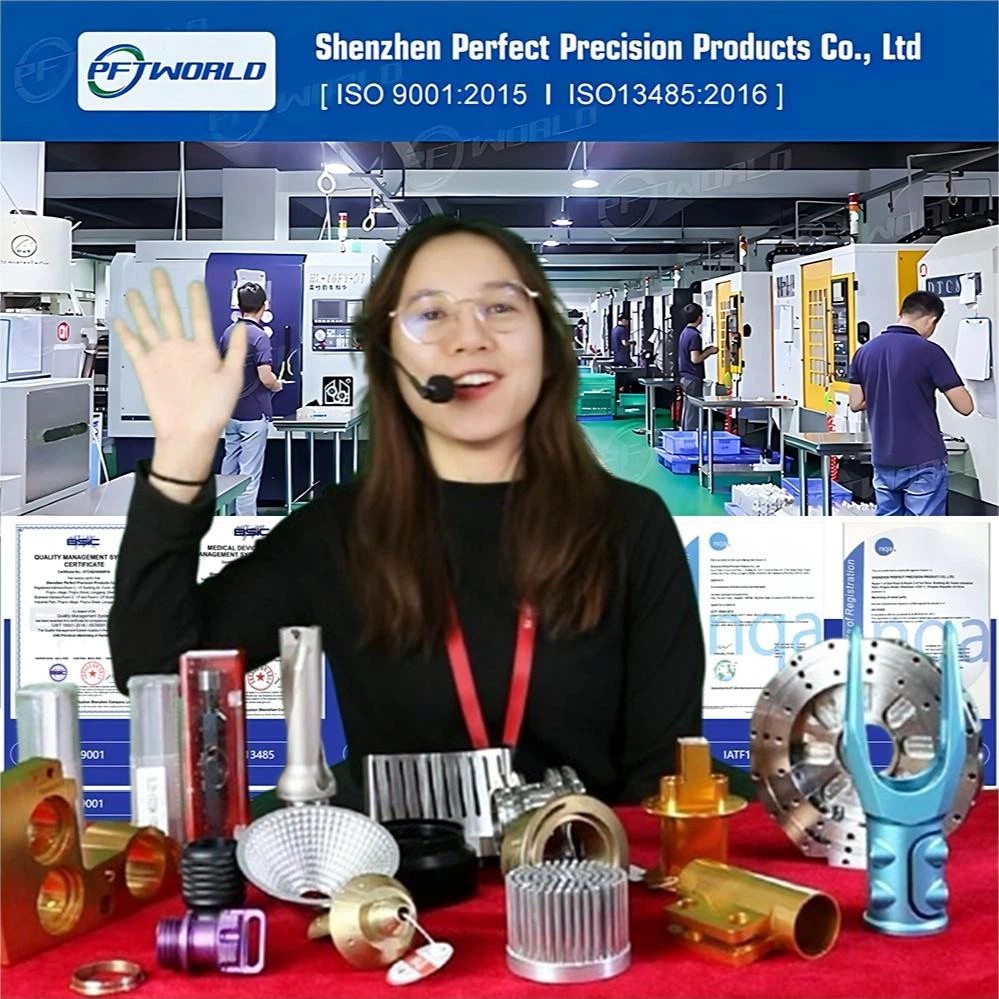
Established in 2014, Shenzhen Perfect Precision Products Co., Ltd has developed into an ISO 9001:2015, AS9100D, and IATF16949 certified digital manufacturing enterprise. Spanning a 10,000 square meter facility, we combine over 100 high-end manufacturing assets with an experienced engineering team to output high-tolerance components for international clients.
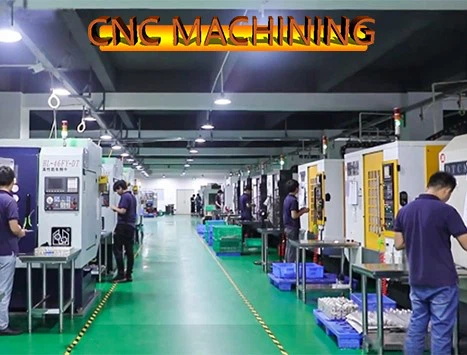
A snapshot of our global infrastructure, manufacturing capacity, and decades of engineering heritage.
Delivering full-spectrum solutions from raw casting to ultra-precise finishing, optimized for complex exhaust geometries.
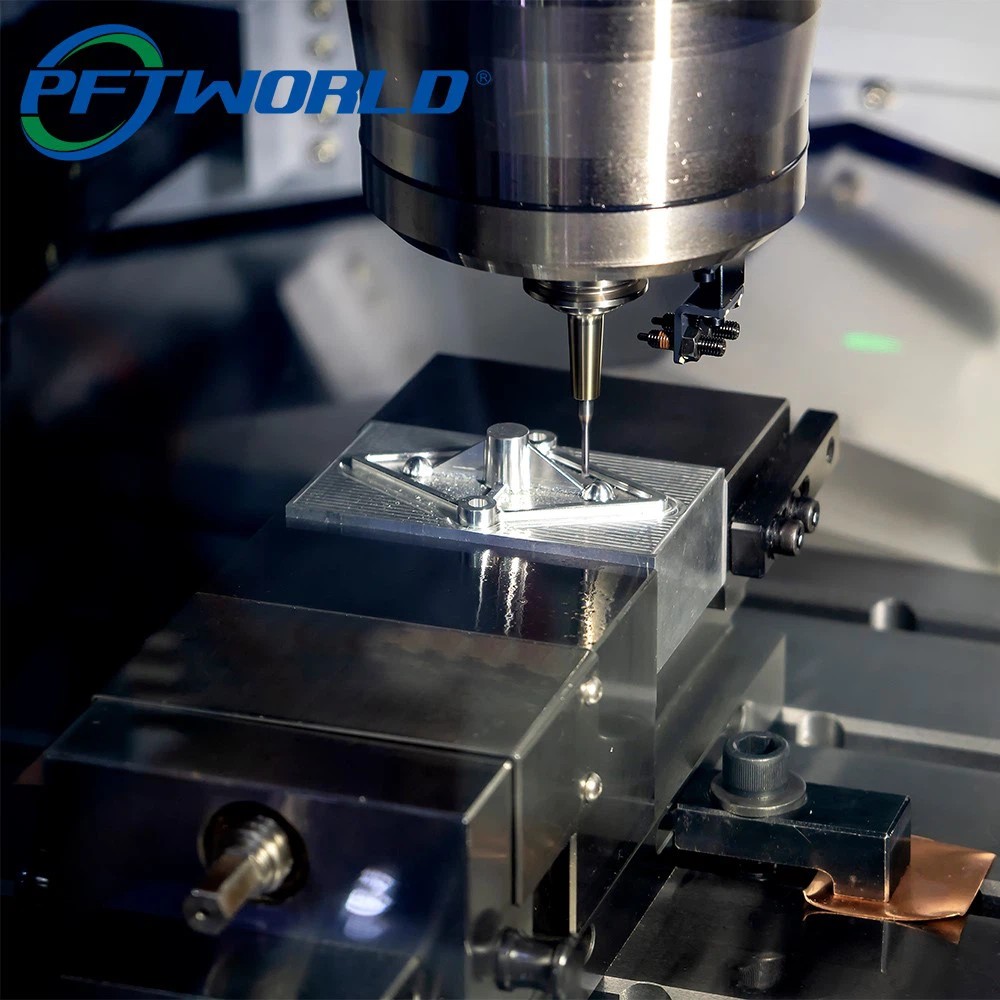
Multi-axis milling setup utilizing high-speed spindles to route intricate ports, mounting faces, and complex manifold segments with strict dimensional consistency.
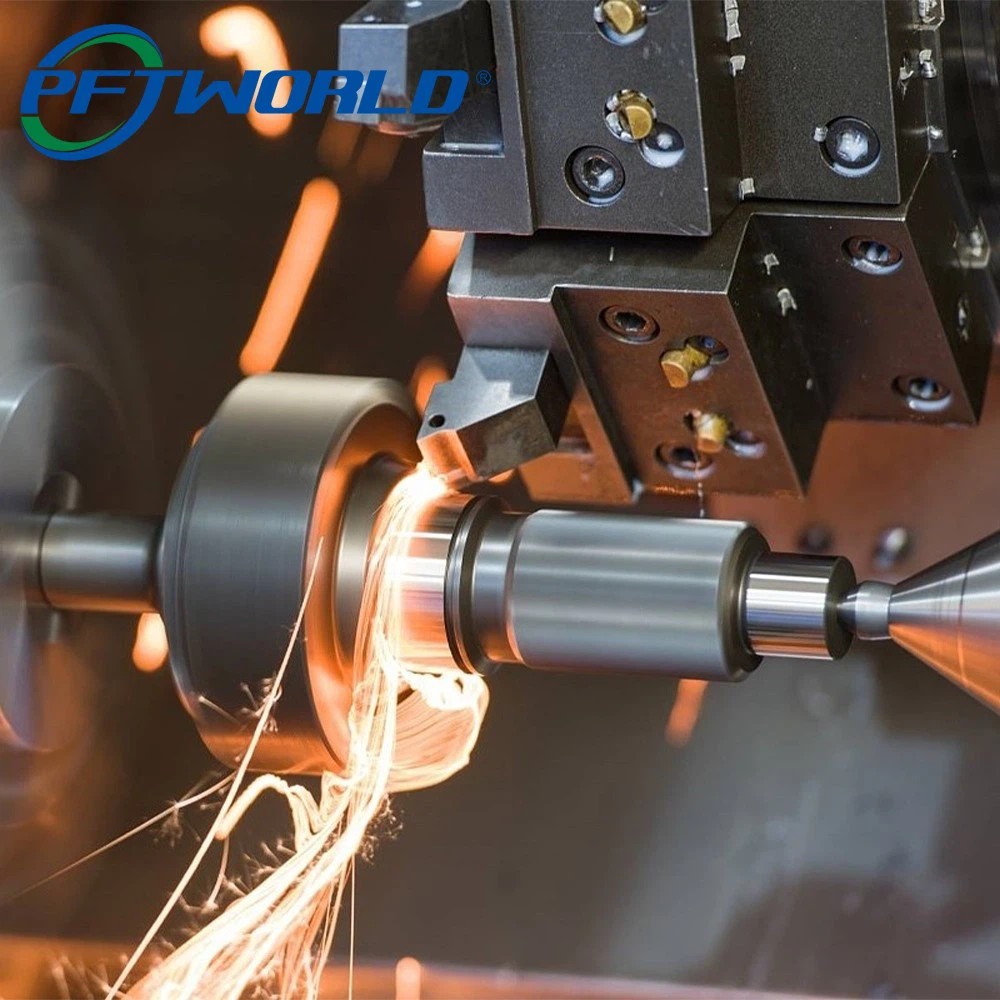
Ultra-precise lathe work for symmetrical elements such as sensor ports, bungs, and interlocking joints, ensuring smooth cylindrical surfaces.
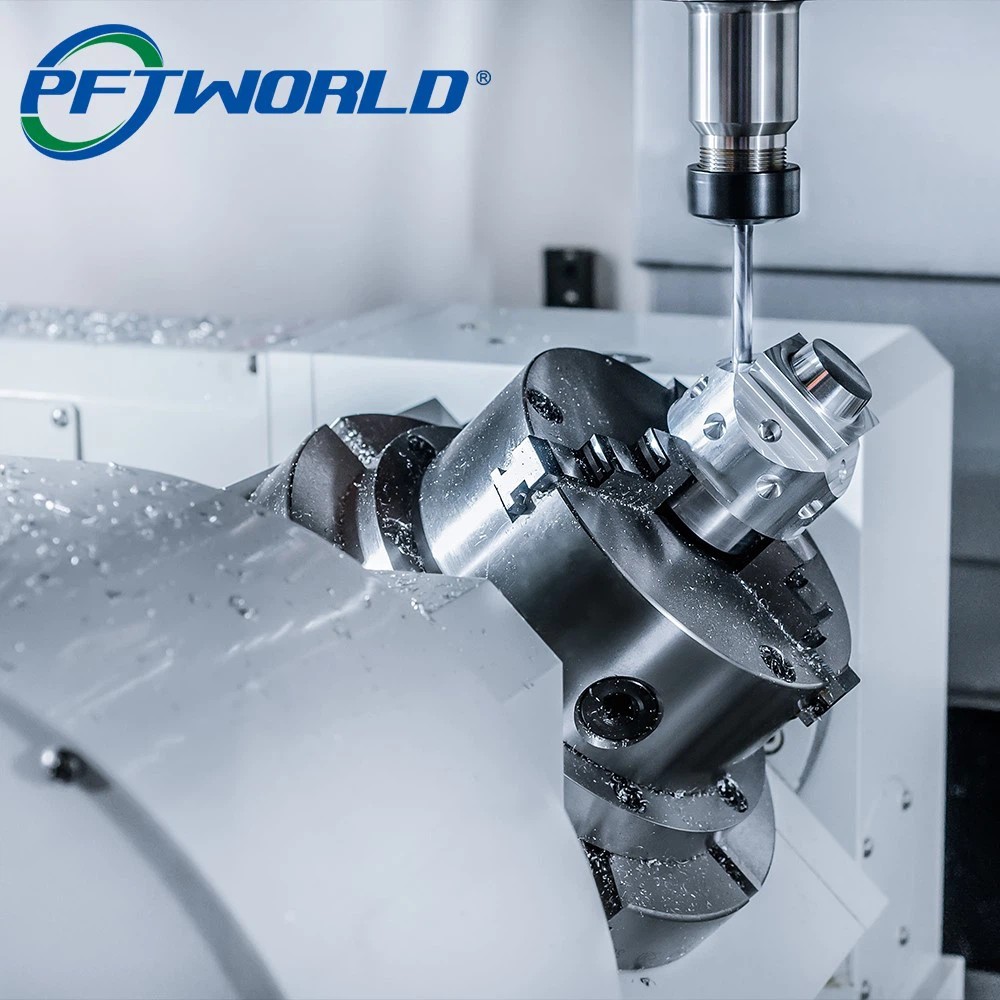
Simultaneous turning and milling processes designed to produce complex exhaust flanges and sensor integration blocks in a single setup, eliminating positional errors.
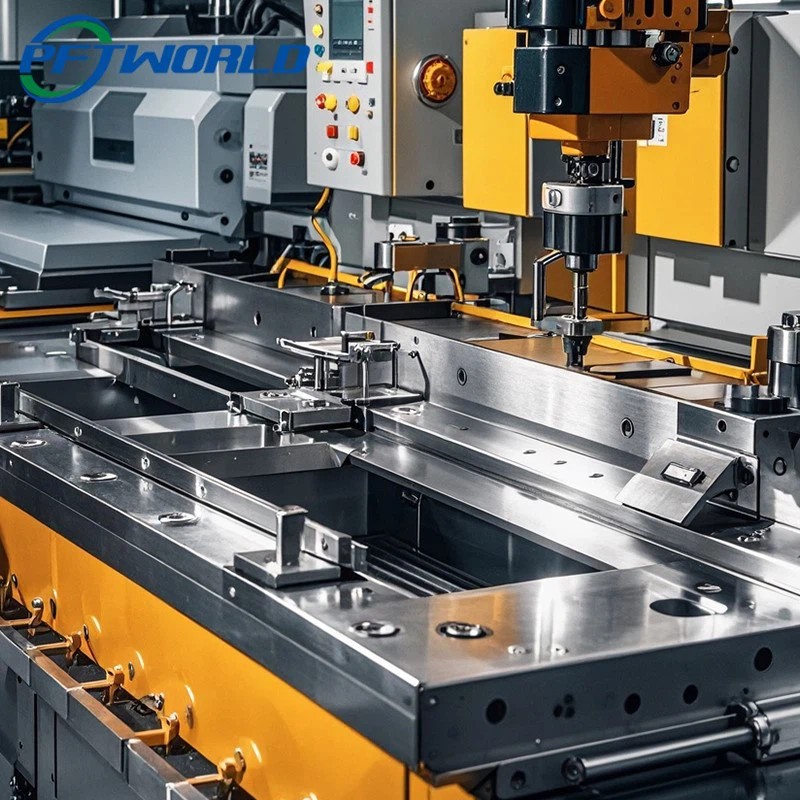
Laser cutting, precision bending, and automated robotic welding for heat shields, outer silencer shells, and ducting channels.
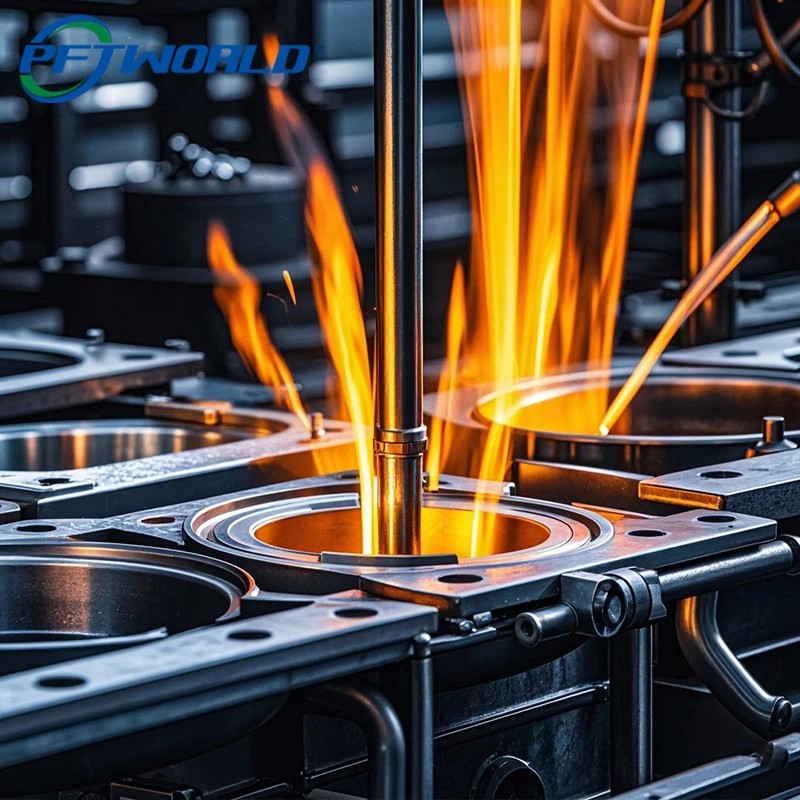
Investment and sand casting options for raw manifold configurations and high-mass turbo housings, finished on our CNC centers.
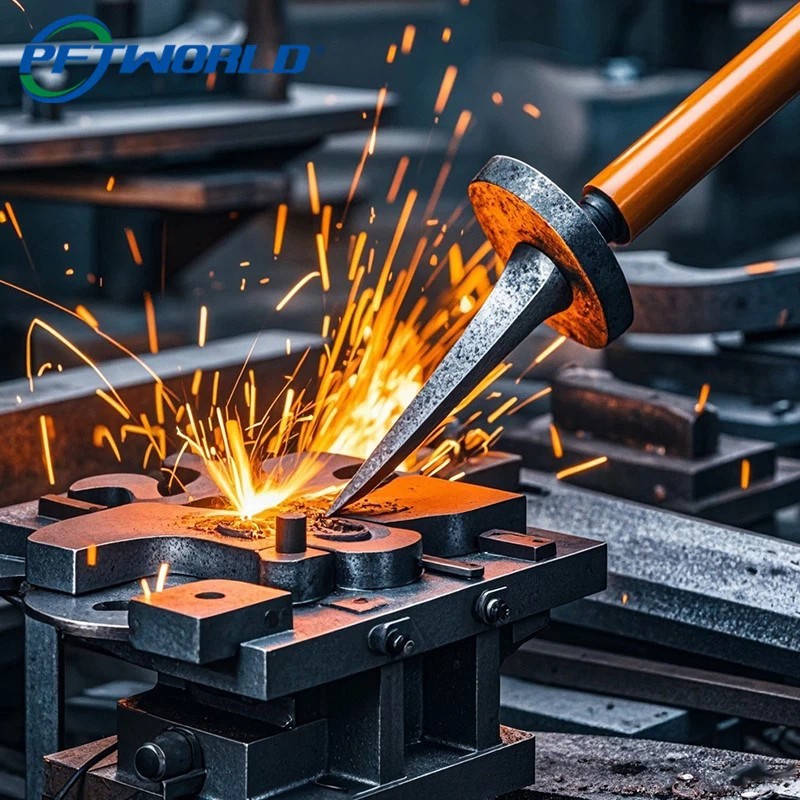
High-strength forged components designed for high-stress aerospace applications and extreme performance exhaust brackets requiring superior grain-structure alignment.
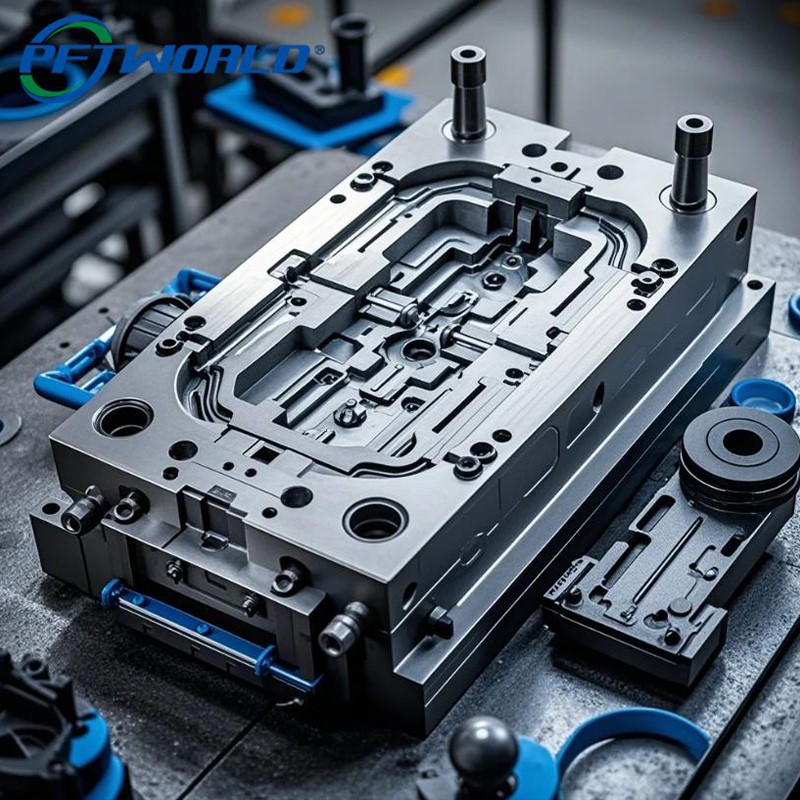
Design and fabrication of durable injection and stamping tooling, supporting high-volume commercial production runs.
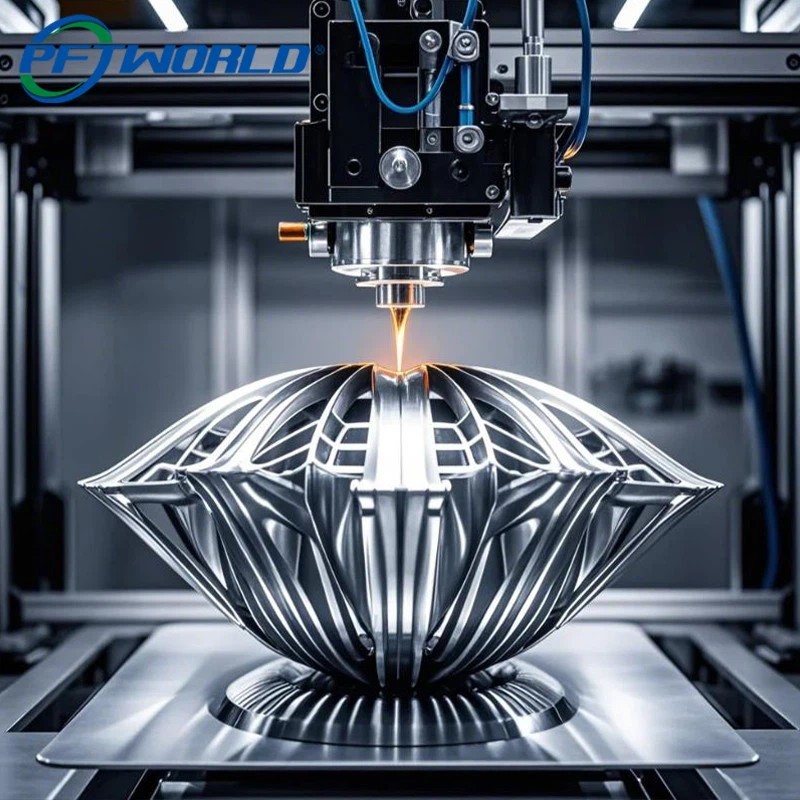
Additive manufacturing for complex internal shapes, thin-wall structures, and rapid functional verification prototypes.
Maintaining strict dimensional verification via CMM, 2D optical measuring, and global aerospace/automotive standards.
The manufacturing of premium exhaust system components leaves no margin for error. A variance of ±0.05mm on an exhaust flange interface can result in localized hot gas leaks. These leaks degrade oxygen sensor telemetry, disrupt backpressure balance, and risk environmental non-compliance. Our production system integrates physical metrology with digital tracking to verify part conformance at every step of manufacturing.
Our quality verification system begins at the raw material phase, performing alloy verification and spectrographic checks on incoming stainless steel and titanium billets. Machined parts pass through multi-point inspections on our coordinate measuring machines (CMM) and high-resolution 2D profile projectors. These systems measure thread pitches, check geometric concentricity, and map 3D surface profiles against customer CAD models. We track production metrics through an integrated ERP framework, ensuring material and batch traceability from the raw billet to the delivered component.
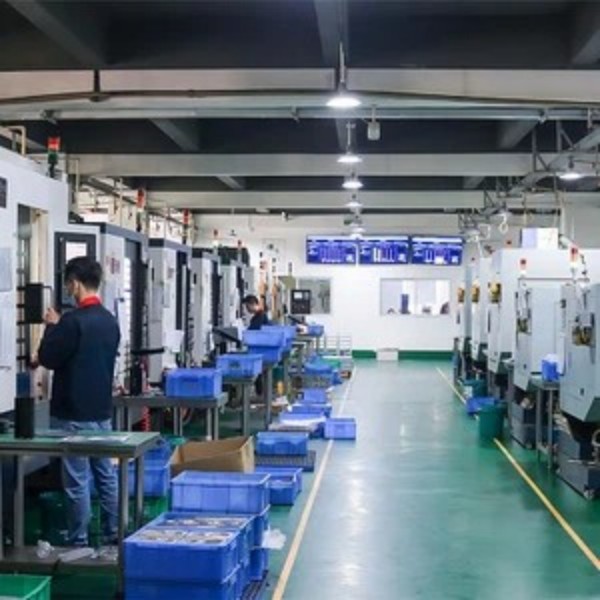
Multi-axis tooling setups configured to execute complex operations, maintaining consistent geometric accuracy across high-volume production batches.
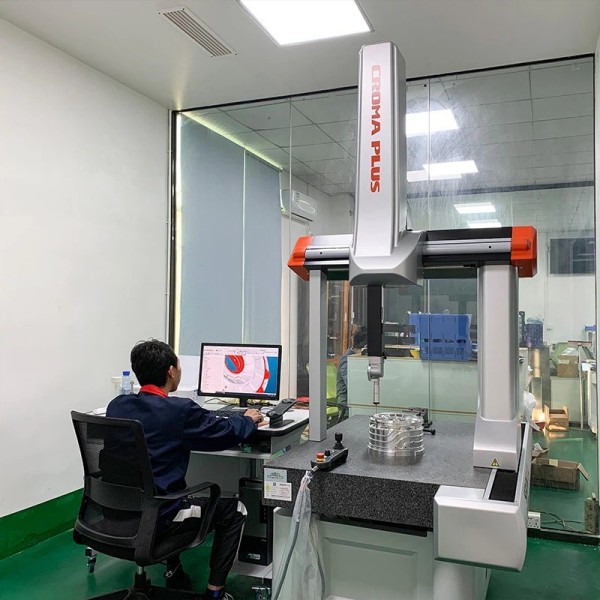
High-precision coordinate measuring machine verifying dimensional alignments, volumetric profiles, and critical geometric tolerances down to ±0.002mm.
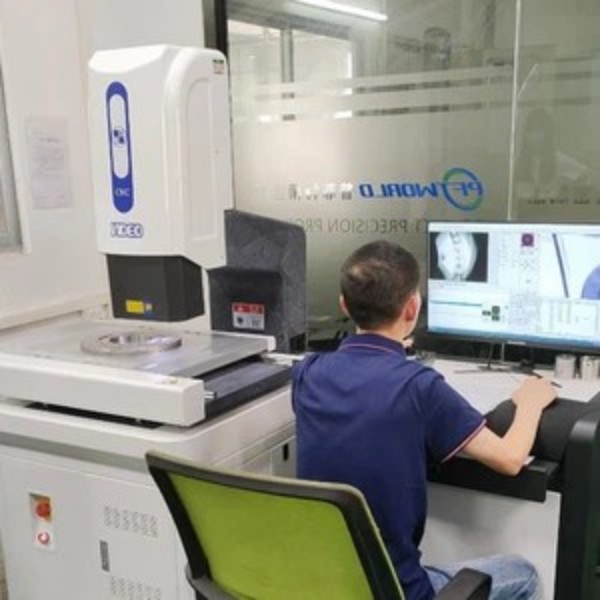
Optical measurement systems providing non-contact inspection of delicate edge radiuses, flat profiles, and internal bore tolerances.

Continuous engineering support, responsive design modifications, and real-time updates on manufacturing processes and delivery timelines.
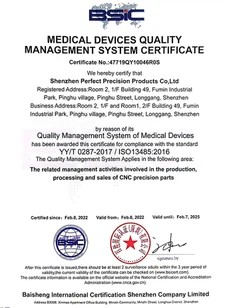
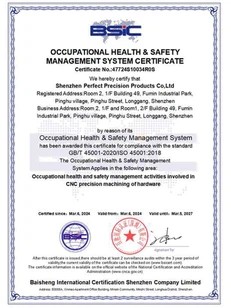
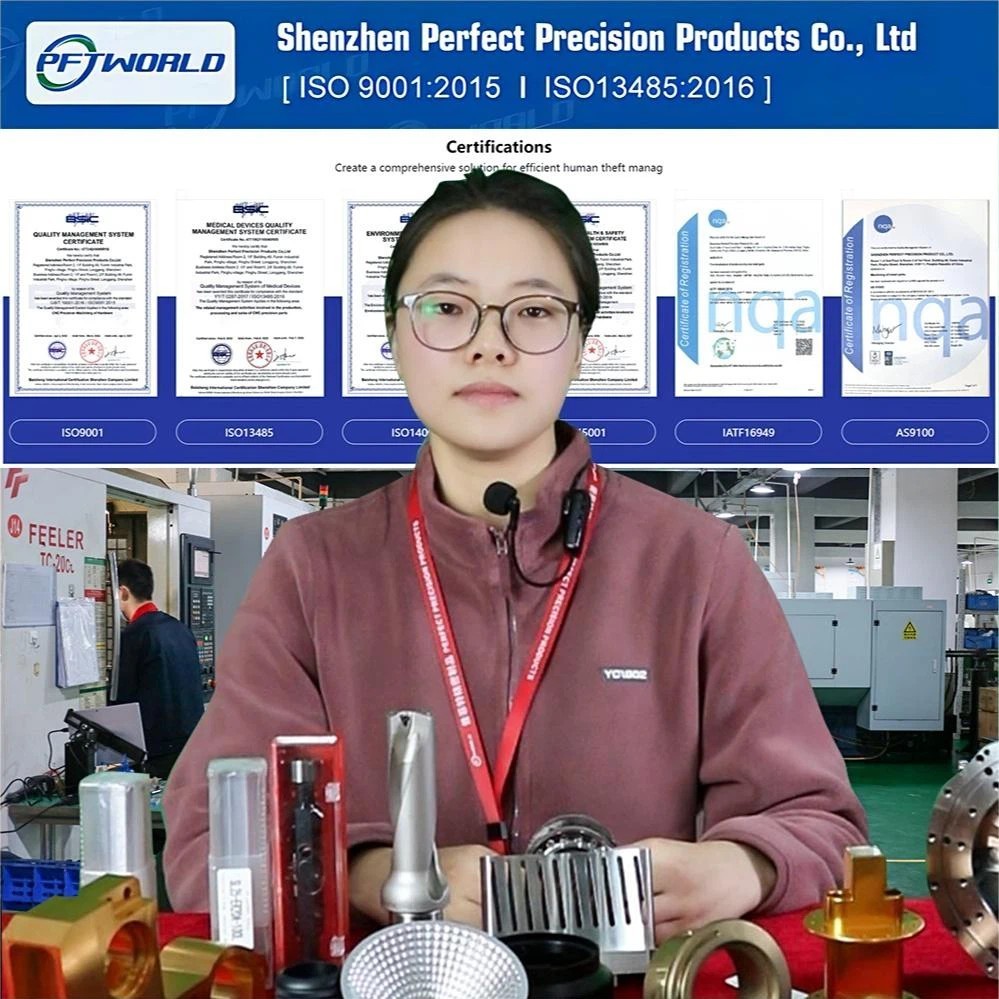
Verifiable compliance frameworks certifying our manufacturing capabilities across aerospace, automotive, medical, and environmental engineering sectors.
Real-time status updates and inspection steps to guarantee manufacturing transparency.
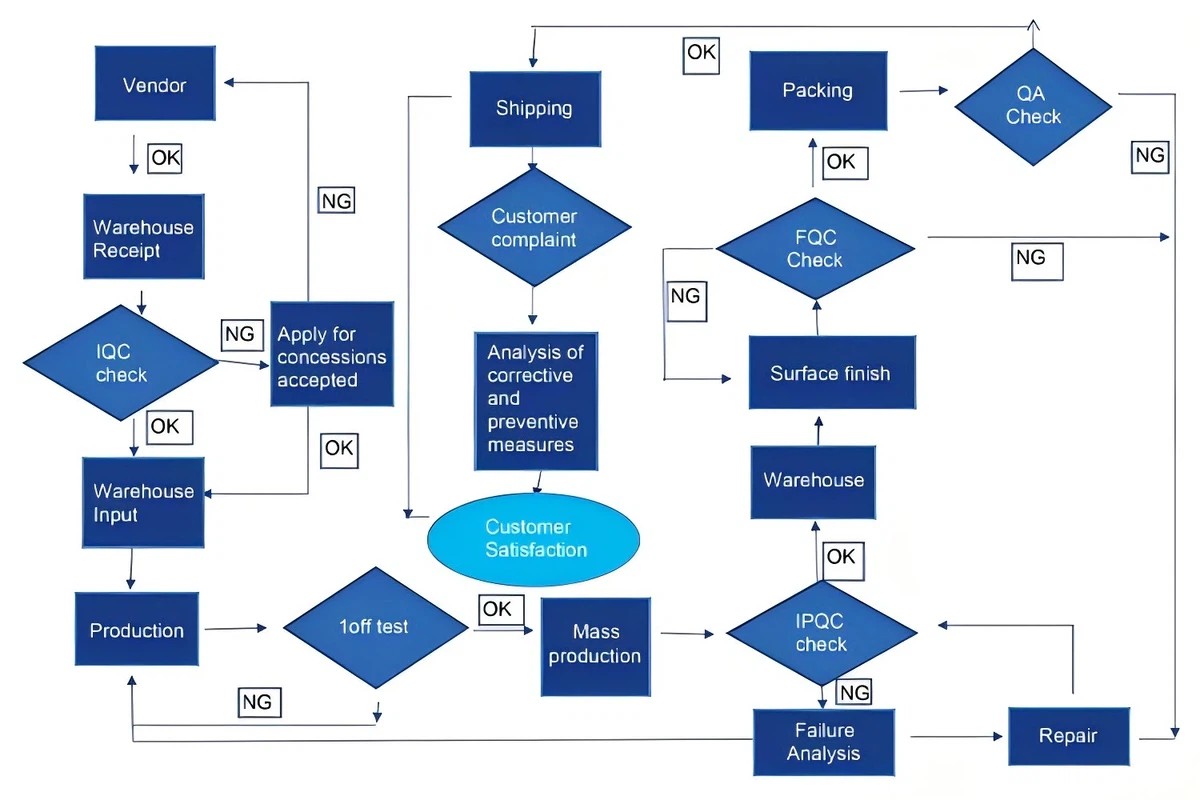
Our production floor integrates digital tracking, allowing clients to monitor the manufacturing status of custom components.
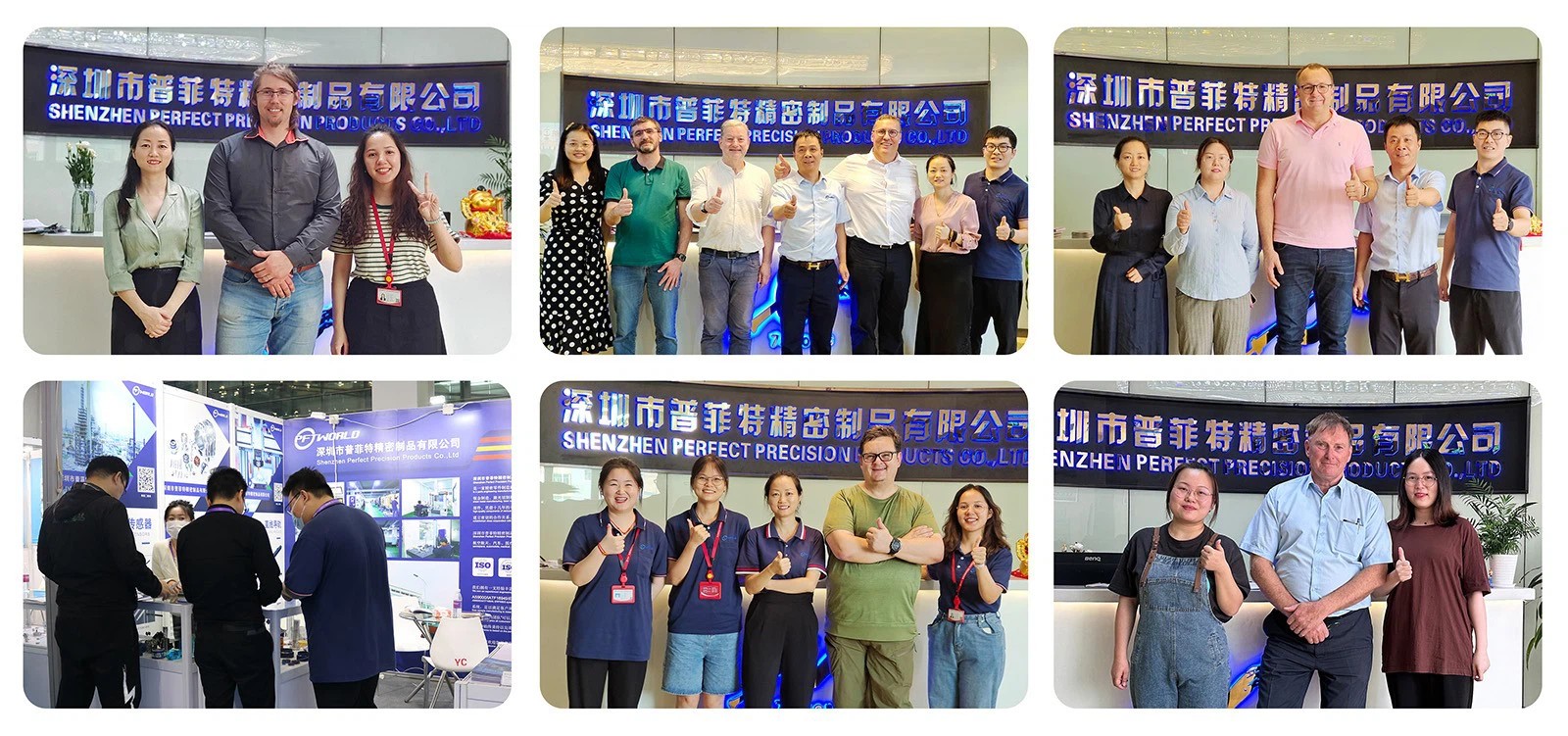
Regular QA reviews, video-inspections, and digital reports verify all internal operations meet custom specifications.
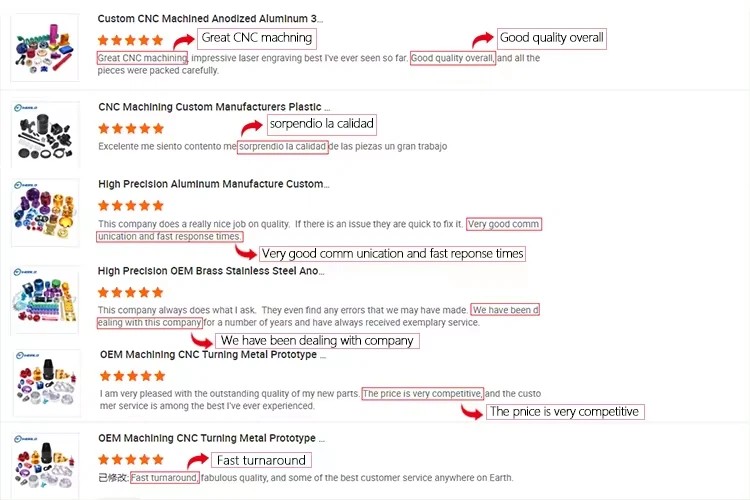
Before leaving our facility, finished parts undergo final quality control checks to confirm all dimensional and aesthetic standards are met.
Integrating advanced manufacturing technologies to address the design requirements of next-generation exhaust systems.
The manufacturing landscape for high-performance exhaust and routing systems is undergoing rapid technological updates. One major focus is lightweighting, particularly in the aerospace and premium automotive sectors. We are continually refining our machining processes for titanium and advanced superalloys to reduce vehicle weight without compromising strength. By utilizing 5-axis and 6-axis CNC machining, we can manufacture complex geometries with fewer structural joints, reducing potential failure points and weld seams.
Additionally, we are expanding our focus on additive manufacturing (3D printing) combined with post-machining processes. This approach enables the fabrication of exhaust manifolds with optimized internal geometries that are difficult or impossible to manufacture using traditional casting methods. By improving interior surface finishes (targeting Ra < 0.8), we help minimize exhaust flow resistance. Our goal is to provide high-precision, low-weight components optimized for clean-energy hydrogen combustion engines and high-efficiency hybrid systems.
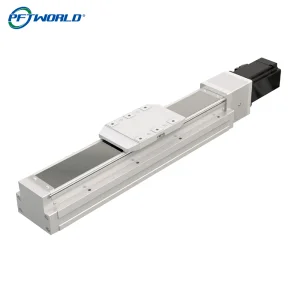
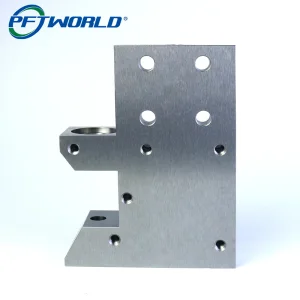
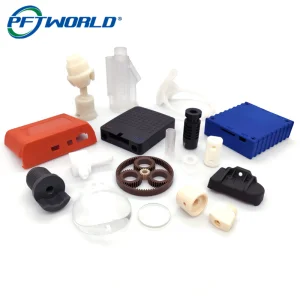
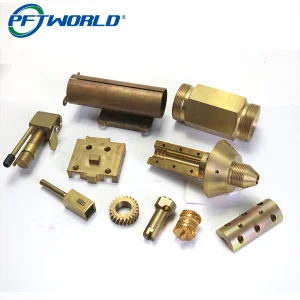
Browse our complete product range, featuring high-precision titanium parts, robotic components, and custom mounting brackets.
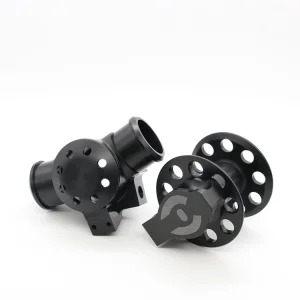
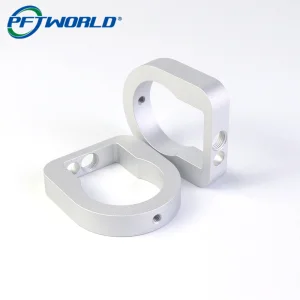
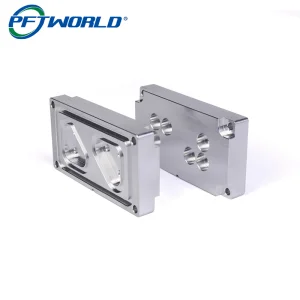

Providing detailed engineering insights to answer your technical and procedural questions.
We are a factory located in Shenzhen, China, with 20 years of rich experience, covering 6000 square meters. Complete facilities, including 3D quality inspection equipment, ERP system and 100+ machines. If necessary, we can provide you with material certificates, sample quality inspection and other reports.
Detailed drawings (PDF/STEP/IGS/DWG...), including quality, delivery date, materials, quality, quantity, surface treatment and other information.
Of course, we are also glad to receive your samples, pictures or detailed size drafts for accurate quotation.
Of course, the sample fee is necessary. If possible, it will be returned during mass production.
Generally, the sample lasts for 1-2 weeks and the batch production lasts for 3-4 weeks.
(1) Material Inspection - Check material surfaces and approximate dimensions.
(2) First inspection of production - ensure critical dimensions in mass production.
(3) Sampling inspection - check the quality before delivery to the warehouse.
(4) Preshipment inspection - 100% inspection by QC assistant before shipment.
If you have any problems after receiving the product, you can provide feedback through voice call, video conference, email, etc. within one month. Our team will provide you with solutions within a week.
For temperatures under 700°C, 304 and 316 stainless steels offer cost-effective corrosion resistance. For higher thermal loads (up to 950°C), 321 stainless steel stabilized with titanium or Inconel 625/718 nickel superalloys is recommended to prevent carbide precipitation and oxidation under cyclic load conditions.
Excessive backpressure restricts exhaust gas flow, increasing thermal load on the cylinder head and reducing turbocharger spool efficiency. We utilize precision CNC turning and milling on exhaust housings to maintain correct internal diameters and smooth transitions, helping optimize gas flow velocities.
We deliver high-precision CNC machining solutions tailored to your exact specifications. From prototyping to mass production, we handle everything with strict quality control, fast turnaround, and competitive pricing. Equipped with advanced CNC machines and a skilled engineering team, we serve industries like automotive, aerospace, medical, and electronics with unmatched accuracy and reliability.
Send Inquiry Now