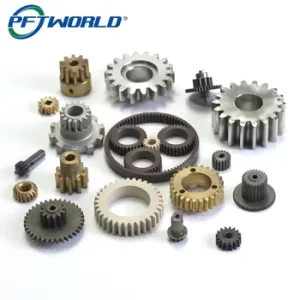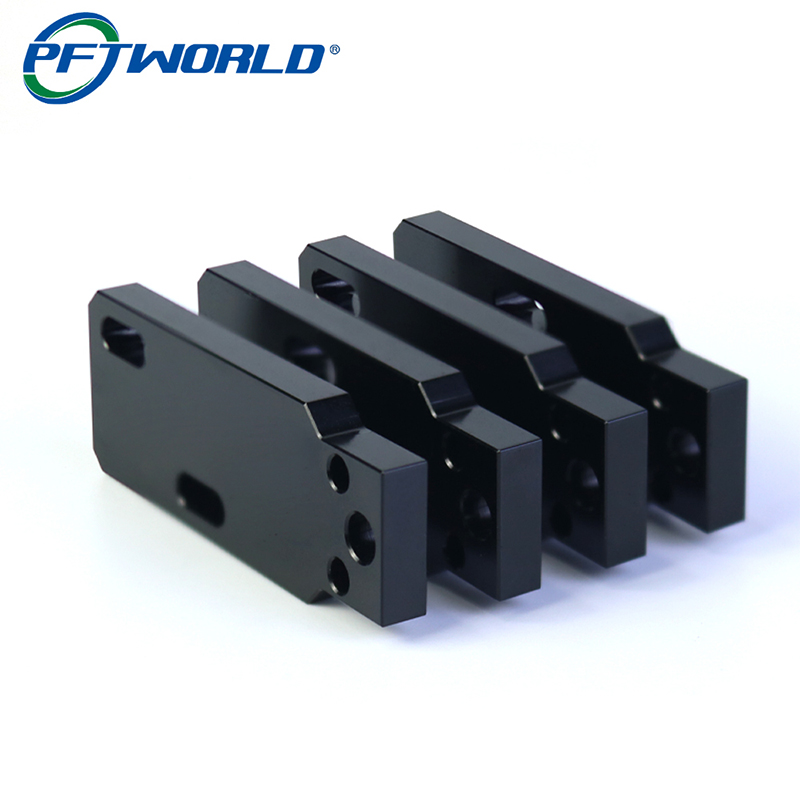

China CNC machining and manufacturing of metals Company, Companies

Type:Broaching, DRILLING, Etching / Chemical Machining, Laser Machining, Milling, Other Machining Services, Turning, Wire EDM, Rapid Prototyping
Micro Machining or Not Micro Machining
Model Number:Custom
Material:AluminumStainless steel, brass, plastic
Quality Control:High-quality
MOQ:1pcs
Delivery Time:7-15 Days
OEM/ODM:OEM ODM CNC Milling Turning Machining Service
Our Service:Custom Machining CNC Services
Certification:ISO9001:2015/ISO13485:2016

Product Description

PRODUCT DETAIL

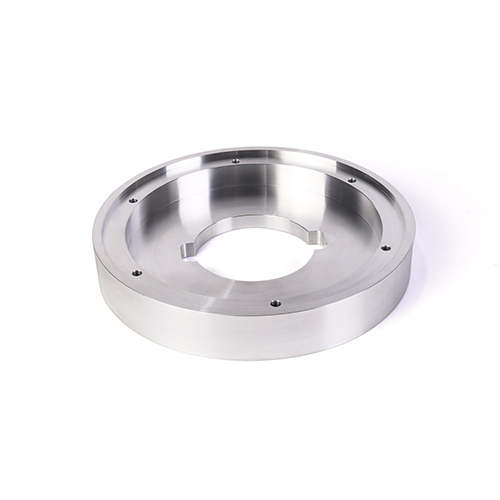
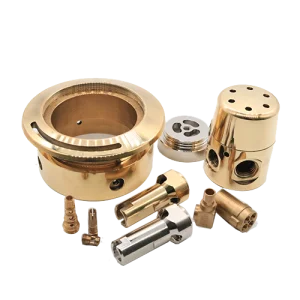
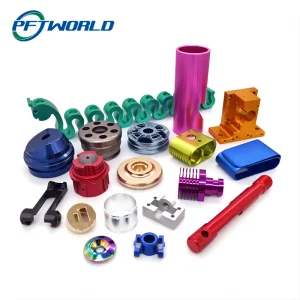
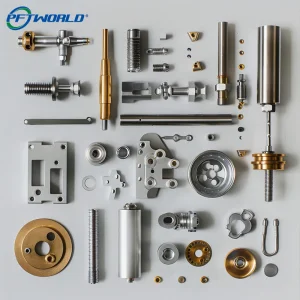
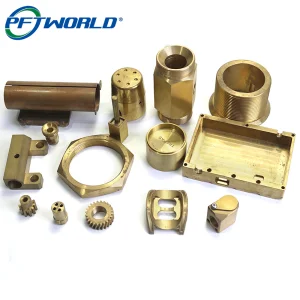
CNC (Computer Numerical Control) machining is an advanced metal manufacturing process that can produce high-precision and high-quality metal products.

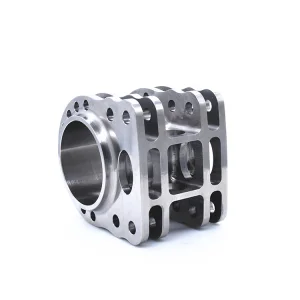
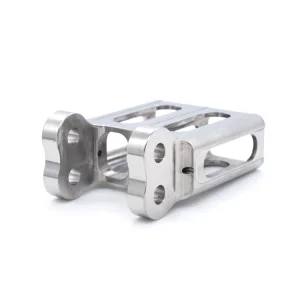
CNC Machining Detail 1 CNC Machining Detail 2
CNC Process Overview
Process Principles & Advantages
Process Principle

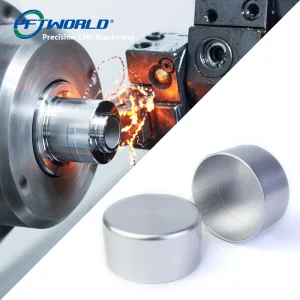
CNC machining precisely controls the movement of machine tools and cutting of cutting tools through a computer digital control system, and performs cutting, drilling, milling, and other machining operations on metal materials according to pre written machining programs. It can gradually process a piece of raw metal material into parts or products with complex shapes and high-precision dimensions.

High Precision
Capable of achieving micrometer level or even higher precision, ensuring the accuracy and consistency of product dimensions. Meets demanding application scenarios, such as aerospace and medical equipment.
Complex Shape Processing
Easily processes various complex geometric shapes, whether curves, surfaces, or parts with multiple features, providing greater freedom for innovative product designs.
High Efficiency
Once programmed, the machine tools run continuously and automatically, significantly improving production efficiency and shortening output times compared to traditional methods.
Wide Adaptability
Suitable for various metal materials such as aluminum alloy, stainless steel, titanium alloy, and more. Selected according to performance requirements.
Processing Flow
1. Design and Programming

Using CAD/CAM software to design products and write machining programs. Simulation verification is conducted beforehand to prevent tool collisions and optimize tool paths.

2. Material Preparation

Selecting suitable metal materials based on strength, hardness, and corrosion requirements, followed by cutting and pre-treating to remove surface impurities.

3. Processing Operation

Securing raw blanks on the CNC workstation. The machinery automatically executes programmed paths (rough, semi-precision, and precision machining) under real-time monitoring.

4. Quality Inspection

Comprehensive testing of dimensional accuracy, shape accuracy, surface roughness, and hardness using tools like coordinate measuring machines and roughness meters.

Product Application Areas
Aerospace

Used for manufacturing aircraft engine blades, turbine disks, fuselage structures, and landing gears requiring high strength and maximum reliability.

Automobile Manufacturing

Engine cylinder blocks, cylinder heads, crankshafts, and key chassis/transmission system components for improved reliability.

Medical Apparatus

Artificial joints, surgical instruments, and dental instruments that require strict hygienic standards and precise surface quality.

Electronic Communication

Casings, heat sinks, and connectors requiring good conductivity, heat dissipation, and structural mechanical strength.

Mold Manufacturing

High-precision injection molds and die-casting molds configured to guarantee high-quality dimensional accuracy for end products.

Quality Assurance & After-sales Service
Quality Assurance

Adhering strictly to international quality management system standards. From selecting high-grade materials to executing multiple mid-process checks, we ensure stable and reliable output.

After-Sales Support

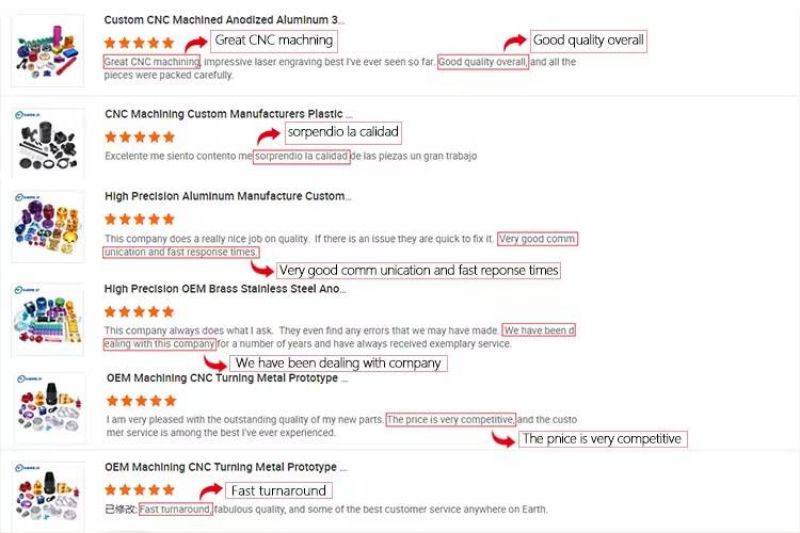
Commitment to swift technical support, including repair, maintenance, and replacement services. Regular customer feedback loops ensure continuous service improvement.
Frequently Asked Questions
Q1: What is CNC machining and what are its advantages? +
A: CNC (computer numerical control) machining is a manufacturing process that uses computer programs to control machine tools to perform cutting, drilling, and milling on metal. Its advantages include micrometer-level precision, capability for complex shapes, high automatic efficiency, and wide material adaptability.
Q2: Which metal materials are suitable for CNC machining? +
A: It is suitable for various common metal materials, including Aluminum alloy (aerospace/electronics), Stainless steel (medical/food equipment), Titanium alloy (high-strength/corrosion-resistant fields), and Copper alloy (electronics/electrical engineering).
Q3: How do you ensure the quality and precision of CNC machined products? +
A: We ensure quality through strict raw material selection, advanced processing tools, professional programmers, and a comprehensive quality inspection system measuring dimension, surface roughness, and hardness to achieve precision up to ±0.01mm or higher.
Q4: What is the typical delivery cycle and what factors affect it? +
A: Delivery cycles typically take 3-5 working days for simple parts and 7-15 working days for complex parts. The timeline is affected by product design complexity, material preparation times, production quantity, and quality inspection stages.
Q5: How is the price of CNC machined products determined? +
A: Pricing is determined by material cost, processing difficulty and working hours, batch quantity (bulk production yields discount rates), and additional surface treatment requirements like electroplating or spraying.
Q6: Can parts be customized without design drawings? +
A: Yes. While we process directly from customer-provided CAD/CAM design drawings, we also provide professional design services. Our design team works closely with you to create drawings that meet your functional needs and project ideas.

Related Products