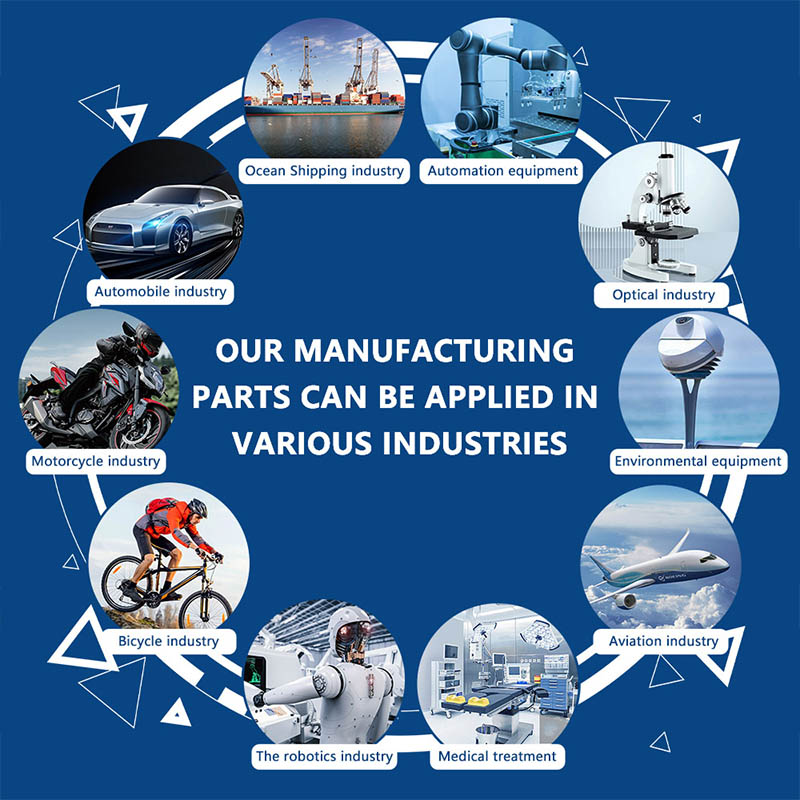
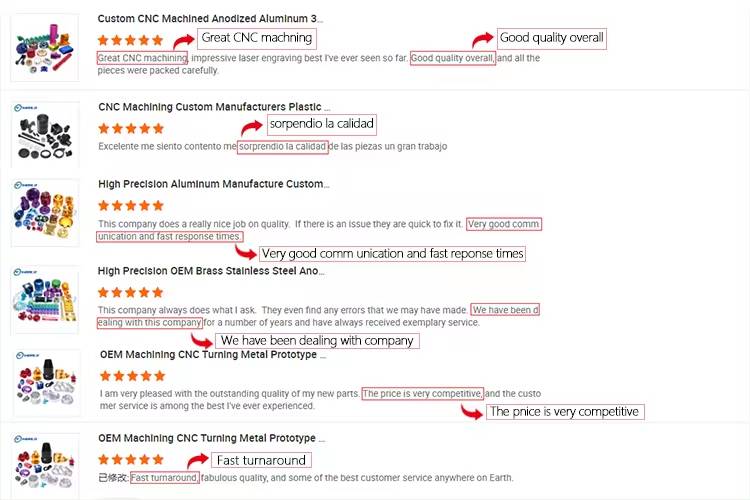
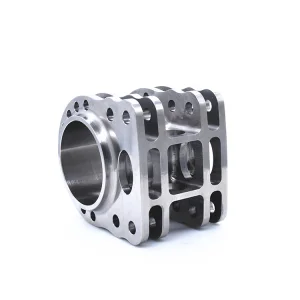
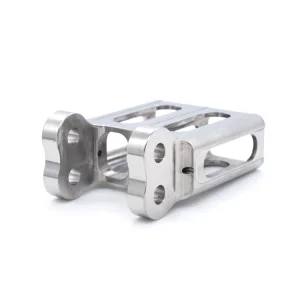
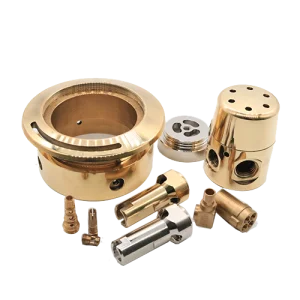
In the realm of industrial manufacturing, the role of machining components manufacturers is pivotal. These manufacturers are the bedrock of precision engineering, producing essential parts that serve diverse industries ranging from automotive and aerospace to electronics and medical devices. Let's delve into the professional knowledge associated with machining components manufacturers and understand their significance.
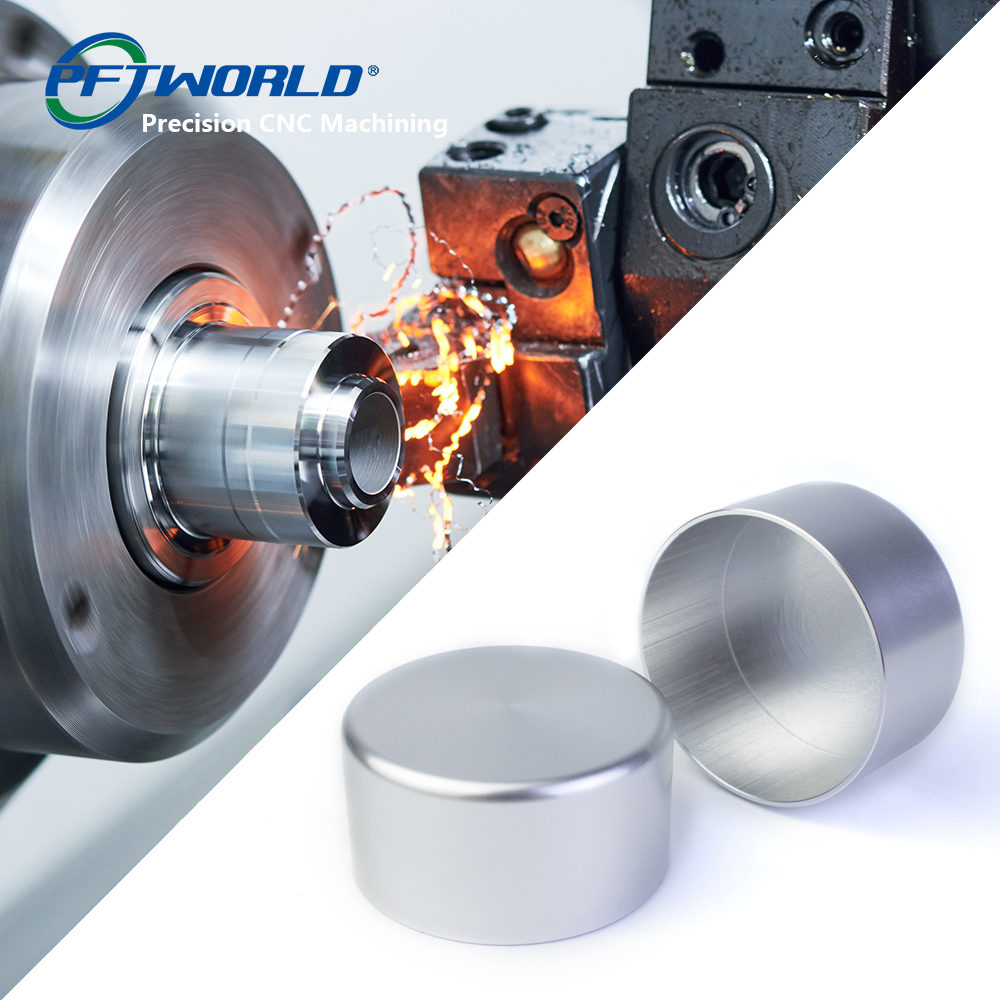
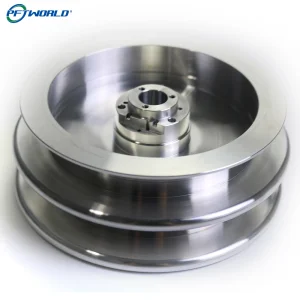
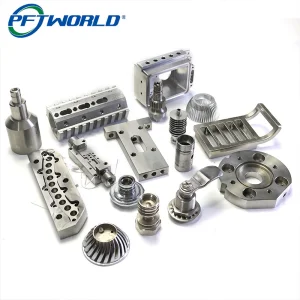
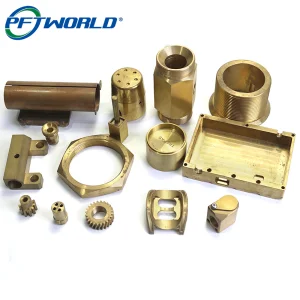
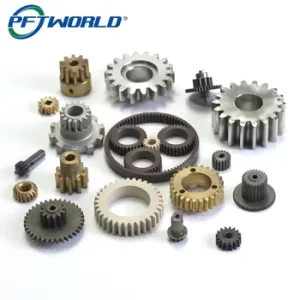
Machining components manufacturers specialize in precision machining, which involves the process of shaping materials like metal, plastic, or composites into precise components. This process typically includes turning, milling, drilling, grinding, and other techniques that demand high accuracy and consistency. Precision machining ensures that each component meets exact specifications required by the client, often with tolerances measured in microns.
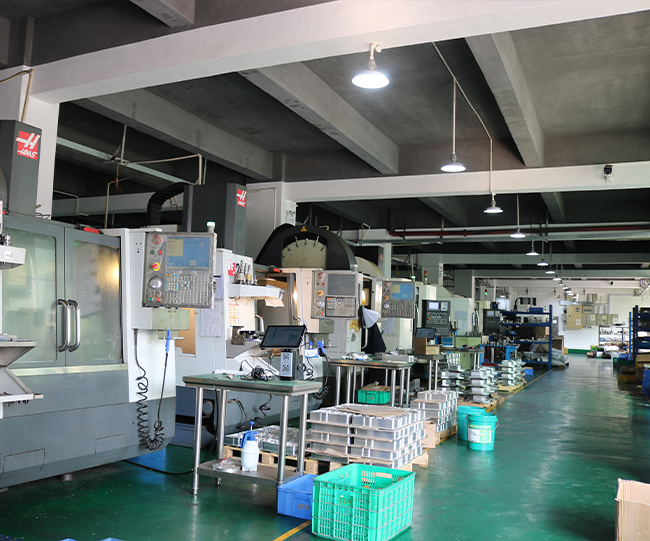
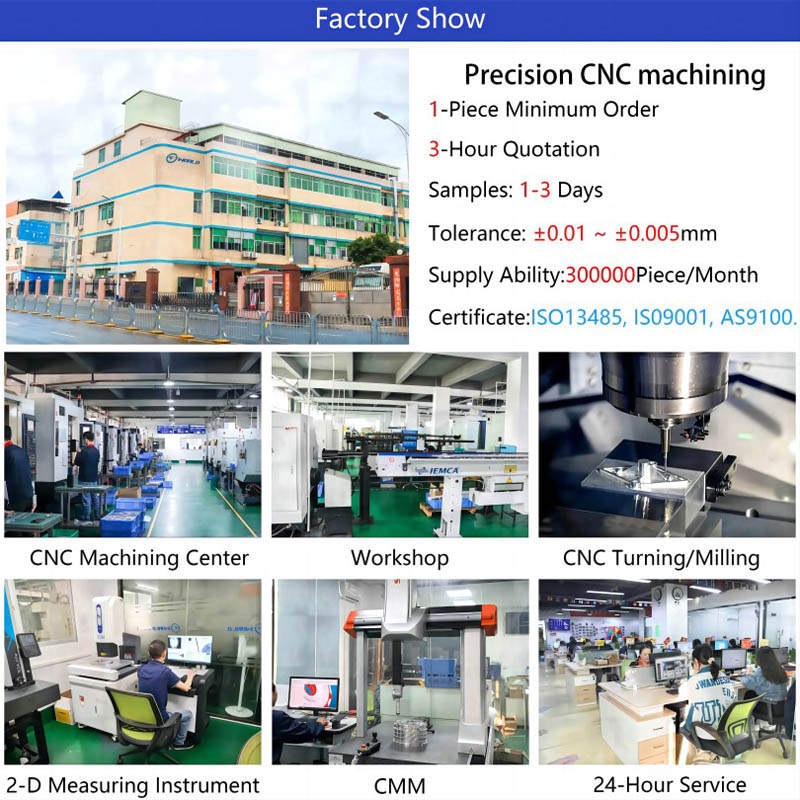
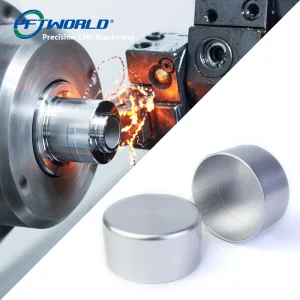
To achieve the high standards of precision required, machining components manufacturers employ advanced manufacturing technologies. These may include Computer Numerical Control (CNC) machines, which automate and enhance the machining process through precise computer programming. CNC machines are capable of producing complex geometries repeatedly and efficiently, ensuring both quality and cost-effectiveness in production.
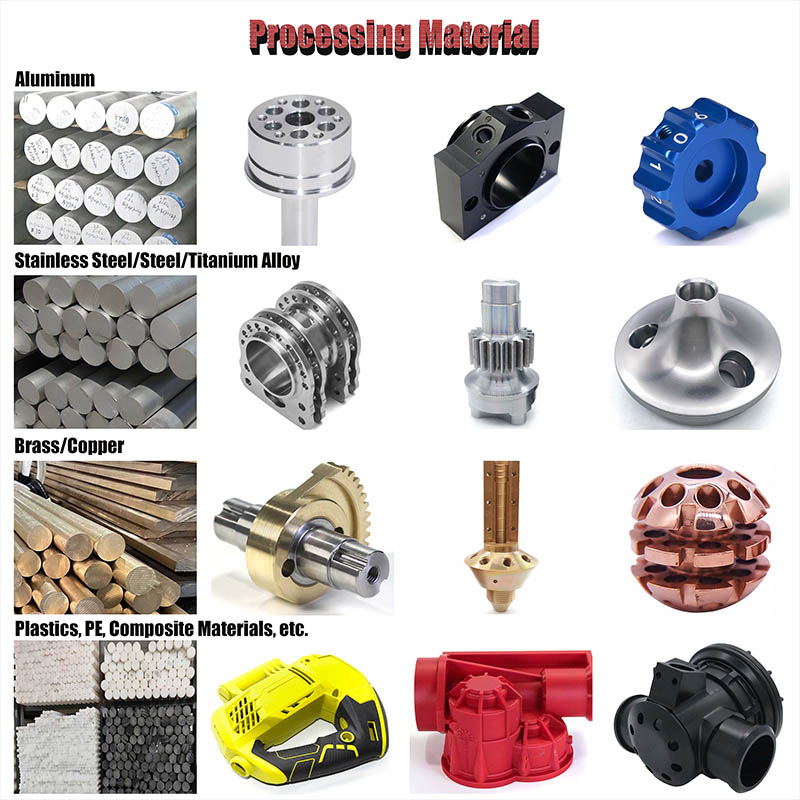
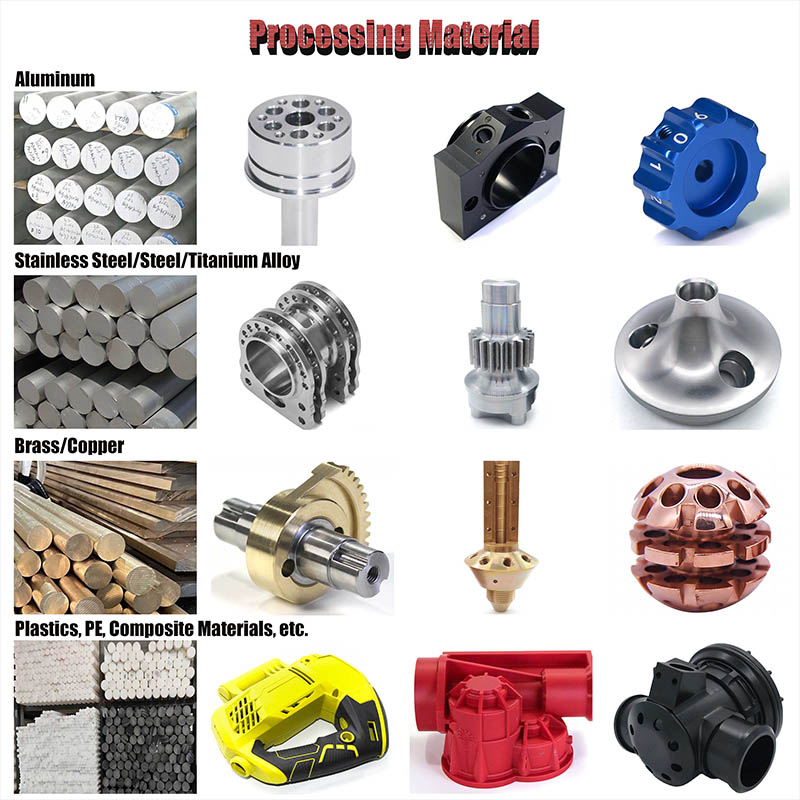
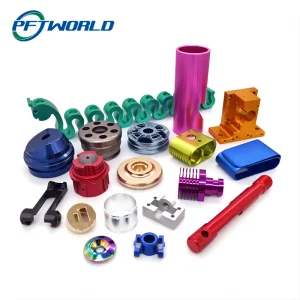
Manufacturers of machining components work with a wide range of materials, each with its own properties and challenges. Metals such as aluminum, steel, titanium, and exotic alloys are commonly machined for their strength and durability. Similarly, plastics and composites are used where lighter weight or specific chemical properties are advantageous. Manufacturers must have deep knowledge of material behaviors under machining conditions to optimize processes and ensure component integrity.
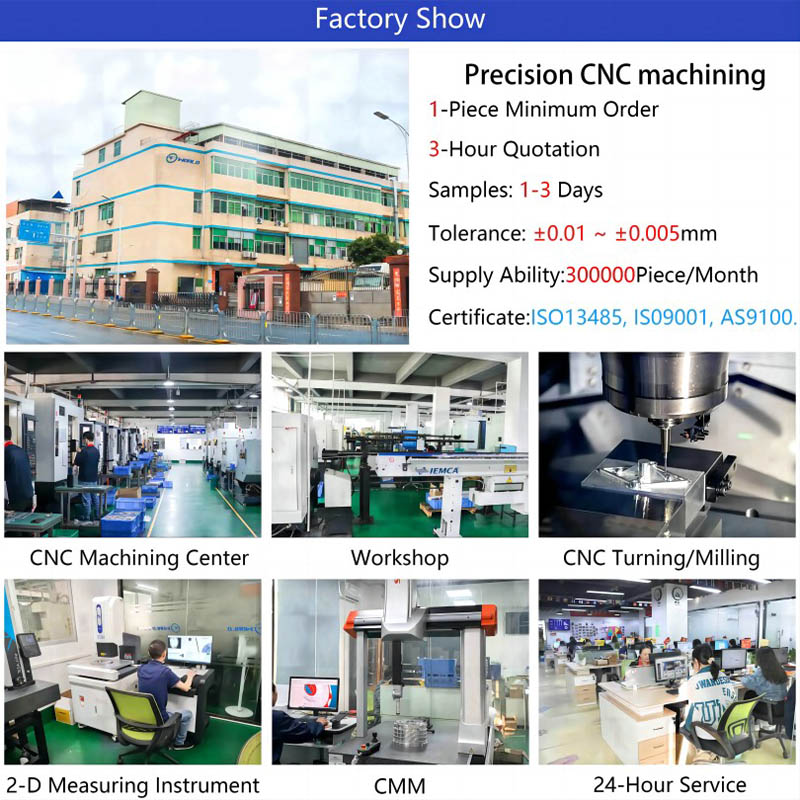
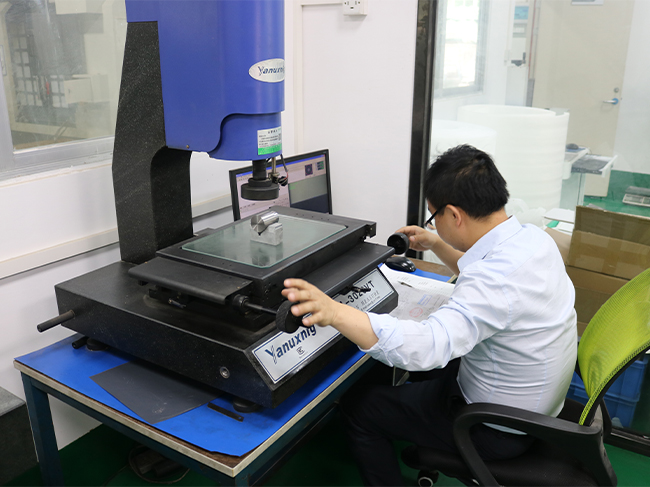
Quality control is paramount in machining components manufacturing. Rigorous inspection processes are implemented at various stages of production to verify dimensional accuracy, surface finish, and material integrity. This may involve the use of Coordinate Measuring Machines (CMMs), optical comparators, and other metrology tools to ensure that components conform to specified requirements and standards.
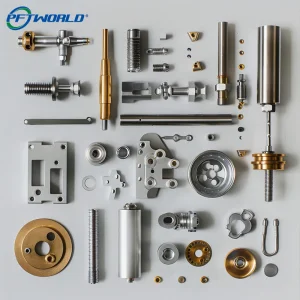
Many machining components manufacturers offer prototyping services, allowing clients to test and refine designs before full-scale production. This iterative process helps in identifying and addressing potential issues early, saving time and costs in the long run. Moreover, manufacturers often specialize in customization, tailoring components to unique specifications or requirements that standard off-the-shelf solutions cannot meet.
Given the critical applications of machined components in industries such as aerospace, automotive, and healthcare, manufacturers adhere to stringent industry standards and certifications. Compliance with standards such as ISO 9001 (Quality Management Systems) and AS9100 (Aerospace Quality Management System) ensures consistent quality, reliability, and traceability throughout the manufacturing process.
Machining components manufacturers often play a crucial role in the broader supply chain. They collaborate closely with upstream suppliers of raw materials and downstream partners involved in assembly and distribution. Effective supply chain integration ensures seamless logistics, timely delivery, and overall efficiency in meeting customer demands.
In a rapidly evolving technological landscape, machining components manufacturers prioritize innovation and continuous improvement. This includes adopting new materials, refining machining techniques, and embracing Industry 4.0 principles such as data-driven manufacturing and predictive maintenance. Innovation not only enhances product quality but also drives competitiveness in global markets.