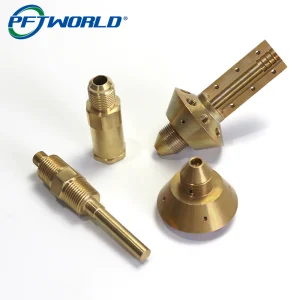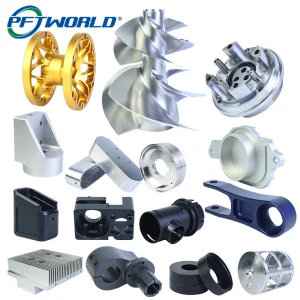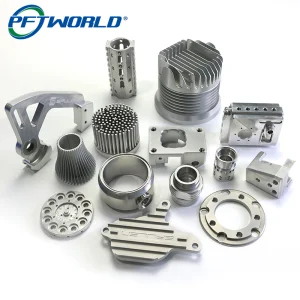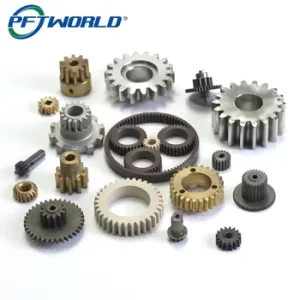
Premium OEM/ODM proximity components, laser sensors, and custom turning parts designed for high-performance automation ecosystems.
In the era of Industrial Internet of Things (IIoT) and Industry 4.0, proximity switches function as the tactile sensory systems of automated machinery. Selecting the right technology and ODM (Original Design Manufacturer) partner is critical for ensuring reliable system uptime, minimizing false triggers, and achieving mechanical longevity in hostile operating environments.
Proximity switches operate without physical contact, detecting target objects via electrostatic, electromagnetic, or optical fields. Each sensor style has distinct mechanical housing and dimensional requirements, making custom CNC machining and structural engineering key components in ODM execution.
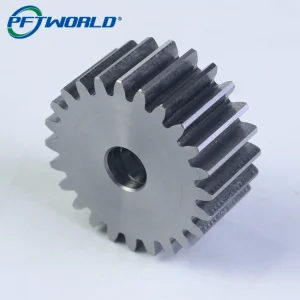
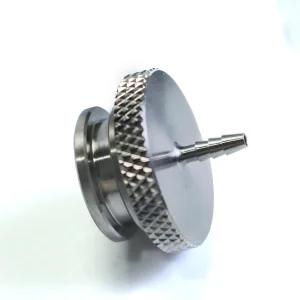
For custom proximity switches and high-end sensor installations, tolerances are non-negotiable. PFT provides precision machining tolerances down to +/-0.002mm in critical mounting zones, ensuring hermetic sealing (IP67/IP69K) and perfect alignment for optical and ultrasonic emitters.
ODM suppliers classify proximity sensors based on their detection methods, target materials, and environments:
| Technology Type | Target Material | Sensing Range | Industrial Application |
|---|---|---|---|
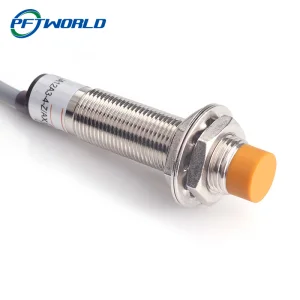
| Inductive (e.g., LJ12A3-4-ZAY) | Metals Only | 1mm to 40mm | CNC spindle limits, gear speed detection |
| Capacitive Sensors | Metals, Liquids, Solids | 2mm to 30mm | Liquid level tracking, packaging volume control |
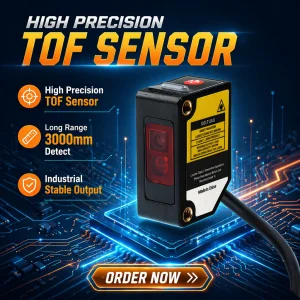
| TOF / Laser Sensors | All solid targets | 50mm to 3000mm | Robotic arm feedback, high-precision distance measurement |
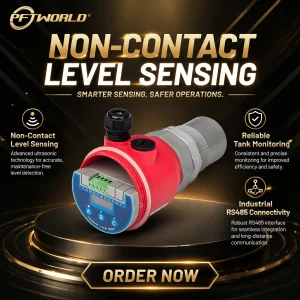
| Ultrasonic (e.g., SFU60A) | Liquid and solid surfaces | Up to 10 meters | Chemical tank level monitoring, bulk solid silos |
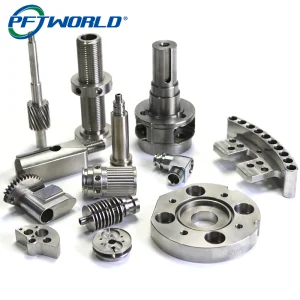
Choosing an ODM manufacturer that combines electronics assembly with precise CNC machining capabilities ensures that external housings, internal sensor components, threaded sleeves, and mounting accessories are perfectly integrated. This is crucial for avoiding mechanical failure under thermal expansion and high vibrational stress.
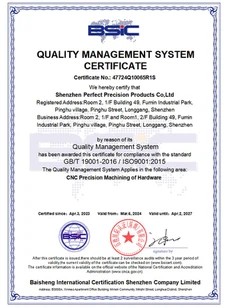
A trusted global manufacturing partner since 2014, delivering world-class digital production and ISO-certified precision engineering.
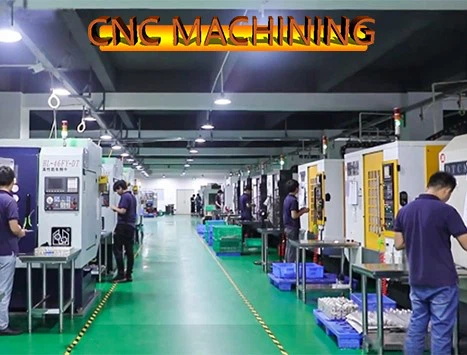
It established a foreign trade team in 2014, passed the ISO9001 quality system certification. It was awarded the title of Guangdong Contract and Trustworthy Enterprise in 2018, and passed the certification of high-tech enterprise and intellectual property management system in 2019. In 2020, the office area has been expanded to 10,000 square meters, the total number of employees has reached 70, and the digital chemical plant has been realized in 2021.
Tolerance: +/- 0.01 mm
Special Areas: +/- 0.002 mm
Surface Roughness: Ra 0.1~3.2
Samples: 1-3 Days
Lead Time: 7-14 Days
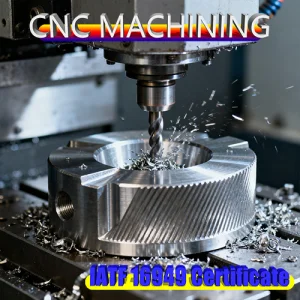
Machinery Support: 3-axis, 4-axis, 5-axis, 6-axis
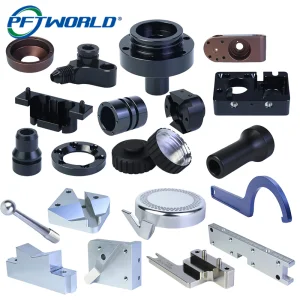
From micro-tolerance sensor shells to large structural components, we offer dynamic metal forming and fabrication options.
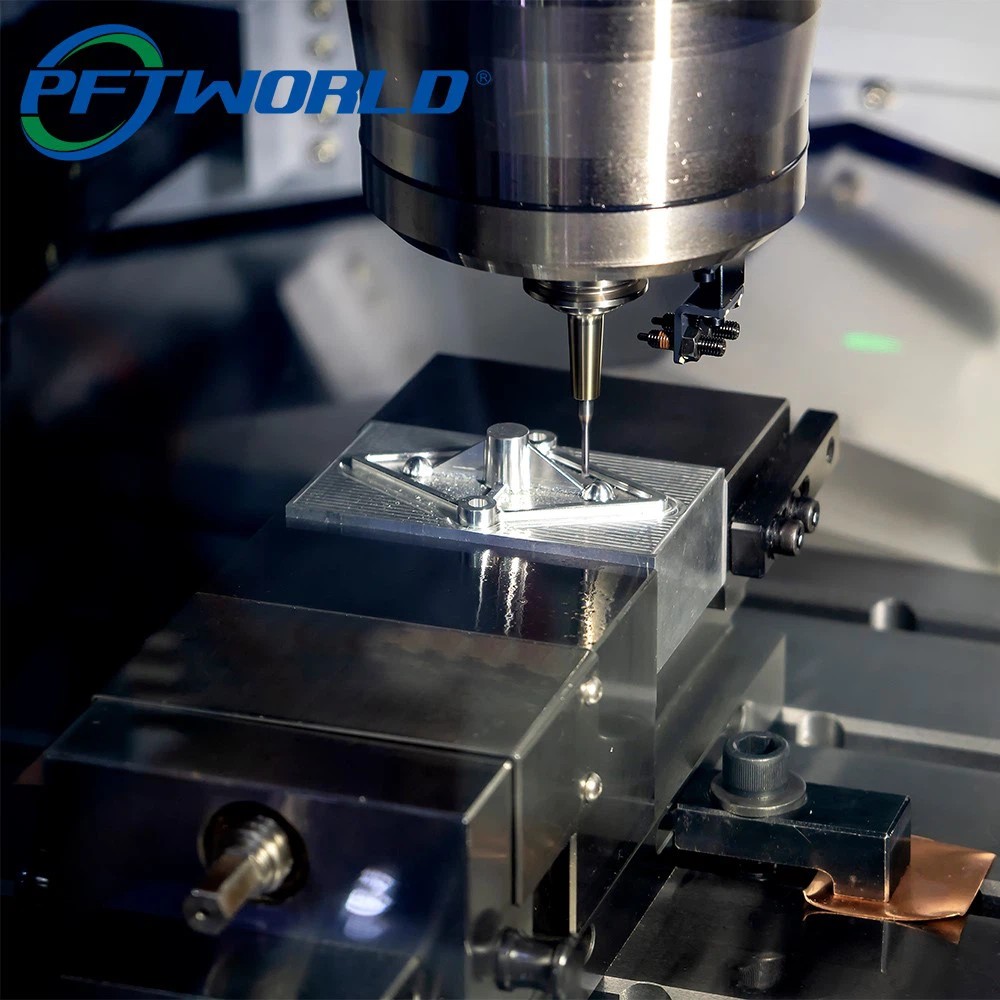
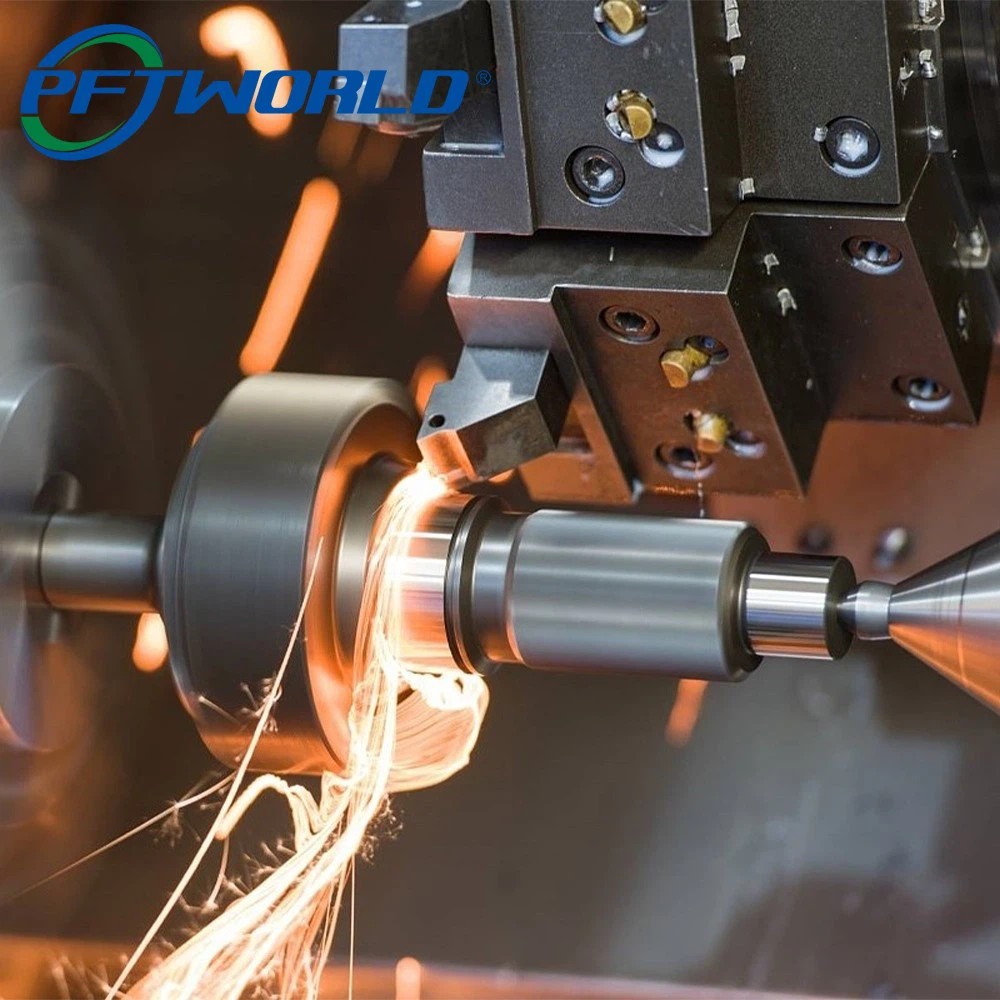
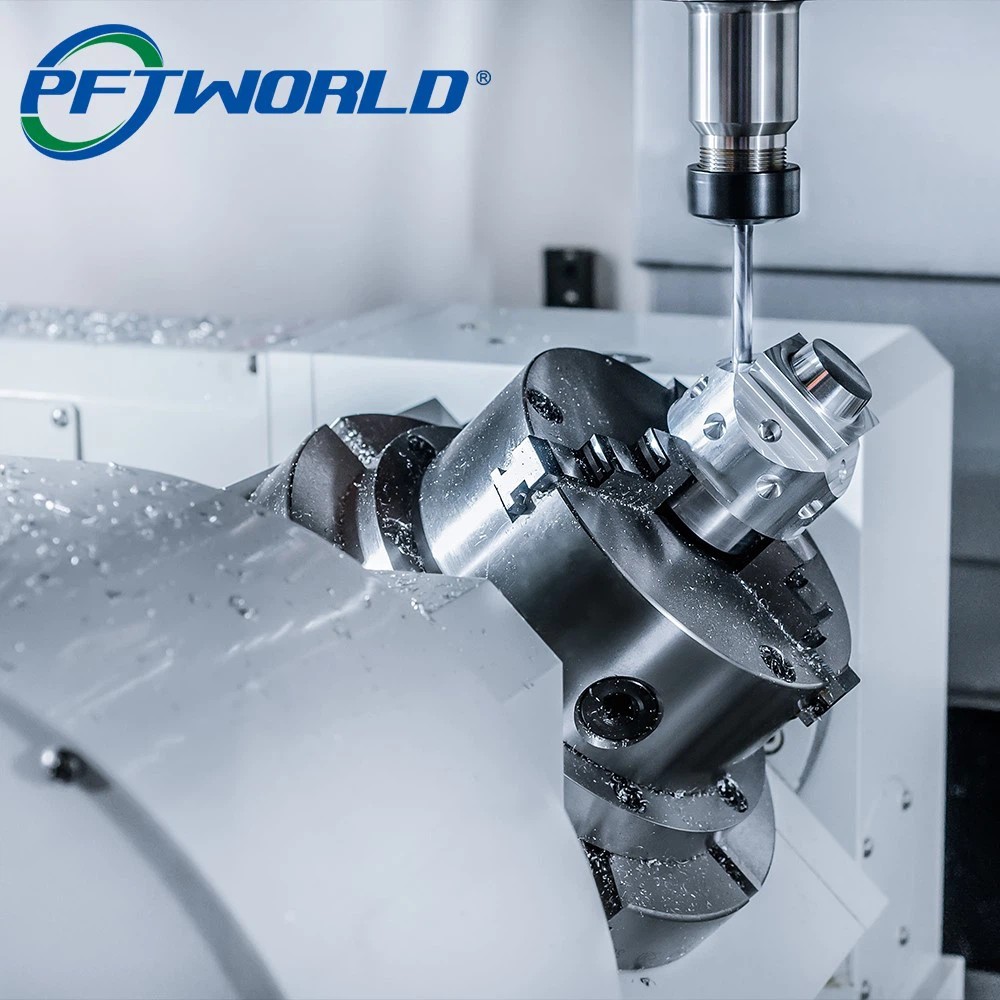
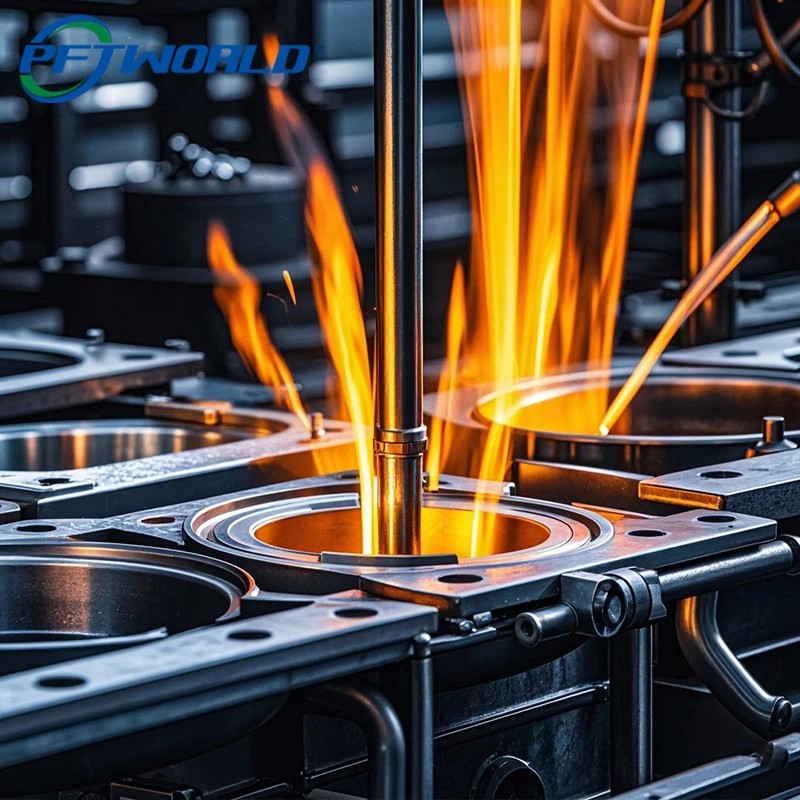
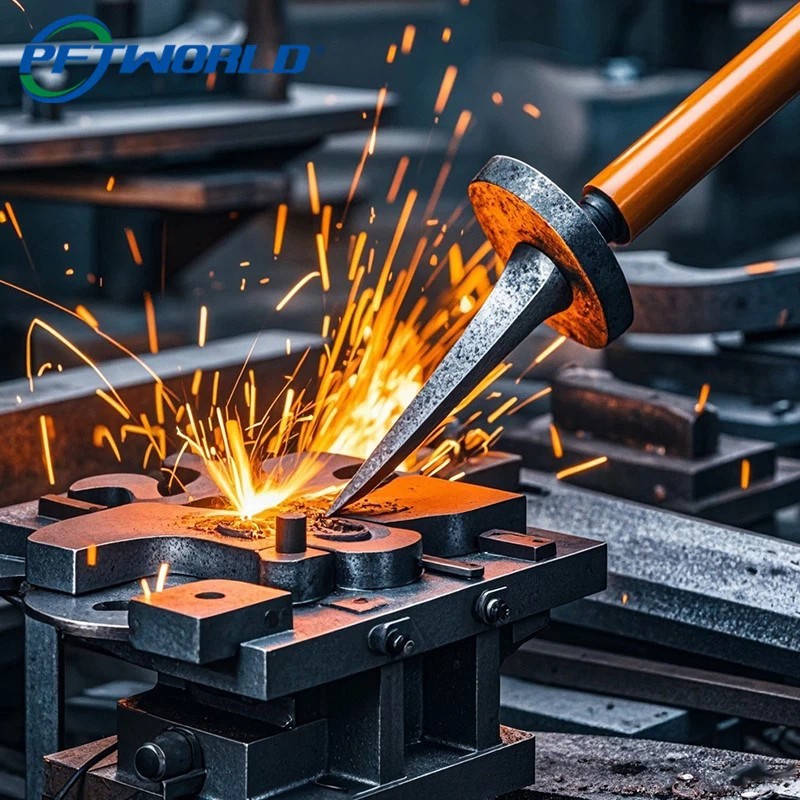
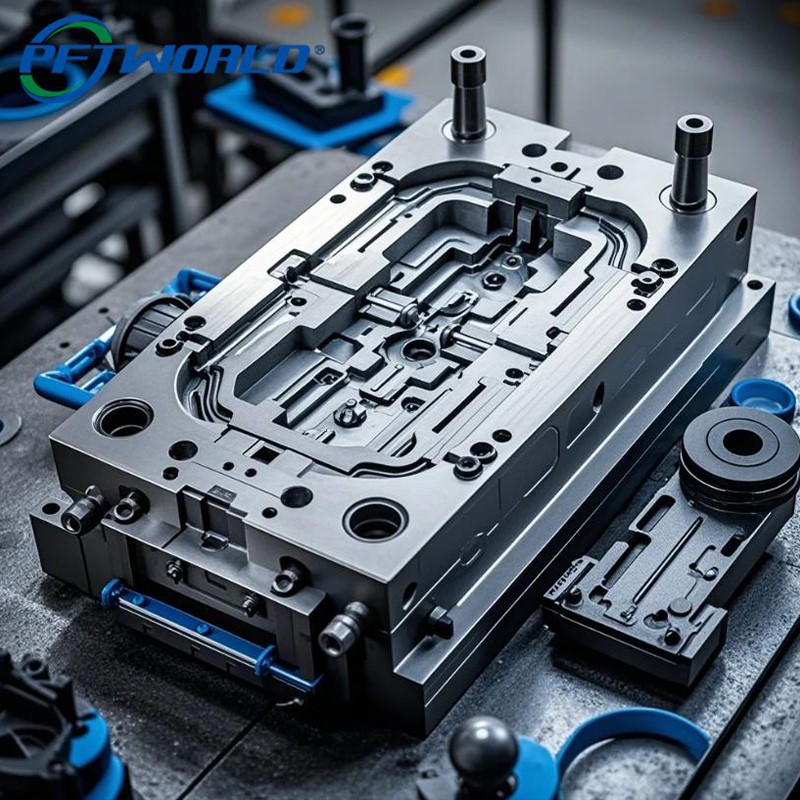
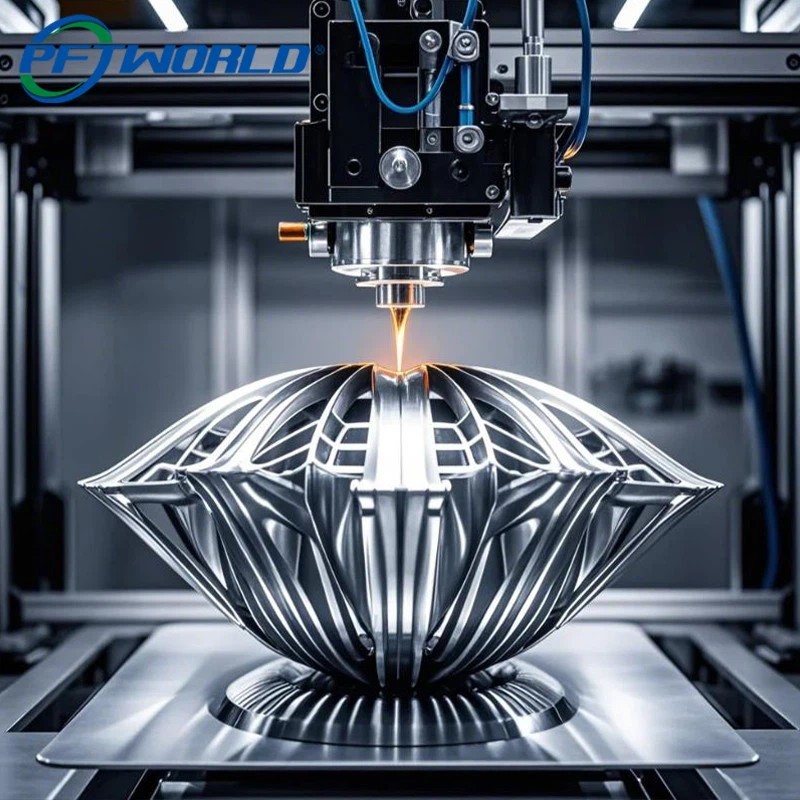
Choosing a Chinese factory for proximity sensor components is a strategic business decision. Modern Chinese factories provide high production density, robust raw material ecosystems, and advanced structural engineering expertise. The competitive edge lies in the combination of localized supply chains and integrated electronics-machining capabilities.
Southern China (particularly Shenzhen) serves as the global capital for electronics and hardware prototyping. In this ecosystem, raw material suppliers, anodizing facilities, heat-treatment providers, and testing labs operate in close proximity. This localized layout reduces lead times down to 7 to 14 days for volume production and allows for 1-3 day sampling phases.
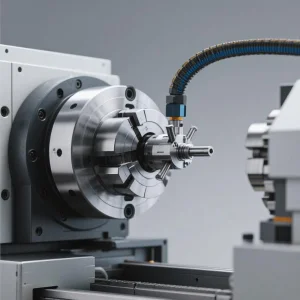
Modern factories utilize advanced CNC machining centers (ranging from 3-axis to 6-axis configurations) linked directly with CAD/CAM suites. This level of digitalization supports fast design iteration for custom sensor cases, threads, and specialized mounting systems without requiring expensive tool tooling updates.
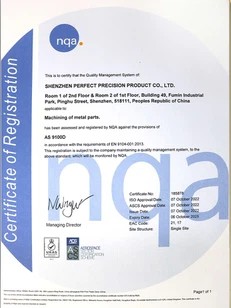
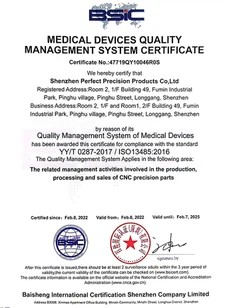
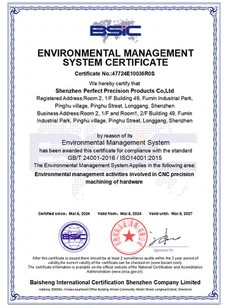
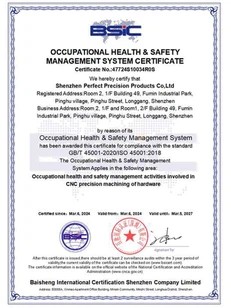
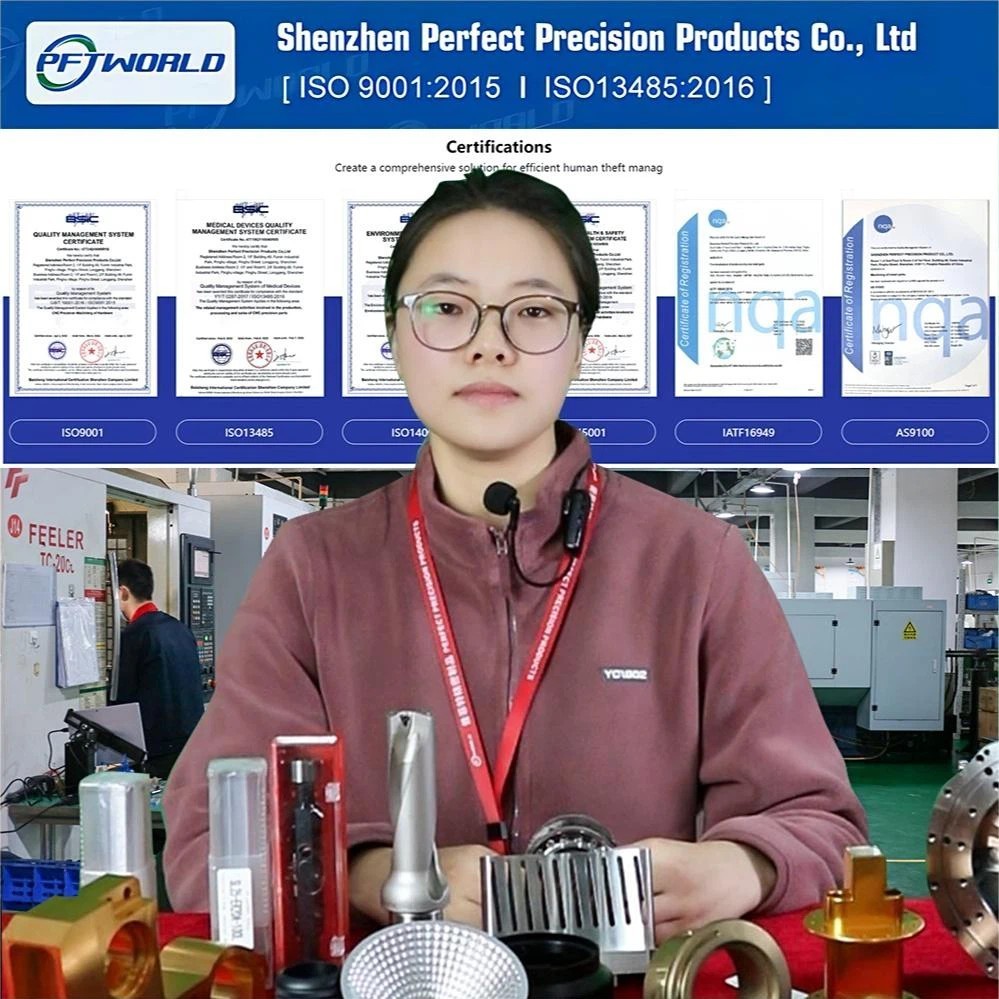
Quality reliability is maintained through structural standardizations. Reputable manufacturers support diverse regulatory approvals, ensuring compliance with environmental and industrial safety standards globally (AS9100D, IATF16949, and CE certifications).
Smart sensors are evolving rapidly to meet new design and connectivity requirements. ODM suppliers must align their processes with these industry shifts:
Industrial space limitations require smaller sensor footprints. Thin-walled, impact-resistant housings (down to M8 or M5 sizes) require precise micro-machining to prevent internal PCB damage from moisture or pressure.
Modern proximity sensors do more than output basic binary (on/off) signals. New smart models transmit diagnostics, operating temperature, and actual distance measurements via IO-Link. This integration requires high electromagnetic shielding, achieved through specialized nickel-plated brass or stainless steel casing.
Housings must withstand chemical washdowns and high-temperature spray-downs, typical in food processing and chemical applications. This requires precision thread milling, tight O-ring grooves, and chemically resistant raw materials like 316L Stainless Steel or high-grade brass.
Ensuring micro-scale dimensional accuracy and structural integrity through advanced metrology instrumentation and international standard compliance.
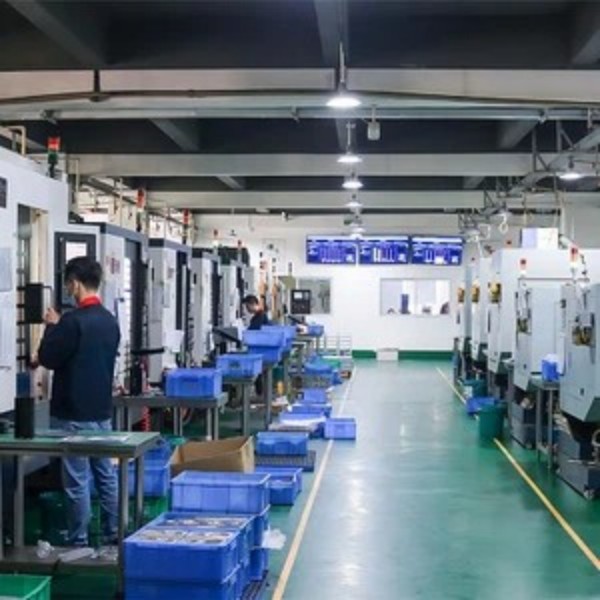
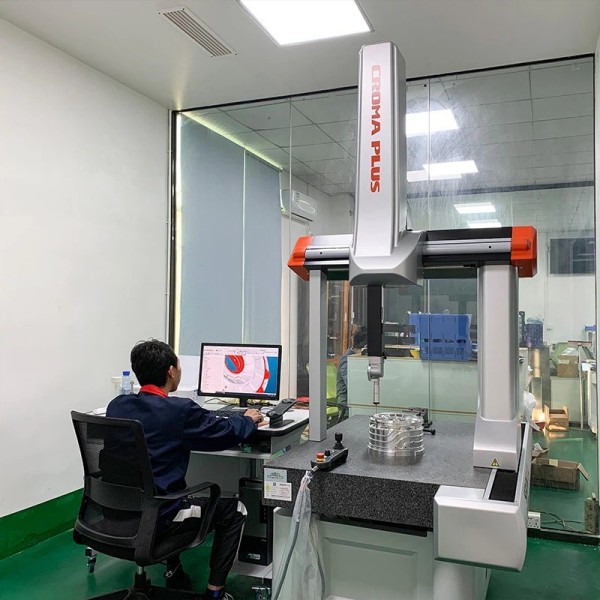
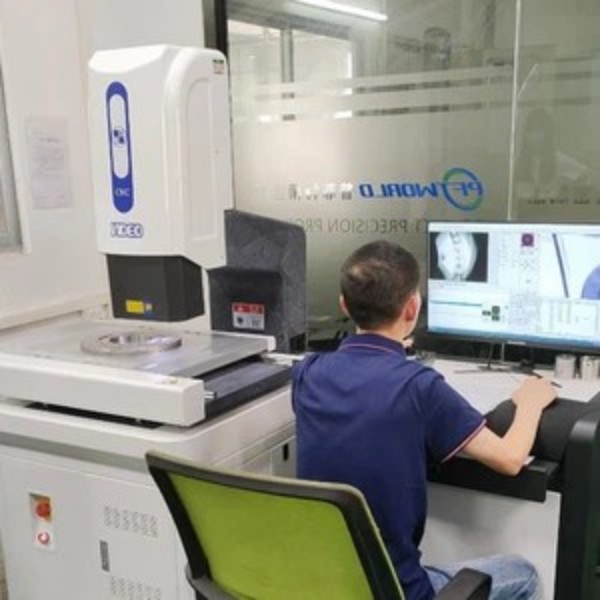

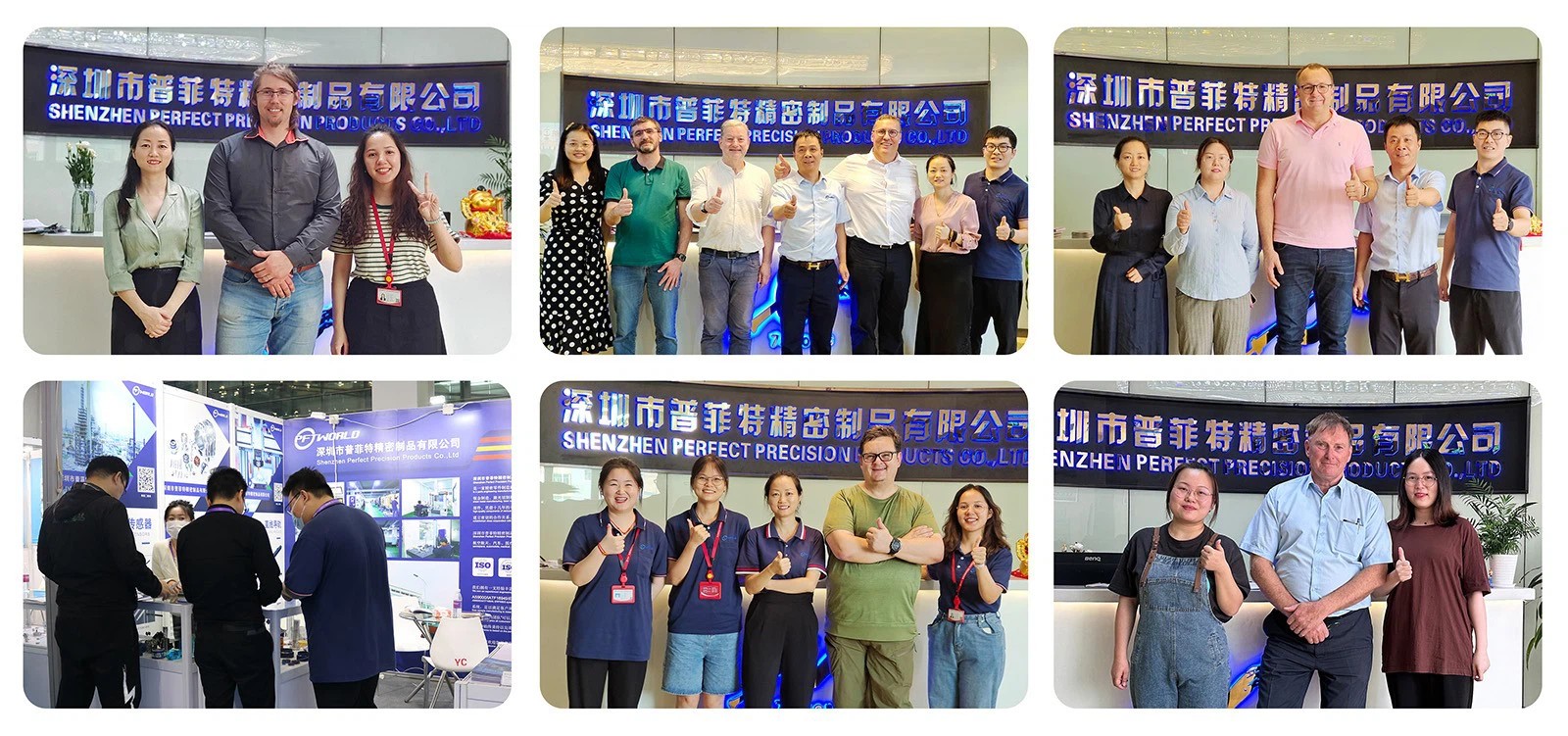
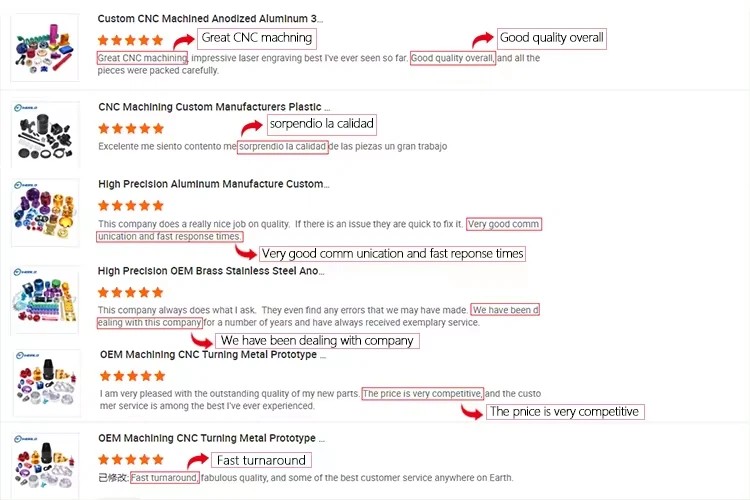
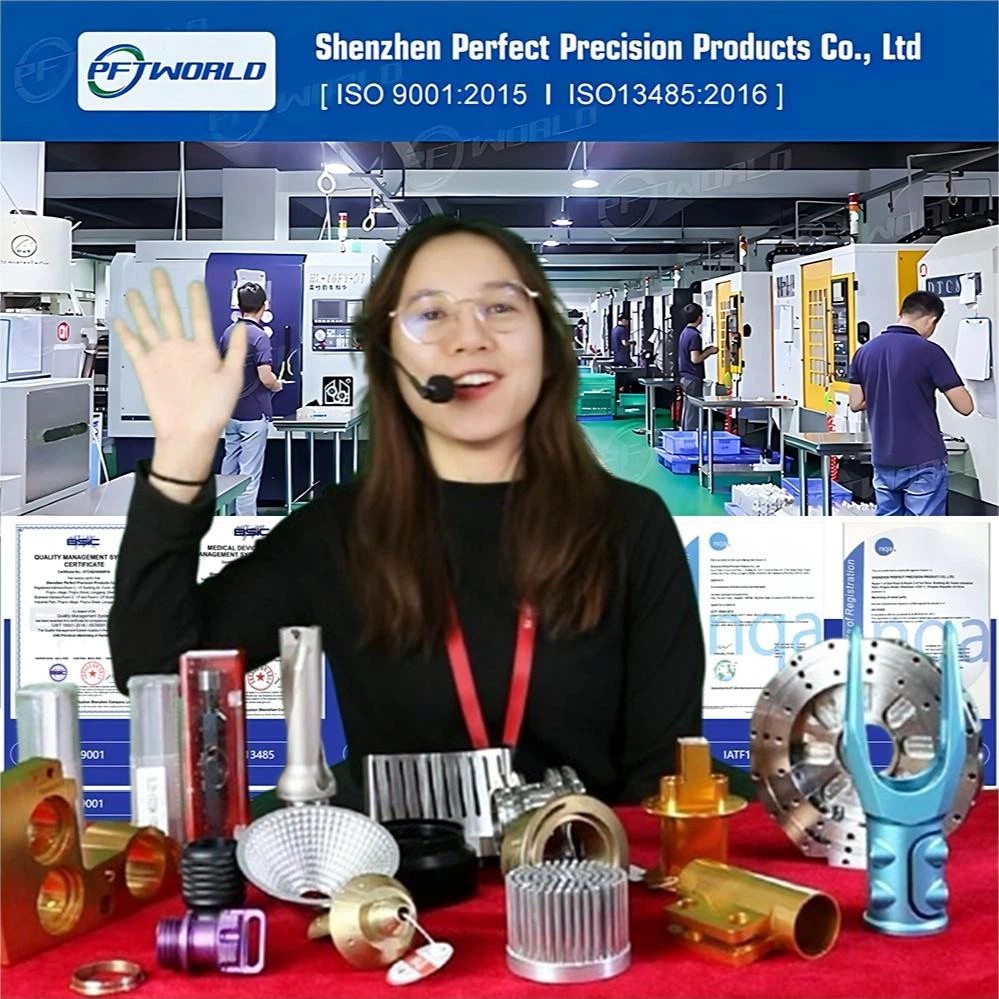
Review our manufacturing facilities, production verification methods, and positive feedback loop from our international clients.
How proximity sensors and CNC-machined components integrate to optimize performance in demanding operating environments.
Inductive proximity switches, such as the LJ12A3-4-ZAY, are standard components in CNC machining center spindles. These sensors monitor tool release and clamping mechanisms to verify tool security before spindle activation.
Because they are exposed to high pressure coolant and flying metal chips, these switches require robust stainless steel or nickel-plated brass sleeves machined with precise thread tolerances to prevent sensor displacement caused by machinery vibration.
Vehicle assembly requires high levels of precision. Inductive and photoelectric proximity switches verify the position of engine blocks, cylinder heads, and stamping dies along the line. Custom brackets and mounts, manufactured from materials like HTSR 4340 Steel, maintain sensor alignment under constant vibration.
Chemical processing and food plants require non-contact measurement for sanitary reasons. Ultrasonic Level Meters (such as the SFU60A) measure level changes through CE-certified non-contact sensors. The sensor mount must remain isolated from corrosive fumes, requiring the use of CNC-machined PTFE or PVDF adapters to maintain a tight seal.
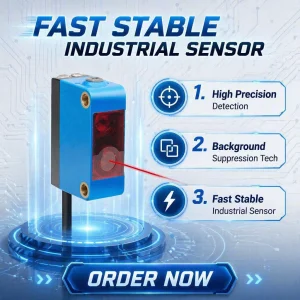
High-precision Time-of-Flight (TOF) laser sensors detect path obstacles for Automated Guided Vehicles (AGVs) within 50mm to 3000mm. Because of their sensitivity to vibration, these sensors require custom aluminum or brass carrier housings to isolate internal electronics and protect optical lenses from dust and vibration.
A structured approach for engineering and procurement teams to streamline RFQ delivery and shorten product lead times.
To reduce sample verification cycles, procurement and engineering teams should define clear technical parameters during the initial Request for Quotation (RFQ) phase. An incomplete specification can lead to multiple correction cycles, increasing lead times and overall costs.
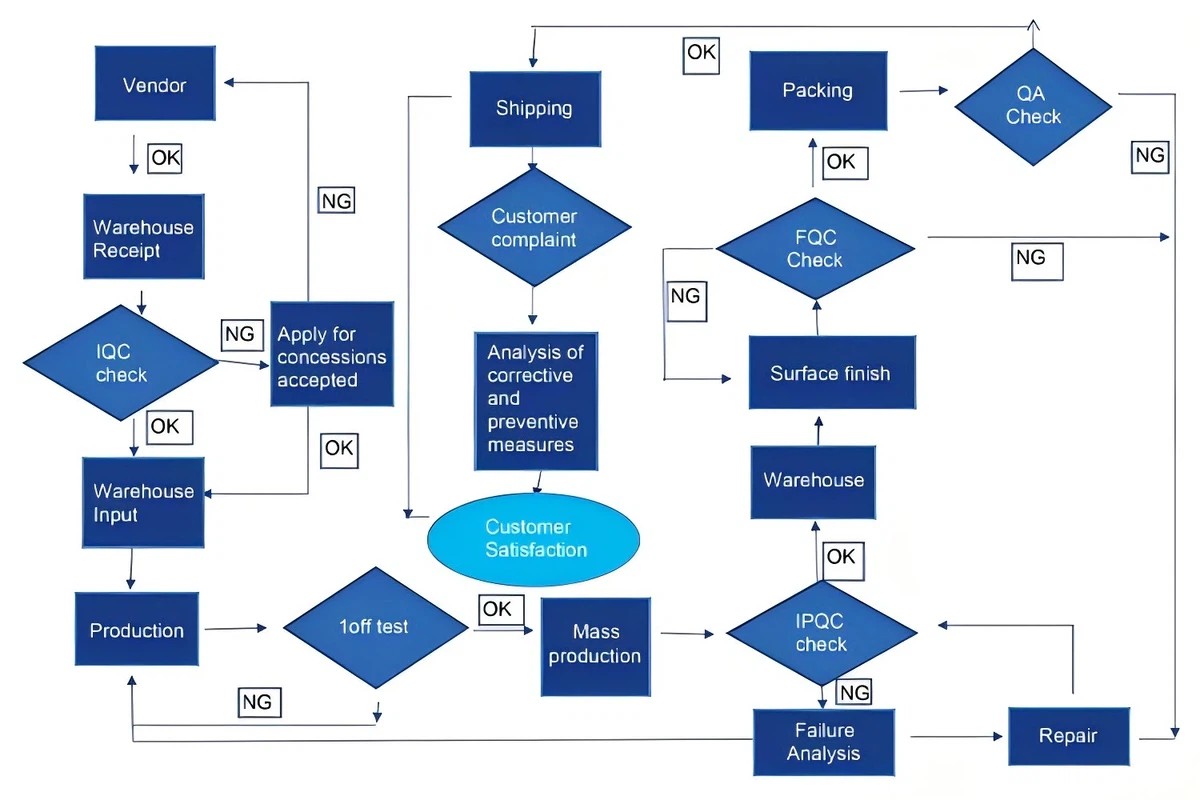
Shenzhen Perfect Precision Products operates a rigorous quality assurance protocol at every stage of the manufacturing cycle:
Review clear, detailed answers regarding technical capabilities, ordering processes, and proximity switch customization.
Get in touch with our technical sales and customer service teams to discuss your proximity switch projects and customized machining requirements.
We deliver high-precision CNC machining solutions tailored to your exact specifications. From prototyping to mass production, we handle everything with strict quality control, fast turnaround, and competitive pricing. Equipped with advanced CNC machines and a skilled engineering team, we serve industries like automotive, aerospace, medical, and electronics with unmatched accuracy and reliability.
Send Inquiry NowPrecision-engineered components, custom actuator parts, ultrasonic level sensors, and machined fittings for complex installations.