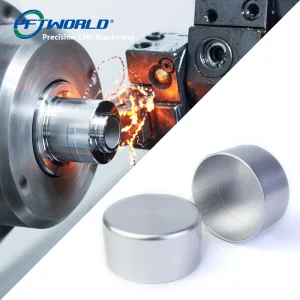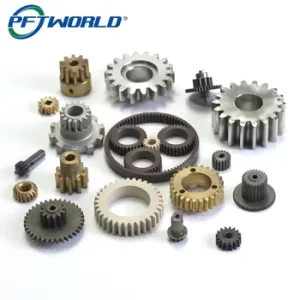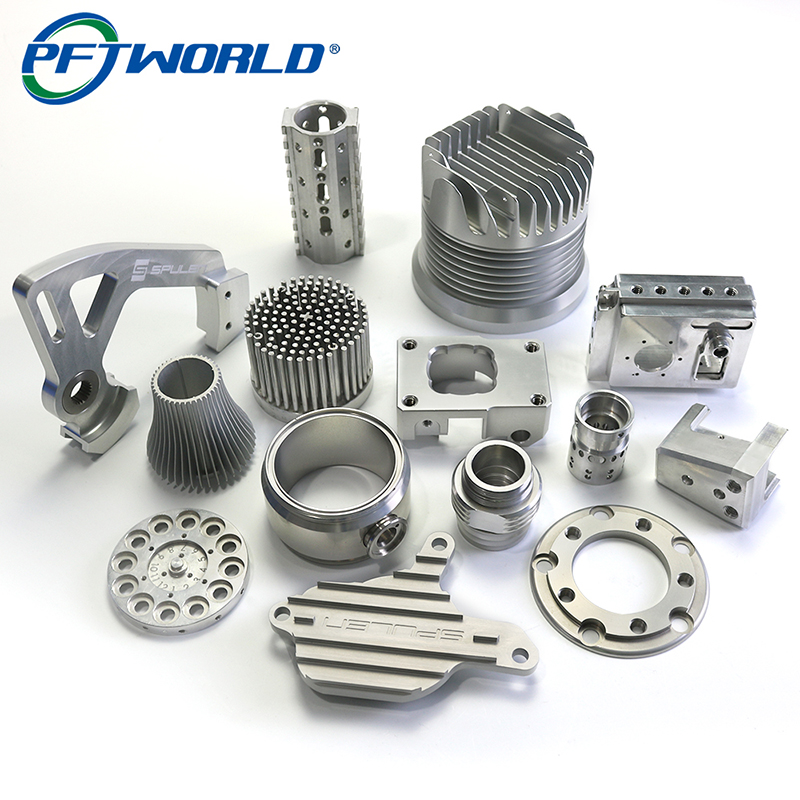

ODM CNC Manufacturing Suppliers, Factories

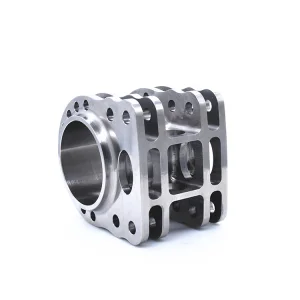
Type:Broaching, DRILLING, Etching / Chemical Machining, Laser Machining, Milling, Other Machining Services, Turning, Wire EDM, Rapid Prototyping

Model Number:OEM

Keyword:CNC Machining Services

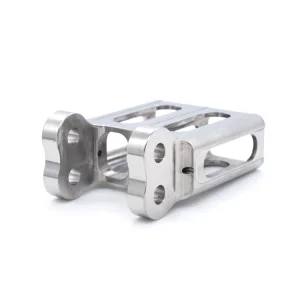
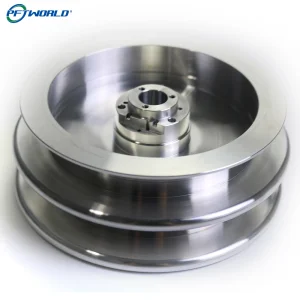
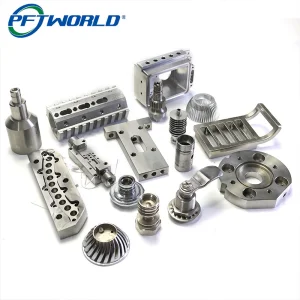
Material:Stainless steel

Processing method :CNC milling

Delivery time:7-15 days

Quality:High End Quality

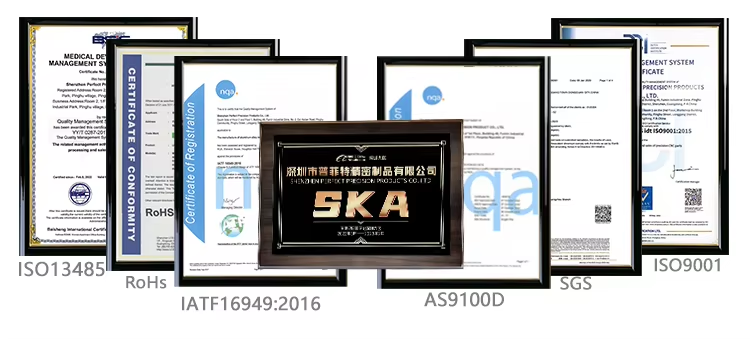
Certification:ISO9001:2015/ISO13485:2016

MOQ:1Pieces

Product Description

PRODUCT DETAIL
Product Overview

In today’s competitive industrial landscape, precision, repeatability, and speed are not optional—they’re essential. CNC manufacturing, short for Computer Numerical Control manufacturing, has revolutionized the way we design and produce everything from aerospace components to medical devices. By automating the machining process through computer-controlled tools, CNC manufacturing delivers highly accurate and efficient production across a broad range of industries.
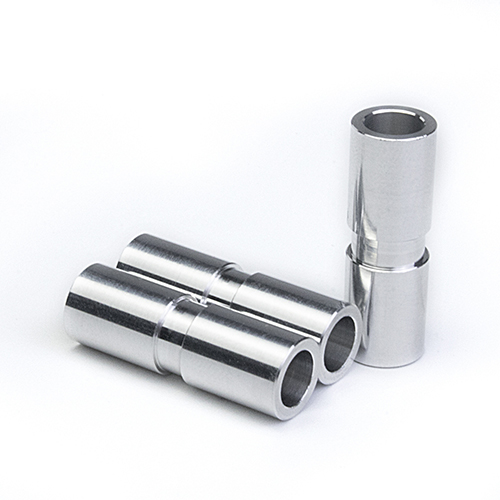
CNC Manufacturing Overview
What is CNC Manufacturing?

CNC manufacturing refers to the use of automated, computer-programmed machinery to produce complex parts from raw materials. At its core, CNC relies on CAD (Computer-Aided Design) and CAM (Computer-Aided Manufacturing) software to direct machines such as mills, lathes, routers, and grinders with high precision and minimal human intervention.

Instead of being operated manually, CNC machines follow coded instructions (usually in G-code format), allowing them to execute extremely precise cuts, shapes, and movements that would be difficult or impossible by hand.

Types of CNC Machines in Manufacturing
01
CNC Milling Machines

Use rotary cutting tools to remove material from a workpiece, ideal for complex 3D shapes.

02
CNC Lathes

Spin the material against stationary tools, perfect for symmetrical and cylindrical parts.

03
CNC Routers

Often used for wood, plastic, and softer metals, offering fast and precise cutting.

04
CNC Plasma & Laser Cutters

Cut materials using high-powered plasma arcs or lasers for clean edges.

05
EDM (Electrical Discharge Machining)

Uses electrical sparks to cut hard metals and intricate shapes.

06
CNC Grinders

Finish parts to tight surface and dimensional tolerances.

Benefits of CNC Manufacturing
  • High Precision: CNC machines can achieve tolerances as tight as ±0.001 inches (0.025 mm), crucial for industries like aerospace and medical.
  • Repeatability: Once programmed, a CNC machine can produce identical parts over and over with exact consistency.
  • Efficiency and Speed: CNC machines can run 24/7 with minimal downtime, increasing throughput.
  • Reduced Human Error: Automation reduces variability and operator mistakes.
  • Scalability: Ideal for both prototyping and high-volume production runs.
  • Design Complexity: CNC allows for the creation of intricate and sophisticated designs that are difficult to achieve manually.
Applications of CNC Manufacturing

CNC manufacturing supports a broad range of industries, including:

  • Aerospace & Defense: Turbine components, structural parts, and housings requiring tight tolerances and lightweight materials.
  • Automotive: Engine parts, gearboxes, and custom performance upgrades.
  • Medical: Surgical instruments, orthopedic implants, dental tools, and diagnostic equipment.
  • Electronics: Casings, heat sinks, and connectors for high-performance devices.
  • Industrial Machinery: Gears, shafts, jigs, fixtures, and replacement parts for heavy equipment.
  • Consumer Products: Custom components for appliances, sporting goods, and luxury products.
The CNC Manufacturing Process
1. Design

A part is designed using CAD software.

2. Programming

The design is converted into machine-readable G-code using CAM software.

3. Setup

Tools and materials are mounted onto the CNC machine.

4. Machining

The CNC machine executes the program, cutting or shaping the material into the desired form.

5. Inspection

Final parts undergo quality control checks using measurement tools like calipers, CMMs, or 3D scanners.

6. Finishing (optional)

Additional processes like deburring, coating, or polishing may be applied.

CNC Machining Process Detail CNC Machining Workflow
Quality & Certifications

We are proud to hold several production certificates for our CNC machining services, which demonstrates our commitment to quality and customer satisfaction.

ISO13485: Medical Devices Quality Management System
ISO9001: Quality Management System
IATF16949
AS9100
SGS
CE
CQC
RoHS
Positive Feedback from Buyers

"Great CNC machining impressive laser engraving best I've ever seen so far. Good quality overall, and all the pieces were packed carefully."

"Excelente me siento contento me sorprendió la calidad de las piezas un gran trabajo. This company does a really nice job on quality."

"If there is an issue they are quick to fix it. Very good communication and fast response times. This company always does what I ask."

"They even find any errors that we may have made."

"We have been dealing with this company for a number of years and have always received exemplary service."

"I am very pleased with the outstanding quality of my new parts. The price is very competitive and the customer service is among the best I've ever experienced."

"Fast turnaround, fabulous quality, and some of the best customer service anywhere on Earth."
FAQ
QWhat materials can be used in CNC manufacturing?
CNC machines can work with a variety of materials, including:
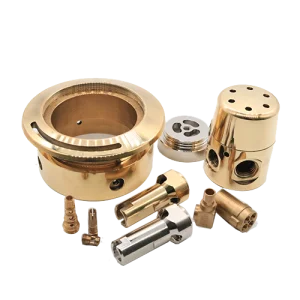
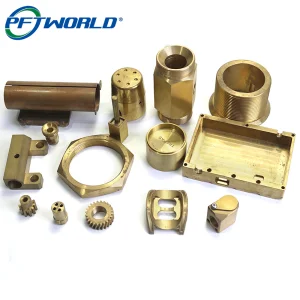
  • Metals: aluminum, steel, stainless steel, brass, titanium
  • Plastics: ABS, nylon, Delrin, PEEK, polycarbonate
  • Composites and exotic alloys
Material choice depends on the application, desired strength, and environmental conditions.
QHow accurate is CNC manufacturing?
CNC machines can typically achieve tolerances of ±0.001 inches (±0.025 mm), with high-precision setups offering even tighter tolerances depending on part complexity and material.
QIs CNC manufacturing suitable for prototyping?
Yes, CNC manufacturing is ideal for rapid prototyping, allowing companies to test designs, make quick adjustments, and produce functional parts with production-grade materials.
QCan CNC manufacturing include finishing services?
Yes. Common post-processing and finishing options include:
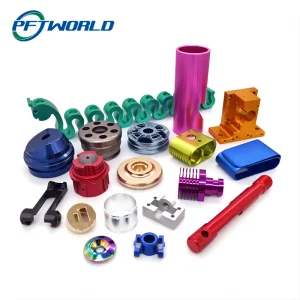
  • Anodizing
  • Powder coating
  • Heat treatment
  • Sandblasting or bead blasting
  • Polishing and deburring
  • Surface engraving
QWhat are the main benefits of using CNC manufacturing?
The main benefits include extreme high precision (tolerances to ±0.001 inches), exact repeatability, high speed and efficiency (24/7 run times), reduced human error through automation, ease of scalability, and the ability to machine highly complex designs.
QWhich key industries rely on CNC manufactured parts?
CNC manufacturing is widely utilized across critical industries such as Aerospace & Defense, Automotive, Medical (surgical instruments and implants), Electronics (casings and connectors), Industrial Machinery, and high-end Consumer Products.

Related Products