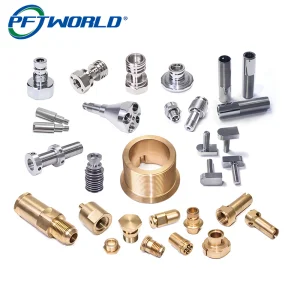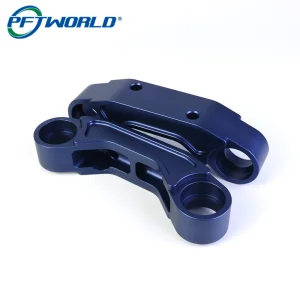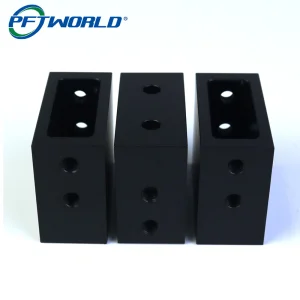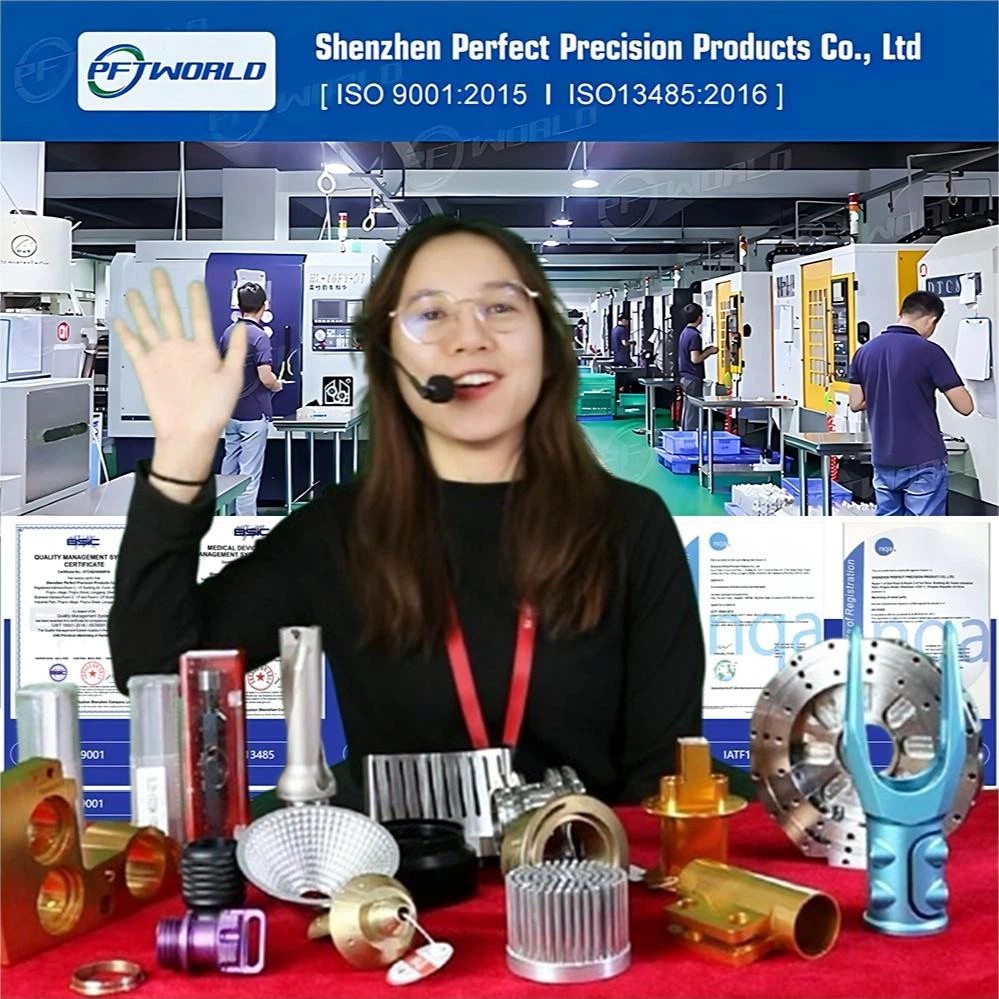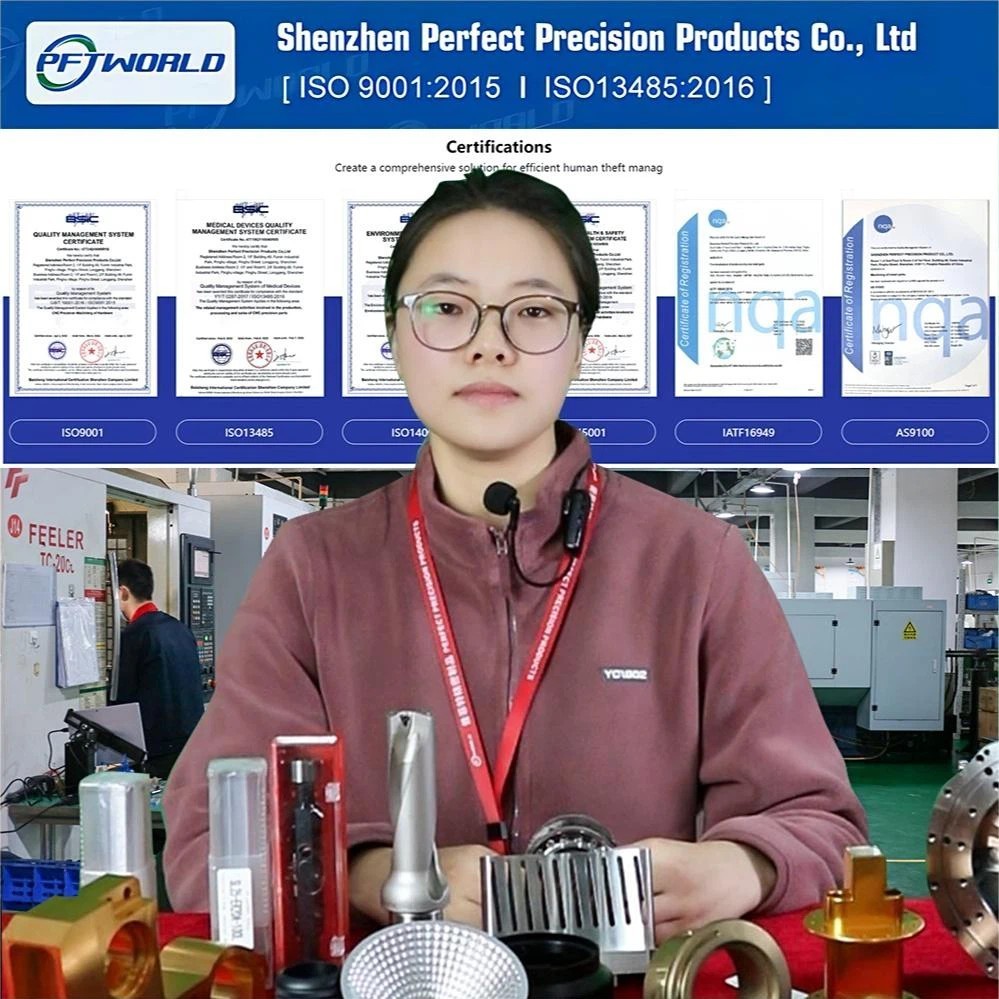
Deploying automated high-speed turning and multi-axis milling to deliver mission-critical parts with tight dimensional accuracy.
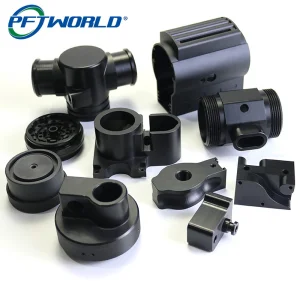

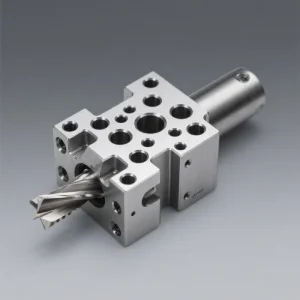
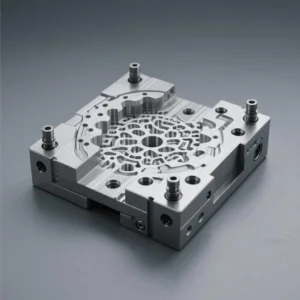
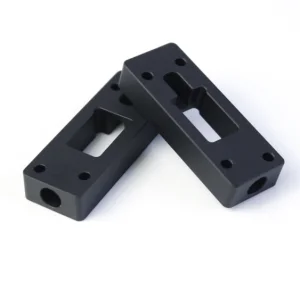
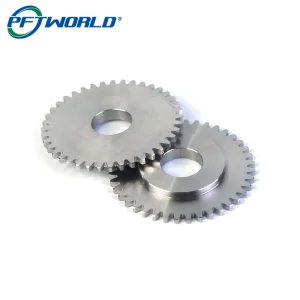

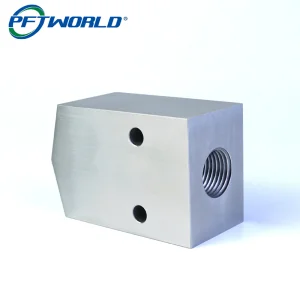
In global manufacturing, brass stands out as a highly reliable metal alloy. Combining the strength of copper with the workability of zinc, brass is the material of choice for components requiring low friction, high corrosion resistance, and excellent electrical conductivity. As a leading OEM CNC brass parts supplier and exporter, Shenzhen Perfect Precision Products Co., Ltd utilizes modern multi-axis machining methods to produce high-value components tailored to your project requirements.
Through advanced chip control, precise temperature management, and tailored feed rates, we overcome common manufacturing issues like burr formation and stress corrosion cracking. Whether utilizing standard free-cutting brass (C36000) or lead-free alloys for medical applications, our processes are designed to meet strict tolerance requirements, ensuring reliable part-to-part consistency for global supply chains.
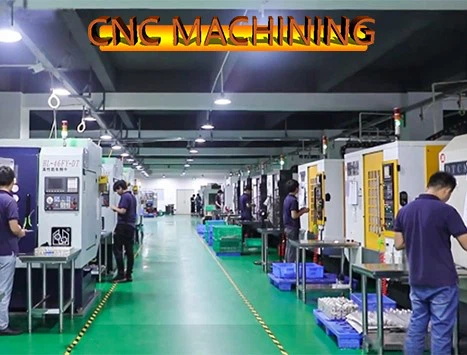
Shenzhen Perfect Precision Products Co., Ltd offers advanced digital manufacturing capabilities. Below are the key milestones and technical metrics that demonstrate our commitment to quality, efficiency, and scale.
Established in 2014, our international division rapidly introduced Chinese machining capabilities to global buyers. We achieved ISO9001 certification within our first few years, establishing a structured approach to quality assurance. In 2018, our company was recognized as a "Guangdong Contract and Trustworthy Enterprise," reflecting our commitment to transparent business operations.
In 2019, our investment in engineering and process development led to High-Tech Enterprise status. We expanded our facility to 10,000 square meters in 2020 to meet growing international demand. By 2021, we implemented digital shop-floor monitoring, linking our production equipment to an ERP-driven management system to optimize lead times and reduce material waste.
Equipped with 3-axis, 4-axis, 5-axis, and 6-axis CNC turning and milling centers, we handle a wide range of component geometries. Our standard machining tolerance is +/- 0.01mm, with critical dimensions held to +/- 0.002mm for high-tolerance components. Surface roughness is managed from Ra 0.1 to 3.2, depending on customer requirements.
Our logistics and production workflows allow us to deliver prototypes in 1 to 3 days, with series production orders shipped in 7 to 14 days. This quick turnaround is supported by our 24/7 technical customer support team.
We provide single-source manufacturing services, from custom metal machining to secondary finishes and assembly.
High-speed material removal for complex shapes, housing shells, and structural components using multi-axis systems.
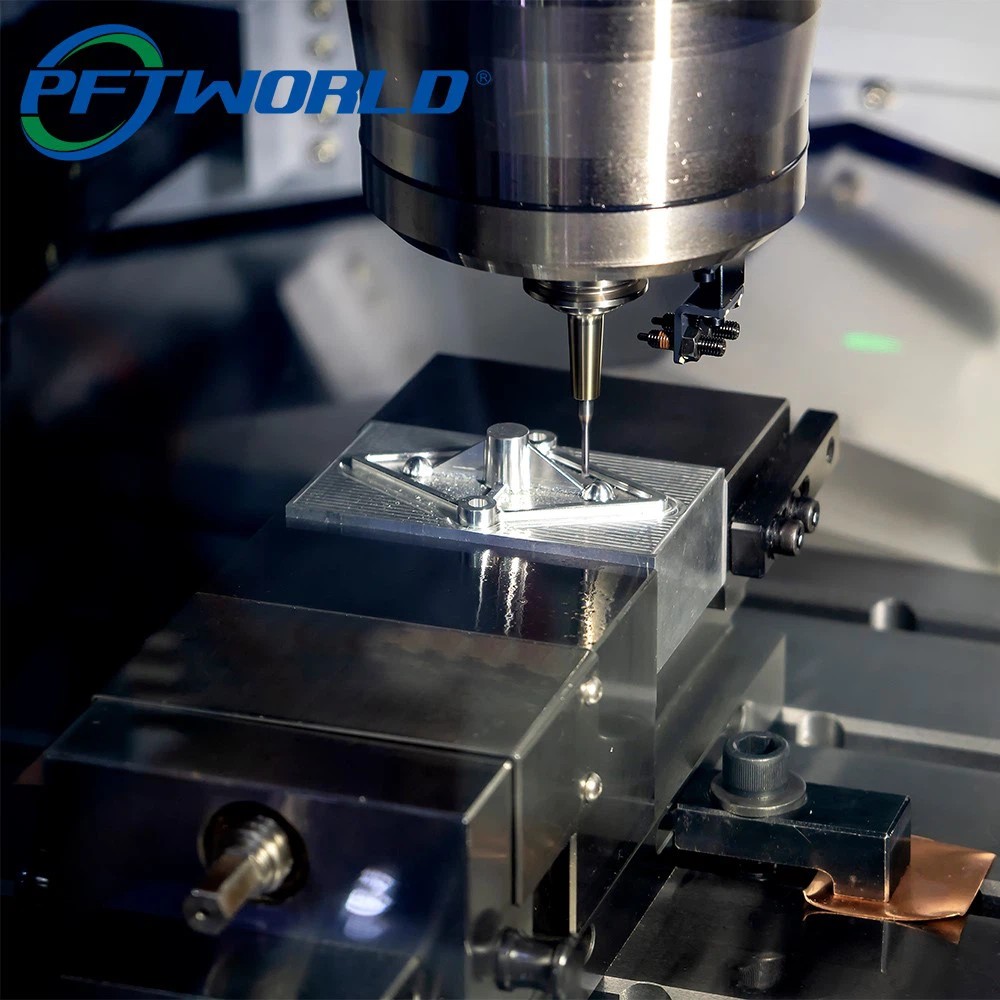
Precision lathes and live-tooling machines produce high-tolerance shafts, brass inserts, pins, and dynamic rotational fittings.
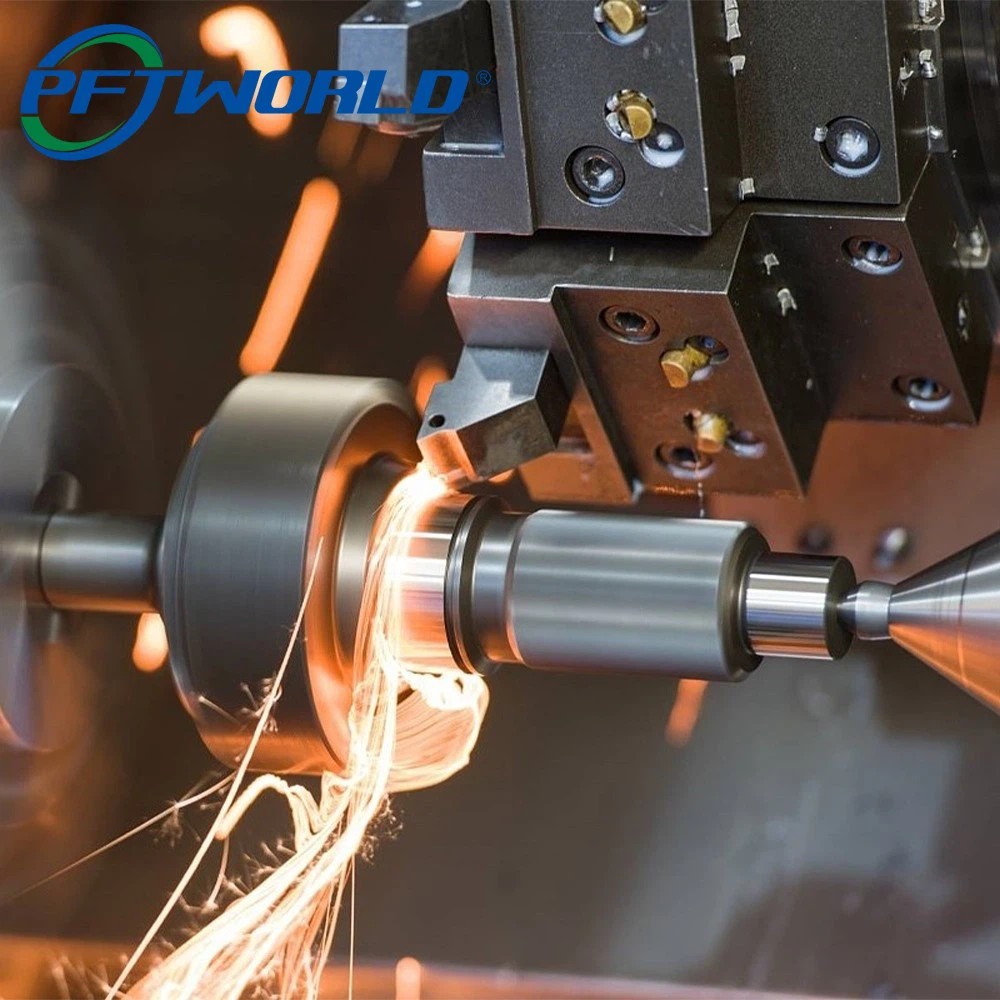
Combined turning and milling operations in a single setup, reducing part handling and improving concentricity.
Laser cutting, press brake bending, and welded structures for custom enclosures, panels, and heavy-duty chassis.
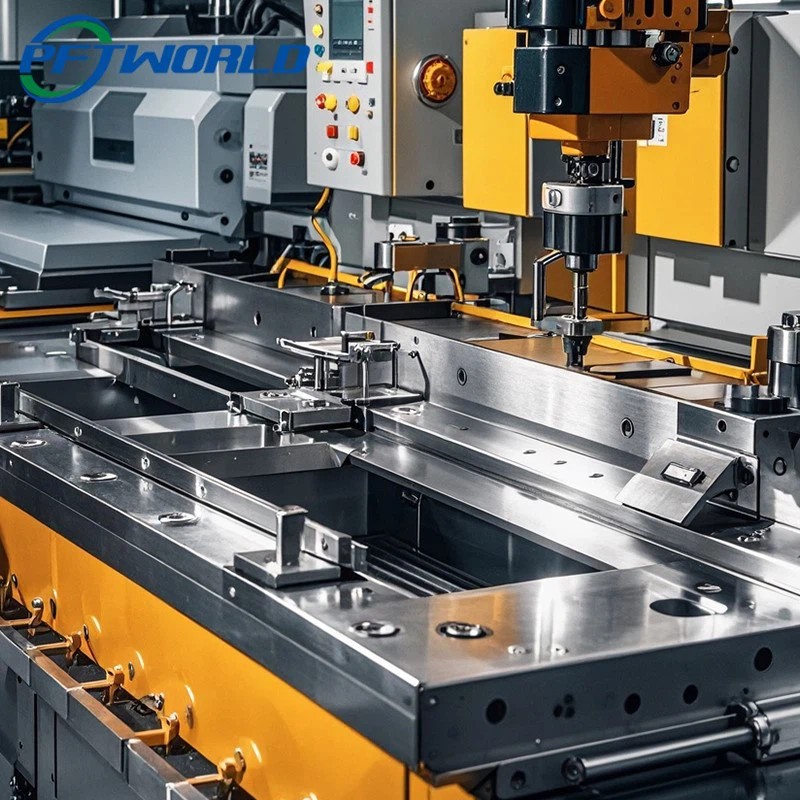
Die casting and investment casting, coupled with finish CNC machining, for efficient high-volume production runs.
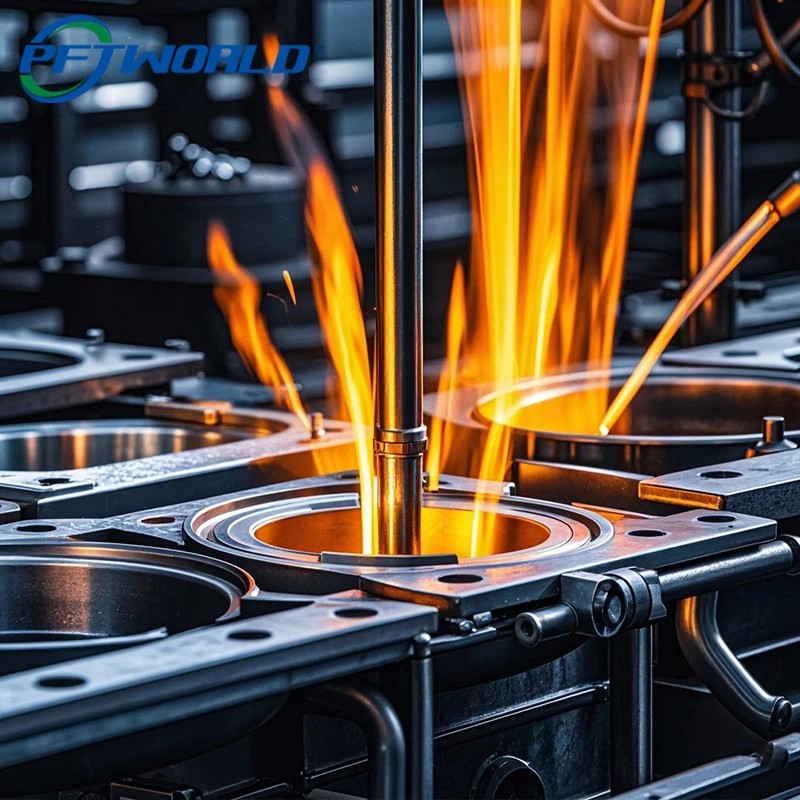
Hot and cold forging processes to enhance mechanical strength, structural density, and long-term grain structure.
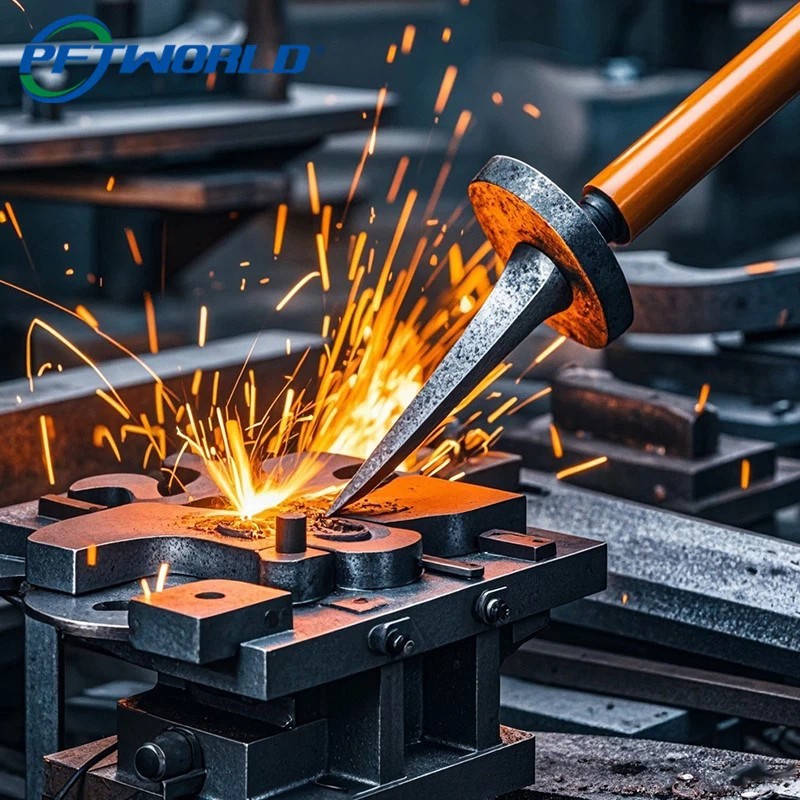
Designing and manufacturing injection molds and stamping tools to facilitate high-volume production.
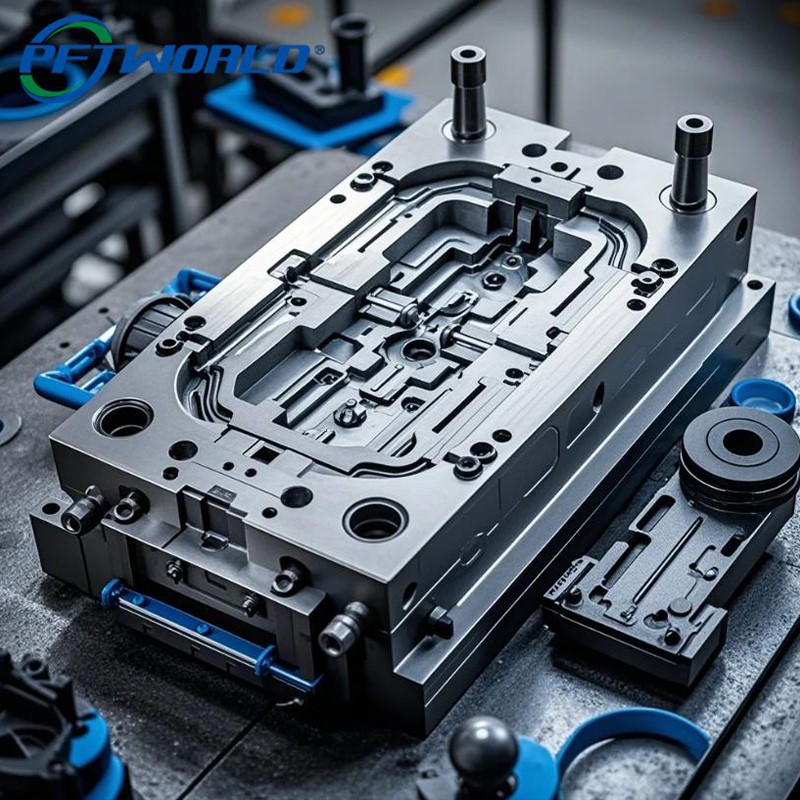
Rapid additive manufacturing prototypes in polymers and metals to quickly verify fit, form, and functionality.
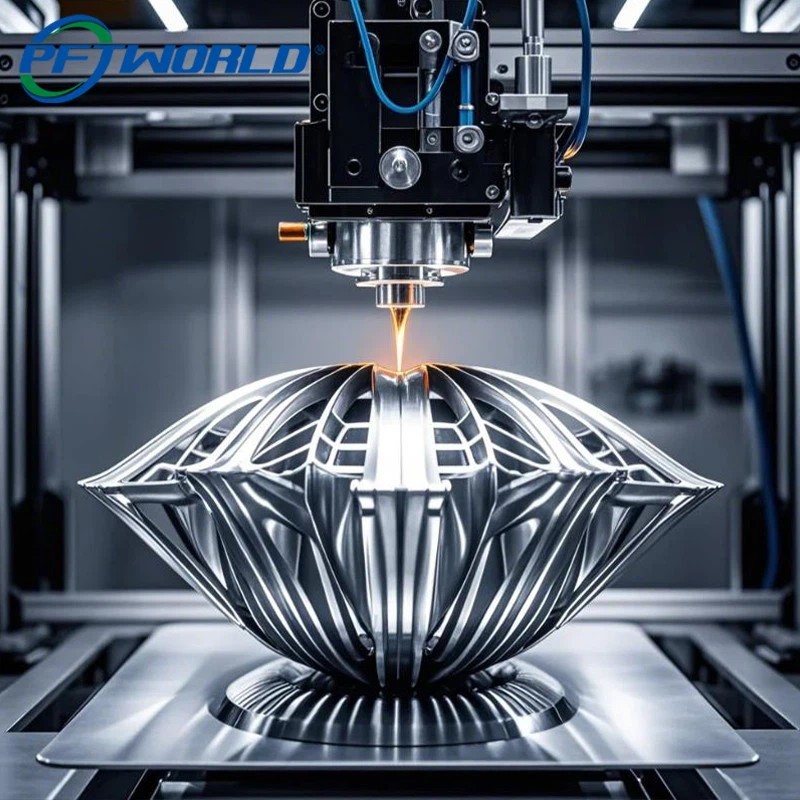
Our quality control process monitors the manufacturing cycle from receipt of raw materials to final dimensional inspection.
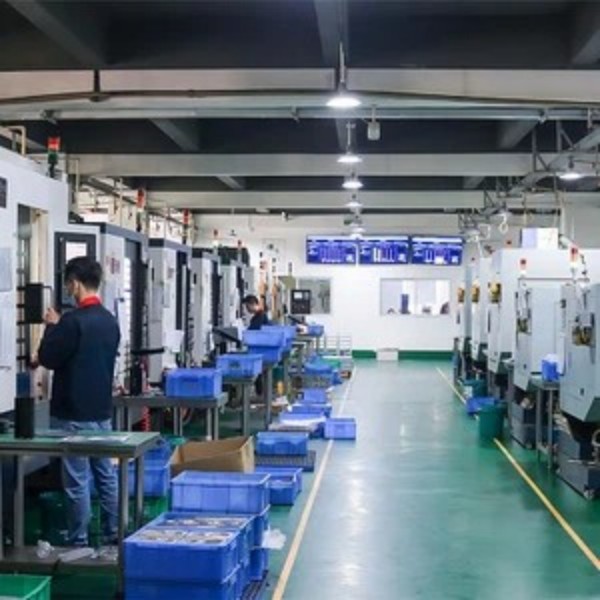
Equipped with high-speed spindles and active thermal compensation to maintain tight dimensional control during long production runs.
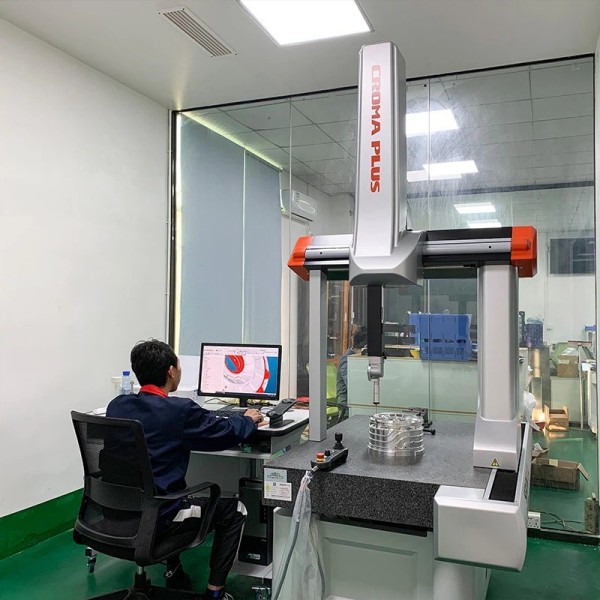
Automated program-driven probes measure complex volumetric geometries to check compliance with 3D step model callouts.
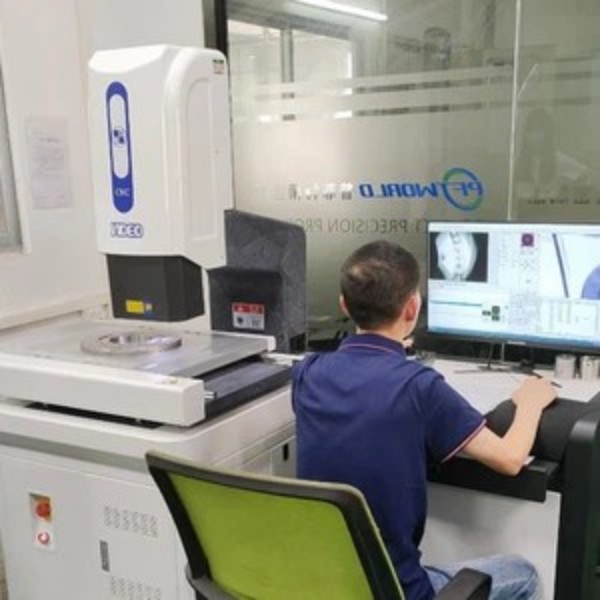
Non-contact optical inspection checks thread pitch, shoulder radii, and critical surface geometries without surface deflection.

Our application engineers review your CAD files for Design for Manufacturing (DFM) optimization to control costs.
We maintain certified quality management systems to meet the safety and performance regulations of critical industries worldwide.
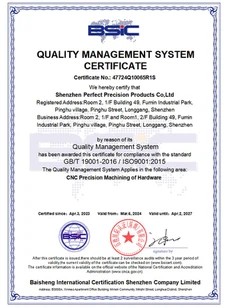
Standardized management framework ensuring consistent quality and continuous improvement.
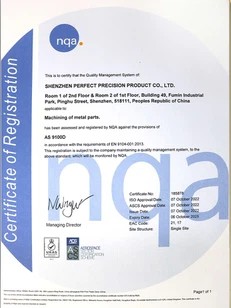
Aerospace certification for parts with strict structural reliability requirements.
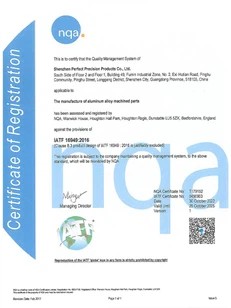
Automotive certification standard for parts used in engines, drive systems, and electronics.
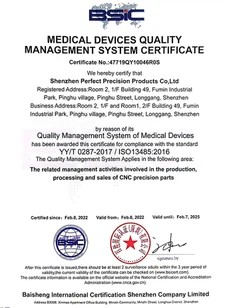
Medical device standard for component traceability, material safety, and cleanliness control.

Environmental certification for resource efficiency and safe chemical waste handling.
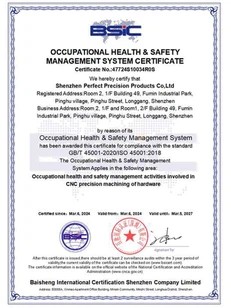
Occupational health and safety system ensuring a safe workplace for our operators.
Selecting the appropriate brass alloy is critical for component longevity and functional performance. Free-machining brass, primarily defined under the ASTM B16 standard (Alloy C36000), features a lead content ranging from 2.5% to 3.7%. This lead distribution acts as an internal lubricant and chip breaker during lathe turning and milling operations, reducing tool wear and frictional heat build-up. This allows cutting speeds up to 1000 surface feet per minute (SFM) without sacrificing surface finish quality.
For applications where lead content is restricted, such as municipal potable water fittings, food contact machinery, or surgical tools, we offer lead-free alternatives like Silicon Brass (Alloy C69300 / C87850) and Bismuth Brass. These materials present unique challenges during machining. The silicon addition increases hardness and tool wear, requiring carbide or diamond-coated (PCD) cutting tools and custom chipbreaker profiles to maintain dimensional accuracy. Understanding these material characteristics helps our engineers select the right alloy for your operational conditions, balancing performance, chemical compliance, and cost.
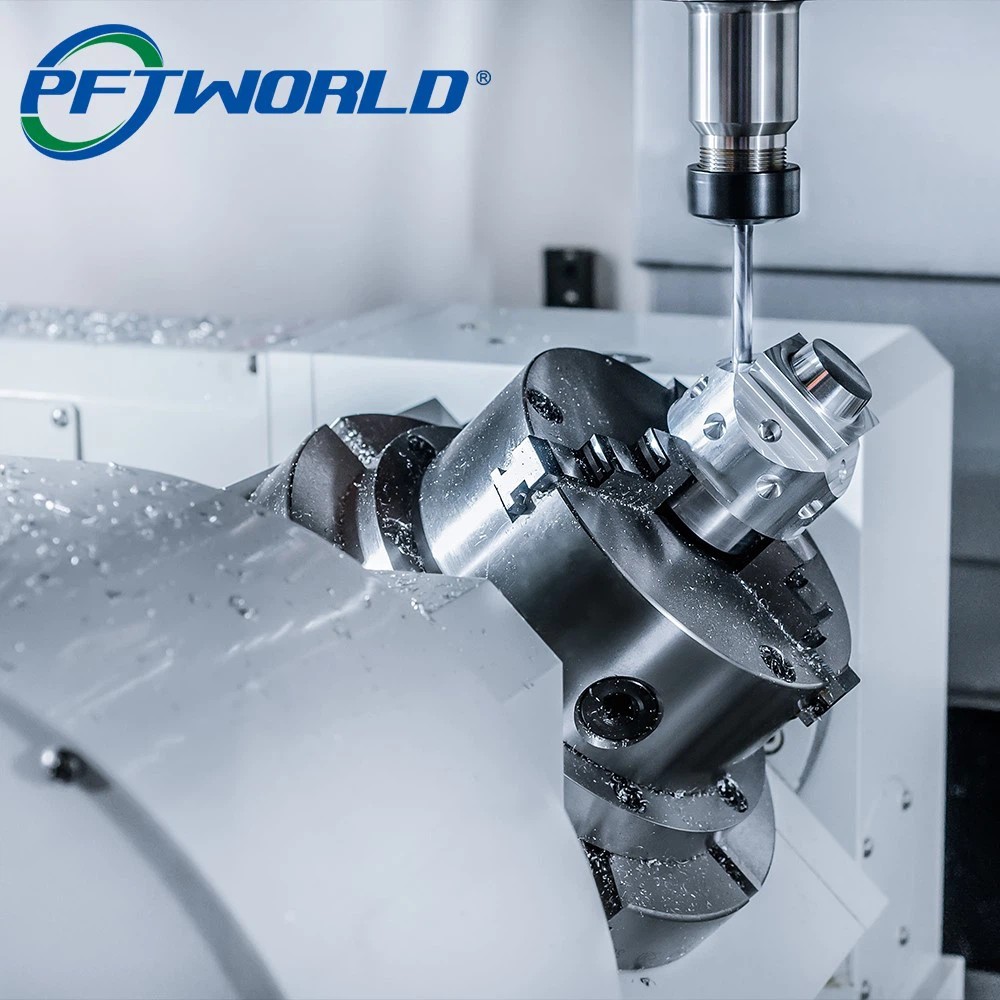
Modern components often feature complex geometries that are difficult to machine using standard 3-axis mills. Our production facility uses multi-axis machining methods to manufacture complex parts. In our 5-axis and 6-axis CNC configurations, the workpiece and cutting tool move along multiple axes simultaneously. This allows us to machine deep undercuts, angled ports, and complex curves in a single setup, reducing geometric errors associated with manual part repositioning.
Using CAM simulation software, we model toolpaths to avoid collisions, optimize material removal rates (MRR), and maintain consistent chip load. Our Swiss-type turning centers allow us to manufacture long, slender brass pins and connectors without bending, as the raw stock is supported near the cutting tool. This capability is useful for producing high-density electrical connector pins, micro-fluidic manifold components, and specialized fasteners for high-vibration applications.
Our custom-machined brass components are used across several industrial applications:
Operating within the Shenzhen industrial region allows us to offer competitive lead times and raw material access. Our facility maintains close partnerships with local alloy smelters and material suppliers, ensuring a steady supply of certified brass, bronze, copper, and aluminum stocks even during periods of global supply chain volatility. Our proximity to international shipping hubs allows us to offer flexible shipping options, including express air freight, sea freight, and multimodal transport.
Additionally, Shenzhen's concentration of material testing labs, secondary finishing facilities, and tool builders allows us to scale production up or down quickly. This regional infrastructure enables us to transition from initial CAD design to volume production in 7 to 14 days, providing a competitive edge for international buyers facing strict project schedules.
To improve our production capabilities, our technology roadmap focuses on automated metrology and dynamic quality tracking. We are currently implementing robotic loading arms on our 5-axis machines to enable continuous "lights-out" operation. By connecting our coordinate measuring machines (CMM) directly to the machine controllers, we can implement automated tool offsets, adjusting for tool wear before parts drift out of tolerance.
Furthermore, we are expanding our environmental footprint initiatives under ISO14001, tracking our metal shaving recycling and oil reclamation loops. This closed-loop system recovers up to 98% of raw brass scrap and filters cutting coolants, reducing raw material waste and supporting the sustainability goals of our corporate clients.
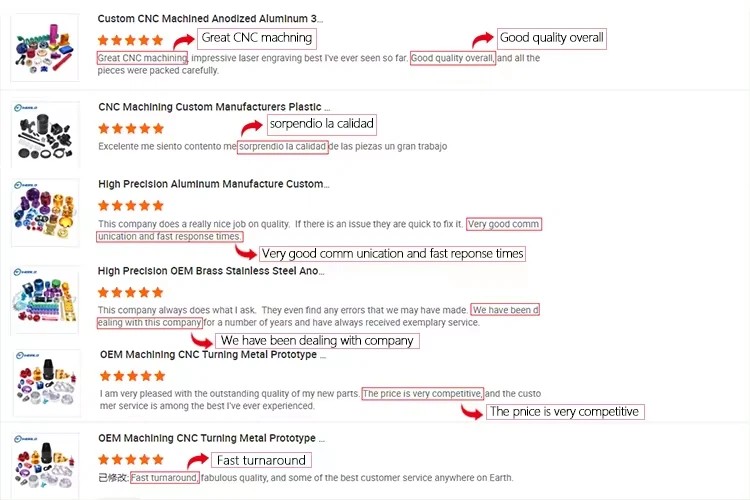
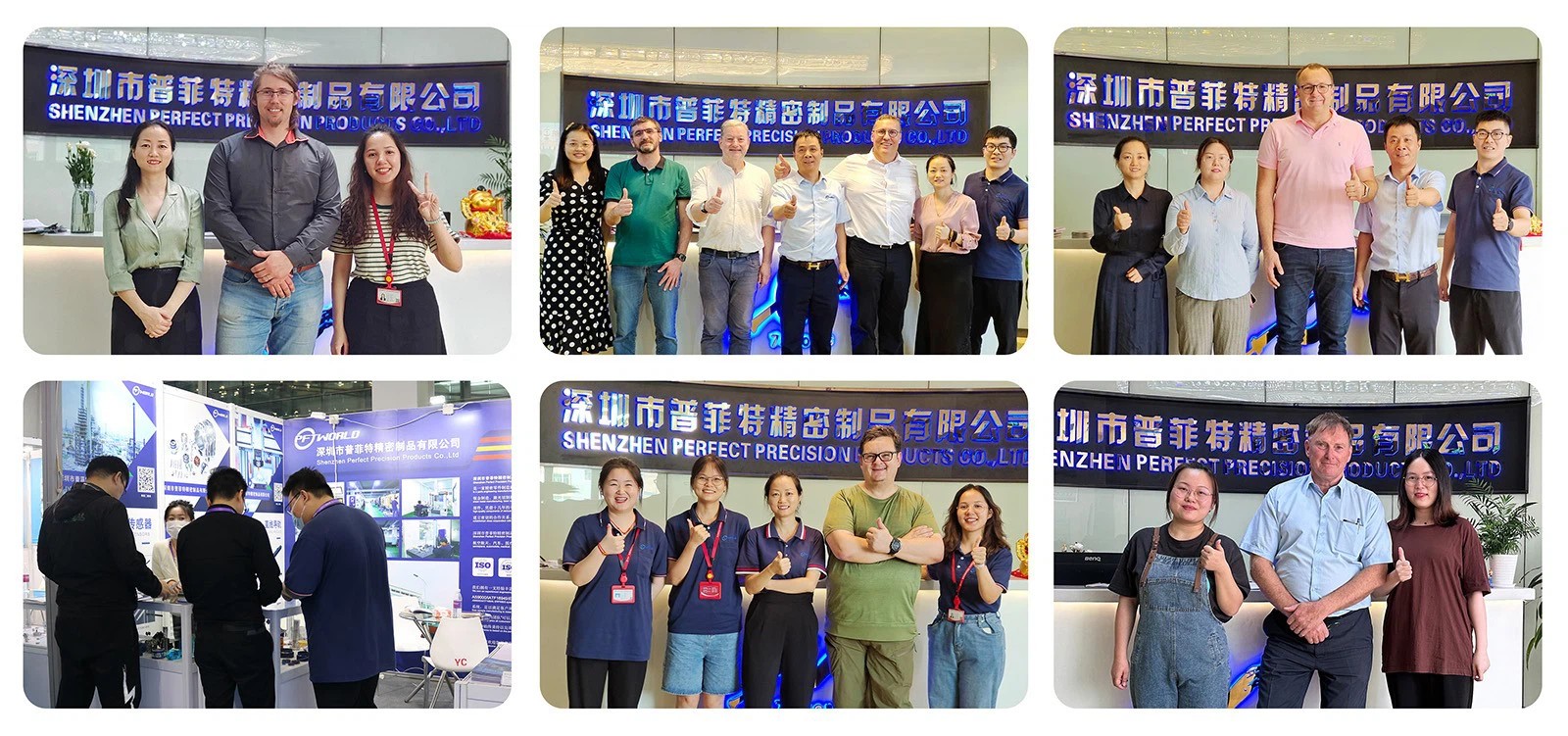
We provide visual documentation of our production processes to maintain transparency and build trust with international clients.
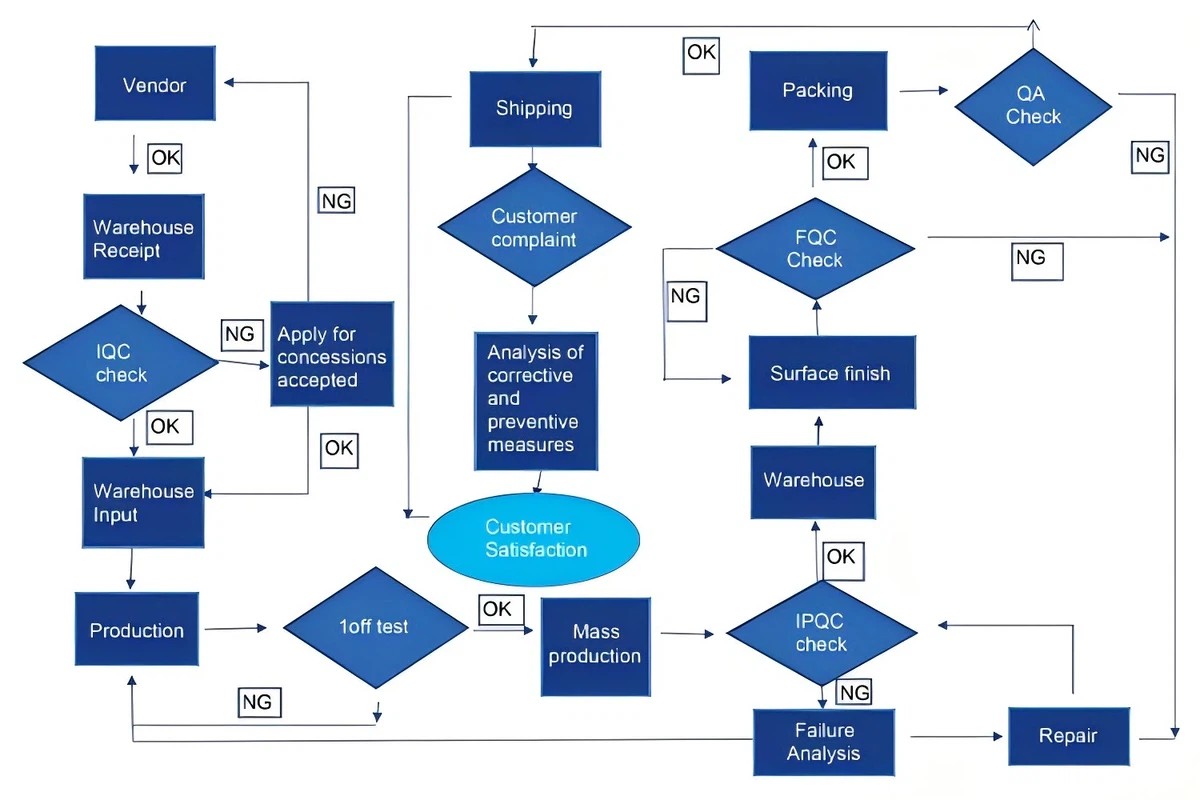
Our digital shop floor tracks each production run from raw metal material to final packaging. Standard procedures include material verification using optical emission spectrometers to confirm alloy composition, followed by digital tracking of batch numbers throughout the production run. This level of traceability is designed to meet the quality standards of aerospace (AS9100D) and medical (ISO13485) customers.
Frequently asked questions about tolerances, material options, lead times, and quality control procedures.
Contact our sales and application engineering team to request quotes, material certificates, or design evaluations.
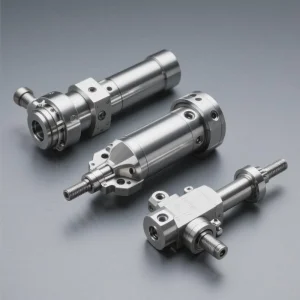
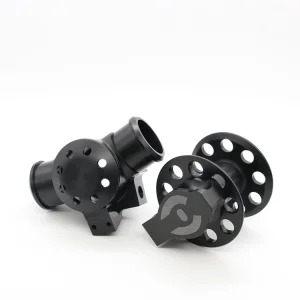
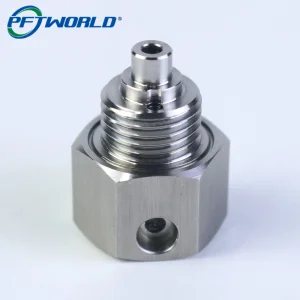
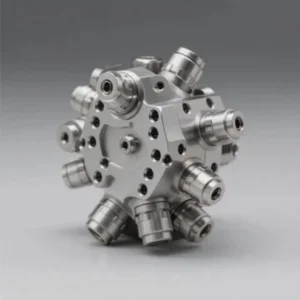
Additional custom assemblies manufactured using precision milling and turning operations.