1 / 1

When it comes to producing tight-tolerance parts, many engineers face the same challenge:
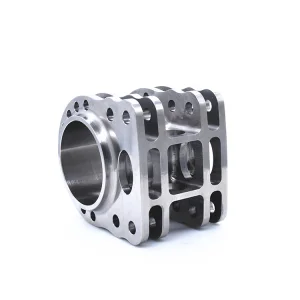
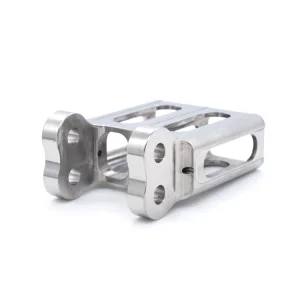
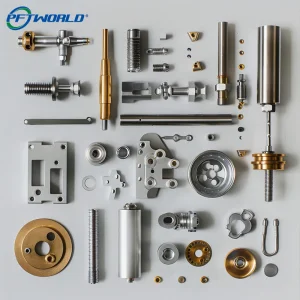
In our factory, we’ve handled orders ranging from small-batch aerospace prototypes to mass-produced automotive connectors. Over the years, we’ve learned that the real key lies in combining multi-axis CNC machining with optimized cutting strategies for each material.
For example:
Achieves mirror finishes at high cutting speeds, ideal for electronic connectors.
Requires sharp tooling and coolant flow to prevent burrs and overheating.
Best for lightweight structural parts; we apply high-speed milling with rigid fixturing to minimize vibration.
Demands lower feed rates but benefits from carbide tooling to extend tool life by up to 40%.
We combine multi-axis CNC machining with optimized cutting strategies tailored specifically to each material's unique physical properties.
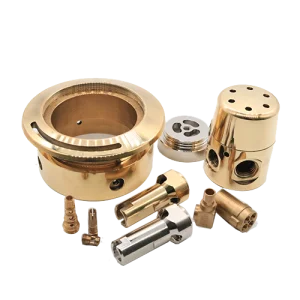
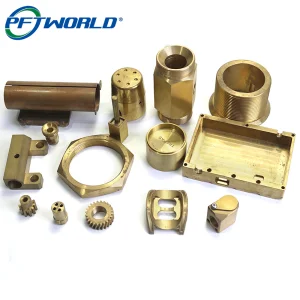
Brass machining achieves mirror finishes at high cutting speeds, making it an excellent choice for manufacturing electronic connectors.
Processing copper successfully requires the use of sharp tooling and continuous coolant flow to prevent overheating and burr formation.
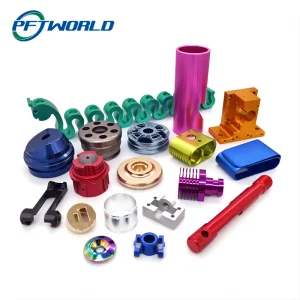
Aluminum grades 6061, 7075, and 5052 are ideal. We apply high-speed milling and rigid fixturing to control and minimize vibration during the process.
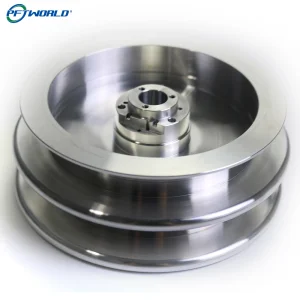
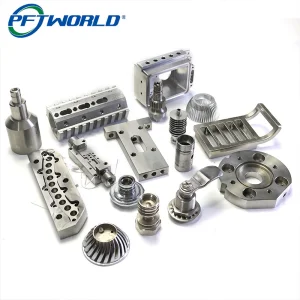
For stainless steel alloys like 304, 316, and 17-4PH, we utilize lower feed rates combined with carbide tooling to increase tool life by up to 40%.