

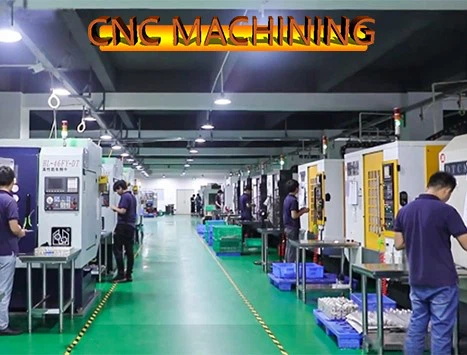
Advanced Technical Insights: OEM High Precision CNC Machining in the Era of Industry 4.0
1. Global Market Landscape & Technical Demands
The global manufacturing ecosystem is witnessing an unprecedented transition toward miniaturization, extreme environmental resilience, and strict structural reliability. In high-stakes fields such as medical instrumentation, semiconductor fabrication, and aerospace propulsion, component failure is not an option. Consequently, components must satisfy tolerances down to the sub-micron scale.
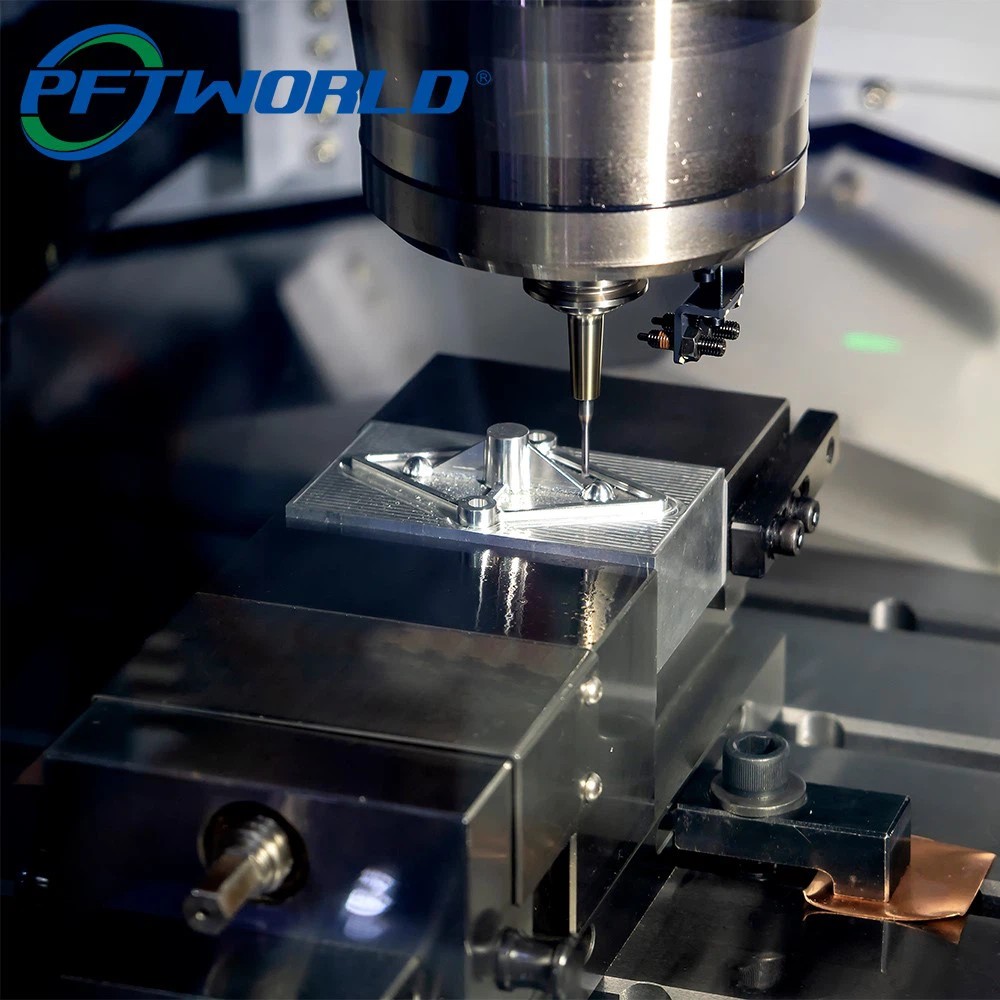
High-precision CNC machining remains the backbone of this development. Modern subtractive manufacturing is no longer defined merely by simple metal cutting. It now requires multi-axis path optimization, adaptive tool monitoring, and advanced thermal stability protocols. The industry standard tolerance of +/-0.05mm has yielded to tighter bounds. As a result, global engineering giants now routinely demand +/-0.01mm for general interfaces, and down to +/-0.002mm for crucial mating surfaces in semiconductor chambers or high-rpm aerospace assemblies.
2. Global Procurement Challenges & Intent Mining
For modern procurement officers and supply chain directors, sourcing high-precision custom parts introduces several complex challenges. Based on search intent analysis within the B2B sector, companies looking for "OEM High Precision CNC Machining Parts" are not just searching for cheap milling services. Instead, their inquiries focus on three primary concerns:
- Traceability & Material Compliance: Ensuring raw material validation, heat treatments, and alloy composition verification.
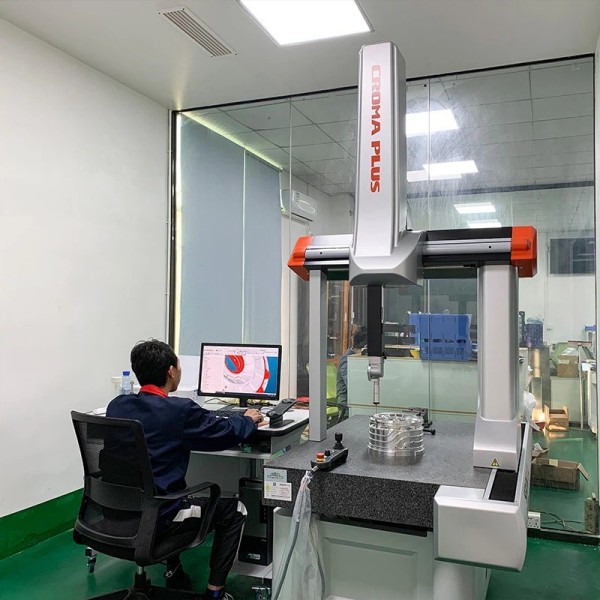
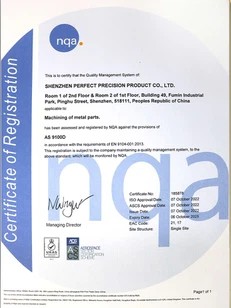
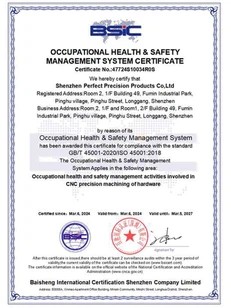
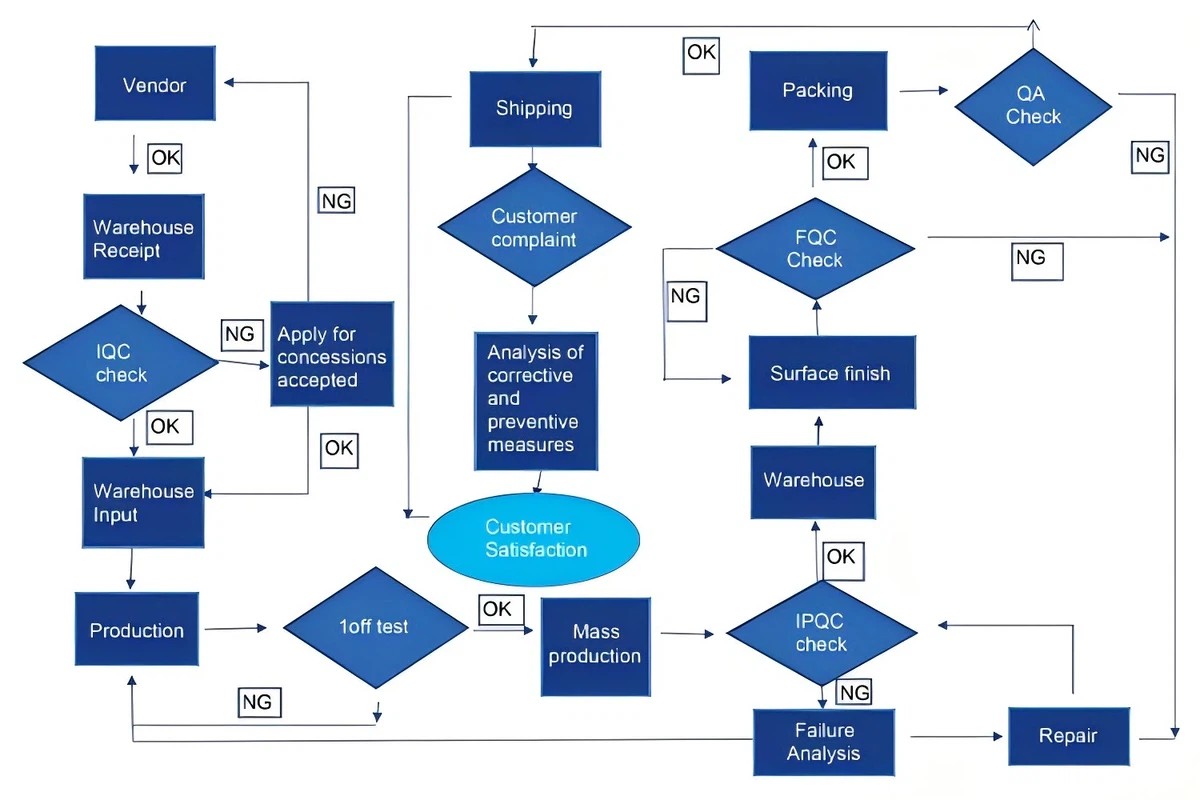
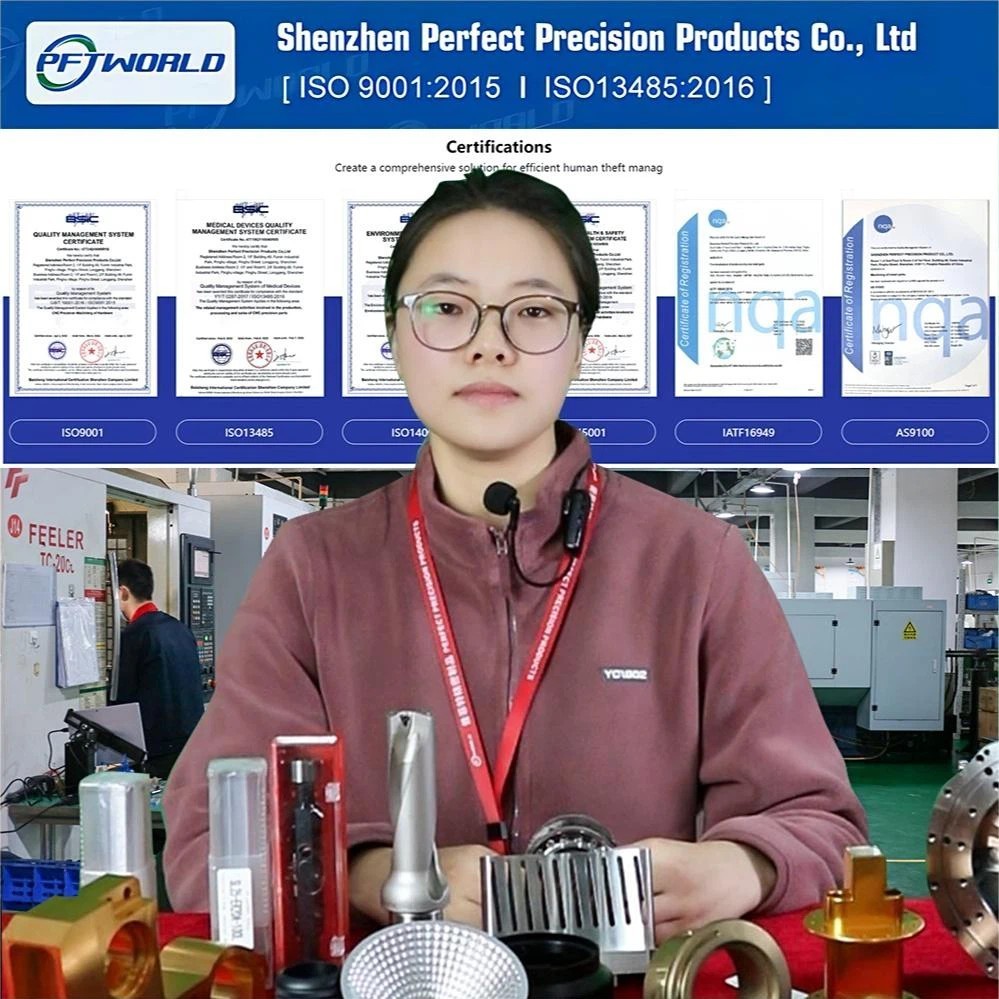
- Quality Management Integrity: Validating that manufacturing systems align with ISO, AS9100D, or IATF16949 standards.
- Supply Chain Agility: Transitioning smoothly from prototype designs (1-3 days turnaround) to large-scale mass production.
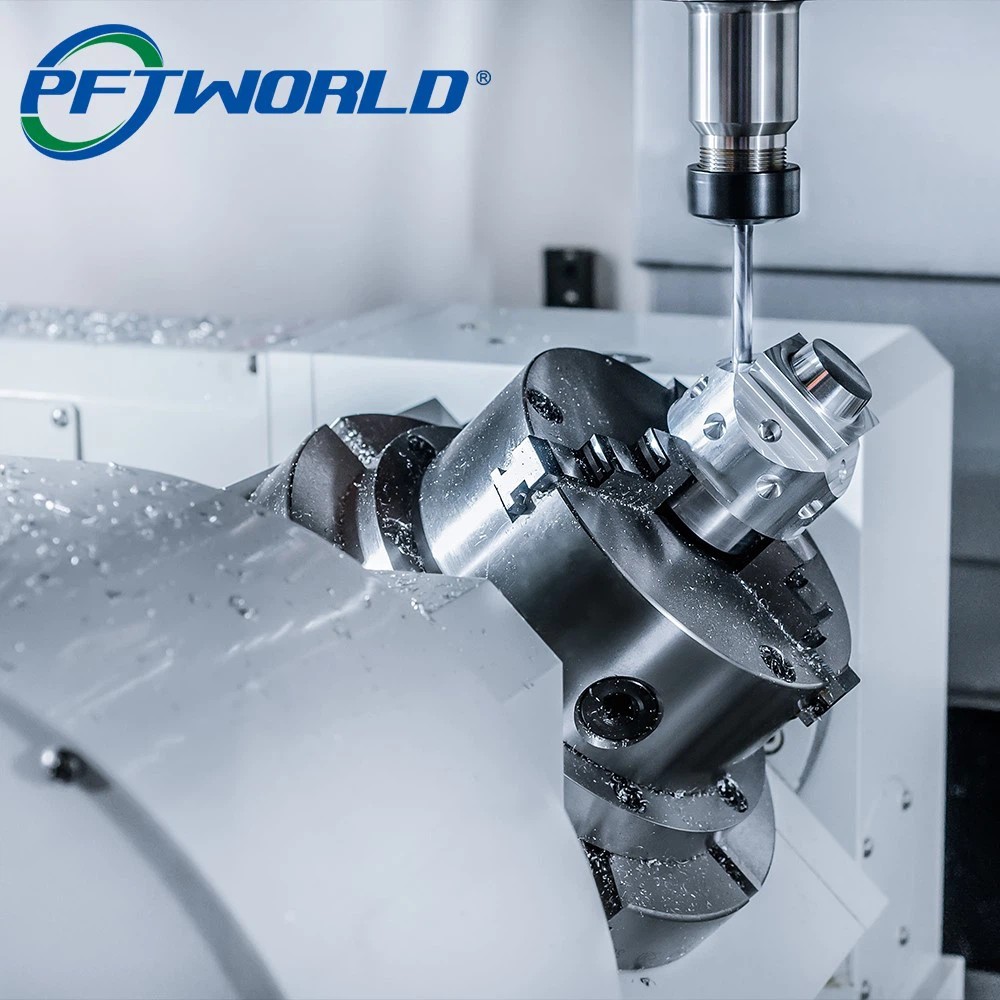
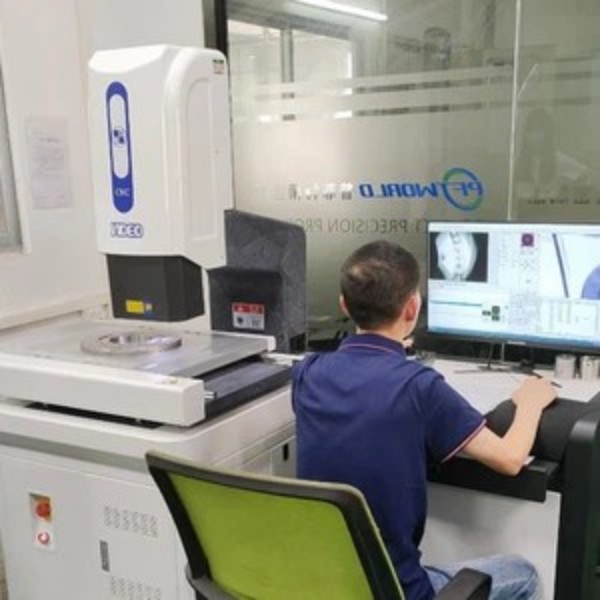
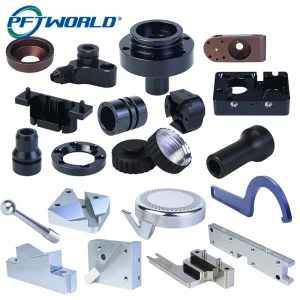
Our operational model directly addresses these pain points by pairing 3-axis, 4-axis, 5-axis, and 6-axis capabilities with structured verification steps. This guarantees that delivered components match the requested 3D CAD files exactly, without manufacturing drift.
3. China Industry 4.0: Supply Chain Resilience & Efficiency
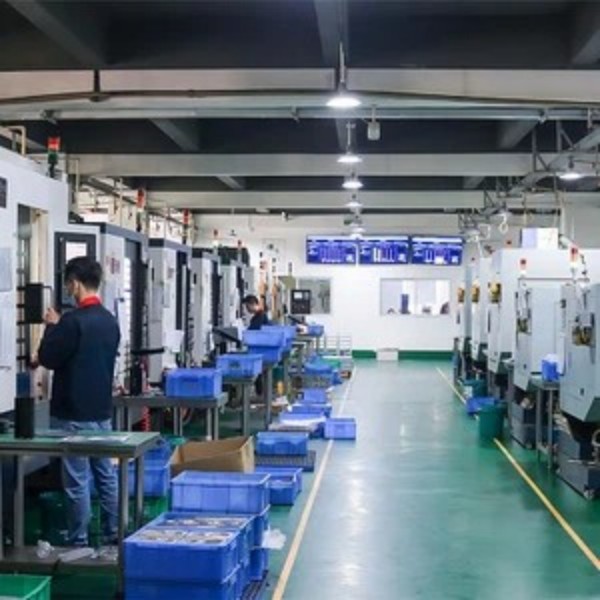
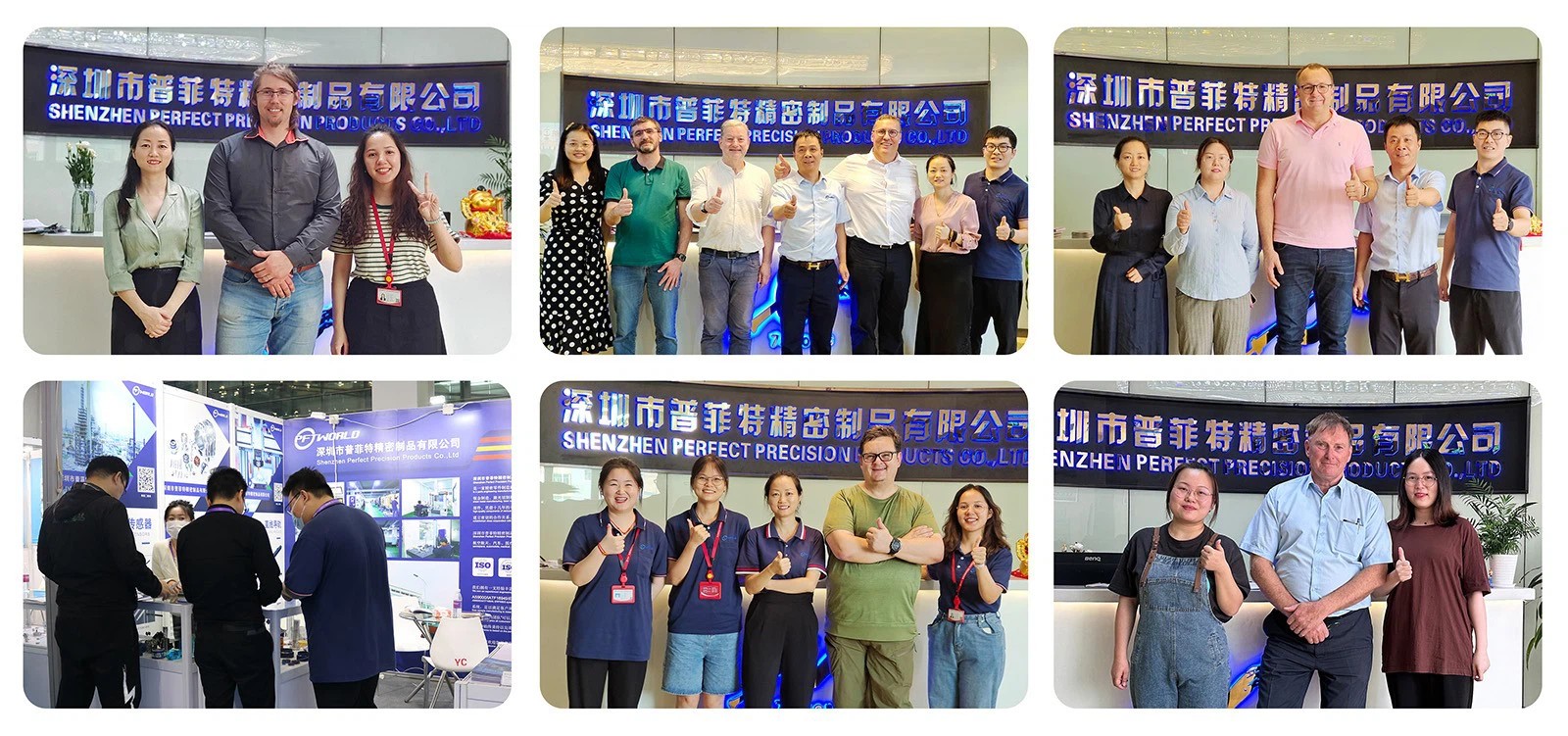
China's industrial landscape has transitioned from high-volume assembly to smart manufacturing. Shenzhen, the tech capital of Southern China, leads this evolution by providing a highly dense supply chain ecosystem. At Shenzhen Perfect Precision Products Co., Ltd, this regional strength is enhanced by our digital factory model.
Unlike traditional machine shops, our digital plant runs on cloud-managed scheduling, real-time toolpath simulation, and a unified manufacturing management system. This configuration reduces standard setup times by up to 35% and allows us to run dynamic 24/7 machining shifts. Crucially, it ensures high consistency during large production runs. By centering material sourcing, machining, heat treatment, anodizing, and final quality inspection within a single regional hub, we shield global clients from logistics delays, high freight costs, and supply chain disruptions.
4. Strategic Materials & Surface Physics in Advanced Machining
Achieving extreme precision depends heavily on how materials behave under cutting forces. Our facility is engineered to process a diverse range of materials, including:
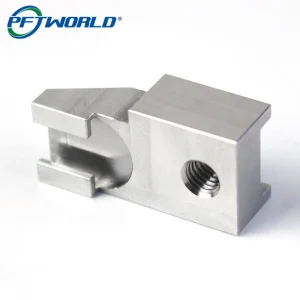
Stainless Steel (SUS 304, 316, 440C): Machined for heavy-duty applications, optical sensors, and threaded connectors, where corrosion resistance and thread integrity are paramount.
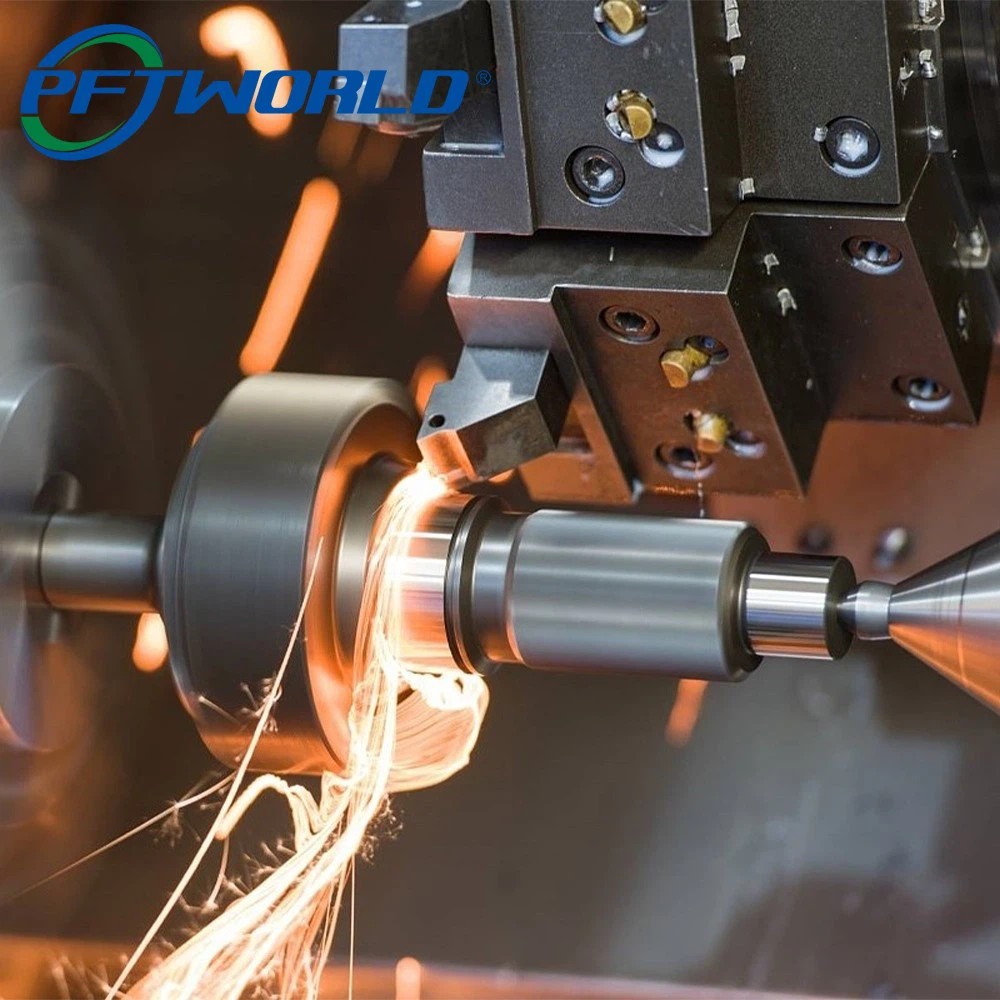
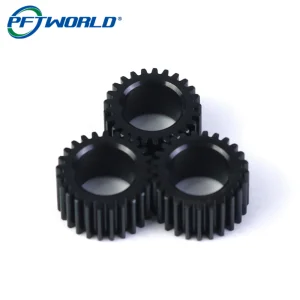
Alloy Steels (40Cr, 8620): Utilized primarily for transmission gears and drive shafts. These components undergo precise heat treatments to achieve high core strength and surface hardness.
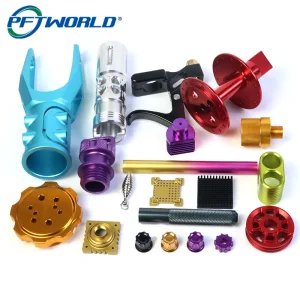
Aluminum Alloys (6061-T6, 7075-T6): Frequently chosen for spindle backplates and robot joints due to their excellent strength-to-weight ratio and response to structural anodizing.
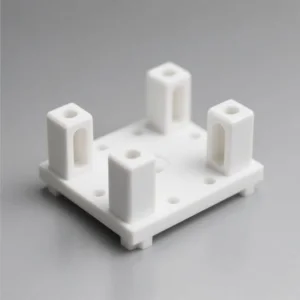
Advanced Technical Ceramics & Insulators: 5-axis milled for semiconductor vacuum chambers and cleanroom assemblies. These parts require strict contamination controls and precise geometric execution to prevent micro-cracking.