Product Overview
If you work with CNC routers, milling machines, or any equipment with a rotating spindle, you've probably heard about backplates. But what exactly are they, and why does the choice of material and manufacturing method matter so much?
Think of a backplate as the critical link between your spindle and the tooling you're using (like chucks or collets). It's the mounting interface that ensures everything stays perfectly aligned and balanced while spinning at high RPMs.
A poorly made backplate can lead to:
- Vibration and chatter
- Reduced machining accuracy
- Premature wear on spindle bearings
- Safety hazards
When it comes to backplates, 6061 aluminum hits the sweet spot for several reasons:
- Lightweight: Reduces rotational mass and minimizes spindle load
- Machinability: Cuts cleanly and holds precise threads better than steel
- Strength-to-Weight Ratio: Strong enough for most applications without being heavy
- Vibration Damping: Naturally absorbs harmonics better than steel
- Corrosion Resistance: Won't rust like carbon steel alternatives
When you might consider steel: For extremely high-torque applications or when maximum rigidity is critical.
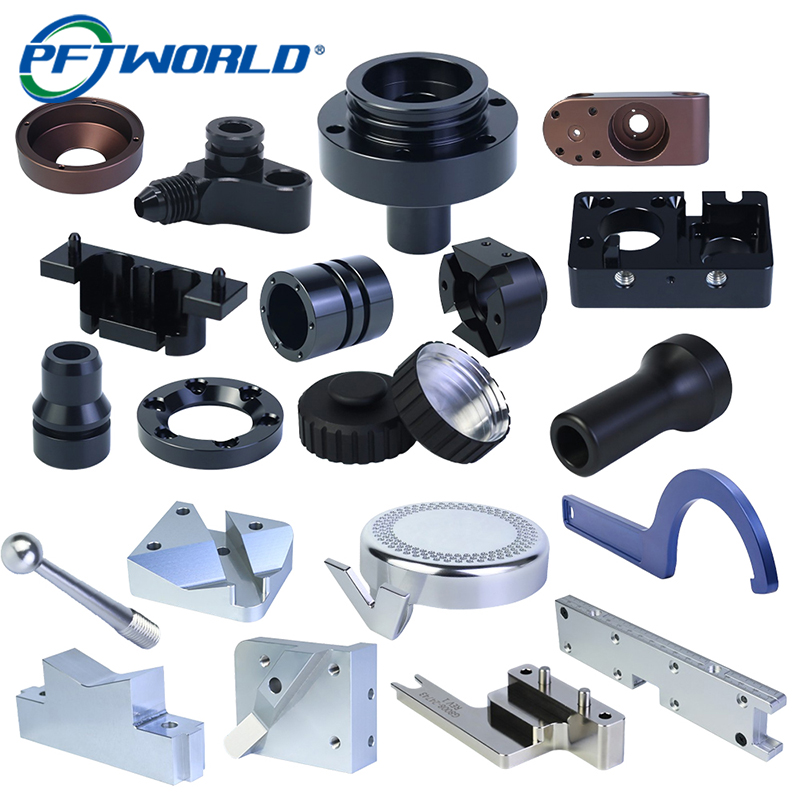
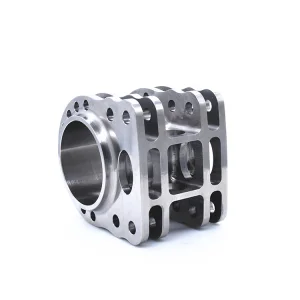
You could theoretically cast or rough-cut a backplate, but for precision applications, CNC machining is non-negotiable. Here's why:
- Perfect Balance: CNC machining ensures symmetrical mass distribution
- True Running: Critical surfaces are machined in a single setup for perfect alignment
- Thread Accuracy: Precise threads mean secure mounting and easy installation/removal
- Customization: Easy to modify designs for specific applications
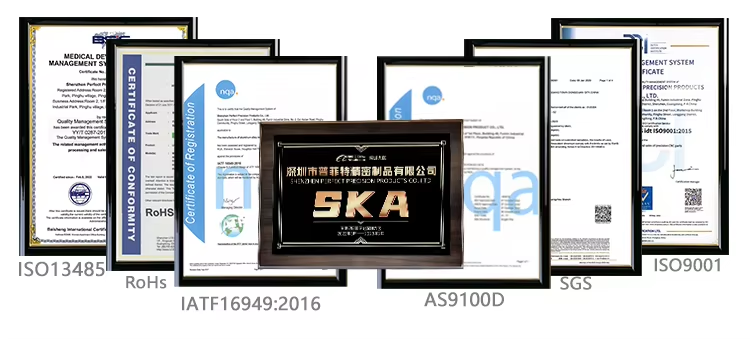
We are proud to hold several production certificates for our CNC machining services, which demonstrates our commitment to quality and customer satisfaction.
1
ISO13485: MEDICAL DEVICES QUALITY MANAGEMENT SYSTEM CERTIFICATE
2
ISO9001: QUALITY MANAGEMENT SYSTEM CERTIFICATE
3
IATF16949, AS9100, SGS, CE, CQC, RoHS
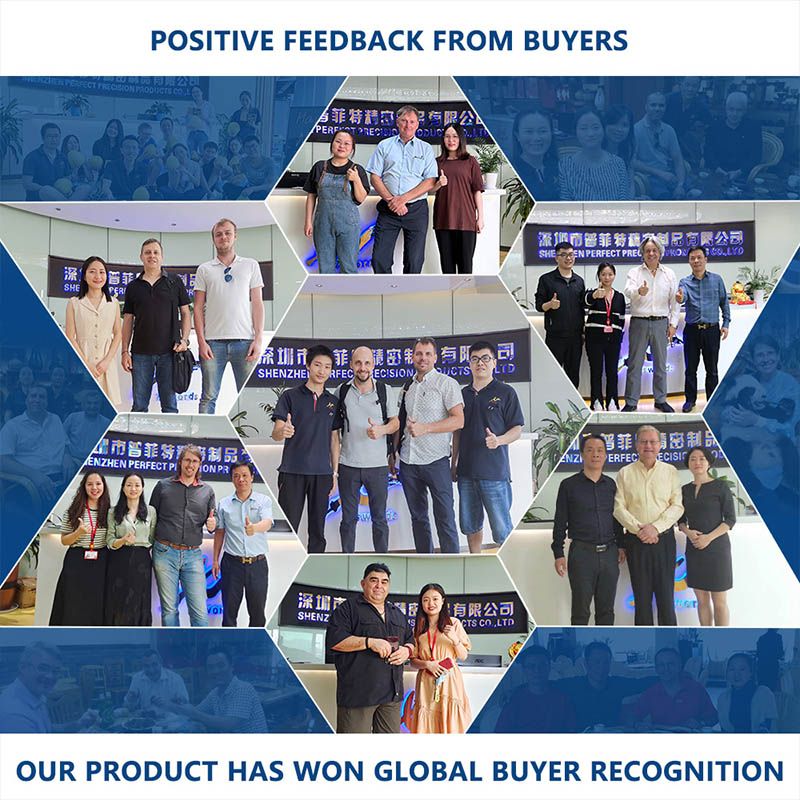
Great CNC machining, impressive laser engraving, best I've ever seen so far. Good quality overall, and all the pieces were packed carefully.
Excelente me siento contento me sorprendio la calidad de las piezas un gran trabajo. This manufacturer does a really nice job on quality.
If there is an issue they are quick to fix it. Very good communication and fast response times. They always do what I ask.
They even find any errors that we may have made.
We have been dealing with them for a number of years and have always received exemplary service.
I am very pleased with the outstanding quality of my new parts. The price is very competitive and the customer service is among the best I've ever experienced.
Fast turnaround, fabulous quality, and some of the best customer service anywhere.
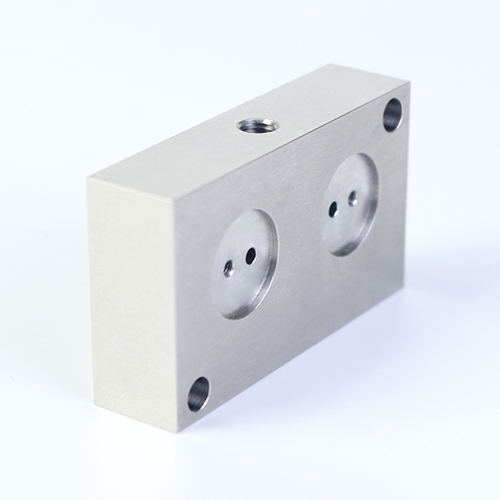
- CNC Routers: For woodworking, plastic fabrication, and aluminum cutting
- Milling Machines: As an adapter for various tooling systems
- Lathe Spindles: For mounting chucks and faceplates
- Specialty Machinery: Any application requiring precise rotational alignment
Not all plates are the same. The exact composition and manufacturing process determine their best use:
- Structural Steel Plates: Used in buildings and bridges. Grades like A36 or S355 offer a great balance of strength and weldability.
- Abrasion-Resistant (AR) Plates: Hardened surfaces withstand wear and impact—perfect for mining equipment, dump truck beds, and bulldozers.
- High-Strength Low-Alloy (HSLA) Plates: Lighter yet strong, used in transportation and cranes.
- Stainless Steel Plates: Resist corrosion and heat. Common in food processing, chemical plants, and marine environments.
- Material Selection: We start with certified 6061-T651 aluminum
- Rough Machining: Cutting the basic shape with extra material left for finishing
- Heat Treatment: Sometimes used to relieve internal stresses
- Finish Machining: Achieving final dimensions and critical tolerances
- Quality Control: Verifying dimensions, thread fit, and runout
- Balancing: Dynamic balancing for high-speed applications
Sometimes you just need thick, solid material. Plates provide:
- Full-depth strength (unlike welded sections)
- Customizable sizing
- Better impact resistance than thinner alternatives
A properly manufactured 6061 aluminum CNC spindle backplate isn't an expense—it's an investment in your machine's performance, your product quality, and your operator's safety.
Whether you're replacing a worn component or setting up a new machine, don't compromise on this critical link in your tooling system.
Q
How fast can I receive a CNC prototype?
Lead times vary depending on part complexity, material availability, and finishing requirements, but generally:
- Simple prototypes: 1–3 business days
- Complex or multi-part projects: 5–10 business days
Expedited service is often available.
Q
What design files do I need to provide?
To get started, you should submit:
- 3D CAD files (preferably in STEP, IGES, or STL format)
- 2D drawings (PDF or DWG) if specific tolerances, threads, or surface finishes are required
Q
Can you handle tight tolerances?
Yes. CNC machining is ideal for achieving tight tolerances, typically within:
- ±0.005" (±0.127 mm) standard
- Tighter tolerances available upon request (e.g., ±0.001" or better)
Q
Is CNC prototyping suitable for functional testing?
Yes. CNC prototypes are made from real engineering-grade materials, making them ideal for functional testing, fit checks, and mechanical evaluations.
Q
Do you offer low-volume production in addition to prototypes?
Yes. Many CNC services provide bridge production or low-volume manufacturing, ideal for quantities from 1 to several hundred units.
Q
Is my design confidential?
Yes. Reputable CNC prototype services always sign Non-Disclosure Agreements (NDAs) and treat your files and intellectual property with full confidentiality.