Analyzing supply chain dynamics, lightweight material selection, and structural growth drivers across modern global industries.
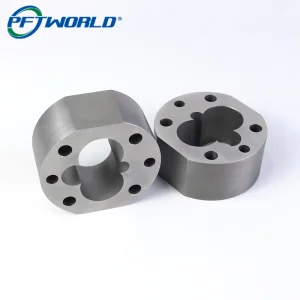
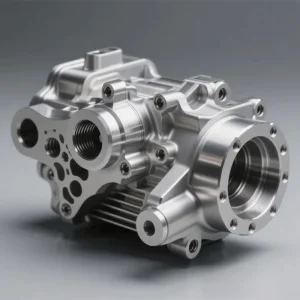
Aluminum CNC machining represents a vital capability in modern manufacturing. As industries push for energy efficiency, decarbonization, and high strength-to-weight ratios, the demand for custom milled and turned aluminum components has expanded. Aluminum alloys like 6061-T6, 7075-T6, and 5052 serve as foundational materials across diverse industries. These alloys offer key mechanical properties: excellent corrosion resistance, high thermal and electrical conductivity, and predictable structural performance under stress.
Globally, the market for aluminum CNC machined components is expanding, driven by the growth of Electric Vehicles (EVs), next-generation medical systems, robotics, and aerospace infrastructure. The transition from heavy casting processes to subtractive CNC precision machining allows engineers to iterate designs rapidly, maintain tight tolerances, and achieve complex internal geometries that were once considered impossible. For global procurement officers, partnering with an experienced exporter ensures consistent material certification, dimensional reliability, and lower total cost of ownership (TCO).
Information Gain Indicator: In modern supply chains, the total cost of parts is not just determined by machining time, but by secondary processing, thermal treatments, surface coatings, and logistical lead times. Understanding this complexity helps optimize production costs.
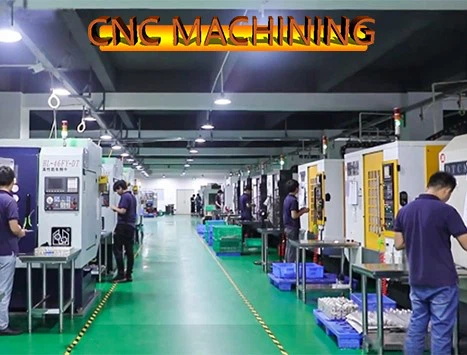
A trusted manufacturing partner in China for precision engineering and custom fabrication.
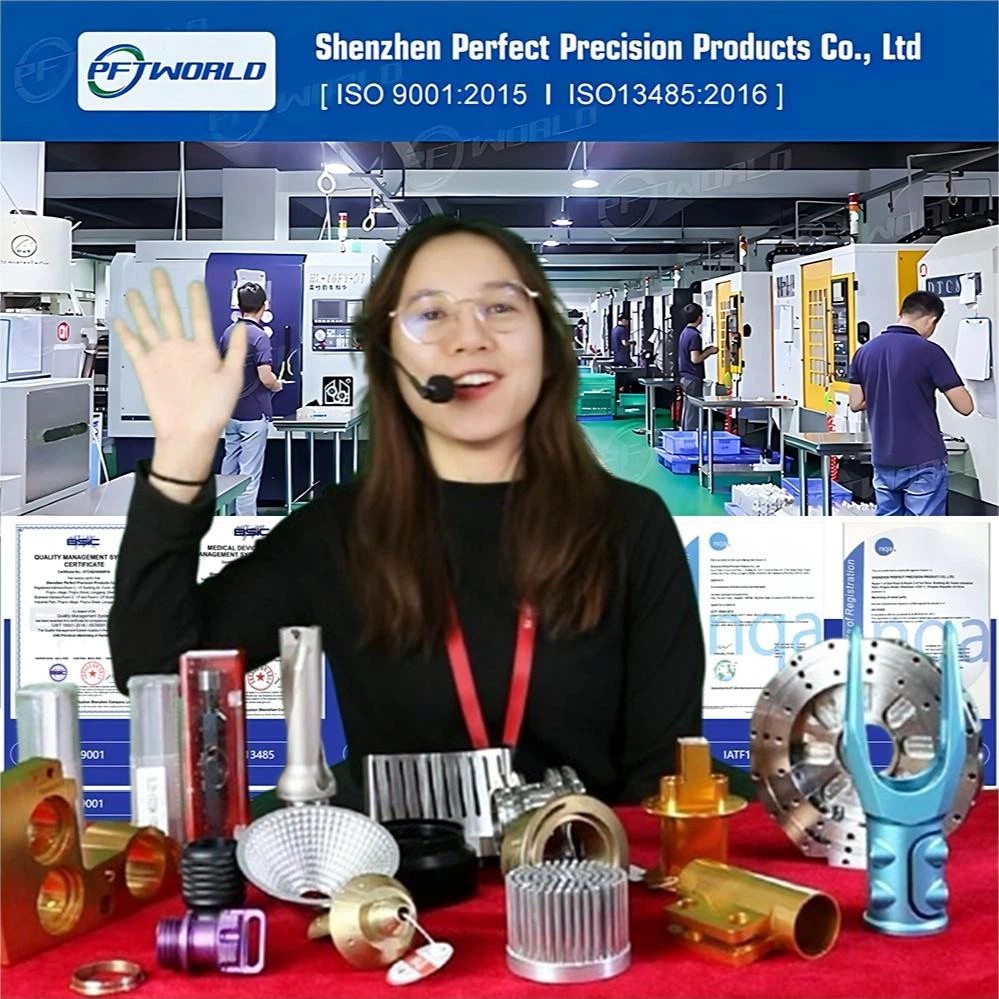
Shenzhen Perfect Precision Products Co., Ltd established its dedicated foreign trade team in 2014 to serve international clients, backed by an ISO9001 quality system certification. Our commitment to transparent business practices earned us the title of Guangdong Contract and Trustworthy Enterprise in 2018. Recognizing the importance of R&D, we passed the certification of High-Tech Enterprise and Intellectual Property Management System in 2019.
By 2020, our office and facility space grew to 10,000 square meters, housing a professional team of 70 engineering and production experts. In 2021, we implemented digital chemical plant methodologies, connecting ERP systems directly to our automated machining centers. This enables real-time monitoring of quality benchmarks, material tracing, and machine efficiency, ensuring high precision for complex orders.
| Parameters | Standard Operations | Special Operations |
|---|---|---|
| Dimensional Tolerance | +/- 0.01 mm | +/- 0.002 mm |
| Surface Roughness | Ra 0.8 ~ 3.2 μm | Ra 0.1 ~ 0.4 μm |
| Machining Capabilities | 3-Axis & 4-Axis Milling | 5-Axis & 6-Axis Continuous Milling |
Our engineers review designs for manufacturability (DFM) to optimize tool paths, minimize setup changes, and reduce raw material waste. This technical planning helps achieve reliable results for critical dimensions.
We work to support tight schedules. Prototype samples can be completed in 1 to 3 days, and general mass production runs typically ship within 7 to 14 days, supported by our around-the-clock online assistance.
Providing a broad range of production technologies to support complex engineering requirements from a single source.
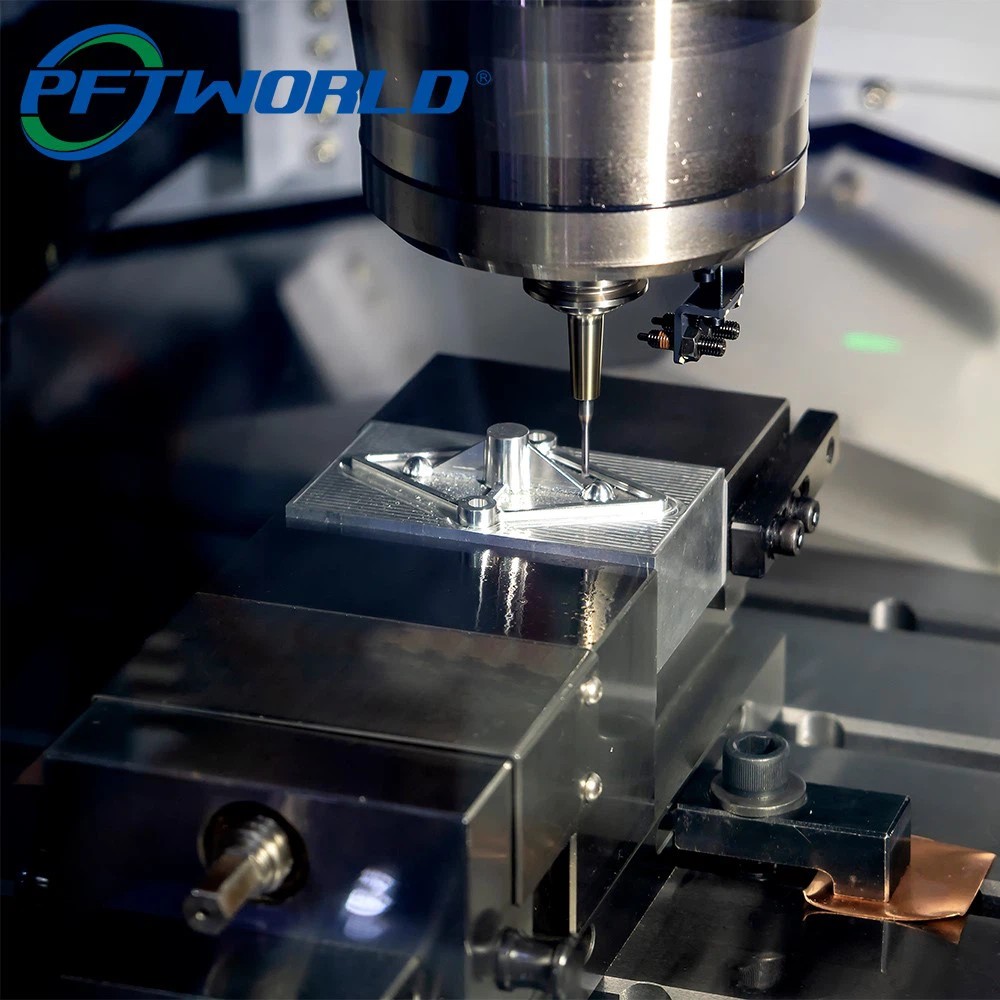
Utilizing multi-axis machining centers to produce complex prismatic shapes, structural plates, and 3D surfaces with high dimensional stability.
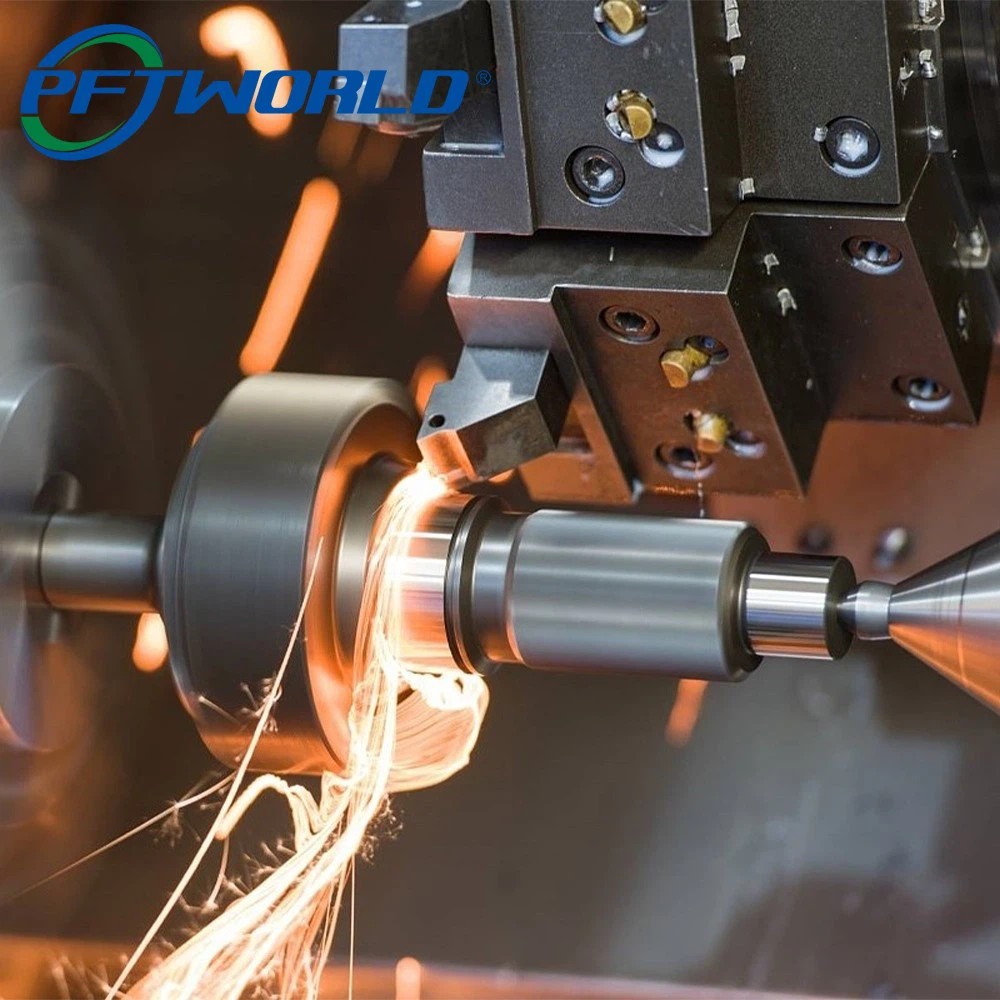
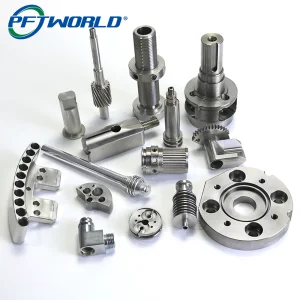
High-speed turning centers with live tooling for producing precise rotational parts, shafts, custom fasteners, and custom threaded fittings.
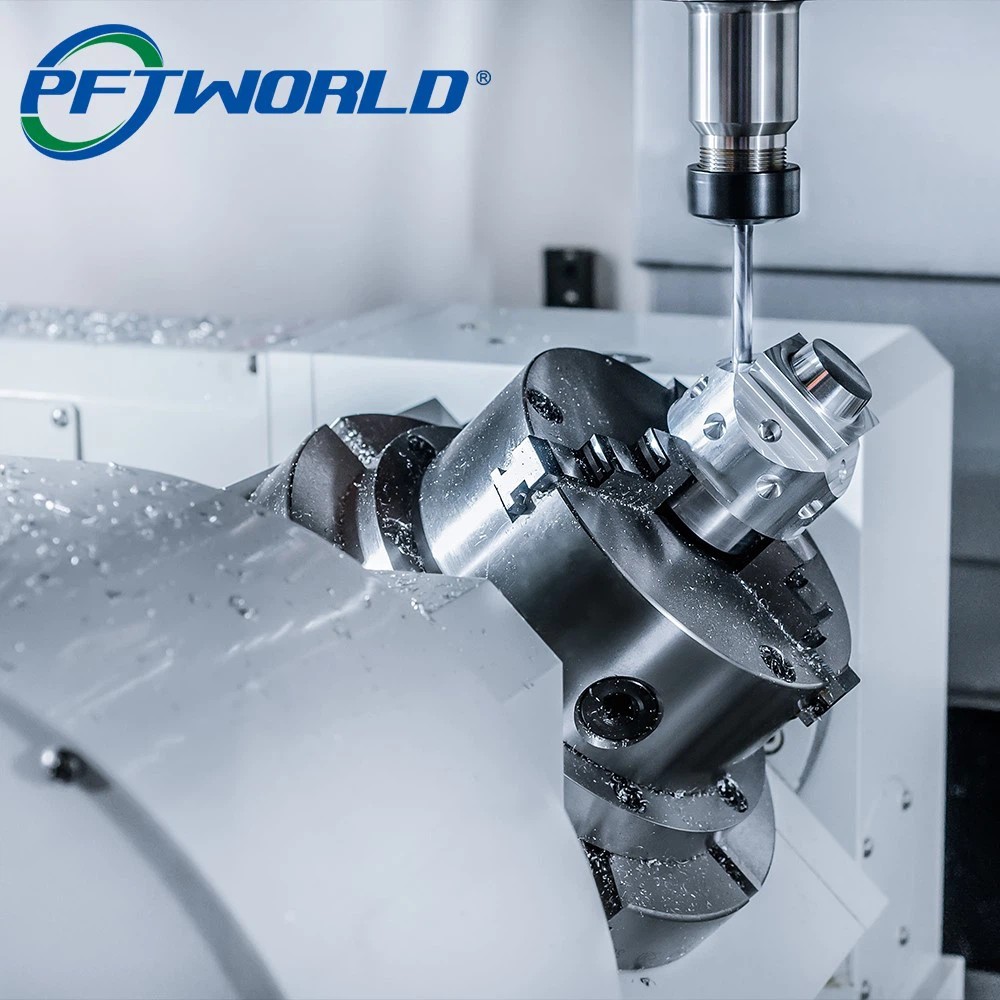
Integrating milling and turning operations in a single cycle to eliminate multi-setup errors and lower production times for intricate components.
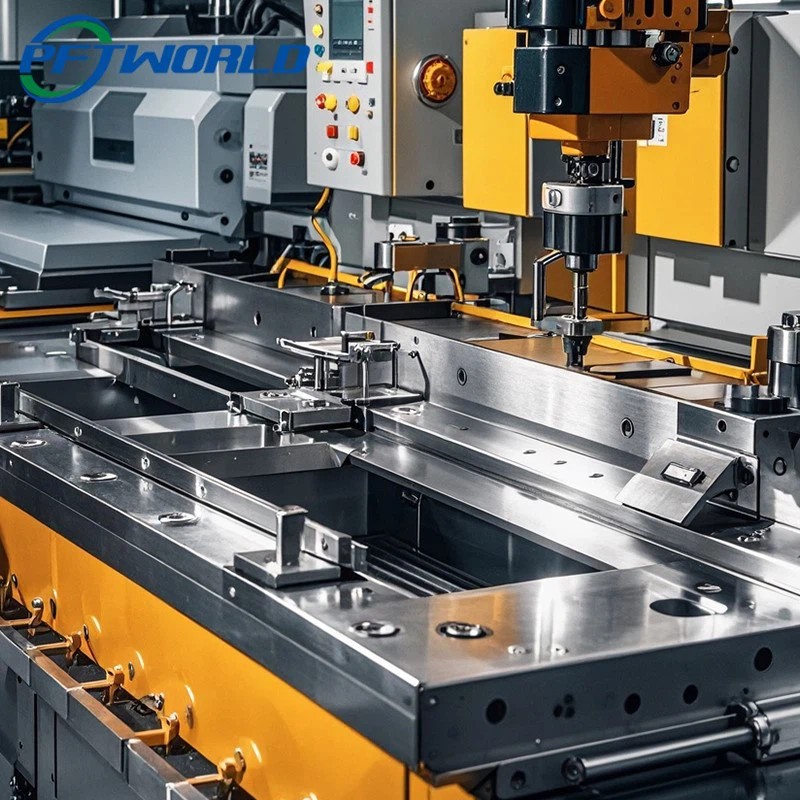
Laser cutting, CNC bending, stamping, and welding to build durable, lightweight metal enclosures, brackets, and structural frames.
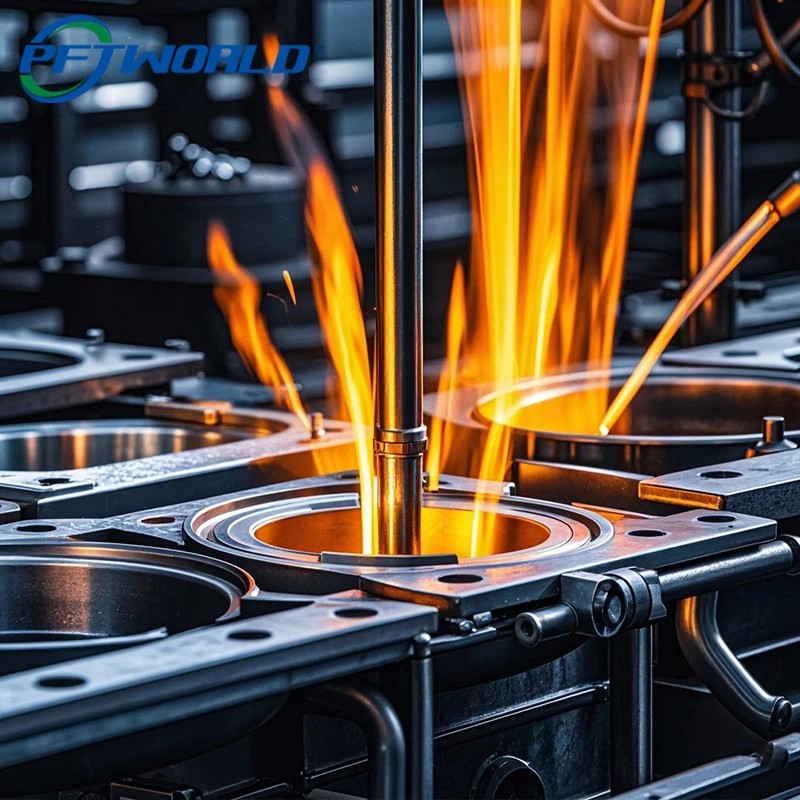
Sand casting, investment casting, and die casting services for near-net shapes that can be finished with precision CNC post-machining.
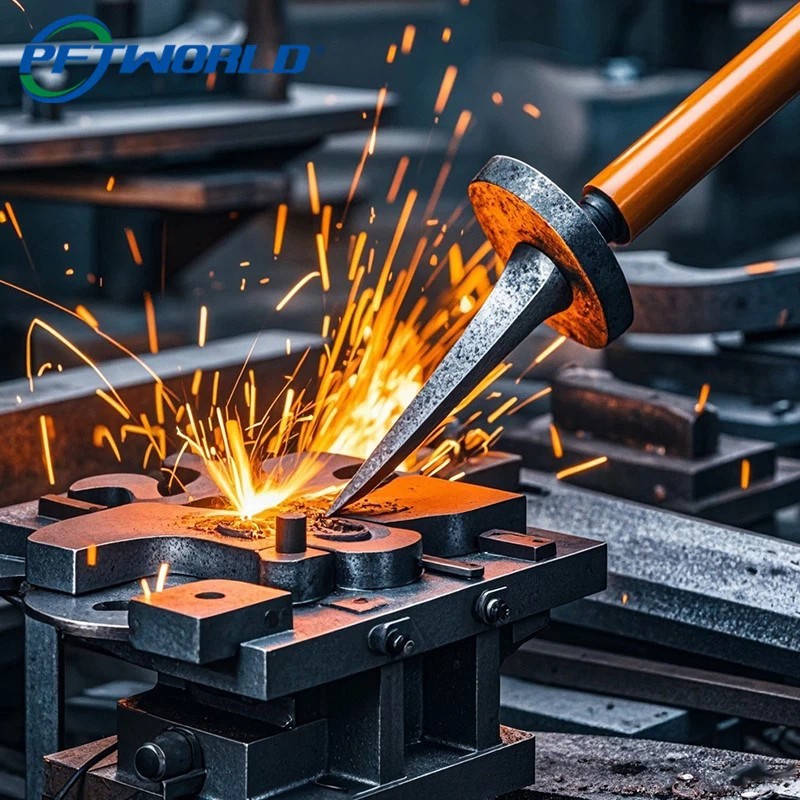
Providing forged components with aligned grain flow for high-stress applications in automotive drivetrains and structural aerospace components.
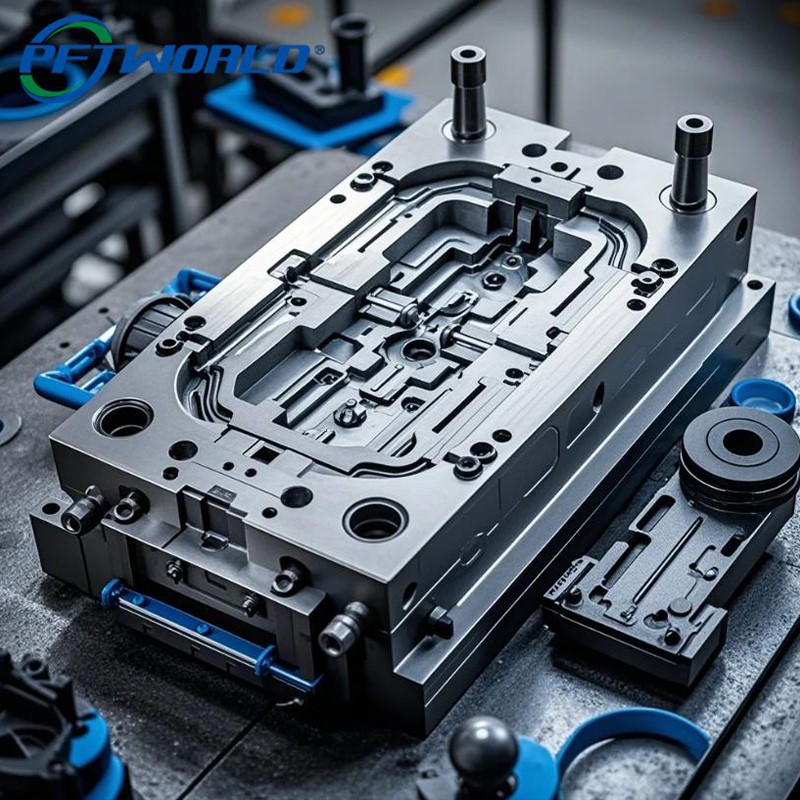
High-integrity tooling and moulds for plastic injection moulding and die-casting, engineered for production longevity and repeatability.
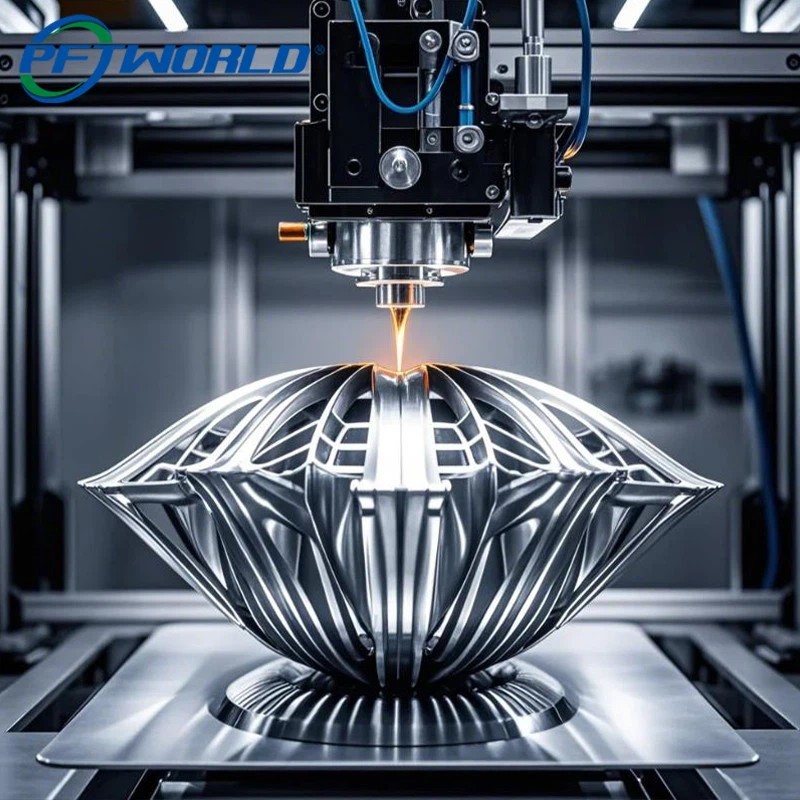
Fast metal and plastic prototyping services to validate designs, fit, and functions before initiating high-volume manufacturing tool-ups.
Exploring structural changes in CNC manufacturing toward automation, material science, and high-axis machining.
Traditional 3-axis CNC machining is increasingly supplemented by 5-axis and 6-axis configurations. These systems allow tools to access components from all angles, reducing setup variables, helping eliminate tooling deflection, and improving geometric tolerances on contoured surfaces.
The use of advanced aluminum-lithium (Al-Li) alloys and high-purity marine grades is expanding. These materials present higher strength-to-weight ratios but require specific tool dynamics and thermal control to manage tool wear and avoid part deformation.
Our roadmap integrates digital twin technology, which simulates tool behaviors and potential stress deformations before cutting. AI-driven CAM algorithms optimize feed rates and spindle speeds dynamically, minimizing mechanical stress and improving surface finish consistency.
| Alloy Family | Common Grades | Core Application Characteristics | Optimal Surface Finishing |
|---|---|---|---|
| 2xxx Series | 2024-T3 / T4 | High fatigue resistance, high strength; commonly used in structural aerospace skins and components. | Anodizing (Type II/III), Alodine coating |
| 5xxx Series | 5052-H32 / 5083 | Excellent corrosion resistance in marine environments; highly weldable, ductile structure. | Chemical conversion coating, painting |
| 6xxx Series | 6061-T6 / 6082 | Versatile, good machinability, moderate tensile strength, receptive to structural anodization. | Hard anodizing, sandblasting, bead blasting |
| 7xxx Series | 7075-T651 | High yield strength, comparable to structural steels; used in high-stress aerospace applications. | Hard anodizing, zinc chromate primers |
Utilizing high-precision measurement systems to verify dimensional conformity on every production run.
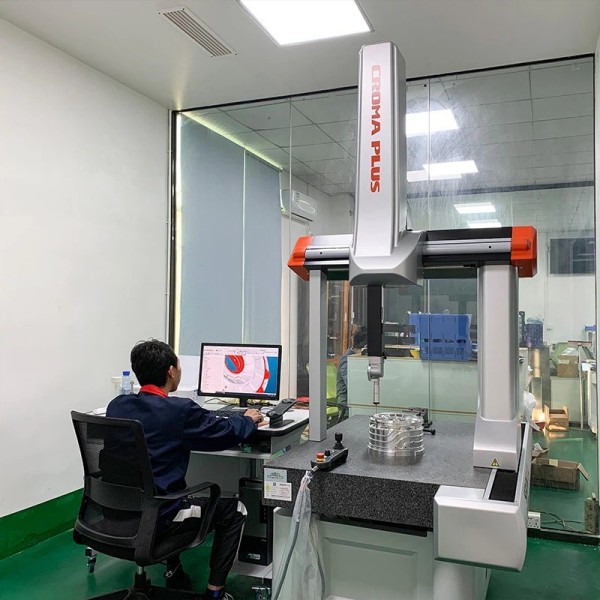
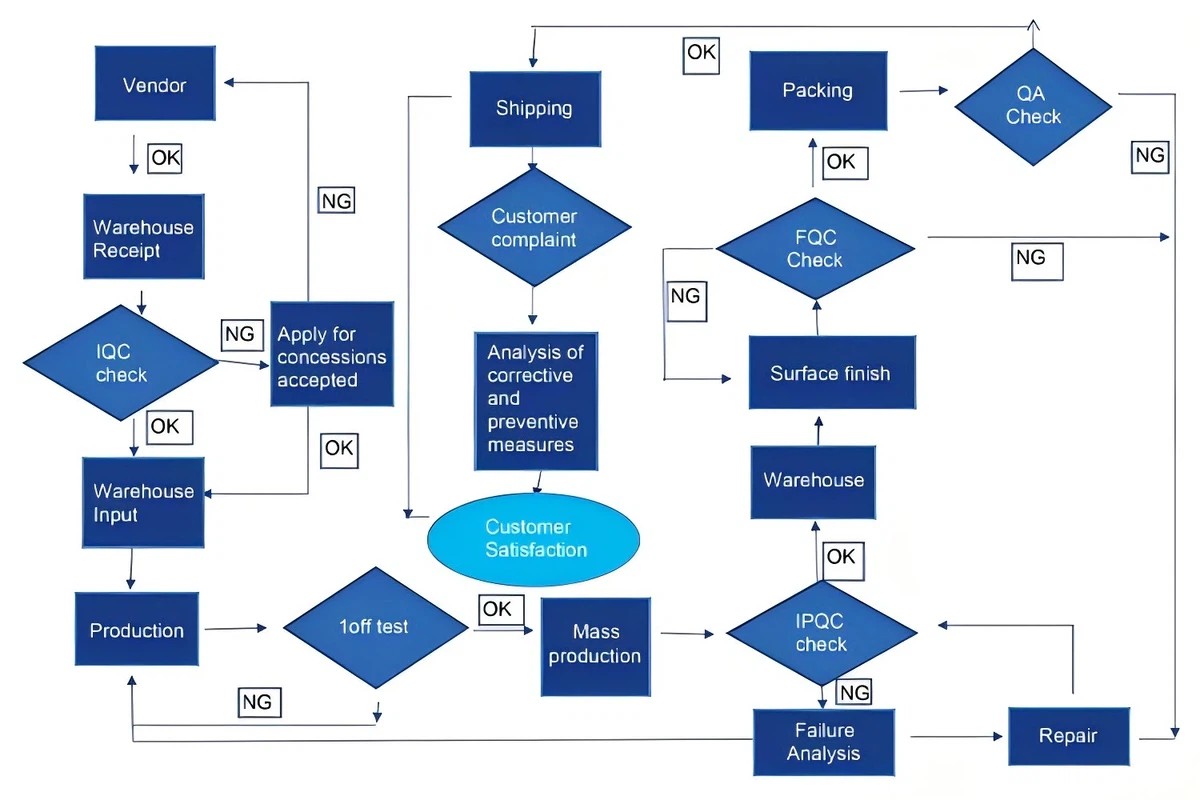
At Shenzhen Perfect Precision Products Co., Ltd, our quality control program includes material receipt inspections through final dimensional checks before shipment. Our metrology lab features advanced validation equipment:
Quality parameters are documented in inspection reports, including raw material certificates, finishing reports, and final coordinate dimensions, ensuring complete compliance with client specifications.
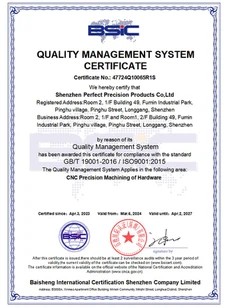
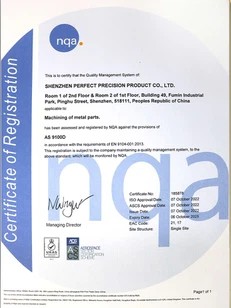
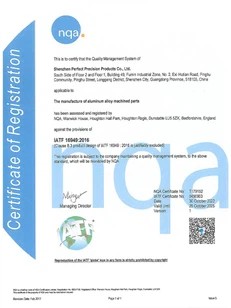
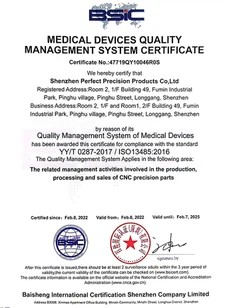
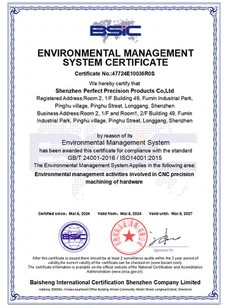
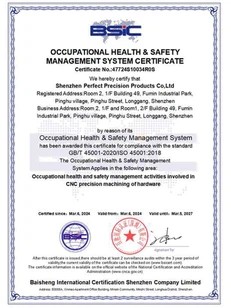
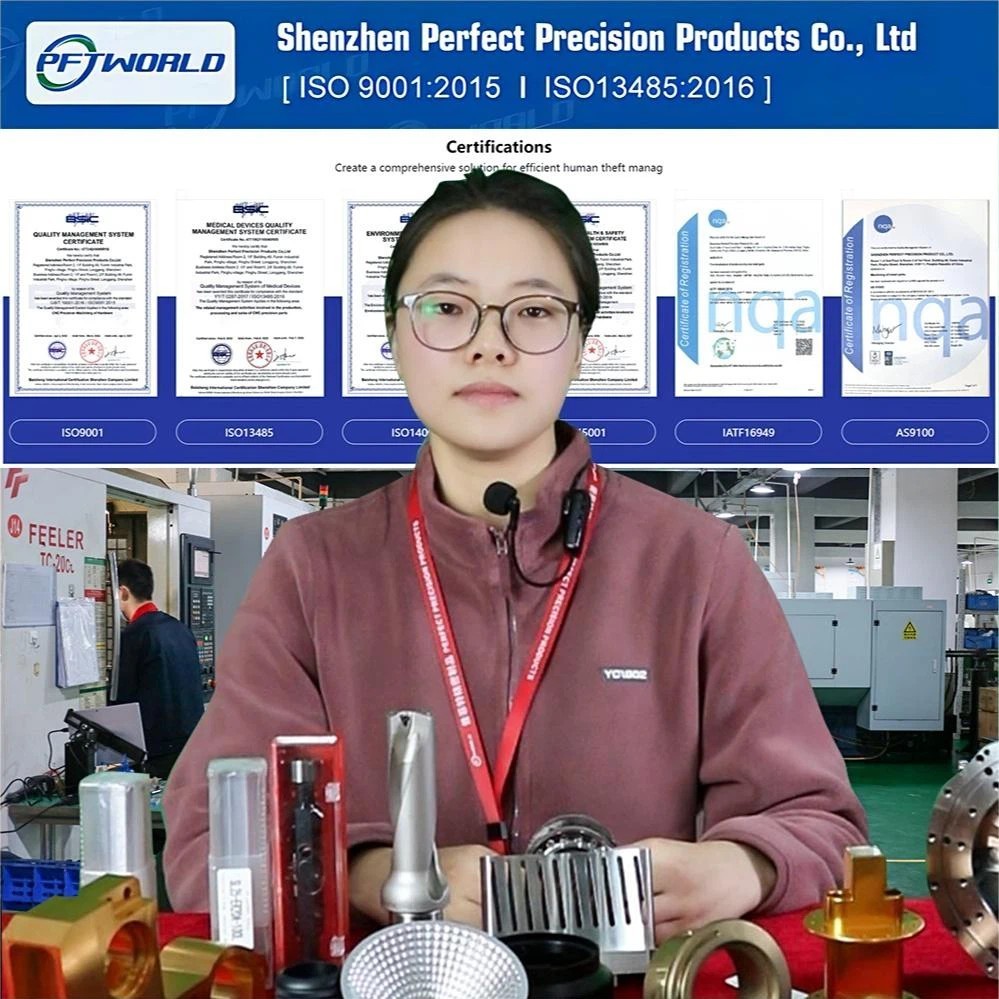
Our facilities are certified to international quality standards for medical, aerospace, automotive, and industrial manufacturing.
Custom CNC machined components engineered for demanding service environments across various sectors.
Aluminum 7075-T6 parts, such as bulkheads, structural frame members, and high-strength fasteners, deliver the reliability required for modern commercial and military aircraft. Tight tolerances prevent mechanical fatigue under thermal stress.
Lightweight aluminum motor housing assemblies, structural battery enclosures, and coolant manifold plates help reduce overall vehicle weight. Lower chassis weight directly improves battery range and vehicle driving dynamics.
Precision laboratory instruments, MRI scan housings, surgical robot arms, and positioning fixtures require non-magnetic components. Clean, bead-blasted, and anodized aluminum parts resist chemical sterilization cycles and maintain cosmetic appearance.
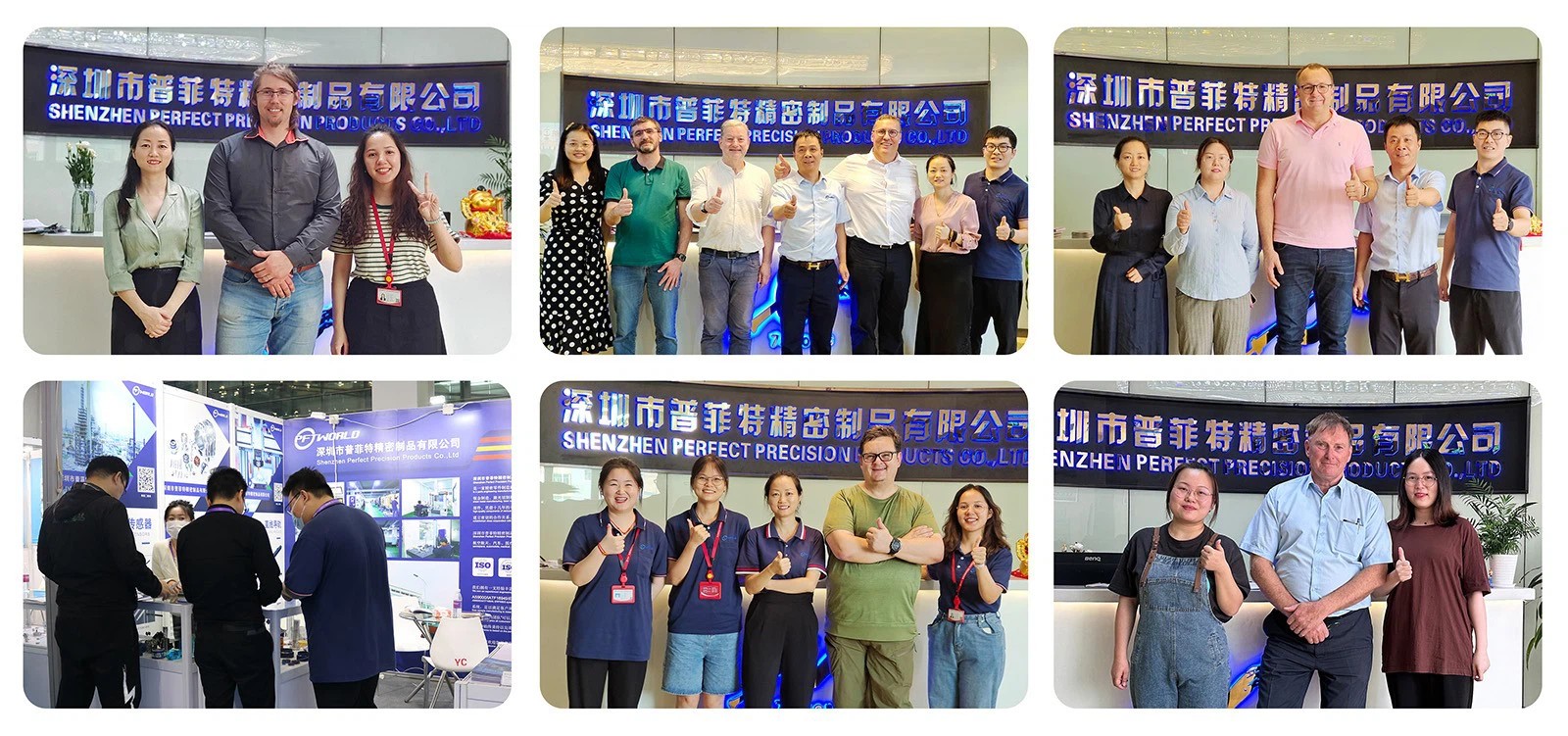
Take a virtual tour of our 10,000 sqm digital chemical plant and high-precision CNC manufacturing cells.
Answering common design, production, and shipping questions for global procurement managers.
We are a direct factory located in Shenzhen, China. Our facilities cover 10,000 square meters, housing over 100 CNC machining units. We support the entire workflow, from DFM analysis to machining, surface finishing, and quality control. If requested, we supply complete material certificates and dimensional inspection reports.
Please provide detailed engineering drawings in 3D (STEP, IGS, or STP formats) along with 2D technical drawings (PDF, DWG) indicating dimensional tolerances, surface finish specifications (Ra values), raw material requirements, production volumes, and any downstream heat-treatments or chemical coatings.
Yes. If drawings are unavailable, our engineers can work from a physical component or prototype sample to generate detailed 3D CAD geometry for production. We can also provide a quotation based on detailed photos or sketches with clear dimensions and material requirements.
Yes, we offer sample fabrication to verify designs. Standard prototype tooling and milling setup costs apply, which can be partially offset or credited against subsequent high-volume production contracts.
Prototype samples are usually completed in 1 to 3 days. Production runs typically take 7 to 14 days, depending on geometry complexity, volume requirements, and the necessity of external chemical finishing.
We implement a structured quality verification plan: material incoming inspection (spectrometric verification), first-article verification, in-process inspection (checking critical dimensions mid-run), and a final quality control audit with 100% inspection of critical functional parameters before packing.
If dimensional issues or defects are found upon delivery, clients can contact us within one month with photos, dimensional measurements, or video logs. Our engineering team reviews the data and provides corrective actions or replacement parts within seven business days.
Send your drawings (STEP, IGS, PDF) to receive a DFM review and detailed pricing from our engineering team.
Send Inquiry Now