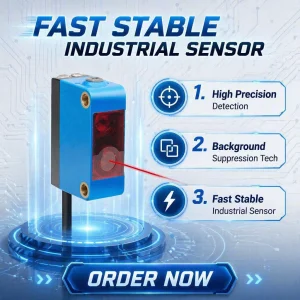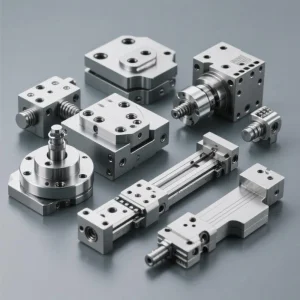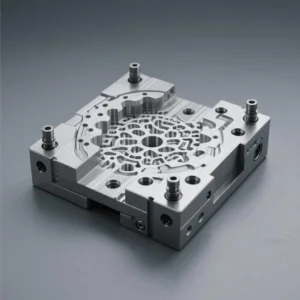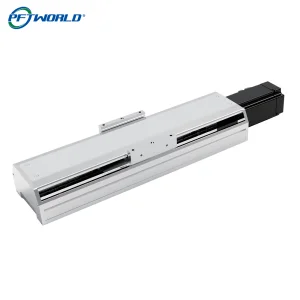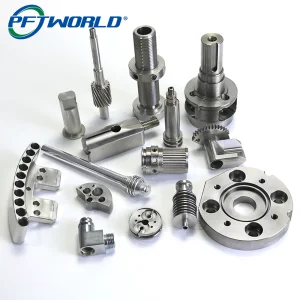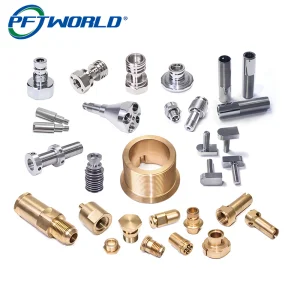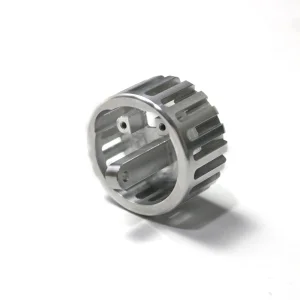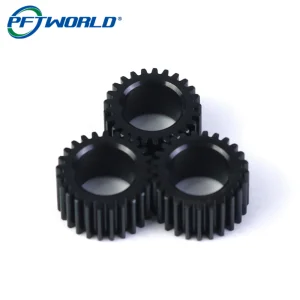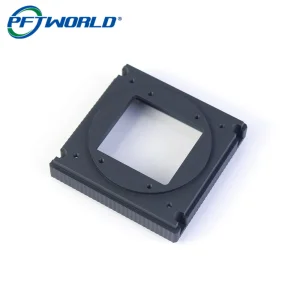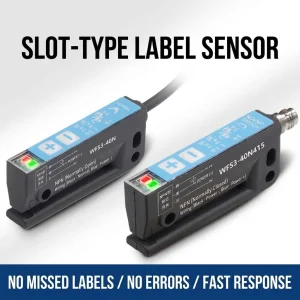
Explore our high-performance hardware, customized linear components, and transmission gear assemblies engineered to drive modern automation systems.
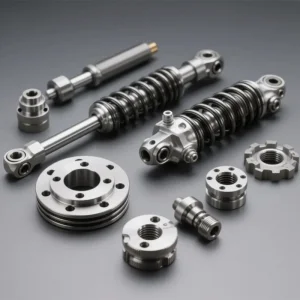
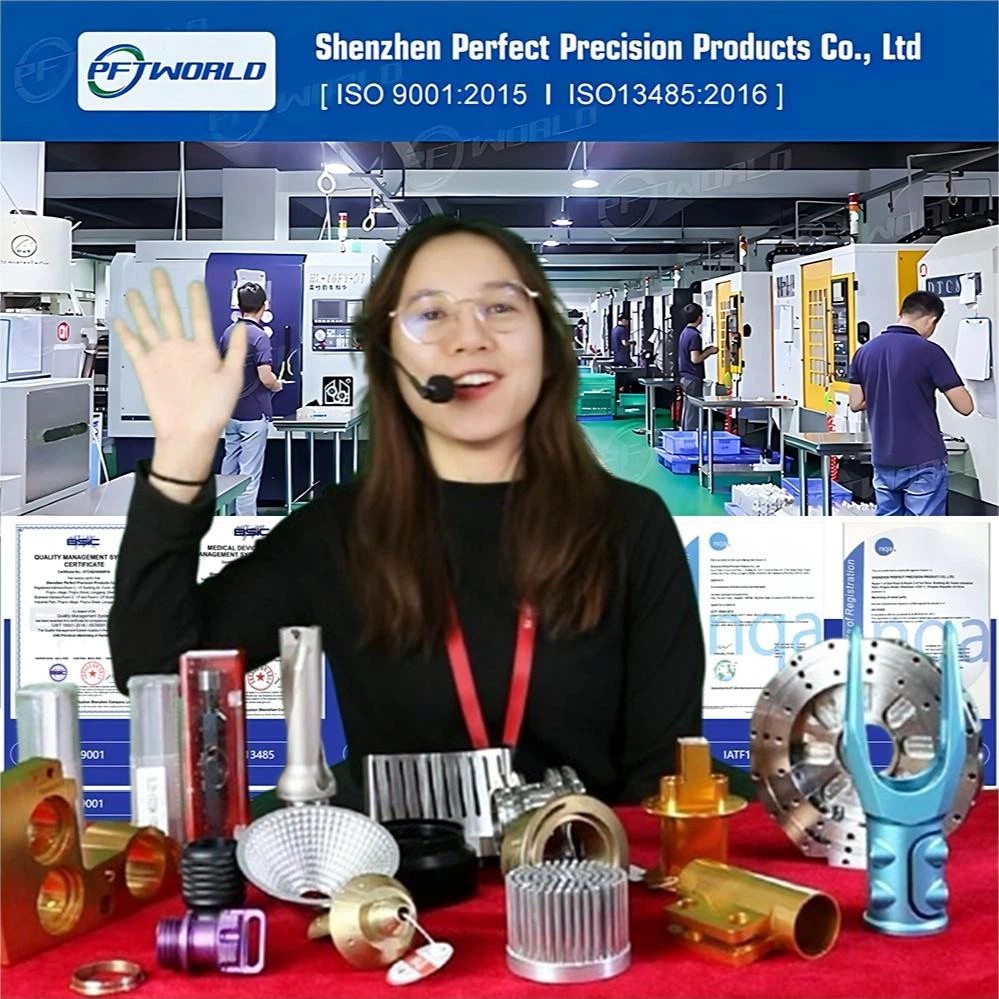
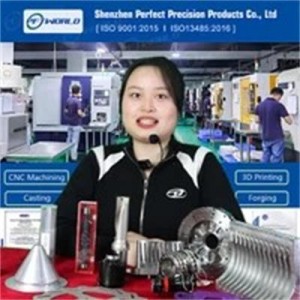
Established in 2014, Shenzhen Perfect Precision Products Co., Ltd has rapidly evolved from a specialized domestic workshop into a world-class manufacturing powerhouse for industrial automation components. Certified under the rigorous ISO9001:2015 framework, we have built a reputation for excellence in delivering high-tolerance parts for robotics, automotive subsystems, medical apparatus, and consumer electronics.
In 2018, the company was officially recognized as a "Guangdong Contract and Trustworthy Enterprise," a testament to our transparent operating standards and commercial reliability. In 2019, our commitment to technological advancement earned us High-Tech Enterprise status. Today, our advanced facility spans over 10,000 square meters in Shenzhen, utilizing an fully integrated ERP production system to ensure seamless project tracking and execution.
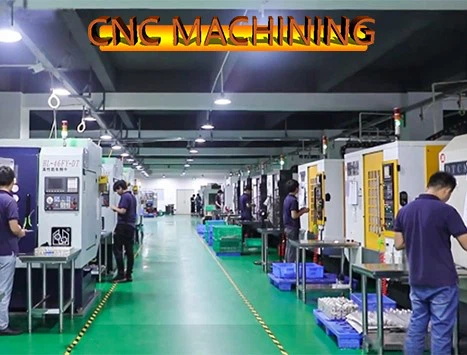
An in-depth analysis of vertical supply chain integration, raw material optimization, and technological infrastructure that enables global competitiveness.
Located in the heart of Shenzhen's high-tech industrial corridor, our facility leverages immediate proximity to premium raw material suppliers, specialized surface finishers, and logistics hubs. This integration cuts lead times for custom tooling and material sourcing by up to 40% compared to Western counterparts, translating to a rapid turnaround for international projects.
Our engineering team bridge the gap between creative concept and mechanical execution. We routinely optimize client-supplied CAD drawings for DFM (Design for Manufacturability), decreasing machining cycles and reducing production costs without compromising structural integrity. This engineering depth is vital for custom component fabrication.
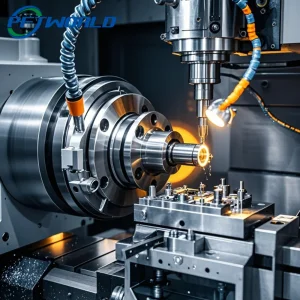
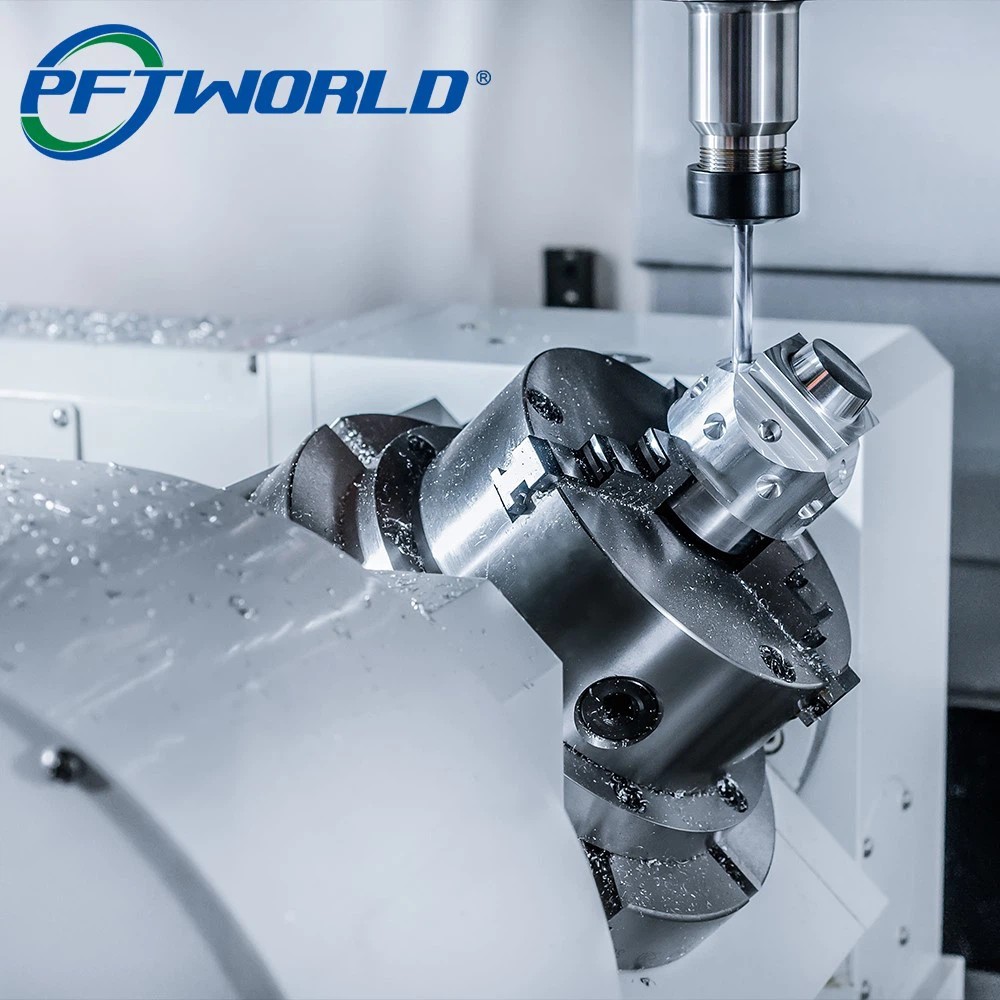
We implement a strict zero-defect tolerance matrix across all production stages. Combining multi-axis CNC technology (ranging from 3-axis to 6-axis configurations) with optical sensors and coordinated CMM validation, we consistently maintain critical tolerances of +/-0.002mm on critical functional dimensions, satisfying demanding international industrial criteria.
Equipped with state-of-the-art multi-axis machinery, we offer a complete suite of rapid-prototyping and mass-production services for worldwide industries.
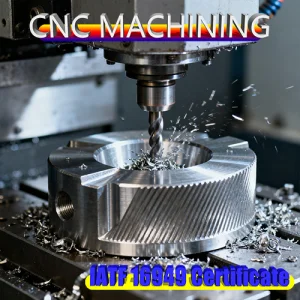
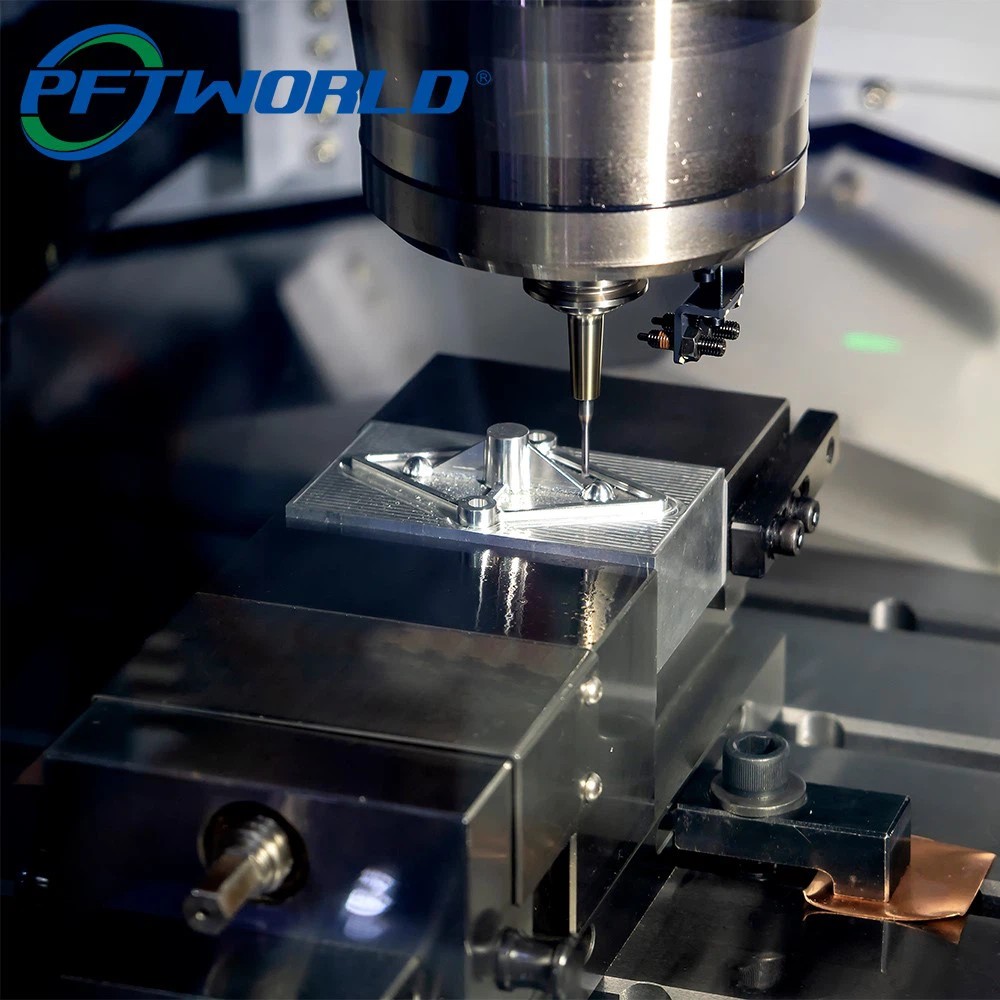
Multi-axis milling for complex 3D profiles and prismatic geometries, ensuring high accuracy on structural brackets and housings.
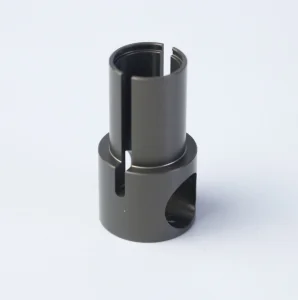
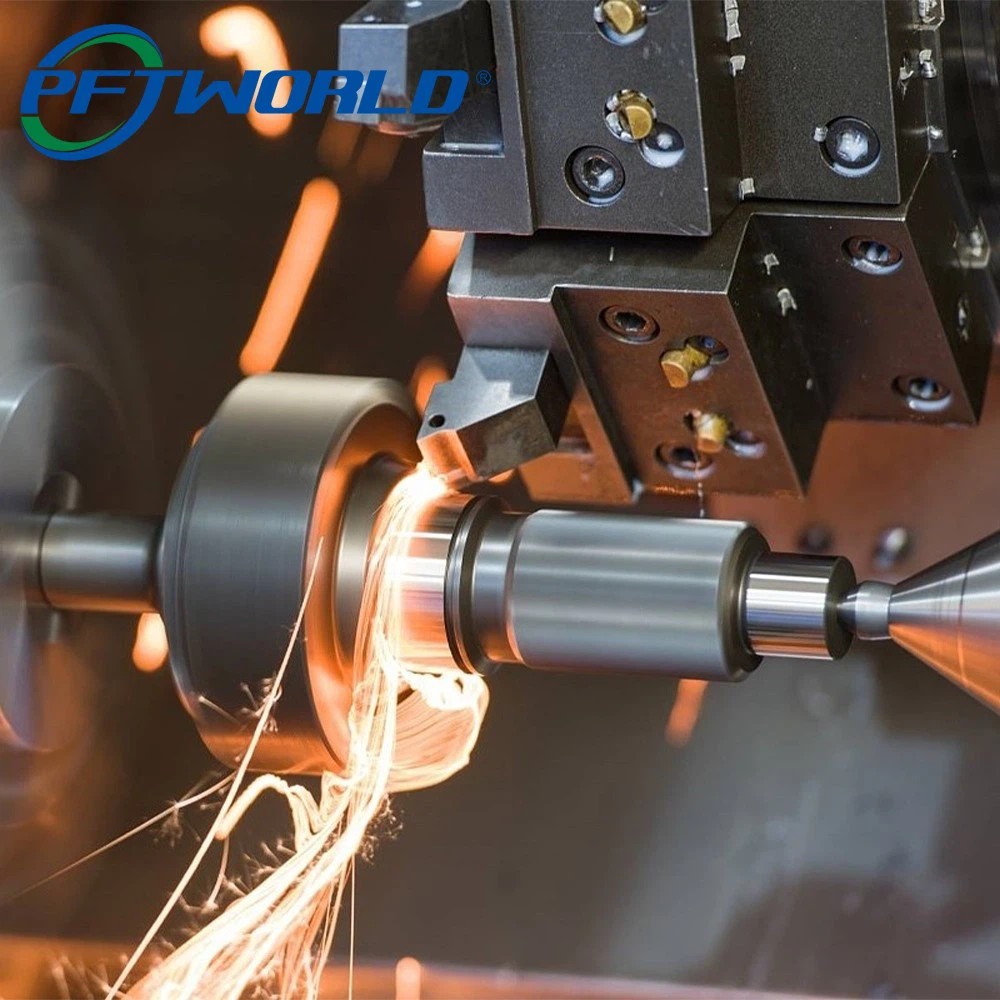
High-speed turning operations for cylindrical parts, motor shafts, and precise threaded fasteners with minimal surface roughness.
Combined mill-turn centers for single-setup processing of complex components, eliminating positioning errors and reducing unit cost.
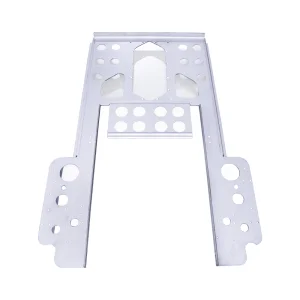
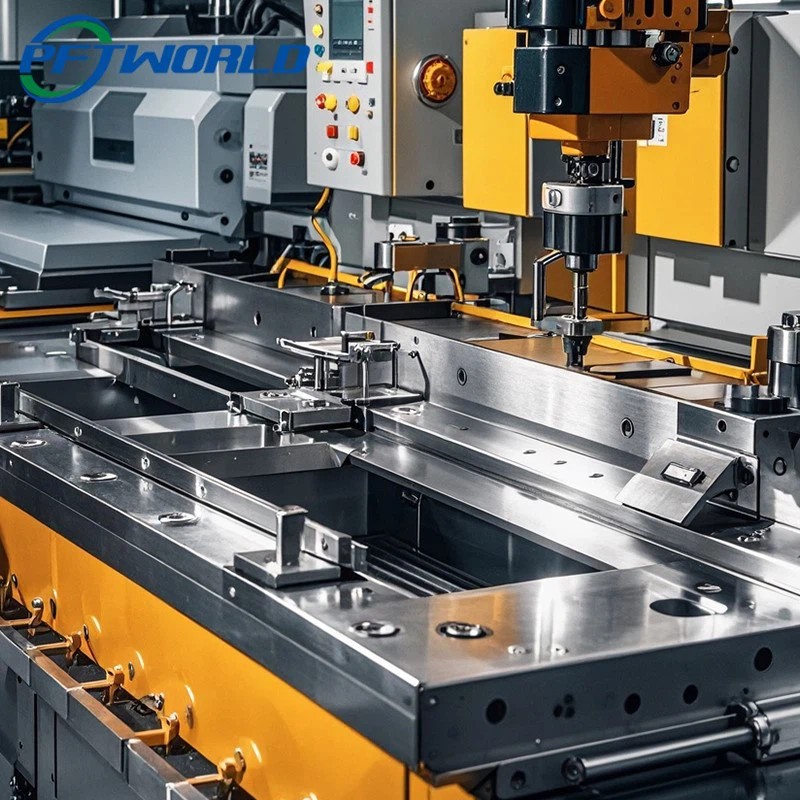
Laser cutting, precision bending, and welding of enclosures, server racks, and high-strength bracket assemblies.
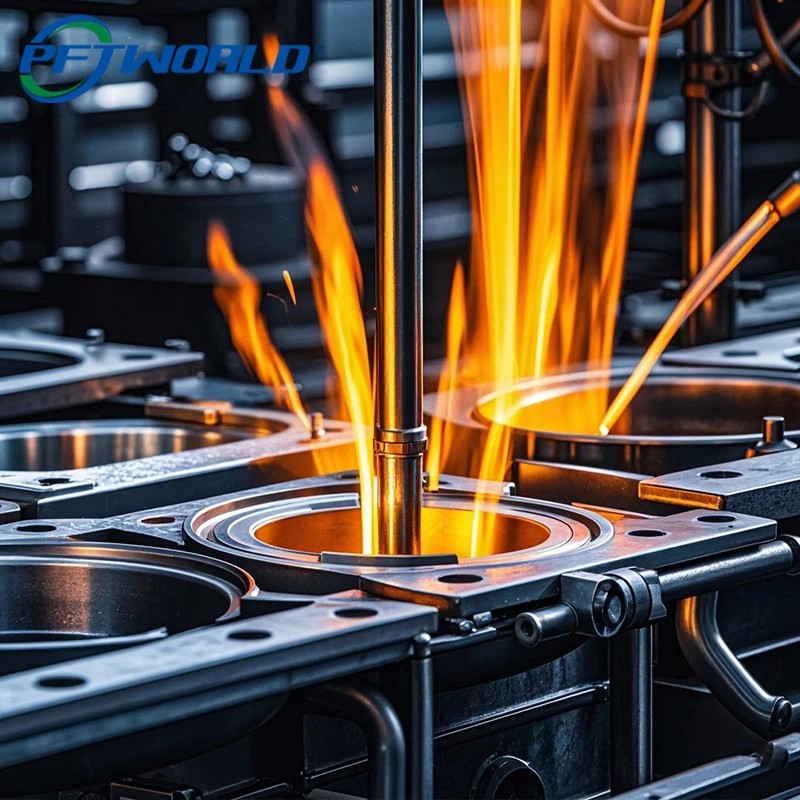
Sand casting and high-pressure die-casting processes for high-volume automotive parts and structural aluminum components.
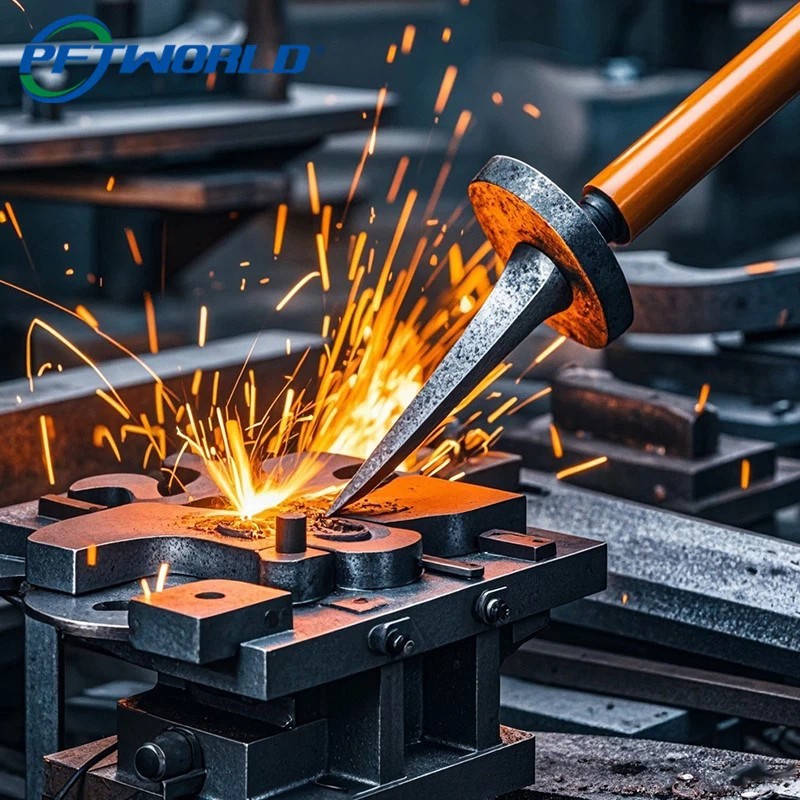
Precision forging for high-fatigue components, offering superior grain flow alignment and exceptional mechanical strength.
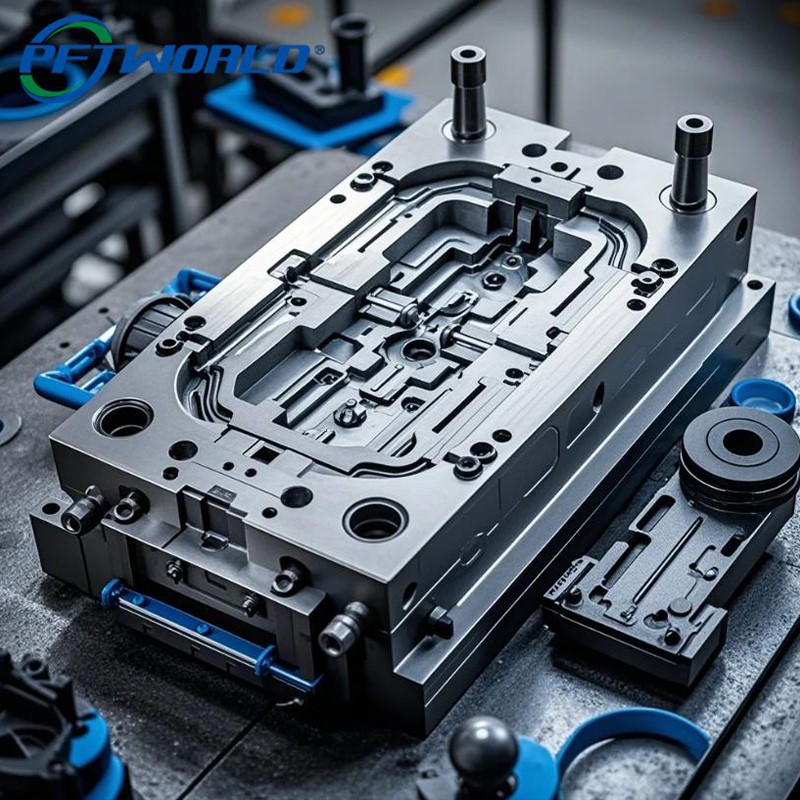
Design and manufacturing of injection molds for plastic parts and extrusion dies for continuous profile shapes.
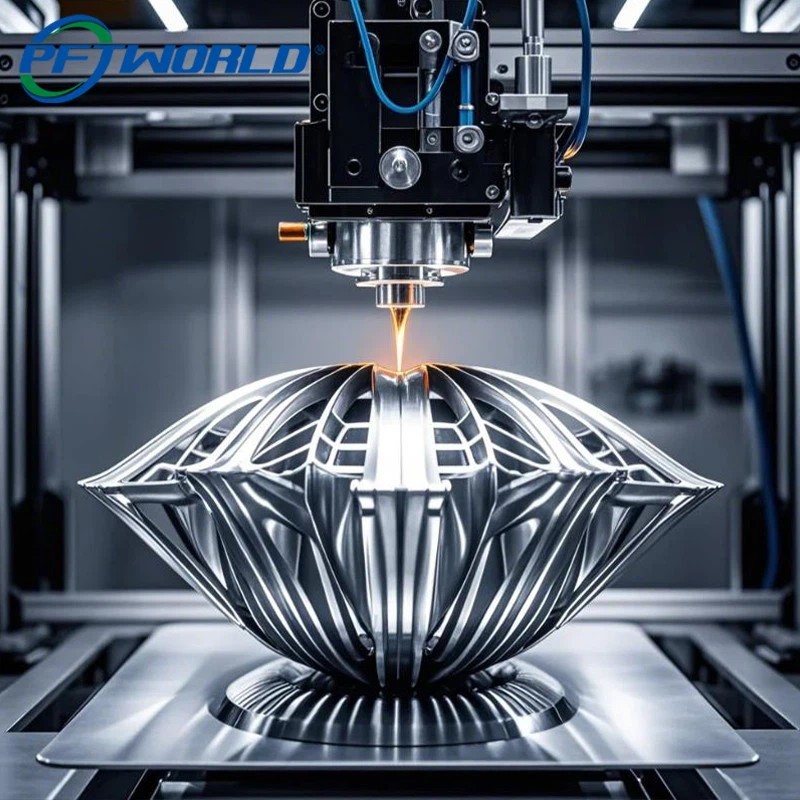
Additive manufacturing for fast functional prototypes using engineering-grade polymers and metal sintering technologies.
We adhere to strict quality systems, employing Coordinate Measuring Machines (CMM) and 2D inspection tools to guarantee absolute geometric accuracy.
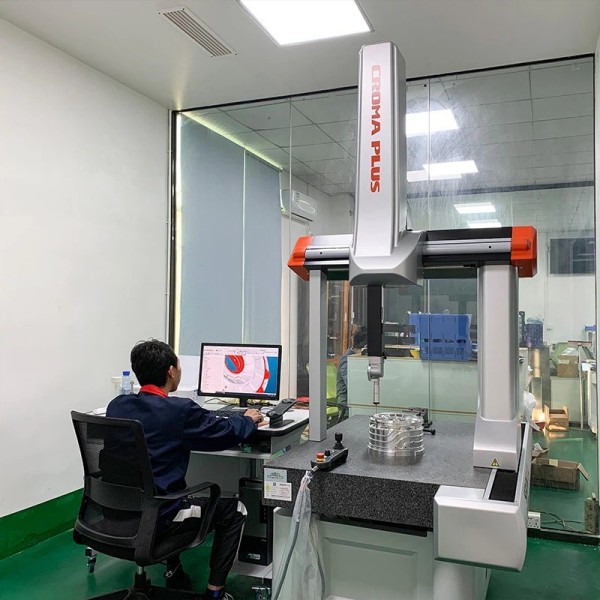
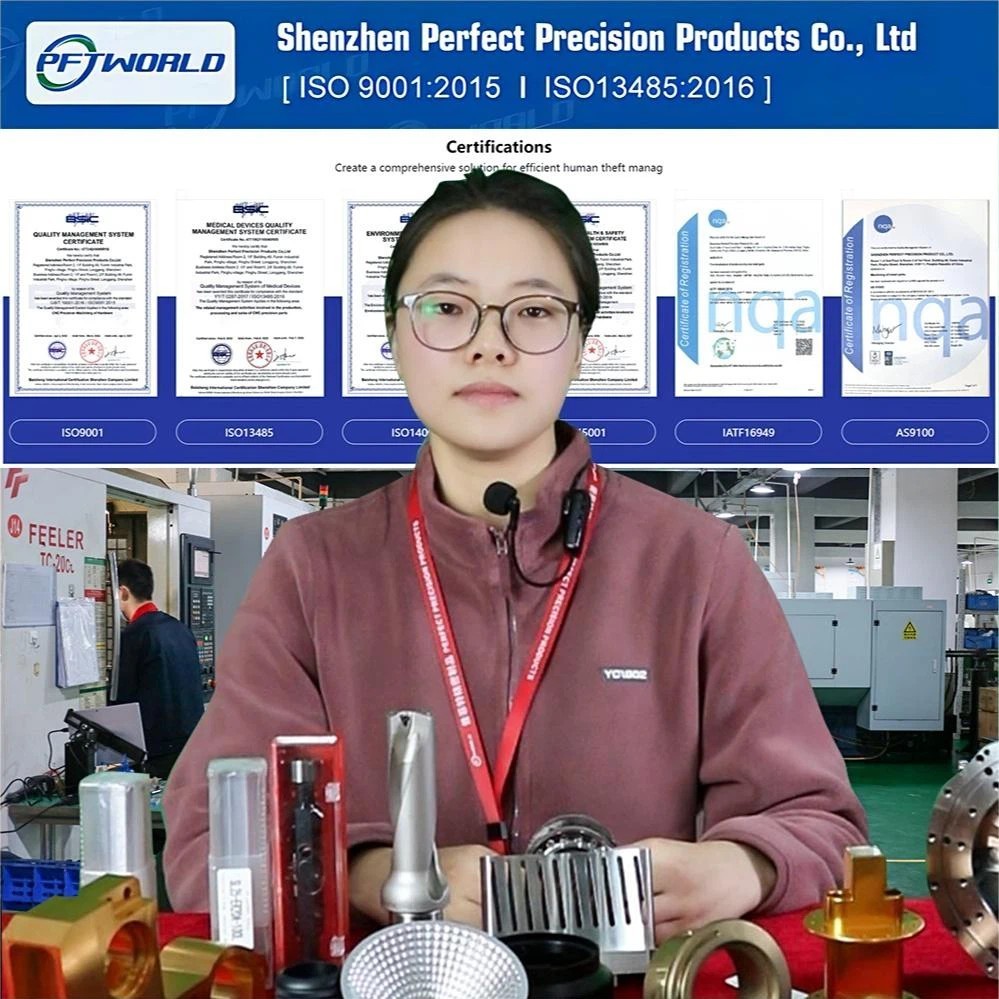
Our state-of-the-art metrology lab contains coordinate measuring machines (CMM) and 2D vision systems. This equipment allows us to verify geometries down to +/-0.002mm. From verifying raw materials to performing final pre-shipment inspections, we enforce a strict 4-step quality protocol:
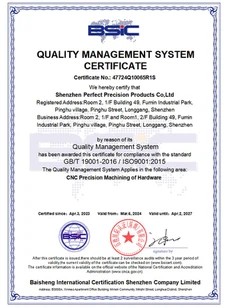 ISO9001:2015
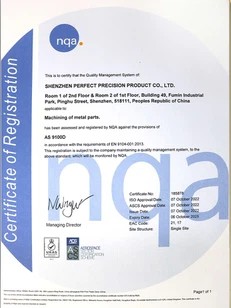 AS9100D
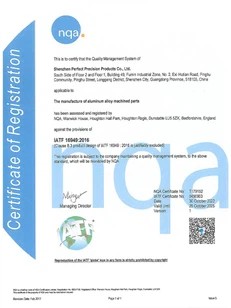 IATF16949:2016
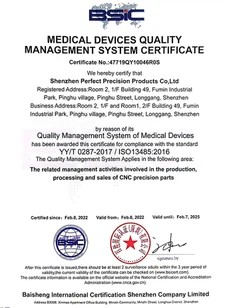 ISO13485:2016
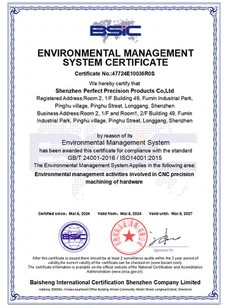 ISO14001:2015
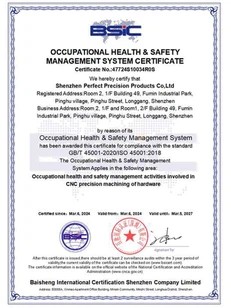 ISO45001:2018
How our custom engineering and component manufacturing solve critical performance issues across key market sectors.
We supply precision-machined suspension components, braking assemblies, and high-torque gears engineered to handle mechanical stress and thermal variations. Our systems meet IATF 16494 specifications, assuring performance for automotive applications.
Under ISO13485 compliance, we produce medical component assemblies that require precise biocompatibility, surface finishes, and dimensional stability. Our CNC lathe parts and custom actuators are used in high-precision surgical systems, diagnostic equipment, and sample handlers.
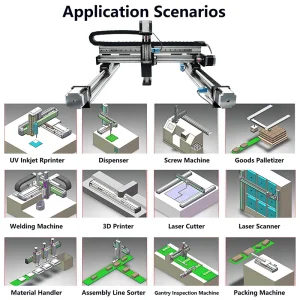
For automated factory setups, our custom slide tables, dual linear rails, and heavy-duty actuators deliver repeatable motion control. We focus on mechanical wear resistance, high-speed durability, and integration with modern servo drives.
In the modern manufacturing landscape, procuring high-quality components requires balancing cost optimization with operational reliability. Global supply chains face challenges from changing tariffs, fluctuating material costs, and strict compliance demands. To navigate these conditions, procurement teams are moving away from single-source configurations toward manufacturing partners that offer strong technological adaptability and transparent testing systems.
China's manufacturing sector has adapted to these requirements by shifting from basic casting and standard stamping toward advanced precision engineering. The concentration of component manufacturers in Shenzhen has created a highly integrated network. For example, raw materials, thermal treatments, complex CNC setups, and surface anodizing can be completed within a small geographic area, reducing processing time and secondary transport risks.
Furthermore, implementing digital factory systems (such as ERP and automated scheduling software) gives international clients real-time visibility into their production batches. This digital transparency helps offset geographical distances, allowing procurement managers to monitor quality metrics and delivery schedules remotely.
Several key developments are shaping the future of industrial motion control and automated systems:
Detailed engineering answers covering manufacturing capabilities, testing protocols, lead times, and materials.
We are a direct manufacturing factory based in Shenzhen, China. Backed by 20 years of custom machining experience, our facility spans 10,000 square meters. Our equipment list includes over 100 multi-axis CNC machines, 3D Coordinate Measuring Machines (CMM), and a dedicated quality testing lab. We handle all production steps in-house and provide raw material certifications and detailed inspection reports with every delivery.
To provide an accurate and detailed quote, we require 2D and 3D technical drawings (in PDF, STEP, IGS, or DWG formats). Your request should also specify the target alloy or polymer, quantity, required surface finishes (e.g., anodizing, passivating, plating), critical tolerance areas, and your delivery schedule.
Yes, we can work from physical samples, detailed photographs, or sketches showing overall dimensions. Our engineering team can translate these into formal 2D and 3D CAD files for your review and approval before beginning production.
Yes, we produce functional prototypes to verify designs before proceeding with mass production. Prototype manufacturing costs are estimated based on geometry and setup time, and can often be credited toward your subsequent production runs.
Standard prototype lead times range from 1 to 3 business days for simple components, and up to 7 to 14 days for complex multi-axis parts. Full production runs typically require 3 to 4 weeks, depending on order size, tooling needs, and surface finishing steps.
Our ISO9001-certified quality control workflow spans four stages: we verify raw materials upon arrival, run First-Article inspections to verify program setups, conduct random sampling checks during the production run, and perform a final 100% inspection on critical functional dimensions before packaging and shipping.
We stand behind our products. If you identify any dimensional or material issues within 30 days of receiving your order, you can contact us via email, video call, or phone. Our engineering team will review the issue and, if a manufacturing defect is confirmed, provide a resolution—such as reworking or replacing the parts—within one week.
From rapid functional prototyping to high-volume manufacturing runs, our engineers are ready to analyze your drawings for manufacturability (DFM) and provide a competitive quotation.
Send Inquiry NowExplore our industrial-grade components, optoelectronic sensors, and custom mounting hardware designed to keep production lines running smoothly.