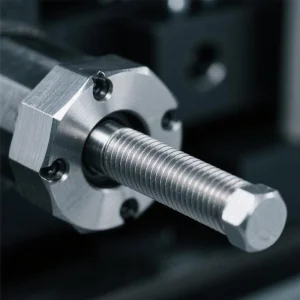
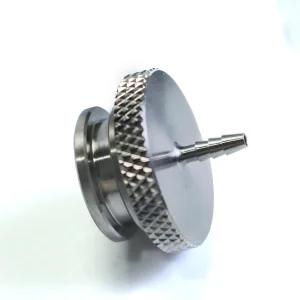
Advances in CNC Machining Technology Transform the Manufacturing of Aircraft Strut Parts In the complex world of aerospace engineering, precision and reliability are paramount. Aircraft struts are critical components that support the weight of the aircraft during landing and ground operations, and require the highest manufacturing standards. As technology has evolved, computer numerical control (CNC) machining has become a game-changer in the production of these critical parts. This article explores how CNC machining has revolutionized the manufacturing of aircraft strut parts, improving aviation performance, safety, and efficiency.
Role of CNC Machining in Aerospace
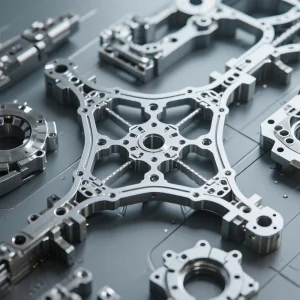
CNC machining has long been an integral part of aerospace manufacturing, providing unparalleled precision and repeatability. In the production of aircraft strut parts, tight tolerances and complex geometries are the norm, and CNC machining ensures consistency and quality at every stage of production. By translating digital designs into physical components with extreme accuracy, CNC machines enable aerospace engineers to manufacture struts that meet stringent safety and performance standards.
Precision Engineering
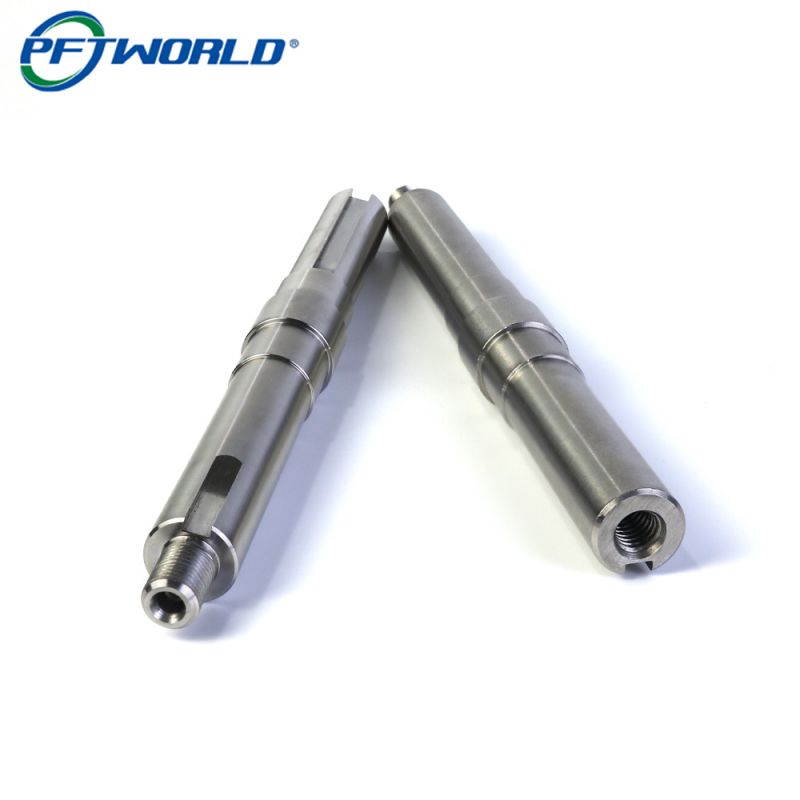
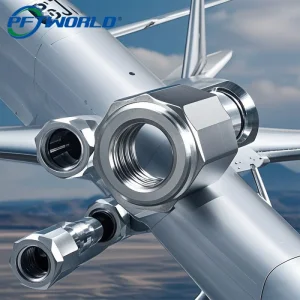
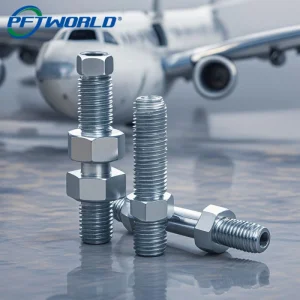
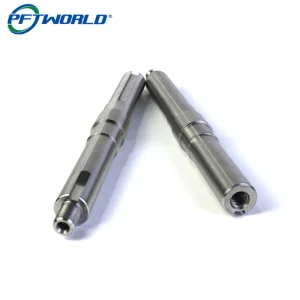
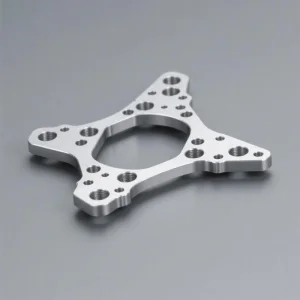
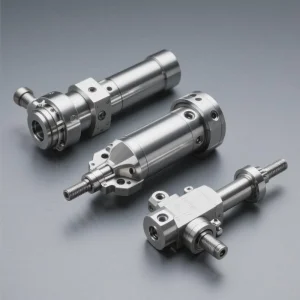
Aircraft strut components, such as landing gear assemblies and hydraulic cylinders, require complex machining to achieve the required specifications. CNC machining excels in this area, accurately forming and finishing metal alloys commonly used in aerospace applications. Whether milling, turning or grinding, CNC machines deliver sub-micron accuracy, ensuring each part meets the exact requirements of the design.
Complex Geometries
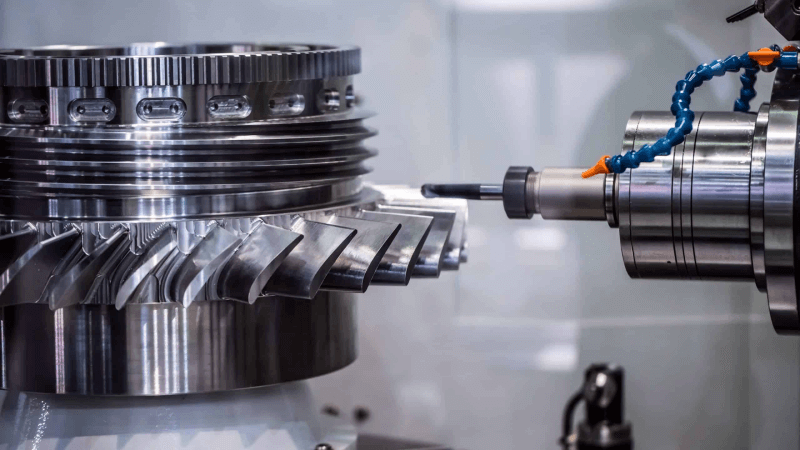
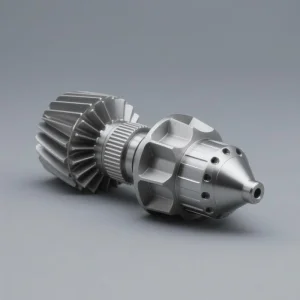
Modern aircraft struts are designed to withstand tremendous forces while minimizing weight and maximizing structural integrity. This often requires manufacturing components with complex geometries, such as curved surfaces, tapered profiles and internal cavities. CNC machining capabilities, including multi-axis machining and advanced toolpath generation, enable manufacturers to easily produce these complex parts. By leveraging the power of CAD/CAM software, engineers can optimize designs for improved manufacturability and streamline production processes.
Material Flexibility
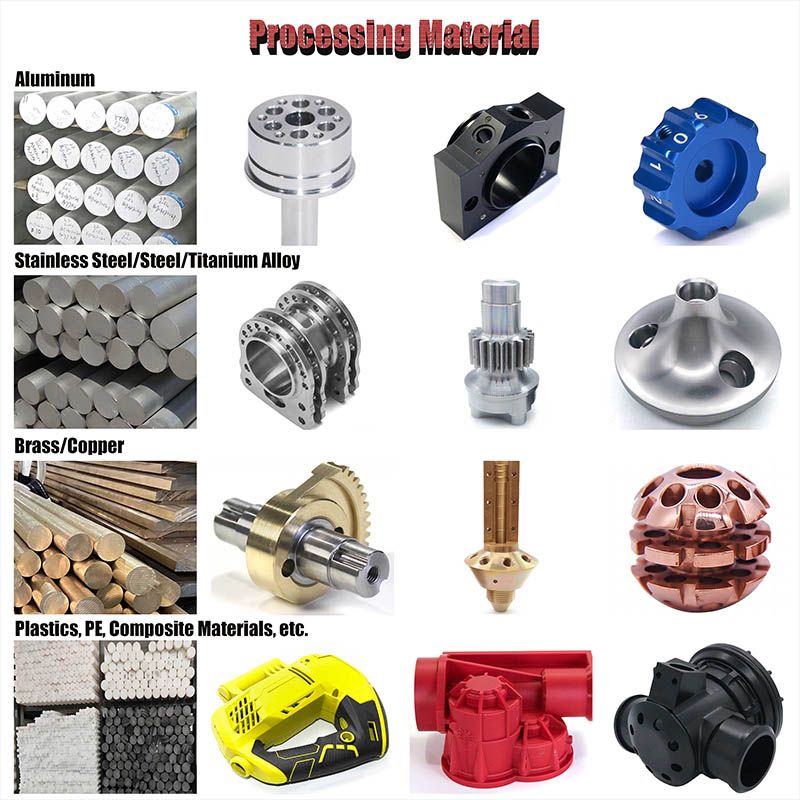
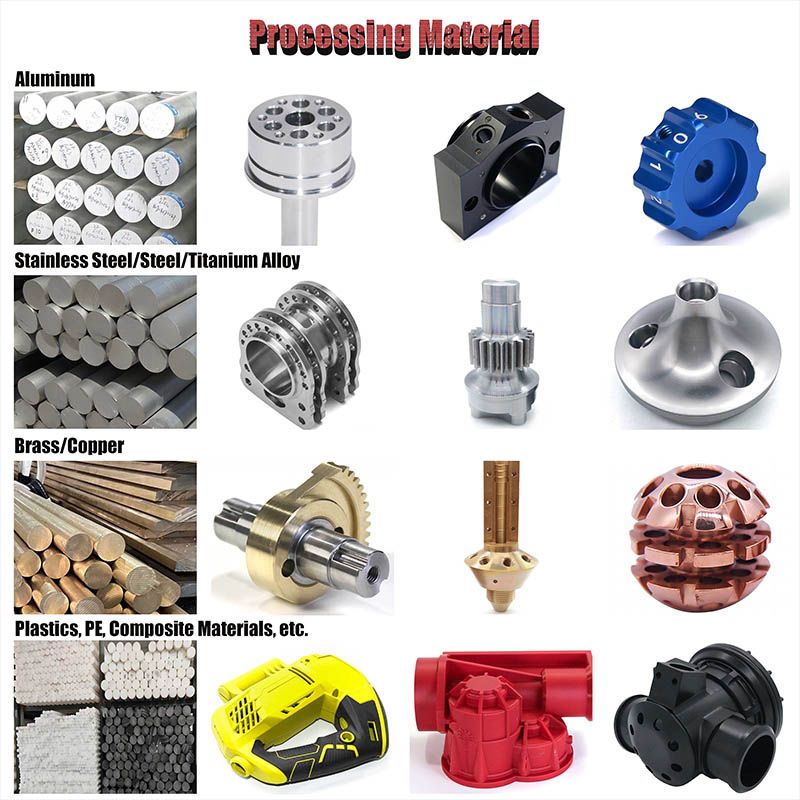
Aircraft strut components are often made from high-strength materials such as aluminum, titanium and stainless steel to withstand the rigors of flight conditions. CNC machining offers unparalleled versatility in machining these alloys, allowing for precise cutting, drilling and forming without compromising material properties. Whether it’s a bulkhead, trunnion or piston rod, CNC machines can easily handle a wide range of materials, ensuring each component meets the rigorous standards of the aerospace industry.
Quality Assurance
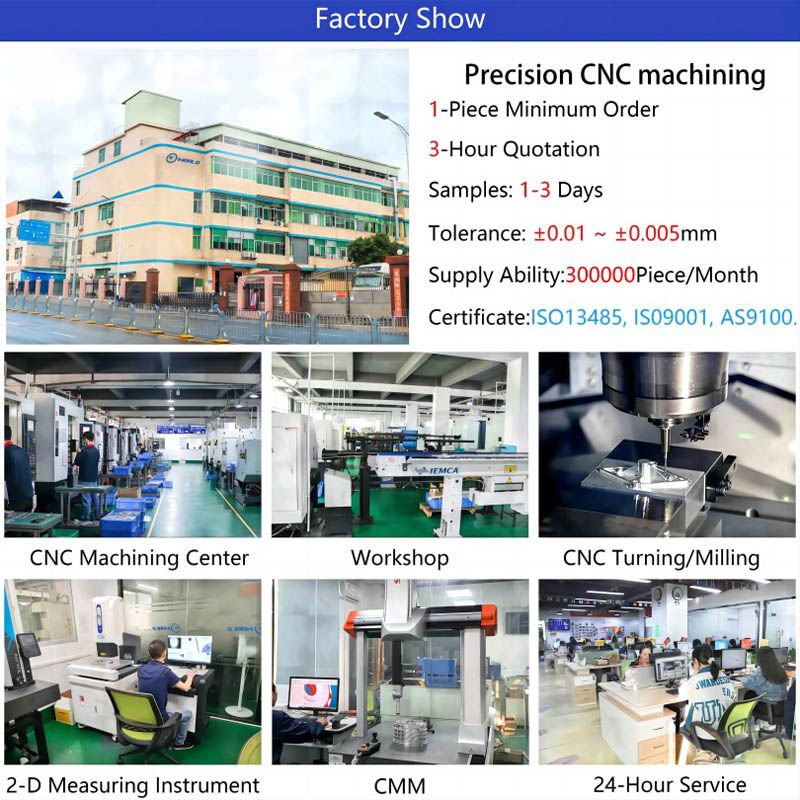
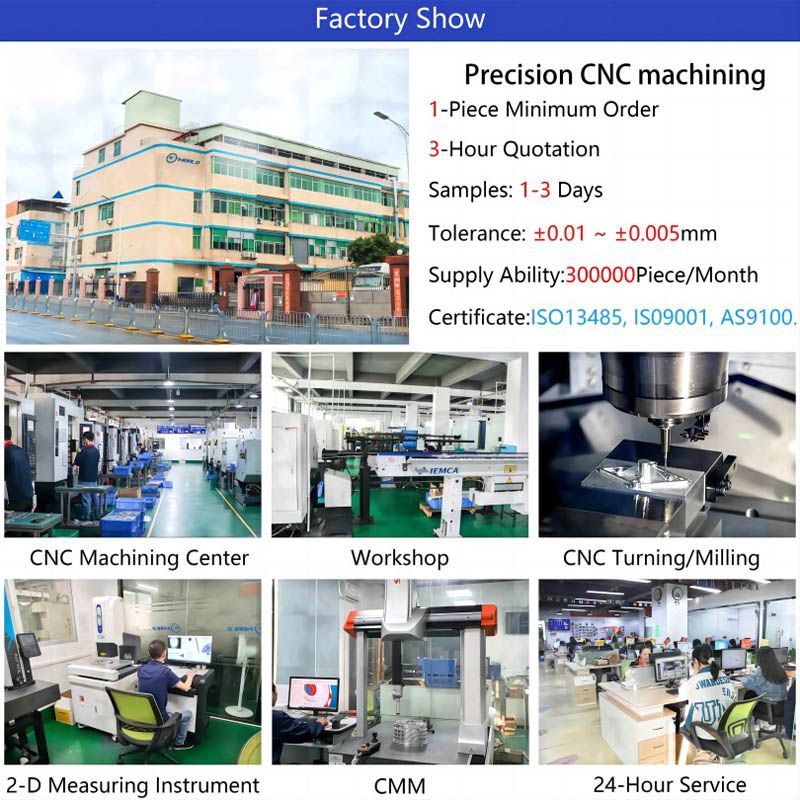
In aerospace manufacturing, quality control is non-negotiable. Aircraft reliability and safety depend on the integrity of every component, including strut components. CNC machining plays a vital role in ensuring quality assurance by enabling real-time monitoring and inspection of machined components. With advanced metrology equipment integrated into CNC systems, manufacturers can verify dimensional accuracy, surface finish, and material integrity throughout the production process, minimizing the risk of defects and ensuring compliance with regulatory standards.
Efficiency and Cost-Effectiveness
While maintaining uncompromising quality standards, CNC machining also offers significant advantages in terms of efficiency and cost-effectiveness. By automating repetitive tasks and optimizing machining parameters, manufacturers can streamline production workflows and reduce lead times. In addition, the scalability of CNC machining allows for efficient production of both small and large batches of aircraft strut components, providing flexibility to meet the dynamic needs of the aerospace industry. In the long run, this means lower production costs and enhanced competitiveness for aerospace manufacturers.
Material Processing
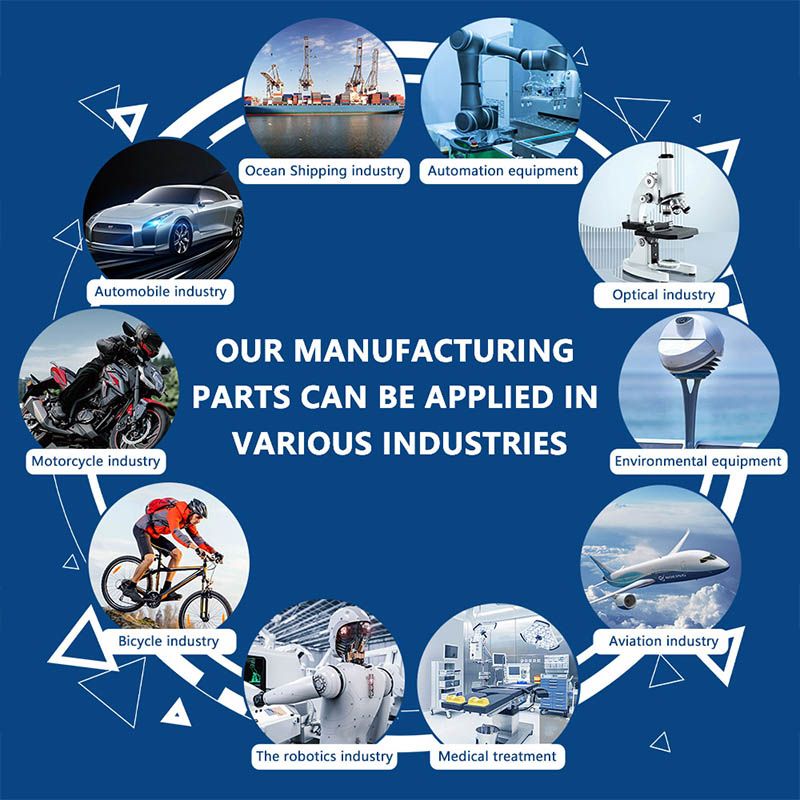
Application
Frequently Asked Questions
Q: What is your business scope?
A: We offer comprehensive OEM services. Our core business scope includes CNC lathe processing, turning, stamping, and related machining solutions.
Q: What materials are typically processed for aircraft strut components?
A: Aircraft strut components are manufactured from high-strength materials such as aluminum, titanium, and stainless steel to ensure they withstand demanding flight and landing conditions.
Q: How does CNC machining ensure the quality and safety of aircraft struts?
A: By integrating advanced metrology equipment into CNC systems, manufacturers can perform real-time monitoring and inspection. This verifies the dimensional accuracy, surface finish, and overall material integrity of each component.
Q: What information should I provide for an inquiry?
A: If you have design drawings or physical samples, please send them to us. Additionally, specify your requirements regarding material, tolerances, surface treatments, and the order quantity.
Q: What is the typical delivery timeline?
A: The standard delivery timeframe is approximately 10 to 15 days following the receipt of payment.
Q: What are the accepted payment terms?
A: Generally, terms are EXW or FOB with 100% T/T in advance. We can also discuss and accommodate other arrangements based on your specific requirements.