1 / 1

If you’ve ever driven over a bridge, worked in a high-rise building, or used heavy machinery, you’ve benefited from steel plates. These flat, thick sheets of steel are the backbone of modern infrastructure and industry—strong, versatile, and essential.

CNC laser machining is a manufacturing process that uses a focused laser beam to cut, engrave, or etch materials, all controlled by a computer program. CNC stands for Computer Numerical Control, which means the movement and power of the laser are precisely guided by a digital file—usually designed in CAD (Computer-Aided Design) software and translated into machine-readable G-code.
The laser functions as a non-contact cutting tool that can slice through metals, plastics, wood, and more with high precision and minimal material waste. CNC laser systems are often used in industries that require detailed geometries, tight tolerances, and consistent quality.
Steel plates are thick, flat sheets of metal, typically ranging from 3mm to over 200mm thick. Unlike thinner sheets, plates are used where strength, durability, and load-bearing capacity really matter—think ship hulls, bulldozer blades, or structural supports in skyscrapers.
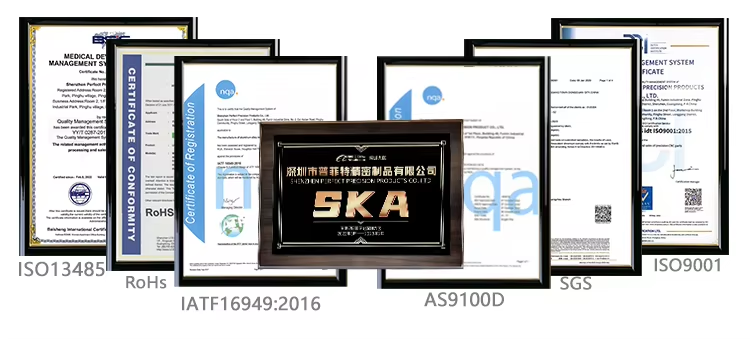
We are proud to hold several production certificates for our CNC machining services, which demonstrates our commitment to quality and customer satisfaction.
"Great CNC machining, impressive laser engraving, best I've ever seen so far. Good quality overall, and all the pieces were packed carefully."
"Excelente, me siento contento, me sorprendió la calidad de las piezas, un gran trabajo. This company does a really nice job on quality."
"If there is an issue they are quick to fix it. Very good communication and fast response times. This company always does what I ask."
"They even find any errors that we may have made."
"We have been dealing with this company for a number of years and have always received exemplary service."
"I am very pleased with the outstanding quality of my new parts. The price is very competitive and the customer service is among the best I've ever experienced."
"Fast turnaround, fabulous quality, and some of the best customer service anywhere on Earth."
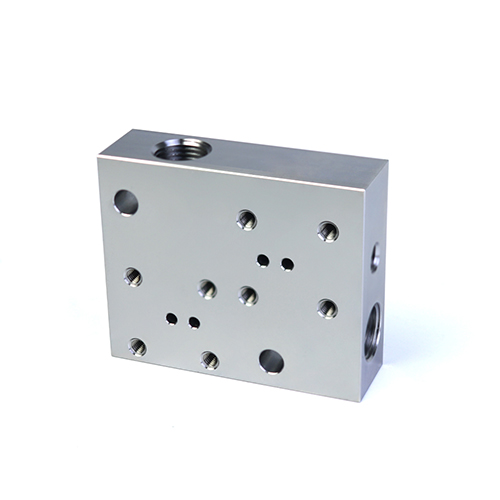
The journey from raw material to finished plate involves several key steps:
It all starts in the furnace. Raw iron ore, coke, and limestone are melted together in a blast furnace to create molten iron. This is then refined into steel in a basic oxygen or electric arc furnace, where alloys like chromium, nickel, or molybdenum are added to enhance properties.
The molten steel is cast into large rectangular slabs or thick strips using continuous casting machines. This is more efficient than the old-school method of ingot casting and results in a more uniform structure.
This is where slabs become plates. There are two main types of rolling:
After rolling, plates are cut to size using shears or torches. Surface treatments like shot blasting or priming might be applied to improve corrosion resistance or prepare the plate for painting.
Not all plates are the same. The exact composition and manufacturing process determine their best use:
A poorly made plate can lead to catastrophic failures—cracks, distortions, or weak spots. Reputable manufacturers control:
Steel plates might not be glamorous, but they’re one of the most reliable and widely used materials in engineering and construction. Understanding how they’re made—and why quality matters—helps everyone from designers to builders make smarter, safer choices.