1 / 1

Carbon fiber is the superhero of modern materials—lightweight, incredibly strong, and resistant to corrosion. But cutting it requires specialized CNC techniques to avoid fraying, delamination, or wasted material.
Whether you're in aerospace, automotive, or high-performance sports equipment, here’s what you need to know about carbon fiber composite CNC cutting services.
Unlike metals, carbon fiber is a layered composite, making it tricky to machine. CNC cutting solves this with:
Not all carbon fiber is cut the same way. The best method depends on thickness, resin type, and precision needs.
Best for: Thin to medium sheets (1–10mm)
Pros: Fast, cost-effective, smooth edges
Cons: Limited to 2D shapes
Best for: Thick laminates (up to 50mm+)
Pros: No heat = no resin melting
Cons: Slightly rougher edges
Best for: Fine details (holes, slots)
Pros: Ultra-precise, no tool wear
Cons: Risk of burnt edges (needs post-processing)
Best for: Complex 3D parts (like molds)
Pros: Full contour control
Cons: Higher cost, slower
| Feature | CNC Cutting | Hand Cutting |
|---|---|---|
| Precision | ±0.1mm | ±1–2mm (at best) |
| Speed | Fast and automated | Hours per part |
| Repeatability | Perfect duplicates | Inconsistent |
| Cost (Volume) | Cheaper at scale | Only for one-offs |
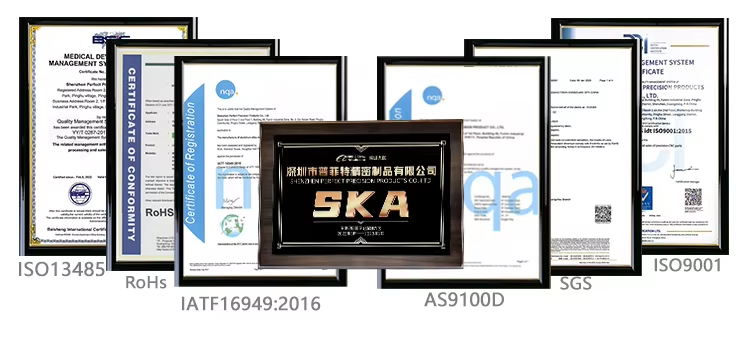
Certified CNC machining services demonstrate a commitment to quality and customer satisfaction through industry standards:
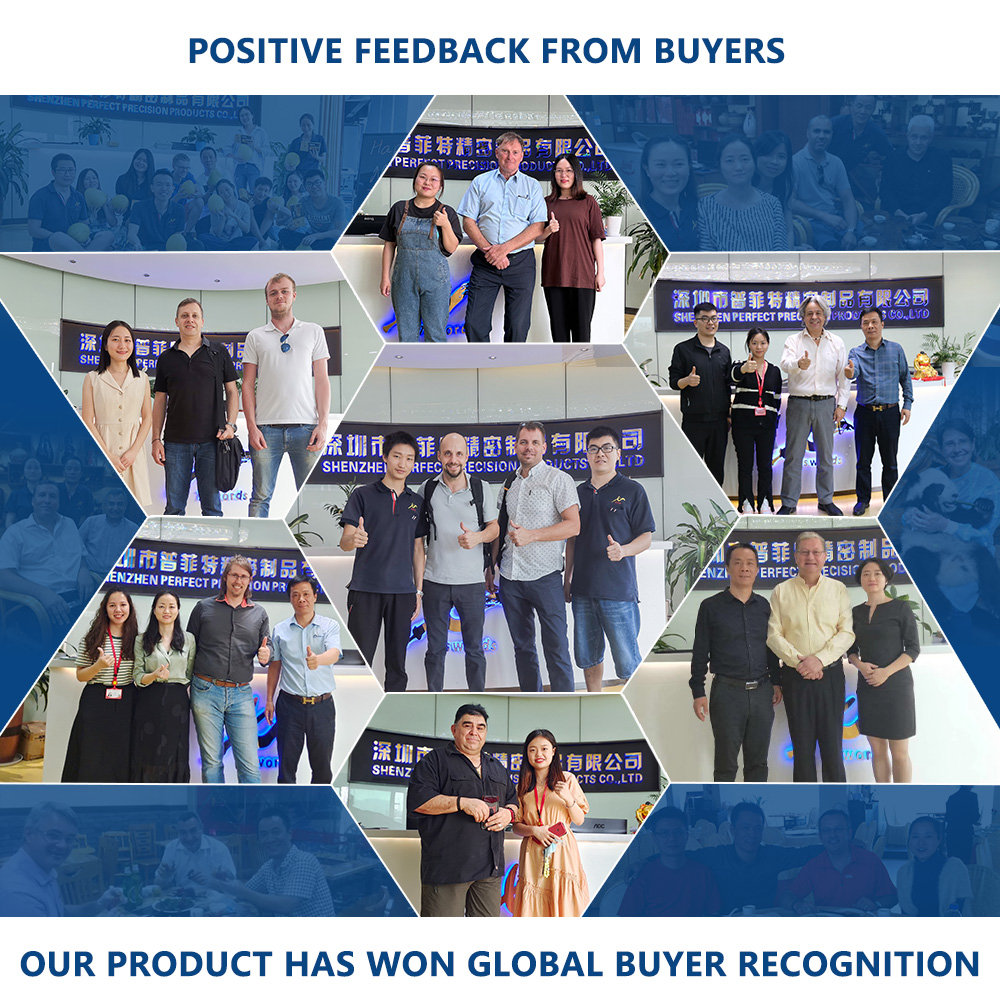
Great CNC machining, impressive laser engraving, best I've ever seen so far. Good quality overall, and all the pieces were packed carefully.
Excelente me siento contento me sorprendió la calidad de las piezas un gran trabajo. The manufacturer does a really nice job on quality.
If there is an issue they are quick to fix it. Very good communication and fast response times. The manufacturer always does what I ask.
They even find any errors that we may have made.
We have been dealing with this manufacturer for a number of years and have always received exemplary service.
I am very pleased with the outstanding quality of my new parts. The price is very competitive and the customer service is among the best I've ever experienced.
Fast turnaround, fabulous quality, and some of the best customer service anywhere.
Lead times vary depending on part complexity, material availability, and finishing requirements, but generally:
Expedited service is often available.
To get started, you should submit:
Yes. CNC machining is ideal for achieving tight tolerances, typically within:
Yes. CNC prototypes are made from real engineering-grade materials, making them ideal for functional testing, fit checks, and mechanical evaluations.
Yes. Many CNC services provide bridge production or low-volume manufacturing, ideal for quantities from 1 to several hundred units.
Yes. Reputable CNC prototype services always sign Non-Disclosure Agreements (NDAs) and treat your files and intellectual property with full confidentiality.