1 / 1

In the evolving world of manufacturing and fabrication, CNC laser engravers are playing an increasingly vital role. Combining precision, speed, and automation, these machines have revolutionized how we approach engraving and cutting tasks in machining processes. From industrial applications to small business and hobbyist uses, CNC laser engravers provide a unique blend of versatility and efficiency.
A CNC (Computer Numerical Control) laser engraver is a machine that uses a high-powered laser beam to etch or cut materials based on digital design instructions. These instructions are typically input via CAD (Computer-Aided Design) files and converted into precise movements through CNC programming.
The laser beam, guided by CNC controls, can engrave intricate patterns or cleanly cut through various materials including wood, plastic, leather, metal, glass, and more. Unlike traditional machining tools, CNC laser engravers offer non-contact processing, which reduces wear and maintenance while increasing the overall lifespan of the machine.
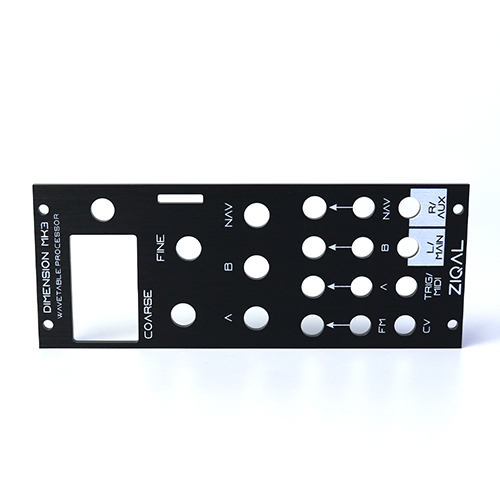
The process begins with a digital design. The user creates or imports a design into specialized software, which then converts the image or model into G-code — a CNC-compatible programming language. This code instructs the machine how to move the laser in X, Y, and sometimes Z directions.
The laser source, often a CO₂, fiber, or diode laser, emits a focused beam of light. When this beam contacts the material's surface, it either vaporizes, melts, or burns it, depending on the material and laser power. CNC control ensures high precision, making it ideal for detailed designs and fine text engraving.
CNC laser engravers can achieve tolerances within microns, enabling the creation of complex, detailed designs without tool marks or deformation.
Automated controls and high-speed lasers allow for rapid production without sacrificing quality.
Suitable for a wide variety of materials, CNC laser engravers can be used in industries ranging from automotive and aerospace to art, jewelry, and signage.
With fewer moving parts and no physical contact between the tool and material, these machines typically require less maintenance than traditional CNC mills or lathes.
Ideal for small-batch production and prototyping, CNC laser engravers make it easy to test, iterate, and personalize products.
CNC laser engravers are increasingly common in both large-scale manufacturing and small workshops. Some notable applications include:
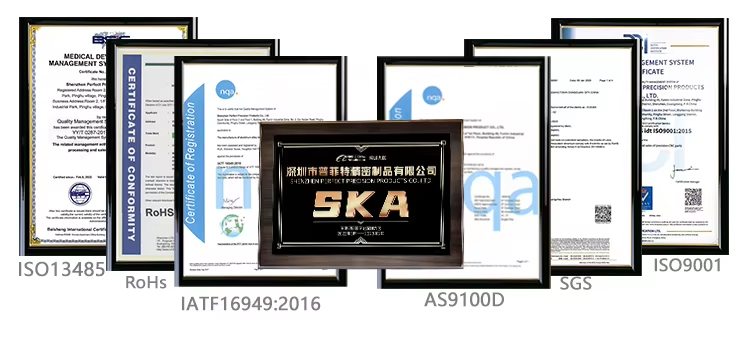
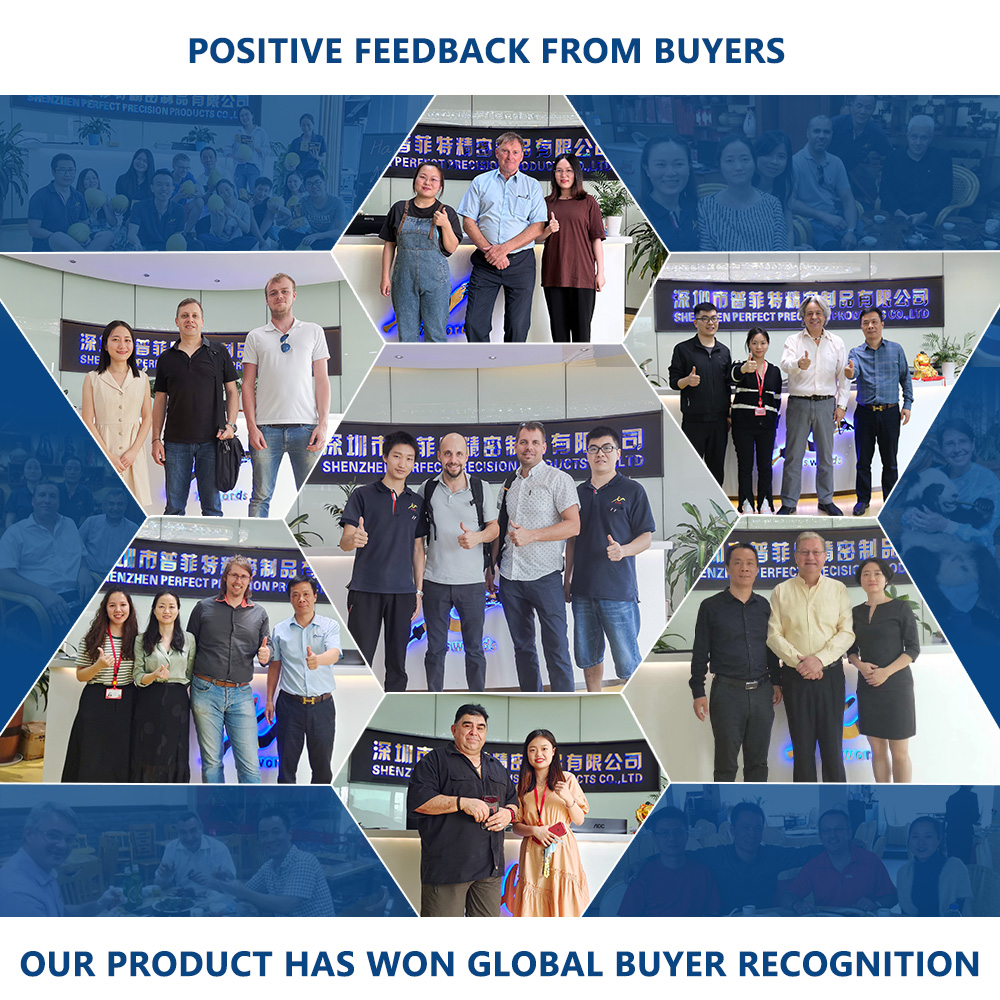
Adherence to international production standards for CNC machining services demonstrates a firm commitment to quality and customer satisfaction:
Lead times vary depending on part complexity, material availability, and finishing requirements, but generally:
Expedited service is often available.
To get started, you should submit:
Yes. CNC machining is ideal for achieving tight tolerances, typically within:
Yes. CNC prototypes are made from real engineering-grade materials, making them ideal for functional testing, fit checks, and mechanical evaluations.
Yes. Many CNC services provide bridge production or low-volume manufacturing, ideal for quantities from 1 to several hundred units.
Yes. Reputable CNC prototype services always sign Non-Disclosure Agreements (NDAs) and treat your files and intellectual property with full confidentiality.