1 / 1

If you’ve ever held a custom-machined component in your hand, you know the difference precision makes. Whether it’s a stainless steel shaft for medical equipment or an aluminum housing for aerospace, the accuracy of CNC machining part factories directly impacts product quality, durability, and cost efficiency.
As buyers and engineers, many of us face the same questions: Which CNC factory can deliver consistent quality? How do I compare lead times and costs? Let’s walk through the answers step by step.
CNC machining part factories are not just machine shops; they are problem-solving partners. Common services include:
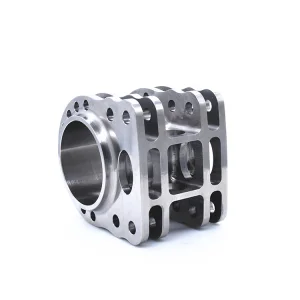
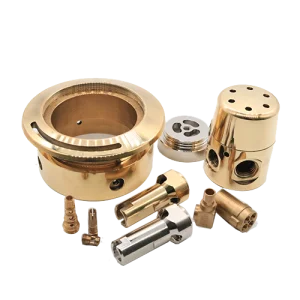
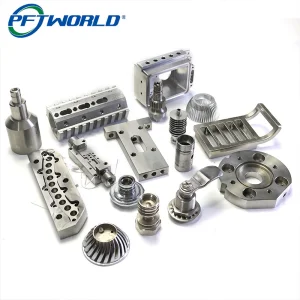
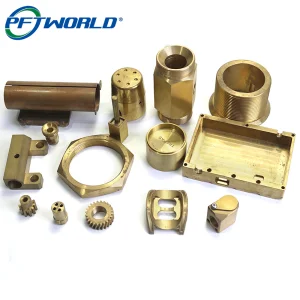
CNC factories can machine a wide variety of materials, including metals like stainless steel (e.g., 316L), aluminum, brass, titanium, and engineering plastics such as PEEK, POM, and Nylon.
Accuracy is ensured through advanced inspection equipment, including Coordinate Measuring Machines (CMM), micrometers, and surface roughness testers, accompanied by detailed quality inspection reports.
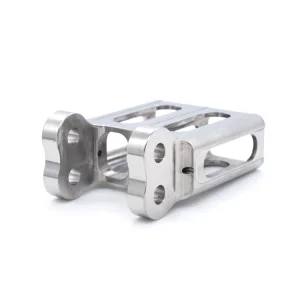
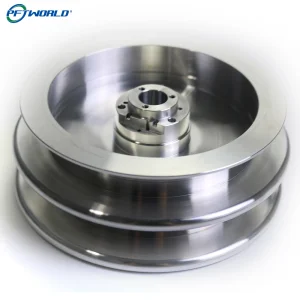
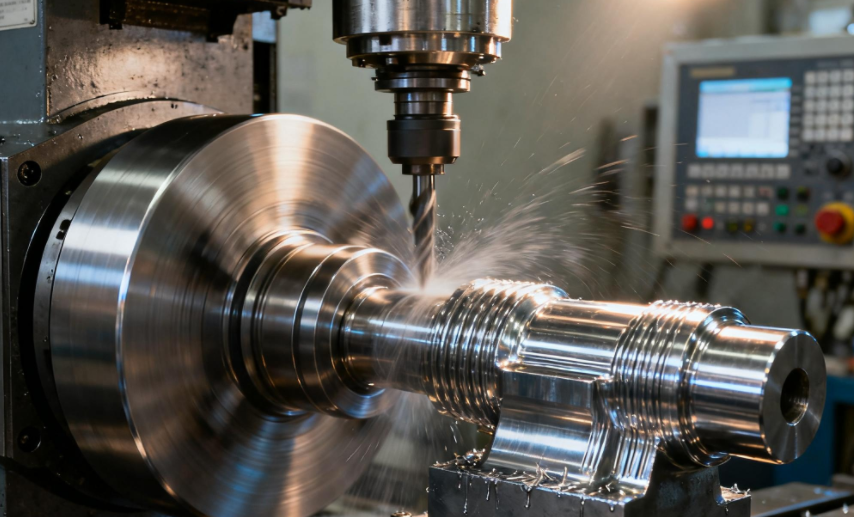
CNC milling uses rotating tools to cut material from a stationary workpiece, ideal for complex shapes. CNC turning rotates the workpiece while a stationary tool cuts it, best suited for cylindrical and round parts.
Yes, most modern CNC factories are equipped to handle low-volume rapid prototyping for design validation, as well as high-volume batch production for scalability.
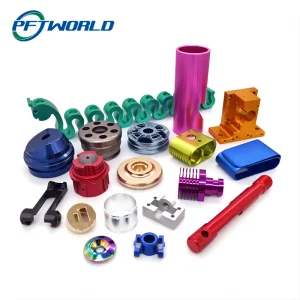
Common surface treatments include anodizing, bead blasting, polishing, powder coating, plating, and passivation to improve appearance, corrosion resistance, and durability.