1 / 1

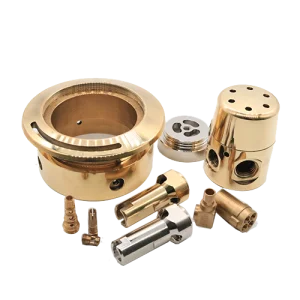
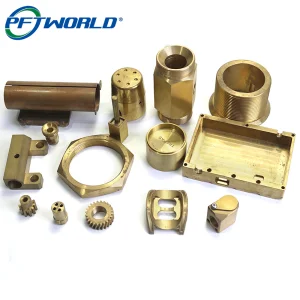
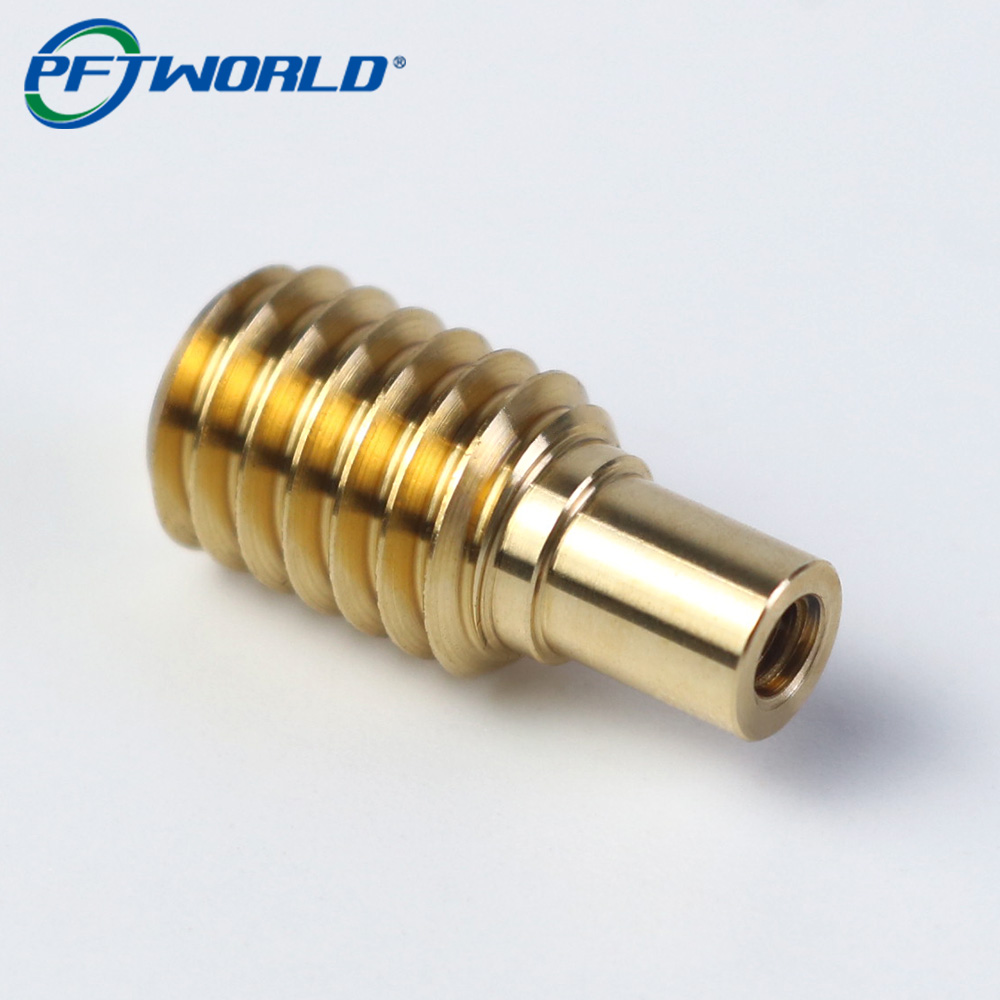
If you’ve ever held a solid brass fitting in your hand, you’ll notice the smooth golden sheen, the weighty feel, and the precise machining that makes it fit seamlessly into an assembly. This is the hallmark of custom made brass parts—components engineered to exact specifications for industries ranging from plumbing to aerospace.
In this guide, we’ll share first-hand manufacturing experience, real application cases, and insights into cost and quality so you know what to expect when sourcing brass components.
From my experience running CNC and turning machines for brass fittings, brass stands out because of:
Excellent machinability – Compared with stainless steel, brass cuts cleaner, requires less tool wear, and reduces machining time by 20–30%.
Corrosion resistance – Perfect for plumbing, marine, and electrical use where moisture or oxidation would destroy mild steel parts.
Aesthetic finish – Many customers in luxury hardware choose brass because polishing gives a premium, golden appearance without extra plating.
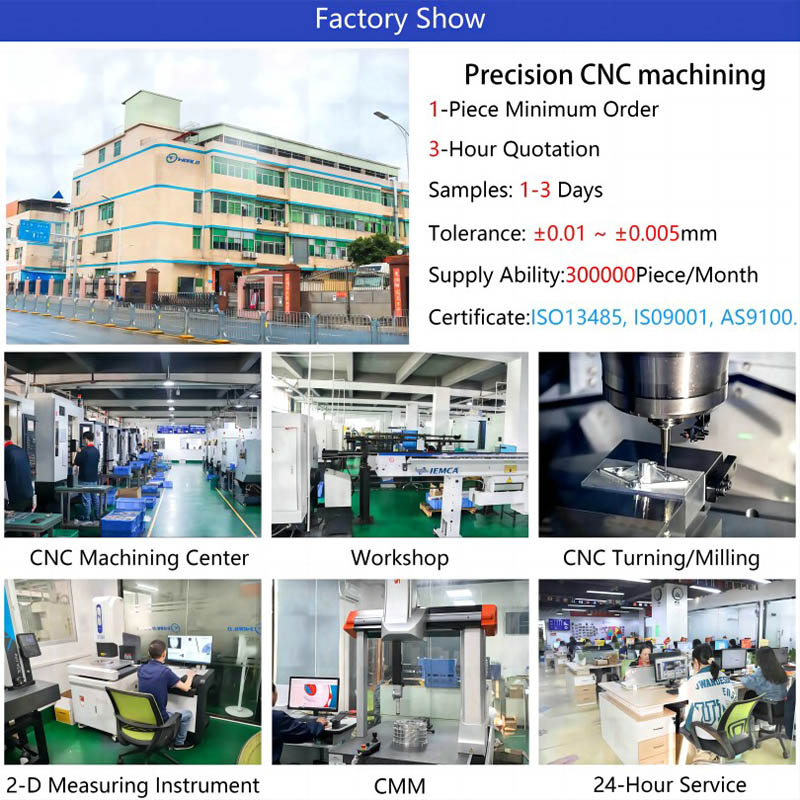
We once supplied custom brass valves for a European water filtration brand. The customer needed tight tolerances of ±0.01 mm on threads. With brass, we achieved these tolerances consistently without secondary finishing, which saved the client about 12% in production cost compared to stainless steel alternatives.
Brass is widely used in industries that demand both strength and workability. Some common custom parts include:
Precision fittings – Used in HVAC and plumbing systems.
Electrical terminals – Brass has excellent conductivity, making it ideal for connectors.
Decorative hardware – Luxury furniture and lighting industries favor brass due to its elegant look.
Aerospace bushings – Low friction and wear resistance properties make brass a reliable choice for moving parts.
| Application | Why Brass? | Example Part |
|---|---|---|
| Plumbing | Corrosion resistance | Custom threaded fittings |
| Electronics | Conductivity | Brass connectors |
| Automotive | Wear resistance | Bushings & spacers |
| Luxury goods | Aesthetic finish | Handles & knobs |
If you’re new to sourcing, here’s a quick breakdown:
Define specifications – Material grade (e.g., C360, C377), dimensions, tolerances.
Provide drawings/3D models – STEP, IGES, or PDF technical drawings are standard.
Choose a manufacturing process – CNC machining, stamping, or casting, depending on volume.
Request samples – For precise fitting and quality validation before mass production.
Negotiate lead time & MOQ – Brass parts often have an MOQ of 100–500 pcs depending on complexity.
When machining brass, keep feed rates higher than steel. This prevents built-up edge (BUE) on cutting tools and ensures smoother finishes—critical for threaded brass fittings.
The price of custom brass components isn’t fixed. It depends on:
Material cost – Brass prices fluctuate with copper markets.
Complexity – Multi-axis machining or intricate threads raise cost.
Quantity – Higher volumes reduce per-unit cost by up to 40%.
Finishing – Polishing, plating, or coating adds to the final price.
A simple brass spacer (20 mm × 10 mm) may cost $0.30–$0.50 per piece at 5,000 pcs.
A custom-machined brass valve with internal threading and polishing could be $5–$15 per piece at 500 pcs.
Before you decide, consider alternatives:
| Material | Pros | Cons |
|---|---|---|
| Brass | Machinability, corrosion resistance, aesthetics | Slightly higher material cost than steel |
| Stainless Steel | High strength, corrosion resistance | Harder to machine, more expensive tooling |
| Aluminum | Lightweight, cheaper | Lower wear resistance, weaker threads |
In my projects, brass has consistently been the sweet spot for fittings and decorative hardware where strength and looks both matter.
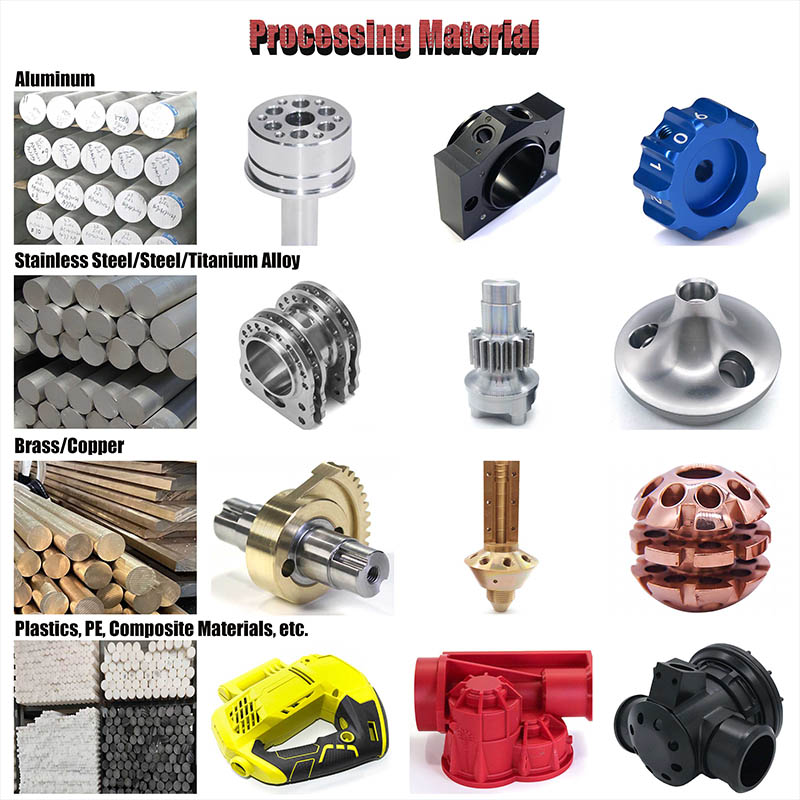
Yes, but expect natural tarnishing over time. A clear coating can protect the finish.
Small runs: 10–15 days; mass production: 25–40 days depending on complexity.
Not always. Brass has a natural resistance to corrosion, but polishing or nickel plating is common for appearance.
OEM Service. Our business scope are CNC lathe processed, turning, stamping, etc.
If you have drawings or samples, pls feel free to send us, and tell us your special requirements such as material, tolerance, surface treatments and the amount you need, etc.
Generally EXW OR FOB 100% T/T in advance, and we can also consult according to your requirement.