1 / 1

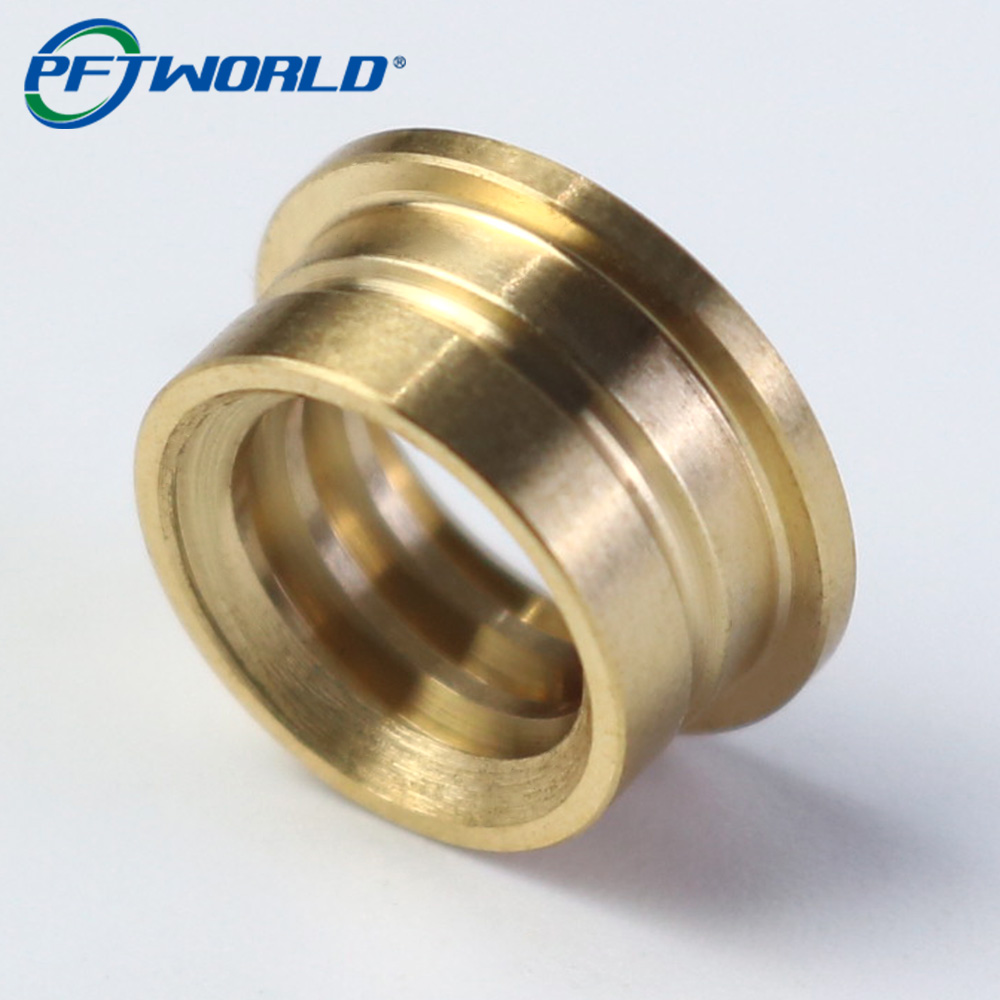
When you pick up a brass component straight from the CNC lathe, you’ll notice two things immediately: the smooth golden finish and the surprisingly precise fit. In our workshop, we’ve tested brass against stainless steel and aluminum under the same machining conditions. Brass consistently delivers faster cutting speeds (up to 2x quicker than stainless) and reduced tool wear by nearly 30%. For buyers, this translates into lower production costs and tighter tolerances.
Real-world example: One of our European clients in the plumbing industry switched from stainless steel to custom-machined brass valve bodies. The result? Production cycle time dropped by 18%, while surface finish quality improved enough to eliminate secondary polishing.
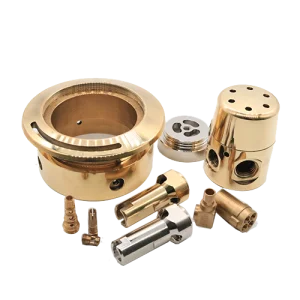
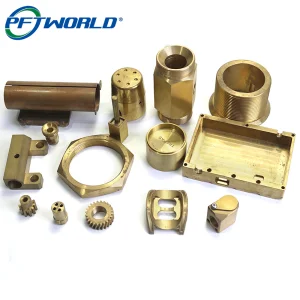
Custom machined brass parts are precision-engineered components produced through CNC turning, milling, or drilling processes. They are tailored to exact specifications for industries where corrosion resistance, conductivity, and durability matter.
Common applications include:
Plumbing & fluid control: fittings, couplings, valve bodies
Electronics: connectors, terminals, sensor housings
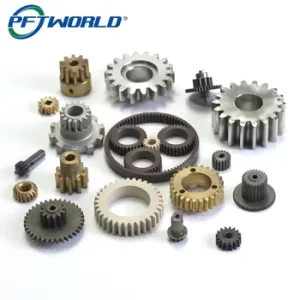
Automotive: bushings, gears, precision sleeves
Aerospace & defense: custom fasteners, hydraulic system parts
Excellent machinability – Brass cuts cleanly with minimal burrs, reducing finishing time.
Cost-effective – Faster machining reduces overall production costs compared to harder alloys.
Durability & corrosion resistance – Ideal for plumbing and marine environments.
High conductivity – Perfect for electrical and RF components.
Aesthetic value – Golden appearance eliminates the need for coating in many consumer products.
Test data from our shop:
Surface roughness (Ra) achieved on CNC-turned brass: 0.4 µm without polishing.
Tool life: 1.5–2x longer compared to machining stainless steel.
When searching for suppliers, your intent might fall into three categories:
Define your tolerance requirements early (e.g., ±0.01 mm).
Share 2D/3D CAD drawings to avoid interpretation errors.
Request a prototype run before mass production to validate design.
If your goal is immediate sourcing:
Compare MOQ (minimum order quantity) across suppliers.
Ask for transparent cost breakdowns (material, machining, finishing).
Look for value-added services like plating, assembly, or inspection reports.
Tip: Suppliers offering WebP-compressed CAD file uploads often provide faster RFQs and quoting.
Here’s a quick side-by-side comparison:
| Feature | Brass Parts | Stainless Steel Parts | Aluminum Parts |
|---|---|---|---|
| Machinability (speed) | ★★★★★ (very high) | ★★★ (moderate) | ★★★★ (good) |
| Corrosion resistance | ★★★★ (good) | ★★★★★ (excellent) | ★★★ (fair) |
| Cost efficiency | ★★★★★ (best) | ★★★ (higher tool wear) | ★★★★ (low material cost) |
| Electrical conductivity | ★★★★★ (excellent) | ★★ (poor) | ★★★ (moderate) |
Brass allows for up to 2x faster cutting speeds and reduces machining tool wear by nearly 30%. This makes it a highly cost-effective option that yields tighter tolerances and excellent surface finishes.
Precision CNC-turned brass parts can easily achieve a surface roughness (Ra) of 0.4 µm directly from the machine, reducing or eliminating the need for secondary polishing processes.
Machined brass parts are widely utilized in plumbing and fluid control (valves, fittings), electronics (connectors, terminals), automotive (gears, bushings), and aerospace & defense industries (custom fasteners, hydraulic components).
While stainless steel offers excellent corrosion resistance, brass provides very good resistance, making it highly reliable for plumbing, marine, and industrial applications exposed to moisture.
You should clearly define your required tolerances (e.g., ±0.01 mm), provide detailed 2D or 3D CAD files, and request a prototype run to validate the component design before starting mass production.