1 / 1

In modern manufacturing, prototype machining is an indispensable technology that provides a critical validation and testing platform for product development by transforming computer-aided design (CAD) models into solid products. Prototype processing not only helps manufacturers evaluate the feasibility of designs before full-scale production, but also significantly shortens product development cycles, improves efficiency, and reduces costs. The following will discuss in detail the definition, technical principles, advantages, application areas, and future development trends of prototype processing.
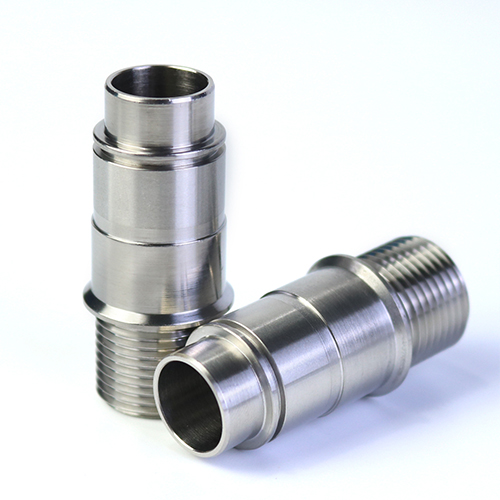
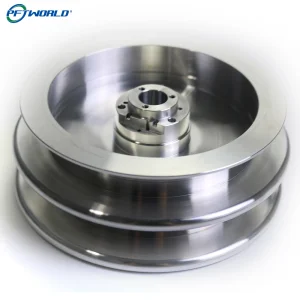
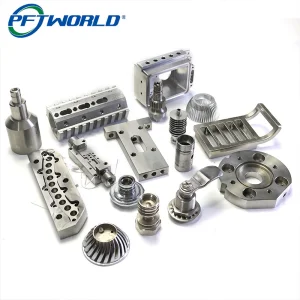
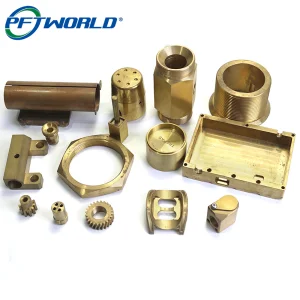
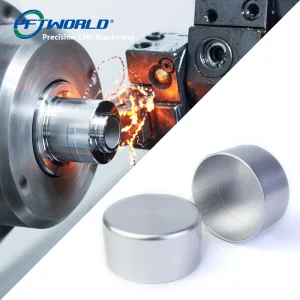
Prototype machining is a manufacturing method based on computer numerical control (CNC) technology, which guides CNC machine tools to perform cutting, drilling, milling and other operations on materials by reading CAD models and converting them into G-code, thereby generating solid prototypes that are highly consistent with the design. Unlike traditional "removal" processing, prototyping is a "subtractive" manufacturing technique that forms the desired shape by removing excess parts from the material. This technology is commonly referred to as "Rapid prototyping" (RPM), and its core lies in using computer-controlled machines to achieve high-precision and high-efficiency machining.
The process of prototype processing usually includes the following steps:
Prototype processing has many advantages in the manufacturing industry, making it an indispensable part of the product development process. Here are its main advantages:
CNC machining can achieve extremely high precision and tolerances, typically up to ± 0.025 millimeters, far exceeding the accuracy of traditional machining methods. Since the machining process is controlled by a computer, it ensures that each prototype is consistent in size, shape, and surface quality.
Compared with additive manufacturing technologies like 3D printing, CNC machine tools can complete the machining of complex parts in a few minutes, whereas 3D printing requires significantly longer. The flexibility also enables rapid design adjustments and multiple iterations.
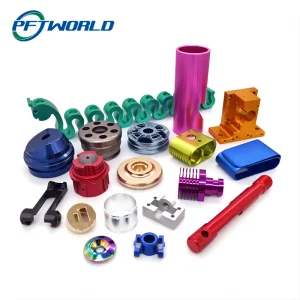
Supports the use of various materials, including metal, plastic, composite materials, etc., and can use the same materials as the final product to ensure that the prototype is consistent in performance and appearance with the final product.
Although the initial investment is relatively high, its cost-effectiveness is significant in small-scale production. Manufacturers can identify and correct design defects before full-scale production, avoiding significant losses.
Used not only for verifying appearance and structure, but also for functional testing, such as testing the strength, durability, assembly performance, etc. of parts, playing a crucial role in product development.
Prototype machining has a wide range of applications in multiple industries, especially in fields that require high precision and complex geometric shapes. Here are several main application areas:
In the automotive industry, prototyping is used to manufacture engine components, interior parts, vehicle models, and more. Through prototyping, manufacturers can quickly test the feasibility of their designs and make necessary adjustments. In addition, prototype processing can also be used to manufacture molds for automotive parts, thereby improving production efficiency.
The aerospace industry has extremely high requirements for precision and reliability of parts, and prototype machining plays an important role in this field. Through prototyping, manufacturers can manufacture complex geometric shapes and high-precision parts, ensuring the safety and performance of aircraft and spacecraft.
In medical equipment manufacturing, prototype processing is used to manufacture surgical instruments, implants, prosthetics, etc. These devices require extremely high precision and biocompatibility, and prototyping can meet these requirements. In addition, prototype processing can also be used to manufacture molds for medical equipment, thereby improving production efficiency and product quality.
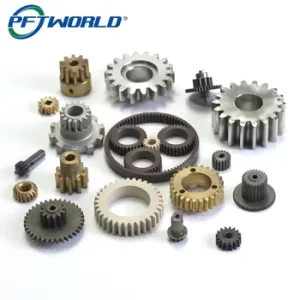
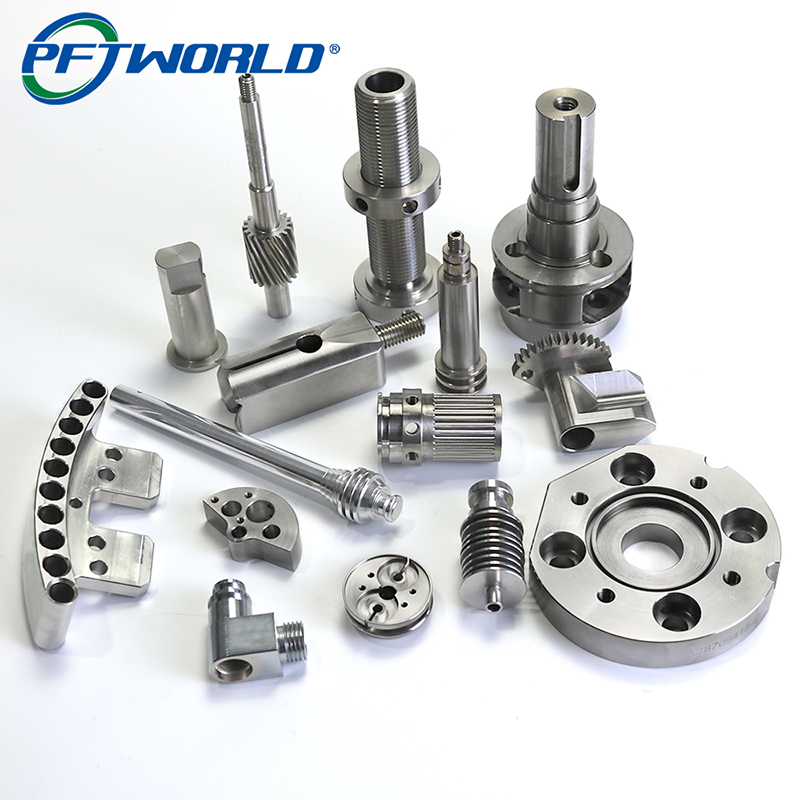
Prototype processing is used in industrial manufacturing to manufacture various complex parts, such as mechanical transmission components, hydraulic system components, etc. Through prototyping, manufacturers can quickly test the feasibility of their designs and make necessary adjustments. In addition, prototype processing can also be used to manufacture molds for industrial equipment, thereby improving production efficiency and product quality.
In the field of consumer electronics, prototype processing is used to manufacture the outer shell and internal structure of products such as phone cases, headphones, and smartwatches. Through prototyping, manufacturers can quickly test the feasibility of their designs and make necessary adjustments. In addition, prototype processing can also be used to manufacture molds for consumer electronics products, thereby improving production efficiency and product quality.
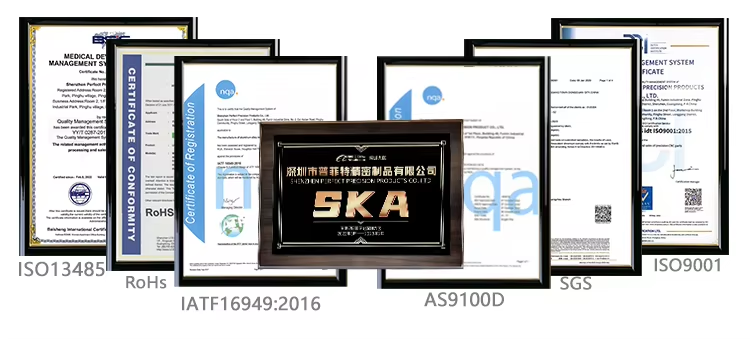
We are proud to hold several production certificates for our CNC machining services, which demonstrates our commitment to quality and customer satisfaction.