1 / 1

In the world of modern production, efficiency and precision are essential. As industries continue to evolve and demands grow, the need for high-quality, cost-effective components has never been higher. One area that has seen tremendous innovation is short clip manufacturing — a process designed to create small, versatile, and durable clips used in a variety of applications. From automotive assembly lines to consumer electronics, short clips are the unsung heroes that hold everything together. Let’s explore why short clip manufacturing is crucial for today’s fast-paced industries.
Short clip manufacturing refers to the process of producing small clips—fastening devices that secure, hold, or attach components in a range of products. These clips come in various shapes, sizes, and materials and are often critical for product assembly, packaging, or fastening purposes. Because these clips are essential in nearly every sector, the manufacturing process needs to be both highly efficient and highly precise.
The term "short" in short clip manufacturing usually denotes the quick production cycle, making it ideal for industries that require fast turnaround times without compromising on quality.

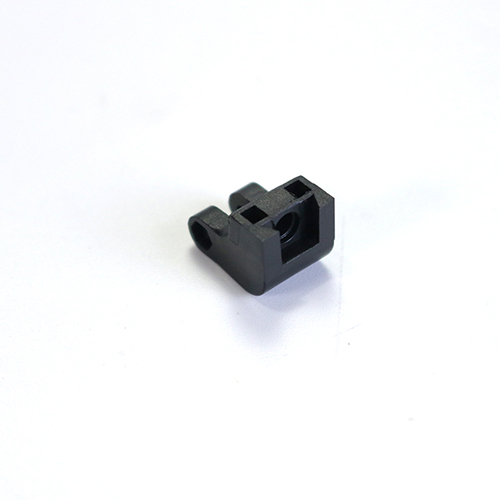
The scope of short clips extends far beyond simple fasteners. These small components play an integral role in a wide range of industries, such as:
In all these sectors, the need for quick, consistent, and durable components has led to the widespread use of short clip manufacturing.
One of the main advantages of short clip manufacturing is its quick turnaround time. Advances in automation, such as robotic arms and computer-controlled machinery, allow manufacturers to produce large quantities of clips in a fraction of the time it would take using traditional methods. This speed is especially important for industries with high demand or those with just-in-time production schedules.
With shorter lead times and automated systems, short clip manufacturing often results in lower production costs. Less material waste, fewer labor hours, and faster setup times all contribute to more affordable pricing, making it ideal for businesses looking to cut costs without compromising on quality.
Short clips may be small, but their importance cannot be overstated. They must meet strict specifications for size, durability, and fit. Modern manufacturing techniques, such as injection molding and 3D printing, ensure that clips are produced with high precision. This results in fewer defects and better overall product quality.
Whether you need a custom size, shape, or material for your clips, short clip manufacturing offers the flexibility to produce exactly what you need. Manufacturers can work with various materials like plastic, metal, rubber, or composites, and tailor designs to suit specific industry needs. This adaptability is vital for businesses that require specialized clips for unique applications.
With growing environmental concerns, short clip manufacturing is increasingly focusing on sustainability. Many manufacturers are adopting energy-efficient processes, using recycled materials, and minimizing waste. The integration of 3D printing also reduces material consumption by producing only the necessary amount of material, further reducing the environmental footprint.
The manufacturing process for short clips is highly refined, ensuring both high-quality and fast production. Common methods include:
Short clip manufacturing is a critical component of modern production. With its ability to deliver speed, cost-efficiency, precision, and sustainability, it’s no surprise that industries worldwide rely on short clips to keep their products running smoothly. As technology advances, short clip manufacturing will only continue to evolve, helping industries meet the growing demands of tomorrow's markets. Whether you're in automotive, electronics, or any other sector, short clips are an essential part of the manufacturing ecosystem, playing a crucial role in building the products that shape our world.