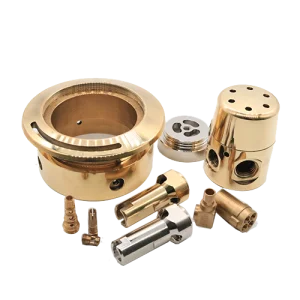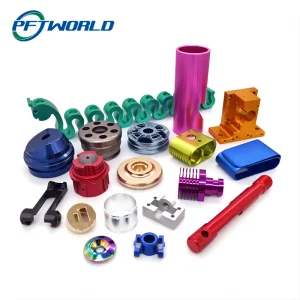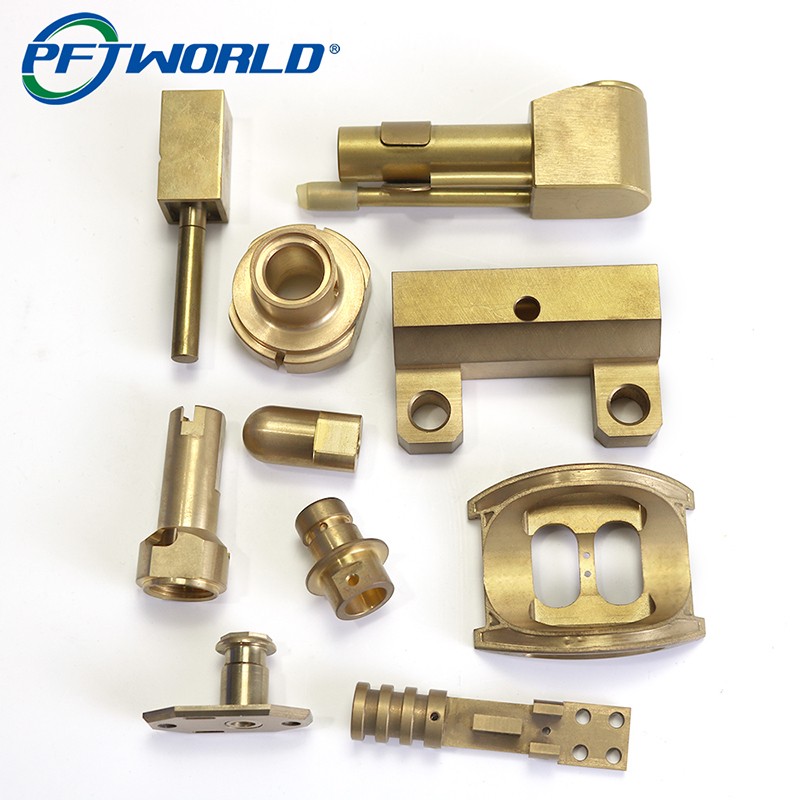

High-Quality Turbine Manufacturing Factory, Product

Type:Broaching, DRILLING, Etching / Chemical Machining, Laser Machining, Milling, Other Machining Services, Turning, Wire EDM, Rapid Prototyping
Micro Machining or Not Micro Machining
Model Number:Custom
Material:bronze
Quality Control:High-quality
MOQ:1pcs
Delivery Time:7-15 Days
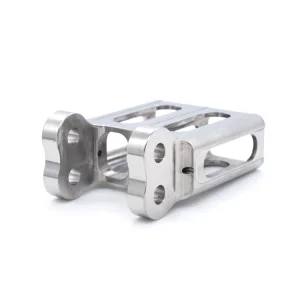
OEM/ODM:OEM ODM CNC Milling Turning Machining Service
Our Service:Custom Machining CNC Services
Certification:ISO9001:2015/ISO13485:2016

Product Description

PRODUCT DETAIL

Product Overview

Turbines are integral to a wide array of industries, from energy production to aerospace and beyond. These powerful machines are responsible for converting fluid energy—whether it’s steam, gas, or water—into mechanical energy, driving various systems and processes with unparalleled efficiency. The rise of factory manufacturing has revolutionized turbine production, ensuring that these critical components are not only produced to the highest standards of precision but also cater to the increasingly complex needs of modern industries. Let’s take a deeper dive into the world of turbine manufacturing and its impact on global industries.

What is a Turbine?

At its core, a turbine is a machine that harnesses the energy from moving fluids (liquids or gases) to perform mechanical work. The most common types of turbines include:

  • Steam Turbines: Often used in power plants to convert steam into electricity.
  • Gas Turbines: Common in power generation, aviation, and industrial settings, they convert gas flow into energy.
  • Hydraulic (Water) Turbines: Used in hydropower plants to convert the energy of flowing water into electrical power.

Turbines play a critical role in the production of energy, powering everything from electric grids to aircraft, while also being pivotal in industrial manufacturing processes.

The Role of Factory Manufacturing in Turbine Production

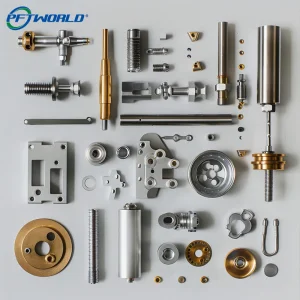
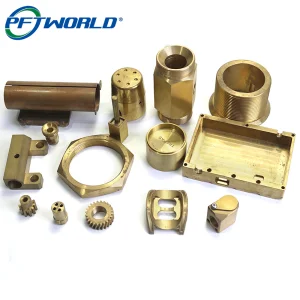
Factory manufacturing has played a transformative role in turbine production, enabling large-scale, efficient, and precise manufacturing processes that are essential for creating high-performance turbines. Turbine manufacturing involves highly specialized processes that combine advanced materials, precise engineering, and cutting-edge technology to meet stringent performance and reliability standards.

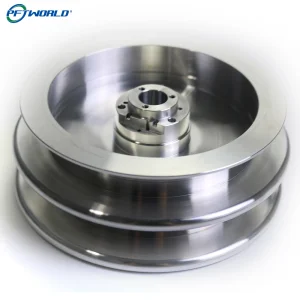
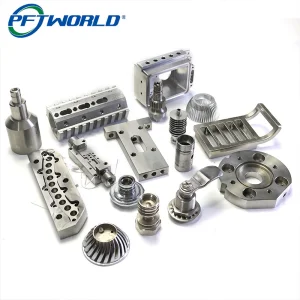
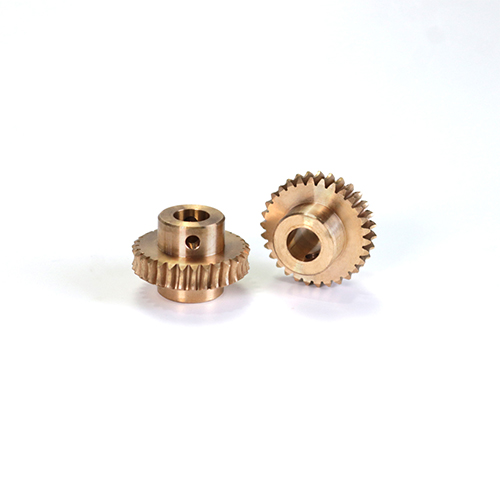
Turbine Manufacturing Precision Component 1
Turbine Manufacturing Precision Component 2

Industries That Rely on Factory-Manufactured Turbines

1. Energy Production

Turbines are a backbone of power generation, whether it’s fossil fuels, nuclear energy, or renewable sources like wind and hydropower. Factory-manufactured turbines are used in power plants worldwide to generate electricity.

2. Aerospace

In the aerospace industry, gas turbines (jet engines) are essential for powering aircraft. The manufacturing of aerospace turbines demands the highest standards of precision for speed and altitudes.

3. Marine and Naval

Marine turbines are used in ships, submarines, and other vessels, converting energy into mechanical power to propel vessels. Eco-friendly technologies continue to drive efficiency requirements.

4. Industrial Manufacturing

Many industries rely on turbines to drive large-scale machinery in production lines, compressors, pumps, and other mechanical systems, minimizing downtime and maximizing output.

5. Renewable Energy

Wind turbines have become a significant part of the renewable landscape. Factories specialized in wind energy turbine manufacturing play a pivotal role in advancing global clean power scalability.

Key Advantages of Factory-Made Turbines

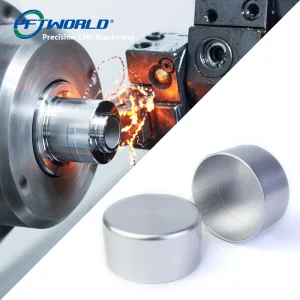
  • Precision Engineering: The manufacturing of turbines requires exceptional precision. With CNC machining, additive manufacturing (3D printing), and other precision techniques, factories can produce turbines with extremely tight tolerances.
  • Customization and Flexibility: One of the primary advantages of factory manufacturing is the ability to customize turbines for specific applications. Factories can tailor the turbine's size, material, and design to meet the exact needs of the client.
  • High-Quality Materials: The materials used must withstand extreme temperatures, pressures, and mechanical stresses. High-performance alloys, ceramics, and composites ensure a long operational life.
  • Cost Efficiency through Mass Production: Large-scale production capabilities optimize processes, utilize automation, and maintain strict quality control standards to deliver competitive prices.
  • Quality Control and Testing: Each turbine is subjected to rigorous testing, including load testing and vibration analysis, to ensure it meets performance, safety, and durability standards.

The Future of Turbine Manufacturing

As the world shifts towards more sustainable and energy-efficient solutions, the turbine manufacturing industry is undergoing significant innovation. Several key trends are shaping the future:
  • Advancements in Materials: Continued development of lighter, stronger materials to operate at higher efficiencies and withstand extreme conditions.
  • Hybrid and Renewable Turbines: Combining turbine technology with renewable energy sources like wind, solar, and hydrogen to reduce carbon emissions.
  • Smart Turbines: Integration of sensors and real-time data monitoring systems for predictive maintenance insights and real-time performance optimization.
  • Additive Manufacturing: 3D printing of complex and customized turbine parts with less material waste and faster production times.
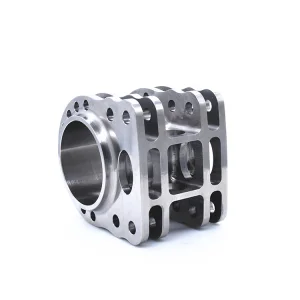
Industrial Turbine Rotor Design

Conclusion

Turbine manufacturing is at the forefront of industrial innovation, providing the power that drives economies, industries, and even nations. Factory-made turbines are essential to ensuring the optimal performance of critical systems in energy production, aerospace, marine, and industrial manufacturing. With the continuous evolution of precision engineering, materials science, and manufacturing technologies, turbines will remain key players in the development of more efficient, sustainable, and reliable systems for generations to come.

Whether you’re looking for cutting-edge solutions in renewable energy, aerospace innovation, or industrial machinery, factory-made turbines are the driving force behind modern progress, powering industries forward into a more efficient and sustainable future.
FAQ

Q What materials are used in turbine manufacturing?
Turbine components are made from high-performance materials capable of withstanding extreme temperatures, pressures, and mechanical stresses. Common materials include:
  • Alloys (e.g., nickel, titanium, stainless steel) for strength and heat resistance
  • Ceramics for high-temperature applications
  • Composites for lightweight yet strong structures
  • Advanced coatings to reduce wear and corrosion
Q How are turbines manufactured?
Turbine manufacturing involves several steps, including:
  • Design and engineering: Turbines are designed using advanced CAD software, with precise specifications tailored to the intended application.
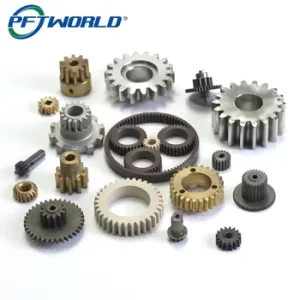
  • Precision machining: Components like blades, rotors, and shafts are manufactured with high accuracy using CNC machining and other precision techniques.
  • Assembly: Parts are carefully assembled, ensuring tight tolerances and optimal performance.
  • Testing and quality control: Turbines undergo rigorous testing, including load tests, vibration analysis, and material stress testing to ensure reliability and efficiency.
Q How do manufacturers ensure the quality of turbines?
Quality assurance in turbine manufacturing includes:
  • Precision testing: Turbines undergo various tests, including flow simulations, vibration tests, material stress tests, and load testing to verify performance.
  • Material inspections: The quality of materials used is inspected to ensure they meet the necessary strength, durability, and corrosion resistance standards.
  • Certification and compliance: Turbine manufacturers adhere to industry standards and certifications (e.g., ISO, ASME) to ensure turbines meet safety and regulatory requirements.
Q Can turbines be customized for specific applications?
Yes, one of the key advantages of turbine manufacturing is customization. Turbines can be tailored to meet specific requirements, such as:
  • Size and output capacity: Designed for different levels of power generation or propulsion.
  • Materials: Specific materials chosen for unique environmental conditions (e.g., high temperatures, corrosive environments).
  • Efficiency and performance: Modifications to improve efficiency, reduce emissions, or meet specific operational needs.
Q How long do turbines typically last?
The lifespan of a turbine depends on factors such as the type of turbine, the materials used, and the conditions in which it operates. On average:
  • Gas turbines: 20-25 years, depending on maintenance and operational conditions.
  • Steam turbines: Can last 30-40 years with proper care and maintenance.
  • Wind turbines: Typically last 20-25 years, though some parts, like blades, may require replacement during that period.
Proper maintenance, regular inspections, and timely repairs can extend the lifespan of a turbine and maintain its efficiency.
Q How are turbines used in renewable energy?
Turbines play a key role in renewable energy generation, particularly in wind and hydropower. In wind energy, wind turbines harness the power of the wind to generate electricity. Similarly, in hydropower, turbines convert the energy of flowing water into electrical power. These renewable energy turbines contribute to reducing reliance on fossil fuels and help combat climate change.

Related Products