1 / 1

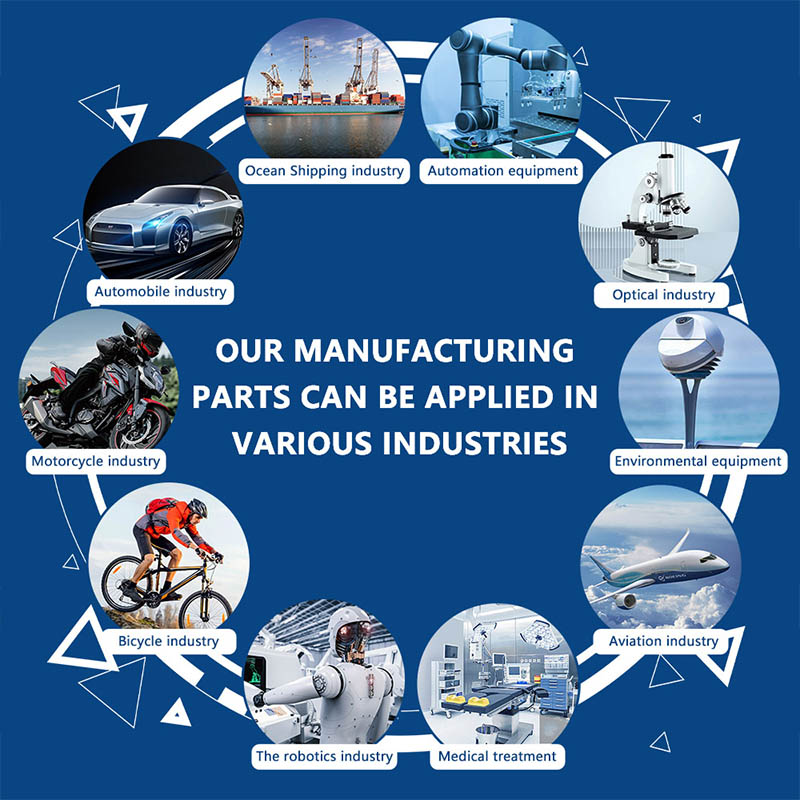
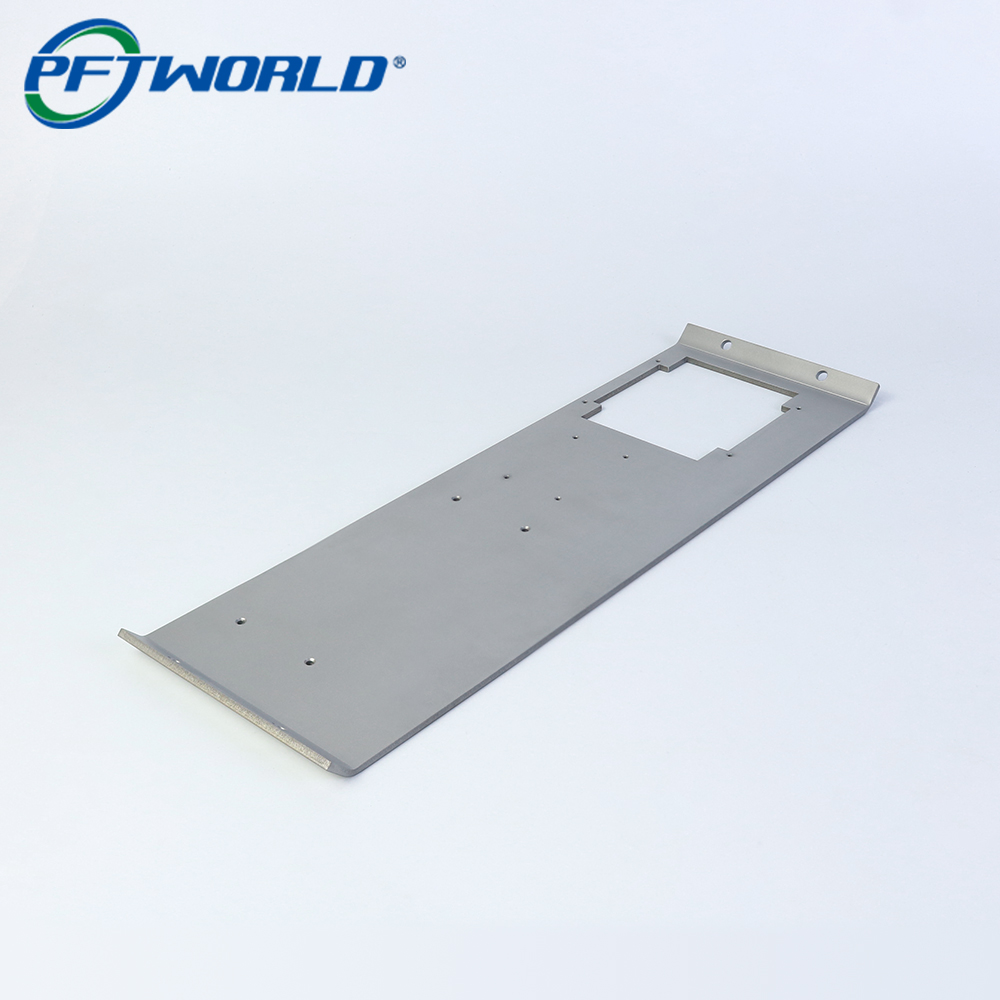
Laser cutting is widely used for precision parts in automotive, aerospace, and electronics industries.
| Feature | AL5052 Aluminum | Stainless Steel (304/316) |
|---|---|---|
| Laser Type | Fiber laser / CO₂ | Fiber laser / CO₂ |
| Cutting Speed | 1.5–2x faster than stainless steel | Slower due to higher melting point |
| Edge Quality | Smooth edges, minimal burrs | Slight discoloration, more post-processing |
| Heat Distortion | Low, due to high thermal conductivity | Moderate to high |
In our shop, cutting 3mm AL5052 sheets using a 3kW fiber laser achieved a cutting speed of 1200 mm/min, producing burr-free edges. The same speed on 3mm stainless steel resulted in noticeable heat marks and required additional deburring.
To minimize warping on thin aluminum sheets, reduce laser power slightly and maintain a high cutting speed.
Bending aluminum and stainless steel requires different force and tooling considerations.
| Property | AL5052 Aluminum | Stainless Steel |
|---|---|---|
| Ductility | High, easy to bend | Moderate, may require annealing |
| Springback | Low (5–7° typical) | High (10–15° typical) |
| Tooling Wear | Minimal | Higher, may need hardened tools |
Bending a 2mm AL5052 sheet to 90° on a 100-ton press brake resulted in less than 6° springback, while the same operation on 2mm 304 stainless steel required compensation for 12° springback. Using aluminum reduces cycle time and tooling wear in medium-volume production.
Sandblasting prepares metal surfaces for coatings, anodizing, or paint.
| Parameter | AL5052 Aluminum | Stainless Steel |
|---|---|---|
| Abrasive Type | Aluminum oxide, glass beads | Silicon carbide, aluminum oxide |
| Surface Roughness | Ra 0.8–1.2 μm achievable | Ra 1.0–1.5 μm |
| Risk of Contamination | Low | Higher, potential oxide layer issues |
For AL5052, use fine glass beads (80–120 mesh) to achieve a uniform matte finish without over-etching. Stainless steel often requires more aggressive media, increasing the risk of micro-scratches.
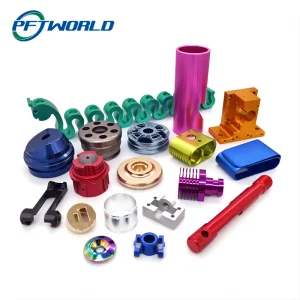
Anodizing is unique to aluminum and improves corrosion resistance, wear, and aesthetics. Stainless steel cannot be anodized but can be passivated instead.
| Feature | AL5052 Aluminum | Stainless Steel |
|---|---|---|
| Corrosion Resistance | Excellent post-anodizing | Good, no anodizing |
| Color Options | Wide range via dyeing | Limited (requires coating) |
| Thickness | 10–25 μm typical | N/A |
Our workshop tested 2mm AL5052 sheets with sulfuric acid anodizing. A 20 μm anodized layer showed a 50% reduction in surface oxidation after 12 months of outdoor exposure, outperforming passivated 304 stainless steel in similar conditions.
| Factor | AL5052 Aluminum | Stainless Steel |
|---|---|---|
| Material Cost | Lower (USD 2.5–3.0/kg) | Higher (USD 3.5–4.5/kg) |
| Machining Time | Faster | Slower |
| Tooling Wear | Low | High |
| Weight | 2.7 g/cm³ | 7.8 g/cm³ |
Aluminum reduces overall manufacturing costs in parts that require cutting, bending, and surface finishing due to lower weight, faster processing, and reduced tool wear. Stainless steel is preferred only when extreme strength or chemical resistance is necessary.
AL5052 Aluminum: Aerospace panels, marine components, enclosures, consumer electronics.
Stainless Steel: Food processing equipment, medical devices, structural parts requiring high tensile strength.