1 / 1

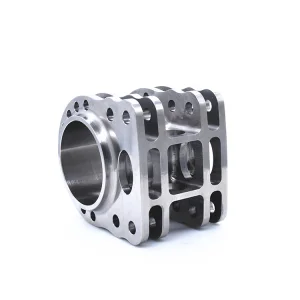
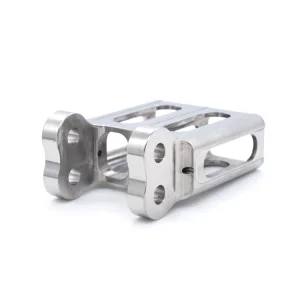
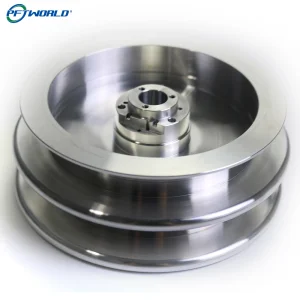
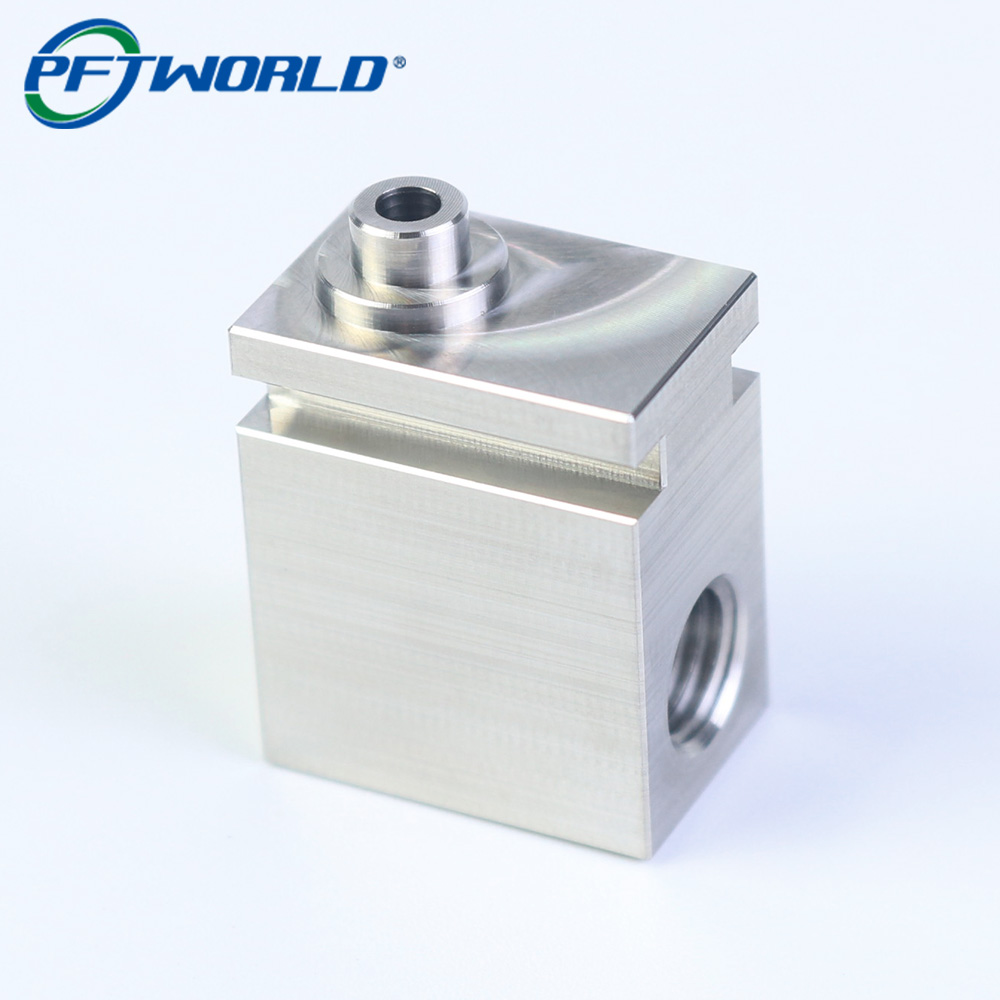
When you hold a precision CNC-milled stainless steel 316L part in your hand, you immediately notice two things: the weight of durability and the mirror-like smooth surface that reflects light evenly. This level of finish doesn’t come by chance—it results from strict machining tolerances and multi-step polishing techniques that manufacturers use to meet the needs of industries like medical devices, aerospace, marine, and food processing.
In this article, I’ll walk you through what makes 316L stainless steel CNC parts unique, how surface polishing is achieved, and what you should look for when sourcing these components for your projects.
316L stainless steel is one of the most popular materials in precision engineering because of its:
With molybdenum content, it withstands saltwater, acidic environments, and chemical exposure, making it ideal for marine and chemical applications.
Certified safe for medical implants and surgical instruments.
Even after machining, it retains high tensile strength, suitable for load-bearing components.
While harder to cut than aluminum, modern CNC milling centers and carbide tooling ensure accurate shaping with minimal tool wear.
316L contains molybdenum, which drastically improves resistance to chlorides (like seawater) and pitting, whereas 304 is more susceptible to corrosion in these environments.
The "L" stands for "Low Carbon." It has a lower carbon content than standard 316, which minimizes harmful carbide precipitation during welding and machining.
Yes. Through multi-step mechanical polishing, electropolishing, or abrasive blasting, CNC-milled 316L parts can achieve an ultra-smooth, mirror-like surface.
It is more challenging to machine than aluminum due to its strength and tendency to work-harden. However, using rigid CNC milling centers and carbide tooling ensures precise results.
Because of its excellent durability and biocompatibility, it is widely used in medical devices, aerospace aerospace systems, marine hardware, and food processing equipment.