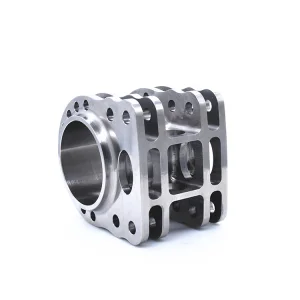
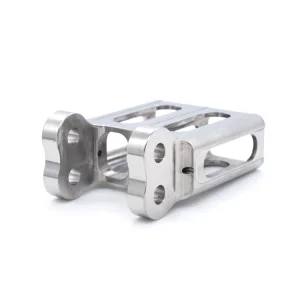
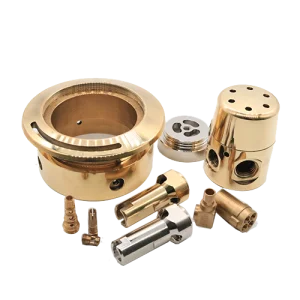
When you search for aluminium turning parts online, chances are you’re either sourcing custom components for your production line, comparing suppliers, or simply trying to understand how the process works before making a purchase decision. In this article, we’ll break down the manufacturing process of aluminium turning parts, share real factory insights, and give you practical tips to make the right sourcing decision.
What Are Aluminium Turning Parts?
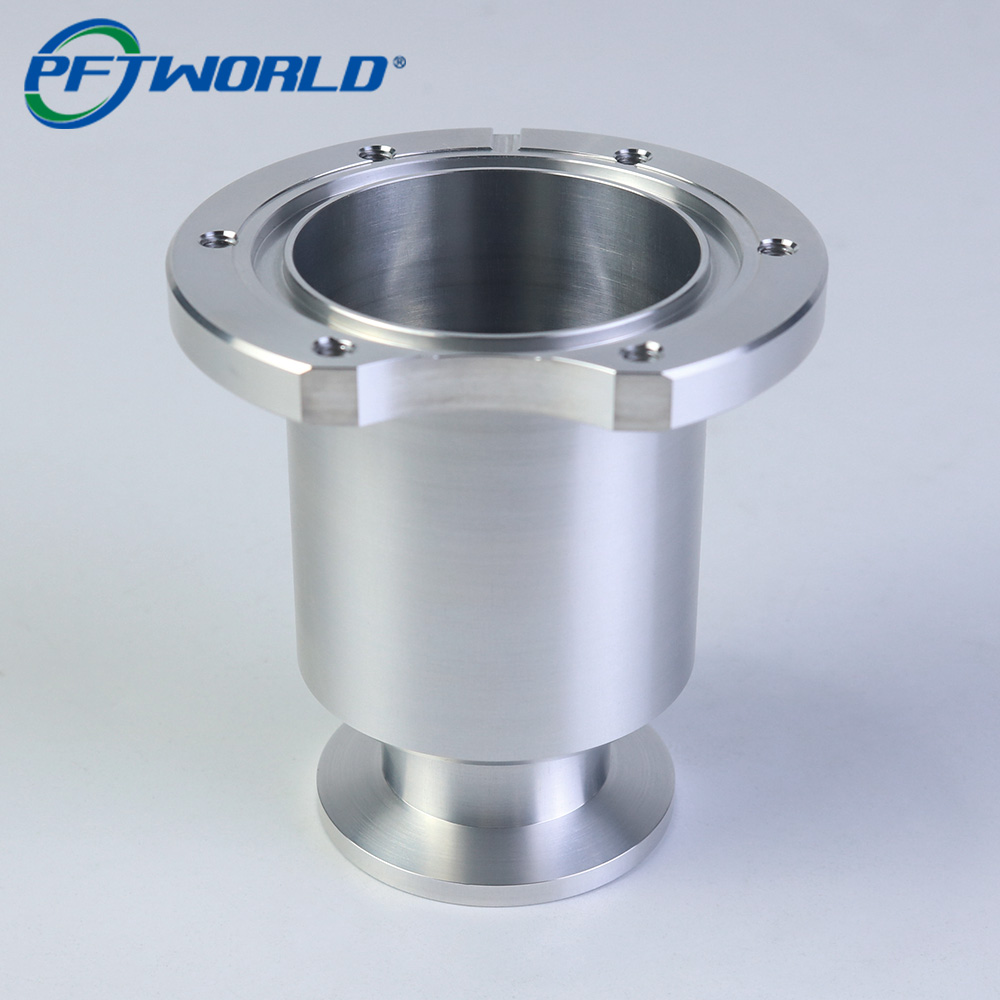
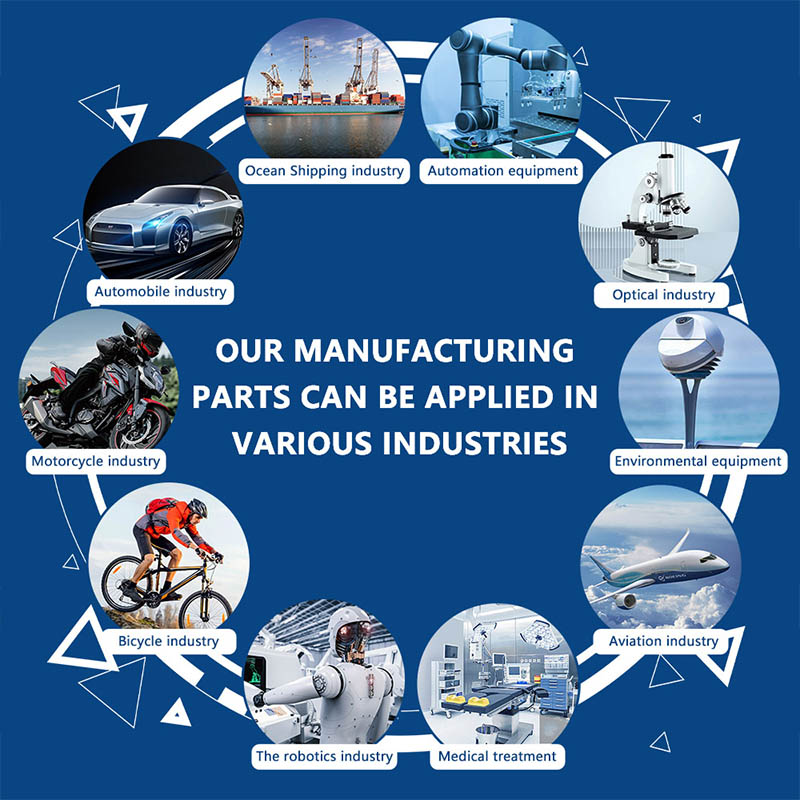
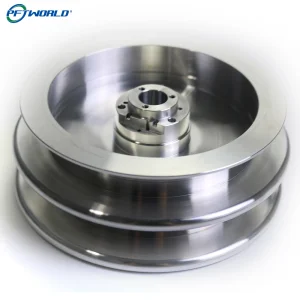
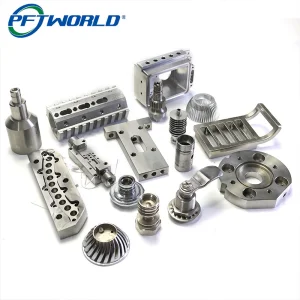
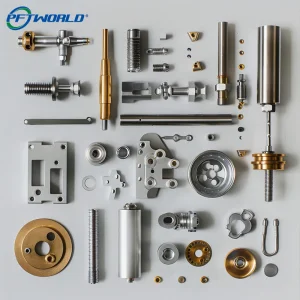
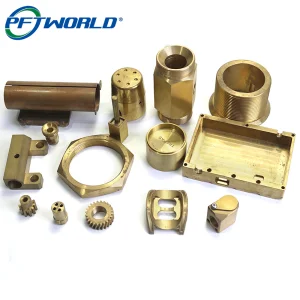
Aluminium turning parts are precision-machined components produced on a CNC lathe machine. The raw aluminium bar (or billet) is rotated at high speed while cutting tools shape it into the desired geometry. These parts are widely used in industries such as:
- Automotive – engine fittings, connectors, and sensor housings
- Aerospace – lightweight brackets and precision bushings
- Electronics – heat sinks, housings, and threaded connectors
- Medical devices – high-accuracy surgical tool components
Because aluminium is lightweight, corrosion-resistant, and easy to machine, it’s often the first choice when balancing strength, cost, and performance.
Step-by-Step: The Aluminium Turning Manufacturing Process
Here’s how a typical order for aluminium turning parts is executed in a real-world machining workshop:
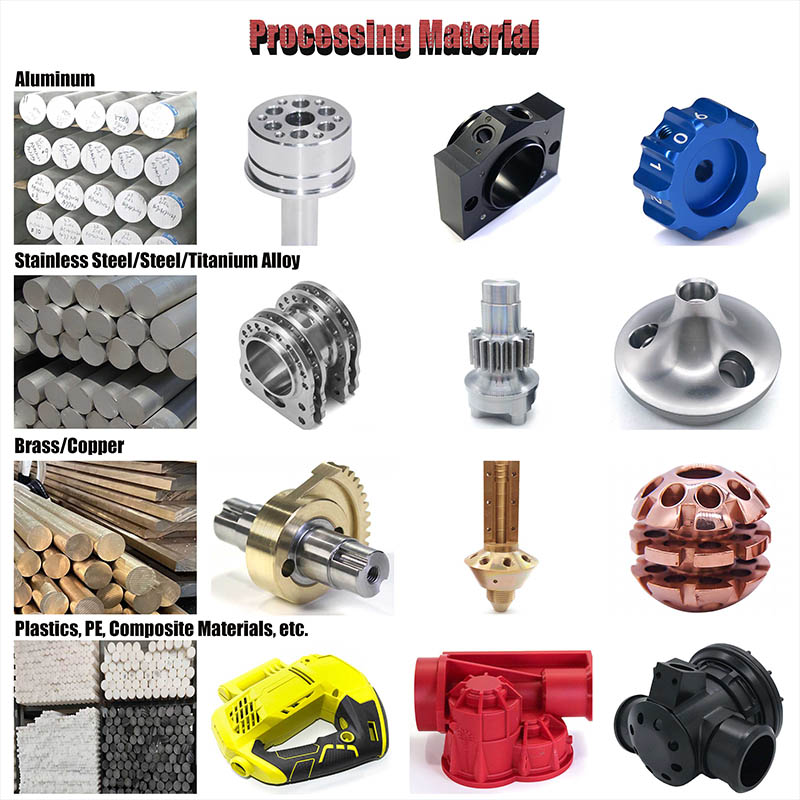
1. Material Selection
The choice of aluminium grade affects performance and price. For example:
- 6061-T6 – good balance of strength and machinability
- 7075-T6 – stronger, commonly used in aerospace
- 6082 – excellent corrosion resistance for marine parts
Tip: If you’re buying online, always check if the supplier offers a material certificate (MTC) to verify authenticity.
2. CNC Programming & Setup
Once the CAD drawing is received, technicians convert it into G-code instructions for CNC lathes. This step determines machining accuracy.
- Cutting parameters such as feed rate and spindle speed are optimized for aluminium.
- For small batches, setup time may account for 20–30% of cost, while large runs spread the cost more efficiently.
3. Turning Operations
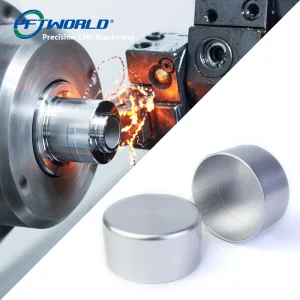
The bar stock is clamped and rotated at speeds up to 6,000 RPM. Tools perform:
- Facing – to create a smooth base surface
- Grooving & threading – for fastener compatibility
- Drilling & boring – for internal cavities
⚙️
Factory Insight: Switching to carbide inserts with TiN coating improved tool life by 40% when machining 6061 aluminium.
4. Surface Finishing
To meet different industry standards, aluminium turning parts undergo finishing such as:
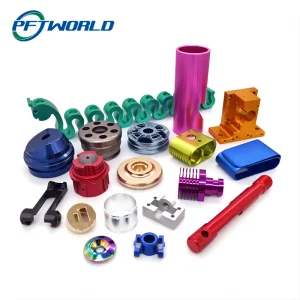
- Anodizing – corrosion resistance & color coding
- Polishing – smooth appearance for consumer products
- Passivation – chemical protection layer
Aerospace and medical buyers often require Ra 0.8 μm or better surface roughness.
5. Quality Inspection
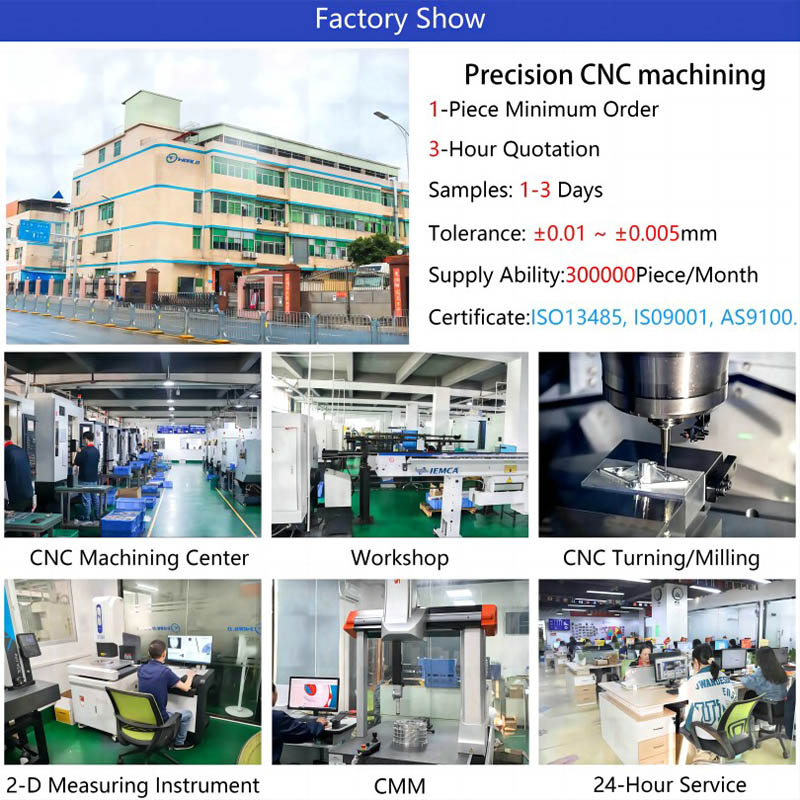
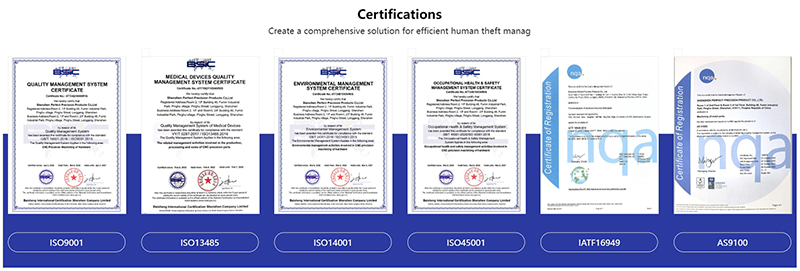
Every batch is checked with CMM machines (Coordinate Measuring Machines) to ensure tolerances as tight as ±0.01 mm. Suppliers offering ISO 9001 certification usually provide better quality control.
Why Order Aluminium Turning Parts Online?
Online sourcing platforms and CNC service providers now allow you to:
- Upload CAD drawings directly for instant quotes
- Compare lead times across multiple factories
- Check certifications and reviews before placing orders
- Benefit from global shipping with tracked delivery
For buyers, this reduces both procurement time and cost negotiation cycles.
Cost Factors to Consider
When calculating prices for aluminium turning parts, look out for:
- Material grade – 7075 is typically 30–40% more expensive than 6061.
- Quantity – small batch prototypes can cost 3–5× more per part than mass production.
- Tolerance & complexity – tighter tolerances increase cycle time.
- Surface treatment – anodizing adds $0.10–$0.50 per part, depending on color.
Example from practice: A batch of 500 pieces of aluminium 6061 turned bushings (20 mm diameter, ±0.02 mm tolerance, anodized) was quoted at $1.85 per piece FOB.
Quick Comparison: Aluminium Turning vs. Other Processes
| Process |
Best For |
Typical Lead Time |
Cost Impact |
| CNC Turning |
Cylindrical, symmetrical parts |
3–7 days |
Medium |
| CNC Milling |
Complex geometries, flat surfaces |
5–10 days |
Medium-High |
| Die Casting |
High-volume aluminium production |
3–4 weeks |
Low per part |
| 3D Printing (Metal) |
Prototyping complex internal shapes |
2–5 days |
High |
Application
FAQ
What is your business scope?
We provide professional OEM services focusing on CNC lathe processing, precision turning, stamping, and related customized metal manufacturing.
What information should I provide to get a quotation?
Please share your 2D or 3D drawings (or physical samples) along with detailed specifications such as material grade, tolerance, surface treatments, and the required volume.
What is the typical delivery and lead time?
The delivery date is generally 10 to 15 days after receipt of payment, depending on the complexity and quantity of the order.
What are the standard payment terms?
Generally, we work on EXW or FOB terms with 100% T/T in advance. We can also negotiate terms based on your specific requirements for long-term partnerships.
What tolerances can you achieve for aluminium turning parts?
Through high-precision CNC lathe machining and Coordinate Measuring Machine (CMM) inspections, we can achieve tolerances as tight as ±0.01 mm.
Do you provide material certifications?
Yes, we provide material test certificates (MTC) upon request to verify the authenticity and grade of the raw aluminium material.