1 / 1

In today’s fast-paced and highly technical manufacturing world, precision, efficiency, and automation are non-negotiable. One of the technologies that exemplifies these qualities is CNC laser machining. By combining laser cutting technology with computer numerical control (CNC), CNC laser machines offer a cutting-edge solution for producing detailed, high-quality parts from a wide range of materials.
CNC laser machining is a manufacturing process that uses a focused laser beam to cut, engrave, or etch materials, all controlled by a computer program. CNC stands for Computer Numerical Control, which means the movement and power of the laser are precisely guided by a digital file—usually designed in CAD (Computer-Aided Design) software and translated into machine-readable G-code.
The laser functions as a non-contact cutting tool that can slice through metals, plastics, wood, and more with high precision and minimal material waste. CNC laser systems are often used in industries that require detailed geometries, tight tolerances, and consistent quality.
The CNC laser machining process involves several steps:
Some systems include assist gases like oxygen, nitrogen, or air to blow away molten material and improve cutting quality.
Ideal for non-metallic materials such as wood, acrylic, leather, textiles, and paper. Common in signage, packaging, and decorative applications.
Best for metals, including steel, aluminum, brass, and copper. Faster and more energy-efficient than CO₂ lasers when cutting thin to medium metals.
Used for fine engraving or cutting of metals and ceramics. Suitable for micro-machining and electronics.
Laser cutting can produce extremely tight tolerances, ideal for intricate designs.
No physical tool touches the workpiece, reducing tool wear and distortion.
Especially effective on thin materials, laser machining can be faster than traditional milling or routing.
Can be used for cutting, engraving, drilling, and marking on a wide range of materials.
Thin kerf width and precise cuts result in efficient material usage.
Perfect for integration into smart manufacturing and Industry 4.0 systems.
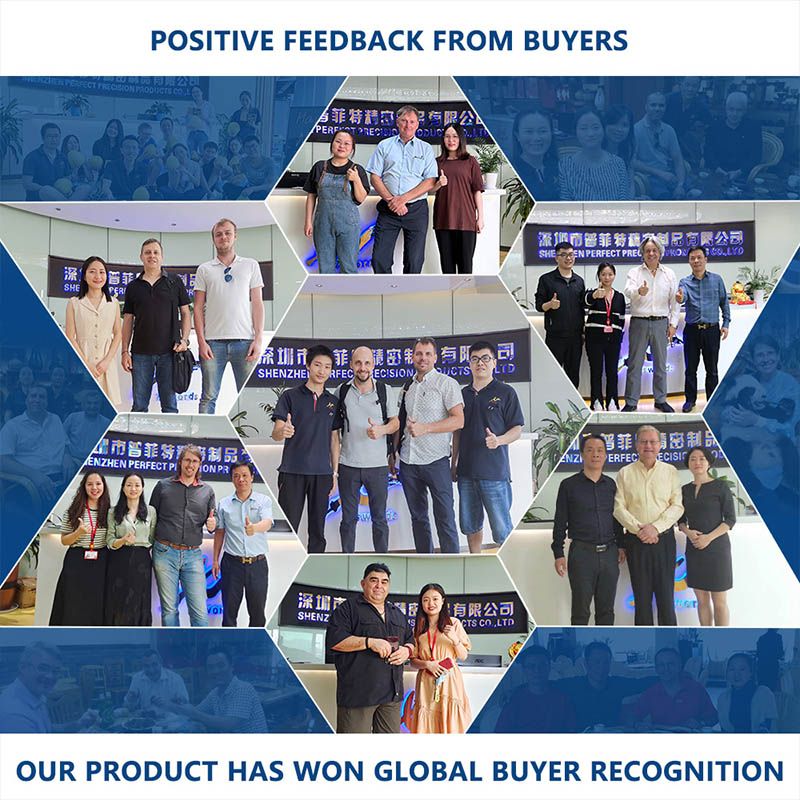
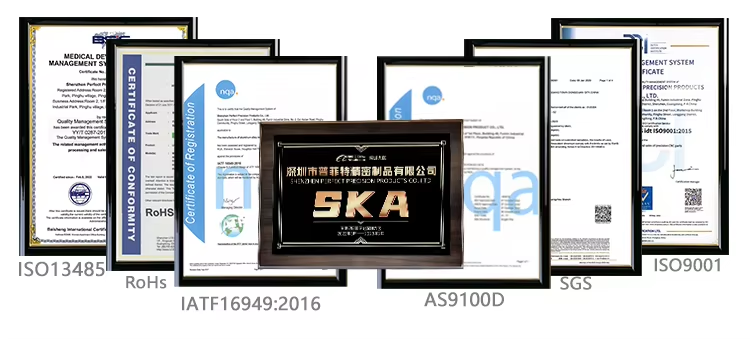
We are proud to hold several production certificates for our CNC machining services, which demonstrates our commitment to quality and customer satisfaction.
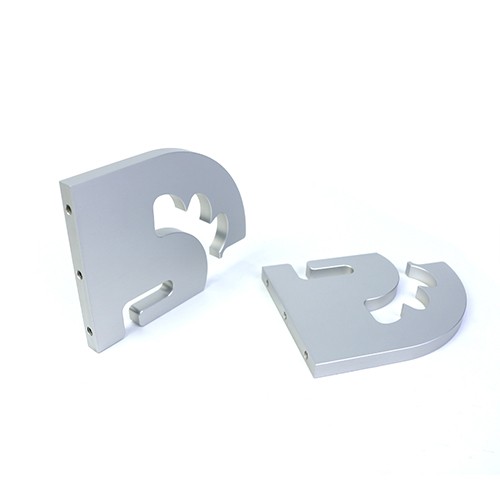
CNC laser machines offer extremely high precision, often within ±0.001 inches (±0.025 mm), depending on the machine, material, and application. They are ideal for fine detail and intricate designs.
Laser cutting is faster and more precise for certain applications (e.g., thin materials, complex shapes). However, traditional CNC machining is better for thick materials, deep cuts, and 3D shaping (e.g., milling or turning).
Yes, laser cutting generally produces smooth, burr-free edges. In many cases, no additional finishing is required.
Absolutely. CNC laser machining is ideal for rapid prototyping due to its speed, ease of setup, and ability to work with various materials.