1 / 1

In the world of manufacturing, achieving precision, quality, and functionality is paramount, especially when it comes to creating custom components for specific applications. This is where custom machining comes into play. Whether for a single prototype or a small batch production run, custom machining enables the creation of parts that are uniquely designed to meet exact specifications, offering significant advantages over traditional mass-production methods.
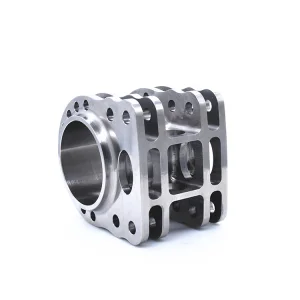
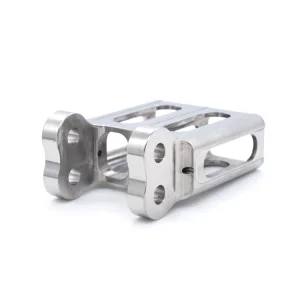
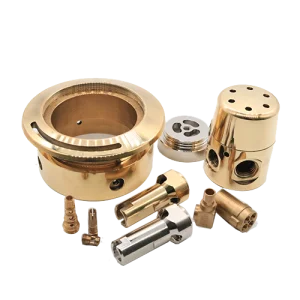
Custom machining is the process of designing and manufacturing parts and components based on specific customer requirements, using a variety of machining techniques. Unlike standard manufacturing methods, which produce high volumes of identical products, custom machining focuses on creating bespoke components tailored to unique specifications. These components could be anything from highly complex mechanical parts to simple custom-made fasteners or casings.
Custom machining typically involves advanced methods such as CNC (Computer Numerical Control) machining, turning, milling, grinding, and drilling, to name a few. It is often chosen when the required parts need to have intricate details, tight tolerances, or when mass production isn’t necessary or economically viable.
Custom machining involves a variety of processes, each suited to different materials, designs, and manufacturing requirements. Some of the most common techniques include:
CNC milling uses computer-controlled machines to remove material from a workpiece using rotating cutters. It is highly versatile, capable of producing parts with complex shapes, detailed surface finishes, and precise geometries. CNC mills can perform operations such as drilling, slotting, contouring, and boring.
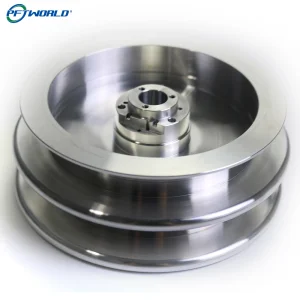
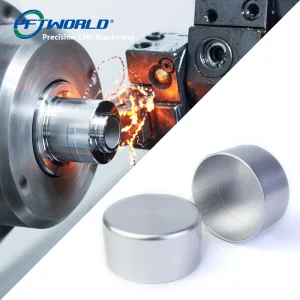
CNC turning is used to produce cylindrical parts by rotating the workpiece while a cutting tool removes material. This process is especially useful for making parts like shafts, bushings, and rings. CNC turning can achieve tight tolerances, smooth finishes, and complex geometries.
Laser cutting uses a high-powered laser to precisely cut through material. It is commonly used for cutting thin metal or plastic sheets but can be applied to a variety of materials. The process is known for its ability to create extremely clean cuts with minimal material waste.
EDM is used to precisely cut hard metals and create complex shapes by using electrical discharges to erode material. This method is perfect for producing parts that are difficult to machine with traditional cutting tools, and is often used for creating molds and dies.
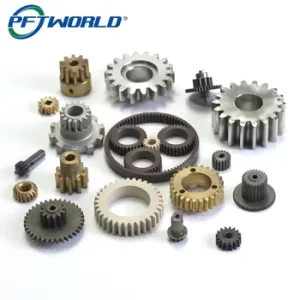
Grinding is used to remove material from the surface of a workpiece to achieve a precise surface finish or tight dimensional tolerance. Polishing further refines the surface, resulting in a smooth and high-quality finish for parts like gears or bearings.
Drilling creates holes in materials, while tapping adds threads inside those holes to accommodate screws or fasteners. Both processes are essential for creating parts that need to be assembled, typically performed with CNC machines for accuracy.
One of the benefits of custom machining is the ability to work with a wide range of materials. The choice of material depends on the specific requirements of the part, such as strength, durability, weight, and resistance to heat or corrosion.
Custom machining offers a wide array of benefits for businesses across various sectors. Here are some of the most significant advantages:
One of the primary reasons businesses choose custom machining is the ability to produce parts with high precision. CNC machines, for example, are capable of achieving tolerances as tight as ±0.001 inches (0.025 mm), making them ideal for applications where every millimeter matters.
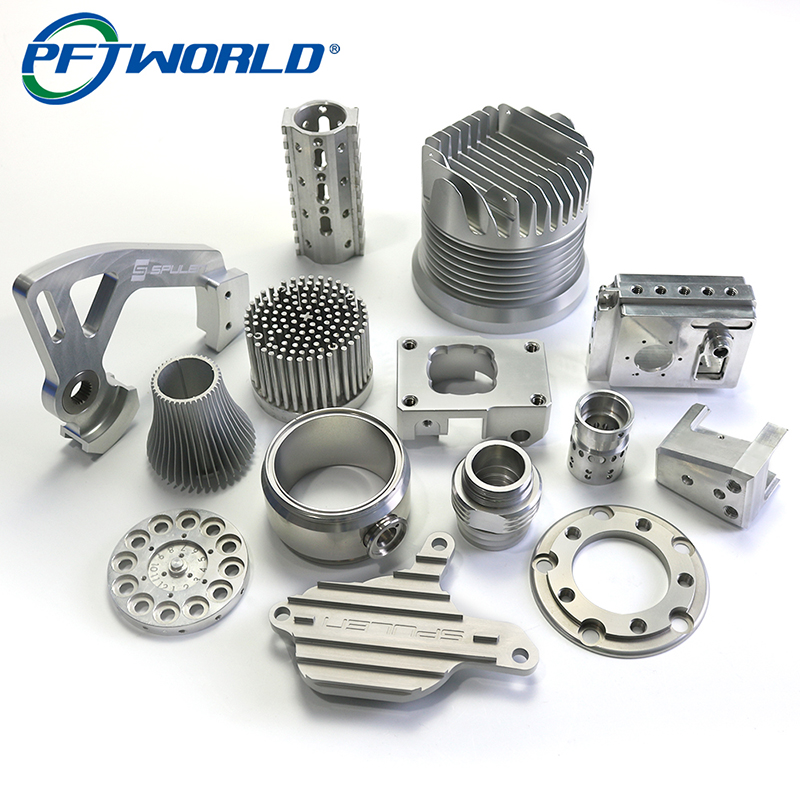
Custom machining allows for the production of parts with complex geometries, shapes, and features that are often not possible with other manufacturing techniques. It provides the flexibility to bring any design to life.
Custom machining is an excellent choice for low-volume production runs, prototypes, or when you need a small batch of parts. It eliminates the need for expensive molds or dies.
Custom machining is ideal for prototyping, allowing engineers and designers to quickly create functional parts to test their designs before moving into full-scale production. This speeds up the product development cycle.
Machined parts typically exhibit higher levels of quality and durability compared to parts produced by casting or molding. The precision and strength of machined components ensure that they perform reliably over time.
Custom machining is a subtractive process, meaning material is cut away from a solid block. This method allows for better control over material usage, reducing waste and ensuring only the necessary amount of material is used.
Custom machining is employed across a variety of industries that require high-precision components or unique designs. Key industries include:
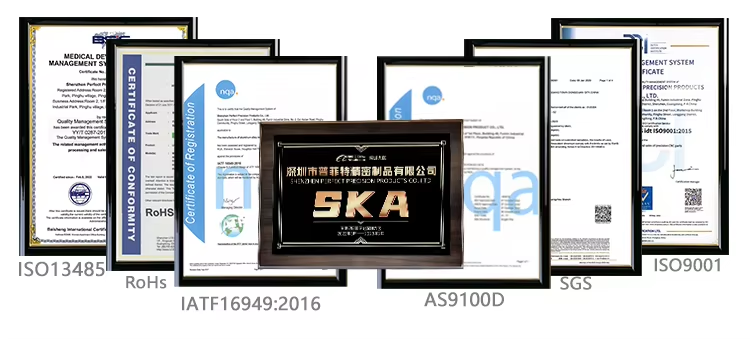
We are proud to hold several production certificates for our CNC machining services, which demonstrates our commitment to quality and customer satisfaction:
While mass production focuses on producing large quantities of identical parts using molds or dies, custom machining is tailored to specific parts that may have unique geometries, material requirements, or small production runs. Custom machining is ideal for situations where a part is either too complex for standard mass production methods or when low-volume runs of highly specialized parts are needed. In custom machining, each part can be individually designed and produced, which provides the flexibility to accommodate unique specifications, such as specialized tolerances, material properties, and finishes.
The cost of custom machining depends on several factors, including: the type of material chosen (harder or exotic materials require specialized tools and more time), the complexity of the part (intricate geometries and small tolerances increase costs), production volume (larger volumes may decrease per-part cost), lead time, and machine setup or tooling needs.
CNC machining uses computer-controlled machines that are programmed with precise instructions for cutting and shaping parts. This method offers greater precision, repeatability, and the ability to handle complex designs with ease. In contrast, traditional machining relies more on manual operation, where a machinist controls the machine by hand, leading to less precision and consistency. CNC machining is faster, more accurate, and better suited for producing complex parts.
Yes, custom machining is an excellent choice for prototyping. It allows engineers and designers to quickly create functional prototypes that can be tested for fit, form, and function. This rapid prototyping process helps to identify design flaws or improvements early in the development cycle, saving time and costs. CNC machines can produce prototypes with the same precision as production parts, ensuring that the design will work as intended before committing to full-scale production.
Custom machining works with a wide range of materials depending on application requirements. These include metals (such as aluminum, stainless steel, brass, copper, titanium, and tool steel), plastics (like acrylic, polycarbonate, nylon, and Delrin), composites (like carbon fiber and fiberglass), and exotic materials (such as PEEK, Inconel, or tungsten).
Custom machining is widely used in industries requiring high-precision components. Key sectors include aerospace (critical structural parts), medical devices (surgical instruments and implants), automotive (custom engine and gears parts), electronics (specialized enclosures and connectors), energy (valves, pumps, and seals), and defense and military (high-strength components).