1 / 1

In today’s competitive manufacturing landscape, precision, efficiency, and innovation are the cornerstones of success. As businesses race to meet customer demands while maintaining cost-effectiveness, Computer Numerical Control (CNC) technology has emerged as the key to unlocking next-level production capabilities. Whether you're in automotive, aerospace, consumer goods, or medical manufacturing, CNC is transforming how factories operate—boosting productivity, reducing errors, and enabling new possibilities for design and production.
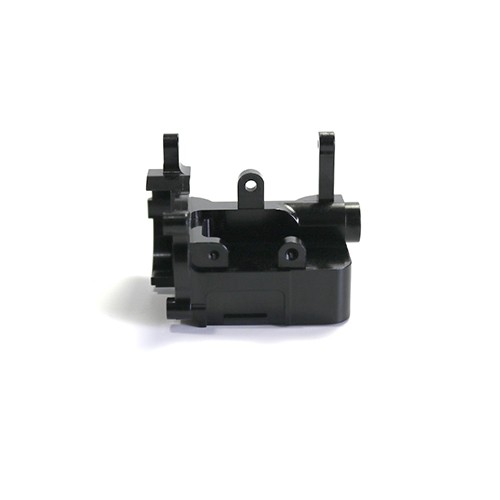
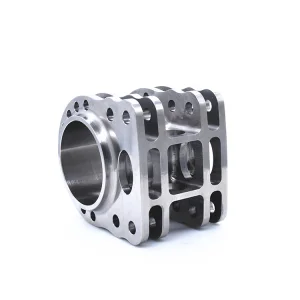
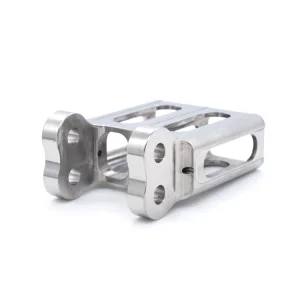
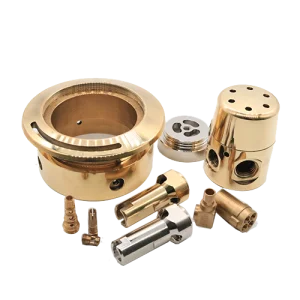
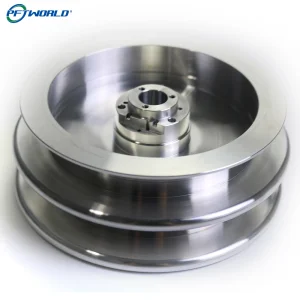
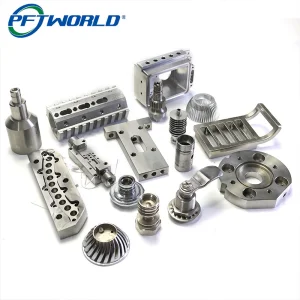
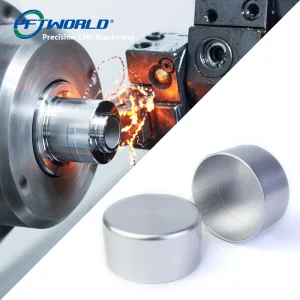
CNC stands for Computer Numerical Control. It’s a process that uses computerized software to control machine tools such as lathes, mills, routers, and grinders. CNC machines are designed to follow precise instructions based on digital blueprints, producing highly accurate parts and products with minimal human intervention.
CNC machines follow exact, pre-programmed instructions down to the micron level, ensuring every product that comes off the line is identical and meets strict tolerances. This level of precision is crucial in aerospace, automotive, and medical device manufacturing.
Unlike manual processes, CNC machines can run 24/7, producing large quantities of parts without compromising quality. Once set up, they work autonomously with incredible speed and accuracy, streamlining the production process.
CNC reduces labor costs by automating manual processes. Precise cutting minimizes raw material waste, defects, and costly reworks, helping businesses significantly lower overall production costs.
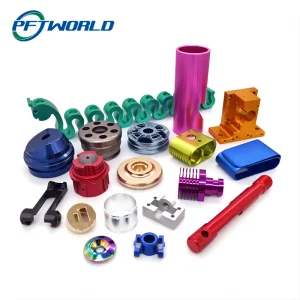
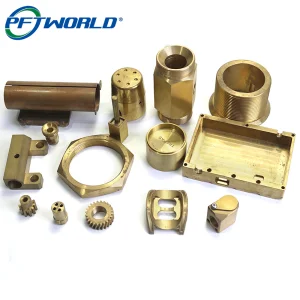
CNC technology can work with metals, plastics, wood, and composites. Systems can easily be reprogrammed to handle different designs, making it ideal for manufacturing diverse product lines.
With advanced automation, CNC reduces the need for manual operators, minimizing human error and allowing personnel to focus on higher-level quality control and process optimization.
CNC machines accelerate the product development cycle by rapidly turning CAD designs into physical models. Manufacturers can quickly test, iterate, and update designs with agility.
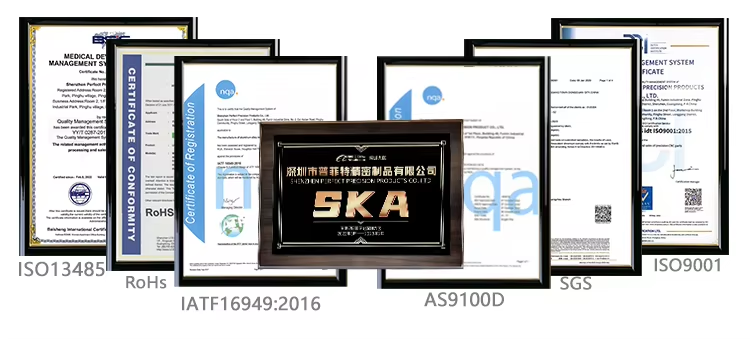
We are proud to hold several production certificates for our CNC machining services, which demonstrates our commitment to quality and customer satisfaction.
"Great CNC machining, impressive laser engraving, best I've ever seen so far. Good quality overall, and all the pieces were packed carefully."
"Excelente me siento contento me sorprendió la calidad de las piezas un gran trabajo. This company does a really nice job on quality."
"If there is an issue they are quick to fix it. Very good communication and fast response times. This company always does what I ask."
"They even find any errors that we may have made."
"We have been dealing with this company for a number of years and have always received exemplary service."
"I am very pleased with the outstanding quality of my new parts. The price is very competitive and the customer service is among the best I've ever experienced."
"Fast turnaround, fabulous quality, and some of the best customer service anywhere on Earth."
As manufacturing technology evolves, so does CNC. Today’s CNC machines are increasingly integrated with smart technology, including Industry 4.0 features such as IoT connectivity, data analytics, and artificial intelligence (AI). This enables CNC systems to monitor machine health in real-time, optimize production schedules, and improve overall operational efficiency.
Furthermore, the integration of additive manufacturing (3D printing) alongside CNC is allowing manufacturers to create parts that combine both subtractive and additive processes, further pushing the boundaries of design and production.

CNC technology has proven to be the backbone of modern factory manufacturing, offering unmatched precision, flexibility, and automation. From reducing production costs to improving product quality and enabling rapid prototyping, CNC is the tool that manufacturers turn to in order to stay competitive in a fast-evolving marketplace.
As industries continue to demand higher standards of performance and quality, investing in CNC technology isn’t just an option—it’s a necessity. Whether you're looking to optimize production, improve accuracy, or stay ahead of industry trends, CNC provides the foundation for a smarter, more efficient, and more profitable manufacturing future.
Ready to take your factory operations to the next level? Embrace CNC technology and unlock the potential of precision manufacturing today.