1 / 1

When your production line depends on tight tolerances and reliable performance, the last thing you want is a poorly machined component that causes delays or failures. I’ve worked with multiple suppliers over the years, and I’ve seen firsthand how the choice of a precision machining parts manufacturer can determine whether a project succeeds or stalls.
In this guide, I’ll share practical insights, real cases from the shop floor, and clear steps to help you evaluate and choose the right partner.
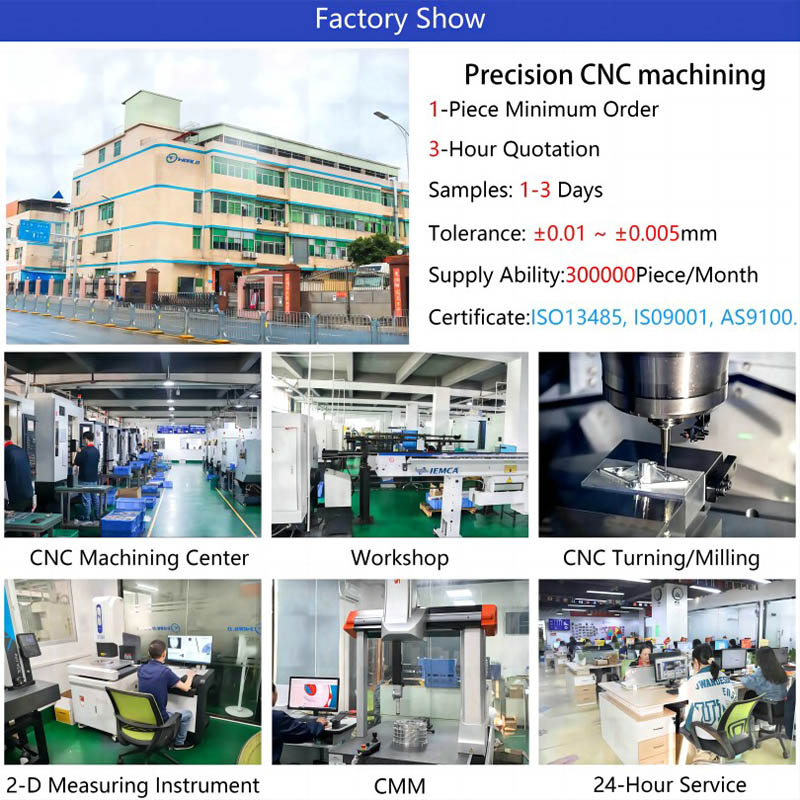
Precision machining involves removing material with extreme accuracy to produce parts that meet strict dimensional requirements—sometimes within ±0.005 mm. Typical processes include CNC milling, turning, grinding, and EDM.
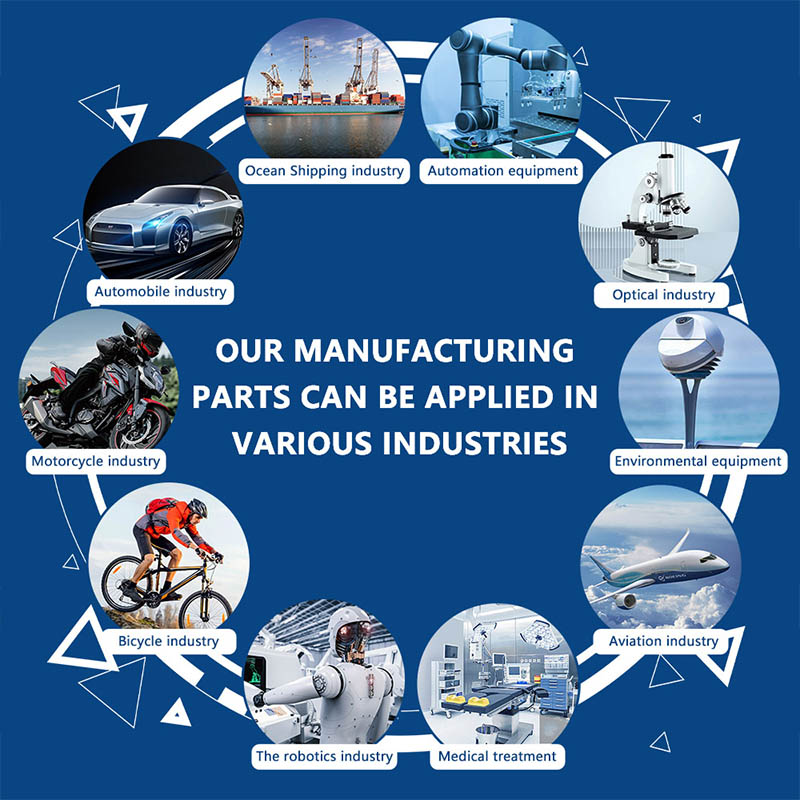
From aerospace turbine blades to 316L stainless steel medical components, precision machining ensures consistency, durability, and performance in demanding industries.
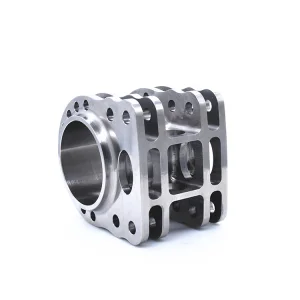
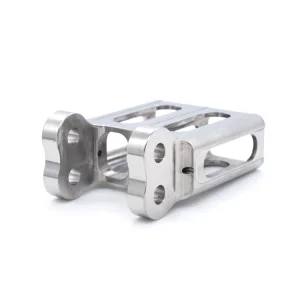
Example from practice: In one aerospace project, our team supplied aluminum housing parts with a tolerance of ±0.01 mm. A competitor had previously delivered parts that deviated by just 0.03 mm, but that small difference caused assembly misalignment and costly rework.
When sourcing a manufacturer, buyers often face the same challenge: how to judge capability beyond marketing promises. Here are five proven factors to evaluate:
Tip: Always request a sample run before full-scale production. It reveals whether the supplier can hold tolerances consistently.
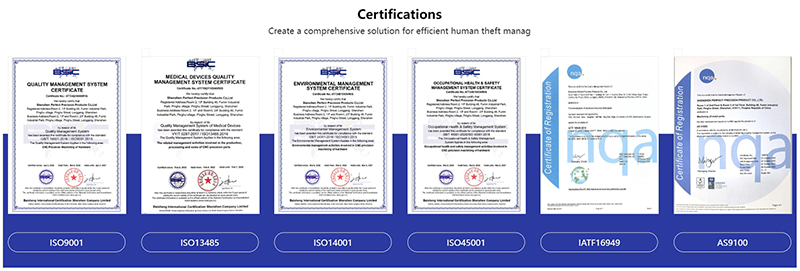
A trustworthy supplier will follow ISO 9001 or IATF 16949 standards. Look for:
Case: One medical parts client required Ra 0.4 μm on surgical tool surfaces. Our factory achieved this by using fine-grain grinding wheels and post-polishing—a capability not all shops offer.
Ask about:
The best suppliers provide a clear cost breakdown: material, machining, finishing, inspection. This helps you compare quotes fairly instead of chasing the lowest upfront price.
Look for a partner who responds quickly, provides DFM (Design for Manufacturability) feedback, and shares proactive suggestions to reduce cost or improve durability.
| Industry | Example Parts | Key Requirements |
|---|---|---|
| Aerospace | Engine housings, brackets | Lightweight, heat-resistant |
| Medical Devices | Implants, surgical instruments | Biocompatibility, polish |
| Automotive | Transmission components, shafts | Wear resistance, strength |
| Electronics | Heat sinks, connectors | Miniaturization, accuracy |
Many buyers ask: “Can’t any machine shop produce these parts?”
The short answer: not always. Precision machining requires:
Choosing a precision machining parts manufacturer means you’re working with a team that has the tools, expertise, and process discipline to ensure every part meets specification—batch after batch.
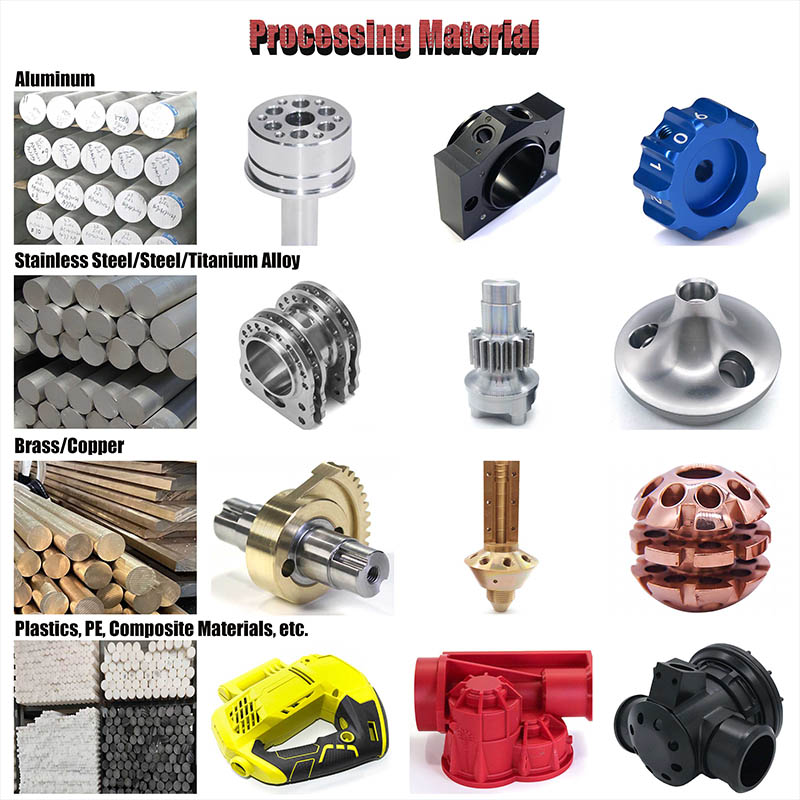
A: We specialize in OEM Manufacturing Services. Our primary business scope includes precision CNC lathe processing, turning, stamping, and custom components machining.
A: You can send us an inquiry directly through our website. All inquiries are reviewed by our engineering team and replied to within 6 hours.
A: If you have design drawings or physical samples, please send them to us. Additionally, specify your requirements such as material type, tolerances, surface treatments, and the quantity you need.
A: The delivery date is typically about 10-15 days after receipt of payment, depending on the design complexity and batch quantity. Prototype samples usually take 7-10 days.
A: Generally, we work on EXW or FOB terms with 100% T/T in advance. However, we can also consult and arrange alternative terms according to your specific order requirements.
A: Yes, we provide comprehensive Design for Manufacturability (DFM) feedback to help optimize design files, improve manufacturing efficiency, and lower overall production costs.