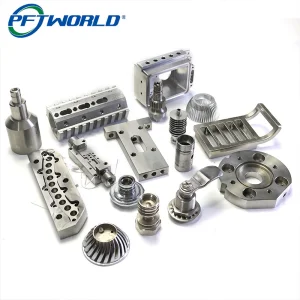
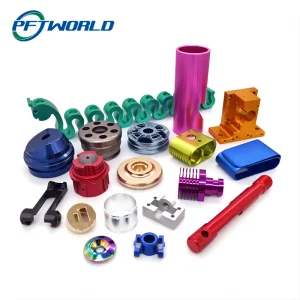
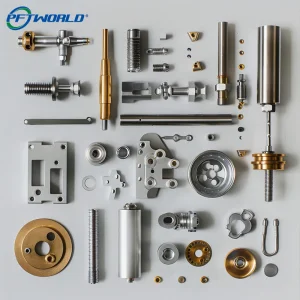
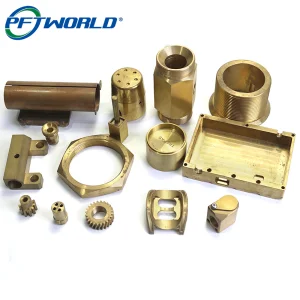
PRODUCT DETAIL
Product Overview
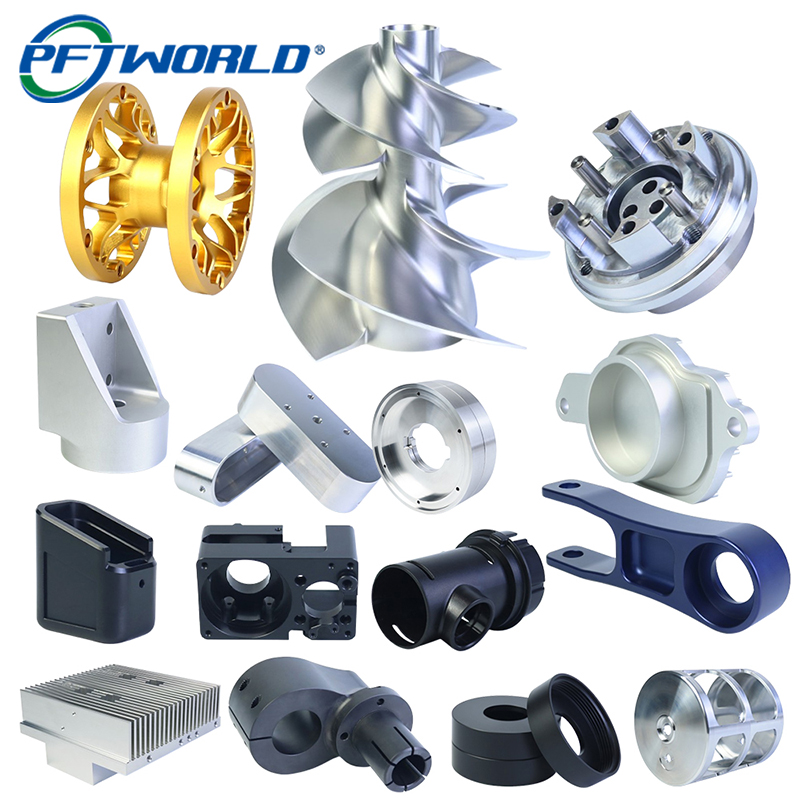
Ever wonder how your smartphone fits together so perfectly, or why every component in your car engine aligns with such accuracy? Behind these small miracles of modern manufacturing are precision steel fixtures—the unsung heroes that make repeatable perfection possible.
What Are Precision Steel Fixtures?
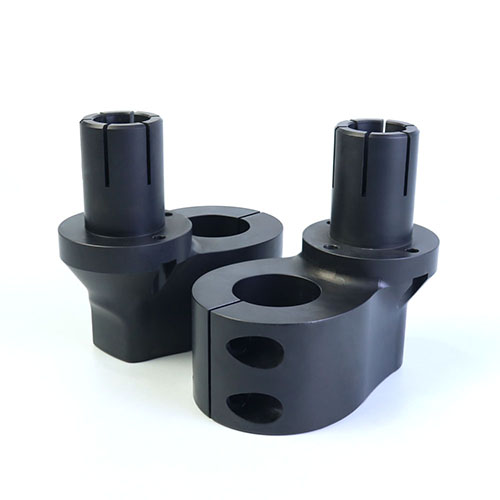
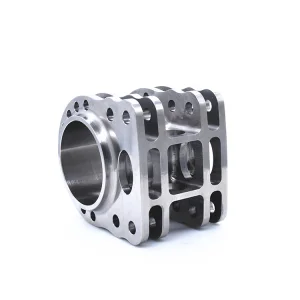
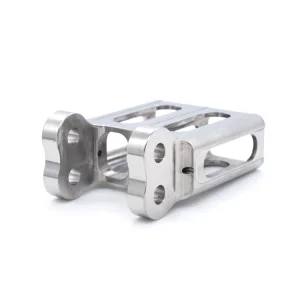
A fixture is a custom tool designed to hold a workpiece securely in place during manufacturing processes like machining, welding, assembly, or inspection. When we talk about precision steel fixtures, we mean fixtures that are:
- Made from high-grade steel for strength and durability
- Machined to extremely tight tolerances (often within ±0.01mm)
- Designed for specific parts and operations
Why Steel? And Why Precision?
Not all fixtures are created equal. Here’s why manufacturers invest in precision-machined steel fixtures:
- Rigidity: Steel doesn’t bend or vibrate during machining, which means better accuracy.
- Durability: It stands up to repeated use, high heat, coolants, and physical impact.
- Repeatability: A well-made fixture ensures the 1st part and the 10,000th part are identical.
- Long-Term Value: While more expensive upfront, they outlast aluminum or plastic fixtures by years.
Where You’ll Find Them in Action
Precision steel fixtures are everywhere—even if you don’t see them:
- Automotive: Machining engine blocks, aligning suspension components
- Aerospace: Holding turbine blades for milling or inspection
- Medical: Ensuring surgical tools or implants meet strict standards
- Electronics: Positioning circuit boards for soldering or testing
- Consumer Goods: Assembling everything from watches to appliances
Production Certificates
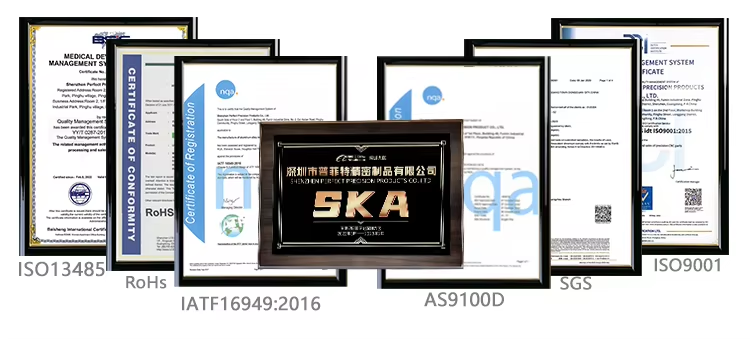
We are proud to hold several production certificates for our CNC machining services, which demonstrates our commitment to quality and customer satisfaction.
- 1. ISO13485: MEDICAL DEVICES QUALITY MANAGEMENT SYSTEM CERTIFICATE
- 2. ISO9001: QUALITY MANAGEMENT SYSTEM CERTIFICATE
- 3. IATF16949, AS9100, SGS, CE, CQC, RoHS
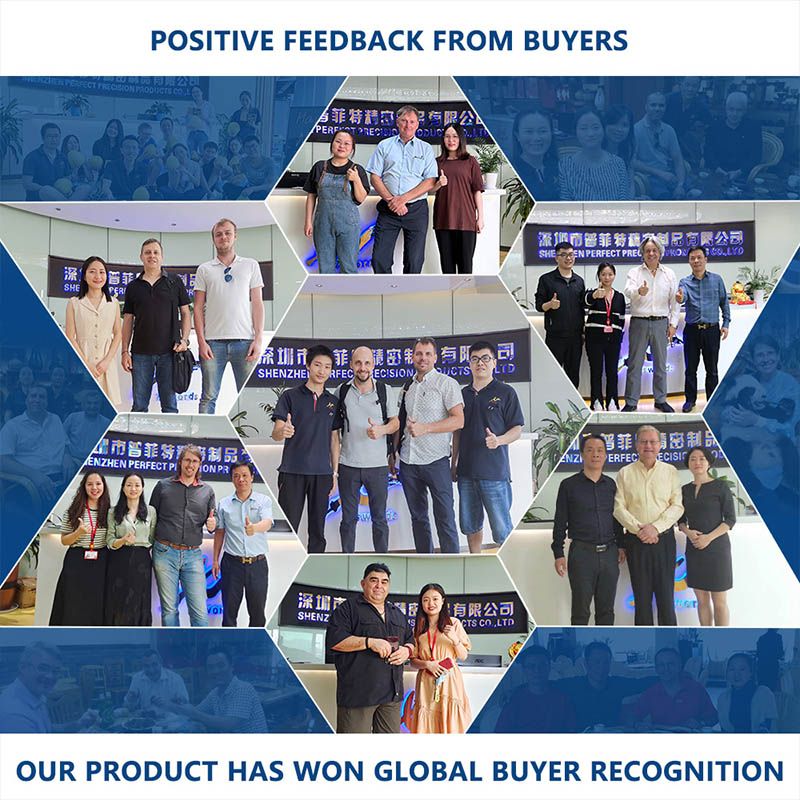
Positive feedback from buyers
Great CNC machining impressive laser engraving best I've ever seen so far Good quality overall, and all the pieces were packed carefully.
Excelente me siento contento me sorprendió la calidad de las piezas un gran trabajo This company does a really nice job on quality.
If there is an issue they are quick to fix it. Very good communication and fast response times. This company always does what I ask.
They even find any errors that we may have made.
We have been dealing with this company for a number of years and have always received exemplary service.
I am very pleased with the outstanding quality of my new parts. The price is very competitive and the customer service is among the best I've ever experienced.
Fast turnaround fabulous quality, and some of the best customer service anywhere on Earth.
How Are They Made?
Creating a precision fixture is a mix of engineering and craftsmanship:
- Design: Using CAD software, engineers design the fixture around the part and the process.
- Material Selection: Tool steel, stainless steel, or hardened steel are common choices.
- Machining: CNC milling, turning, and grinding shape the fixture to exact specifications.
- Heat Treating: Adds hardness and wear resistance.
- Finishing: Surfaces may be ground, lapped, or coated for corrosion resistance.
- Validation: The fixture is tested with real parts and measuring equipment like CMMs.
What Makes a Fixture “Precision”?
It’s all in the details:
- Tolerances: Critical features are held to within ±0.005″–0.001″ (or even tighter).
- Surface Finish: Smooth contact surfaces prevent part marring and ensure accuracy.
- Modularity: Some fixtures use interchangeable jaws or pins for different parts.
- Ergonomics: Designed for easy loading/unloading by operators or robots.
Types of Precision Fixtures
- Machining Fixtures: For milling, drilling, or turning operations
- Welding Jigs: To hold parts in perfect alignment during welding
- CMM Fixtures: Used in quality control to measure parts accurately
- Assembly Fixtures: For putting together multi-component products
Why Investing in Precision Fixtures Pays Off
Yes, they cost more than makeshift solutions. But here’s what you gain:
- Faster Setup Times: Reduce changeover time from hours to minutes.
- Fewer Rejects: Improve consistency and slash scrap rates.
- Safer Operations: Secure holding reduces accidents.
- Scalability: Essential for high-volume production.
The Bottom Line
Precision steel fixtures are more than just chunks of metal—they’re enabling tools for quality, efficiency, and innovation. They sit quietly behind the scenes, making sure everything we make… works.
Whether you’re building rockets or razors, the right fixture doesn’t just hold your part—it holds your standards.
Frequently Asked Questions (FAQ)
Q
How fast can I receive a CNC prototype?
Lead times vary depending on part complexity, material availability, and finishing requirements, but generally:
• Simple prototypes: 1–3 business days
• Complex or multi-part projects: 5–10 business days
Expedited service is often available.
Q
What design files do I need to provide?
To get started, you should submit:
• 3D CAD files (preferably in STEP, IGES, or STL format)
• 2D drawings (PDF or DWG) if specific tolerances, threads, or surface finishes are required
Q
Can you handle tight tolerances?
Yes. CNC machining is ideal for achieving tight tolerances, typically within:
• ±0.005" (±0.127 mm) standard
• Tighter tolerances available upon request (e.g., ±0.001" or better)
Q
Is CNC prototyping suitable for functional testing?
Yes. CNC prototypes are made from real engineering-grade materials, making them ideal for functional testing, fit checks, and mechanical evaluations.
Q
Do you offer low-volume production in addition to prototypes?
Yes. Many CNC services provide bridge production or low-volume manufacturing, ideal for quantities from 1 to several hundred units.
Q
Is my design confidential?
Yes. Reputable CNC prototype services always sign Non-Disclosure Agreements (NDAs) and treat your files and intellectual property with full confidentiality.