1 / 1

Hey there, if you're in manufacturing, engineering, or product design, you've probably heard the term "precision turned components" thrown around. But what does it really mean? And more importantly, how do you choose the right manufacturer for these tiny, yet critical, parts?
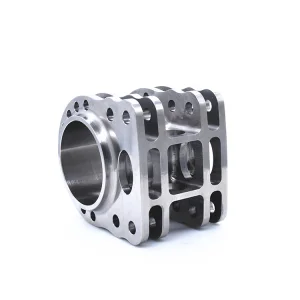
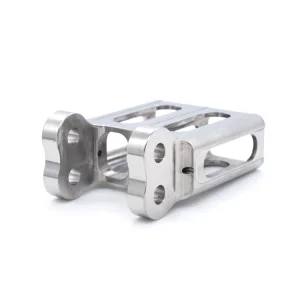
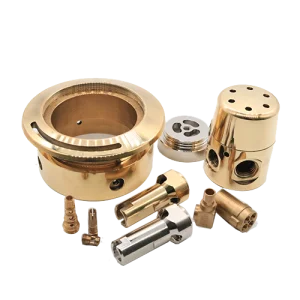
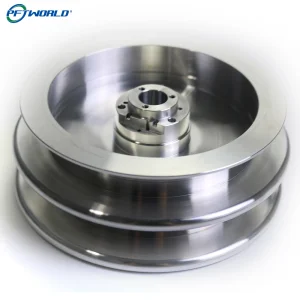
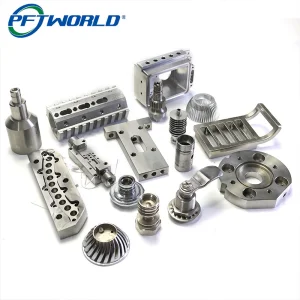
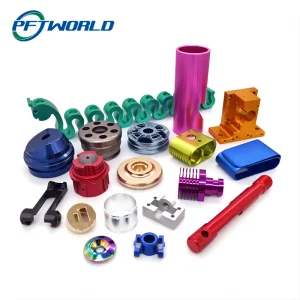
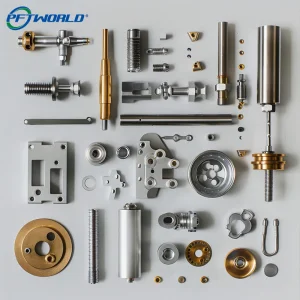
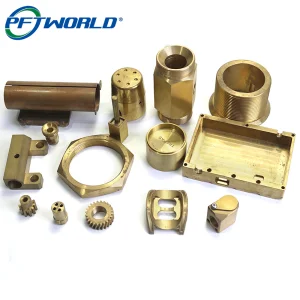
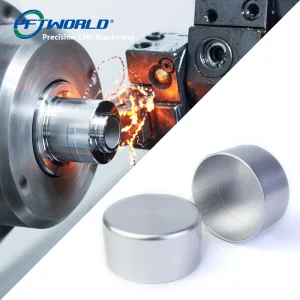
Imagine a part so precise that a human hair seems huge in comparison. That's the world we're in. In simple terms, these are small parts made by a process called CNC (Computer Numerical Control) turning.
A bar of material (like metal or plastic) spins at high speed, and a cutting tool precisely shapes it. It's like a super-high-tech pottery wheel, but instead of clay, it works with stainless steel, aluminum, brass, or exotic plastics, creating parts with incredibly tight tolerances.
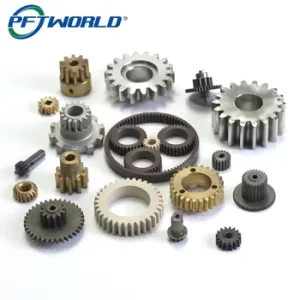
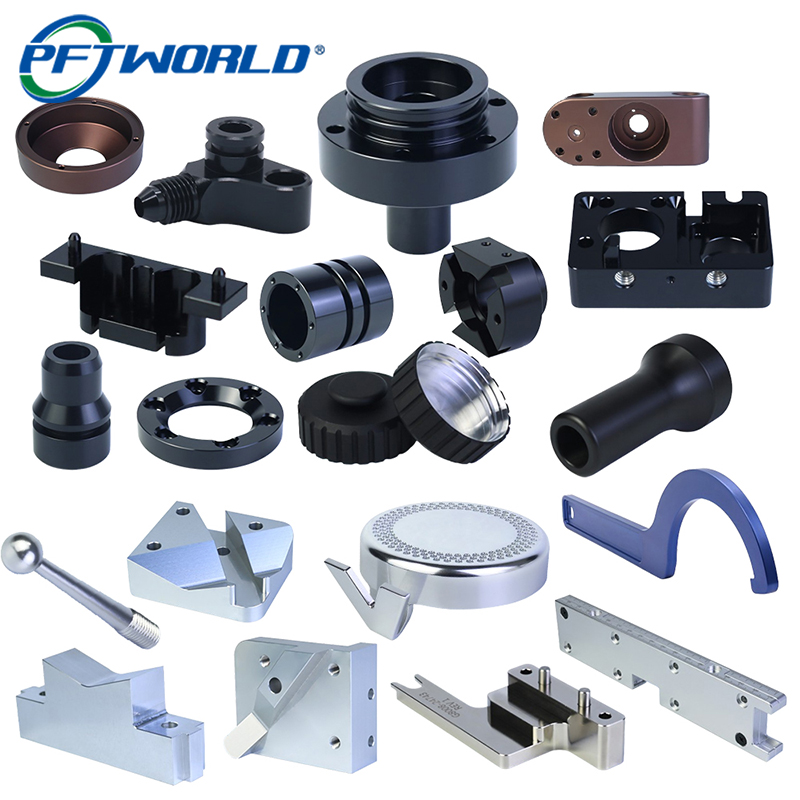
You'll find these components everywhere:
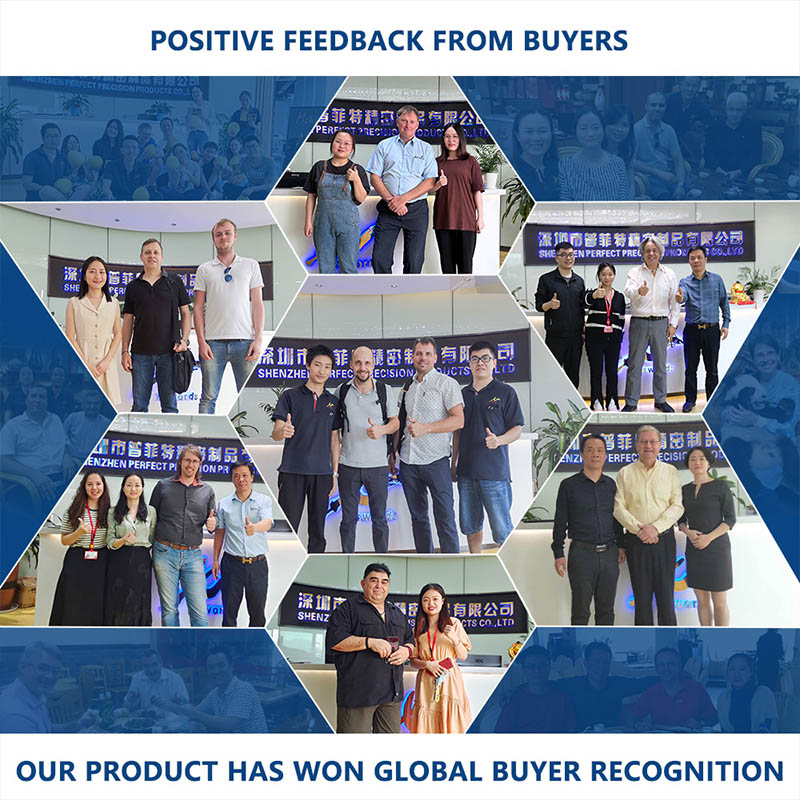
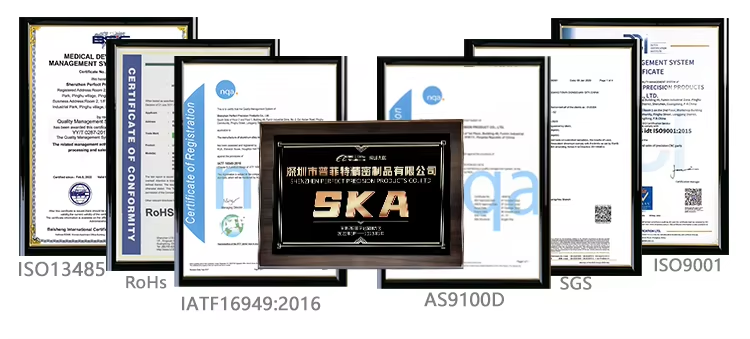
Production certificates demonstrate the commitment to quality and customer satisfaction:
This isn't about just buying a widget. It's about a partnership. The right precision turned components manufacturer doesn't just sell you parts; they become an extension of your team. Here’s what to look for:
A shop with old, worn-out machines can't produce modern, high-precision parts. Look for a manufacturer that invests in state-of-the-art CNC Swiss-style lathes and multi-axis machining centers. But the machines are nothing without the people. The best shops have skilled machinists and programmers who can look at a blueprint and suggest a smarter, more cost-effective way to make your part.
Can they work with more than just the basics? A great manufacturer will have experience with a wide range of materials—from common aluminum 6061 to tough stainless steels like 303 and 316, and even challenging plastics like PEEK or Ultem. Their expertise in different materials means they can advise you on the best choice for your application's strength, corrosion resistance, and cost.
Anyone can say they have high quality. The proof is in the paperwork. Look for certifications like ISO 9001 or AS9100 (for aerospace). But go deeper. Do they have in-house inspection equipment like CMMs (Coordinate Measuring Machines) and optical comparators? A manufacturer that rigorously checks parts at every stage of production is one that saves you from costly headaches down the line.
The best partnerships offer more than just turning. Can they handle secondary operations? This includes things like:
Having one manufacturer handle everything from raw material to finished, ready-to-ship assembly streamlines your supply chain, improves quality control, and saves you time and money.
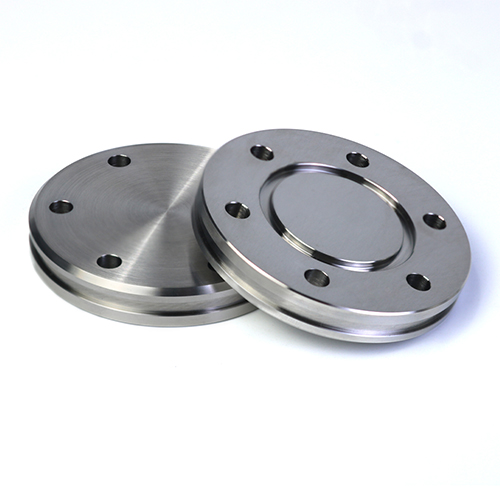
Choosing a precision turned components manufacturer is a critical business decision. It’s not just about finding the lowest price; it’s about finding a reliable, skilled partner who can deliver consistent quality and help bring your ideas to life.
Do your homework, ask the right questions, and look for a partner who is as invested in your success as you are.
Looking for a partner who ticks all these boxes? High-volume production of precision components focuses on quality and collaboration to help bring your ideas to life.
Lead times vary depending on part complexity, material availability, and finishing requirements, but generally:
Expedited service is often available.
To get started, you should submit:
Yes. CNC machining is ideal for achieving tight tolerances, typically within:
Yes. CNC prototypes are made from real engineering-grade materials, making them ideal for functional testing, fit checks, and mechanical evaluations.
Yes. Many CNC services provide bridge production or low-volume manufacturing, ideal for quantities from 1 to several hundred units.
Yes. Reputable CNC prototype services always sign Non-Disclosure Agreements (NDAs) and treat your files and intellectual property with full confidentiality.