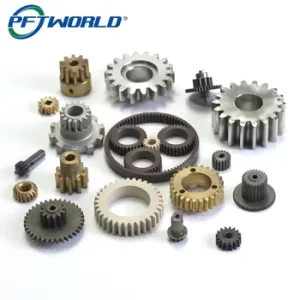
Product Detail
Product Overview
In the fast-paced world of manufacturing, staying ahead of the competition requires innovation and precision. One of the most significant advancements in modern manufacturing is the use of CNC machines. These powerful, computer-controlled tools have revolutionized the way factories produce high-quality parts and products. If your factory is looking to improve production efficiency, precision, and customization, investing in CNC machines could be the key to success.
What is a CNC Machine?
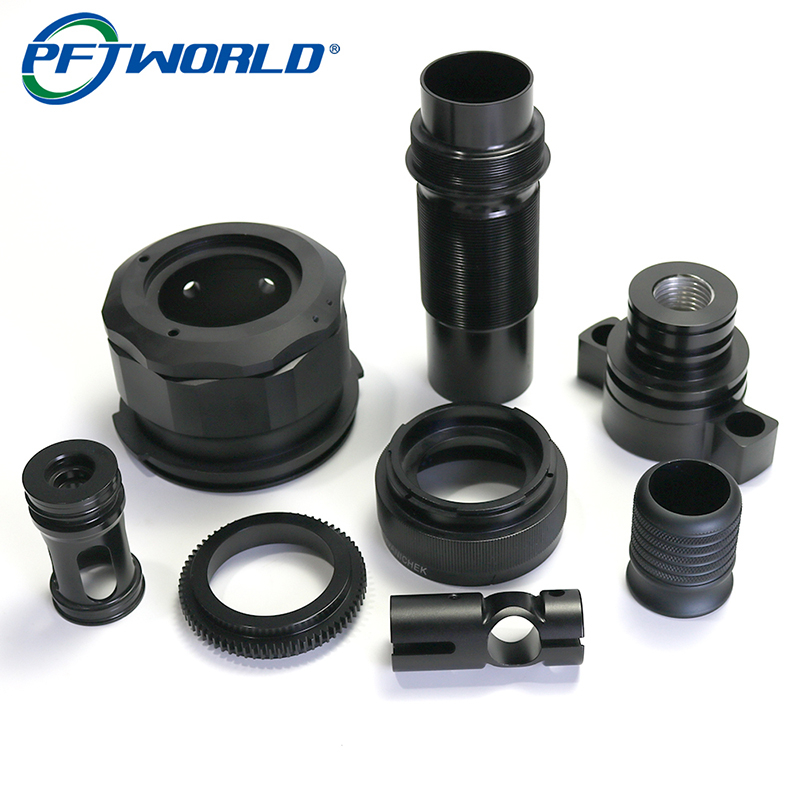
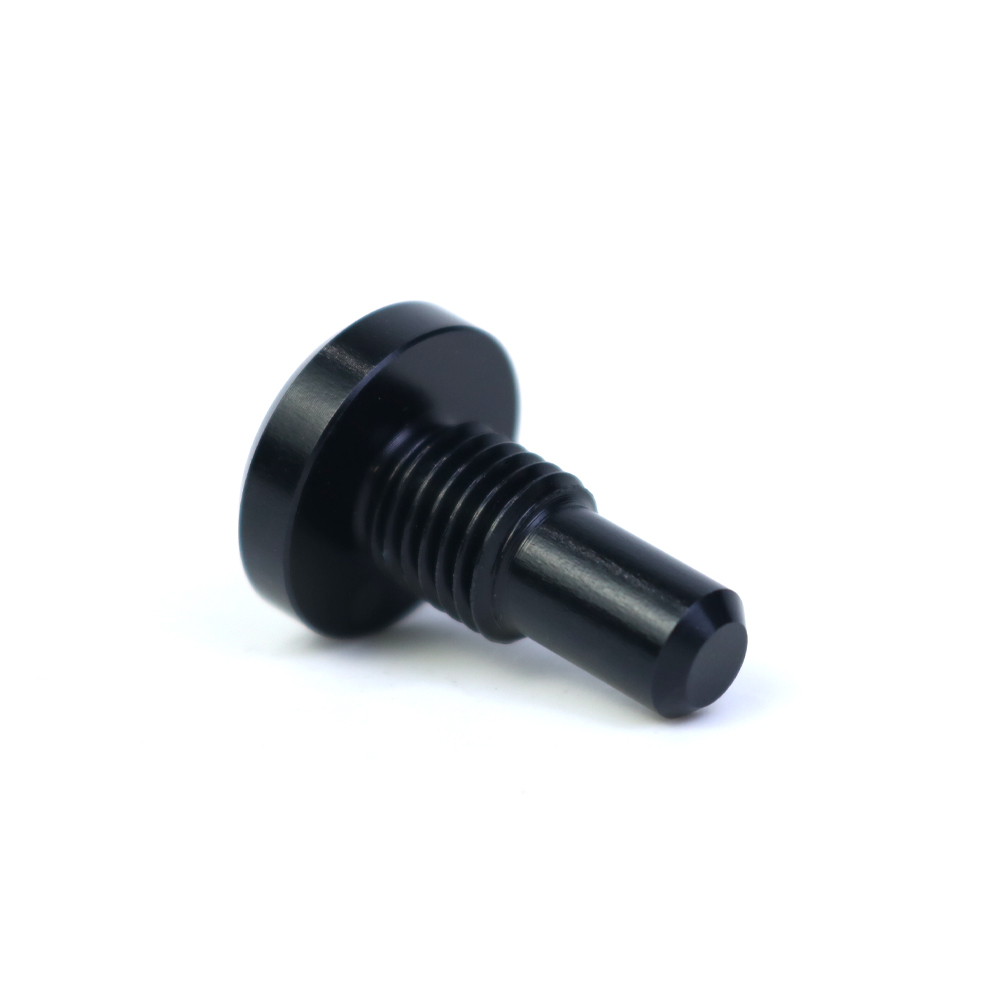
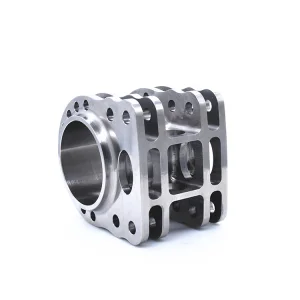
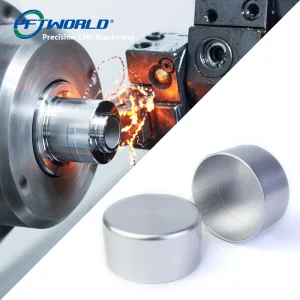
A CNC machine (Computer Numerical Control) is a computer-controlled machine tool that automates the manufacturing process. Unlike manual machines, CNC machines use pre-programmed software to control the movement of tools and machinery. This automation allows for exceptional precision and consistency, enabling factories to produce complex parts and products with minimal human intervention.
From milling and turning to drilling and grinding, CNC machines can handle a variety of tasks, making them essential for industries such as aerospace, automotive, medical devices, and electronics. With the ability to operate 24/7 and produce high-quality results, CNC machines are indispensable in modern manufacturing.
What industries use CNC machines?
CNC machines are widely used in a variety of industries, including:
Manufacturing
Aerospace
Medical
Electronics
Woodworking
FAQ
How does a CNC machine work?
CNC machines work by following a set of commands given through a computer program. The program, usually written in G-code, directs the machine on how to move and operate. The machine then interprets these instructions to move its tools along various axes (usually X, Y, and Z), allowing it to cut, drill, mill, or shape the material accurately based on the design.
Are CNC machines easy to operate?
While operating CNC machines can be relatively straightforward, they require specialized knowledge and training. Operators need to understand programming, machine setup, and troubleshooting to ensure the machine runs efficiently. Many modern CNC machines have user-friendly interfaces, making them easier to program and control.
What is the cost of a CNC machine?
The cost of a CNC machine can vary widely depending on the type, size, and complexity. Basic CNC machines can start at a few thousand dollars, while advanced industrial-grade CNC machines can cost tens of thousands of dollars. Additionally, the cost of software, maintenance, and tooling should be considered when calculating the total investment.
Can CNC machines be used for prototyping?
Yes, CNC machines are commonly used for prototyping, especially when precise, functional models are needed. They can quickly turn CAD designs into physical prototypes, allowing designers to test and refine their products before moving to mass production.
What industries commonly benefit from CNC machining services?
CNC machining is widely utilized across high-precision industries including Manufacturing (automotive components and machinery parts), Aerospace (highly precise structural components), Medical (surgical tools and implants), Electronics (PCBs), and Woodworking (furniture and custom cabinetry).
What are the main advantages of CNC machines over manual operations?
CNC machines offer unmatched precision by eliminating human error, significantly increased production speed through automated 24/7 operations, absolute versatility to switch between different materials/tasks, and long-term cost-effectiveness by reducing material waste and labor costs.
Conclusion
Incorporating CNC machines into your factory’s operations is one of the best decisions you can make to stay competitive and improve efficiency. These advanced machines offer unparalleled precision, speed, and flexibility, helping your factory reduce costs, increase production, and deliver high-quality products to customers.
Whether you’re producing standard components or custom parts, CNC machines provide the reliability and versatility your factory needs to thrive in today’s manufacturing landscape. Invest in CNC machines today, and position your factory for success in the years to come.