1 / 1

When you’re sourcing high precision CNC machining components, every micron matters. Whether you’re in aerospace, medical device manufacturing, or automotive, even the smallest deviation can lead to costly failures. I’ve seen factories spend weeks troubleshooting a tolerance mismatch that could have been prevented with the right machining process and supplier.
In this guide, I’ll walk you through:
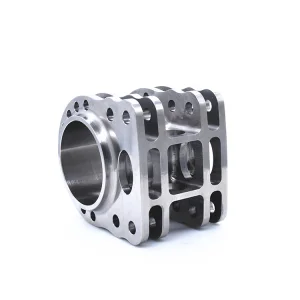
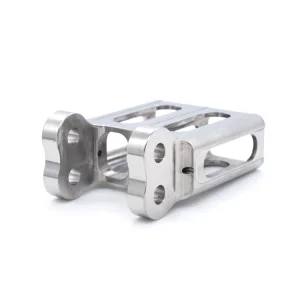
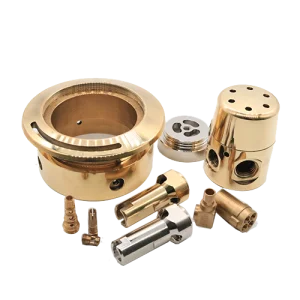
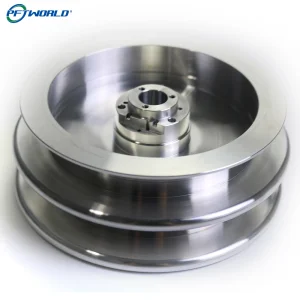
High precision CNC machining components are custom parts manufactured with tight tolerances (±0.005mm–0.01mm) using advanced milling, turning, or EDM machines. Unlike standard machining, precision components often require:
High precision in CNC machining refers to the fabrication of parts with extremely tight tolerances, typically ranging between ±0.005mm and ±0.01mm, ensuring strict adherence to design specifications.
5-axis machining allows the cutting tool to move across five different axes simultaneously. This enables the fabrication of highly complex geometries, improves surface finish, and reduces setup times.
Industries such as aerospace, medical device manufacturing, automotive, and electronics heavily rely on precision CNC components where minor errors can impact safety and performance.
High-speed spindles (up to 30,000 RPM) allow for finer cuts and smoother operations, resulting in an exceptional surface roughness level of less than Ra0.8.
In-process inspection involves measuring dimensions during the machining cycle using tools like Coordinate Measuring Machines (CMM) or laser systems to identify deviations immediately.