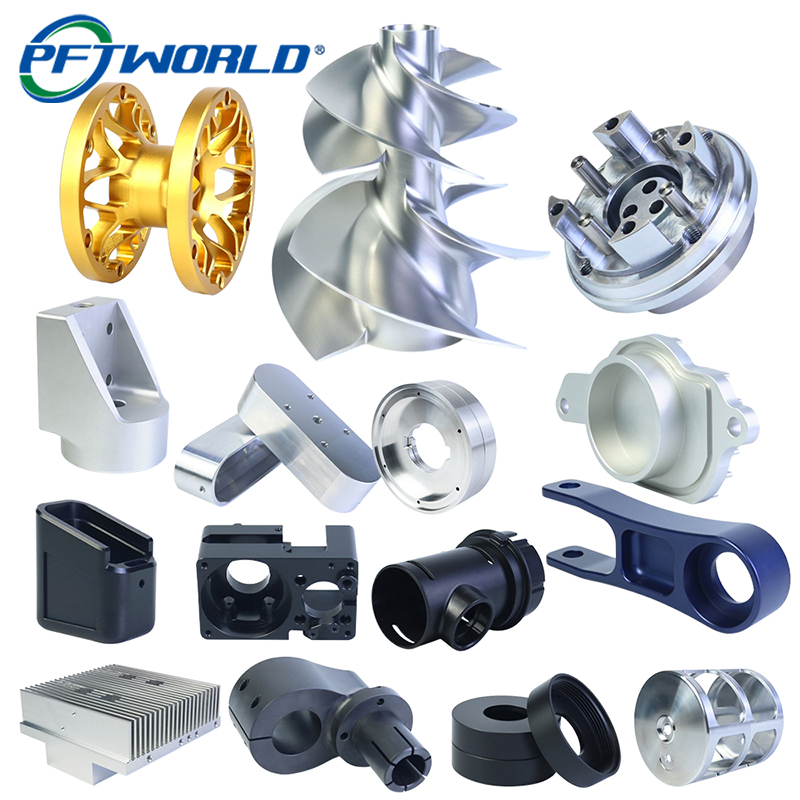
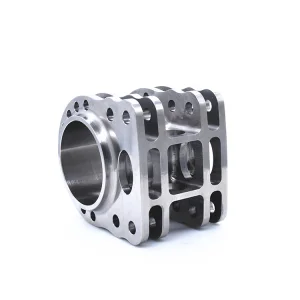
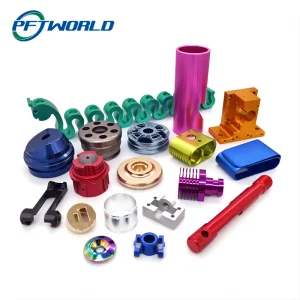
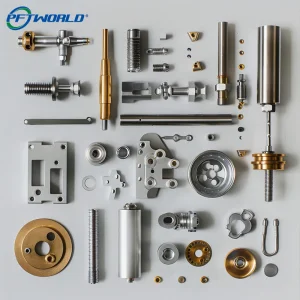
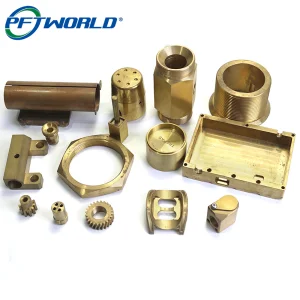
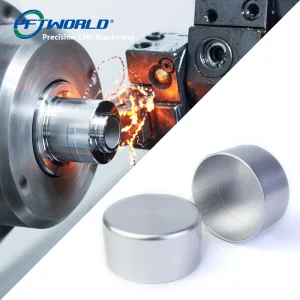
Product Overview
If you work with pipes, hoses, or fluid systems, you've probably faced this problem: you need to connect two components that weren't designed to fit together. Maybe it's different thread types, sizes, or materials. That's where CNC machined pipe adapters come in – they're the custom solution for perfect connections.
The Bottom Line
CNC machined pipe adapters solve connection problems that standard parts can't. Whether you're dealing with unusual thread combinations, high-pressure systems, or just need a custom solution, machining gives you exactly what you need.
What Are CNC Machined Pipe Adapters?
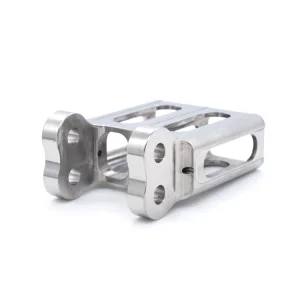
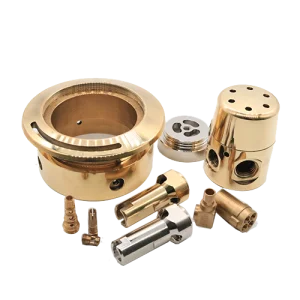
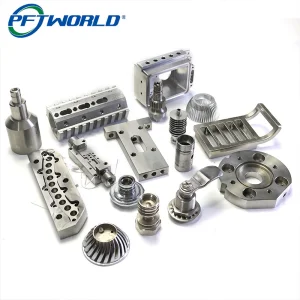
Simply put, they're custom-made connectors that bridge the gap between different pipes, hoses, or fittings. Unlike standard adapters you might find at a hardware store, CNC machined adapters are:
- Made-to-order for your exact specifications
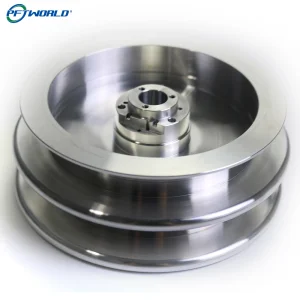
- Precision-engineered with perfect threads and seals
- Built from your choice of materials (stainless steel, brass, aluminum, etc.)
- Designed for specific pressure ratings and environments
What Are Steel Plates?
Steel plates are thick, flat sheets of metal, typically ranging from 3mm to over 200mm thick. Unlike thinner sheets, plates are used where strength, durability, and load-bearing capacity really matter—think ship hulls, bulldozer blades, or structural supports in skyscrapers.
Why Choose Steel Plates?
Sometimes standard adapters just won't cut it. Here's when custom machining makes sense:
- Unique Thread Combinations (e.g., NPT to BSPP, or metric to imperial)
- Special Sizes that aren't available commercially
- High-Pressure Applications where precision matters
- Complex Designs with multiple ports or unusual angles
- Material Requirements like chemical resistance or high strength
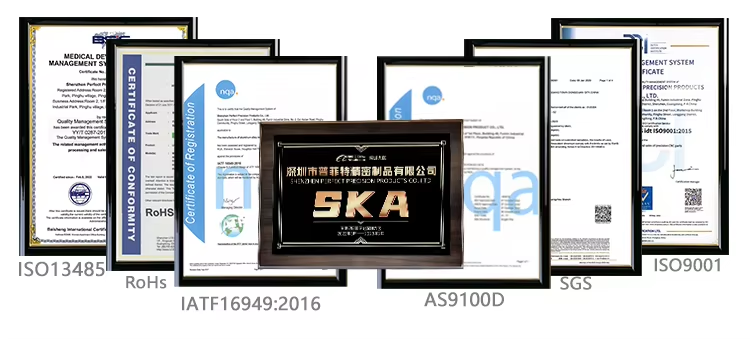
Production Certificates
We are proud to hold several production certificates for our CNC machining services, which demonstrates our commitment to quality and customer satisfaction.
1
ISO13485: MEDICAL DEVICES QUALITY MANAGEMENT SYSTEM CERTIFICATE
2
ISO9001: QUALITY MANAGEMENT SYSTEM CERTIFICATE
3
IATF16949, AS9100, SGS, CE, CQC, RoHS
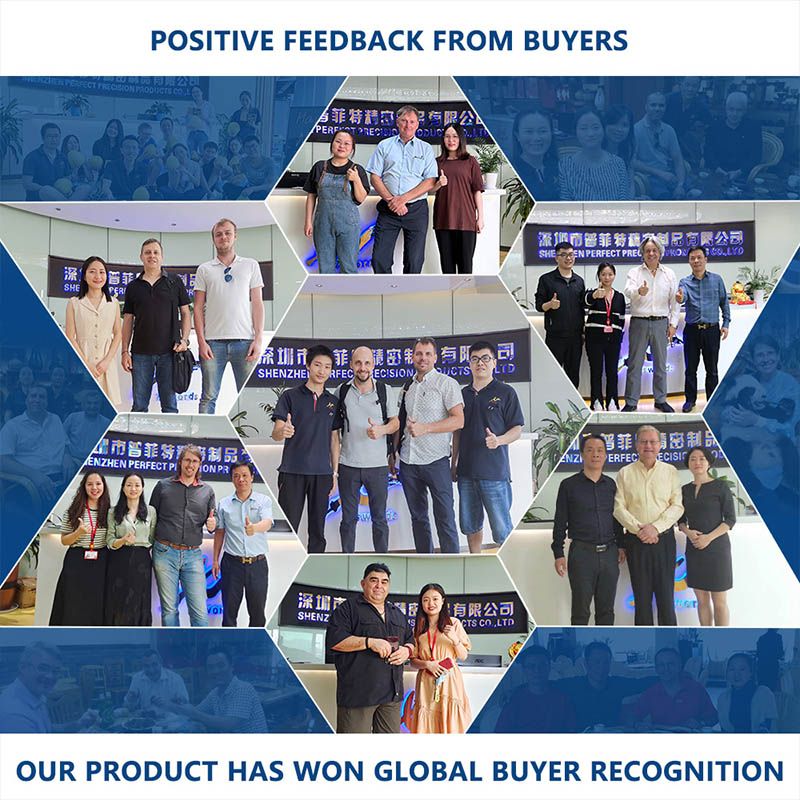
Positive Feedback from Buyers
Great CNC machining impressive laser engraving best I've ever seen so far. Good quality overall, and all the pieces were packed carefully.
Excelente me siento contento me sorprendio la calidad de las piezas un gran trabajo. This company does a really nice job on quality.
If there is an issue they are quick to fix it. Very good communication and fast response times. This company always does what I ask.
They even find any errors that we may have made.
We have been dealing with this company for a number of years and have always received exemplary service.
I am very pleased with the outstanding quality of my new parts. The price is very competitive and the customer service is among the best I've ever experienced.
Fast turnaround fabulous quality, and some of the best customer service anywhere on Earth.
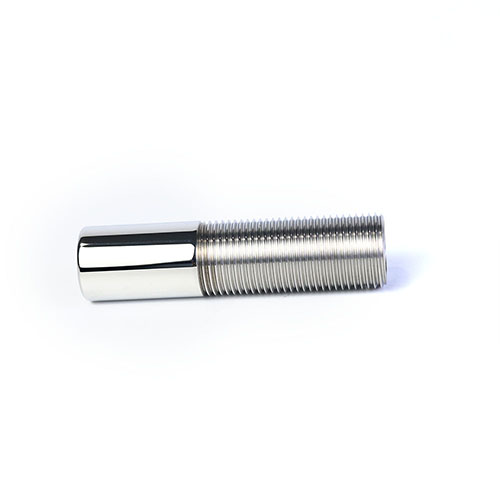
Common Types of Pipe Adapters We Machine
- Thread Reducers/Expanders: Connect different thread sizes
- Male-to-Female Adapters: Change connection types
- 90° or 45° Elbows: Change flow direction in tight spaces
- Multi-Port Adapters: Combine several connections into one block
- Material Transition Adapters: Join different materials safely
Types of Steel Plates and Their Uses
Not all plates are the same. The exact composition and manufacturing process determine their best use:
- Structural Steel Plates: Used in buildings and bridges. Grades like A36 or S355 offer a great balance of strength and weldability.
- Abrasion-Resistant (AR) Plates: Hardened surfaces withstand wear and impact—perfect for mining equipment, dump truck beds, and bulldozers.
- High-Strength Low-Alloy (HSLA) Plates: Lighter yet strong, used in transportation and cranes.
- Stainless Steel Plates: Resist corrosion and heat. Common in food processing, chemical plants, and marine environments.
Popular Materials (And When to Use Them)
1. Stainless Steel 304/316
Best For: Water systems, chemicals, food grade
Pros: Corrosion-resistant, strong
2. Brass
Best For: Plumbing, air lines, low pressure
Pros: Easy to machine, good sealing
3. Aluminum
Best For: Air systems, lightweight applications
Pros: Light, cost-effective
4. Titanium
Best For: Aerospace, marine, high corrosion needs
Pros: Aerospace, marine, high corrosion needs
5. Plastics (PEEK, Delrin)
Best For: Chemicals, electronics, non-conductive
Pros: Chemical-resistant, non-sparking
The CNC Machining Process: From Idea to Finished Part
- Design: You provide specs (thread types, sizes, lengths) or a CAD file
- Material Selection: Choose the right metal or plastic for your application
- CNC Turning: Our lathes create perfect threads and precise diameters
- Deburring & Cleaning: Remove sharp edges and contaminants
- Pressure Testing: Verify there are no leaks (if required)
- Surface Treatment: Add plating, coating, or polishing
Real-World Applications
- Hydraulic Systems: Connecting hoses to pumps and cylinders
- Plumbing: Custom fittings for unique installations
- Manufacturing Equipment: Machine coolant lines and air systems
- Automotive: Fuel lines, brake systems, and turbo setups
- Aerospace: Lightweight, high-strength fluid connections
Frequently Asked Questions
QHow fast can I receive a CNC prototype?
Lead times vary depending on part complexity, material availability, and finishing requirements, but generally:
- Simple prototypes: 1–3 business days
- Complex or multi-part projects: 5–10 business days
Expedited service is often available.
QWhat design files do I need to provide?
To get started, you should submit:
- 3D CAD files (preferably in STEP, IGES, or STL format)
- 2D drawings (PDF or DWG) if specific tolerances, threads, or surface finishes are required
QCan you handle tight tolerances?
Yes. CNC machining is ideal for achieving tight tolerances, typically within:
- ±0.005" (±0.127 mm) standard
- Tighter tolerances available upon request (e.g., ±0.001" or better)
QIs CNC prototyping suitable for functional testing?
Yes. CNC prototypes are made from real engineering-grade materials, making them ideal for functional testing, fit checks, and mechanical evaluations.
QDo you offer low-volume production in addition to prototypes?
Yes. Many CNC services provide bridge production or low-volume manufacturing, ideal for quantities from 1 to several hundred units.
QIs my design confidential?
Yes. Reputable CNC prototype services always sign Non-Disclosure Agreements (NDAs) and treat your files and intellectual property with full confidentiality.