Hey there, curious minds! If you've ever held a smartphone, driven a car, or even used a simple door hinge, you've interacted with the amazing world of mechanical manufacturing.
It’s the behind-the-scenes magic that turns ideas into tangible, functional things.
But what does that process actually look like? If you picture a sweaty blacksmith with a hammer, you're only seeing a tiny part of the picture! Today, let's demystify some of the core methods engineers use to make the parts that make our world work.
What is CNC Machining?
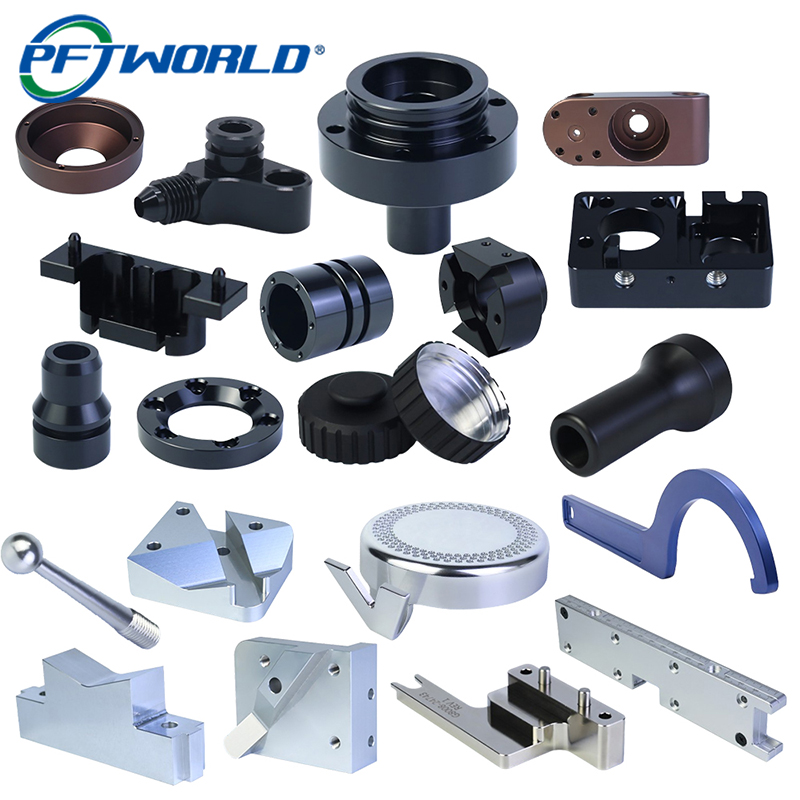
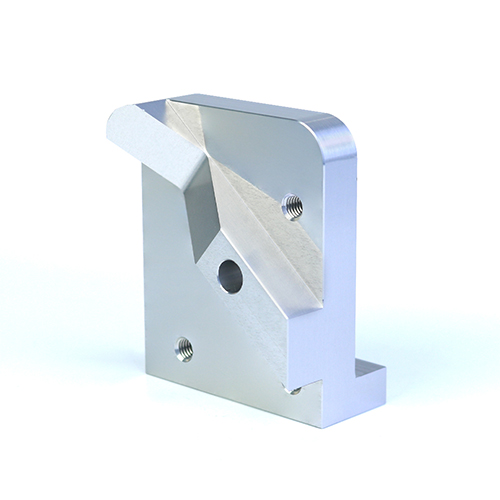
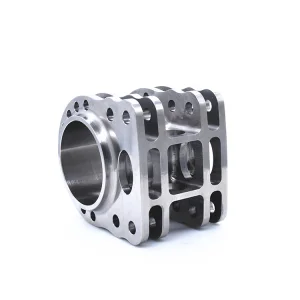
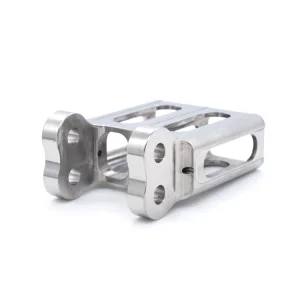
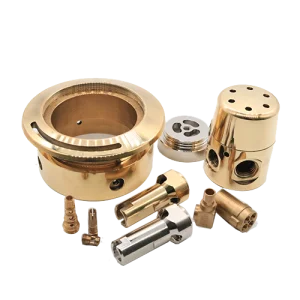
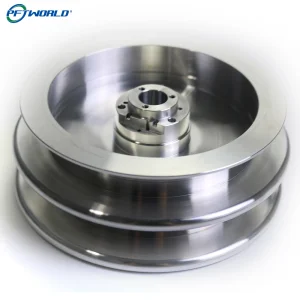
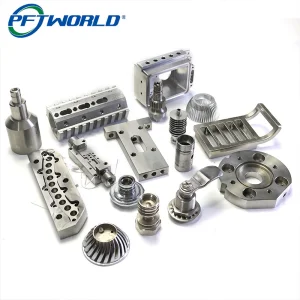
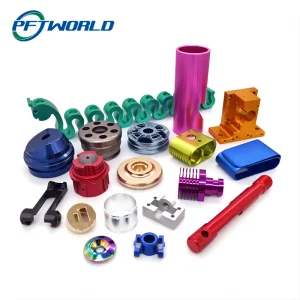
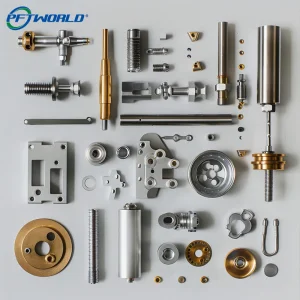
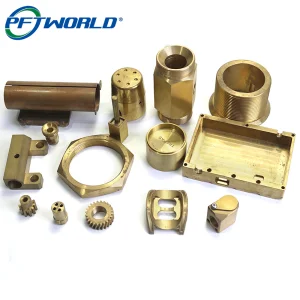
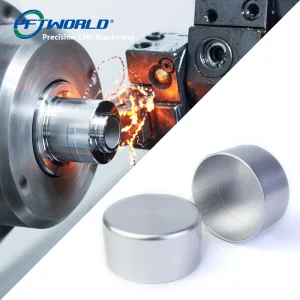
First off, let’s break down what CNC machining actually is. CNC stands for "Computer Numerical Control." It’s a process where machines are controlled by computer programs to precisely cut, shape, or finish materials like metal, plastic, or wood. Think of it as a super-smart robot that's programmed to make super-precise parts over and over again, with minimal human intervention.
The Applications of CNC Machining in China
CNC machining in China is used in almost every industry you can think of. Here are a few:
Aerospace: CNC machining is crucial in the aerospace industry, where parts need to meet strict quality and performance standards. China’s CNC machining capabilities are increasingly being tapped by global aerospace companies.
Automotive: From engine components to intricate interior parts, CNC machining is used to produce a wide variety of parts for the automotive industry. China is one of the largest manufacturers of automotive parts in the world, and CNC machining is at the heart of it.
Electronics: Precision CNC machining is key in creating parts for smartphones, computers, and other electronics. The tight tolerances required in the electronics industry make China an ideal destination for sourcing these parts.
Medical Devices: CNC machines are used to create highly precise parts for medical devices, where reliability and precision are paramount.
Why China Became the World's Workshop
It's not just about low costs. China built its manufacturing dominance through:
Complete Ecosystem: In places like Shenzhen and Dongguan, you're within miles of every supplier you could need - from raw materials to precision tools.
Massive Skill Pool: Generations of machinists who've trained on everything from basic mills to 5-axis CNC systems.
Government Investment: Billions poured into industrial parks and technology infrastructure.
Adaptability: Chinese shops will take on projects others would decline.
The Quality Conversation Has Changed
Remember when "Made in China" meant poor quality? That's ancient history. Today:
Top-tier equipment: Many shops use German and Japanese CNC machines (DMG Mori, Mazak, etc.).
Stringent QC: ISO 9001 certifications are standard, with many shops meeting aerospace (AS9100) and medical (ISO 13485) standards.
Materials matter: They work with the same materials as Western shops - 6061 aluminum, 304 stainless, titanium, PEEK.
Precision capabilities: Tolerances of ±0.01mm are routine for quality-focused shops.
The Future of CNC Machining in China
Looking ahead, China’s CNC machining industry shows no signs of slowing down. With continued investment in technology, better training programs, and improvements in automation, China is poised to remain at the forefront of precision manufacturing for years to come.
Additionally, the global shift toward green manufacturing and sustainability may lead to innovations in how CNC machining is done, and China is likely to be a leader in adopting more eco-friendly practices.
Final Thoughts
CNC machining in China offers incredible advantages in terms of cost, speed, and precision. Whether you're a startup looking for affordable prototyping or a large corporation in need of mass production, China remains a key player in the global CNC machining market. With advanced technology, a skilled workforce, and strong supply chain integration, China continues to be the go-to destination for companies looking to stay competitive in a fast-evolving market.
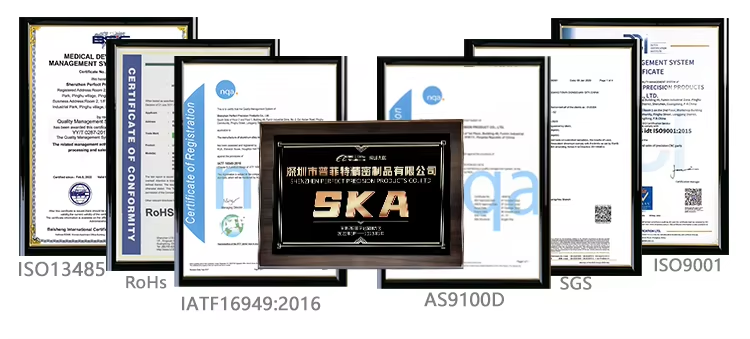
Quality Certificates
Several production certificates demonstrate a commitment to quality and customer satisfaction:
ISO13485: Medical Devices Quality Management System Certificate
ISO9001: Quality Management System Certificate
IATF16949, AS9100, SGS, CE, CQC, RoHS Compliance
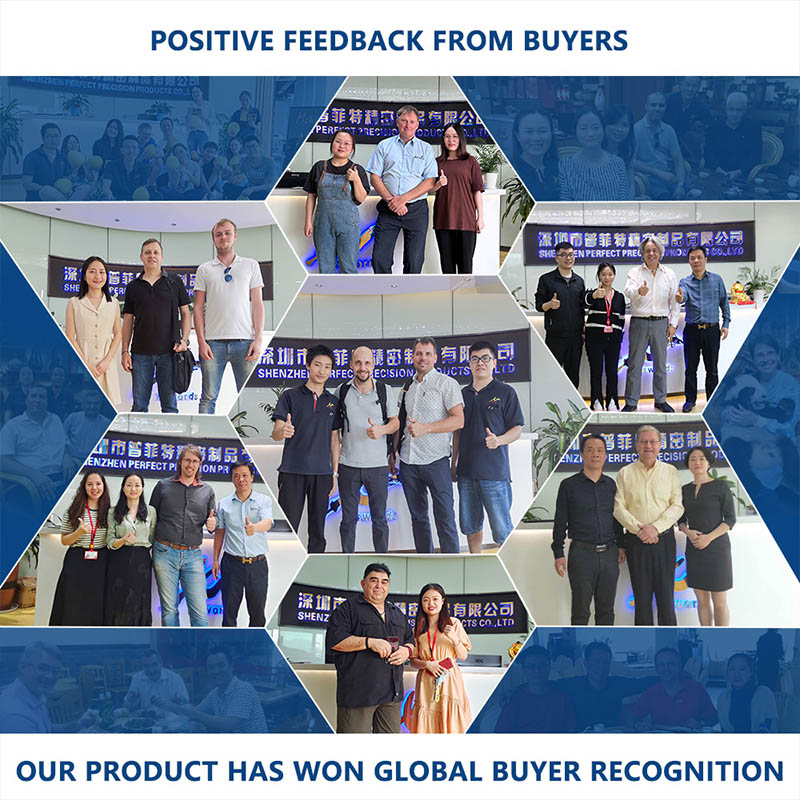
Positive Feedback from Buyers
Great CNC machining, impressive laser engraving, best I've ever seen so far. Good quality overall, and all the pieces were packed carefully.
Excelente, me siento contento, me sorprendió la calidad de las piezas, un gran trabajo. This company does a really nice job on quality.
If there is an issue they are quick to fix it. Very good communication and fast response times. This company always does what I ask.
They even find any errors that we may have made.
We have been dealing with this company for a number of years and have always received exemplary service.
I am very pleased with the outstanding quality of my new parts. The price is very competitive and the customer service is among the best I've ever experienced.
Fast turnaround, fabulous quality, and some of the best customer service anywhere on Earth.
Frequently Asked Questions
Q: How fast can I receive a CNC prototype?
Lead times vary depending on part complexity, material availability, and finishing requirements, but generally:
Simple prototypes: 1–3 business days
Complex or multi-part projects: 5–10 business days
Expedited service is often available.
Q: What design files do I need to provide?
To get started, you should submit:
3D CAD files (preferably in STEP, IGES, or STL format)
2D drawings (PDF or DWG) if specific tolerances, threads, or surface finishes are required
Q: Can you handle tight tolerances?
Yes. CNC machining is ideal for achieving tight tolerances, typically within:
±0.005" (±0.127 mm) standard
Tighter tolerances available upon request (e.g., ±0.001" or better)
Q: Is CNC prototyping suitable for functional testing?
Yes. CNC prototypes are made from real engineering-grade materials, making them ideal for functional testing, fit checks, and mechanical evaluations.
Q: Do you offer low-volume production in addition to prototypes?
Yes. Many CNC services provide bridge production or low-volume manufacturing, ideal for quantities from 1 to several hundred units.
Q: Is my design confidential?
Yes. Reputable CNC prototype services always sign Non-Disclosure Agreements (NDAs) and treat your files and intellectual property with full confidentiality.