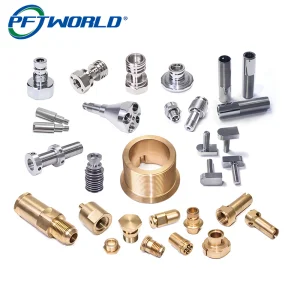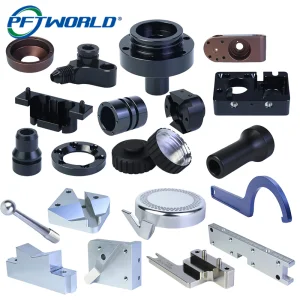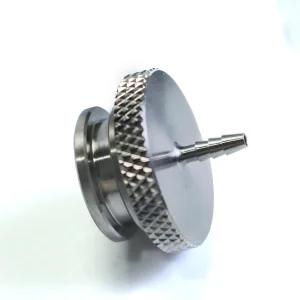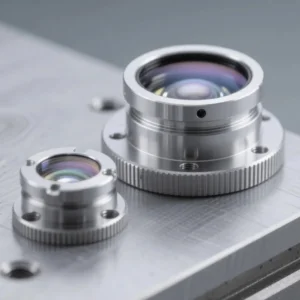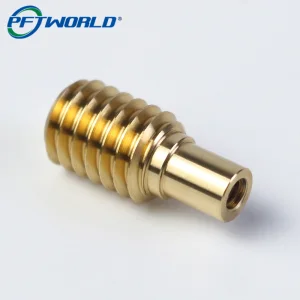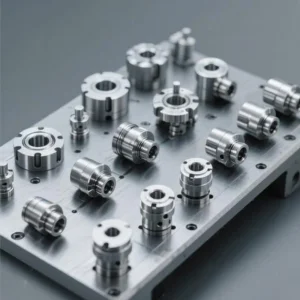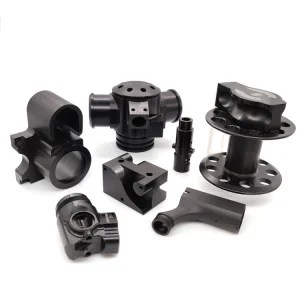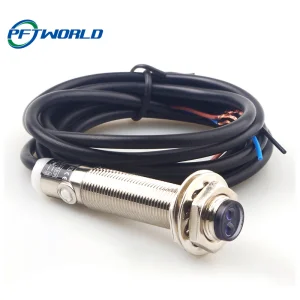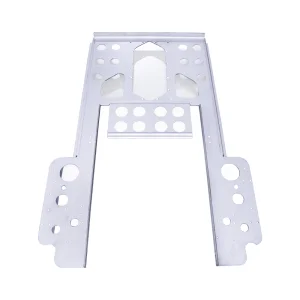
Explore our foundational range of precision turned, milled, and custom manufactured mechanical components designed for high-stress applications.
Strategic analysis of advanced machining tech, market requirements, and supply chains in high-value engineering.
The global industrial landscape is undergoing a massive shift towards integrated manufacturing systems. Precision turning and milling parts are the foundation of modern hardware, driving progress in aerospace, medical devices, automotive electrification, and high-frequency telecommunications. Traditionally, turning (rotation-centric) and milling (prismatic cutting) were isolated processes, requiring multiple setups that increased cumulative stack-up errors.
Today, multi-axis Mill-Turn centers represent the pinnacle of CNC technology. By combining live tooling, sub-spindles, and B-axis articulation, modern CNC centers complete complex components in a single setup. This "Done-in-One" process eliminates human handling errors, guarantees concentricity, and maximizes dimensional accuracy. Global supply chains now demand parts that not only meet tight geometric tolerances but also conform to strict metallurgical and mechanical standards.
For procurement teams and hardware engineers, sourcing components with tolerances tighter than 10 microns requires deep partnerships with manufacturers. Reliable suppliers must demonstrate rigorous metrology systems alongside raw materials traceability, validating their technical expertise at every production step.
Modern procurement requires navigating fluctuating raw material costs, regulatory environmental requirements, and complex logistics. Leading manufacturers must offer design-for-manufacturability (DFM) advice to optimize cycle times, reduce tool wear, and recommend cost-effective materials without sacrificing component performance.
SS304/316L, Ti-Grade 5, Brass, Al6061/7075, PEEK
Ø 0.5mm to Ø 450mm complex turn-mill geometries
Delivering engineering expertise through advanced facility metrics and a reliable manufacturing footprint.
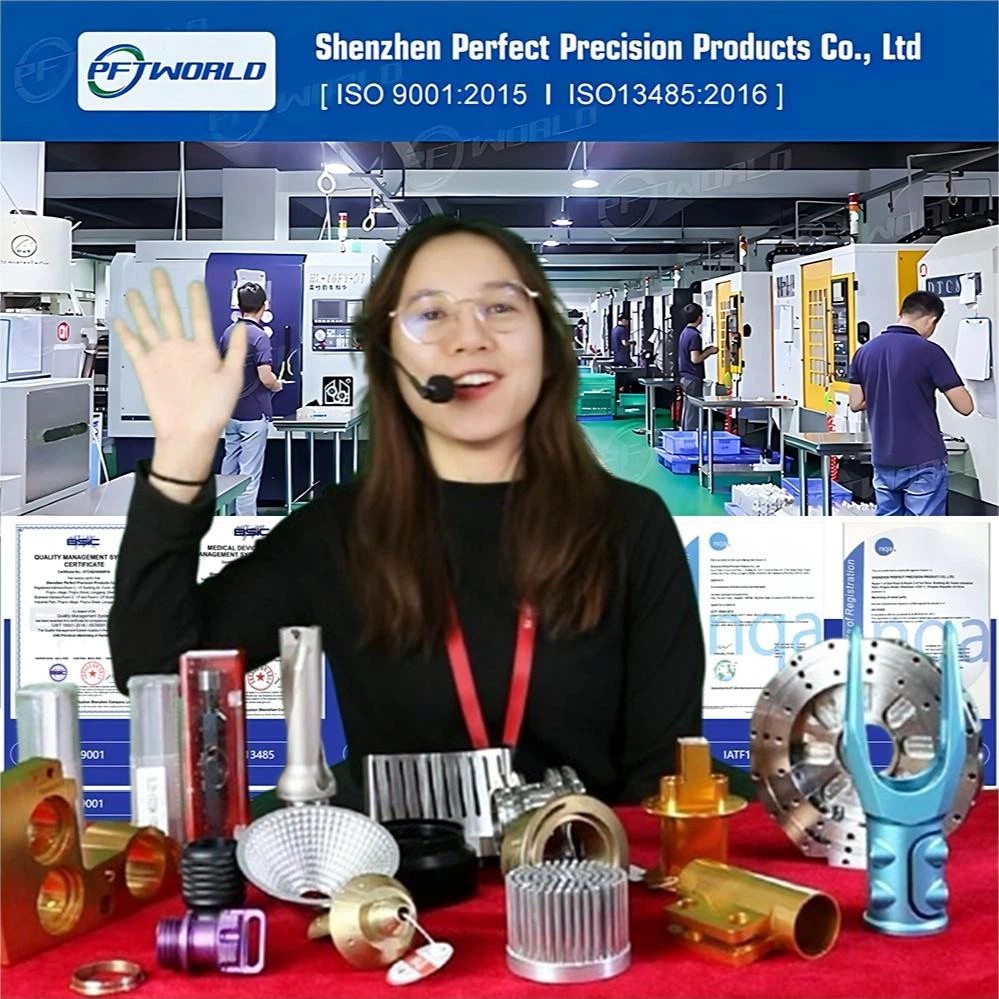
Established with a dedicated foreign trade team in 2014, Shenzhen Perfect Precision Products Co., Ltd has consistently expanded its production capabilities. Our quality management systems are certified to ISO9001:2015, AS9100D, and IATF16949. Recognized as a Guangdong Contract and Trustworthy Enterprise in 2018 and certified as a national High-Tech Enterprise in 2019, our digital production facility covers 10,000 square meters with over 70 engineering and manufacturing specialists.
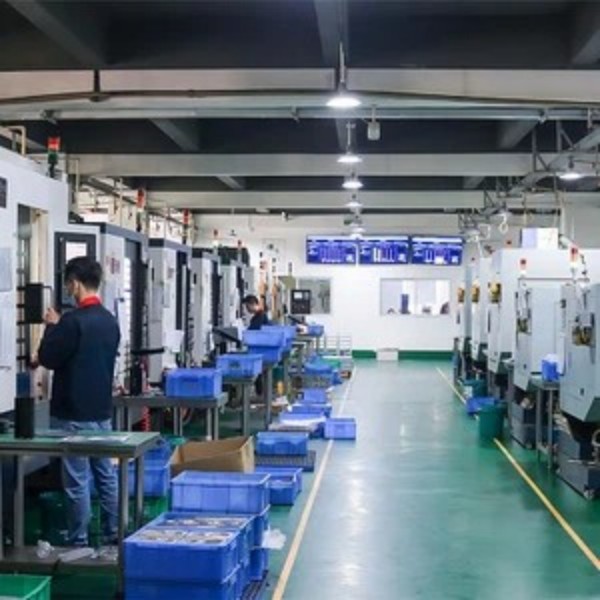
Multi-axis machining systems tailored for complex geometries, prototyping, and high-volume production runs.
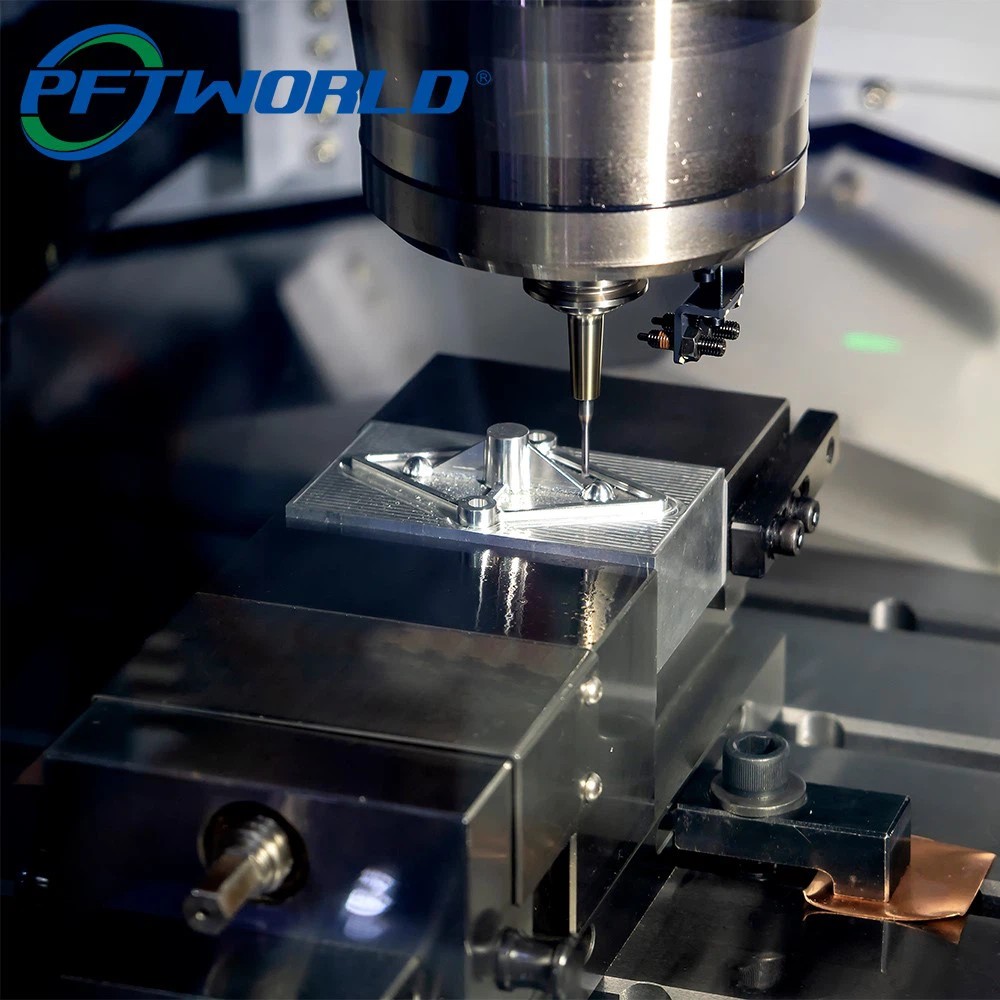
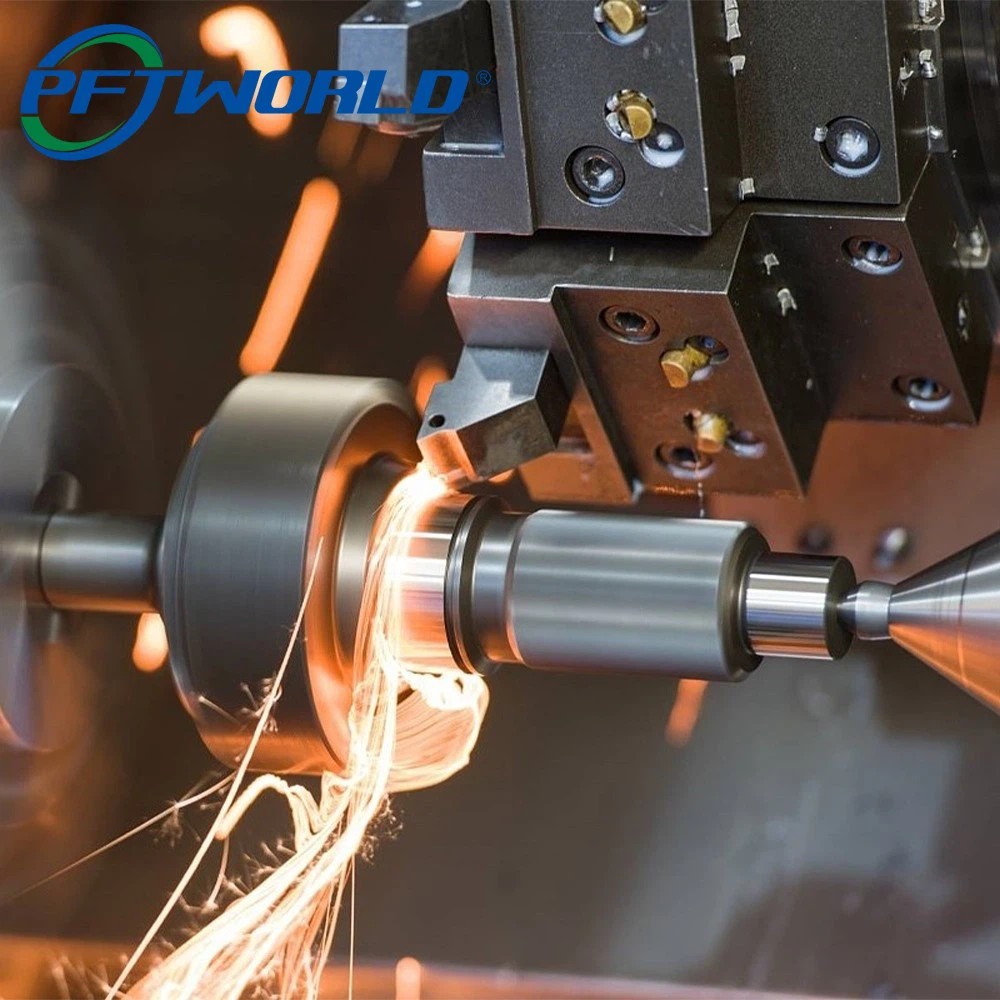
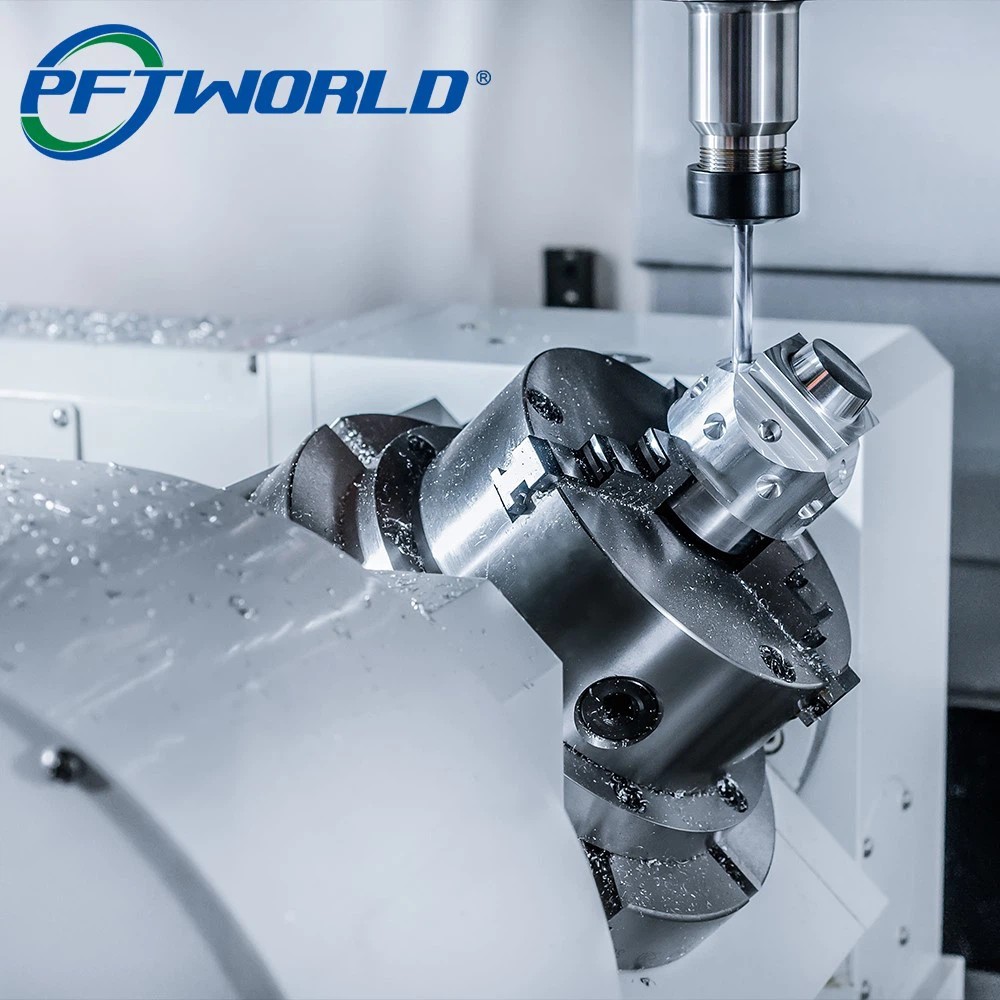
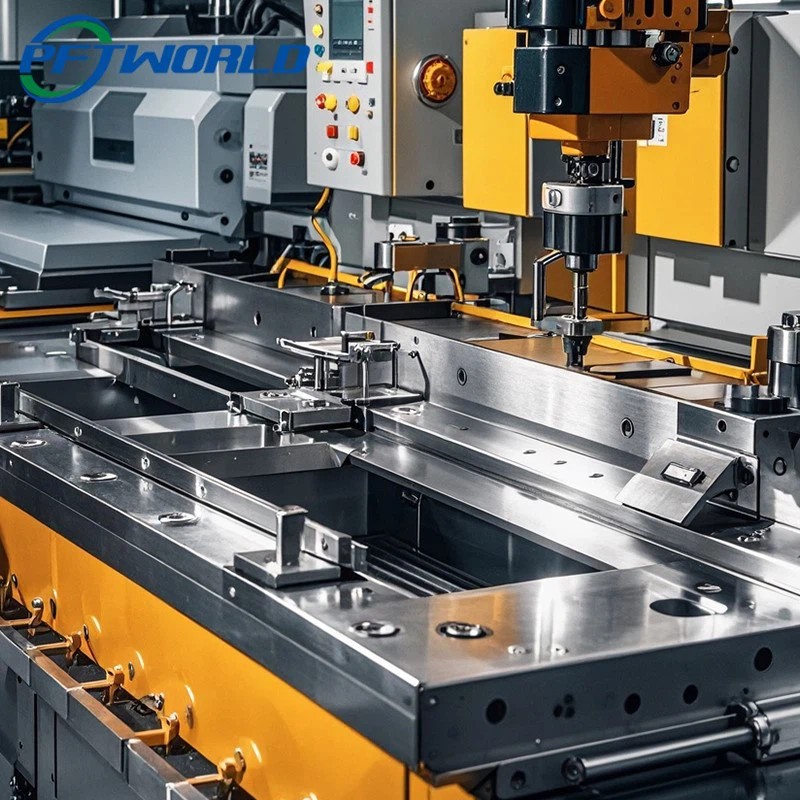
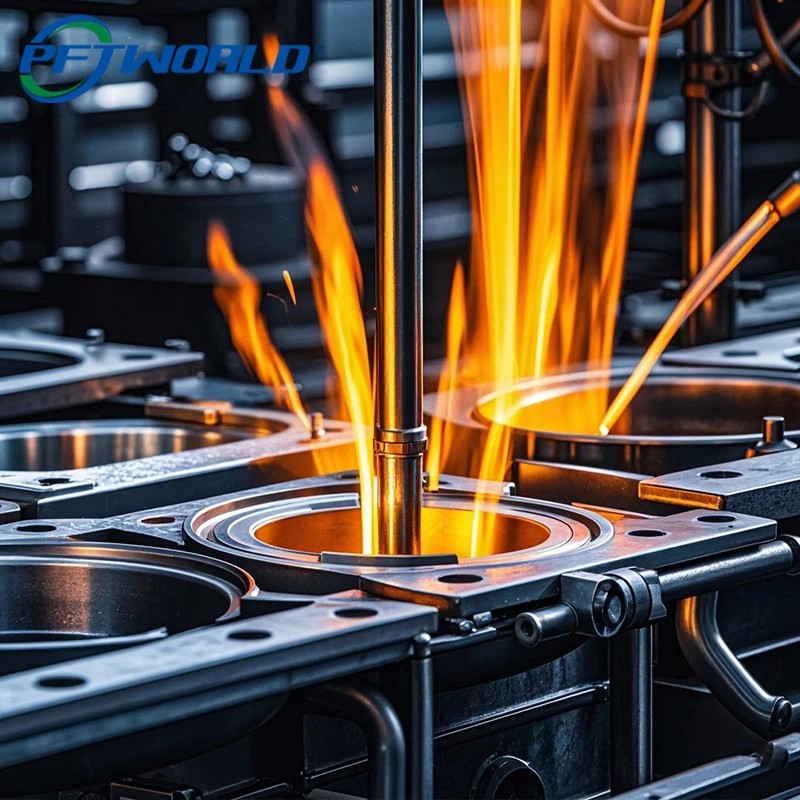
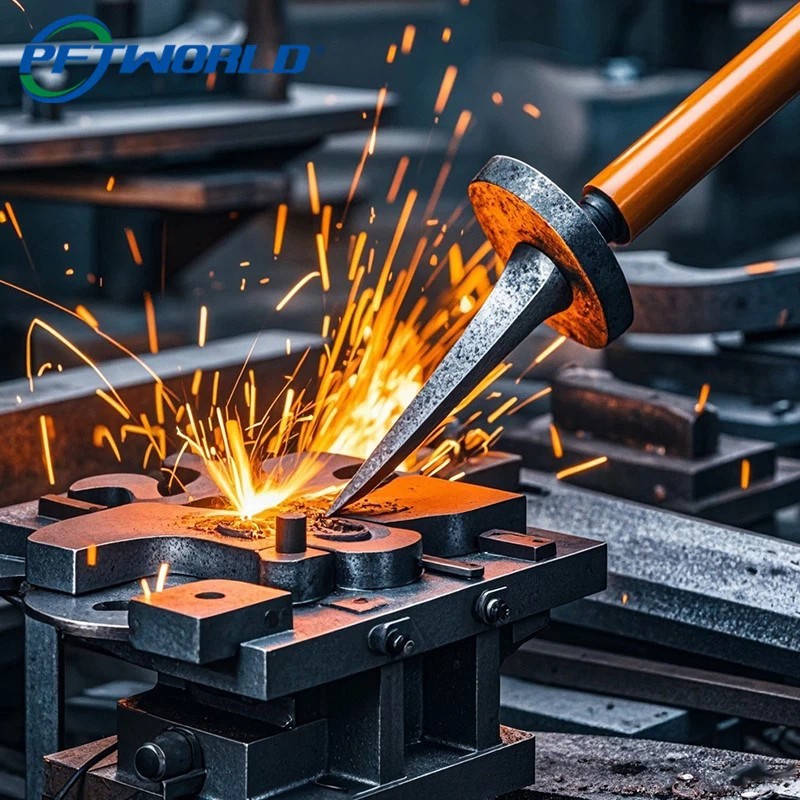
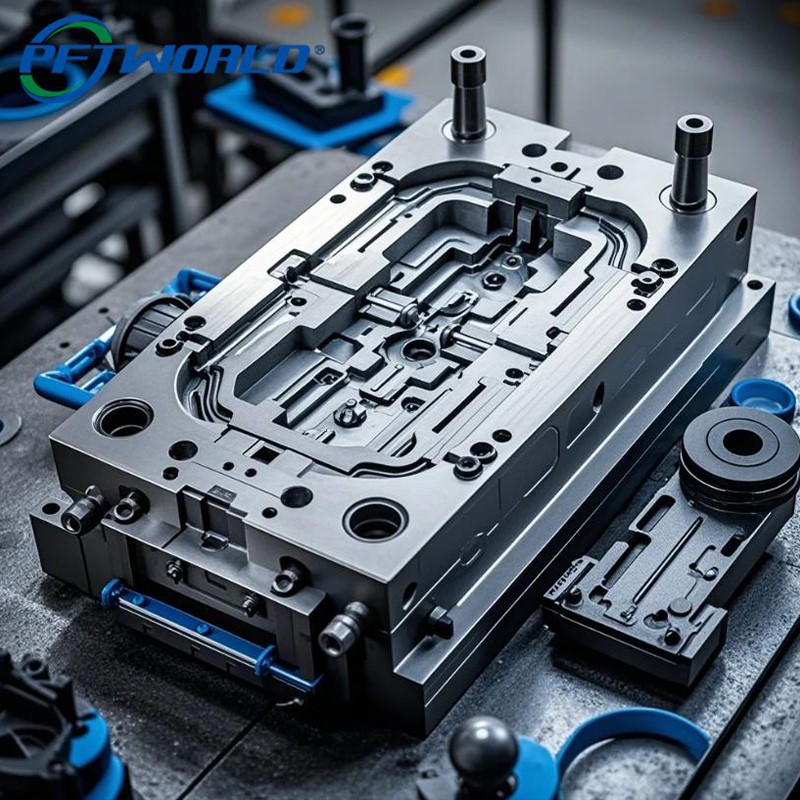
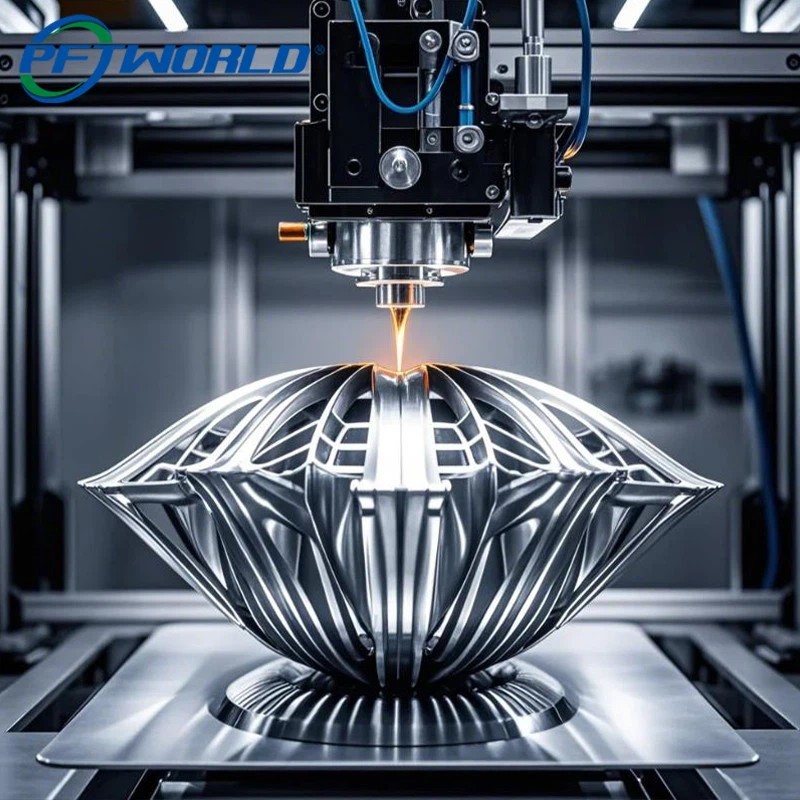
The operational and logistical efficiencies of the Pearl River Delta industrial cluster.
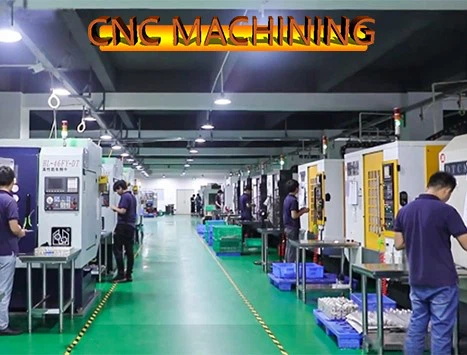
The concentration of manufacturing resources in Shenzhen, China, provides distinct supply chain advantages. Unlike isolated factories, Shenzhen-based manufacturers operate within an integrated industrial ecosystem. Raw materials supply, tool design, heat treatment, surface finishing, and logistical dispatch are co-located, reducing transit times and operational overhead.
This regional integration supports rapid turnaround times. We offer CNC sample turnaround in 1 to 3 days and production batch delivery in 7 to 14 days. This efficiency enables hardware teams to iterate designs quickly, accelerating time-to-market compared to local domestic sourcing options.
Additionally, Chinese factories have made significant investments in automation. By using automated bar loaders, multi-pallet indexing tables, and digital manufacturing management systems, we maintain high tool utilization rates. This efficiency reduces component unit costs while maintaining consistent quality.
Standard: +/-0.01 mm
Specialized: +/-0.002 mm
Ra 0.1 ~ 3.2
State-of-the-art laboratory testing equipment ensuring every dimension complies with design print requirements.
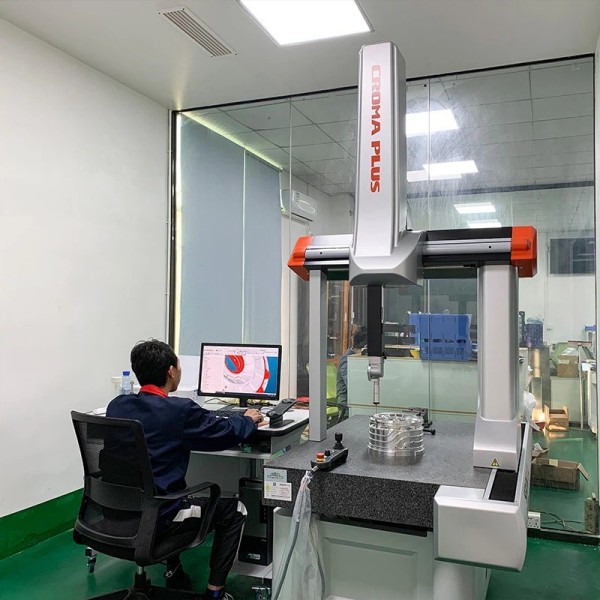
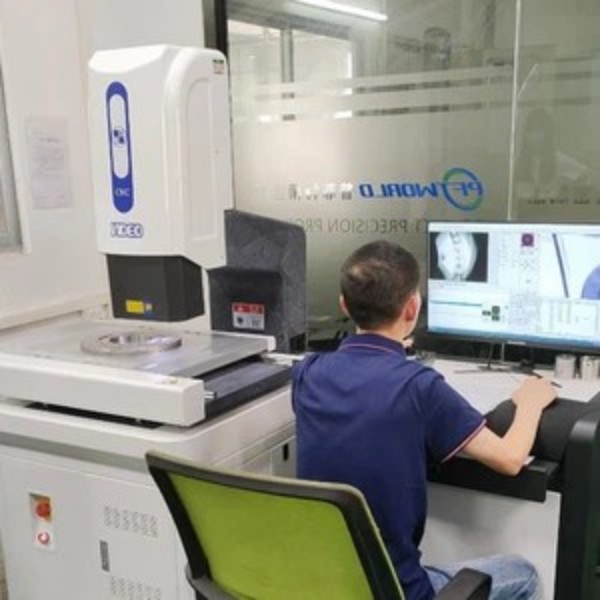

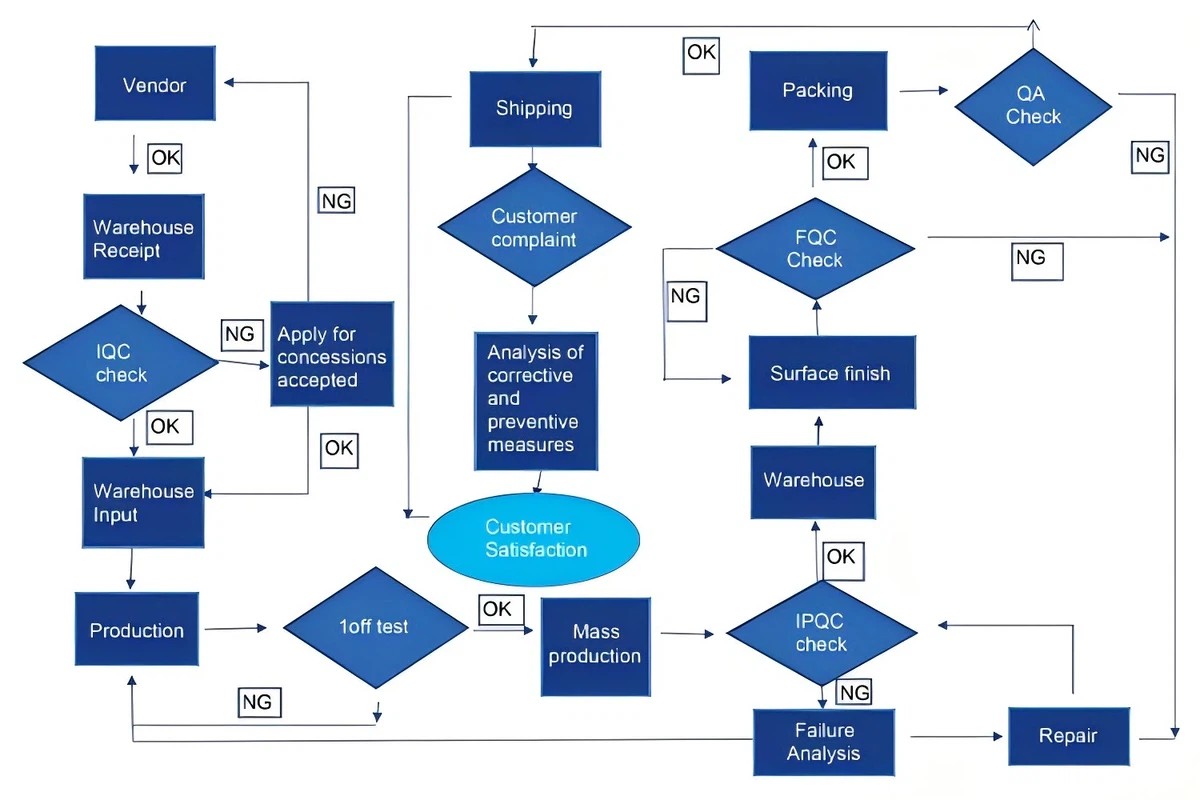
At Shenzhen Perfect Precision Products, quality assurance is integrated into every stage of the manufacturing process. Our inspection sequence begins with Incoming Material Inspection (IQC), verifying material composition using spectrometer analysis to guarantee raw material authenticity. During production, operators perform In-Process Quality Control (IPQC) at regular intervals, checking critical dimensions to monitor and correct tool wear and thermal drift.
Following production, components undergo Final Quality Control (FQC) in our temperature-controlled metrology lab. Using CMM measuring systems, optical comparators, and thread gages, our quality team conducts 100% inspection on critical features before packaging, providing full measurement reports, material certificates, and bubble drawings.
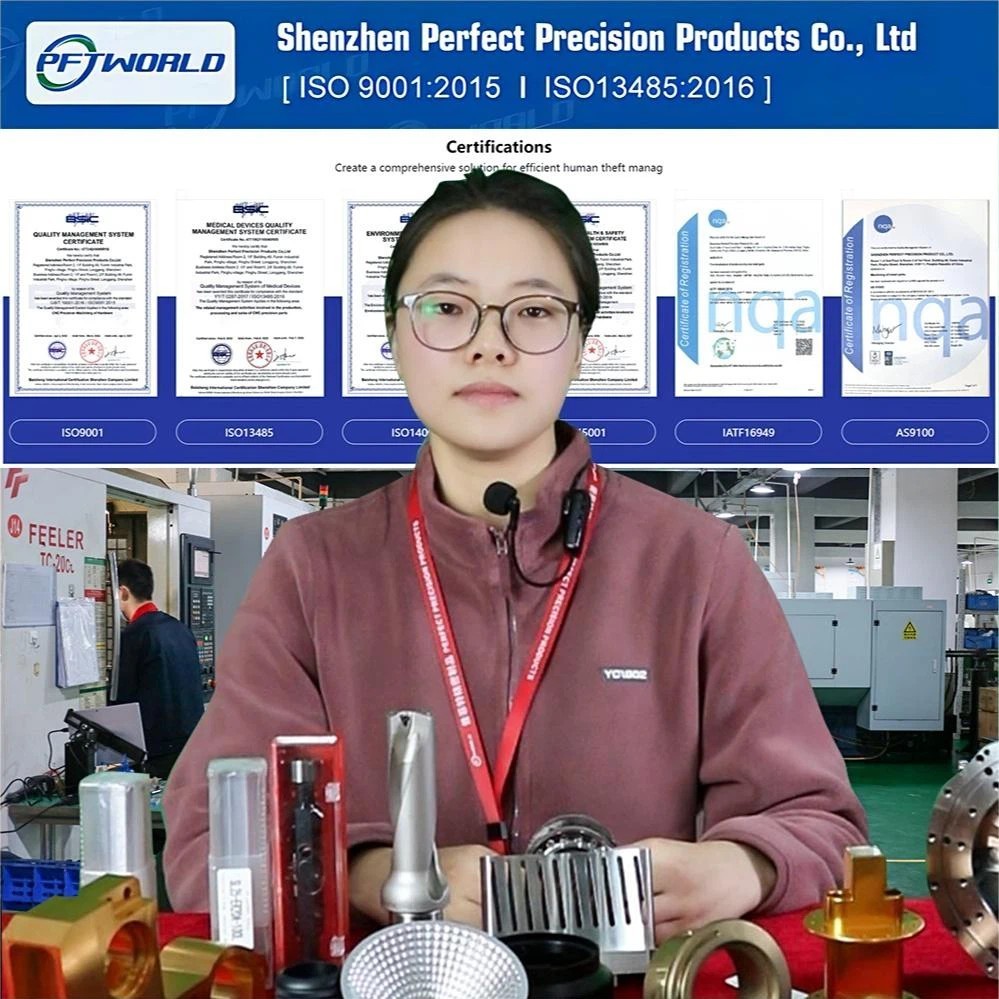
Our manufacturing practices and facilities meet strict global quality and industry management standards.
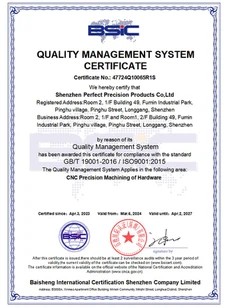 ISO9001:2015
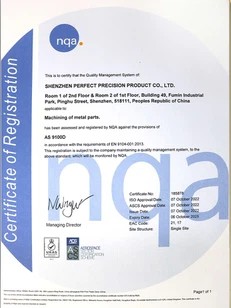 AS9100D (Aerospace)
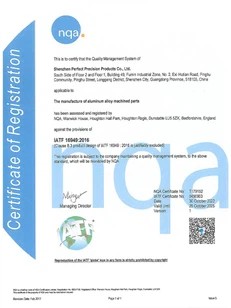 IATF16949:2016
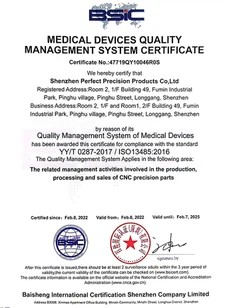 ISO13485:2016 (Medical)
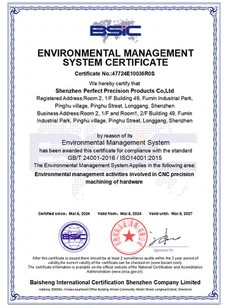 ISO14001:2015
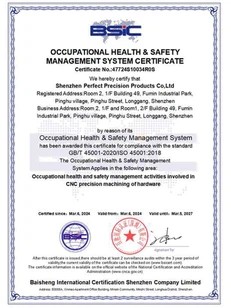 ISO45001:2018
How our high-precision turned and milled parts meet demanding requirements across major industrial sectors.
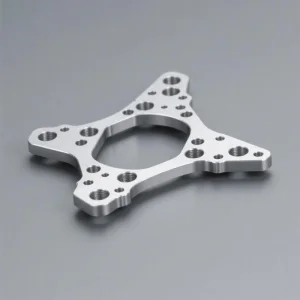
Aerospace parts must balance structural integrity with weight minimization. Our AS9100D-certified facility produces thin-walled profiles (down to 0.5 mm thickness) from materials like Titanium Grade 5 (Ti-6Al-4V) and Aerospace Aluminum 7075-T6. Using customized fixtures and stress-relieving toolpaths, we prevent component deformation during high-speed milling.
Common applications include structural brackets, fuel injection nozzles, sensor housings, and internal valve bodies. These components require tight geometric dimensioning and tolerancing (GD&T) controls, including cylindricity, concentricity, and runout values within 5 microns.
Manufacturing medical components requires biocompatibility and precise finishing. We machine implantable components, surgical instruments, and diagnostic equipment parts in compliance with ISO13485. Using specialized Swiss-type turning centers, we produce micro-pins, bone screws, and fluid connectors from medical-grade Titanium and PEEK.
These components undergo passivation and ultrasonic cleaning to ensure chemical safety and surface finish requirements (down to Ra 0.2), minimizing bacterial adhesion risks in clinical environments.
The transition to electric vehicles (EVs) requires close tolerance controls for high-speed drivetrains and thermal management assemblies. Our IATF16949 compliance ensures stable capability indices (Cpk & Ppk values > 1.67) for high-volume automotive production.
We supply transmission components, steering system assemblies, sensor blocks, and heat exchangers that withstand constant vibration, thermal cycles, and high shear forces.
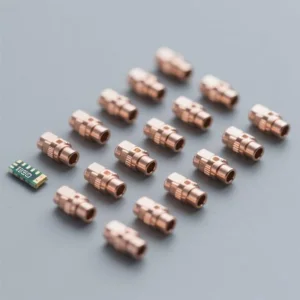
High-frequency applications depend on precise signal transmission. We machine RF connector bodies, waveguides, and shielded enclosures from Oxygen-Free High Conductivity (OFHC) Copper and Specialized Brass alloys.
Our micro-turning centers produce complex geometries with clean thread profiles and burr-free edges, preventing signal attenuation and electromagnetic interference.
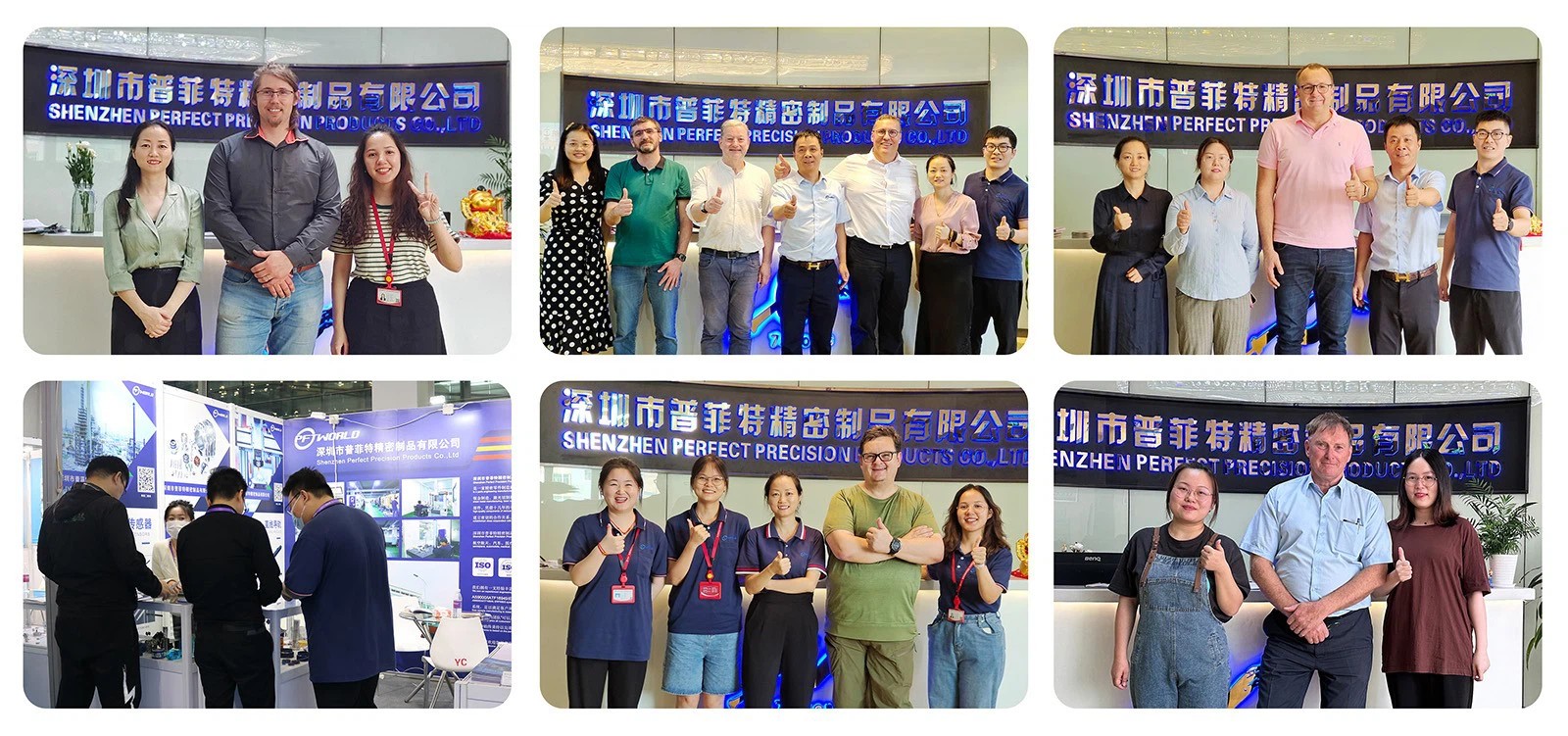
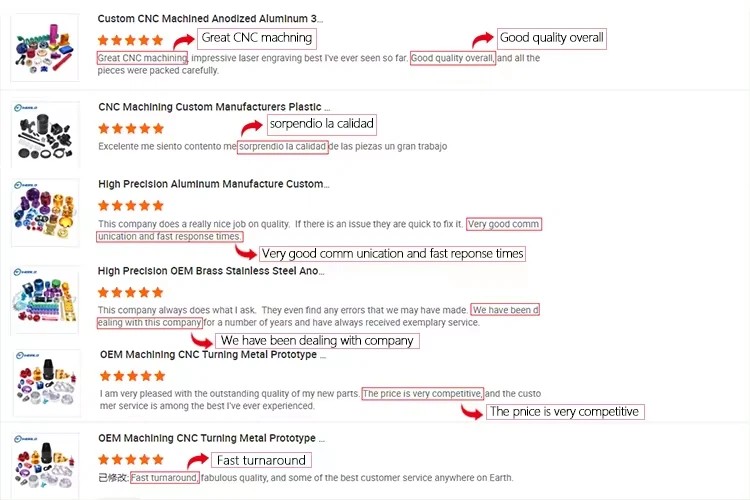
We provide full visibility into our manufacturing processes, including material documentation and customer verification.
Understanding critical evaluation metrics when vetting long-term manufacturing partners.
Engineers use GD&T to specify component requirements beyond simple dimensional tolerances. When sourcing high-precision parts, evaluate whether the supplier can inspect and verify geometric characteristics like runout, profile tolerances, and position control. Verify that the metrology lab has calibrated CMMs, optical scanners, and surface profilometers to generate reliable inspection data.
Component failures in the field are often traced back to out-of-specification raw materials. Reliable manufacturers maintain strict material control, storing heat numbers and material test reports (MTRs) for all incoming metals and polymers. This traceability is essential for aerospace (AS9100D) and medical (ISO13485) assemblies, ensuring that alloy compositions meet nominal specifications.
CNC machining is only part of the manufacturing process; surface finish and treatment determine how a part functions and resists corrosion. Evaluate suppliers based on their post-processing services, including hard anodizing, electroless nickel plating, passivation, bead blasting, powder coating, and laser etching. A one-stop supplier simplifies the procurement process by managing these finishing steps internally.
Modern manufacturing relies on digital integration. Advanced ERP (Enterprise Resource Planning) and MES (Manufacturing Execution Systems) trace raw material lots, monitor real-time machine capacity, track order statuses, and store quality records. This digitalization ensures consistent lead times, fast quote responses, and repeatable quality across production batches.
Answers to common questions regarding tolerances, lead times, materials, and quality assurance protocols.
We deliver high-precision CNC machining solutions tailored to your exact specifications. From prototyping to mass production, we handle everything with strict quality control, fast turnaround, and competitive pricing. Equipped with advanced CNC machines and a skilled engineering team, we serve industries like automotive, aerospace, medical, and electronics with unmatched accuracy and reliability.
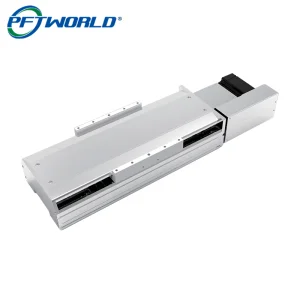
Send Inquiry NowBrowse our selection of specialized gears, linear modules, and custom electro-mechanical parts.