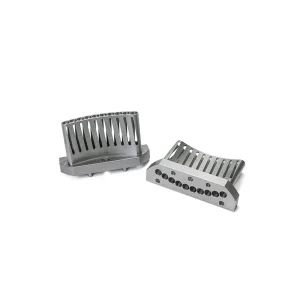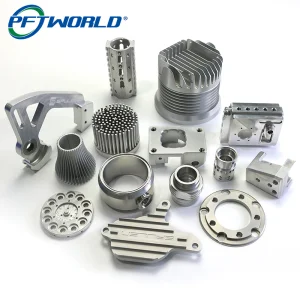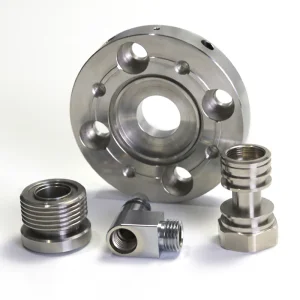
Realize complex component engineering and custom-manufactured prototypes matching strict specifications.
How advanced multi-axis machining, high-performance alloys, and digital design automation are reshaping modern rapid prototyping.
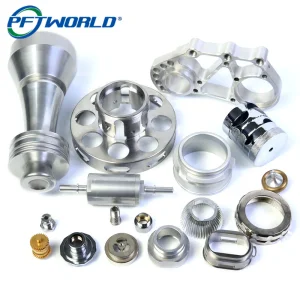
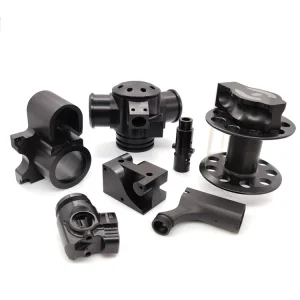
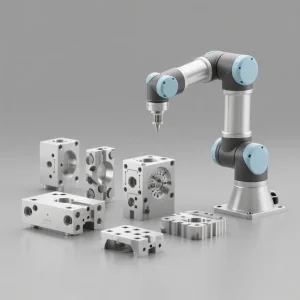
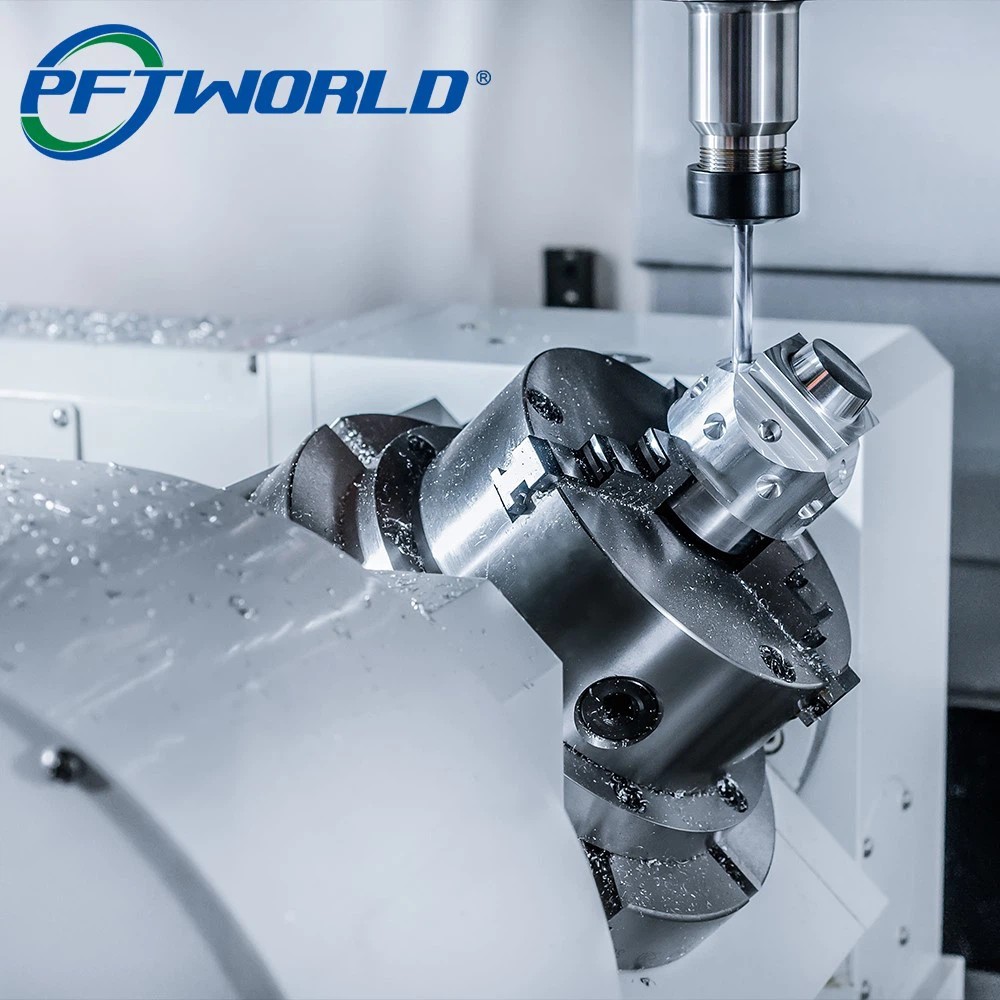
Multi-axis mill-turn centers and continuous 5-axis machines enable one-setup machining of complicated structural contours, reducing dimensional errors and eliminating fixture changes for complex parts.
Utilizing high-velocity spindle rotations up to 24,000 RPM, HSM processes reduce thermal transfer, lower tool deflection, and deliver excellent dimensional tolerances and surface finishes (Ra 0.8 to Ra 0.4).
By implementing specialized tempers including Aluminum 6061-T6, 7075-T6, and 2024, components achieve ideal strength-to-weight ratios, high fatigue resistance, and suitability for anodized structural assemblies.
Choosing the correct aluminum alloy temper determines performance. While 6061-T6 offers excellent weldability, corrosion resistance, and structural versatility, 7075-T6 provides tensile strength comparable to structural steel, making it ideal for aerospace structural ribs and high-load automotive chassis brackets. Modern CAD-to-CAM interfaces allow engineers to simulate mechanical stress directly against custom CNC toolpaths, securing precise outcomes prior to cutting material.
Evaluating total cost of ownership (TCO), supply chain transparency, and lead time logistics for volume hardware programs.
For corporate purchasing departments and system developers, obtaining custom CNC prototypes involves more than simple part production. Global businesses require verified supplier capabilities, strict intellectual property protections, consistent delivery dates, and clear quality tracking records. High-precision hardware prototyping acts as a bridge to mass production, meaning material deviations or delay-based project slips can impact time-to-market schedules.
In modern manufacturing, procurement departments prioritize partners that offer Design for Manufacturability (DFM) support. By identifying thin walls, deep cavities, or hard-to-machine internal Radii early, engineering teams reduce processing waste, optimize machine cycles, and lower overall component costs. Shenzhen Perfect Precision Products Co., Ltd supports these requirements by providing direct engineering reviews and transparent quality documentation.
Delivering certified precision components engineered for the most demanding operating environments.
Specialized lightweight aerospace parts made of 7075-T6 aluminum, featuring tight tolerances down to +/-0.002mm and full material traceability, suitable for critical flight systems and ground tests.
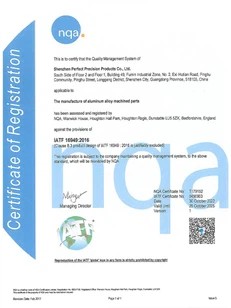
IATF16949-compliant production of suspension elements, custom intake structures, engine blocks, and EV motor enclosures engineered to handle high operational loads.
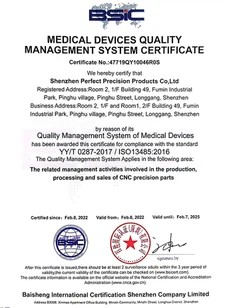
ISO13485-certified machining of non-corrosive surgical tools, scanner frames, and robotic arm elements requiring biocompatibility and smooth finish criteria.
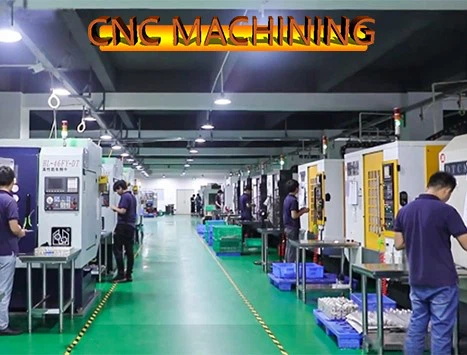
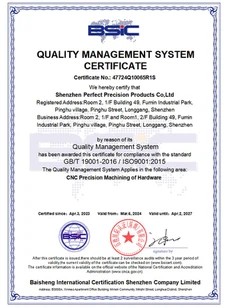
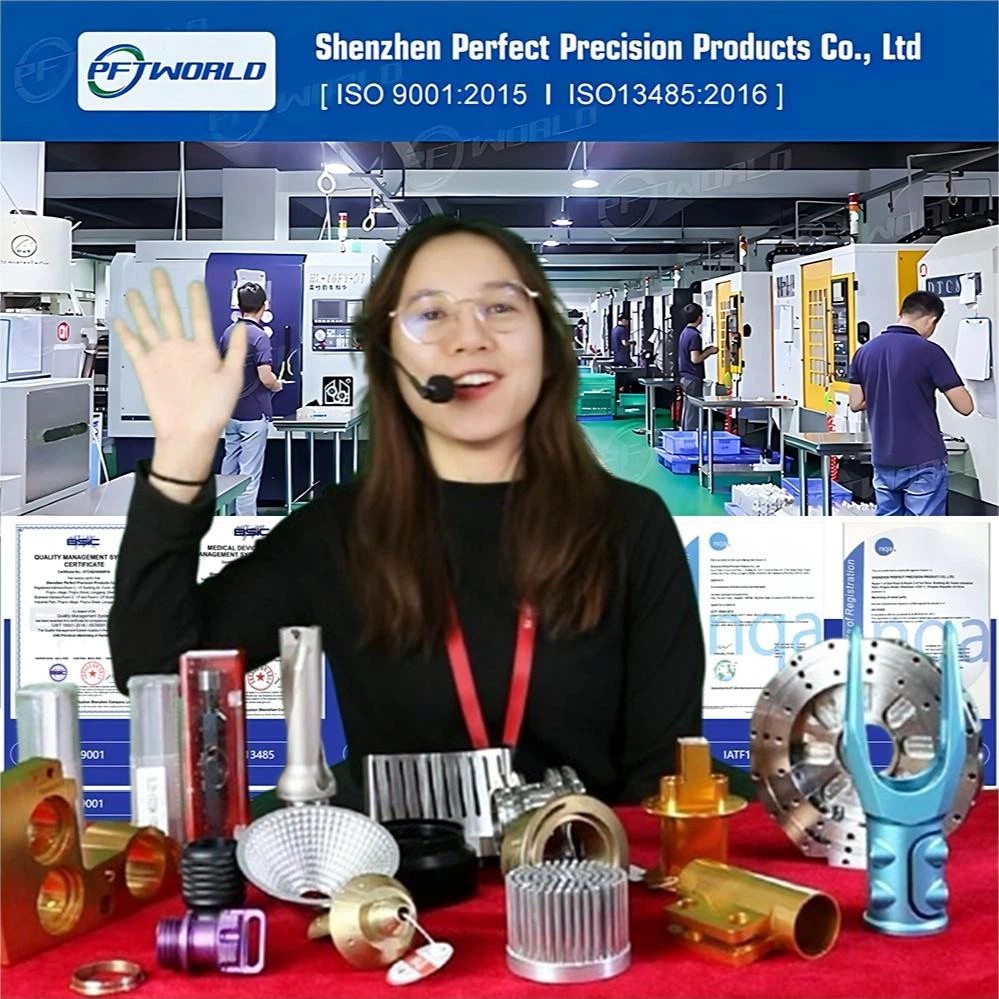
Established with a dedicated foreign trade team in 2014, we successfully passed the ISO9001 quality system certification. In 2018, our company was awarded the title of "Guangdong Contract and Trustworthy Enterprise". In 2019, we achieved high-tech enterprise certification and intellectual property management system certification. By 2020, our facilities expanded to 10,000 square meters, supporting over 70 professional team members. In 2021, we realized our digital chemical plant roadmap, achieving production efficiency and traceable quality operations.
Integrating multiple manufacturing technologies under one unified production management ecosystem.
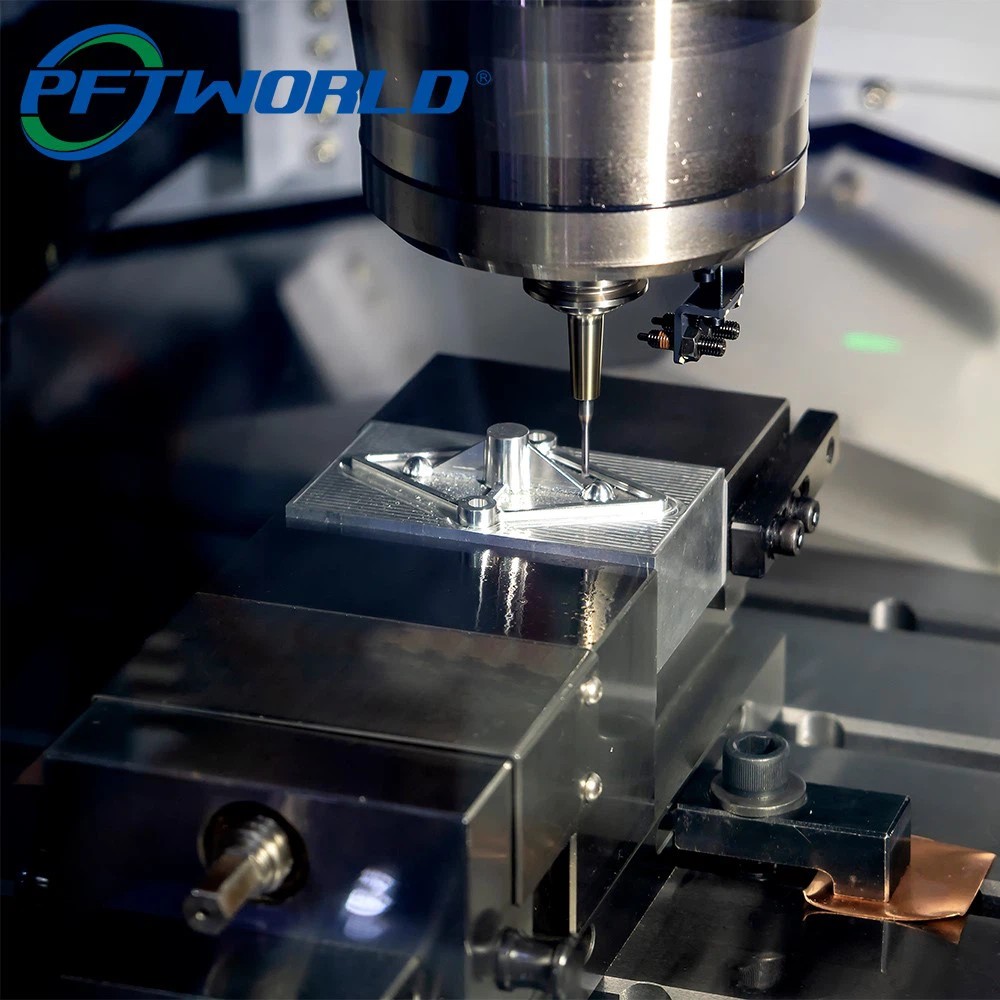
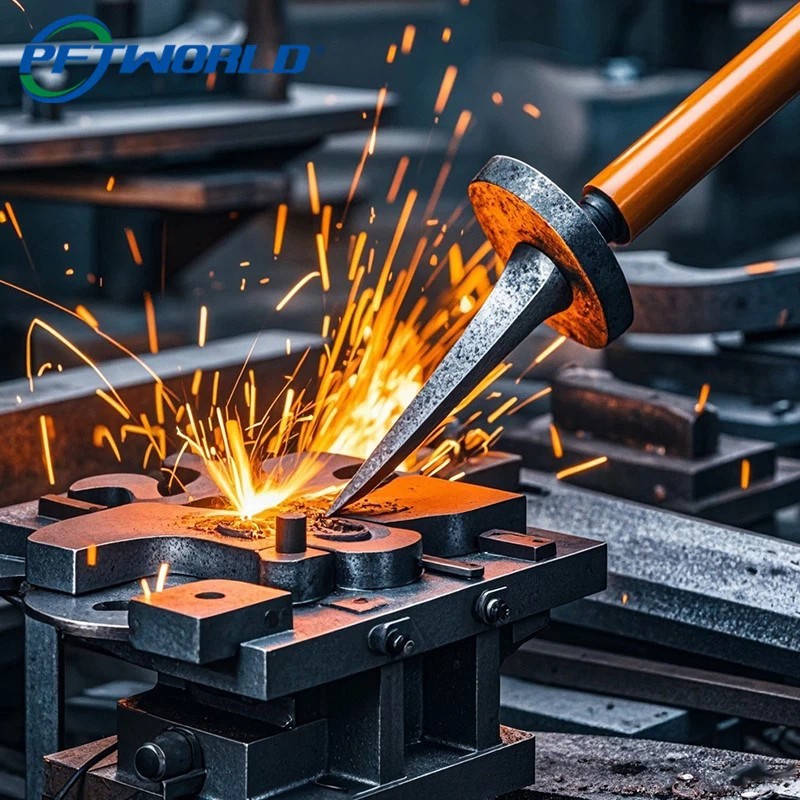
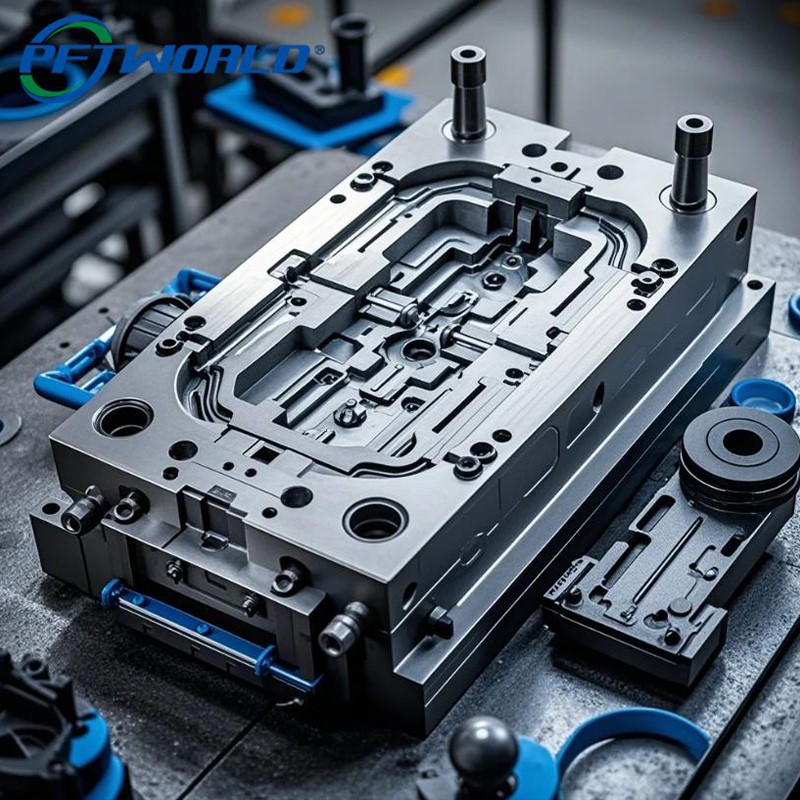
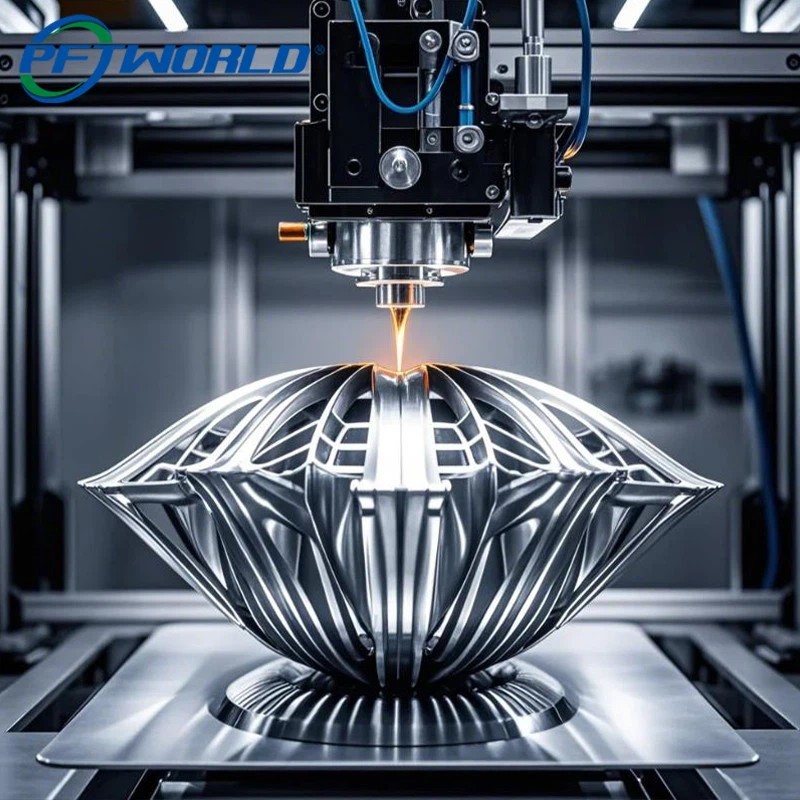
Continuous inspection and tracking across all machining operations.
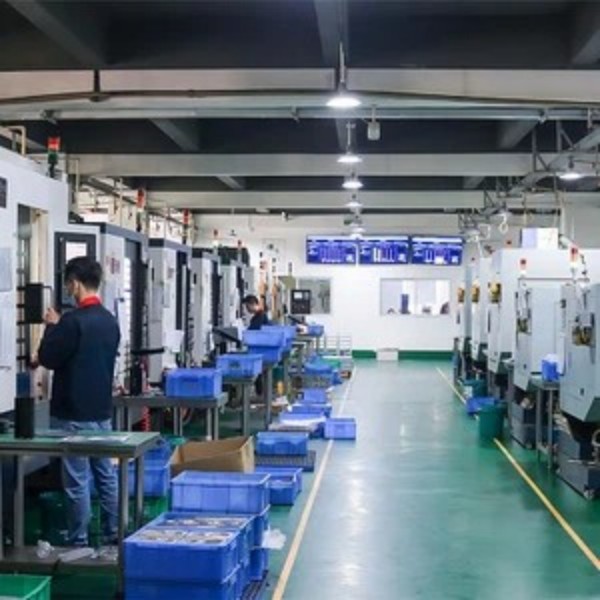
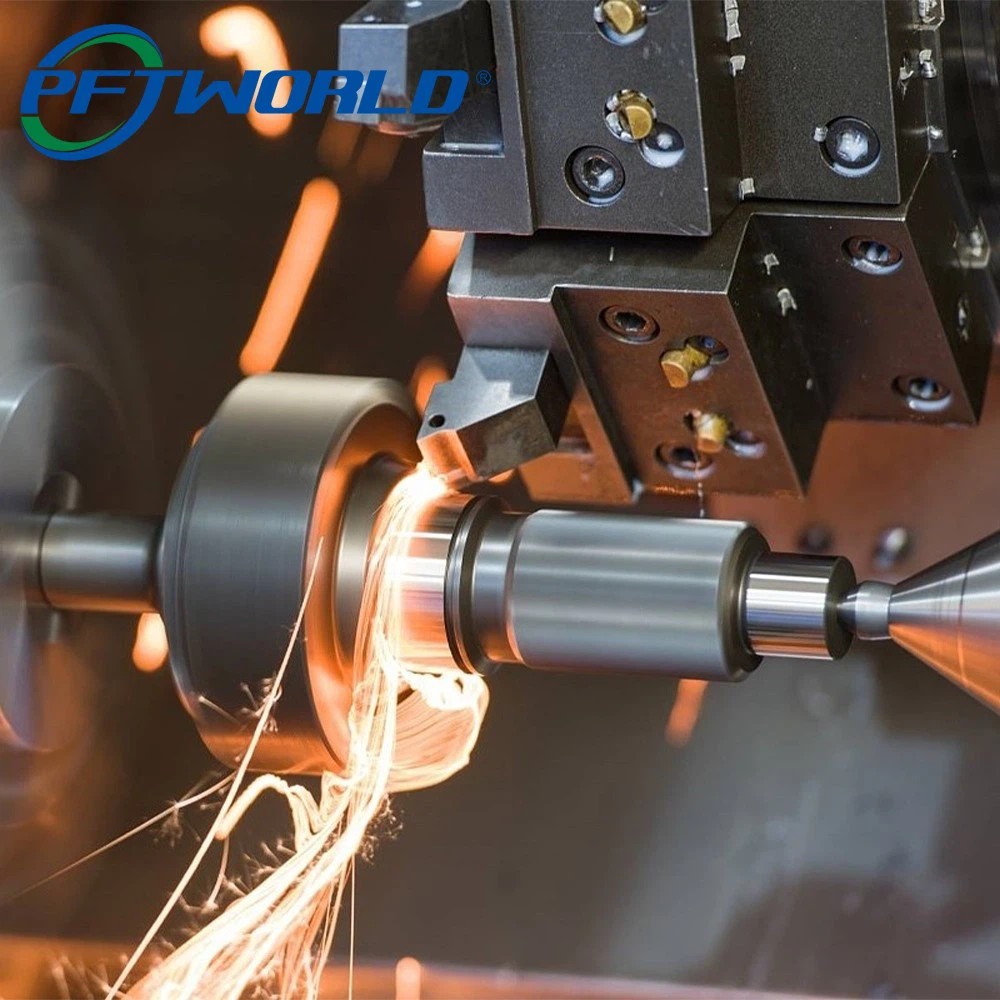
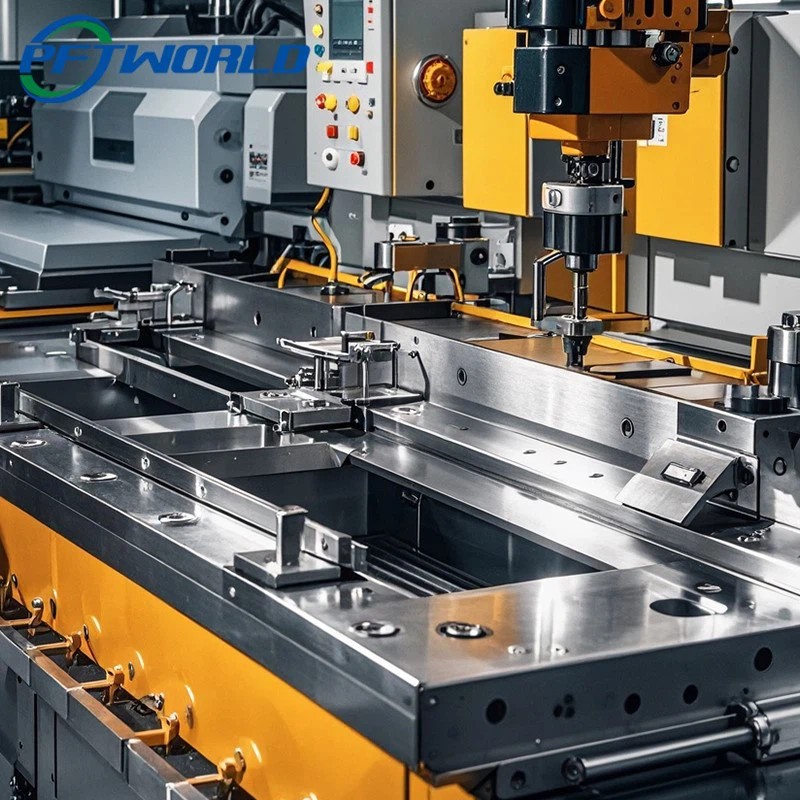
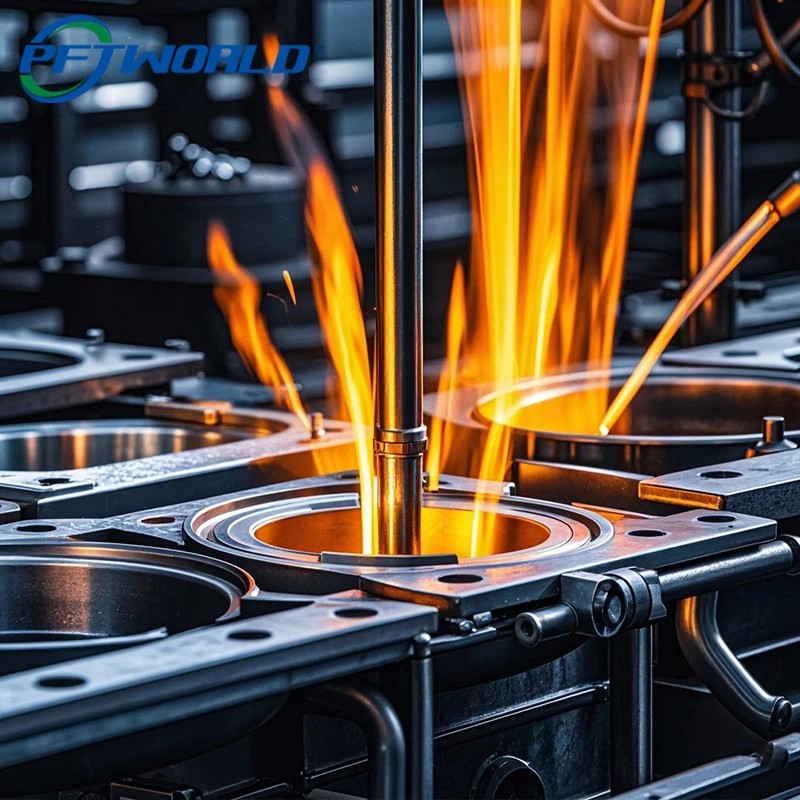
Using 3-axis, 4-axis, 5-axis, and 6-axis milling equipment, we process complex mechanical components in single setups to reduce indexing errors.
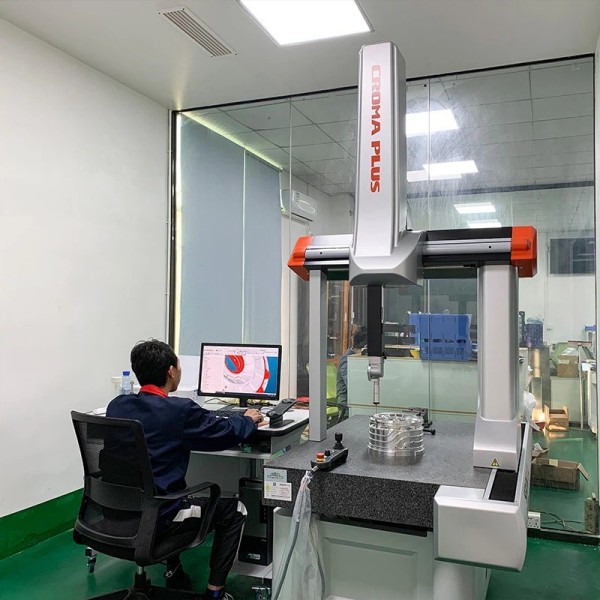
Our coordinate measuring machines (CMM) evaluate 3D profiles and spatial positions relative to engineering drawings, generating reliable dimensional data.
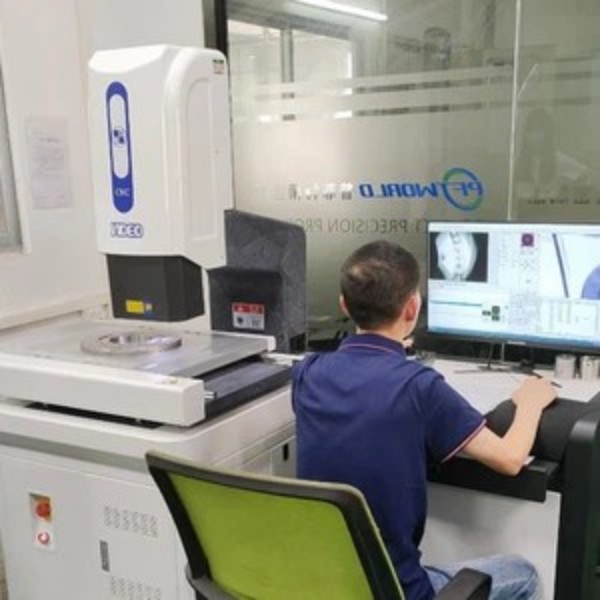
Optical systems verify fine details, hole diameters, and pitch spacing without contact, ensuring thin-walled prototypes are measured without deformation.

Our digital plant tracks manufacturing stages from raw material receipt through production to final shipping, supporting transparency and schedule management.
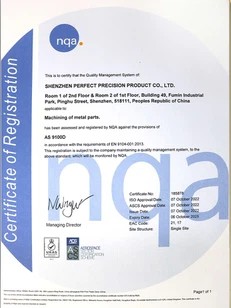
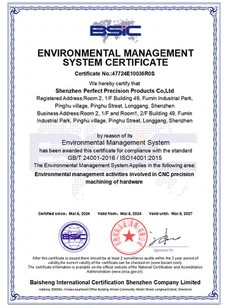
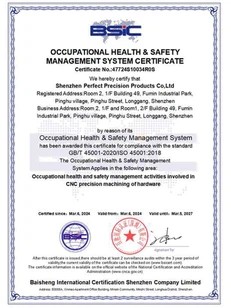
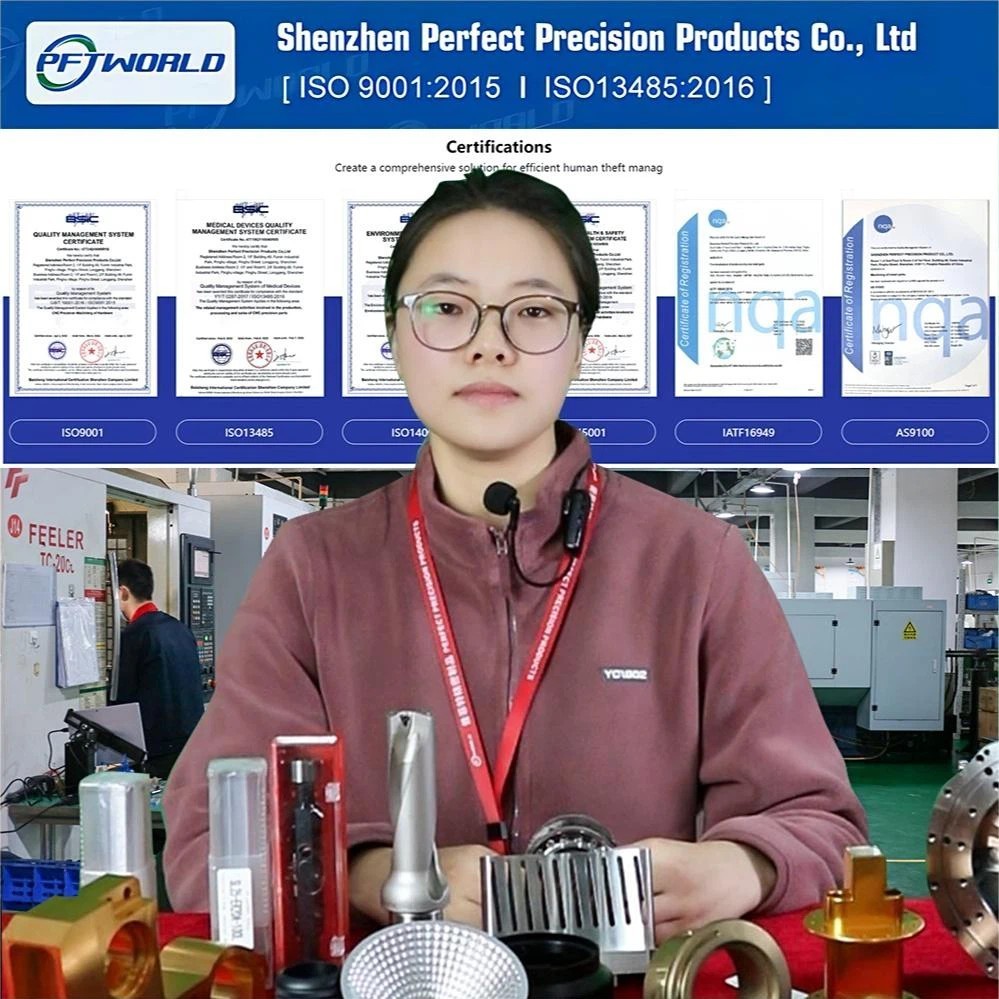
Certified processes conforming to aerospace, automotive, medical, and environmental industry standards.
Investing in sustainable machining, automated manufacturing setups, and digital twins for production efficiency.
As the machining industry adapts to environmental goals, our factory targets waste reduction throughout the metal-cutting process. By processing scrap aluminum alloys (6061, 7075, etc.) for direct recycling, we lower raw material carbon footprints. Additionally, we use biodegradable coolants in our closed-loop CNC filtration systems to reduce environmental impact while maintaining spindle performance.
Our long-term roadmap focuses on smart manufacturing. Integrating IoT sensors across our CNC milling machinery allows monitoring of spindle temperatures, motor loads, and tool wear. This data feeds predictive analytics to reduce unplanned downtime, ensuring reliable delivery dates for complex industrial projects.
By using synthetic cutting fluids, we extend tool lifetimes by 35% and reduce waste volumes. All structural aluminum chips are compressed, cleaned, and recycled to support sustainable material cycles.
Key information regarding manufacturing tolerances, quoting requirements, lead times, and quality control.
Reach out to our project managers for engineering reviews, design recommendations, and quotation assistance.
From low-volume prototyping to mass manufacturing, we supply precision CNC components designed to meet your project specifications. Reach out today for engineering feedback and project quotes.
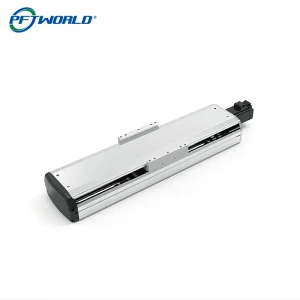
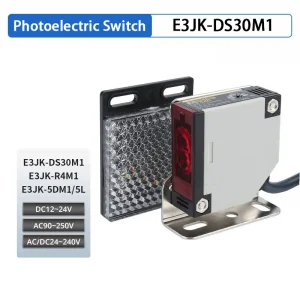
Send Inquiry NowExplore more precision-engineered elements, custom actuator modules, and industrial control sensors.