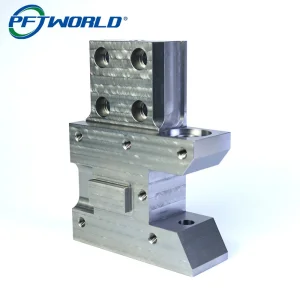
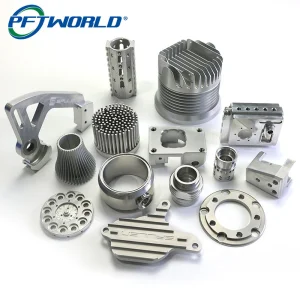
Explore our premium range of CNC machined elements, sensors, and structural hardware engineered for extreme performance.
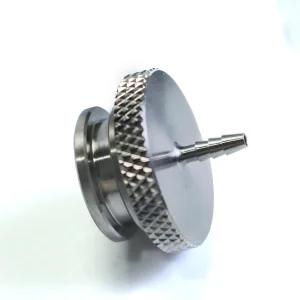

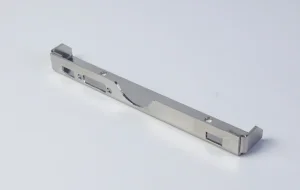
Analyzing the evolution from baseline polymers to aerospace-grade 7075-T6 aluminum alloys in precision scale vehicle engineering.
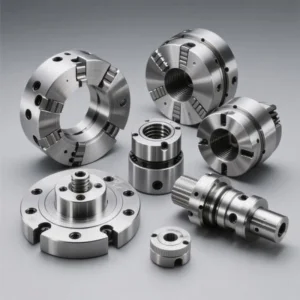
The global remote-controlled (RC) vehicle industry has transitioned from hobby-grade toys into sophisticated robotic and automotive research platforms. High-end bashers, crawlers, and professional competition-grade racers now require structural parts capable of withstanding extreme mechanical forces. This demand has spurred rapid growth in the industrial manufacturing of CNC machined RC car parts, primarily utilizing lightweight, high-tensile aluminum alloys.
Globally, automotive component designers and robotics engineers leverage the predictable microstructures of CNC machined components over sintered or cast counterparts. Modern RC assemblies demand tolerances as low as ±0.01mm to ±0.002mm for crucial suspension geometries, steering knuckles, bulkheads, and drivetrain housings. When a 1/8 scale RC vehicle weighing over 6kg hits speeds exceeding 100 km/h, the kinetic energy dissipated during impacts requires extreme structural elasticity and yield strength. This is where advanced CNC aluminum components prove superior to stock injection-molded plastics.
While 6061-T6 aluminum remains the industry standard for standard upgrades due to its excellent machinability and corrosion resistance, high-stress components such as chassis plates, shock towers, and drive hubs are increasingly designed with 7075-T6 aerospace aluminum. This alloy offers a tensile strength of up to 572 MPa (nearly double that of 6061-T6), providing an unmatched strength-to-weight ratio crucial for keeping high-speed RC vehicles structurally sound without adding parasitic weight.
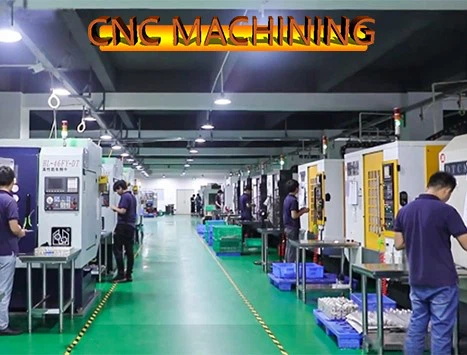
Established as a global trading and precision machining partner in 2014, our facilities passed the ISO9001 quality system certification early in our lifecycle. In recognition of our engineering ethics and delivery track record, we were awarded the title of Guangdong Contract and Trustworthy Enterprise in 2018. Continuous investment in intellectual properties and automation led to our official High-Tech Enterprise certification in 2019.
By 2020, our state-of-the-art office and manufacturing footprint expanded to 10,000 square meters, utilizing a specialized workforce of over 70 engineering and QC professionals. In 2021, we successfully digitized our production pipelines, establishing a fully-integrated digital manufacturing facility that ensures complete traceablity and precision automation for every production run.
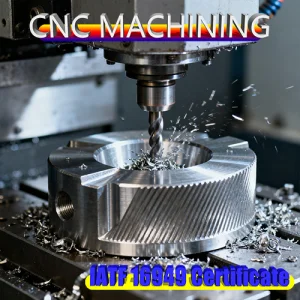
Leveraging multi-axis kinematics and state-of-the-art tooling to deliver components optimized for aerospace, automotive, and high-end RC applications.
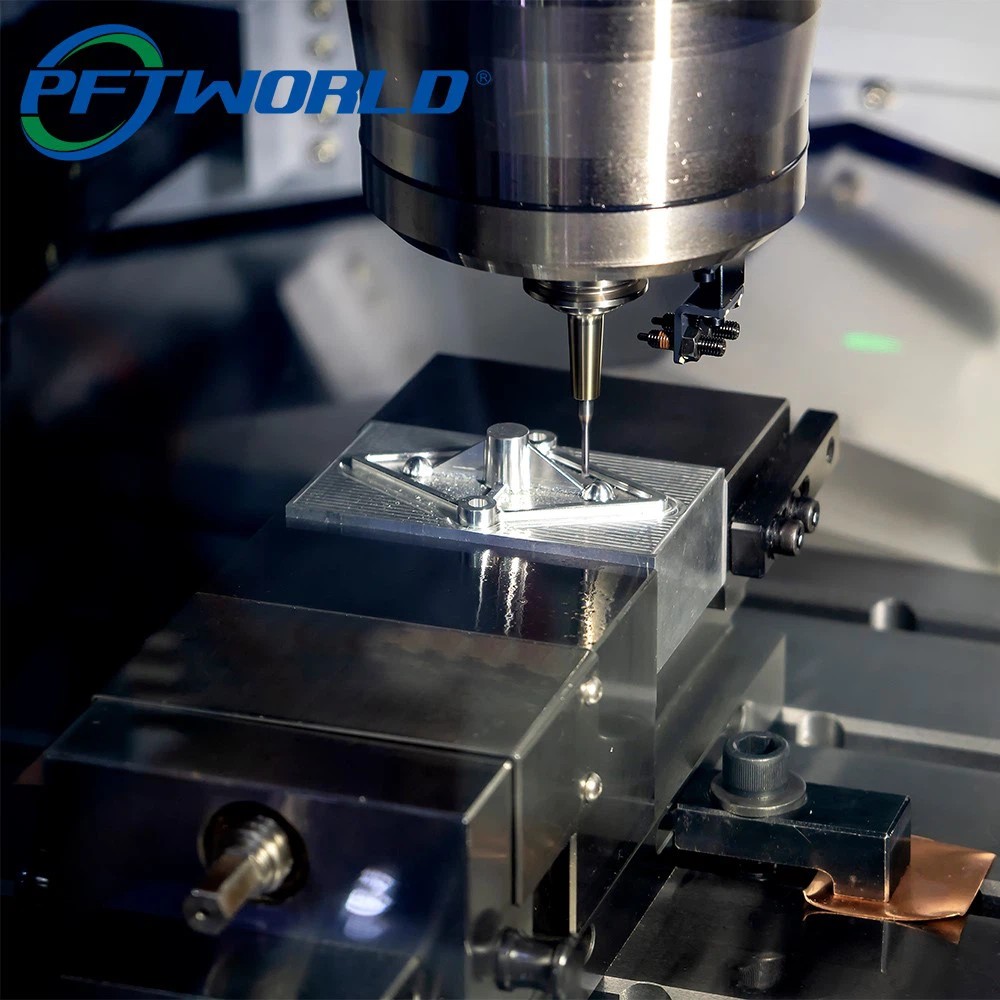
Equipped with high-speed spindles to execute complex structural milling on aluminum profiles, minimizing tool marks and thermal distortion.
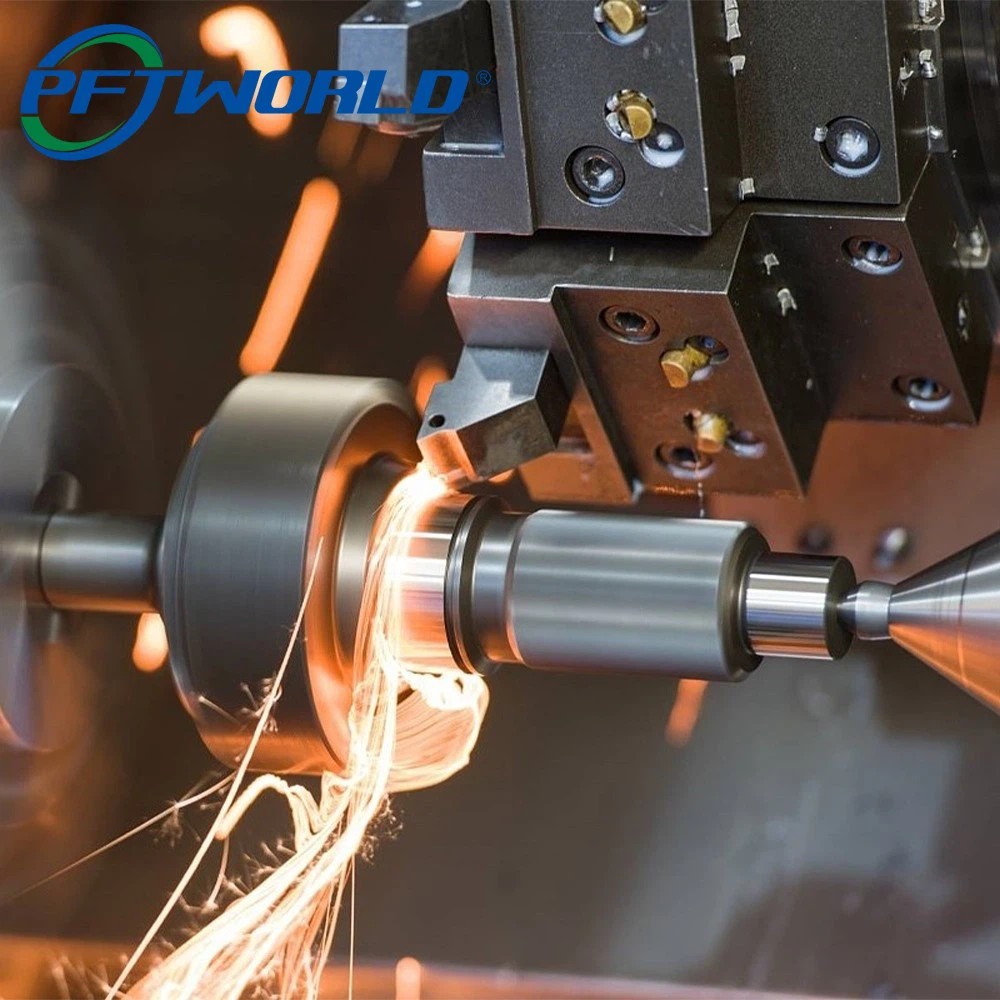
Optimized for symmetric rotating elements like driveshafts, axle carriers, and shock absorber bodies, achieving smooth concentric finishes.
Combining lathe turning and live-tool milling in a single setup to eliminate stacking errors on complex geometries.
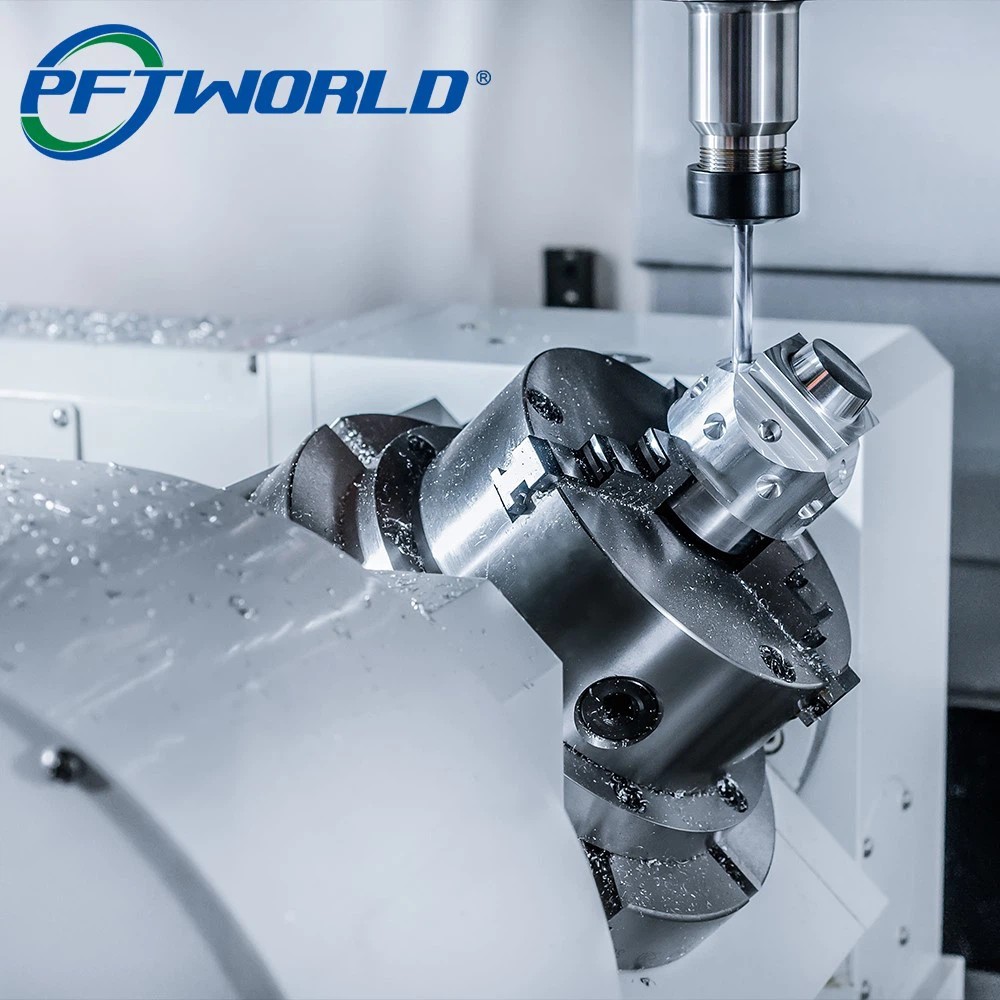
High-precision laser cutting, punching, and forming services for structural enclosures, chassis plates, and cooling shrouds.
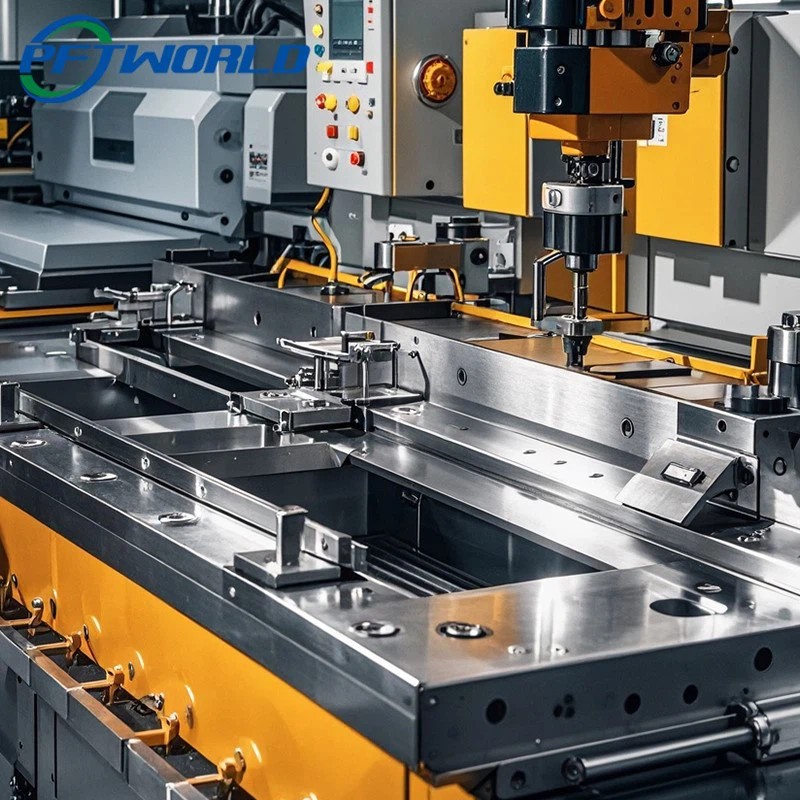
For high-volume, cost-efficient near-net-shape components that are finished via CNC machining to achieve structural requirements.
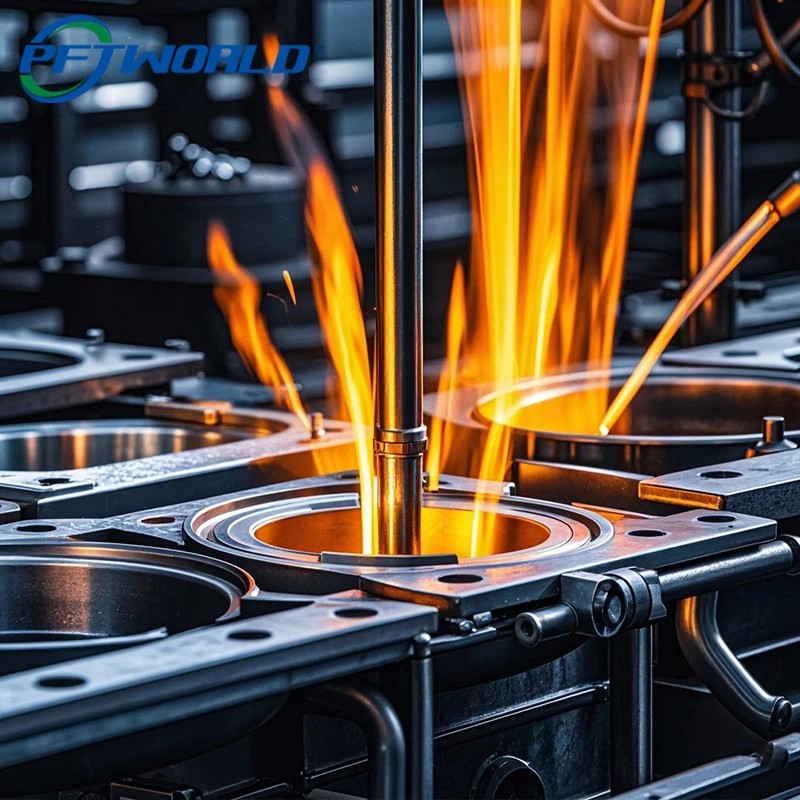
Delivers superior mechanical grain alignment and fatigue resistance for high-stress drivetrain gears and power transmission shafts.
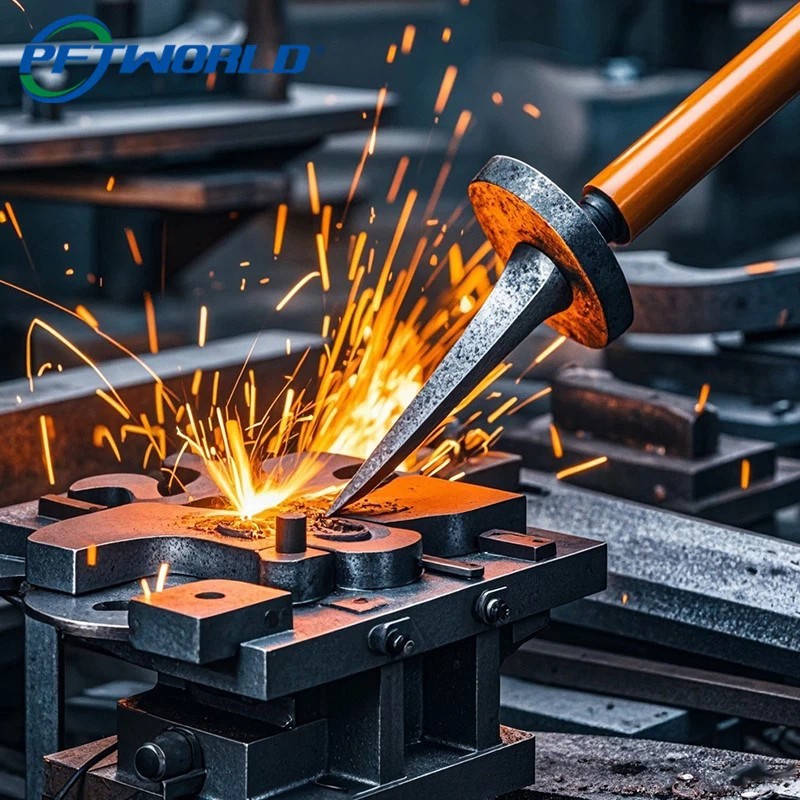
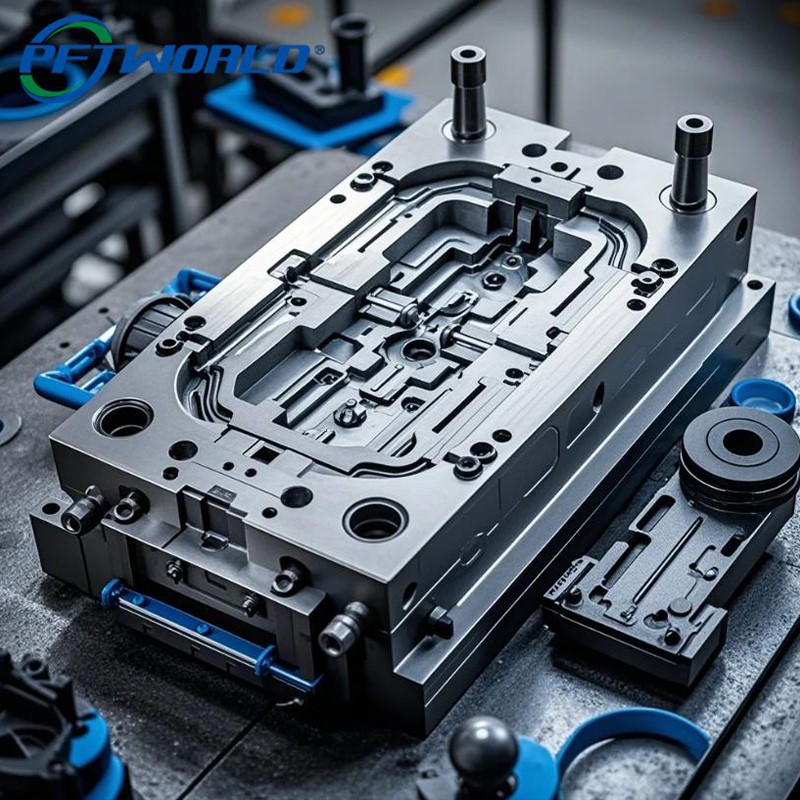
Creating precision injection and die-casting molds for complex plastic polymers and non-ferrous metal alloys.
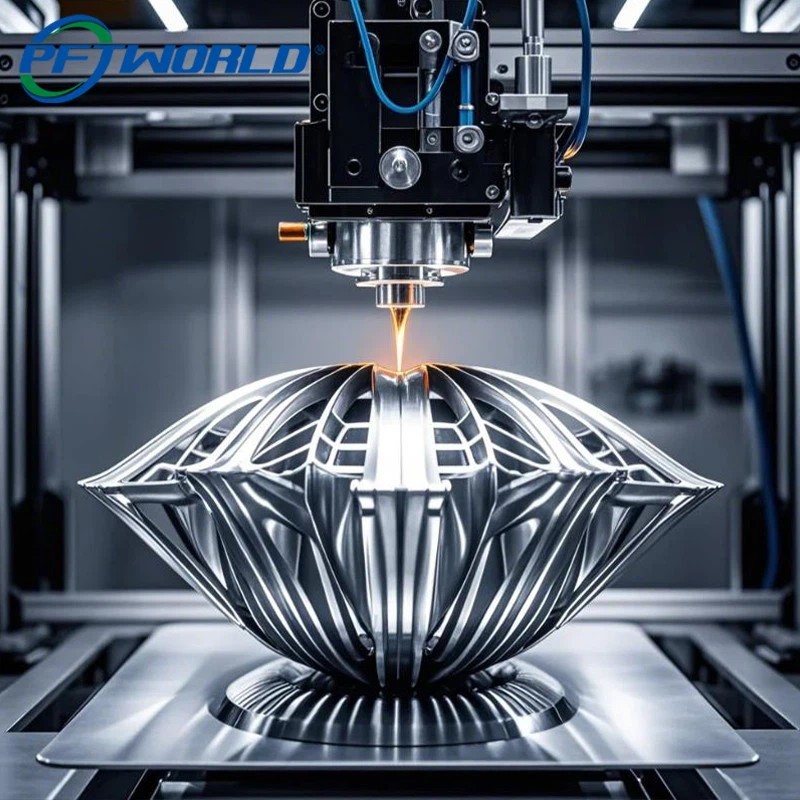
Rapid prototyping using SLS, SLA, and DMLS (Direct Metal Laser Sintering) methods for ergonomic design verification.
Underpinned by zero-defect principles, utilizing advanced metrology equipment to guarantee consistent dimensional integrity.
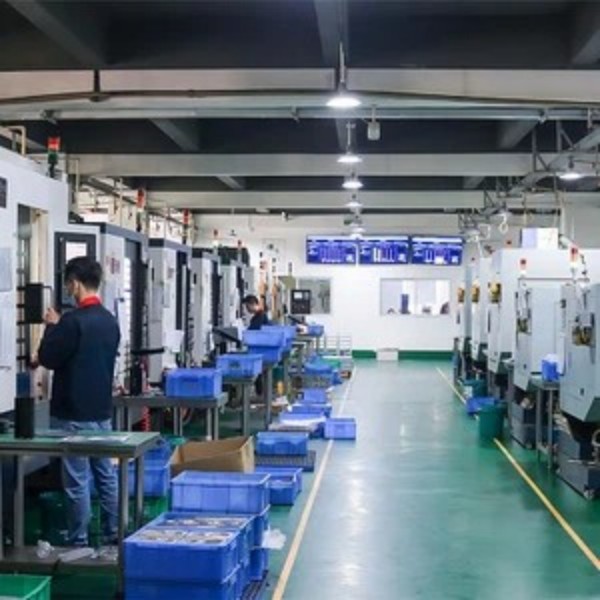
Equipped with high-precision 3, 4, and 5-axis machining stations to secure rigid geometric setups.
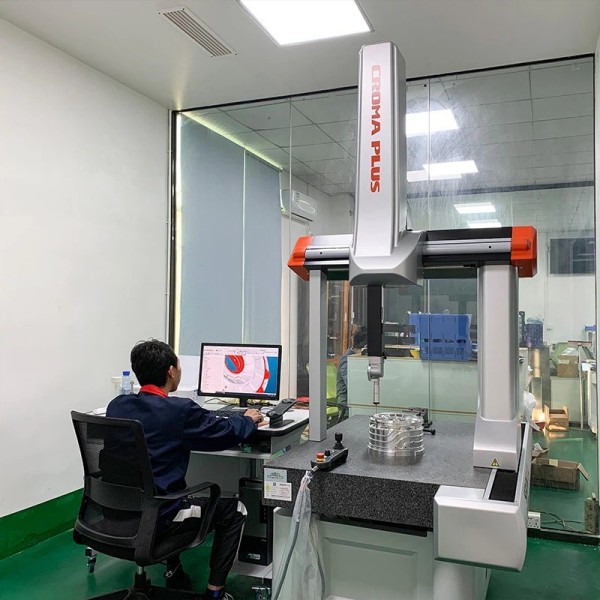
Providing 3D spatial coordinate verification down to sub-micron accuracy levels for aerospace and automotive standards.
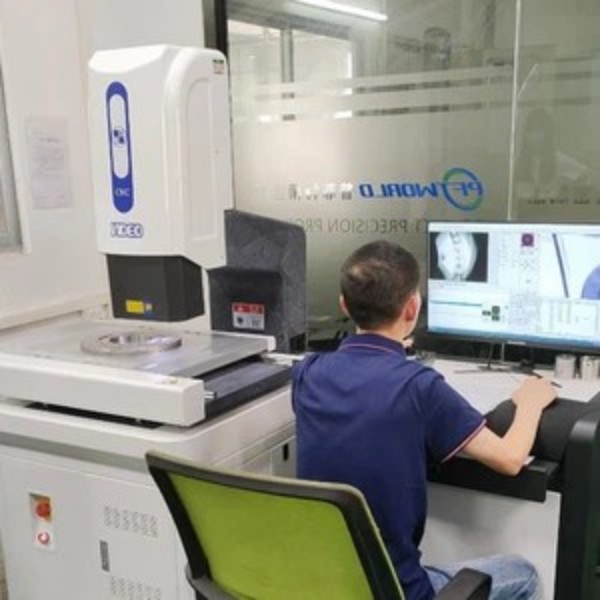
High-resolution profile projectors that inspect complex outer contours and thread patterns with digital crosshairs.

Live engineering feedback on design for manufacturability (DFM) issues, quality plans, and status tracking.
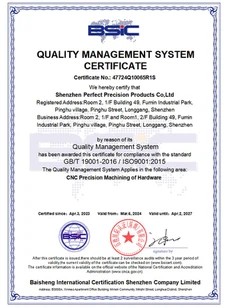
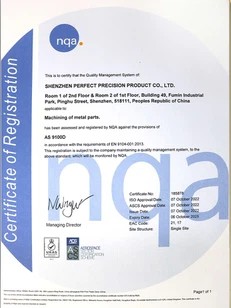
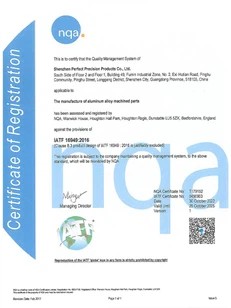
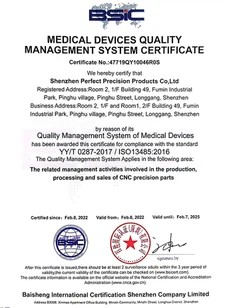
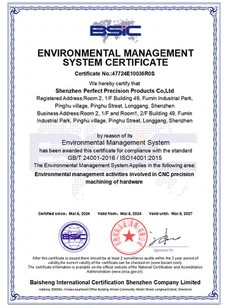
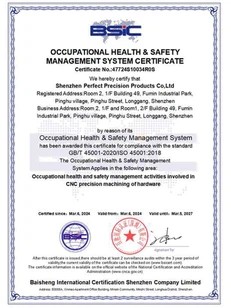
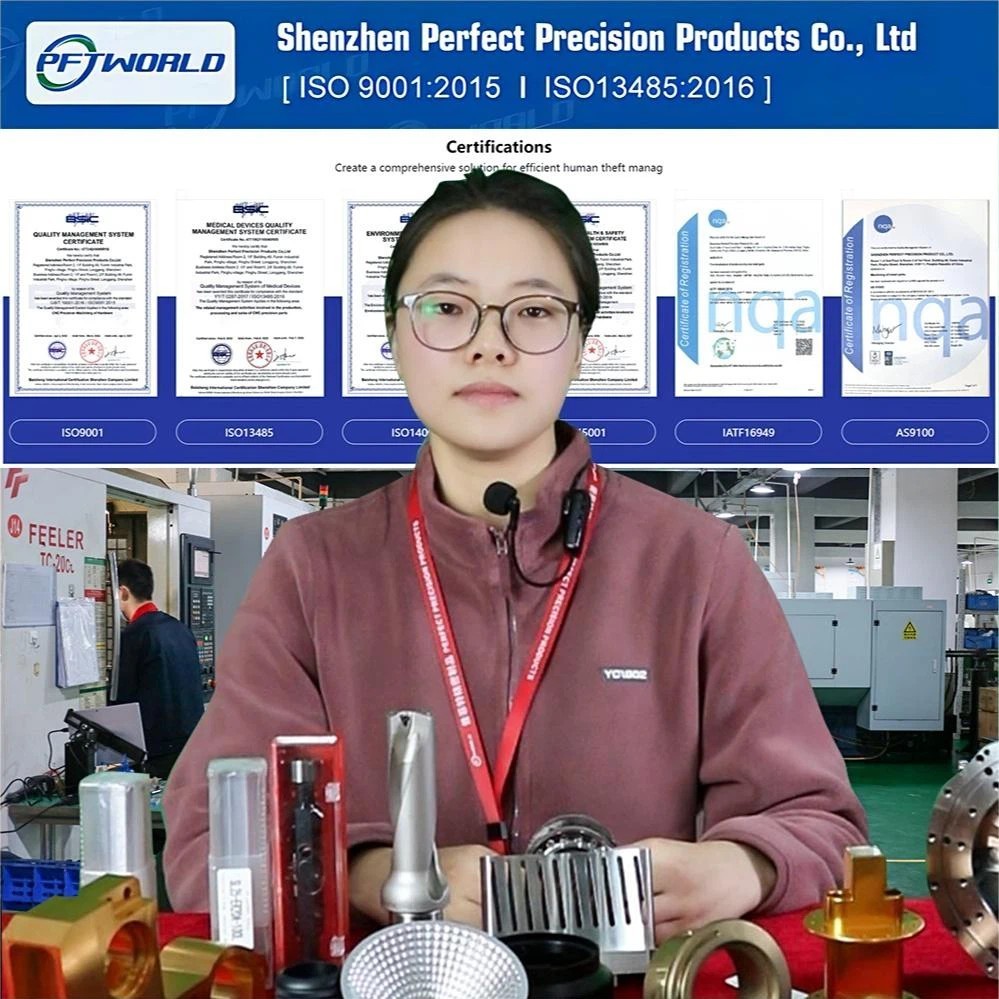
Our facilities are audited regularly to meet and exceed global criteria across key high-reliability manufacturing sectors.
A technical guide to stress distribution, structural geometry, and surface treatment for performance RC platforms.
Suspension arms, shock towers, and steering carriers on a 1/8 scale basher vehicle face intense mechanical shock. Standard plastic components deform under heavy impacts, causing changes in suspension camber and toe angles that can disrupt handling. CNC machined aluminum parts offer the rigidity required to maintain these angles, ensuring consistent suspension geometry under load.
Using 5-axis CNC machining, engineers can program variable wall thicknesses to reinforce high-stress areas (such as shock mounts and hinge pin retainers) while removing excess material from low-stress zones. This structural optimization keeps the components light while maintaining high strength.
CNC machined aluminum parts are commonly treated with anodizing (Type II or Type III hard-coat). Anodizing converts the aluminum surface into a durable aluminum oxide layer, improving wear and corrosion resistance. In addition to protecting the metal, anodizing is often used for brand-specific styling, allowing components to be finished in various colors (such as blue, red, or orange) to match team or brand aesthetics.
| Aluminum Grade | Tensile Strength (MPa) | Yield Strength (MPa) | Primary Applications | Corrosion Resistance |
|---|---|---|---|---|
| 6061-T6 | 310 | 276 | Suspension arms, shock caps, shock towers | Excellent |
| 7075-T6 | 572 | 503 | Main chassis plate, drive cups, bulkheads | Moderate |
| 2024-T3 | 483 | 345 | High-fatigue gears, structural brackets | Low-Moderate |
Sourcing precision CNC aluminum RC components from specialized suppliers in China offers distinct supply chain and technical advantages:
Real-time visual monitoring systems tracking machining tolerances, tool path execution, and final batch inspection.
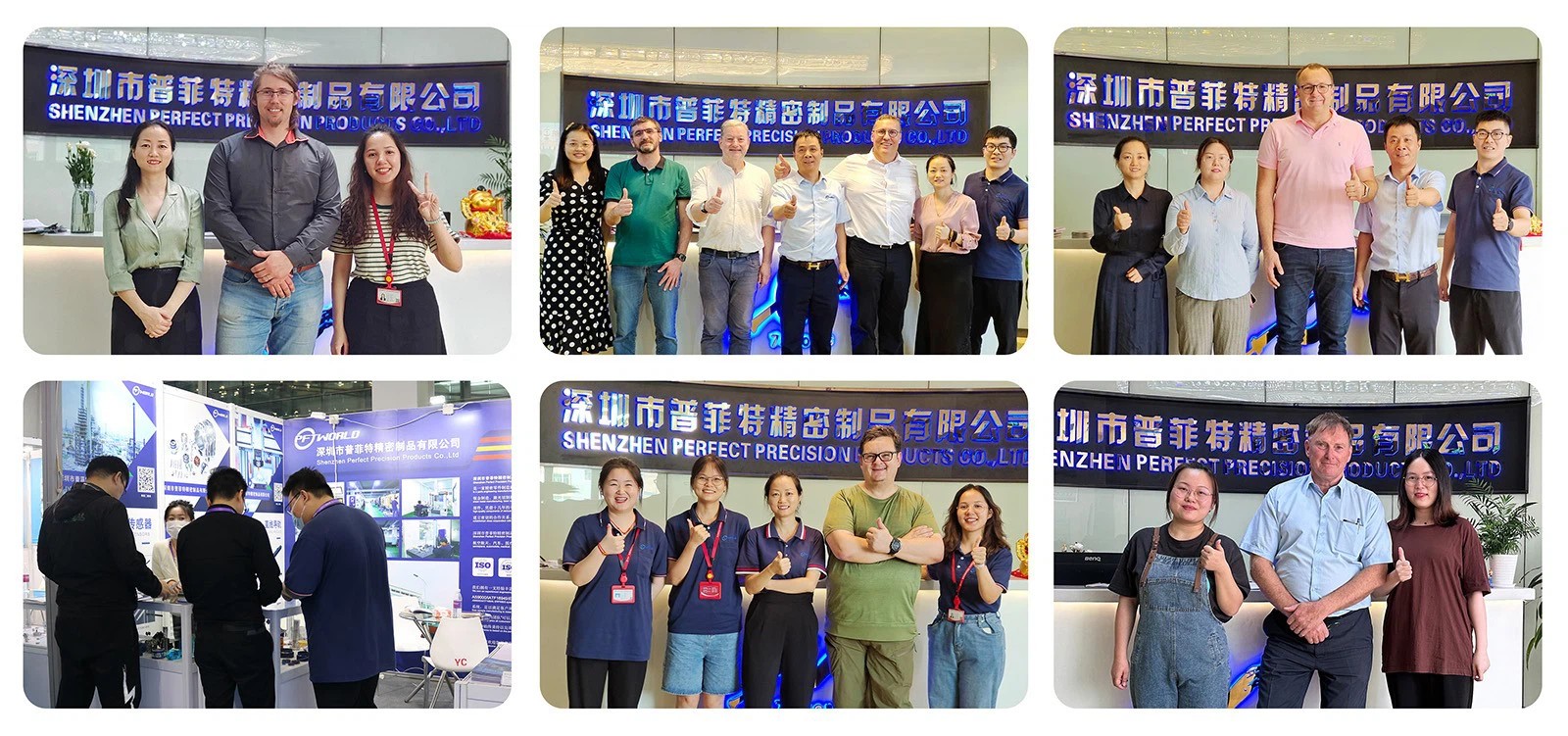
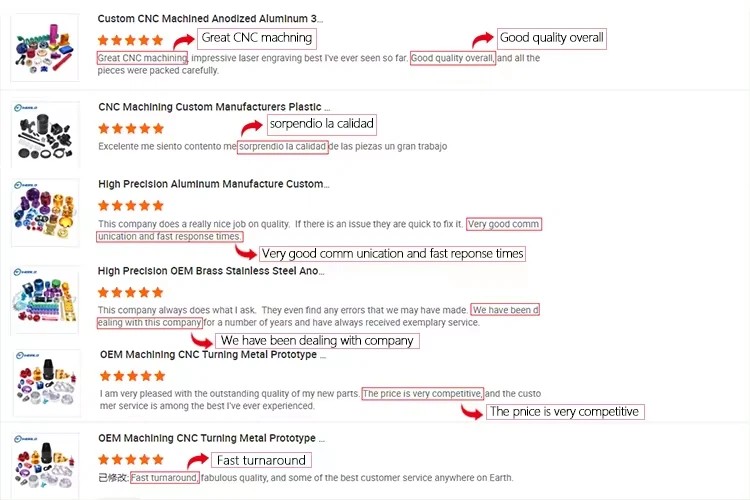
Addressing engineering specifications, sourcing protocols, quality assurances, and delivery schedules.
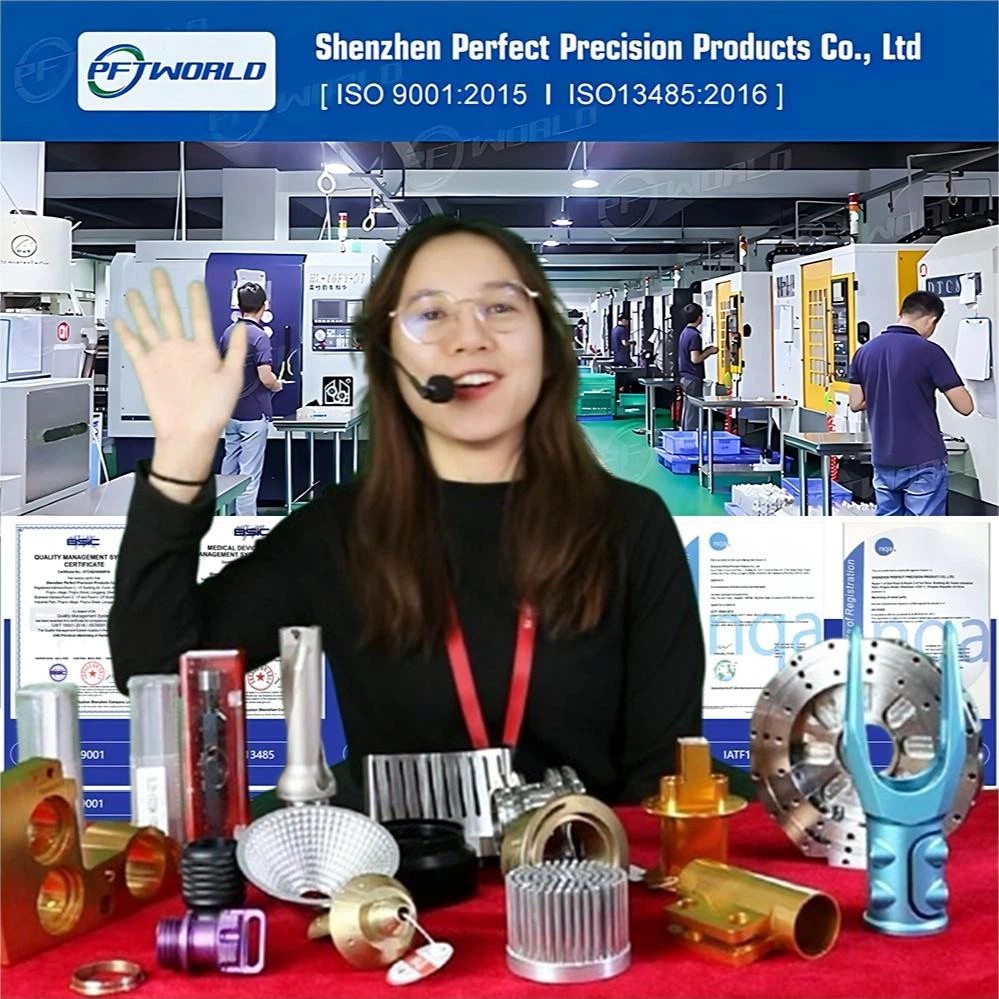
We are a manufacturer located in Shenzhen, China, with 20 years of rich experience, covering a 6,000 square meter facility. Our operations are supported by 3D quality inspection equipment, an integrated ERP system, and over 100 machines. Material certificates, sample quality inspection reports, and full production data are available upon request.
To receive a quote, please provide detailed 2D/3D drawings (such as PDF, STEP, IGS, or DWG formats) along with specific details on your requested materials, quantity, surface treatment, quality parameters, and delivery date.
Yes. If drawings are not available, you can send us physical samples, photos, or detailed dimensional sketches. Our engineering team can work from these to create CAD files for your verification and subsequent quotation.
Typically, sample production takes 1 to 2 weeks, while full production runs require 3 to 4 weeks, depending on part complexity and total volume.
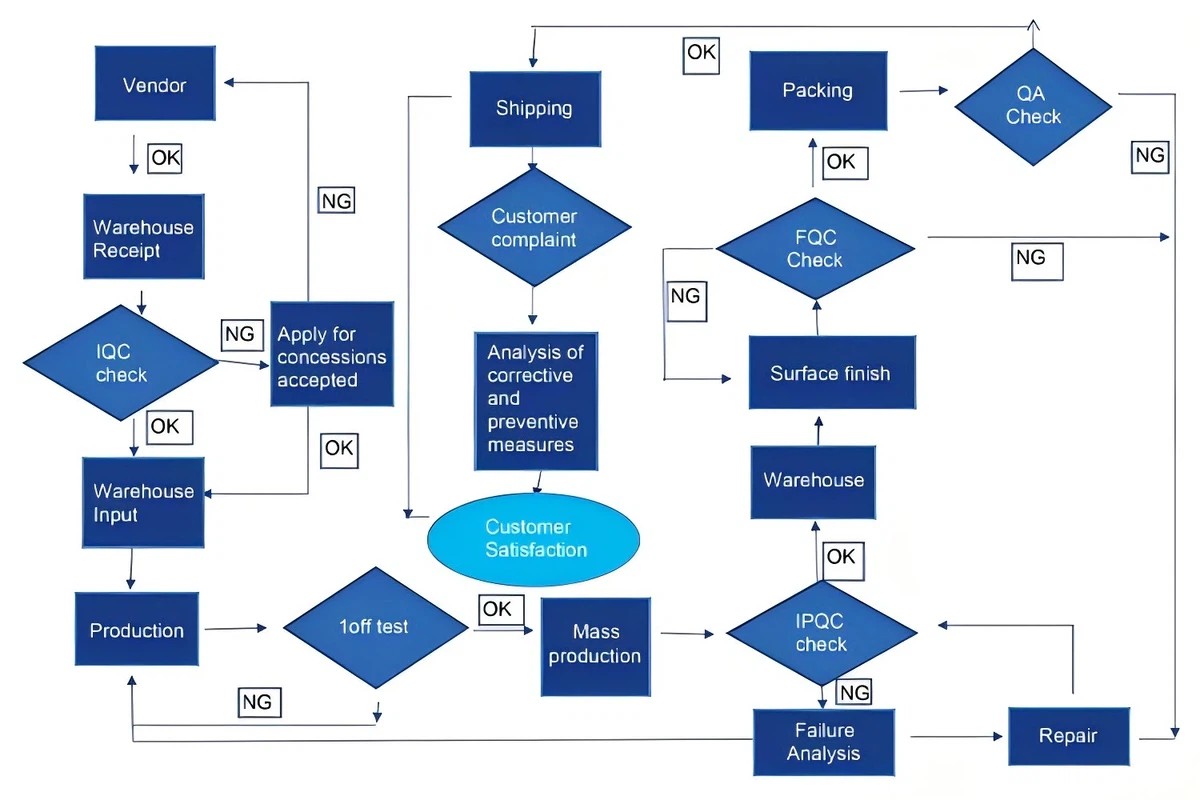
Our quality control program consists of four distinct inspection stages:
7075-T6 aluminum contains zinc as its primary alloying element, yielding high mechanical strength and fatigue resistance. It offers a yield strength of 503 MPa compared to 276 MPa for 6061-T6. This makes it ideal for main chassis plates and high-stress drive components that must resist bending and deformation during high-speed run-outs or impacts.
Our dedicated engineering account managers are available to assist with technical feedback, quotes, and ordering requirements.
Explore custom manufacturing components, titanium machining, wear-resistant bushings, and advanced 5-axis hydraulic valve housings.
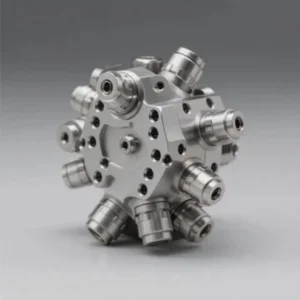
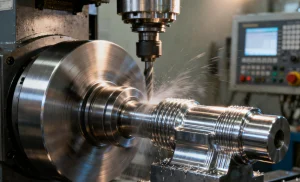
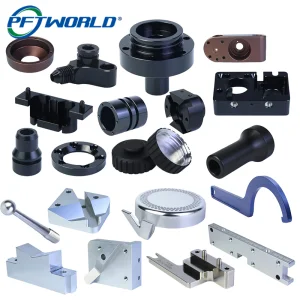
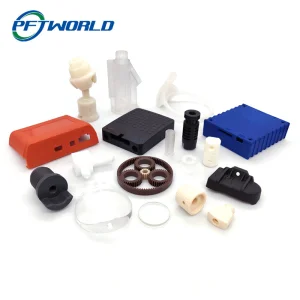
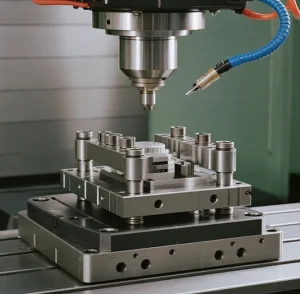
We deliver high-precision CNC machining solutions tailored to your exact specifications. From prototyping to mass production, we handle everything with strict quality control, fast turnaround, and competitive pricing. Equipped with advanced CNC machines and a skilled engineering team, we serve industries like automotive, aerospace, medical, and electronics with unmatched accuracy and reliability.
Send Sourcing Inquiry Now