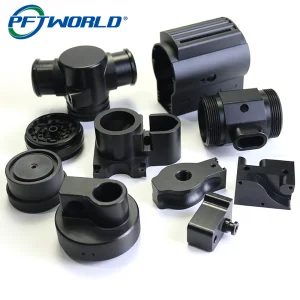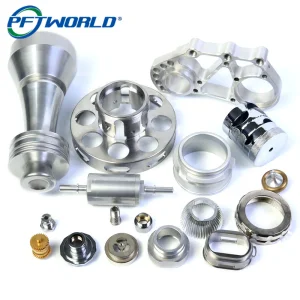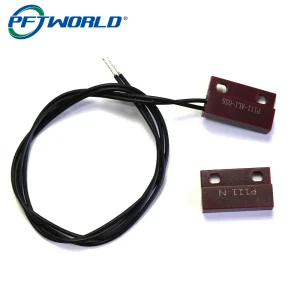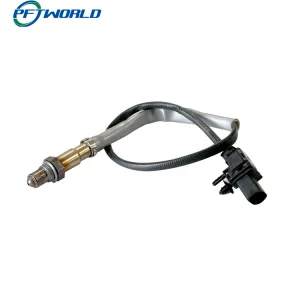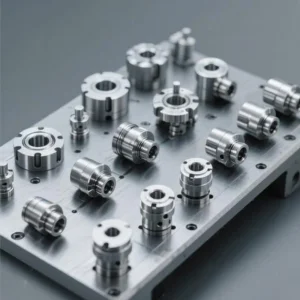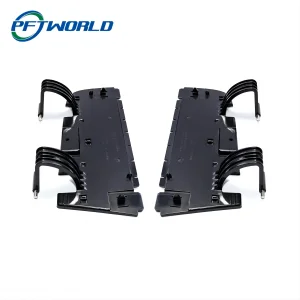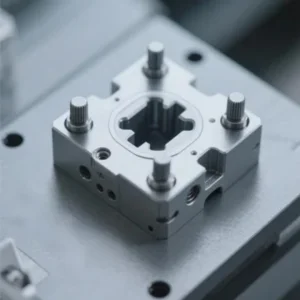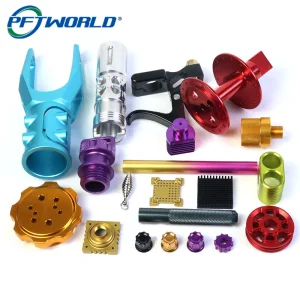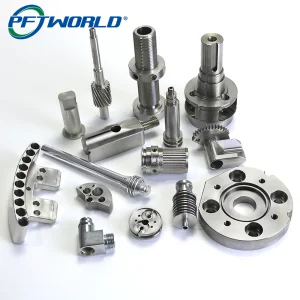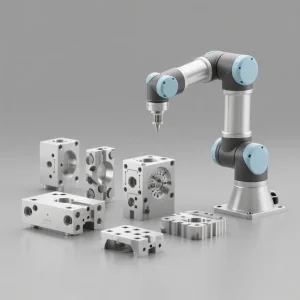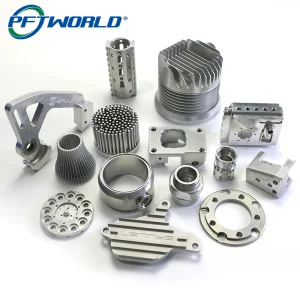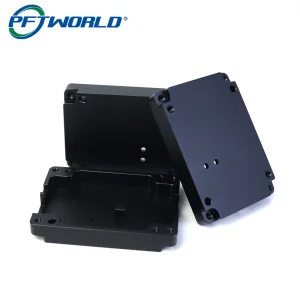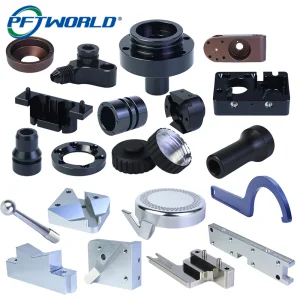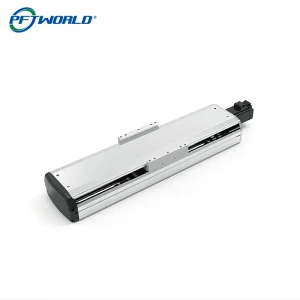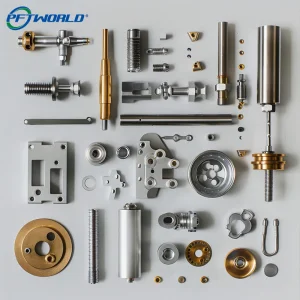
Explore our foundational range of CNC components, sensor integration, and customized motion accessories engineered for extreme stability under maximum stress loads.
Delivering sub-micron predictability and supreme structural rigidity under heavy dynamic payloads.
Modern industrial applications require linear motion systems that can withstand enormous vertical, lateral, and moment forces. The core performance indicator of a high load linear rail lies in its load rating profiles: the Basic Dynamic Load Rating ($C$) and the Basic Static Load Rating ($C_0$). These values, calculated under strict ISO standards, dictate the nominal life cycle of the linear guide assembly before material fatigue (spalling) occurs.
By optimizing the contact geometry—transitioning from circular-arc gothic arches to modified roller profiles—we achieve lines of contact rather than points of contact. This reduces Hertzian contact pressure dramatically, allowing for an exponential increase in payload capacity within the exact same structural footprint.
How automation, smart sensors, and advanced material science are transforming industrial linear pathways.
The convergence of IoT with linear components. Future linear rails will incorporate integrated micro-sensors directly within the runner block to monitor vibration profiles, temperature variation, and real-time lubricant breakdown, facilitating Predictive Maintenance (PdM).
Advancements in self-lubricating polymer matrix materials embedded within the end caps are extending maintenance intervals up to 10,000 km without external grease supply. These ecological seals prevent contamination ingress under harsh conditions.
For applications exceeding 5 m/s speeds and severe load-induced thermal growth, silicon nitride (Si3N4) ceramic rollers are replacing steel components. This reduces moving mass inertia, stops galvanic corrosion, and maintains thermal stability.
Across aerospace, automation, robotics, energy, and heavy infrastructure frameworks.
| Vertical Segment | Technical Challenge | Linear Rail Solution Profile | Target Metric Achieved |
|---|---|---|---|
| Aerospace Production Gantries | Extreme cantilevered moment loads and structural deflection risks during composite machining. | Roller-type high-rigidity linear rails with V2 heavy preload and custom steel backing blocks. | Deflection reduced by < 0.005mm under dynamic 45 kN side load. |
| Industrial Robotics & AGVs | High duty cycle speeds (up to 4 m/s) with persistent accelerations in high particulate environments. | Linear guides with integrated NBR double lip seals and continuous low-resistance lubricant reservoirs. | System lifetime extended to 50,000 operating hours without manual relubrication. |
| Automotive Stamping & Weld Lines | Shock impact loading, weld spatter ingress, high thermal gradients. | Hardened steel rails (HRC 58-62) with chrome plating and high-temperature metallic scraper plates. | Zero system seizures; 100% resistance to flying slag and heat exposure. |
| Lithography & Medical Scanning | Sub-micron positioning repeatability, zero noise emissions, non-magnetic criteria. | Miniature and customized non-magnetic linear guides with silicon-nitride ceramic elements. | Running noise limited to < 35dB; magnetic susceptibility virtually zero. |
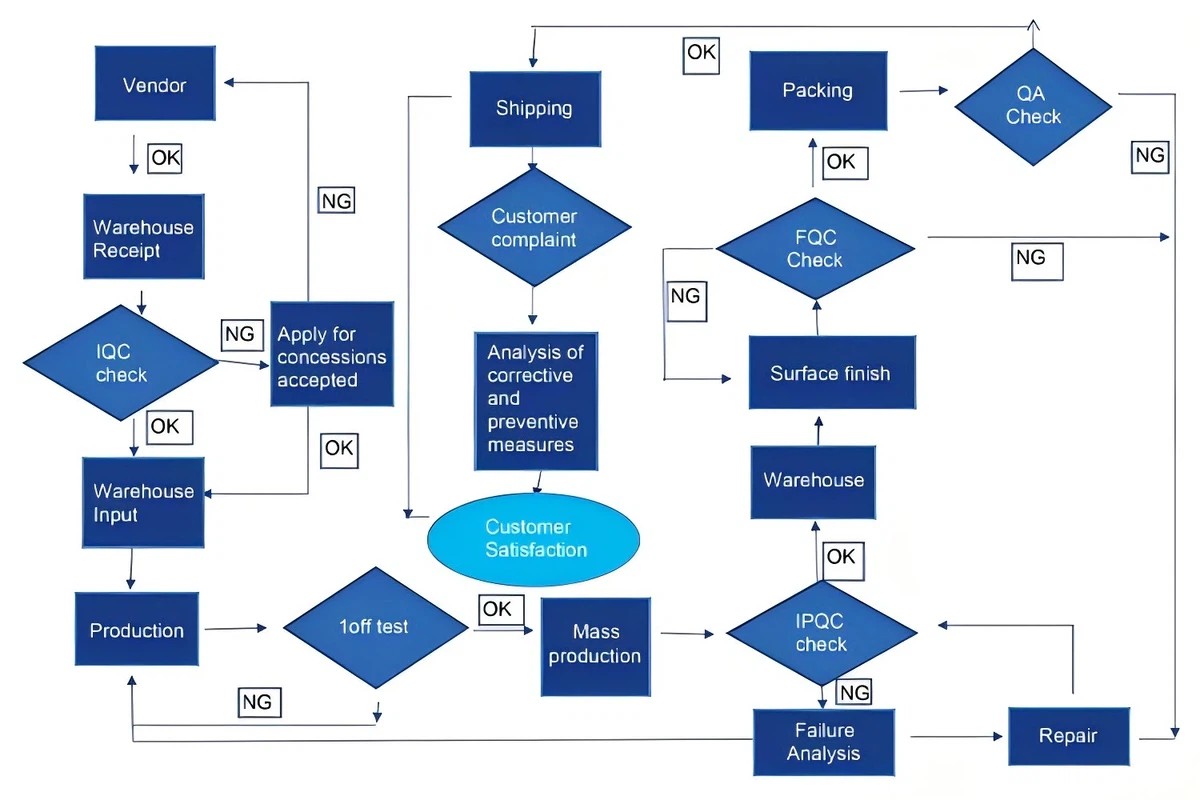
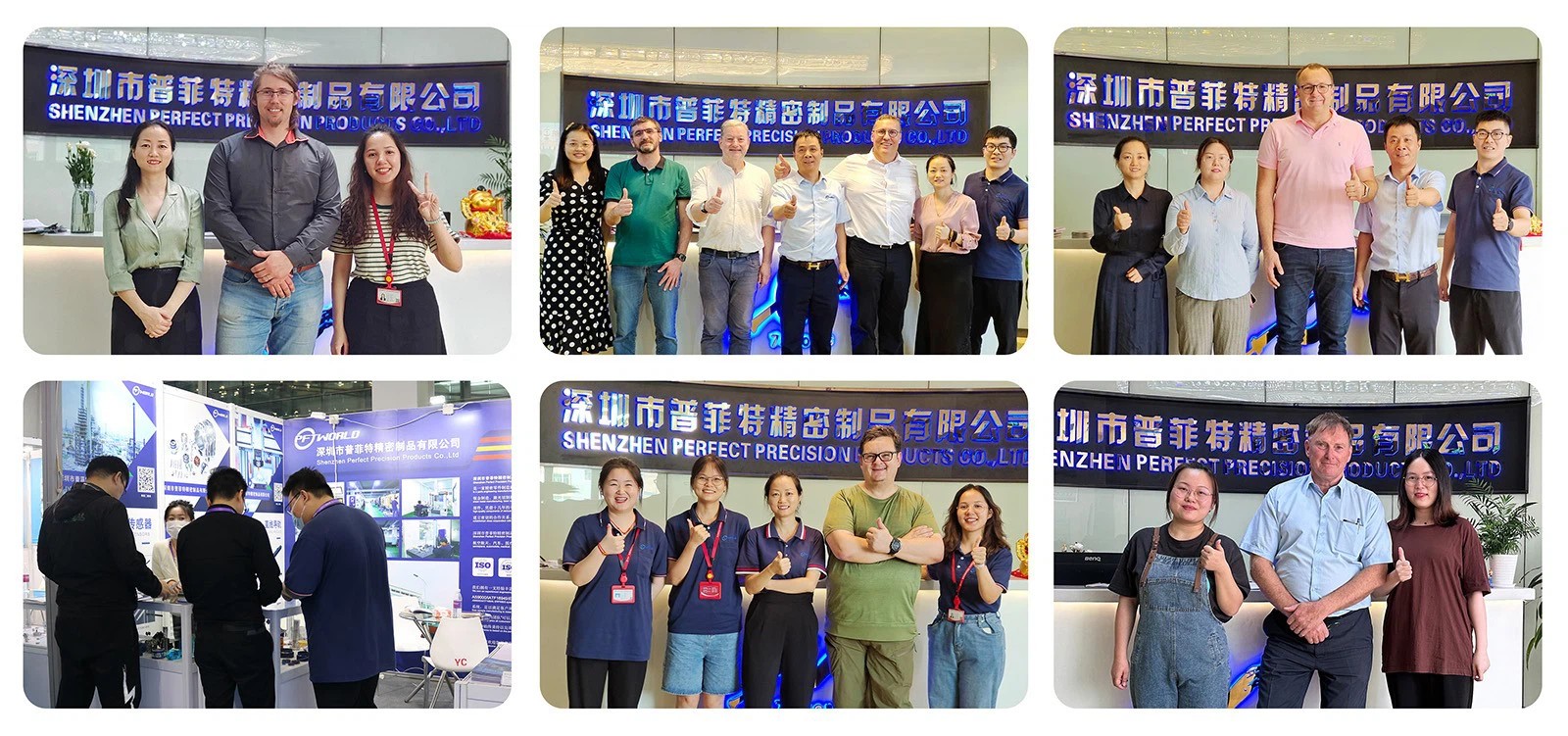
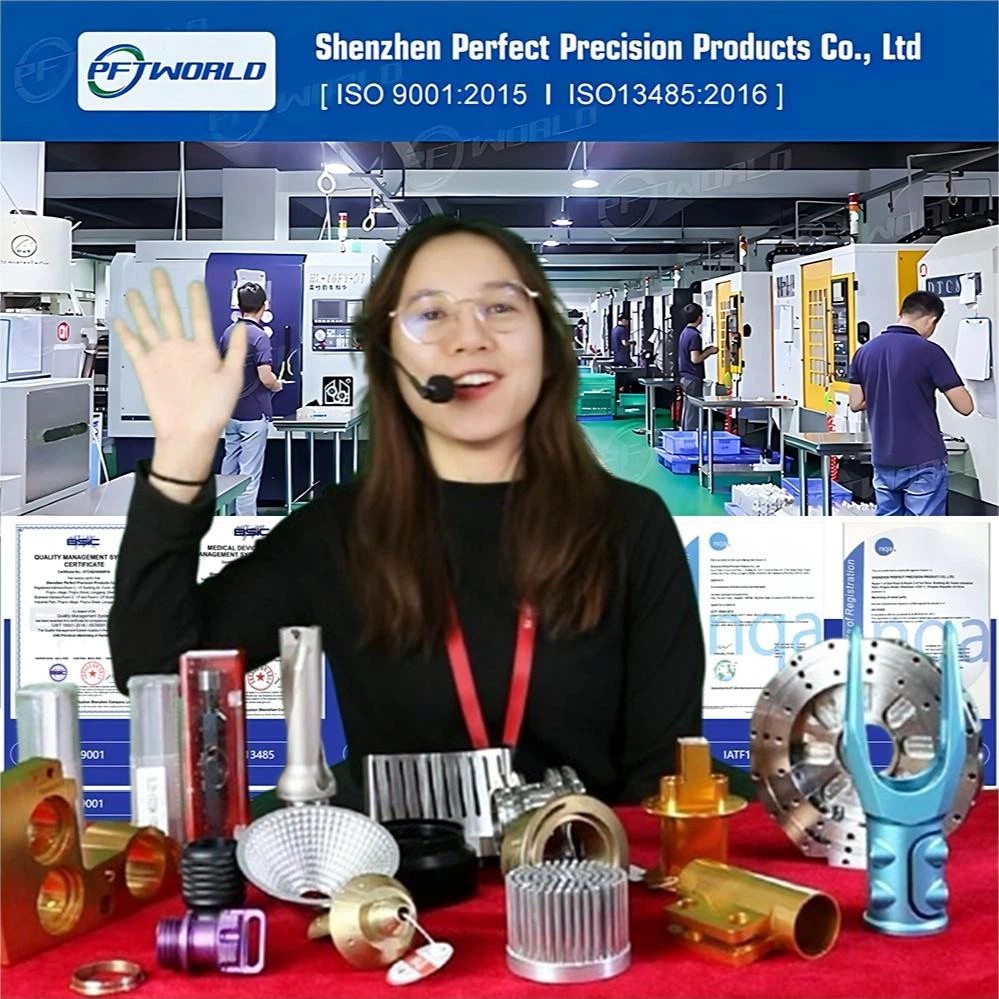
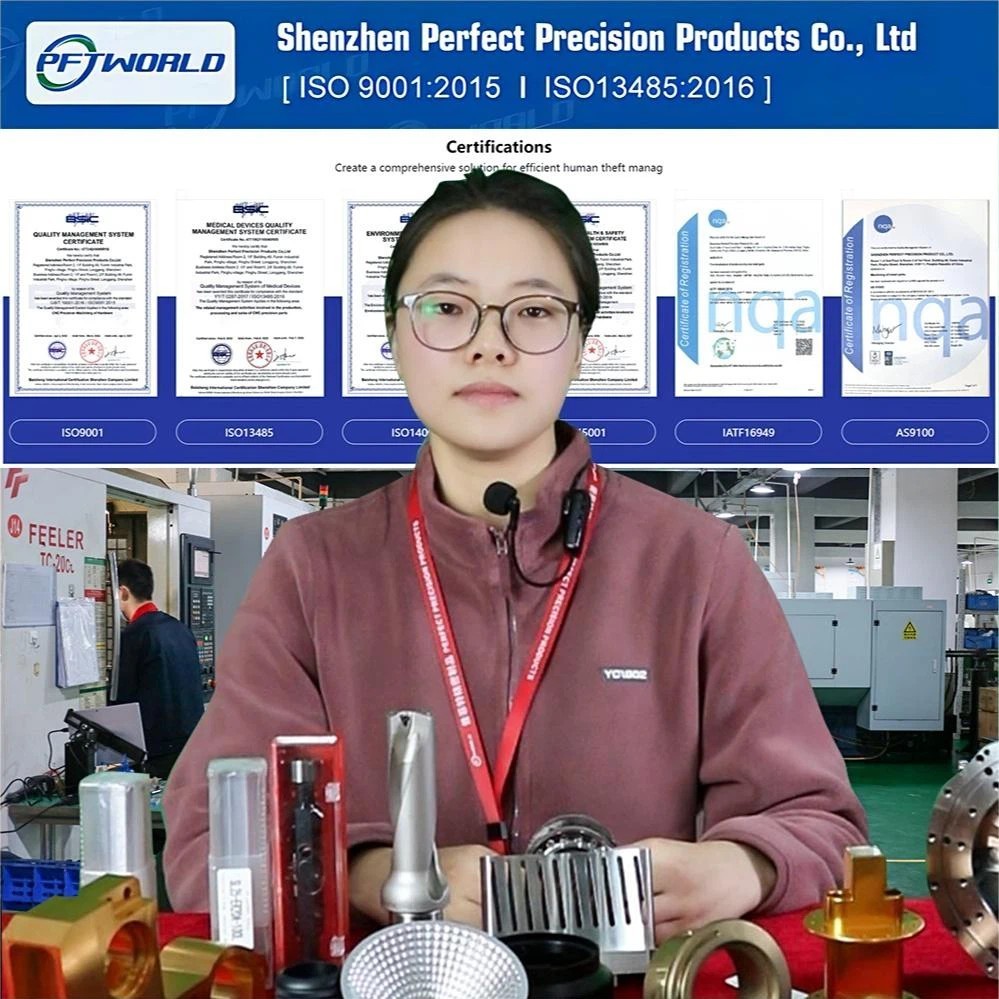
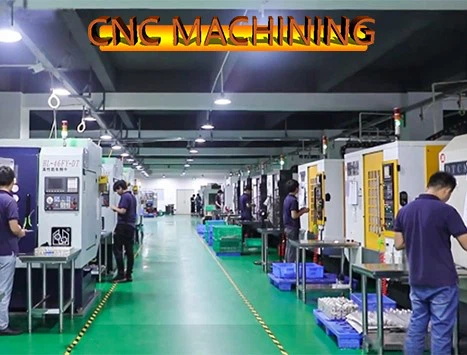
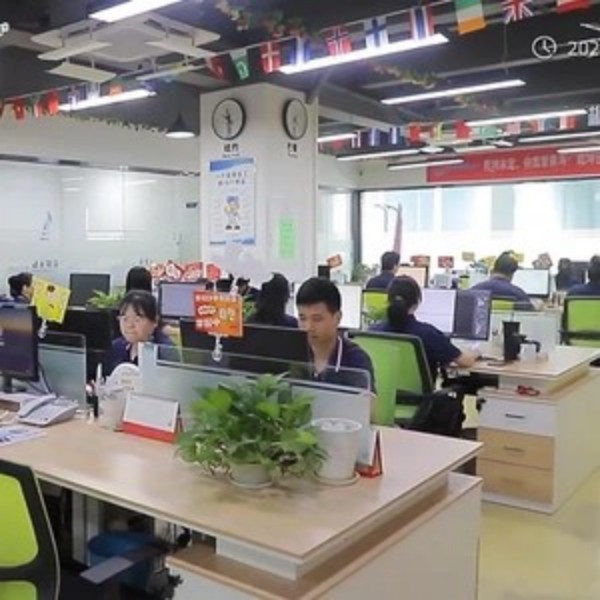
Established in 2014, Shenzhen Perfect Precision Products Co., Ltd has grown into a world-class manufacturing center. Spanning 10,000 square meters with over 100 high-capacity CNC machining centers, we support the world's most demanding engineering tasks with rigorous ISO compliance.
By digitizing our facilities in 2021 through a unified ERP and manufacturing execution system, we assure raw material traceability and absolute quality control at every phase of production. We serve as a direct-from-factory OEM/ODM supplier for high-load linear rail components, precision CNC milled casings, and critical industrial assemblies.
General: +/- 0.01 mm
Specialized Areas: +/- 0.002 mm
Roughness Range: Ra 0.1~3.2
Optimized for low-friction operation.
A comprehensive overview of our one-stop manufacturing services tailored for industrial machine designers globally.
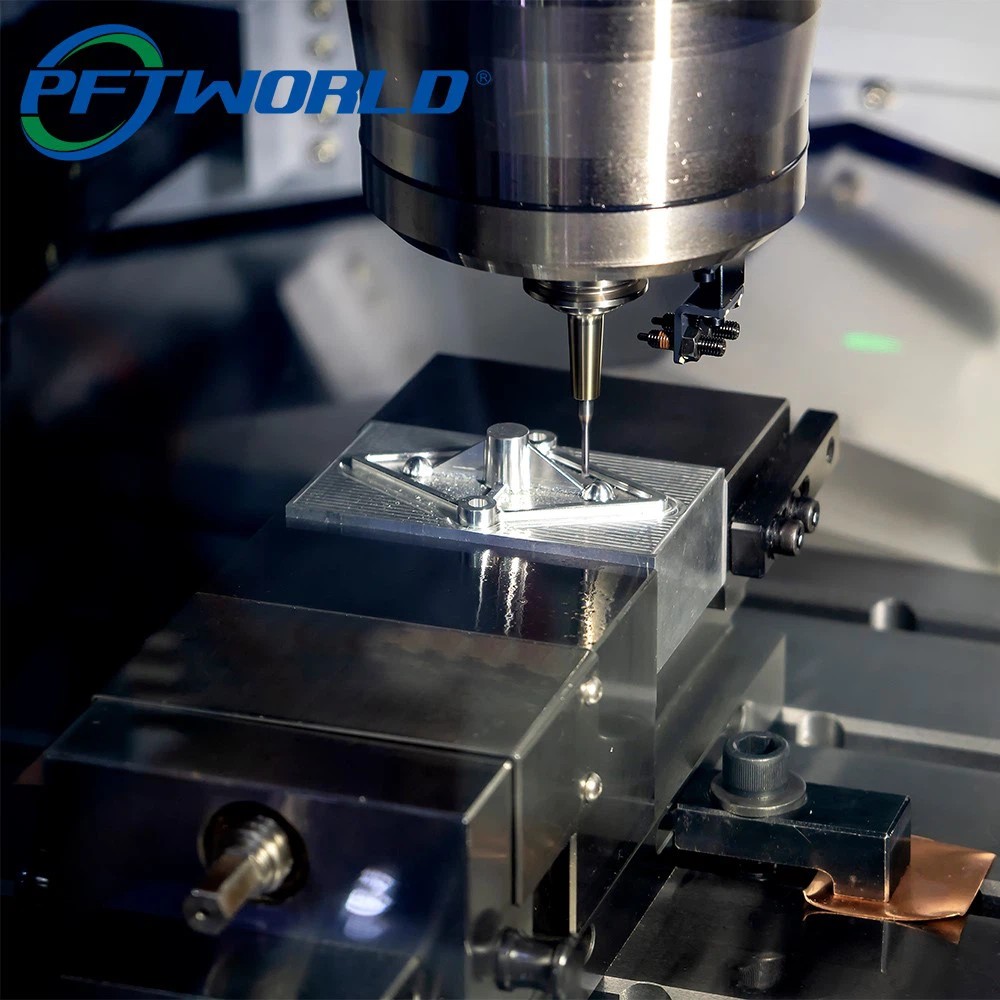
CNC Milling Machining
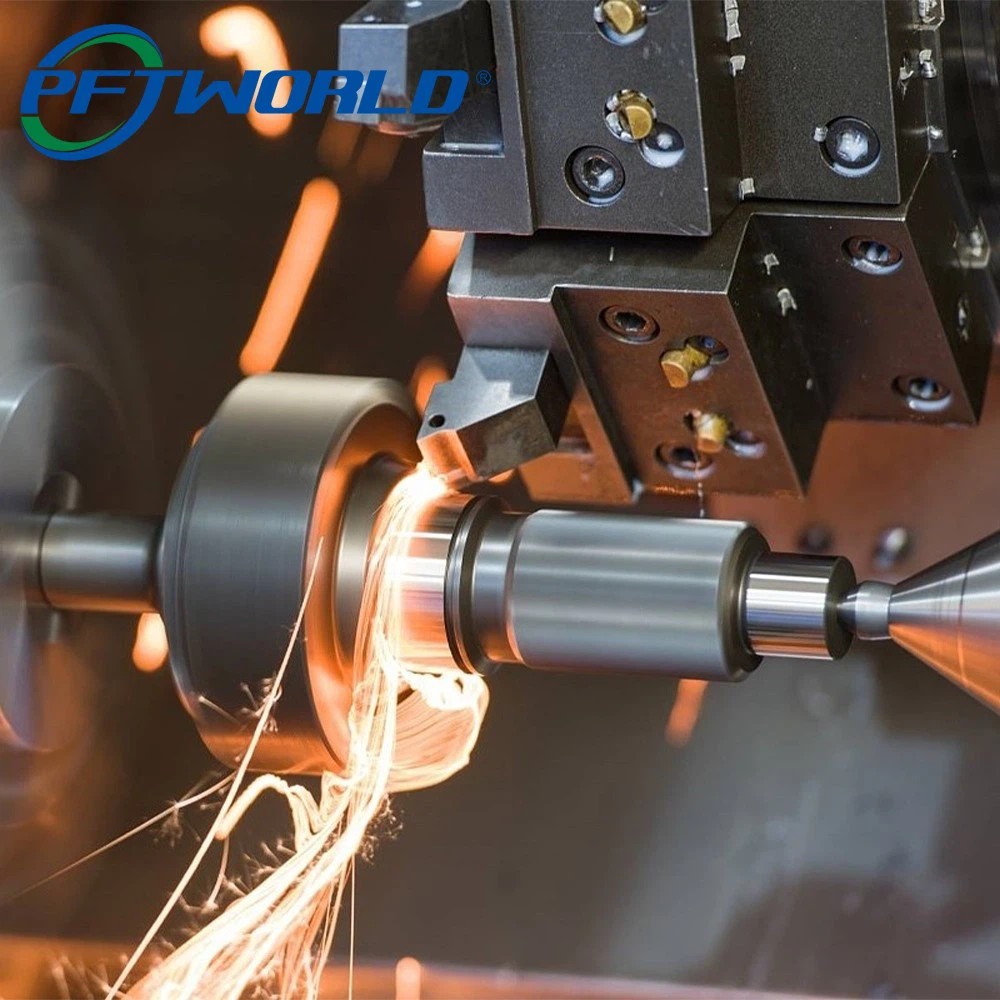
CNC Turning Machining
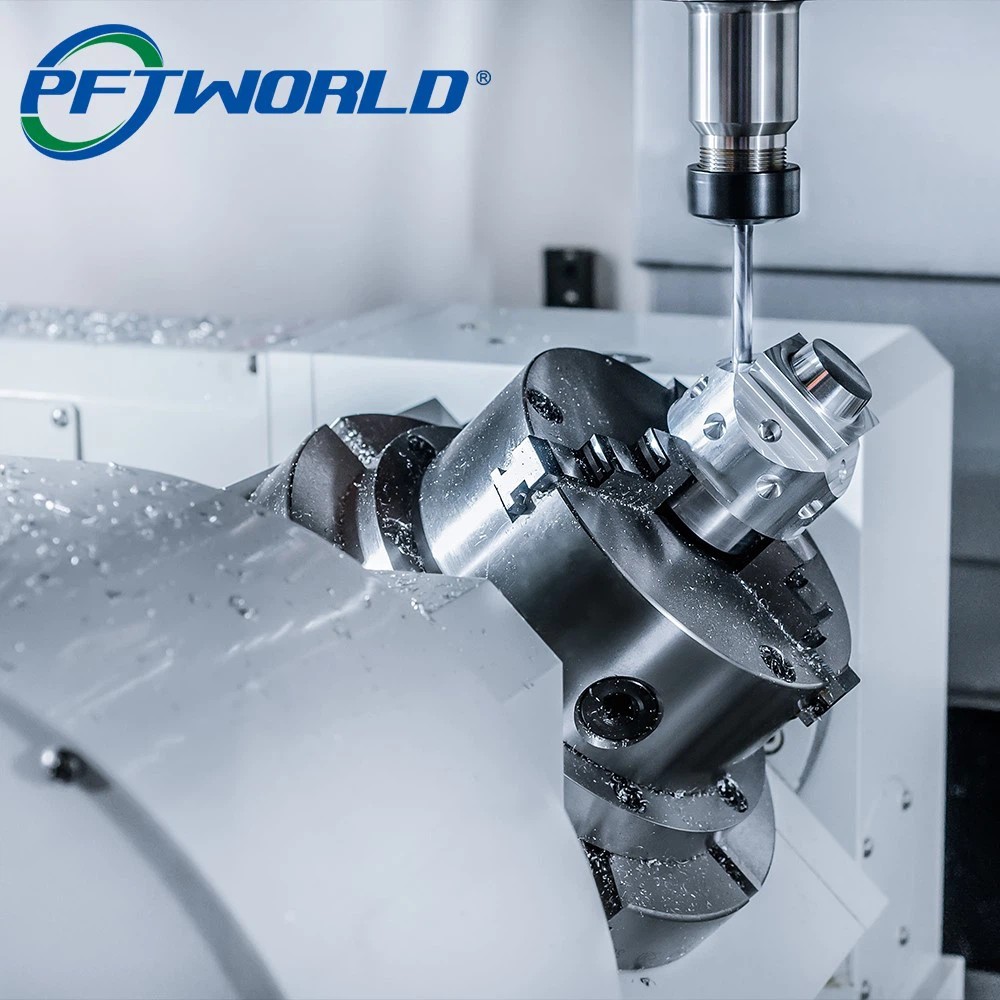
CNC Mill-Turn Machining
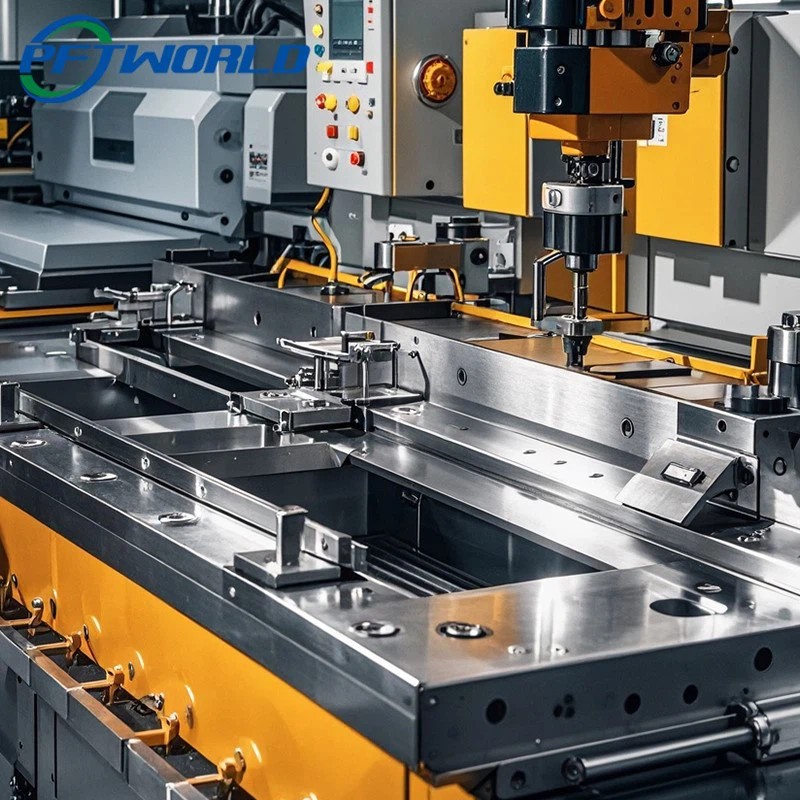
Sheet Metal Fabrication
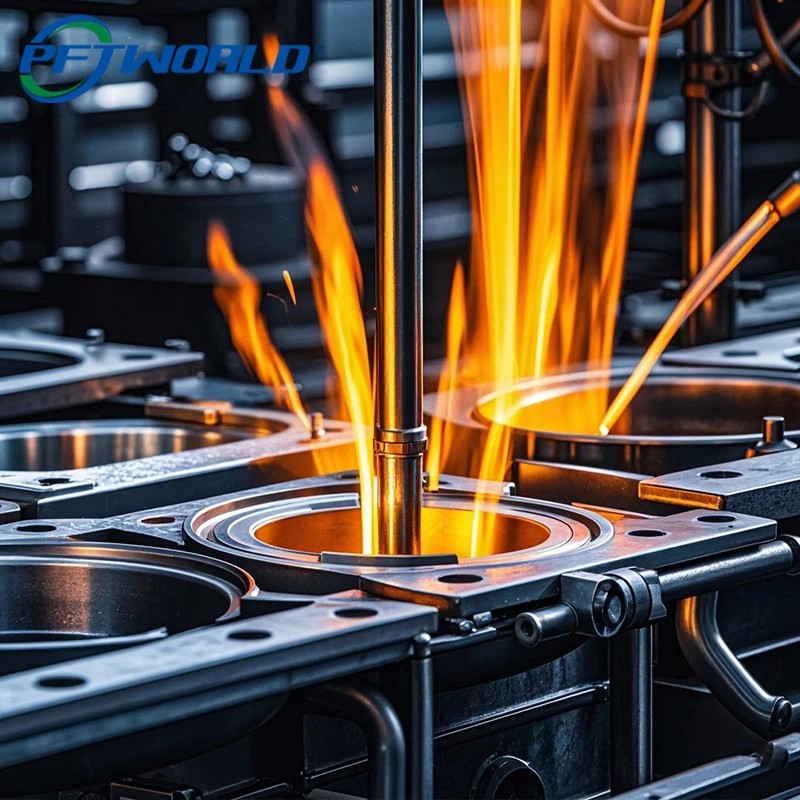
Casting Processes
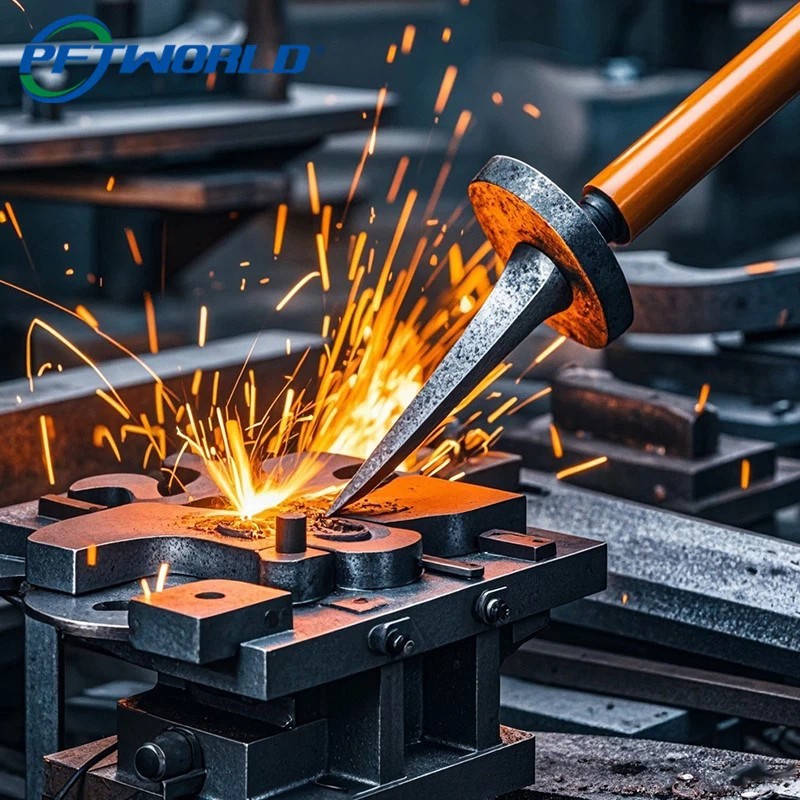
Forging
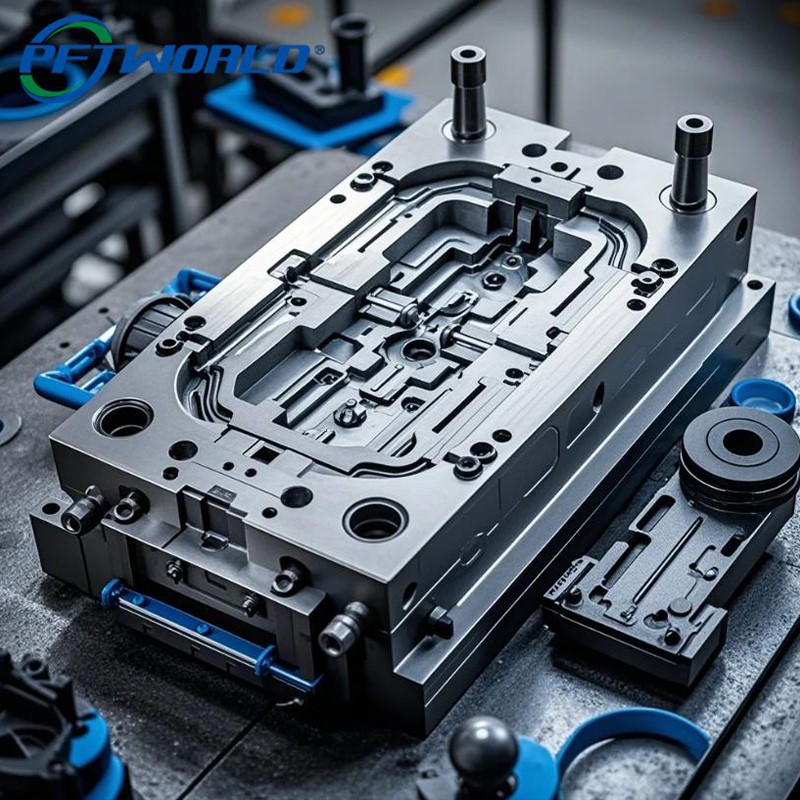
Moulds & Tooling
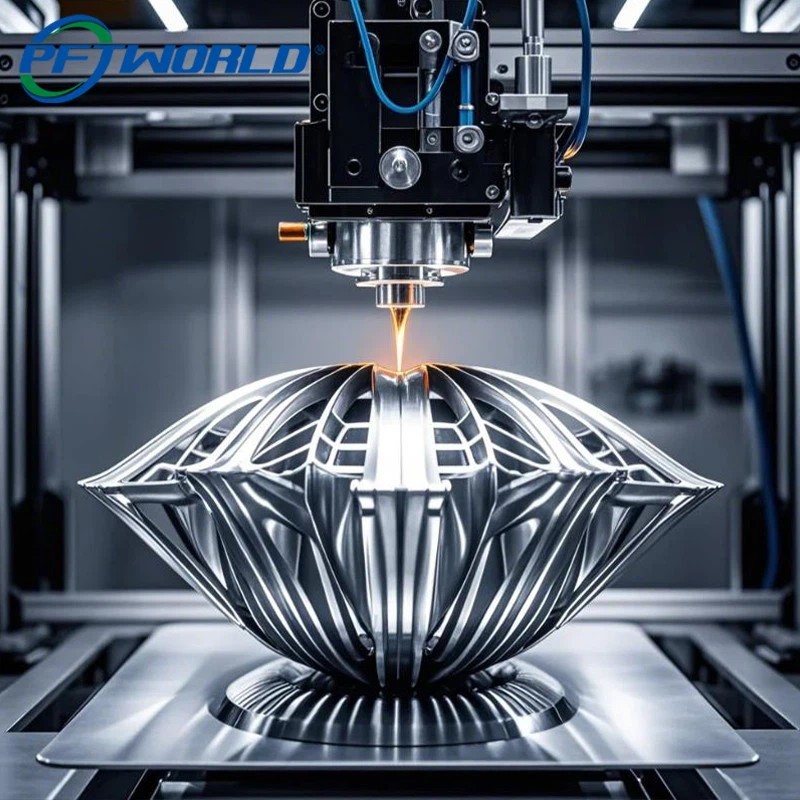
3D Printing / Prototyping
100% verification guarantees our linear rails and CNC components perform to print.
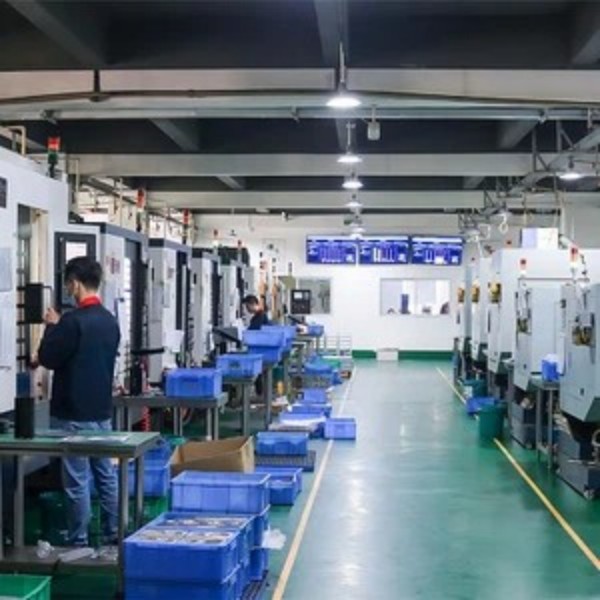
Rigid multi-axis milling for structural rail supports and precision carriage mounting seats.
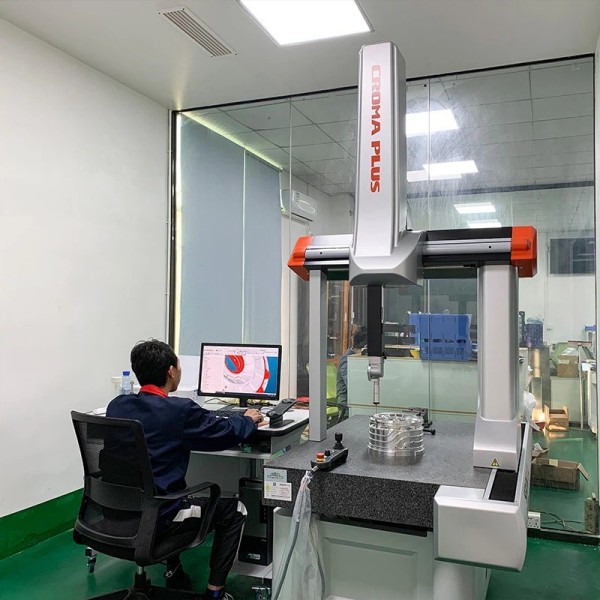
Sub-micron dimensional audit verifying alignment tolerances, spacing, and geometric flatness.
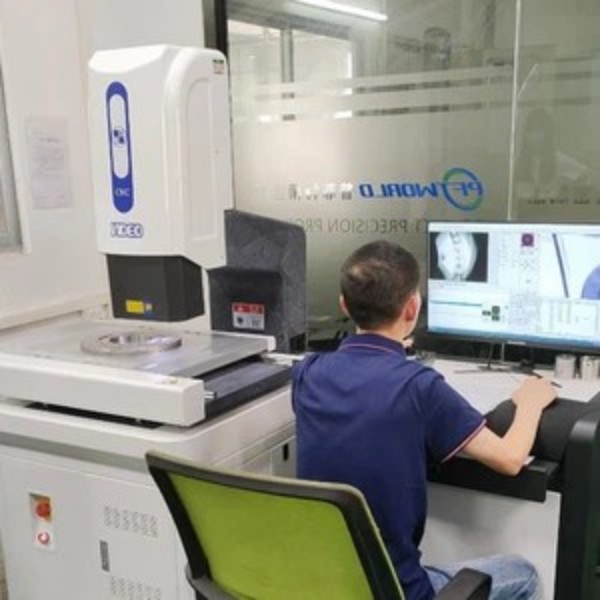
Rapid profile verification for external geometry, runout values, and seal groove dimensional checks.
Real-time tool wear monitoring and inspection guarantees uniform batch quality.
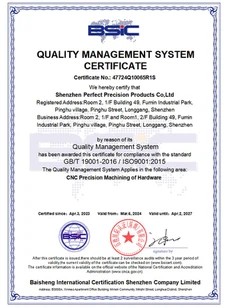
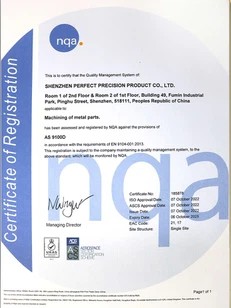
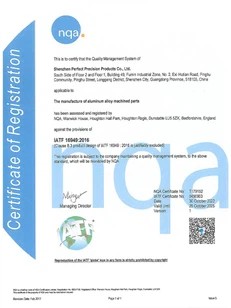
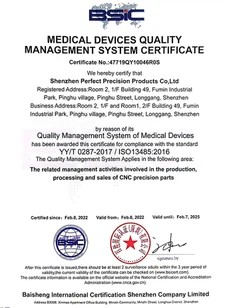
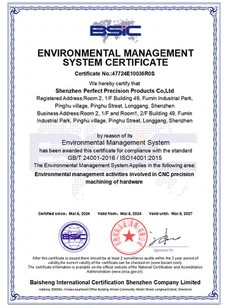
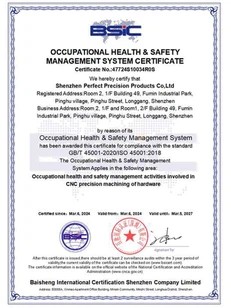
We adhere to strict international standards for medical, automotive, aerospace, and general machinery applications.
Key checkpoints for supply chain managers purchasing high-capacity linear motion products.
Ensure suppliers provide full material mill run sheets with chemical analysis and hardness profile verification. This prevents premature rail wear and catastrophic deformation under continuous dynamic loads.
Confirm the mounting hole spacing, block height, and rail width comply with DIN ISO 12090. Interchangeability allows for flexible cross-vendor replacement, decreasing spare part inventory overheads.
Consider the procurement price alongside expected operational lifetimes. Incorporating advanced self-lubricating systems and robust seals can yield a 35% reduction in overall system lifetime maintenance costs.
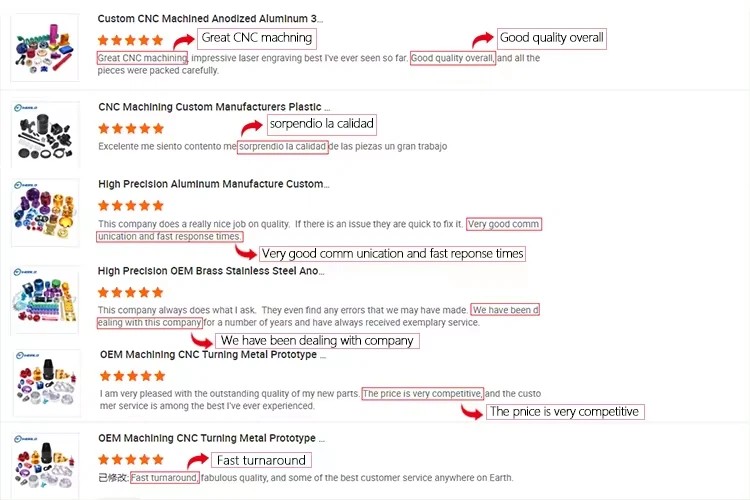
Real-world validation of our manufacturing reliability and linear guide component quality.
"High-load rails met our specifications exactly. Runout accuracy and stiffness were confirmed via laser interferometer checks upon receipt."
"The custom precision milling and rapid turnaround on prototypes allowed us to scale assembly line production with minimal downtime."
Detailed engineering guidelines and operational facts regarding our precision manufacturing facility.
Heavy duty linear rail comparison, slider modules, and multi-axis tooling components for industrial automation systems.